Should You Plant Faded Mums in the Ground in Ohio? 9 Things to Know First
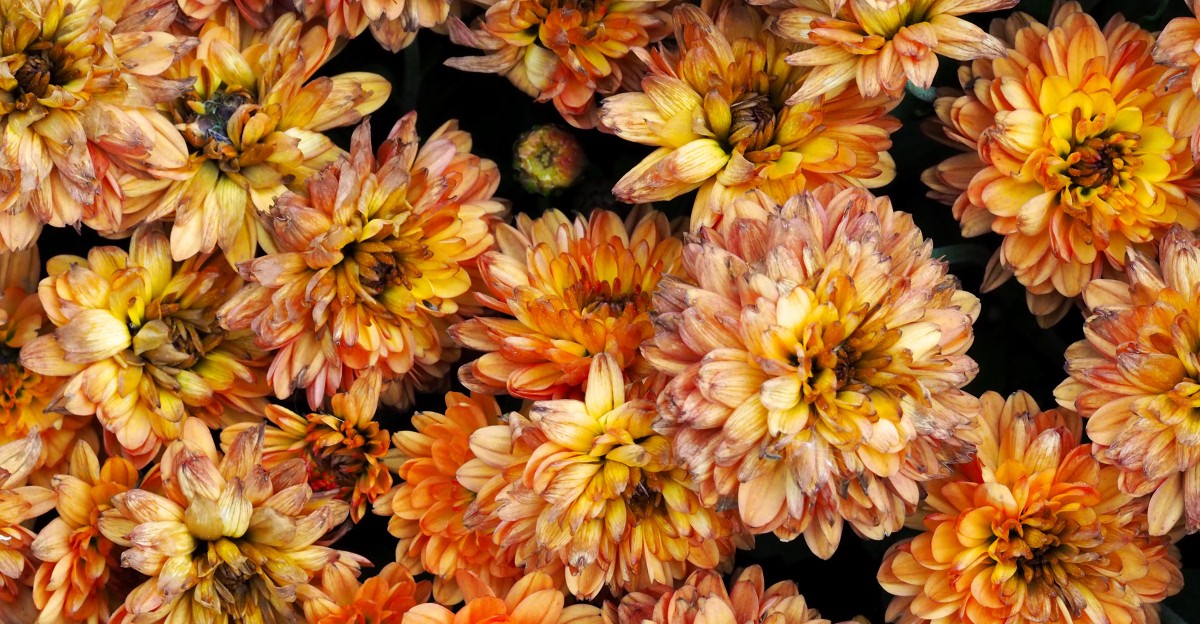
Many of the colorful pots sold at grocery stores each fall were grown to perform for weeks, not years. Growers often breed them for one big show, so the roots get far less attention than the blooms.
Ohio winters add another twist, with freeze and thaw cycles that can heave shallow roots right out of the soil. I have to admit, I learned that lesson after finding a lifted clump sitting on frosty mulch one March.
Still, plenty of gardeners in Ohio get those faded pots to return bigger and brighter the following autumn. You mostly need good timing and the right kind of plant sitting in your cart at checkout.
That tired display on your steps might deserve a shovel and a sunny bed before the ground freezes. A quick look at the plant tag and this month’s calendar can tell you whether it’s worth the effort.
1. Check The Plant Tag For Hardy Garden Mums

That flimsy plastic tag poking out of the pot might be the most valuable thing you bought this fall. I read every tag now, because it often tells me whether a plant was bred for gardens or just for porches.
Look for words like hardy, perennial, or garden mum printed near the plant name on the label. Those types are bred to handle cold winters, and many are rated for USDA zones five through nine.
Ohio mostly falls into zones 6a and 6b, with a few colder and warmer pockets around the edges. That range suits hardy chrysanthemums well, so a true garden type has a fair shot at returning next year.
Some series earn a strong reputation for toughness, and gardeners often mention Igloo and Belgian mums as reliable choices. You can ask your local garden center which series they trust, since staff usually know what overwinters nearby.
Personally, I like to snap a quick phone photo of the tag before tossing it in a drawer somewhere. That picture helps me remember the variety name when I want to buy more of the same plant later.
Without a tag, you can still guess a little by looking at how the plant grew in the pot. Hardy types often send up new shoots near the base as flowers fade, which hints at a healthier root system.
Treat any unlabeled plant as an experiment rather than a sure thing for next autumn’s garden bed. You might be pleasantly surprised, but keeping expectations modest makes any spring comeback feel like a bonus gift.
2. Florist Mums Usually Behave Like Annuals Outdoors
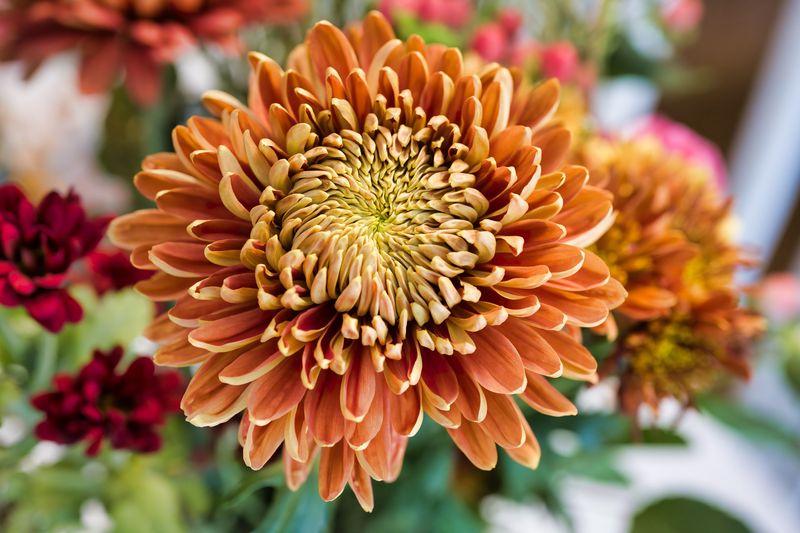
Those huge, perfect blooms wrapped in shiny foil look amazing on a table, but they were raised for a short show. Florist mums are grown in greenhouses under careful conditions, and most lack the toughness needed for cold outdoor winters.
Many experts treat them as annuals, which means you enjoy the flowers and then retire the plant to the compost pile. I can’t imagine feeling guilty about that, since the blooms already gave you weeks of cheerful color indoors.
Florist types often have fewer underground runners than hardy garden kinds, so they struggle to rebuild after a hard freeze. Their energy goes into giant flowers, and that leaves less strength for roots that need to anchor through winter.
You might notice they also come in tight, perfectly shaped domes or single large blooms on stiff stems. Those looks usually signal a greenhouse plant rather than a rugged perennial you would plant along a sunny garden border.
Curious gardeners sometimes plant them anyway, and a few lucky plants do return after an unusually mild winter season. If you want to try, choose a sheltered spot near the house where warmth from the foundation softens the cold.
Another option is keeping the potted plant in a cool, bright room until spring arrives again. Water lightly so the soil stays barely moist, then move it outdoors once frost danger has passed in your area.
Either way, enjoy the experiment without pinning big hopes on it, because the odds lean against a florist plant. Save your best garden real estate for hardy garden types that were bred to handle a long chilly season.
3. Early Fall Planting Beats Late November Planting

Timing matters more than almost anything else when you want a fall mum to wake up again next spring. Roots need weeks of mild weather to spread out, and late plants simply run out of growing time before winter.
Spring to early summer is the ideal planting window, because mums then get a whole season to settle in. Plants set out in August or September can also succeed if they get about six weeks before a hard frost.
Here in early November, the calendar works against you, since the soil is cooling and roots grow slowly. A blooming plant also spends its energy on flowers rather than building the root system it needs for winter.
I believe a late planting is still worth trying if the pot would otherwise land in the trash anyway. Just treat it as a long shot, and keep the plant watered until the ground starts to freeze solid.
One trick some gardeners use is planting the whole thing a bit deeper so the crown sits slightly lower. That helps insulate the base, though you should avoid burying the stems too far below the soil surface.
Another choice is sinking the pot itself into an empty bed and mulching around it heavily after a few freezes. The pot keeps roots together, and you can transplant it properly in spring when the soil warms up again.
Next year, consider buying hardy mums in late summer and planting them right away instead of waiting. Your future self will thank you when those plants return thicker and more colorful than this year’s batch.
4. Sunny Flower Beds Help Mums Bounce Back

Mums are sun lovers at heart, and they sulk when tall trees steal their light all afternoon long. They need at least six hours of direct sunlight daily to grow sturdy stems and produce a strong bloom display.
I love how a sunny bed makes the foliage look thick and healthy instead of thin and floppy by August. Light also helps soil dry faster after rain, which matters a lot for roots that dislike sitting wet.
Partial shade is tolerable, but you might notice fewer flowers and a shorter bloom season in shadier corners. Plants stretching toward the light also tend to lean over, leaving gaps in the middle of the clump.
Choose a spot away from big shrubs and trees, because their roots compete for water and nutrients underground. Those hungry neighbors can quietly weaken a young mum even when the bed looks open and bright from above.
A south-facing bed near your house can be an especially cozy choice for a late fall planting. Walls soak up daytime warmth and release it slowly at night, giving roots a slightly gentler start in cold months.
Watch how sunlight moves across your yard for a day before you grab the shovel and start digging. Morning sun is helpful for drying dew, which reduces the chance of leaf diseases settling in during humid weather.
Once you find that bright spot, mark it with a stake so you remember where the plant is next spring. Mums often emerge a bit late, and an empty-looking patch is easy to disturb by accident while weeding.
5. Well-Drained Soil Keeps Mum Roots From Rotting

Soggy soil is probably the sneakiest enemy a mum faces during a long, wet winter outdoors. Water that pools around the crown can lead to root rot, and the plant quietly declines before spring even arrives.
Heavy clay is common across much of Ohio, so many backyard beds hold moisture longer than plants would like. I have to admit, my first mums struggled in a low corner where puddles sat for days after rain.
Mixing compost or aged manure into the planting area helps loosen tight soil and improve its overall structure. Organic matter also feeds helpful soil life, and that gives roots an easier path to spread through the bed.
Mums prefer soil that is slightly acidic to neutral, which most garden beds already offer without much fuss. A simple soil test from your county extension office can confirm your pH if you feel unsure about it.
Raised beds or gentle mounds are smart options when your yard tends to stay wet in late winter. Lifting the root zone a few inches lets extra water drain away instead of collecting around the crown.
Avoid planting at the bottom of a slope or near downspouts, since those spots collect runoff after storms. Higher ground in your yard usually drains faster and gives mums a better chance of making it through.
You can test drainage by digging a hole, filling it with water, and watching how quickly it empties. If water lingers for hours, improve that soil or choose another location before your faded plant goes in.
6. Water Mums At The Base Until The Ground Freezes
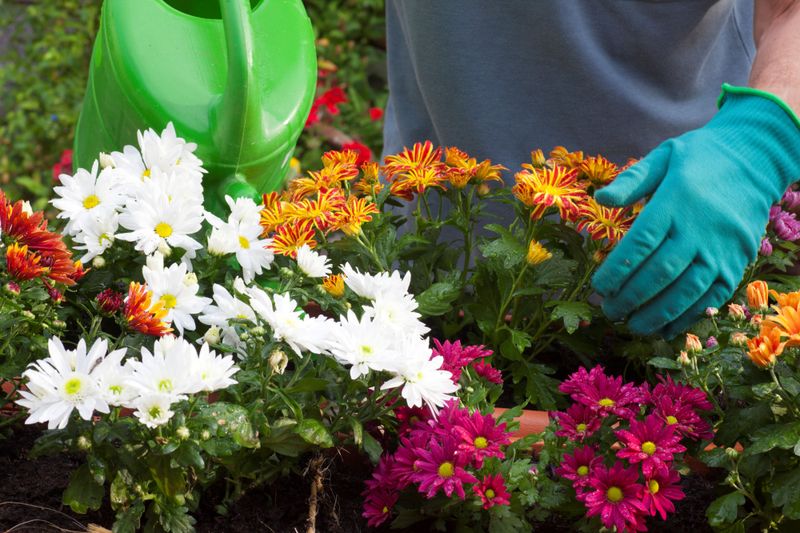
Cool fall air tricks plenty of gardeners into thinking new plants can skip watering until spring returns. Freshly planted mums still need steady moisture, because their small root balls dry out faster than the surrounding soil.
Aim for soil that feels moist but not soggy when you push a finger a couple of inches down. Too much water invites root rot, while too little leaves a stressed plant heading into its toughest season.
Pour water directly at the base and let it soak slowly into the soil around the roots. Overhead sprinkling wets the leaves, and damp foliage on chilly nights can encourage fungal problems to spread.
Personally, I keep a watering can near the back door during autumn so the job feels quick and easy. A slow, deep drink once or twice a week usually works better than a quick splash every afternoon.
Potting mix around the original root ball often dries faster than garden soil, so check that spot carefully. Gently loosening circling roots at planting time also helps water move outward into the new bed more evenly.
Keep up the routine until the ground starts freezing, then let winter moisture take over the job. Frozen soil cannot absorb water anyway, and extra puddles might turn into ice around the crown.
If you decide to overwinter a potted mum in a garage instead, water just enough to prevent the soil drying out. A light drink every few weeks is usually plenty for a plant resting quietly in cool darkness.
7. Leave Faded Mum Stems Standing Over Winter

Brown stems and crispy flowers might look messy, but they can actually help your mum survive the cold. Many experts suggest leaving the foliage standing until spring, since it adds extra insulation around the plant’s crown.
Those old stems also catch falling leaves and drifting snow, which form a cozy blanket over the roots. I like how a little winter mess means less work for me now and better protection for the plant.
Some gardeners prefer trimming stems back to about six inches after the first frost for a tidier look. Others cut down to an inch or two above the soil, though that removes some helpful winter cover.
Spent blooms can be snipped off any time if they bother you, without touching the sturdy stems below. Removing faded flowers during the growing season can also encourage fresh buds and stretch the bloom display a little longer.
Skip fertilizer entirely on newly planted fall mums, because feeding now pushes tender growth that freezes easily. Wait until spring, when new shoots appear and the plant can actually use those extra nutrients well.
When the soil warms and green growth pokes up at the base, cut the old stems back to the ground. Fresh shoots will fill in quickly, and the clump often looks fuller than it did the previous autumn.
You might also notice small birds poking around the seed heads and stems during snowy weeks this winter. That little bit of extra life in a quiet garden is one more reason I hold off on pruning.
8. Straw Mulch Protects Mums After The Ground Freezes

Straw might seem like a farm supply, yet it works wonders for mums facing a long Ohio winter. A thick layer of dry mulch helps keep soil temperatures steady and reduces damage from repeated freezing and thawing.
Those swings in temperature can push shallow roots upward, a problem gardeners call frost heaving. Once roots are exposed to icy air, they dry out quickly and the plant has a much harder time recovering.
Wait until the ground has frozen or several hard frosts have passed before adding your mulch layer. Mulching too early can trap warmth, invite rodents to nest, and delay the plant’s natural slide into dormancy.
Evergreen branches make another handy option, and recycling holiday greenery this way feels wonderfully practical to me. Pile them loosely so air still moves through, which helps prevent soggy, moldy conditions near the crown.
Aim for several inches of coverage, tucking material around the base without packing it down tightly. Fluffy mulch holds more trapped air, and that air is what really insulates the roots underneath.
Wet, matted leaves are less helpful because they hold moisture against the crown for weeks at a time. Shredded dry leaves can work, though straw tends to stay loose and airy through rain and snow.
When spring arrives and frost danger passes, pull the mulch back gradually over a week or two. Removing it slowly protects tender new shoots from a sudden cold snap while still letting sunlight warm the soil.
9. Watch Mum Leaves For Mildew And Leaf Spot

Deer and rabbits usually ignore mums, probably because the fuzzy leaves carry a strong scent they dislike. That still leaves fungi as a common troublemaker, especially when leaves stay damp in crowded garden beds.
Powdery mildew shows up as a white, dusty coating on leaves, often during humid stretches with cool nights. Leaf spot and rust create brown or orange patches, and badly affected leaves may yellow and drop early.
Root rot and wilt diseases caused by Fusarium and Verticillium fungi can cause sudden drooping without clear warning. Researchers have also reported a newer root and stem rot pathogen, Phytophthora chrysanthemi, in Ohio greenhouse settings.
Before planting a faded mum, flip a few leaves and check the stems near the soil for discoloration. I believe skipping a sickly plant is smarter than risking disease spreading into a healthy perennial bed.
Good spacing helps air move between plants, so leaves dry faster after dew or rain showers. Watering at the base instead of overhead is another simple habit that keeps fungal spores from splashing around.
Pests like aphids, spider mites, and leaf miners occasionally show up, though they rarely cause serious harm outdoors. A strong spray of water often knocks aphids off, and healthy plants usually shrug off minor damage.
Remove any infected leaves you find and toss them in the trash rather than your compost pile. Clean pruners afterward, because small habits like that keep problems from hitching a ride to your other plants.