Shrubs Georgia Gardeners Can Propagate From Hardwood Cuttings This December
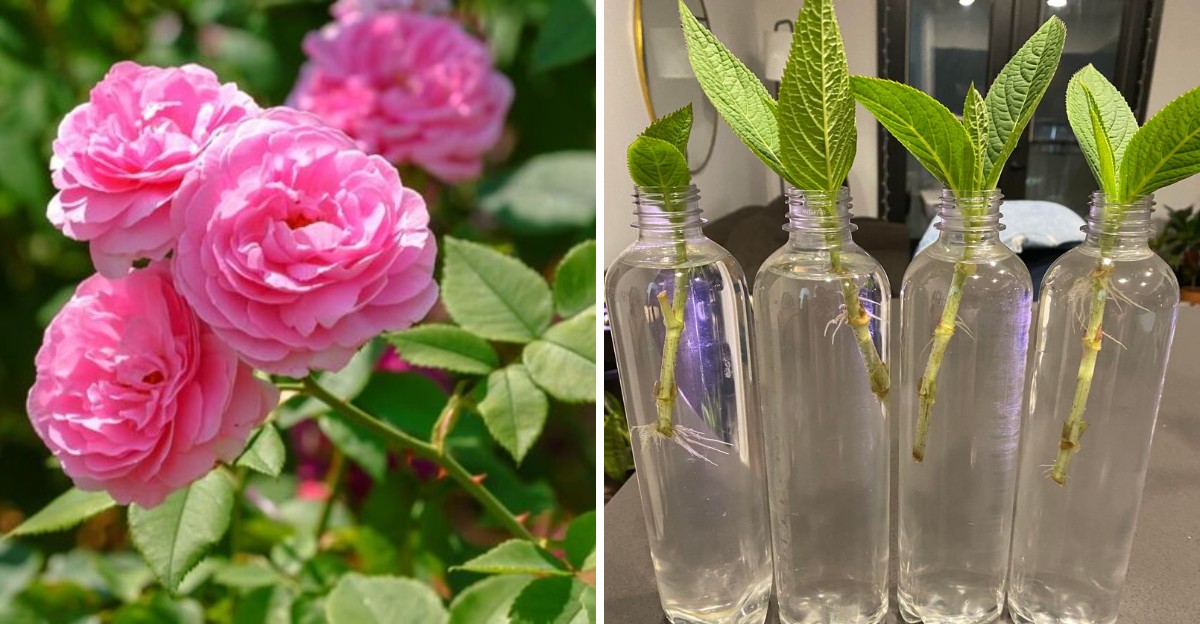
Even a bare twig snipped from a sleeping shrub in winter can grow roots and become a brand new plant. Gardeners have quietly cloned their favorite bushes this way for centuries, using nothing fancier than sharp pruners and soil.
Winter twigs hold stored sugars and hormones, so they wait patiently while roots develop at the base as conditions become favorable.
In Georgia, our relatively mild winters can provide suitable conditions for propagating certain shrubs before spring arrives.
I love how a handful of free sticks can turn into a whole hedge within a couple of years. You need only a little patience and a shady corner on a cool afternoon to get started.
I think it beats any garden center bargain, because the plants match the parents you already admire. Which shrubs in your yard could give you a whole new generation of plants this month?
1. Forsythia
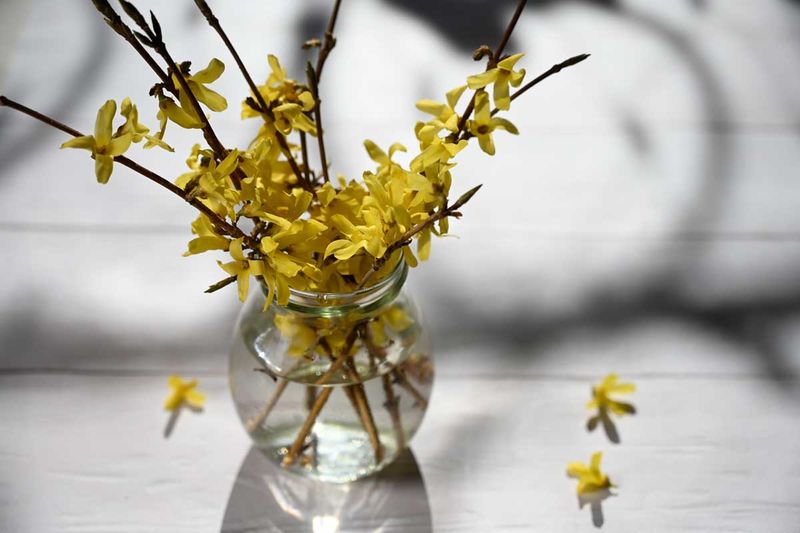
Forsythia roots so eagerly that a stem touching the ground often sprouts roots without any help from you.
I laugh every spring when those golden arching branches light up the yard before a single leaf shows.
Border forsythia, Forsythia x intermedia, grows about eight to ten feet tall and just as wide. It grows well in USDA zones 5 through 8, which covers most of Georgia outside the warmest southern pockets.
Once leaves drop, choose healthy stems from last year’s growth that are roughly as thick as a pencil. Cut them into six to eight inch pieces, keeping track of which end grew closest to the ground.
Make a flat cut just below a bud at the bottom and a slanted cut above the top bud. That slanted top sheds rainwater and reminds you which end goes up when you plant them later.
Dip the base in rooting hormone if you have some, although forsythia usually roots well without the extra boost.
Push each cutting into loose, well-drained soil until roughly two-thirds of the stem sits below the surface.
A spot near a fence or north wall shelters the cuttings from drying winter winds and harsh afternoon sun. Water whenever the soil feels dry an inch down, but avoid leaving the bed soggy for days.
By late spring, gently tug a cutting, and resistance means roots have formed underneath the soil. Leave the new plants in place until fall, then move them to permanent homes with plenty of room.
2. Fig
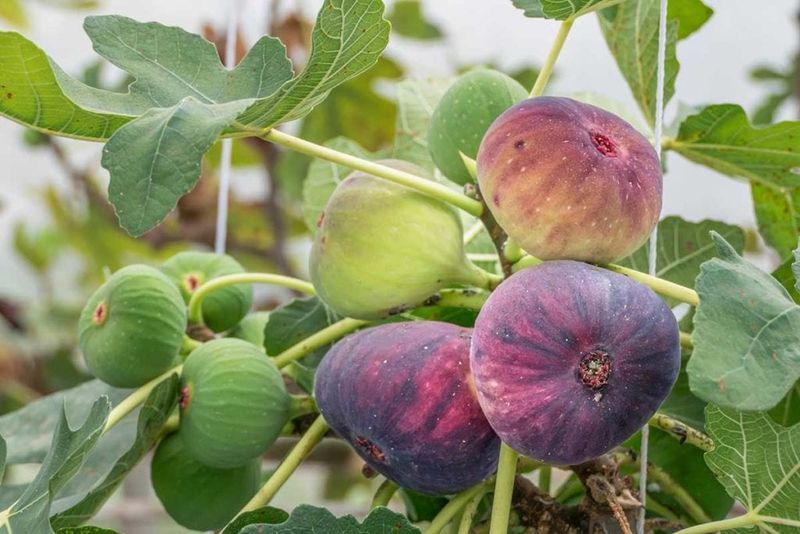
Fig bushes have long been shared across Southern backyards as bundles of bare winter sticks passed between neighbors. I still remember the sticky sweetness of a warm Celeste fig eaten straight off the branch in July.
The common fig, Ficus carica, grows as a large multi-stemmed shrub that often reaches ten to fifteen feet tall.
Varieties like Celeste and Brown Turkey handle cold better than most, which makes them popular choices across Georgia.
During dormancy, pick wood from last season’s growth that is about as thick as your finger. Cut pieces eight to ten inches long, making sure each one carries several healthy buds along its length.
Fig cuttings dislike freezing soil, so many gardeners in colder northern counties root them in deep pots instead. Bury about two-thirds of each stick in a moist, well-drained mix and keep the top buds above ground.
An unheated garage or a sheltered porch works nicely, since the cuttings need cool rest rather than warmth. Check the pots every week and water lightly whenever the mix starts feeling dry beneath your fingertip.
Leaves usually appear before roots in spring, which fools plenty of excited beginners into transplanting too soon.
Wait until you see roots poking from drainage holes, then shift the young fig into a bigger container.
Plant it outdoors after your last frost, choosing a sunny spot near a south-facing wall for extra warmth. Within two or three summers, you could be sharing ripe figs with the friend who gave you cuttings.
3. American Elderberry
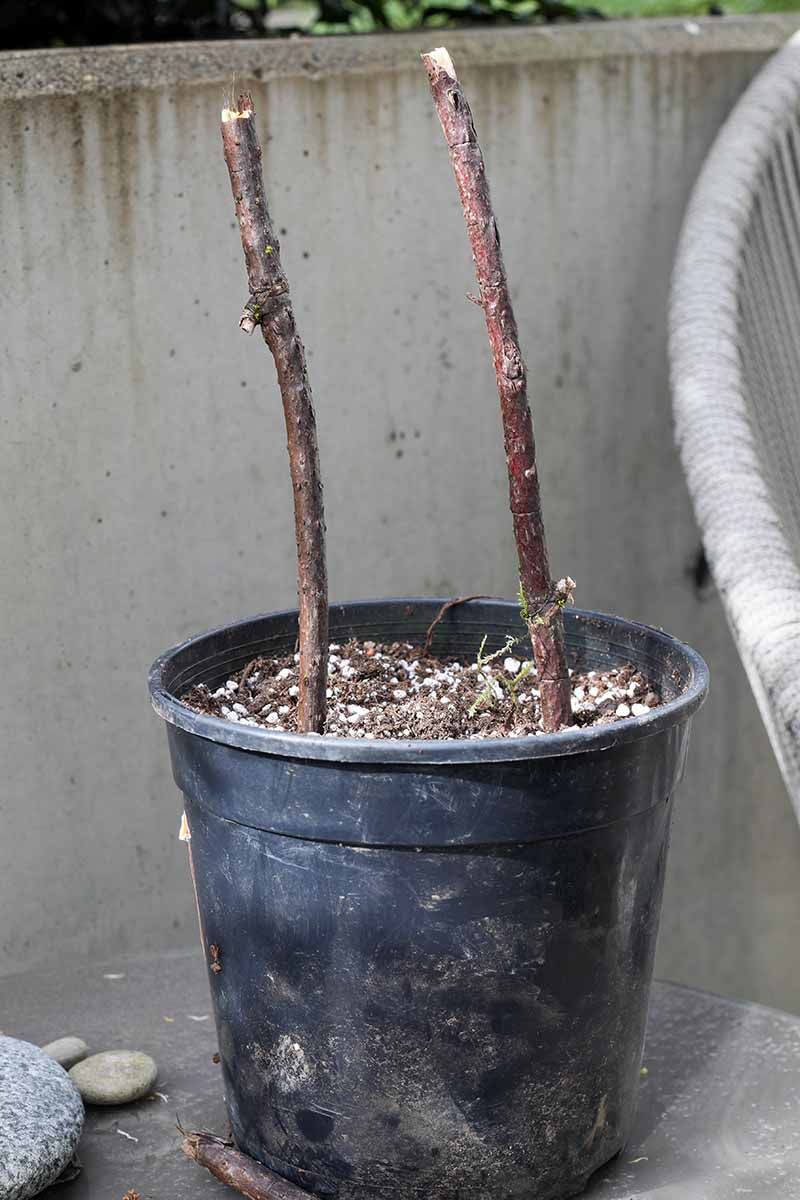
Few native shrubs root as quickly as elderberry, whose hollow-looking stems are actually packed with soft white pith.
I enjoy cutting these canes in winter because the bare bark shows off every bumpy bud along each stem.
American elderberry, Sambucus canadensis, grows five to twelve feet tall and spreads by suckers into thick colonies. Flat clusters of creamy white flowers appear in late spring, followed by dark purple berries that songbirds devour.
Raw berries, stems and leaves contain compounds that can upset your stomach, so cook ripe fruit before eating. That simple step turns the harvest into tasty jelly or syrup for chilly evenings later in the year.
Select dormant canes about pencil thickness and cut them into pieces ten to twelve inches long. Each piece should carry at least two pairs of buds, with the bottom cut made just below a pair.
Elderberry buds grow in opposite pairs, so it helps to mark the top end before mixing up your bundle.
Stick the cuttings into moist soil until one pair of buds sits underground and another pair stays above.
A low, damp spot suits this water-loving shrub well, though soggy standing water can rot the cuttings. Keep the soil evenly moist through winter dry spells, especially during breezy weeks when stems lose moisture fast.
Many cuttings in Georgia leaf out by April and grow a couple of feet during their very first summer. Give them full sun and some room, because elderberry fills empty space faster than most gardeners expect.
4. Buttonbush
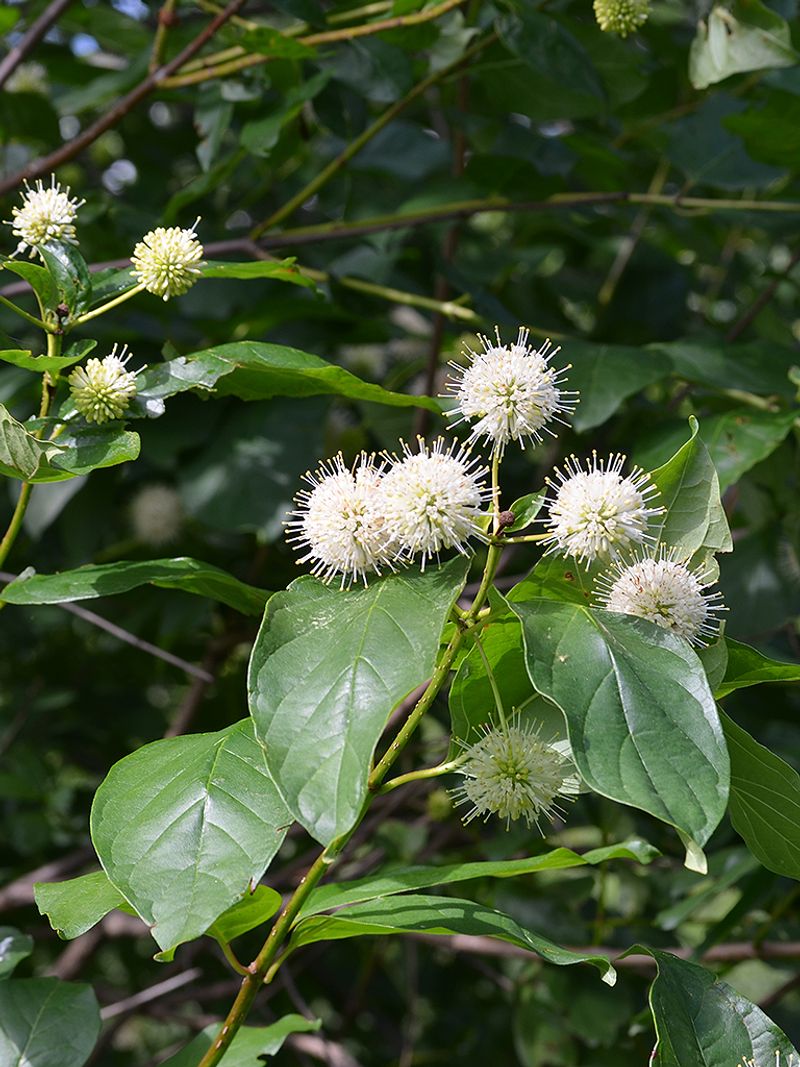
Buttonbush flowers look like tiny spiky ping pong balls, and butterflies crowd onto them all summer long. I could happily watch swallowtails tumble over those fragrant white globes for an entire lazy afternoon.
Cephalanthus occidentalis grows naturally along pond edges and swamps throughout much of the eastern half of the country.
It usually reaches six to twelve feet tall and thrives in USDA zones 5 through 9.
Its stems root so readily that wetland restoration crews often plant unrooted cuttings straight into muddy banks. You can borrow that trick for a rain garden or a soggy low corner of your yard.
Cut pencil-thick pieces from last year’s growth, aiming for lengths of about eight to twelve inches. Buds sit in pairs or small whorls, so snip just below a bud cluster at the base.
Push two-thirds of each cutting into wet soil or a pot of damp sand and peat. Unlike most shrubs, buttonbush tolerates soggy ground, so keeping the mix very moist works in your favor.
Pots can even sit in a shallow tray of water, which saves you from daily watering chores. Full sun produces the most blooms, though plants handle partial shade along wooded stream banks fairly well.
Buttonbush foliage is considered toxic to livestock and people, so skip planting it near grazing animals.
Ducks and other waterbirds eat the seeds, though, making it a lovely wildlife magnet beside any pond.
5. Weigela
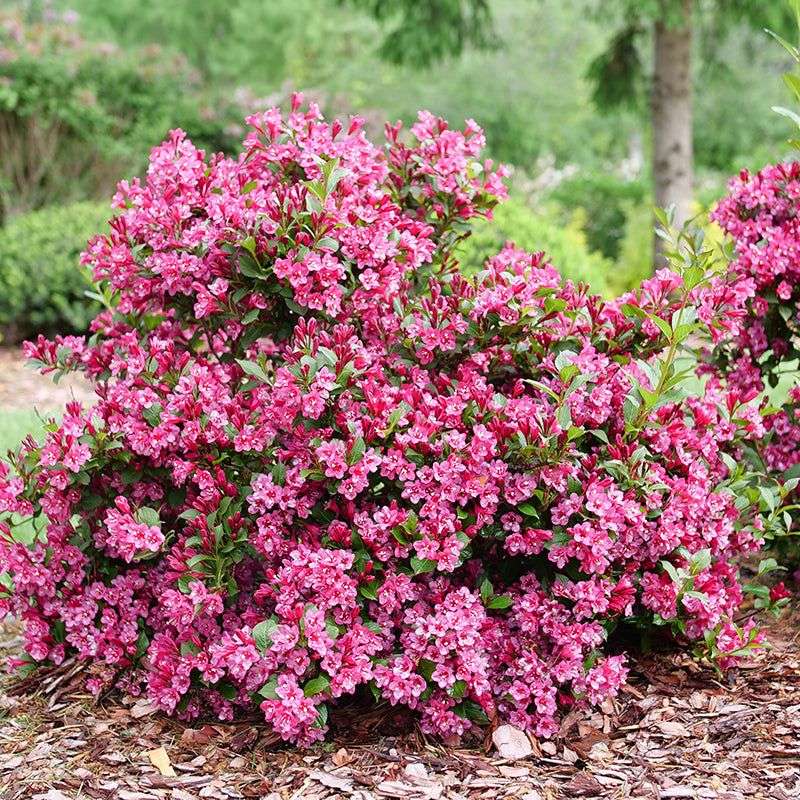
Hummingbirds treat weigela like a roadside diner, zipping between its pink trumpet flowers on spring mornings. I adore how a single mature shrub can turn a plain fence line into a buzzing, blooming party.
Weigela florida forms a rounded shrub, usually six to ten feet tall, though compact cultivars stay much smaller.
It grows best in USDA zones 4 through 8 and appreciates some afternoon shade in hotter southern gardens.
Hardwood cuttings work well once leaves fall, using sturdy stems that grew during the previous season. Aim for pieces around ten inches long, cutting just below a bud at the bottom of each one.
A light dusting of rooting hormone on the base can noticeably improve your success with weigela cuttings. Tap off the extra powder, since a thick clump does not help and simply wastes your supply.
Bury about half of each stem in a deep pot of gritty, well-drained mix or a sheltered bed. An unheated garage or cold frame protects the pots while still giving them the chill they expect.
Water sparingly through winter, letting the top inch dry slightly without allowing the whole pot to bake dry.
Overwatered cuttings in cold soil tend to rot at the base long before any roots can appear.
Expect a slow start in Georgia, because many cuttings need most of a year before they are ready for planting. Many newer cultivars carry plant patents, so stick to older varieties when sharing cuttings with your friends.
6. Bridal Wreath Spirea
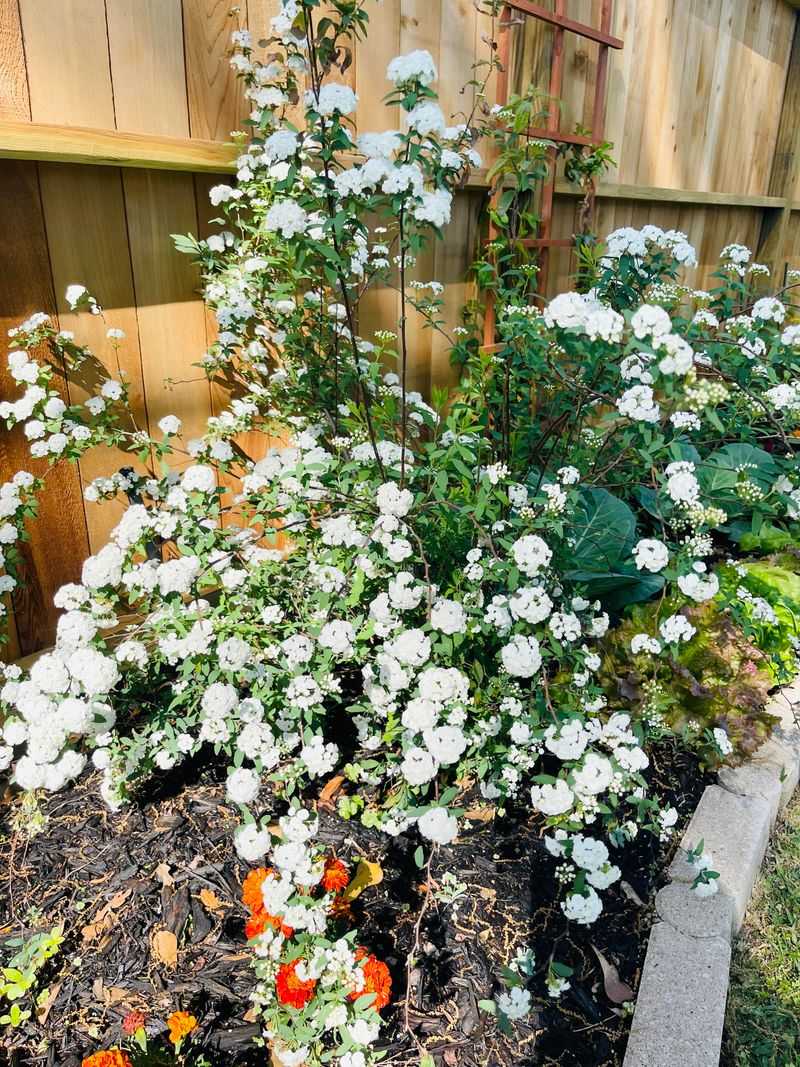
Vanhoutte spirea earned the nickname bridal wreath because its arching branches look draped in white lace each April. I think nothing in the yard makes a better backdrop for spring photos than that snowy fountain.
Spiraea x vanhouttei grows six to eight feet tall and wide, with a graceful vase shape that needs little fuss.
It handles USDA zones 3 through 8 and shrugs off clay soil as long as water drains away.
Skip Japanese spirea, Spiraea japonica, since it spreads into woodlands and is considered invasive in several southeastern states. Bridal wreath and other well-behaved types give you the same charm without escaping into nearby forests.
Collect six to ten inch pieces from this year’s mature growth after the leaves have dropped. Each cutting should hold at least three buds, with a slanted cut on top and straight cut below.
Insert the stems halfway into a blend of compost and coarse sand, either in pots or a protected bed. Rooting hormone powder speeds things along, though spirea often roots respectably without much extra help from you.
Firm the soil gently around each stem so no air pockets dry out the buried end over winter. Light, steady moisture keeps the cuttings happy, while soggy pots invite rot and fungus problems during cold weeks.
Prune mature spirea right after blooming next spring, because it flowers on wood grown the previous year.
Those trimmings make perfect softwood cuttings too, giving Georgia gardeners a second chance to multiply their favorites.
7. Bigleaf Hydrangea
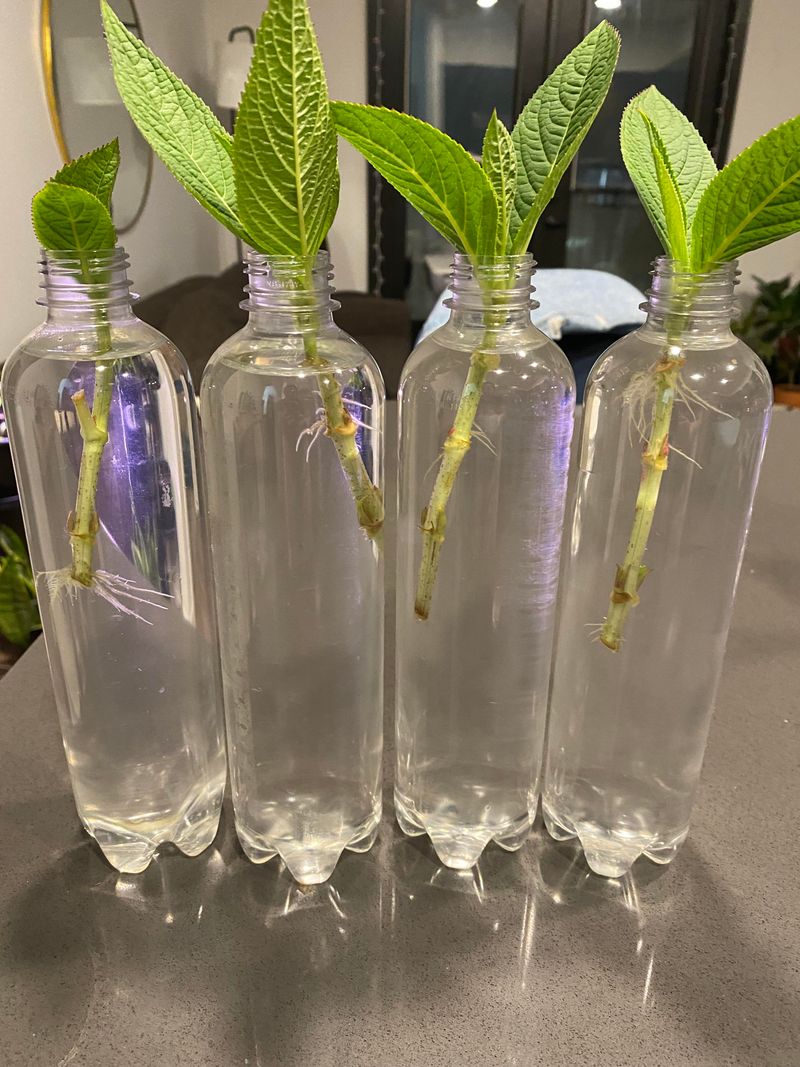
Bigleaf hydrangeas act like garden mood rings, turning blue in acidic soil and pink where the ground is sweeter.
Much of the red clay across Georgia leans acidic, so blue blooms are a common sight here.
Hydrangea macrophylla grows four to six feet tall and wide, thriving in USDA zones 6 through 9. Morning sun followed by afternoon shade keeps those huge leaves from wilting badly during steamy summer afternoons.
Most gardeners root hydrangeas from soft summer stems, yet dormant wood also works with a little extra patience. Choose stems that did not flower last season, because they hold the plump buds you want to keep.
Cut pieces six to eight inches long, each with at least two pairs of fat buds attached. Make the bottom cut just below a bud pair, where new roots usually form most easily.
Dip the base in rooting hormone and slide it into a pot of moist perlite and peat. Leave one pair of buds above the surface, then set the pot in a cold frame or garage.
Keep the mix barely damp through winter, since hydrangea cuttings sitting in cold, wet soil can rot. Pots by a bright window in an unheated room also work nicely for gardeners without cold frames.
Roots often appear by spring, and fresh leaves soon follow as temperatures climb in March and April.
Hold the young plants in pots through their first summer before moving them into your shady beds.
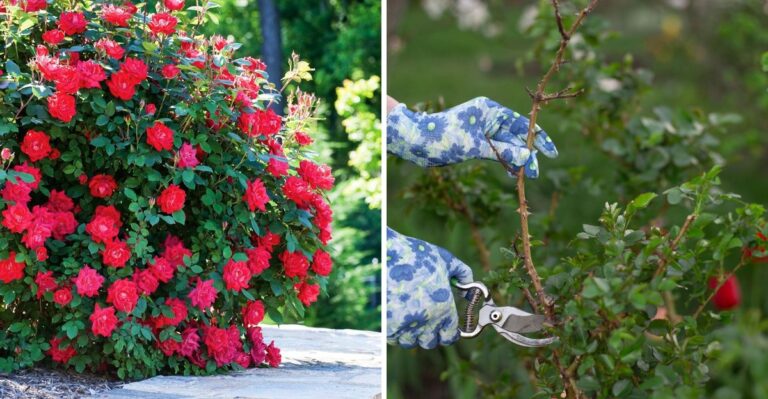
8. Old Garden Rose
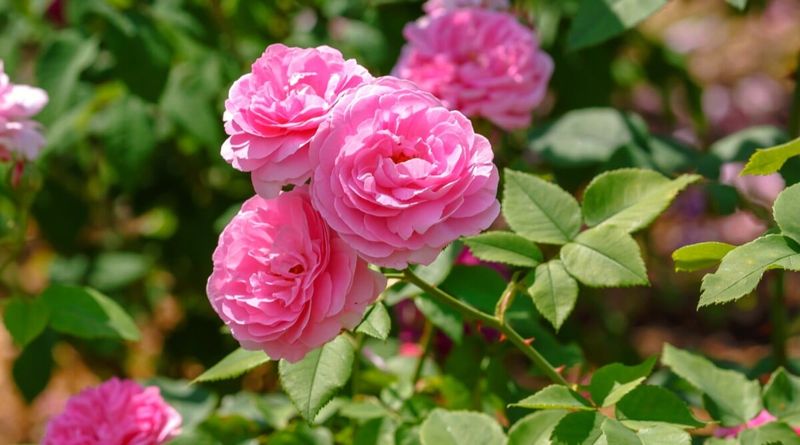
Rose rustlers across the South famously collect cuttings from old homesteads to rescue forgotten heirloom varieties.
I find it thrilling that a hundred-year-old rose can live on through one humble winter stick.
Old garden roses like Old Blush and Lady Banks grow happily on their own roots in warm southern gardens.
Cold hardiness varies among heirloom roses, with Old Blush generally tolerating colder winters than Lady Banks.
Choose pencil-thick stems from this year’s growth that recently flowered, cutting pieces about eight inches long. Strip lower leaves and thorns gently, but leave a couple of leaves at the top if any remain.
Southern gardeners traditionally root roses under an upturned glass jar that works like a tiny greenhouse. Set the jar in a bright spot with morning sun, avoiding harsh afternoon rays that overheat the air inside.
Push half the cutting into loose, well-drained soil after dipping it in rooting hormone for better odds. Water well at planting time, then check moisture every week or so throughout the cool months.
Several cuttings may fail, so plant a few extras and keep the strongest survivors when spring arrives.
Patented modern roses cannot legally be propagated without permission, which makes old varieties the smarter choice.
Lift the jar gradually in spring so the young plant adjusts to open air before you transplant it. Within a year or two, you could own a living piece of garden history grown for free.