Spend This November Sketching Your Spring Garden With 8 Easy Adirondack Natives
Late November is a quiet time for gardeners, the perfect moment to plan. While the beds rest under frost, you can sketch next spring’s layout, browse seed catalogs, and choose plants that will feel at home.
Native species are a place to begin, especially in New York, where soil and weather shift quickly from warm summer afternoons to crisp autumn nights.
Plants shaped by glaciers, dry spells, and long winters already know how to thrive here. They ask for little and give back months of color, fragrance, and wildlife visits. This list of eight Adirondack natives is designed to help you plan with confidence.
Mark your favorites now, note the sun and moisture each one prefers, and you will be ready when planting season arrives. A thoughtful plan today means a calmer, more beautiful New York garden next spring.
Black-Eyed Susan
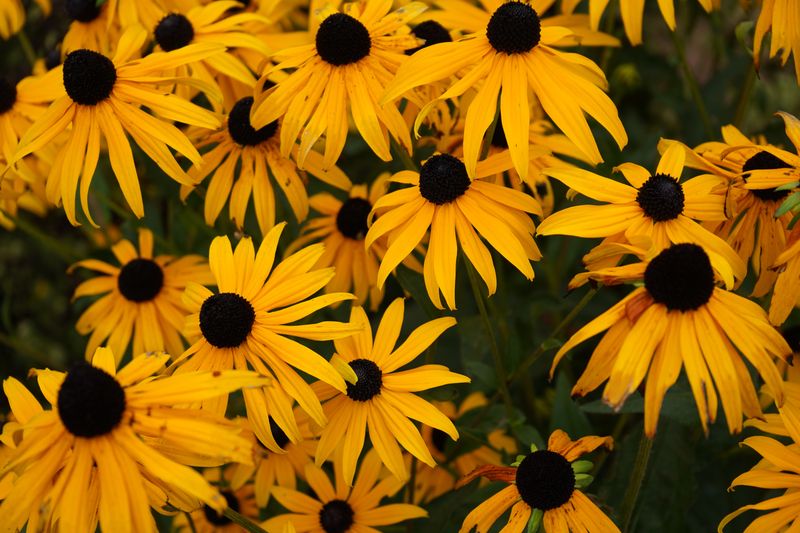
Sunshine in plant form, Black-Eyed Susan is the kind of wildflower that makes a garden look effortlessly alive. Its bold yellow petals and dark chocolate centers catch every eye from midsummer through early fall.
Native to meadows across the Northeast, this perennial thrives in full sun and tolerates poor, dry soil without complaint. You do not need to fuss over it, and it will reward that light care with a spectacular bloom season.
Black-Eyed Susan grows about two to three feet tall, making it a solid mid-border plant. When you plan next spring’s bed, picture it beside ornamental grasses or other wildflowers for a layered, naturalistic look.
Pollinators love it. Bees, butterflies, and goldfinches visit the plant throughout the season, turning your garden into a lively, fluttering hotspot.
Once established, it self-seeds modestly, spreading slowly without filling your entire yard. You get natural propagation without the headache of fast spreading. Dried seed heads can be collected in late fall and stored for sowing next spring for free.
Planting is straightforward: choose a sunny spot with decent drainage and step back. Watering during the first season helps roots settle in, but after that, rainfall usually handles the job.
Low-maintenance Adirondack natives do not get more iconic than this cheerful bloom. Black-Eyed Susan is genuinely one of the easiest plants you will ever grow, and the payoff is stunning every single summer.
Wild Columbine
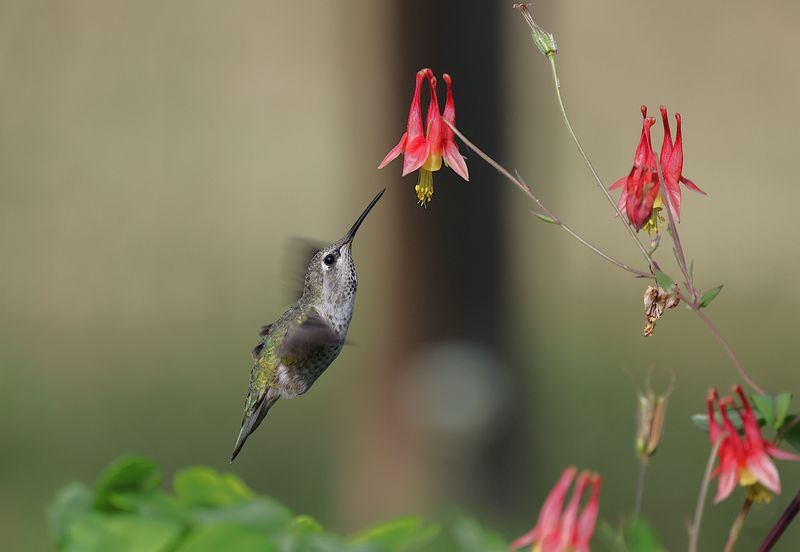
Imagine a flower so elegant it looks like it was designed by an artist. Wild Columbine, with its nodding red and yellow blooms, brings that exact kind of refined beauty to any shaded corner of your yard.
Hummingbirds discovered this plant long before gardeners did. The long, nectar-filled spurs are perfectly shaped for a hummingbird’s beak, making it one of the best native plants for attracting those tiny aerial acrobats.
Wild Columbine blooms in spring, usually from April through June, filling the gap before summer perennials take over. That early color is genuinely valuable in a garden that is still waking up from winter.
It thrives in partial shade and rocky, well-drained soil, which makes it a natural fit for the Adirondack landscape. Slopes, woodland edges, and shaded borders are all ideal spots to tuck it in.
The plant reaches about one to two feet tall and spreads gently by self-seeding. You might find charming little seedlings popping up in unexpected places each spring, which feels like a gift.
Avoid overwatering or heavy clay soil, since good drainage is its one real requirement. Beyond that, it asks for almost nothing and handles cold winters without any protection.
Wild Columbine is proof that low-maintenance Adirondack natives can also be breathtakingly beautiful. Once you grow it, removing it from your garden plan becomes basically unthinkable.
New England Aster
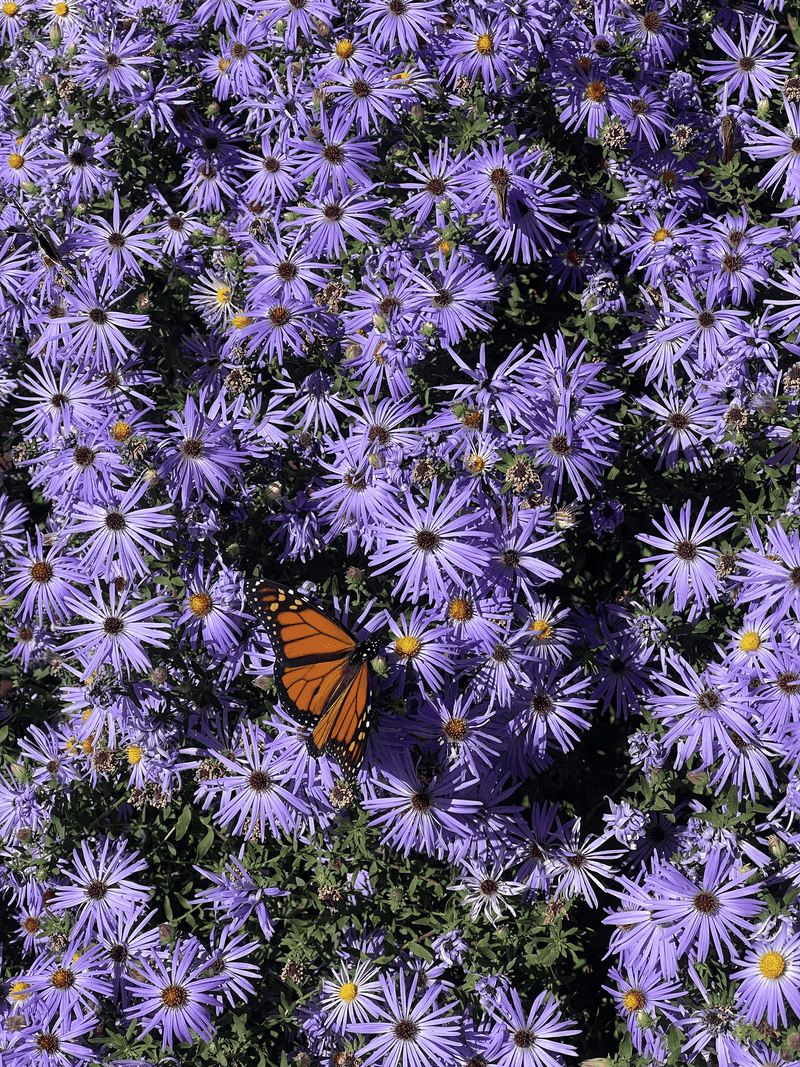
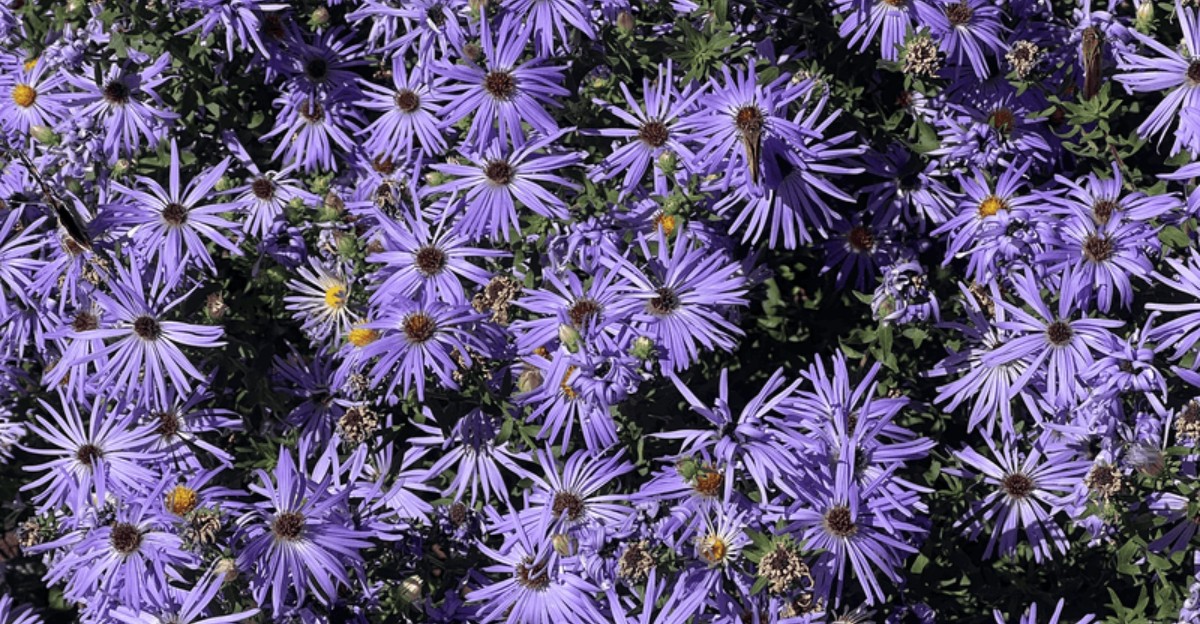
When most flowers are winding down for the season, New England Aster is just getting started. This fall-blooming native bursts into shades of purple, violet, and pink right when gardens across New York need it most.
Native to the northeastern woodlands and meadows, it is perfectly suited to cold Adirondack nights and the unpredictable autumn weather that defines upstate New York. Gardeners who plant it often say it brought their fall landscape back to life.
The plant grows two to six feet tall depending on the variety and available sunlight. Give it full to partial sun, and it will bulk up into a full, bushy clump that looks striking even before the blooms open.
Monarch butterflies use New England Aster as a critical fuel stop during their southern migration. Planting it means you are directly supporting one of nature’s most beloved journeys.
Pruning it back by half in late June keeps the plant compact and prevents flopping. Add that date to your garden calendar, because one simple step makes a huge difference in how tidy it looks come September.
Soil quality matters less than drainage here. It handles clay, loam, and even gravelly ground without much trouble, which is great news for New York gardeners working with rocky terrain.
Few native perennials deliver as much late-season drama as this one. Plant New England Aster once, and you will wonder how your fall garden ever got by without it.
Butterfly Weed
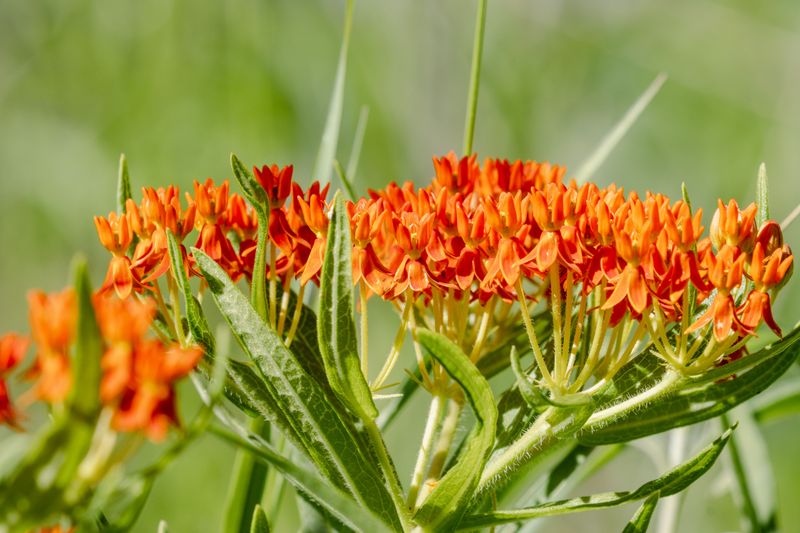
Do not let the name mislead you. Butterfly Weed is not an ordinary plant hiding behind a humble label. It is one of the most dazzling native perennials you can grow in a sunny garden bed.
This member of the milkweed family produces clusters of intense orange flowers that practically glow in summer sunlight. Monarch butterflies depend on it as a host plant, laying their eggs on its leaves so caterpillars can feed and grow.
Unlike common milkweed, Butterfly Weed stays compact and tidy, reaching about one to two feet tall. That manageable size makes it easy to fit into mixed borders without worrying about it crowding neighbors.
Plant it in full sun and fast-draining soil, and it will handle dry spells like a champion. Deep taproots pull moisture from far below the surface, so skipping a few waterings is not a problem.
One thing to know: it is a slow starter in spring. Mark its spot in your plan so you do not dig it up thinking it is gone, because it emerges late and then grows quickly once temperatures warm up.
The seed pods that form after blooming are genuinely beautiful in their own right. They split open in fall to release silky, white-plumed seeds that drift away on the breeze like tiny parachutes.
For low-maintenance Adirondack natives that also support wildlife conservation, Butterfly Weed belongs at the top of every gardener’s wish list.
Foamflower
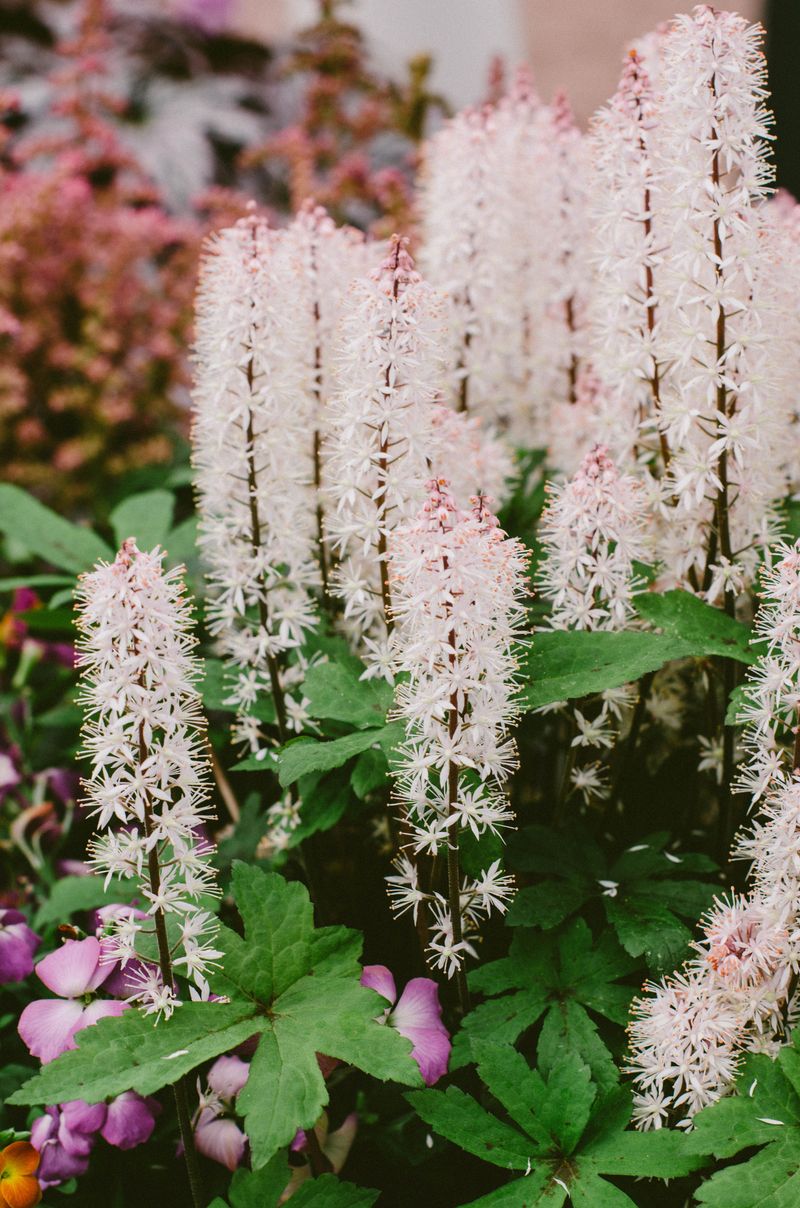
Foamflower earns its name honestly. In spring, it sends up frothy spikes of tiny white flowers that look like someone scattered sea foam across the forest floor. That visual is genuinely magical in a shaded garden.
Native to eastern woodlands, this low-growing perennial is built for life under tree canopies. It loves moist, rich soil and partial to full shade, conditions that challenge many other plants but suit Foamflower perfectly.
The foliage is almost as attractive as the blooms. Maple-shaped leaves often develop reddish markings or bronze tints, giving the plant visual interest long after the spring flowers fade.
Foamflower spreads by runners, forming a dense mat that keeps unwanted plants away over time. That spreading habit is actually a feature, because it fills bare shaded spots beautifully without crowding its neighbors.
Maintenance is nearly nonexistent once the plant is established. Occasional division every few years keeps the clumps vigorous, and that is about the extent of the work involved.
It pairs wonderfully with ferns, hostas, and wild ginger for a lush, layered shade garden. Sketching textures and heights on paper now helps you create a woodland scene that looks intentional and polished.
Gardeners with dry shade might want to plan on amending their soil before planting, since consistent moisture is the one condition Foamflower genuinely needs. Get that right, and this native will reward you for decades.
Wild Bergamot (Bee Balm)
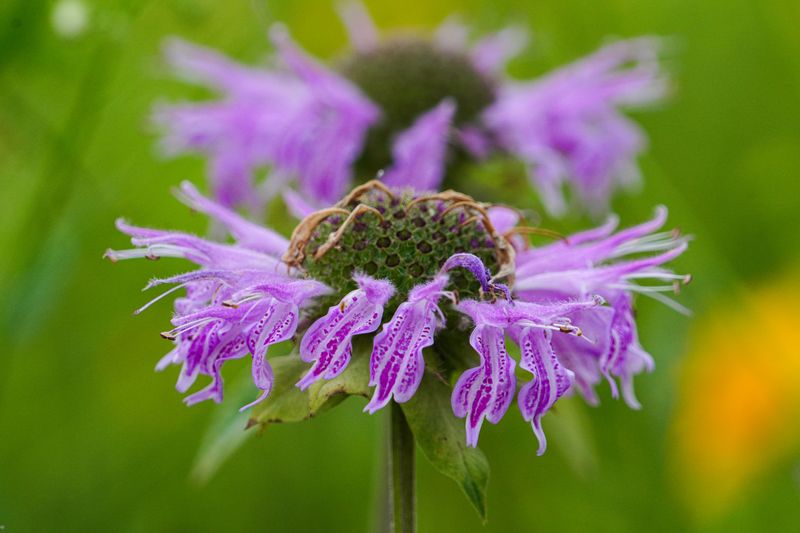
Walk past Wild Bergamot on a warm afternoon and you will catch a scent that stops you mid-step. This aromatic native perennial smells like a cross between oregano and mint, which makes sense since it belongs to the same plant family.
The lavender-purple flower heads are shaggy and free-spirited in the best possible way. They bloom from midsummer into early fall, attracting an almost comical number of bees, hummingbirds, and native pollinators.
Wild Bergamot handles full sun to light shade and tolerates dry to medium soil with impressive flexibility. That adaptability makes it one of the most forgiving plants in the native garden toolkit.
It grows two to four feet tall and spreads steadily by rhizomes, forming robust clumps over time. Dividing it every few years keeps the center from becoming woody and encourages fresh, vigorous growth.
Powdery mildew can appear on leaves in humid summers, but it rarely affects the plant’s overall health. Choosing a spot with good air circulation minimizes the issue without any chemical help.
Historically, Indigenous communities used Wild Bergamot for tea, medicine, and flavoring. That long history of human connection adds a layer of meaning to growing it in your own backyard.
Among low-maintenance Adirondack natives, Wild Bergamot brings fragrance, color, and ecological value all in one package. Growing it feels less like gardening and more like welcoming an old friend home.
Canada Anemone
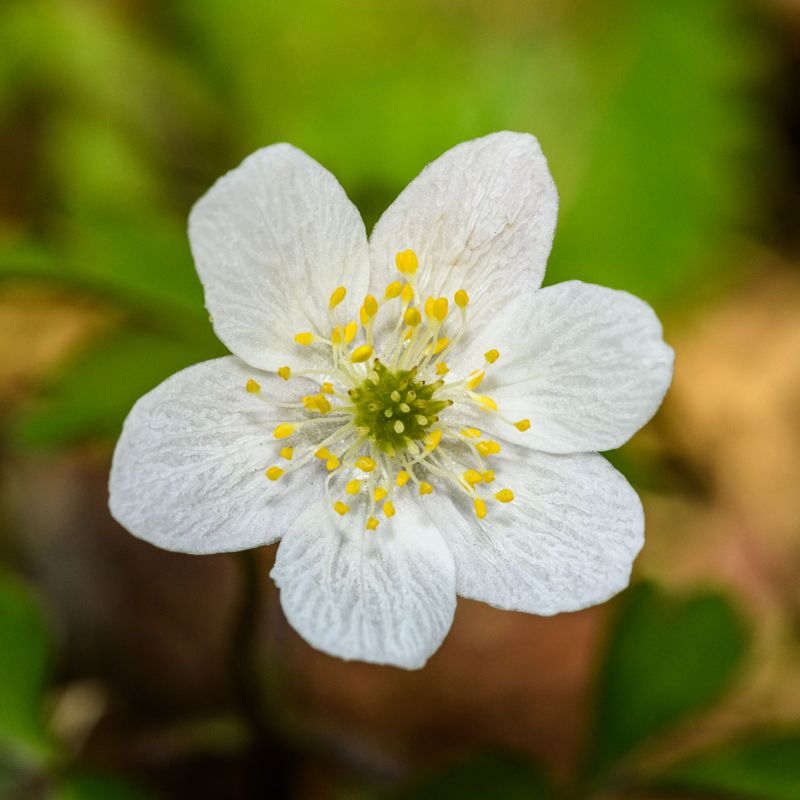
Canada Anemone is the plant that makes a garden look like it has been there forever. Its crisp white flowers with cheerful yellow centers bloom in late spring and early summer, creating a carpet of natural elegance.
This native thrives in moist to wet soil and tolerates both full sun and partial shade. That range of tolerance makes it incredibly useful for tricky spots like low-lying areas or edges near water features.
The plant spreads enthusiastically by underground rhizomes, forming wide colonies over several seasons. That spreading nature is ideal for naturalizing large areas, though it may need containment in smaller, more structured beds.
Butterflies and native bees visit the blooms regularly throughout the flowering period. The plant supports pollinators without requiring any special effort on the gardener’s part, which feels like a fair trade.
Canada Anemone grows about one to two feet tall, creating a mid-height layer that works well beneath taller perennials. Layering it with Joe-Pye Weed or New England Aster creates a stunning multi-season display.
One of its best qualities is its ability to crowd out unwanted plants once established. A dense colony of Canada Anemone leaves very little room for anything else to settle in.
If you have a damp corner of your yard where nothing seems to thrive, Canada Anemone might be the answer you have been looking for all along.
Joe-Pye Weed
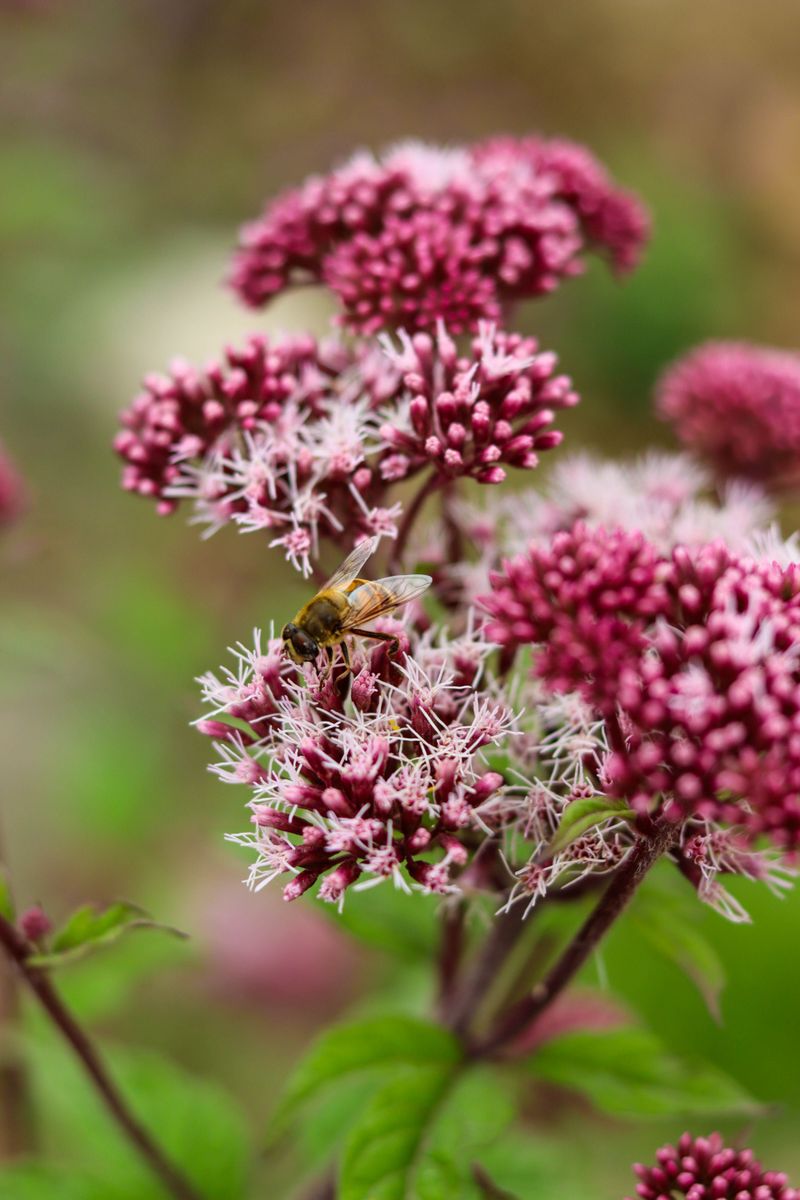
Joe-Pye Weed is the gentle giant of the native plant world. It reaches four to seven feet tall, well above most perennials, and its massive dusty-pink flower clusters command attention from across the yard.
According to garden folklore, this plant is named after an Indigenous healer said to have helped colonial settlers during a serious illness, though historians have never been able to confirm the story.
Whether myth or memory, it gives the plant a backstory as rich as its stature. Late summer is when Joe-Pye Weed truly shines.
While other plants begin to fade, it bursts into full bloom, drawing in swallowtail butterflies and monarch migrants in impressive numbers.
It grows best in full sun to partial shade and prefers consistently moist soil. Rain gardens, pond edges, and low spots in the yard are perfect homes for this statuesque native beauty.
Despite its size, Joe-Pye Weed rarely needs staking when grown in adequate sunlight. Giving it enough light keeps the stems strong and upright throughout the entire bloom season.
The dried seed heads hold visual interest well into winter, adding structure to an otherwise quiet garden. Birds pick at the seeds through the cold months, extending the plant’s ecological usefulness.
For gardeners who want maximum impact with minimal effort, Joe-Pye Weed delivers in every sense. It is the perfect finale for a collection of low-maintenance Adirondack natives, closing out the season with commanding, unmistakable grace.