Feeding These Animals In Pennsylvania May Be Illegal Or Strongly Discouraged
A single bag of corn left near the woods can earn a Pennsylvania homeowner a citation from a game warden. That surprised me, because I grew up thinking a full feeder was a friendly gift to wild neighbors.
State rules now target several backyard visitors, and the reasons go far beyond simple fussiness or paperwork. Crowded feeding spots spread illness quickly, and animals that lose their fear of people often get into trouble.
I have to admit, I felt a little guilty reading the fine print about my own leftover garden scraps. You might be surprised how often a compost pile or spilled birdseed counts as an open invitation.
Some bans cover all of Pennsylvania, while others depend on your township or a special disease zone. So which hungry visitors could land you in hot water, and which ones simply call for common sense?
1. Black Bears Raiding Backyard Bird Feeders
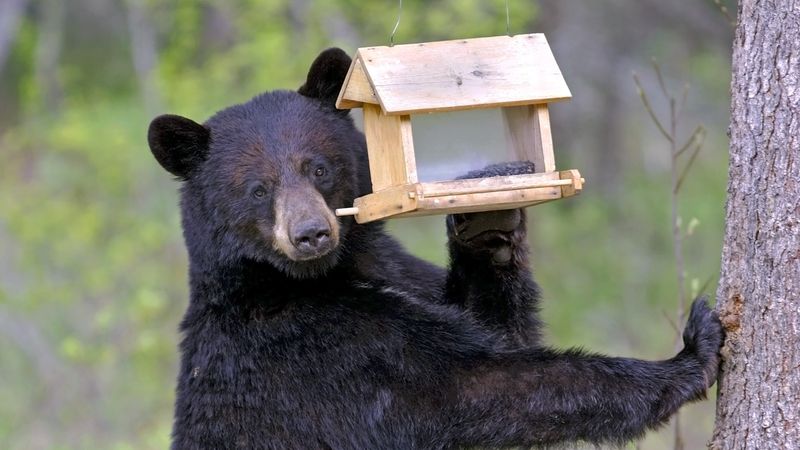
Nothing wakes you up faster than a black bear licking sunflower seeds off your deck railing at dawn. I laughed at the photos online until a neighbor showed me the bent pole in her own yard.
State regulations make it unlawful to intentionally place food, fruit, grain, or salt that draws bears together or makes them comfortable.
That rule applies everywhere in Pennsylvania, from big wooded lots to small suburban yards near the forest edge.
Bird feeders are the sneaky part, because many people never set out to feed a bear at all. If your feeder keeps pulling bears in, the Game Commission can issue a written notice telling you to stop.
Ignoring that notice is when the real legal trouble starts, and fines can follow quickly after a warning. Personally, I would rather pack away my feeders for a season than explain myself to a game warden.
Biologists worry most about bears that learn people mean easy calories and stop acting shy around houses.
Those bold bears often get relocated, and some cause enough problems that officials must take stronger steps to manage them.
You can help by bringing feeders indoors from early spring until late fall, when most bears head into dens.
Many gardeners switch to native flowering plants during those months, which still bring plenty of birds and pollinators around.
Store trash in a sturdy shed or garage, and put cans out on the morning of pickup instead. Grills deserve a quick scrub too, because a greasy drip tray smells like a fancy buffet to a bear.
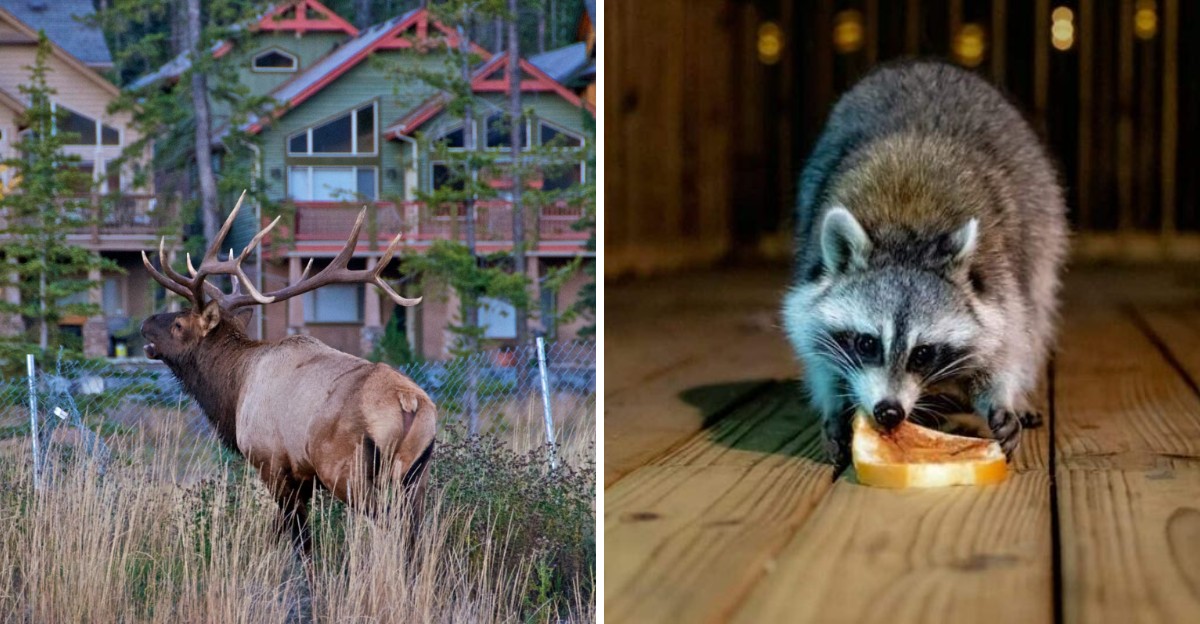
2. Elk Grazing Near Homes In Elk Country
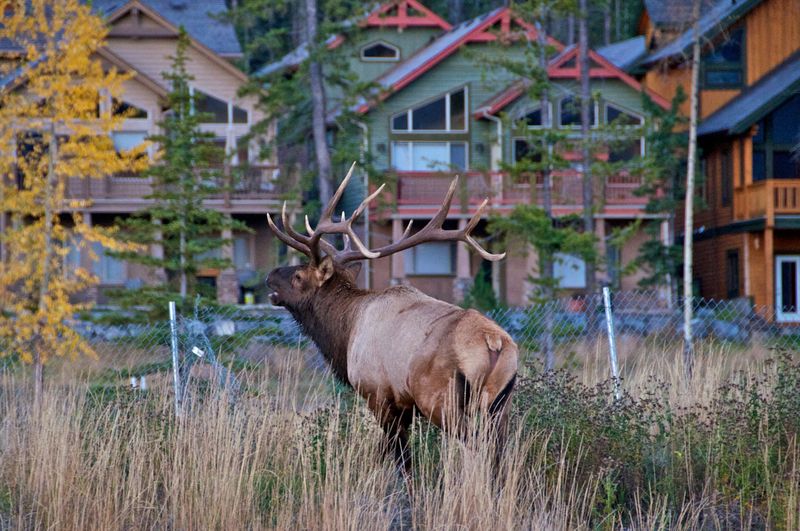
Hearing a bull elk bugle across a misty Benezette meadow gives me goosebumps every single time I visit.
These huge animals returned to north-central hills thanks to a herd restoration effort that began over a century ago.
Many visitors are shocked to learn that intentionally feeding elk is against state law across the whole Commonwealth. Placing hay, apples, corn, or salt blocks to attract elk counts as a violation, even on private property you own.
Wildlife officials point out that feeding piles pull elk into tight groups that rarely form in natural settings.
Close contact like that helps spread illness, including chronic wasting disease, which worries biologists watching the herd carefully.
Fed elk also lose their healthy caution around people, and a full-grown bull can weigh over 700 pounds. I love watching them from a distance, but nobody wants that much muscle strolling across a driveway looking for snacks.
Gardeners living in elk range should think about fencing vegetable plots, because elk happily munch on tender crops.
A tall fence around a small garden is far easier than replanting lettuce after a hungry herd wanders through.
Fallen fruit beneath apple trees can also draw elk in, so raking it up regularly makes a real difference. Some homeowners choose to remove old fruit trees close to the house if elk keep returning every autumn.
For the best viewing, visit the Elk Country Visitor Center and enjoy the herd from established viewing areas. You will get stunning photos without tempting these wild giants into habits that cause problems later.
3. White-Tailed Deer Eating Corn In Disease Zones
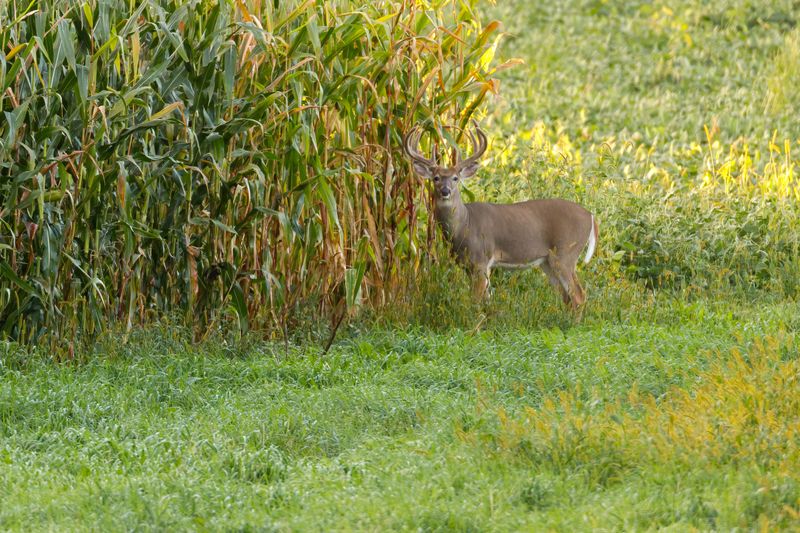
A doe and her twin fawns tiptoeing past the tomato beds feels like a scene from a storybook. Still, that sweet moment can turn into a legal headache if you live inside certain marked areas of the state.
Pennsylvania prohibits feeding deer within its Disease Management Areas and Established Areas for chronic wasting disease.
These zones cover large parts of many counties, and the boundaries have grown over the years as new cases appeared.
Chronic wasting disease is a serious brain illness, and it spreads through saliva, urine, and droppings around shared food.
A corn pile concentrates noses in one small spot, which makes it an ideal place for infection to pass along.
To my surprise, feeding can also harm deer outside those zones, especially during the coldest stretch of winter.
Their stomachs adjust slowly, so a sudden switch to heavy corn can cause serious digestive trouble for hungry animals.
You should check the current Game Commission map before setting out anything, since zone lines often change after testing.
Salt blocks and mineral licks count as attractants too, so they fall under the same rules within those areas.
Deer that gather around homes also tend to browse ornamental shrubs and cross busy roads more often. I learned that lesson after my arborvitae turned into an expensive salad bar during one snowy February.
Planting native shrubs that deer usually avoid, like spicebush, keeps your yard lovely without inviting a crowd. Sturdy netting over prized plants works well too, and it keeps the deer wild instead of dependent.
4. Masked Raccoons Sneaking Into Pet Food Bowls
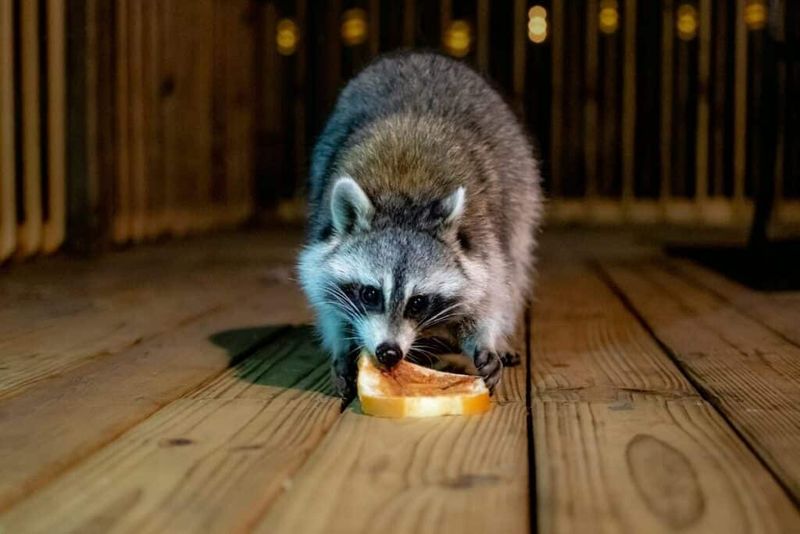
Those tiny raccoon hands can open latches, pry lids, and roll a cat bowl right off the porch. I once caught one sitting in my dog dish like it owned the place, chewing with total confidence.
Unlike bears and elk, raccoons are not covered by one clear statewide feeding ban in most backyard situations.
Many townships and boroughs, however, have passed ordinances that forbid feeding wild animals, and raccoons fall right under those rules.
Health officials list raccoons among the main rabies carriers in the state, which makes close contact a genuine concern.
Raccoon droppings can also hold a roundworm called Baylisascaris procyonis, which can make people and pets seriously ill.
Feeding them regularly teaches raccoons that porches mean dinner, and they soon start testing doors and attic vents. That bold behavior often leads to costly repairs, and some families end up paying a trapper to solve it.
You need to check your local code before leaving any food outside, because penalties vary from town to town. A quick call to the township office answers the question faster than searching through pages of legal language online.
Feed outdoor pets in the morning and bring bowls inside well before sunset, when raccoons start roaming.
Bungee cords across trash lids help too, since these clever mammals can lift loose covers with surprising ease.
Compost bins deserve attention, especially if you toss in meat scraps or greasy leftovers from the kitchen. Stick to vegetable peels and yard waste, and your garden soil will improve without hosting a nightly party.
5. Coyotes Lingering In Suburban Neighborhoods
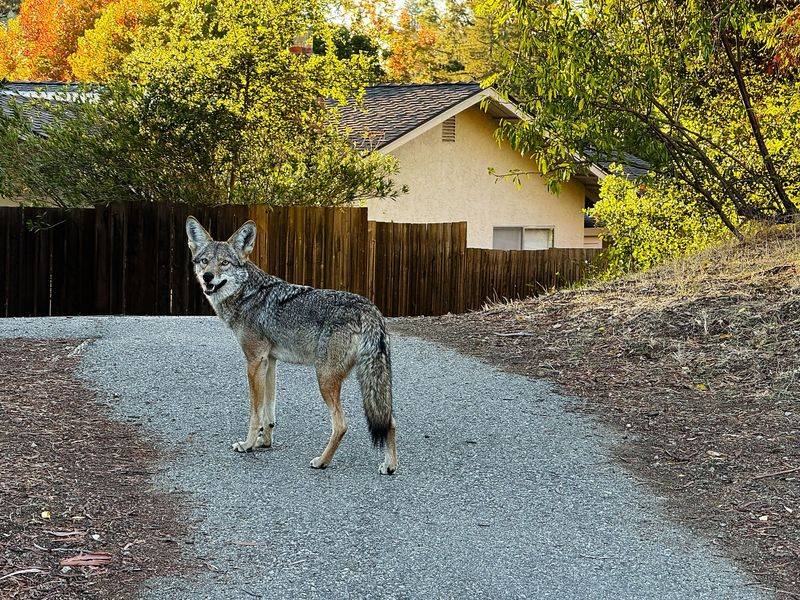
Late one January night, a chorus of yips echoed behind my garden shed and sent my dog straight under the bed.
Eastern coyotes now live in every county here, including busy suburbs where many people never expect them.
Some communities have responded with firm rules, and Monroeville near Pittsburgh adopted an ordinance against feeding wild animals.
Local leaders acted after residents reported coyotes growing bolder, with some neighbors describing attacks on their small pets.
No single statewide law targets coyote feeding specifically, so your local ordinance usually decides whether it is illegal.
Even where it remains technically allowed, wildlife agencies strongly urge homeowners to avoid offering any food to these animals.
Coyotes adapt quickly, and a few easy meals can teach them that people and houses are worth visiting. Once that fear fades, they may follow walkers or linger near yards where cats and small dogs spend time.
I truly believe the best thing a coyote can do for your garden is hunt mice and voles. A wary coyote keeps those rodent numbers in check while staying mostly out of sight and out of trouble.
Fallen birdseed attracts rodents, and those rodents attract coyotes, so tidy the ground under feeders often. Keep small pets on a leash after dark, and store pet food in a closed garage or shed.
If a coyote seems too comfortable, yell, wave your arms, and make yourself look big and noisy. That simple hazing helps restore their natural caution, which keeps both the animals and your family safer.
6. Red And Gray Foxes Begging For Handouts
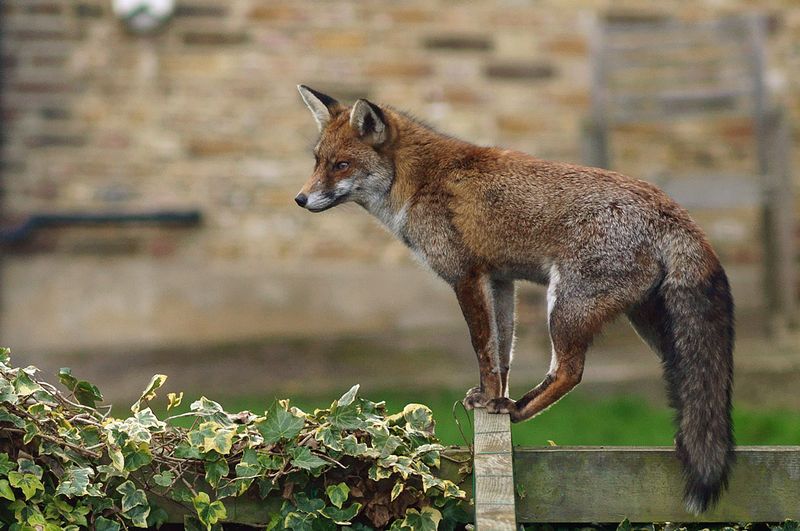
Spotting a red fox trotting along the fence with its fluffy tail floating behind feels like pure magic. My heart melted the first time one paused, glanced at me, and slipped quietly into the hedge.
Pennsylvania hosts two native foxes, the red fox and the gray fox, which can climb trees like a cat. That climbing trick surprises nearly everyone, and it makes gray foxes one of our most unusual backyard mammals.
Feeding foxes is not banned by a specific statewide rule, yet many local ordinances forbid feeding wildlife of any kind.
Breaking those town rules can lead to warnings or fines, depending on where you live and how often it happens.
Both fox species can carry rabies, and wildlife officials ask people to keep their distance from any wild fox.
Crowded feeding spots can also spread mange, a painful skin condition caused by mites that hits red foxes especially hard.
Hand-fed foxes often lose their shyness and start approaching people, which neighbors may report as a threat. Sadly, those friendly foxes frequently end up being removed, while a wild and wary fox stays safe in its territory.
Here is my favorite tip, because watching foxes works best when you simply let your yard stay a little wild.
Brush piles and tall grass edges shelter mice and rabbits, which give foxes natural meals without any handouts.
A motion-activated trail camera lets you enjoy their nightly visits from the couch without tempting them closer. I check mine every morning, and the surprise clips feel far more rewarding than a bowl of kibble.
7. Striped Skunks Digging For Grubs In Lawns
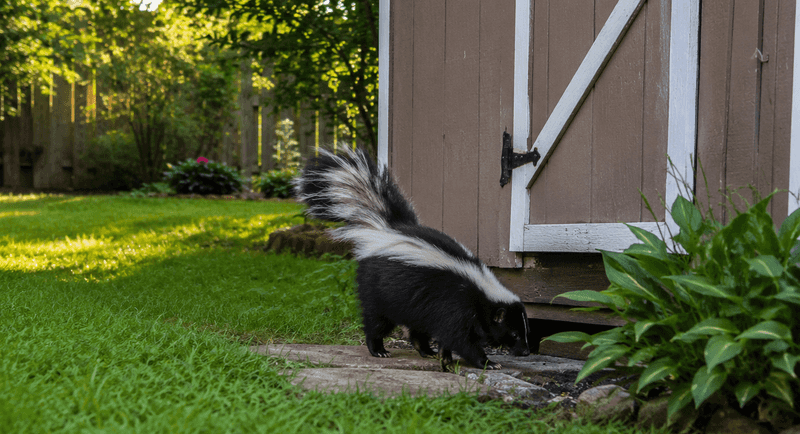
Few garden guests announce themselves quite like a striped skunk, and usually your nose notices before your eyes. I learned that lesson the hard way after leaving cat food on the patio during a warm spring evening.
Striped skunks, known scientifically as Mephitis mephitis, are among the rabies carriers that Pennsylvania health officials watch closely.
That risk is one big reason many towns include skunks within their broader ordinances against feeding wild animals.
No statewide law singles out skunk feeding, so the legal answer depends on your township, borough, or city code.
Even where feeding remains allowed, inviting skunks close to doors and pets creates problems most families would rather avoid.
To be fair, skunks do some helpful work, digging out lawn grubs and munching on beetles and other insects.
Those small cone-shaped holes in your grass often mean a skunk found breakfast, which can actually signal a grub problem.
Food left out on porches can encourage skunks to settle under decks, sheds, and porches for the season. Once a family moves in, removing them takes patience, and nobody wants a startled mother spraying near the back steps.
You can seal gaps under structures with sturdy wire mesh buried several inches deep in the soil. Do this in late summer or fall, after young skunks have left, so you avoid trapping babies underneath.
Secure garbage lids, pick up fallen fruit, and bring pet dishes indoors every evening before dusk arrives. Those small habits keep skunks wandering past instead of moving in, and your nose will thank you later.