9 Shrubs New Yorkers Should Wrap or Protect Before December
Some of the worst winter damage in my yard showed up in March, long after the harsh weather had passed. Brown, crispy leaves appeared on shrubs that looked perfectly fine all through the snowy January weeks.
Evergreen leaves keep losing water on sunny, windy days, even when the ground below is frozen hard. Roots cannot pull moisture from icy soil, so the foliage slowly dries out and turns bronze.
Take it from someone who has stared at sad, scorched shrubs in a New York yard every single spring. Looking back, a few rolls of burlap and some smart watering would have saved me plenty of heartache.
The window for easy protection closes fast once the ground freezes and December winds start howling through New York. So which shrubs in your yard are quietly hoping you notice them before the first deep freeze?
1. Boxwood
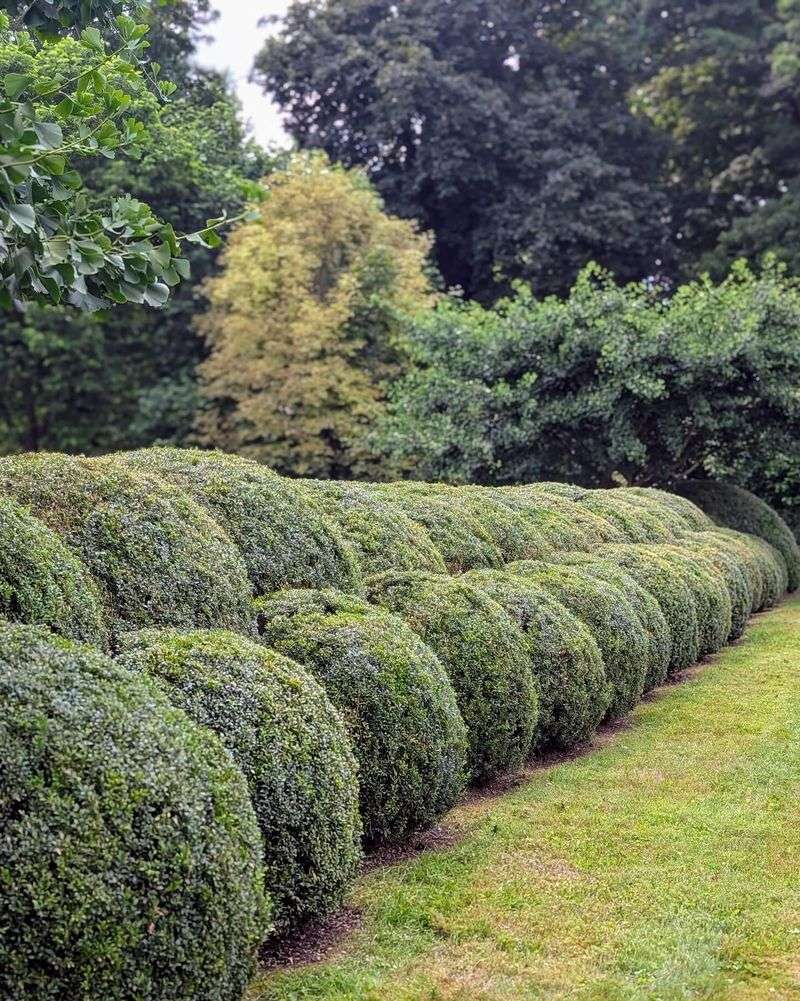
Boxwood leaves can turn the color of an old penny by March, and the cold is only partly to blame. Winter sun and wind pull water from those tiny leaves while frozen roots sit there unable to help.
Between you and me, my first boxwood hedge looked like toast every spring until I changed my fall routine. Deep watering through November made the biggest difference, since well-hydrated leaves handle drying winds much better.
Keep the hose handy and give each plant a slow, deep soak until the soil finally freezes hard. After that, spread two or three inches of shredded bark mulch, keeping it a few inches from stems.
Burlap screens work wonders when you set them up on the windy north and west sides of the hedge. Leave a little gap between the fabric and the leaves so air can move and moisture can escape.
Tall or rounded boxwoods can split open under wet snow, so loosely tying the branches together helps a lot. Soft garden twine or old strips of cloth work well and slip off easily once spring arrives.
Road salt adds another headache, because boxwoods planted near sidewalks and driveways often show extra browning by spring. Shoveling snow away from the hedge, rather than onto it, keeps salty slush off those sensitive roots.
If you are shopping for new plants, hardy hybrids like Green Velvet and Green Mountain handle cold winters nicely. Planting them in sheltered spots from the start saves you plenty of wrapping work in later years.
2. Rhododendron

Rhododendron leaves curl into skinny tubes when temperatures drop below freezing, almost like they are hugging themselves for warmth. Some gardeners even use that curl as a rough outdoor thermometer on bitter January mornings each winter.
The curling is a clever trick for saving water, but large leaves still lose moisture on windy days. Their roots stay shallow, which means frozen topsoil cuts off their water supply faster than you might expect.
For what it is worth, my best rhododendrons sit on the east side of the house, away from afternoon sun. Plants in exposed, sunny corners tend to show scorched brown edges by the time spring rolls around.
Water deeply through late fall, especially if autumn has been dry, until the ground stops accepting moisture. A few inches of pine needles or shredded oak leaves then help keep those shallow roots evenly insulated.
Exposed plants appreciate a burlap screen staked a foot or so away on the windward side of the shrub. Skip wrapping the fabric tightly around the leaves, since trapped moisture and rubbing can cause their own damage.
Anti-desiccant sprays get mixed reviews from researchers, so I treat them as a bonus rather than a plan. A solid windbreak and good watering do far more heavy lifting than any bottle from the garden center.
Azaleas belong to the same genus, and the evergreen types benefit from the same careful fall routine. Protecting next year’s flower buds now means a much brighter show of blossoms when May finally arrives.
3. Bigleaf Hydrangea
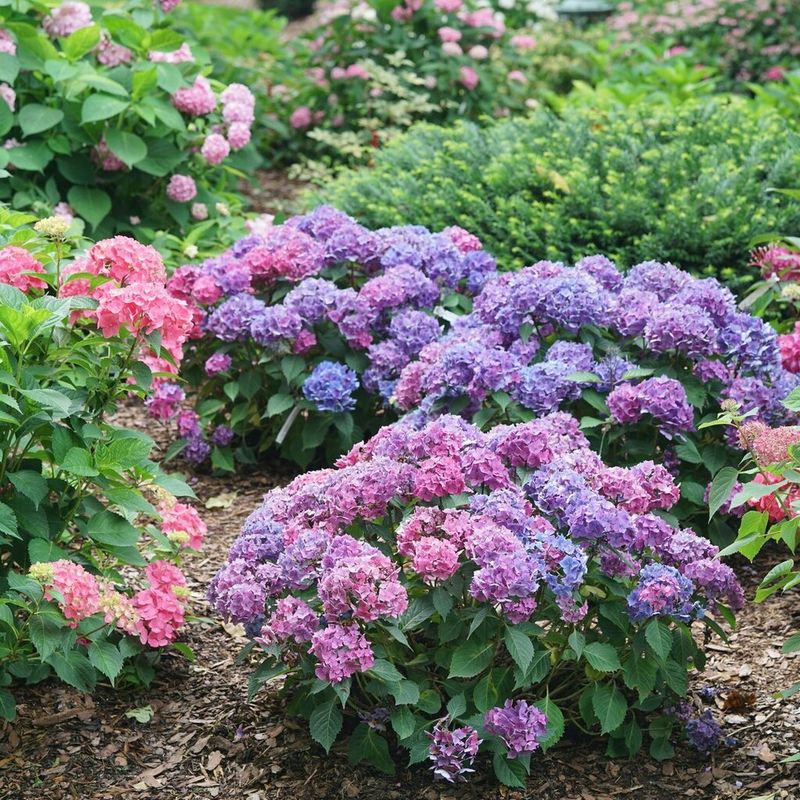
Next summer’s blue and pink flowers are already tucked inside the fat buds on your hydrangea stems. Lose those buds to a hard freeze, and you get a leafy green shrub with barely a bloom in sight.
Many classic bigleaf varieties bloom on old wood, meaning the flower buds formed on stems during late summer. Reblooming types like Endless Summer can also flower on new growth, which gives them a helpful backup plan.
Let’s just say I learned this lesson after cutting my plants back hard one October and getting zero flowers. Hold off on fall pruning, because every stem you remove carries a bud you will miss next July.
Once the ground freezes, build a simple cage of chicken wire around the shrub using a few sturdy stakes. Fill it loosely with dry shredded leaves or straw so the stems and buds sit snugly inside.
Oak leaves are my favorite filler since they resist matting down into a soggy, heavy mess over winter. A loose burlap wrap around the outside of the cage keeps the leaves from blowing across the yard.
Gardeners in the colder upstate areas of New York benefit most, though Long Island plants appreciate the help too. Late spring frosts can also nip swelling buds, so wait until mid-April before pulling the covering off.
Potted hydrangeas face even rougher odds, since roots in containers feel the cold much more than roots underground. Slide those pots into an unheated garage or shed, and give them a small drink once a month.
4. Camellia
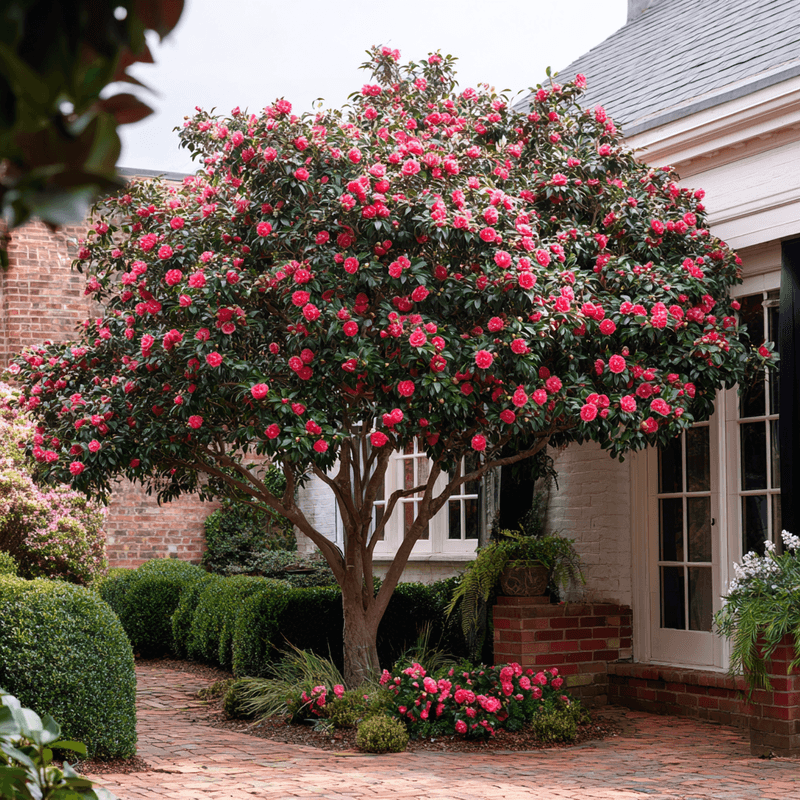
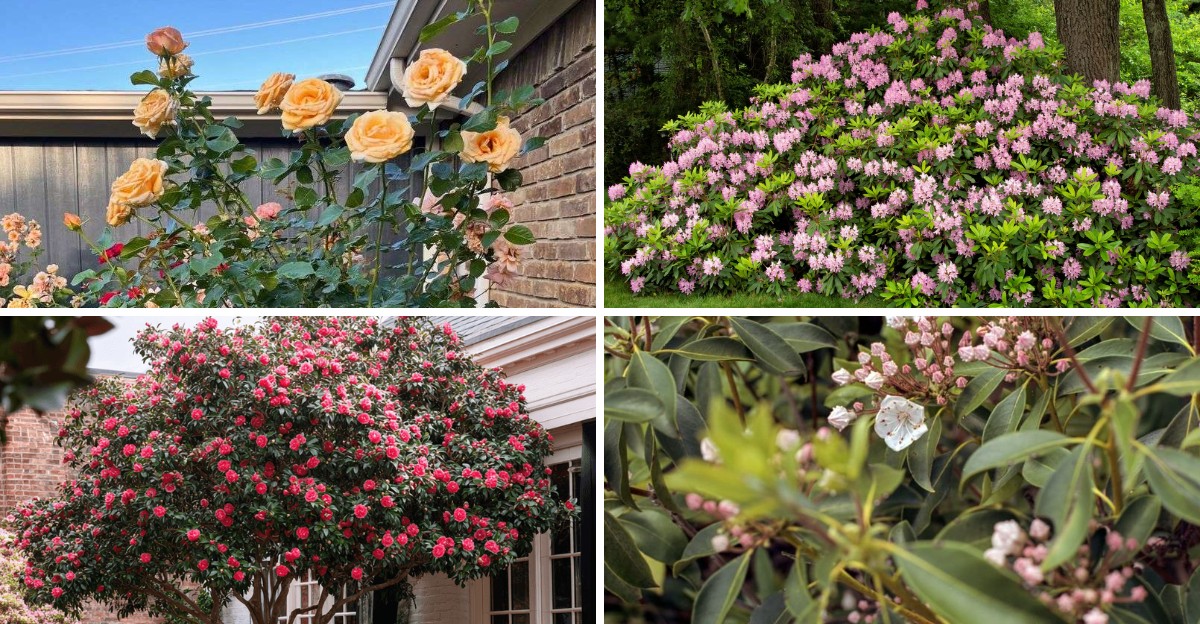
Camellias bring roselike blooms to the garden when most shrubs are fast asleep, which feels a little like cheating. Growing them this far north is a fun gamble, and smart winter protection tilts the odds your way.
Most Camellia japonica plants are rated for zones seven through nine, which matches New York City and Long Island. Colder parts of the state are trickier, though hardy hybrids like the April series have handled tougher winters.
Location matters more than anything else, so tuck your camellia against a north or east wall out of wind. Winter sun on frozen leaves can scorch them quickly, so a spot with afternoon shade helps a great deal.
Give the roots a long, deep drink in late fall before the soil turns hard and stops absorbing water. Then pile three or four inches of shredded leaves or pine bark over the root zone for insulation.
During bitter cold snaps, a loose layer of frost cloth or burlap draped over stakes shields the glossy leaves. Pull the cover off when temperatures climb again, since camellias still need light even in the middle of winter.
Container plants need extra care, because their roots sit above ground with nothing but a thin pot wall nearby. An unheated garage with a bright window works nicely, as long as it stays cool without dropping far below freezing.
If you ask me, seeing pink camellia petals against a snowy backdrop is worth every minute of fussing. Fall-blooming Camellia sasanqua is slightly less cold tolerant, so give it the most sheltered spot you have.
5. Hybrid Tea Rose
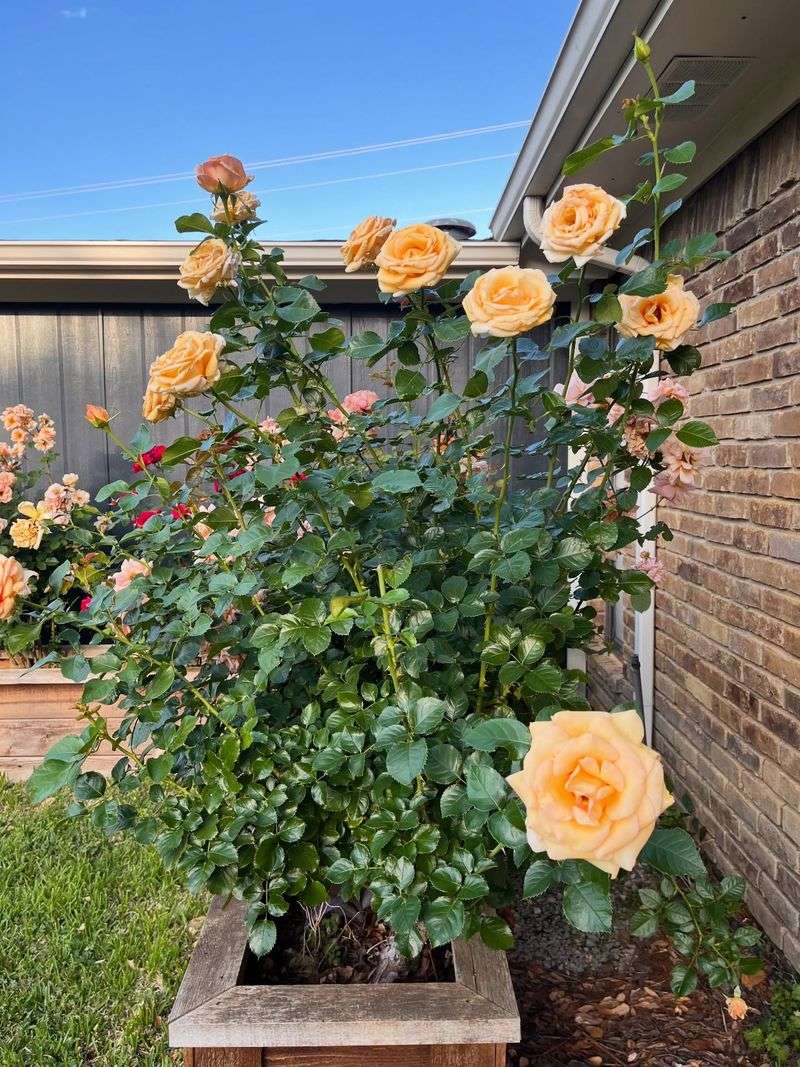
Hybrid tea roses produce those long-stemmed, florist-style blooms, but their elegance comes with a surprisingly thin winter coat. Most are grafted, and that knobby bud union near the soil line is the part that needs guarding.
Lose the graft, and the hardy rootstock below may send up a plain rose you did not plant. Don’t make my mistake of assuming a tag reading hardy means the rose can face winter alone.
Wait until after a few hard frosts so the plant is dormant before you start piling anything around it. Then mound ten to twelve inches of fresh soil or compost over the base, covering the bud union.
Bring that soil in from another part of the yard, because scraping it from around the rose exposes roots. Once the mound freezes, you can top it with shredded leaves or evergreen boughs for extra insulation.
Long canes whip around in winter wind, so trim them back to about three feet and tie them loosely. Save the real pruning for spring, when you can see which wood made it through the cold months.
Tree roses carry their graft high up on a trunk, which leaves it dangling out in the frigid air. Wrapping the head and trunk in burlap stuffed with straw gives that delicate graft a cozy jacket.
Rabbits love nibbling rose canes once snow covers their usual snacks, so a wire collar helps too. Pull the mounded soil away gradually in April, and your roses should push out fresh red shoots soon after.
6. Japanese Pieris
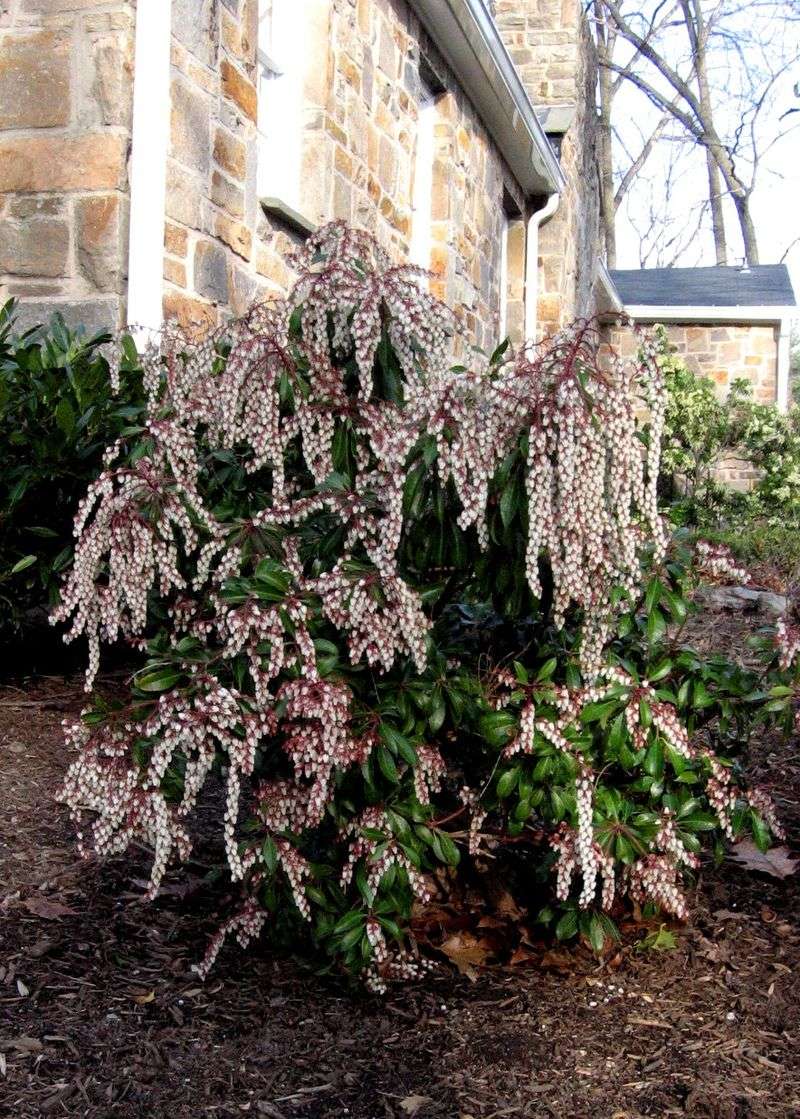
Japanese pieris sets its dangling flower buds in late summer, then holds them all winter like strings of tiny beads. Those buds hang for months, waiting for early spring to open into creamy white bells resembling lily of the valley.
That long wait leaves them exposed to drying winds and harsh sun, which can brown the buds before they bloom. What surprised me most was that leaves often look fine while flower clusters quietly turn brown.
Pieris grows happily in zones five through eight, so most of New York can grow it with some planning. A spot with afternoon shade and shelter from northwest winds suits this shrub best through the winter.
Like its cousins the rhododendrons, pieris prefers acidic soil and appreciates a deep fall watering before the ground freezes. A blanket of pine needles over the roots holds moisture and keeps winter soil temperatures much steadier.
In windy yards, a burlap screen on the exposed side shields those bud clusters without smothering the plant. Keep the fabric a few inches from the foliage so air flows freely and snow slides off easily.
Late freezes in March can also harm buds that have started swelling, so watch the forecast closely then. An old bedsheet tossed over the shrub overnight works surprisingly well, as long as you remove it by morning.
One safety note matters here, because every part of pieris is toxic to people and pets if eaten. Plant it away from spots where curious dogs or toddlers like to explore and chew on things.
7. Dwarf Alberta Spruce
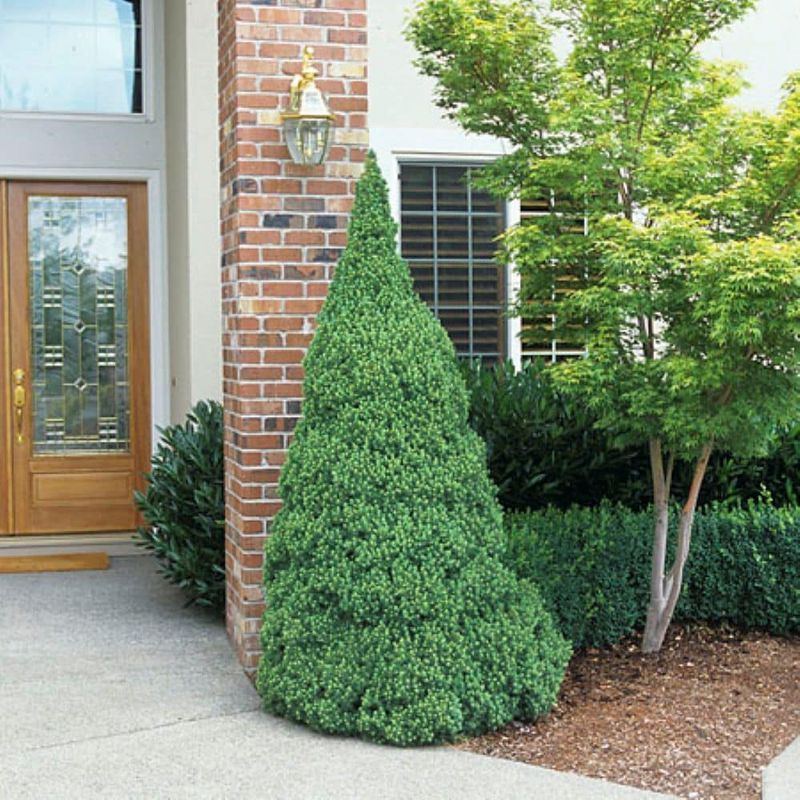
Dwarf Alberta spruce grows only a few inches each year, so one scorched side can stay ugly for ages. That slow pace makes winter protection extra important, since this little cone takes years to fill bare spots.
The tree is hardy down to zone two or three, so cold alone rarely causes the trouble. Instead, winter sun and wind dry out its dense needles, especially on the south and west sides.
Looking back, I should have skipped that sunny spot beside my driveway, where reflected light browned one whole face. Snow and pale siding bounce extra sunlight onto the needles, which speeds up moisture loss on bright days.
Water thoroughly through late fall, since evergreens head into winter in much better shape with moist roots. A ring of shredded bark mulch around the base helps the soil hold that moisture a bit longer.
A burlap screen on the sunny side works better than a tight wrap, which can trap heat and moisture. Set three stakes around the tree and staple the burlap to them, leaving the top open for airflow.
Potted spruces flanking a front door look charming, but their roots handle cold far worse than their needles. Grouping the pots together against the house, or wrapping them in bubble wrap, gives those roots some shelter.
Gently brush heavy snow off the branches with a broom, pushing upward so the dense limbs do not snap. Keep an eye out for spider mites later in the year, since they cause similar browning on this spruce.
8. Meserve Holly
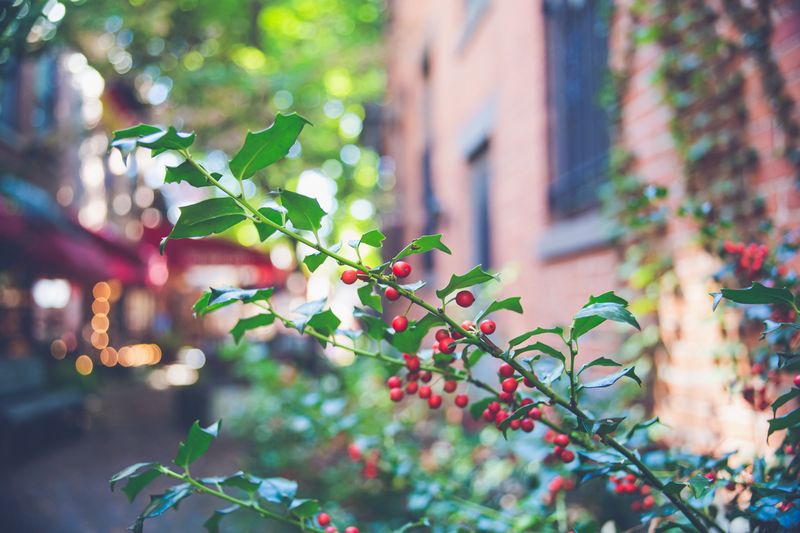
Meserve hollies were bred on Long Island in the 1950s by Kathleen Meserve, a home gardener in St. James. She crossed a tough Asian holly with English holly, hoping for glossy leaves that could handle northern winters.
Her blue hollies, like Blue Princess and Blue Prince, are hardy to about zone five in most references. Even so, their shiny leaves can still bronze or scorch when they sit in open, windswept spots.
My garden taught me that hollies near the corner of a house take the brunt of swirling winter gusts. Shrubs tucked behind a fence or larger evergreens usually come through winter looking far more polished.
Deep fall watering sets these hollies up well, especially after a dry autumn when soil moisture runs low. Follow up with a few inches of mulch, pulled back slightly from the trunk to discourage rot and voles.
Exposed plants benefit from a simple burlap fence on the windward side, set a little away from the foliage. Those prickly leaves snag fabric easily, so wear thick gloves and skip wrapping burlap directly around the shrub.
Berries only appear on female plants, and they need a male holly blooming nearby to set a good crop. Blue Prince is the classic partner for Blue Princess, and one male can serve several females in the yard.
Protecting those berry-laden branches pays off twice, since birds like robins often snack on holly fruit in late winter. Snipping a few sprigs for holiday decorating counts as light pruning, so you can enjoy them indoors guilt-free.
9. Mountain Laurel
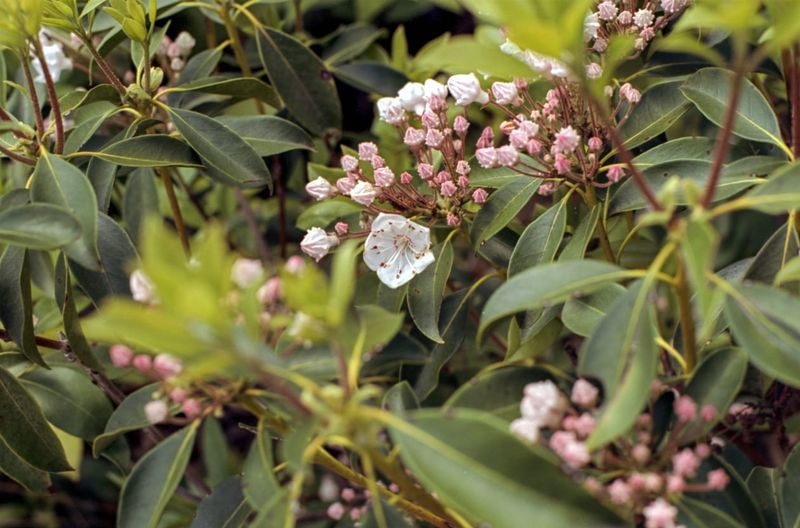
Mountain laurel flowers hold a surprise, because each stamen is bent back and tucked into a pocket on the petal. When a bee lands, the stamens spring free and flick pollen onto the visitor like a little catapult.
Wild thickets of this native shrub grow across much of New York, often beneath oaks on rocky hillsides. Being native does not mean invincible, though, since garden plants in open spots often scorch during harsh winters.
In the woods, tall trees filter winter sun and block wind, which helps wild laurels stay fresh. Copying that setup in your yard, with dappled shade and some shelter, prevents a lot of browning.
Shallow roots make mulch your best friend, so spread a few inches of chopped leaves or pine needles. Skip cultivating around the base, since digging easily damages those fine roots sitting just below the surface.
Give your laurel a deep soak before the ground freezes, particularly when autumn rain has been scarce. Plants heading into winter with dry roots tend to show crispy, curled leaf edges by early spring.
Young or recently planted shrubs in sunny spots gain a lot from a burlap screen on the south side. The screen softens bright winter sun and drying wind without blocking the light the leaves still need.
Every part of mountain laurel is toxic if eaten, so keep pets and grazing animals from munching on it. Admire it from the porch instead, and save your energy for that pink and white June show.