7 Things You Should Never Do to Your New York Lawn in November
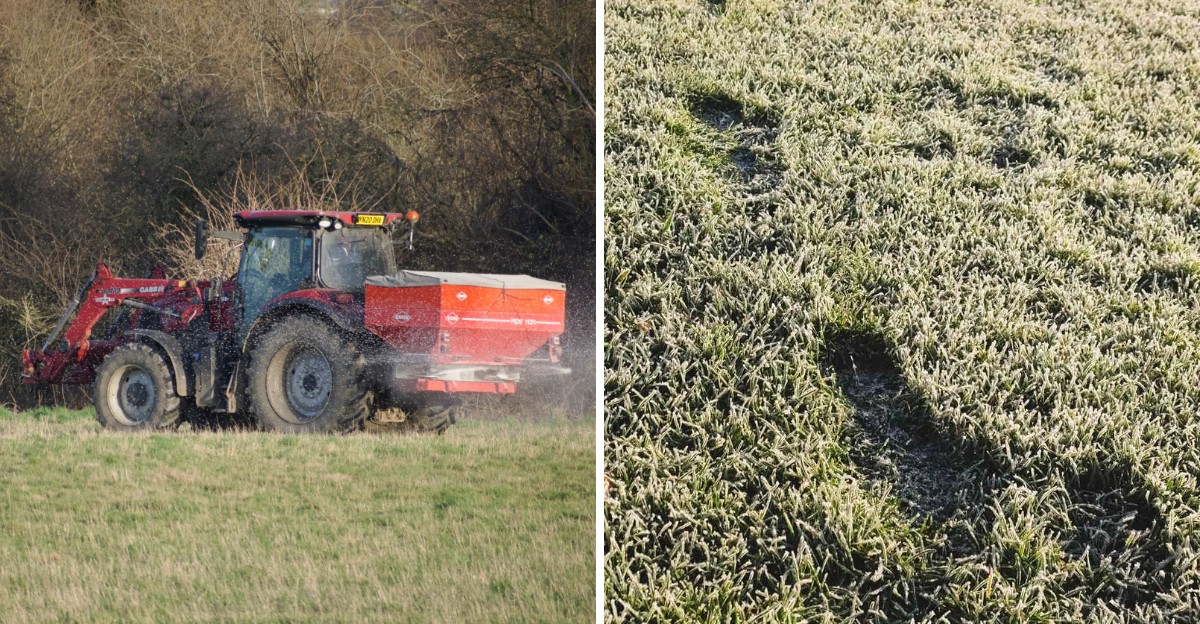
In Suffolk County, spreading lawn fertilizer becomes illegal on November 1, weeks before most people even think about snow. Nassau County follows on November 15, and the rest of New York joins the pause on December 1.
I find it fascinating that a quiet, chilly lawn still has so much going on beneath the surface. Cool-season grasses keep building roots and storing energy until daytime highs settle below about fifty degrees.
You might be surprised by how many spring bare spots trace back to small slipups made this month. I learned that lesson the hard way, staring at a matted, moldy patch every April for years.
Lawns across New York face the same tricky stretch, where good intentions sometimes cause more harm than help.
So which familiar fall chores should wait, and which ones belong on the calendar months from now?
1. Parking The Lawn Mower Before The Grass Stops Growing
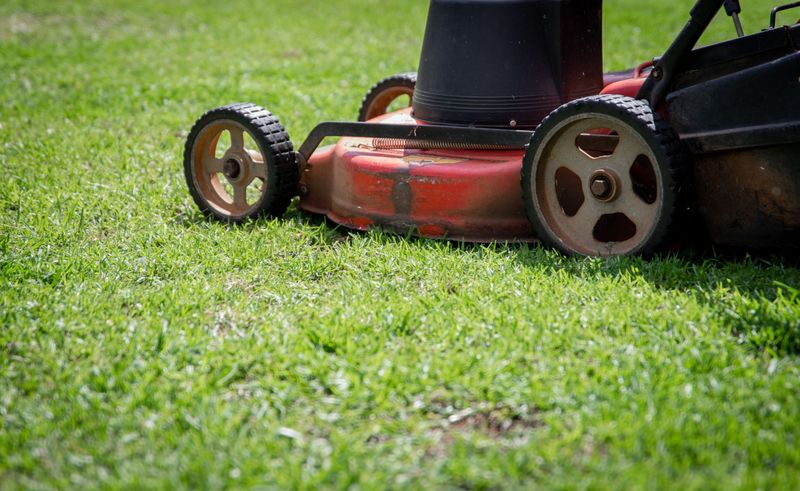
Your mower might feel ready for a long winter nap, but your grass often has other plans. Kentucky bluegrass and tall fescue keep pushing out fresh blades whenever November afternoons climb above fifty degrees.
I used to stash my mower right after Halloween, and my lawn quietly kept growing without me. By the first big snowfall, those shaggy blades were tall enough to flop over and form a mat.
Matted grass under snow stays damp and starved for air, which suits snow mold fungi just fine. Come spring, you may spot crusty gray or pinkish circles where the fungus spent the winter feeding.
Keep mowing on your usual schedule until the grass visibly stops growing between cuts for a week or two. In most yards, that moment arrives once daytime highs stay consistently below about fifty degrees Fahrenheit.
Aim for a final height of roughly two to two and a half inches before you store the mower. Short enough to resist matting, that height still leaves plenty of leaf tissue for storing winter energy.
Lower the deck gradually over your last few mowings instead of chopping everything down in one dramatic pass. Scalping strips away the green leaves that feed the roots, and that stress lingers well into spring.
One handy bonus is that late mowing also shreds scattered leaves into fine mulch for the soil. Sharpen the blade before that last cut, since clean slices heal faster than ragged, torn tips.
2. Spreading High Nitrogen Fertilizer After The Legal Cutoff
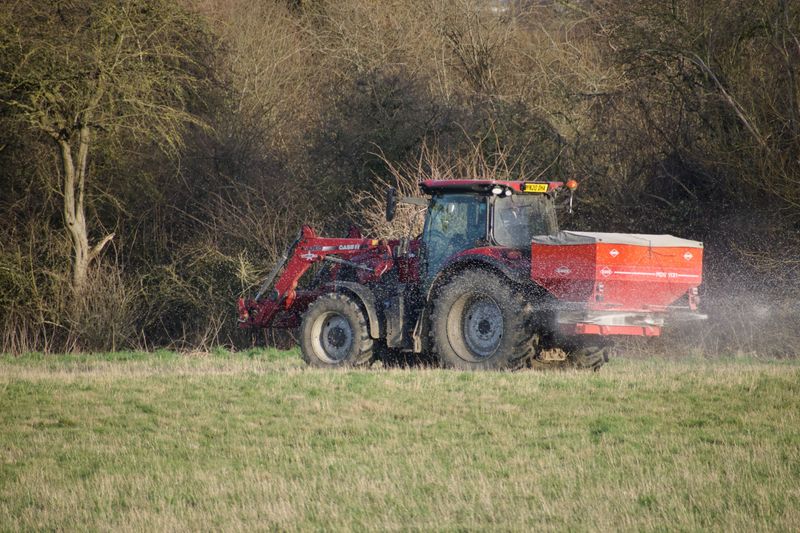
Fertilizer laws on Long Island move faster than the leaves, and they catch plenty of homeowners off guard. Suffolk County bans lawn fertilizer starting November 1, while Nassau County holds off until November 15.
Statewide, the Nutrient Runoff Law blocks lawn fertilizer from December 1 through April 1 every single year. Some towns and counties add their own rules, so a quick call to your local extension office helps.
Legal issues aside, late nitrogen does the grass no favors once cold weather starts settling into the soil. It pushes a flush of soft, tender leaves that frost can easily damage within a few nights.
Extra nitrogen sitting in the turf under snow can also encourage snow mold, which nobody wants in April. On frozen ground, fertilizer often washes off with melting snow and ends up feeding algae in nearby waterways.
Phosphorus has its own rule, since the law limits it on established lawns unless a soil test shows a need. Check the middle number on the bag, and look for a zero if you skipped testing.
The way I see it, the smartest fall feeding happens earlier, usually in September or early October. A slow-release product applied then gives roots a steady meal without sparking a burst of leafy growth.
If that window already slipped past, relax and let your lawn coast into winter on stored reserves. Healthy grass handles a skipped feeding far better than a badly timed one, and your wallet agrees.
3. Leaving Wet Matted Leaves Piled On The Grass
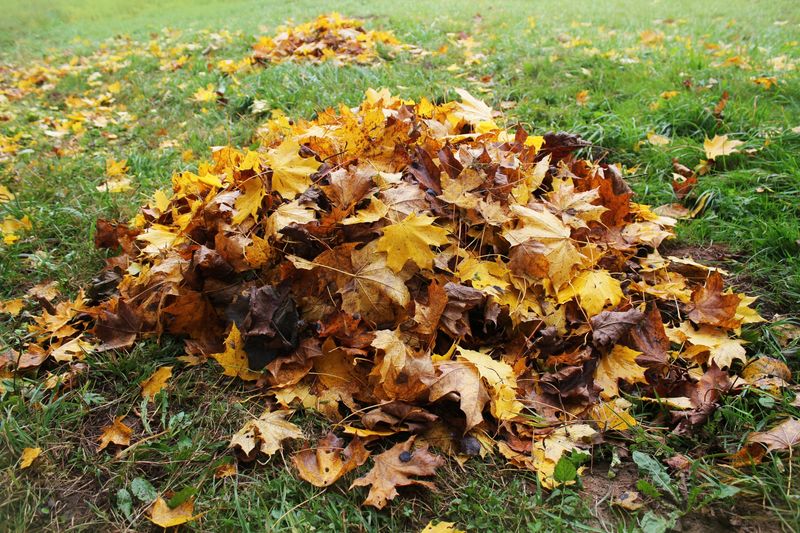
Few things look cozier than a golden carpet of maple leaves, at least until you peel one back. Underneath, the grass often looks pale and soggy, like something left too long in the bathtub.
A thick layer of wet leaves blocks sunlight, and grass still needs light to make food this time of year. Trapped moisture under that layer creates a damp hideout where snow mold and other fungi happily settle in.
Freeze and thaw cycles press those leaves down even flatter, and lake-effect snow adds extra weight upstate. By spring, the smothered spots can show up as thin, yellowed patches that take weeks to recover.
I’m a big fan of the lazy option here, which means running the mower right over the leaves. Shredded into dime-sized bits, they slip between the blades and break down into food for the soil.
Turf researchers at Michigan State University found that mulching leaves into the lawn can actually benefit the turf. Just keep the layer thin enough that you can still see grass peeking through after each pass.
Heavy drops from big oaks or maples may need raking, since the mower can only handle so much. Pile the extras in a compost bin or use them as a winter mulch around garden beds.
Try to clear or shred everything before the first snow that sticks around for more than a day. Your back may grumble a little now, but your spring lawn will thank you for the effort.
4. Scattering New Grass Seed Over Cold Bare Patches
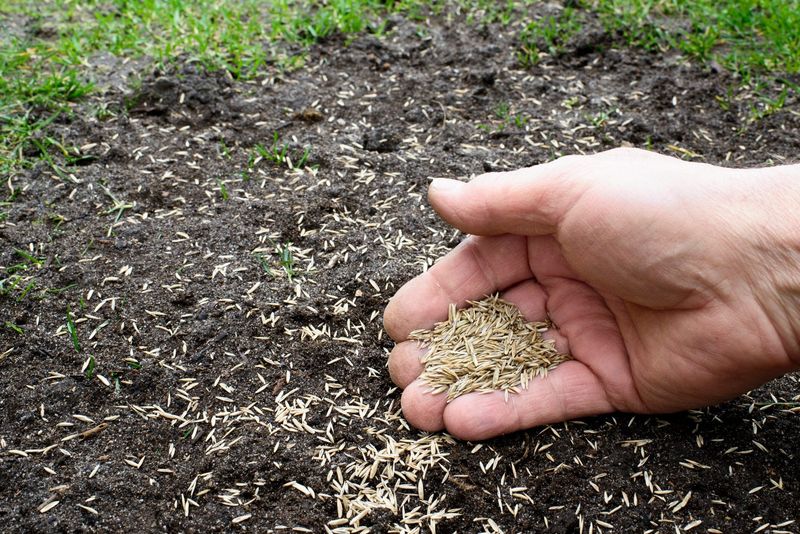
Grass seed tossed in November is a bit like showing up to a party after everyone went home. The ideal seeding window for cool-season grasses in New York runs from about mid-August through mid-September.
Warm soil and cooler air during that stretch help seeds sprout quickly while weeds lose much of their steam. Young seedlings then need roughly four to six weeks to build roots before the first hard frost arrives.
Seed planted now might sprout during a warm spell, but those tiny shoots rarely grow deep roots in time. Frost heaving can push them right out of the soil, and snow mold finds them easy targets.
I could be wrong, but most bare patches I see in late fall came from summer drought or grubs. Figuring out the cause now helps you plan a smarter repair once the timing works in your favor.
Dormant seeding is the one exception, and some turf experts treat it as a last resort. You spread seed once the soil is cold enough that it stays put until spring warms things up.
Results vary a lot, because hungry birds and heavy washouts can leave you with uneven, spotty coverage. Sowing too early is the bigger risk, since a mild week can trigger sprouting that frost then ruins.
For most yards, the steadiest plan is waiting for late summer and seeding when conditions line up naturally. Mark the calendar now, and maybe pick out a quality seed blend while you wait for August.
5. Ripping Out Thatch With A Power Rake
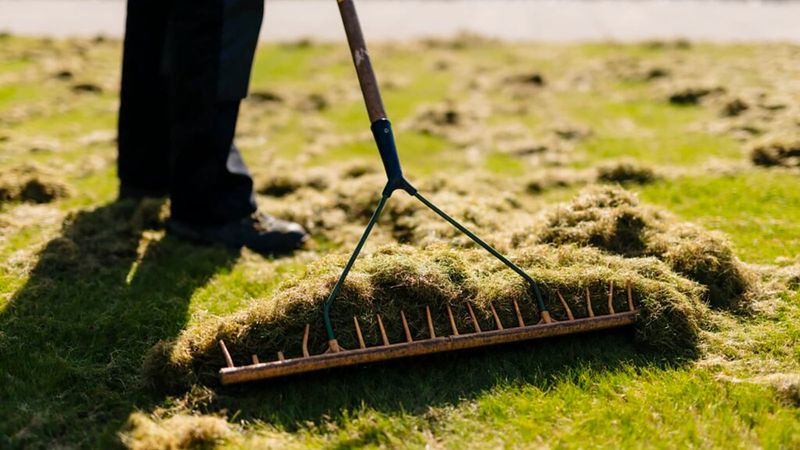
A power rake sounds satisfying, and honestly it is, until you see the pile of torn-up turf behind you. Dethatching yanks out the spongy layer of old stems and roots, and it pulls healthy grass too.
That kind of rough treatment needs a long recovery period, ideally a month or more before frost arrives. In November, the grass simply runs out of warm days to patch the damage and regrow.
A torn, thinned lawn heading into winter has less protection from drying winds and harsh winter freezes. Exposed crowns can dry out, and weeds often find those open gaps first when spring arrives.
What I find interesting is that a little thatch actually helps, cushioning footsteps and holding some moisture. Many turf specialists consider a layer under about half an inch thick to be perfectly normal and harmless.
Check yours by cutting out a small wedge of turf and measuring the brown layer above the soil. Anything thinner than half an inch can wait, and thicker layers belong on next year’s chore list.
For cool-season lawns, the best dethatching windows fall in late August through mid-September or around mid-April. Both stretches give grass enough mild weather to bounce back quickly and fill in thin, patchy areas.
If the itch to tidy up feels overwhelming, a gentle pass with a leaf rake works fine for now. Save the heavy machinery for spring, when your lawn can actually handle the workout and recover.
6. Punching Holes With A Core Aerator In Frosty Soil
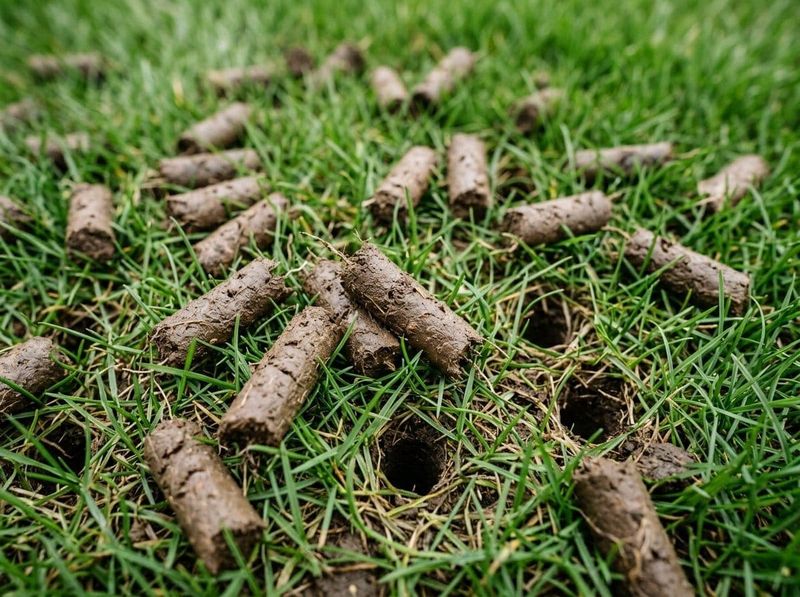
Core aerators pull up little plugs of soil that look like goose droppings scattered across the yard. Those holes let air and water slip down to the roots, which sounds helpful at almost any time.
Timing matters more than you might expect, because the grass needs warm weeks afterward to heal and spread. For cool-season lawns, the sweet spot runs from mid-August through late September, sometimes stretching into early October.
By November, soil temperatures in much of upstate New York have dropped too low for real recovery. Roots slow down in chilly ground, so those fresh holes simply sit open through the long winter.
Cold, firm soil also fights back against the tines, leaving shallow dimples instead of proper deep cores. You end up spending a rental fee and a Saturday afternoon for very little benefit to the lawn.
Don’t be surprised if your neighbors are still aerating, since some lawn services book jobs late into fall. Milder coastal areas sometimes stretch the window a bit, but the margin shrinks quickly as nights grow colder.
If your lawn feels hard as a sidewalk, jot down the problem spots before snow hides them. Paths where kids cut across or dogs race along the fence usually need the most attention later.
I’m still amazed by how much better a well-timed aeration works compared with a rushed late one. Pencil it in for next fall, ideally right before you overseed, and the two tasks will support each other.
7. Tromping Across Frozen Or Snow Covered Grass
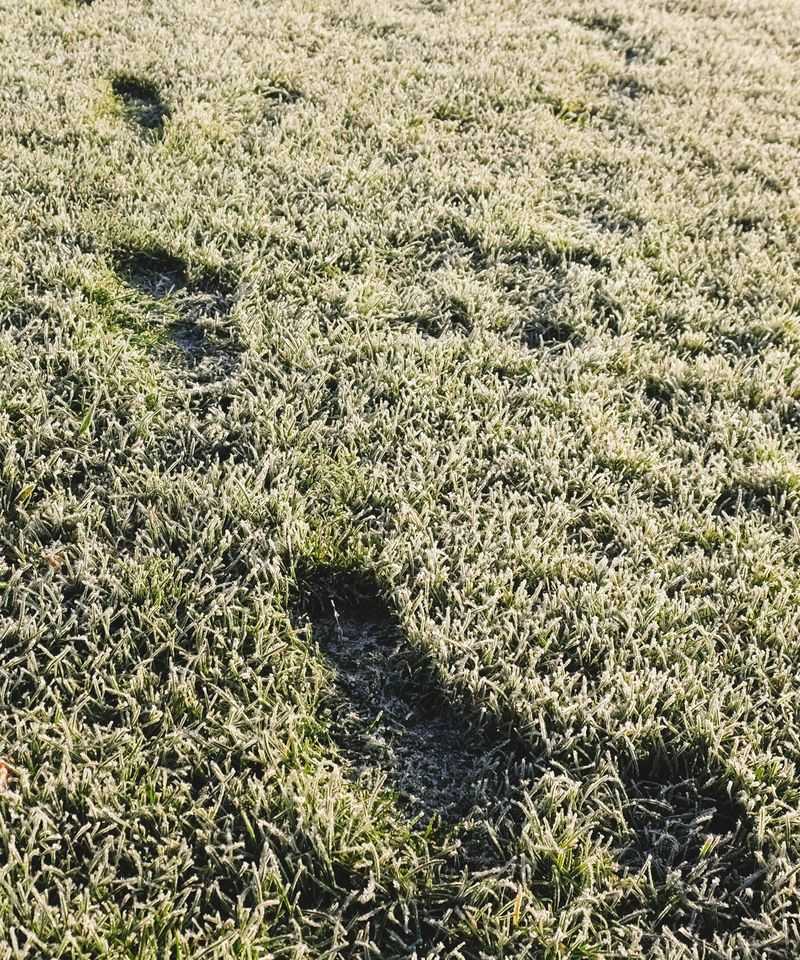
Frosty grass crunches under your boots like breakfast cereal, and that satisfying sound means something is breaking. Frozen blades snap rather than bend, and ice crystals inside the leaf cells rupture under the pressure.
Those damaged spots often show up later as brown footprints, sometimes outlining your exact path to the shed. I find that a little funny, though it feels less amusing when the trail runs across the front yard.
Snow brings its own trouble, since packed snow from footsteps or parked cars turns dense and icy. That compressed layer limits airflow to the grass and tends to linger long after fluffy snow melts away.
Lingering icy patches create the damp, airless conditions that snow mold loves, and they slow spring green-up. Soil underneath also gets squished, which makes it harder for roots to breathe once the weather warms.
You can see why groundskeepers rope off golf greens on frosty mornings and make players wait patiently. Home lawns deserve the same respect, even if nobody is paying greens fees to walk on yours.
Stepping stones or a simple mulch path give kids and dogs an easy route that spares the turf. Shoveling snow onto the lawn in big piles also adds weight, so spread it out when possible.
On frosty mornings, wait until the sun melts the crust before you cross the yard for the mail. A few patient minutes now can save you from spending April patching ragged brown trails across the grass.