6 Shrubs North Carolina Gardeners Should Cut Back In June And 3 They Should Leave Alone
Pruning timing feels like it should be simple, but it’s one of the most consistently mishandled tasks in North Carolina gardens, and the consequences follow the plant for an entire season.
Cut the right shrub in June and you encourage fresh growth, better shape, and sometimes a second round of blooms before summer ends.
Cut the wrong one and you remove exactly what the plant has been preparing for months, wiping out next season’s flower buds in an afternoon without realizing what just happened.
June sits at an interesting point in the calendar where some shrubs are perfectly positioned to respond well to a hard cutback while others are quietly doing work that absolutely should not be interrupted.
Knowing which category each shrub falls into before picking up the pruners is the whole game, and getting it wrong is a mistake that takes a full year to recover from.
1. Reblooming Spirea
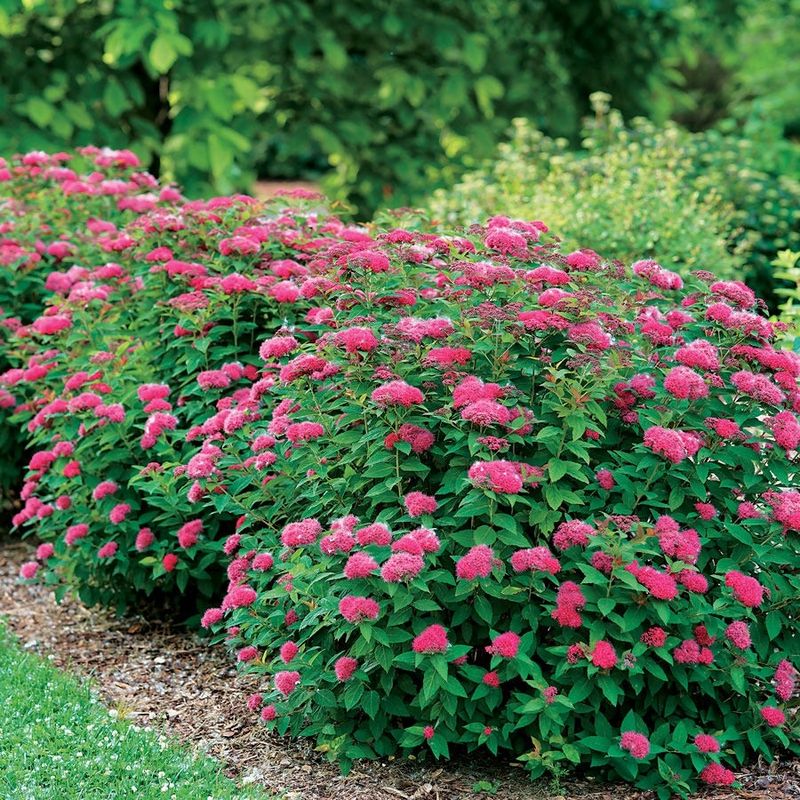
Few shrubs put on a show quite like reblooming spirea. After its big spring flower flush, this tough little plant has even more to offer if you give it a light trim at the right time. June is the perfect window to do exactly that in North Carolina.
Once those pink or white bloom clusters start to fade and look spent, go ahead and snip them off. Use clean, sharp pruners and remove the old flower heads along with any stems that look long and floppy.
The goal here is a light shaping cut, not a drastic chop. Reducing leggy stems by about one-third encourages the plant to push out fresh, new growth from lower on the branch.
That fresh growth is what sets up the next round of flowers later in summer. Reblooming spirea varieties like Double Play and Double Diamond are bred to flower more than once, but they need a little help to do it.
Removing spent blooms signals the plant to redirect its energy toward new shoots.
Avoid going too hard with the pruners in June. Severe renewal pruning, where you cut the whole shrub down to a few inches, is better saved for late winter or very early spring.
A shaping cut now keeps the shrub looking tidy, encourages branching, and rewards you with another flush of color before summer ends.
2. Shrub Salvia
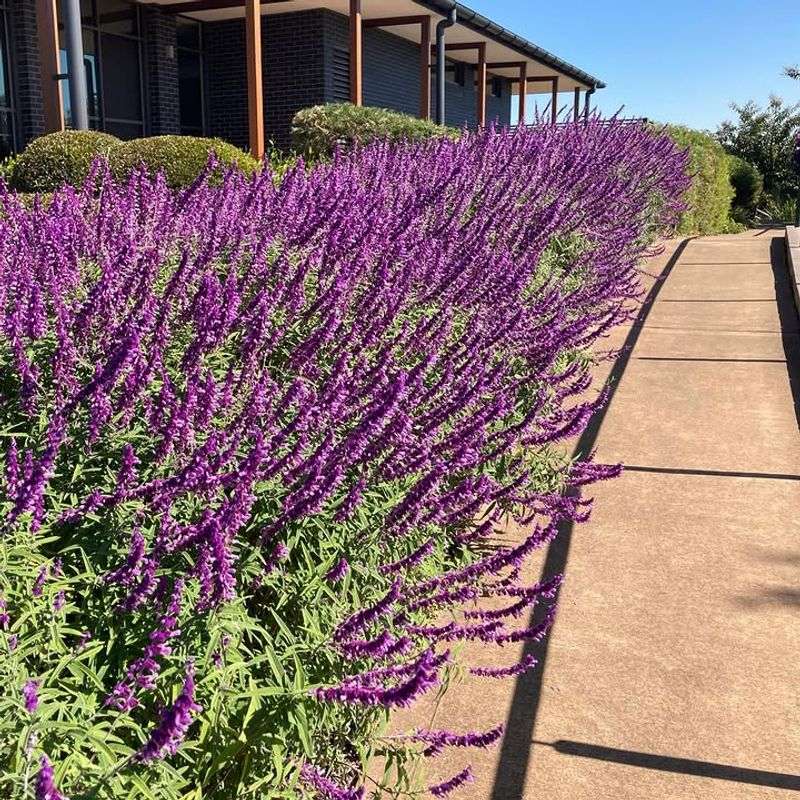
Shrub salvia, also called woody salvia, is one of those plants that genuinely rewards a confident trim. After its first big bloom cycle wraps up in late spring or early June, the flowers start to look faded and the stems can get a bit rangy.
That is your cue to act. Cutting the stems back by about one-third right after bloom is the sweet spot for this plant. That kind of trim wakes up the lower buds along the stem and pushes the shrub to branch out more.
More branches mean more flower spikes, and that is exactly what you want heading into the rest of summer.
One thing to watch for is bare, woody growth lower on the stems. If a section of the plant has no visible green leaves or new shoots coming from it, avoid cutting into that zone.
Your North Carolina Garden Changes Every Week. Your Plan Should Too.
Gardening in North Carolina changes quickly throughout the season. Every Friday you’ll receive a simple weekly plan showing exactly what to plant, prune, fertilize, harvest, and protect so you never miss the right timing.
Woody salvia does not always resprout well from old, bare wood the way some other shrubs do. Stick to green, leafy growth when making your cuts.
Sharp, clean pruners make the job easier and reduce the chance of rough cuts that stress the plant. After trimming, water the shrub well and consider a light feeding with a balanced fertilizer.
With the right care after pruning, shrub salvia often comes back with a second wave of blooms that lasts well into fall, making it a real workhorse in the summer garden.
3. Knock Out Roses
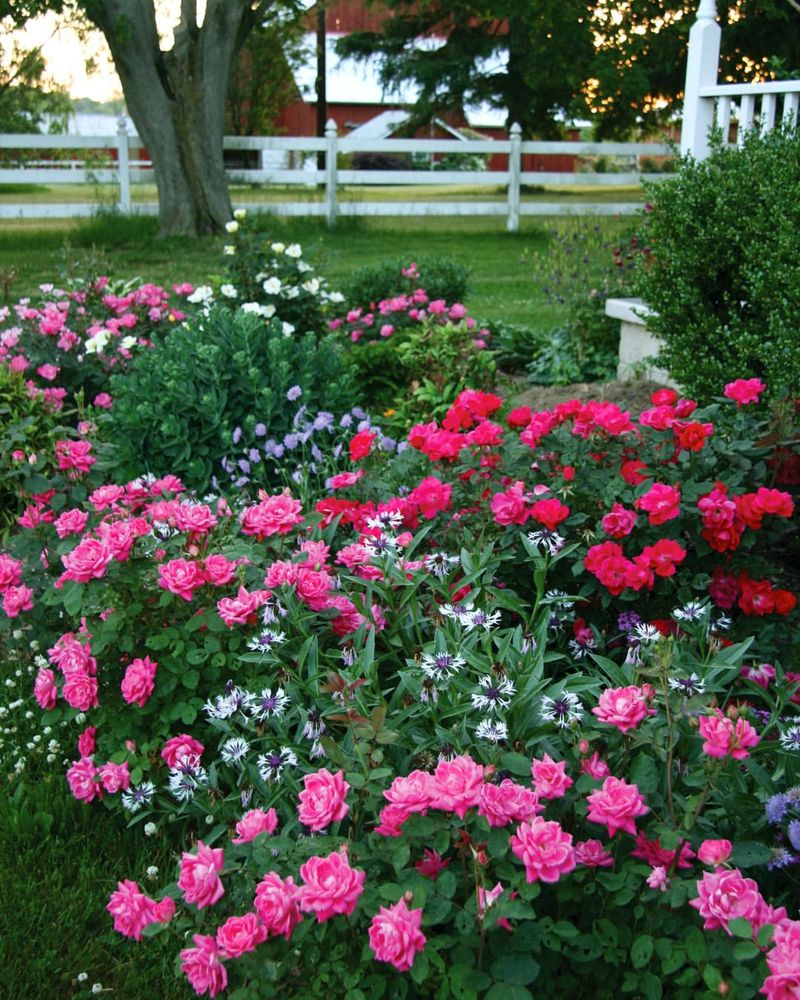
Knock Out roses have earned their reputation as one of the toughest, most rewarding shrubs a North Carolina gardener can grow. They bloom in waves throughout the season, and a little attention in June keeps those waves coming strong all the way through fall.
After the first big flush of spring flowers starts to fade, take your pruners and remove those spent blooms. This process tells the plant to stop putting energy into seed production and start pushing out new flower buds instead.
Along with deadheading, trim any stems that look especially long or uneven. A light shaping cut of about one-quarter to one-third of the stem length helps keep the shrub compact and full rather than sprawling and open.
Knock Out roses are remarkably forgiving, but June is not the time to go overboard. Major renovation pruning, where you cut the entire shrub back hard to reshape it, is best done in late winter before new growth begins.
Cutting too aggressively in summer heat can stress the plant and slow down its recovery and reblooming cycle.
After your June trim, water consistently and make sure the shrub has good airflow around it to reduce the chance of fungal issues, which are common in North Carolina’s humid summers.
A slow-release rose fertilizer applied after pruning gives the plant everything it needs to bounce back fast and fill up with blooms again within a few weeks.
4. Reblooming Hydrangea (Hydrangea Macrophylla Reblooming Types)
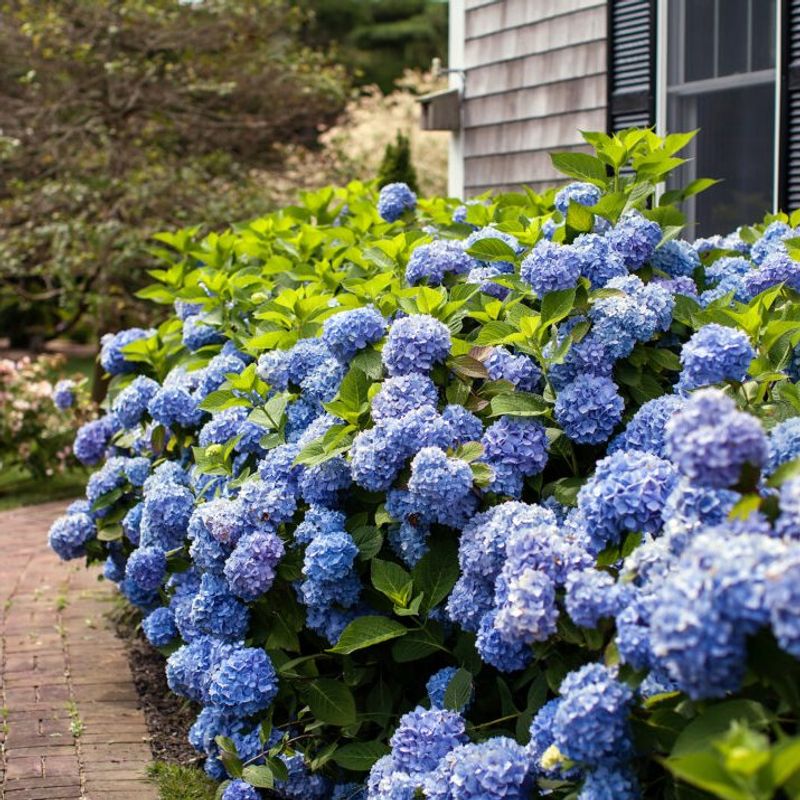
Reblooming bigleaf hydrangeas, like the popular Endless Summer series, changed the game for North Carolina gardeners.
Unlike traditional bigleaf types that only bloom on old wood, these varieties can produce flowers on both old and new growth, giving you more chances for color throughout the season.
In June, after the first round of blooms starts to look tired and brown, you can safely remove those spent flower heads. The key is knowing exactly where to cut.
Find a healthy pair of leaves just below the old bloom and make your cut right above that leaf pair. This keeps the plant looking neat and may encourage another round of flowers later in summer or early fall.
What you want to avoid is cutting deeply into the old woody stems. Even though these varieties bloom on new wood too, removing too much old growth in June can reduce the plant’s overall vigor and structure.
Think of it as a tidy-up cut rather than a hard reset. Reblooming hydrangeas thrive in North Carolina’s climate with some afternoon shade, consistent moisture, and well-amended soil.
After your light June deadheading, give the shrub a good deep watering and consider a slow-release fertilizer formulated for hydrangeas.
Keeping the soil evenly moist through the summer heat helps the plant recover quickly and set up those next blooms. A little patience after pruning goes a long way with these beautiful shrubs.
5. Gardenia After Main Bloom
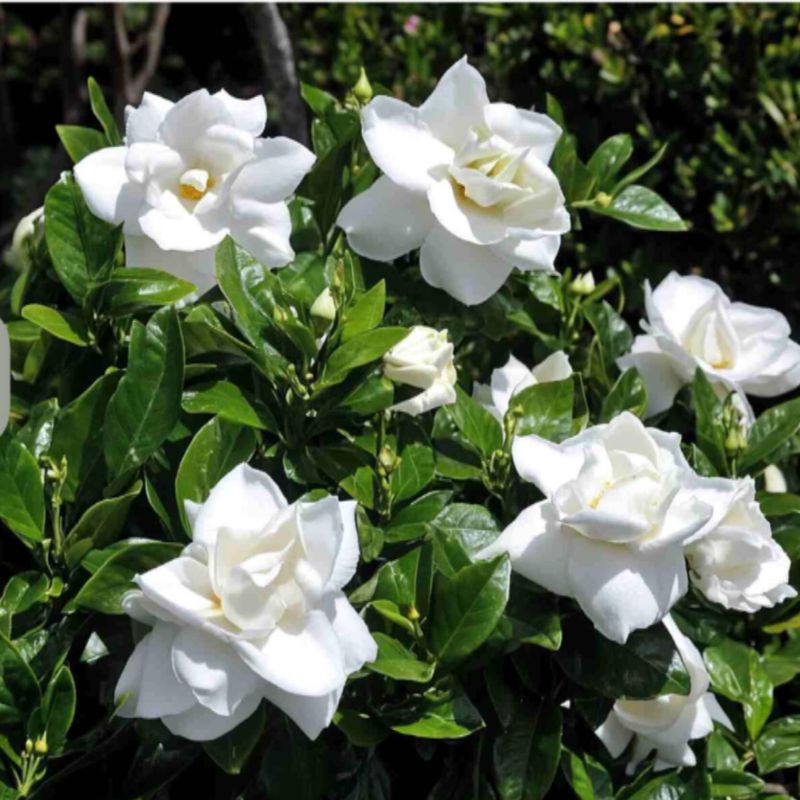
The scent of a gardenia in bloom is one of the most unforgettable things about a North Carolina garden in late spring.
Once that main bloom season starts to wind down, usually by early to mid-June, it is safe to do a little light shaping to keep your gardenia looking its best.
Focus on removing spent flowers first. Those brown, fading blooms are not doing the plant any favors, and clearing them out keeps the shrub tidy.
Next, look for any shoots that are growing in awkward directions, crossing over other branches, or sticking out in a way that throws off the plant’s natural shape. A light trim to bring those in line is perfectly fine at this point.
Timing matters more with gardenias than almost any other shrub. Pruning too early, while the plant is still setting or carrying buds, can cost you a significant number of flowers.
The rule of thumb is to wait until after the main bloom flush is clearly finished before reaching for the pruners. Even then, keep cuts minimal and targeted.
Hard pruning, where you cut the shrub back significantly to reduce its size, should be avoided in summer.
Gardenias set their buds for the following season relatively soon after blooming, so aggressive cuts later in summer can reduce next year’s flower count.
Light shaping right after bloom is your best move, followed by consistent watering and a fertilizer formulated for acid-loving plants.
6. Loropetalum After Spring Bloom
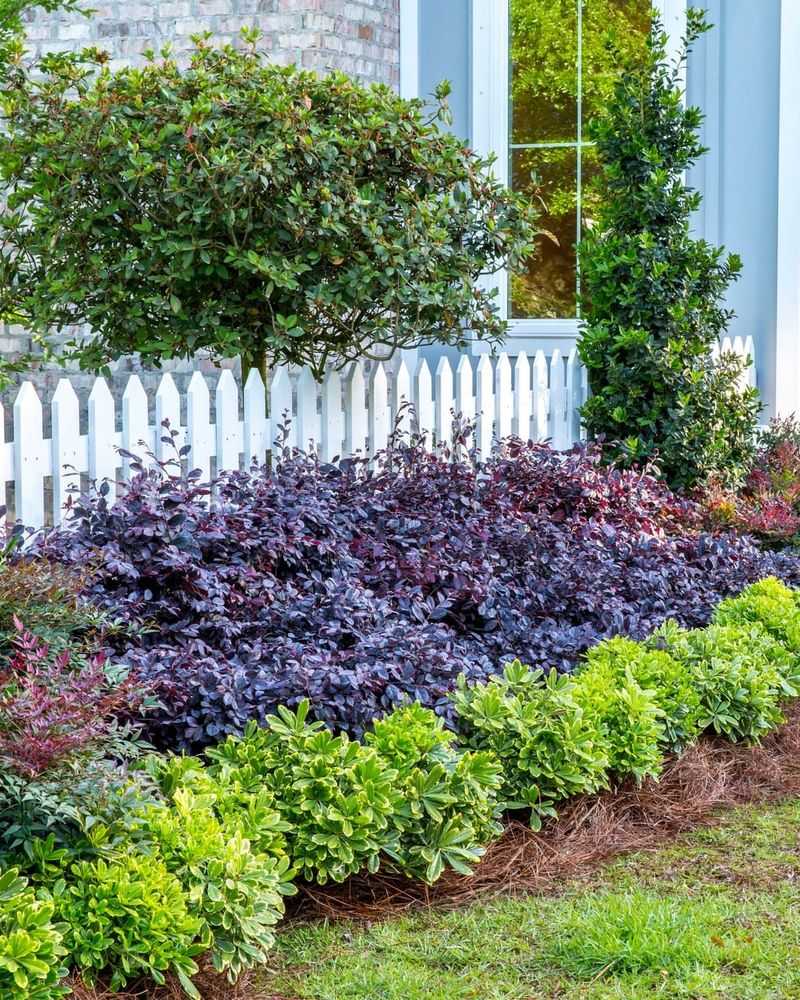
Loropetalum, with its stunning burgundy or purple foliage and bright pink fringe-like flowers, is one of the most eye-catching shrubs in any North Carolina yard. Ideally, the best time to prune it is right after its spring bloom finishes, usually in late April or May.
But if your shrub is looking uneven or has put on a lot of new growth by early June, a light shaping trim can still work well.
The goal in June is to even out the plant’s shape and remove any branches that are growing in ways that look out of place. Keep the cuts light and focused on the outer edges of the shrub.
Loropetalum responds well to pruning and tends to push out new growth fairly quickly, especially when the weather is warm.
What you want to steer clear of is hard cutting in the middle of summer heat. Severely reducing a loropetalum in July or August stresses the plant at a time when it is already working hard to manage the heat.
If your shrub is badly overgrown, a more significant pruning is better done in late winter before new growth starts, or immediately after bloom.
After your June shaping, make sure the plant gets consistent water while it pushes out new growth. Loropetalum is generally tough and drought-tolerant once established, but fresh cuts benefit from good hydration.
A balanced slow-release fertilizer applied after pruning helps fuel that new growth and keeps the foliage looking rich and colorful all season.
7. Oakleaf Hydrangea
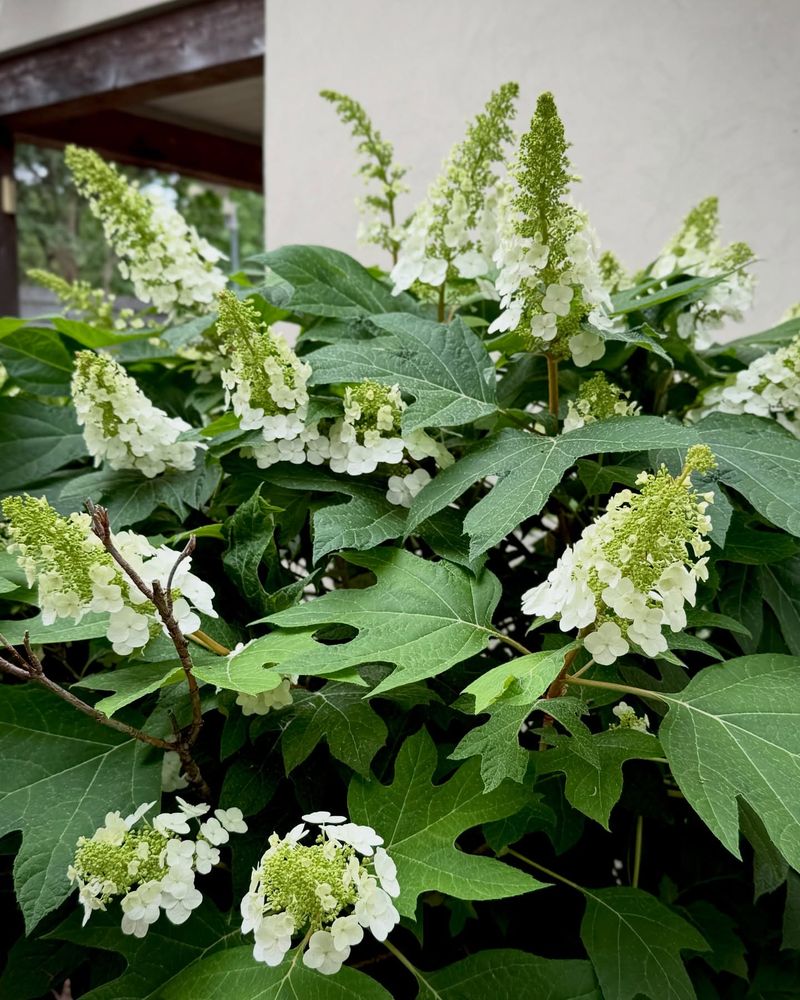
Oakleaf hydrangea is one of the most spectacular native shrubs you can grow in North Carolina, but it has a very specific rule that gardeners need to respect: do not cut it back hard in June. The reason comes down to how this plant produces its flowers.
Oakleaf hydrangea blooms on old wood, meaning the flower buds for this season developed on last year’s stems over the previous fall and winter. By June, those big, cone-shaped white flower clusters are either in full bloom or just finishing up.
Pruning hard now would mean cutting off flowers that are actively open or removing the branch structure that supports them.
Even worse, cutting back heavily in June can remove the growth points that will become next year’s flower buds.
You could end up with a well-shaped shrub that produces almost no flowers the following season, which is a frustrating outcome for something so beautiful.
The safe approach in June is to leave the shrub alone except for one very specific task: removing any branches that are clearly damaged or show signs of disease. Those can come off cleanly without affecting the overall flowering.
If your oakleaf hydrangea genuinely needs reshaping, the right window is right after flowering ends, typically in July, and even then, keep cuts conservative.
This shrub rewards patience with stunning blooms, incredible fall color, and beautiful peeling bark that makes it a four-season standout.
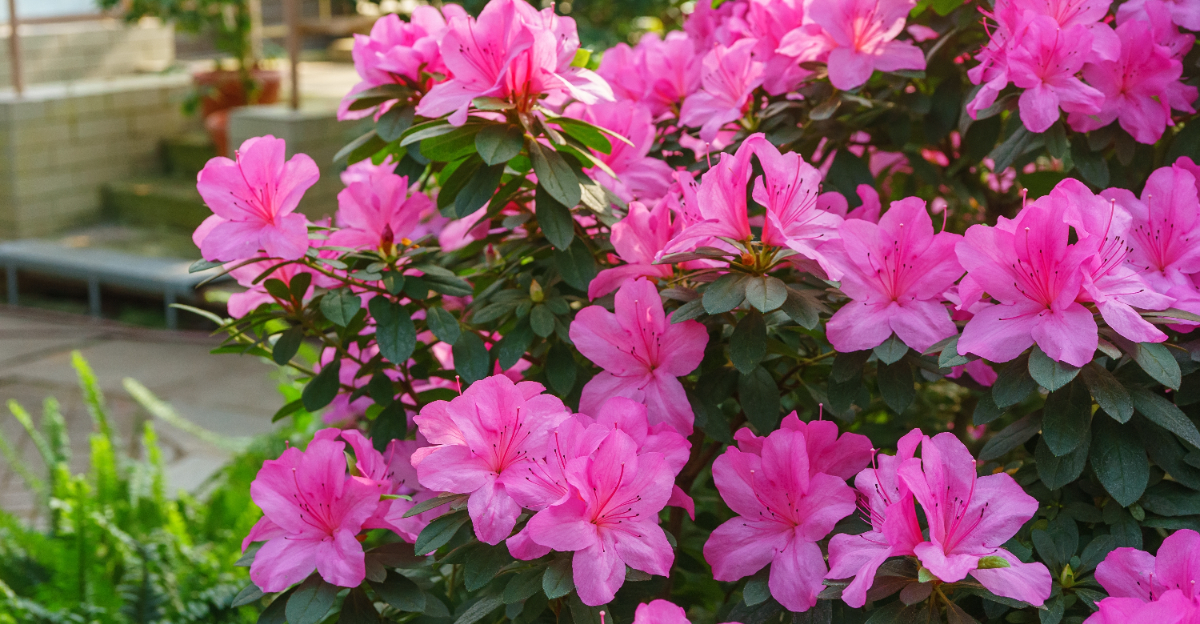
8. Azalea
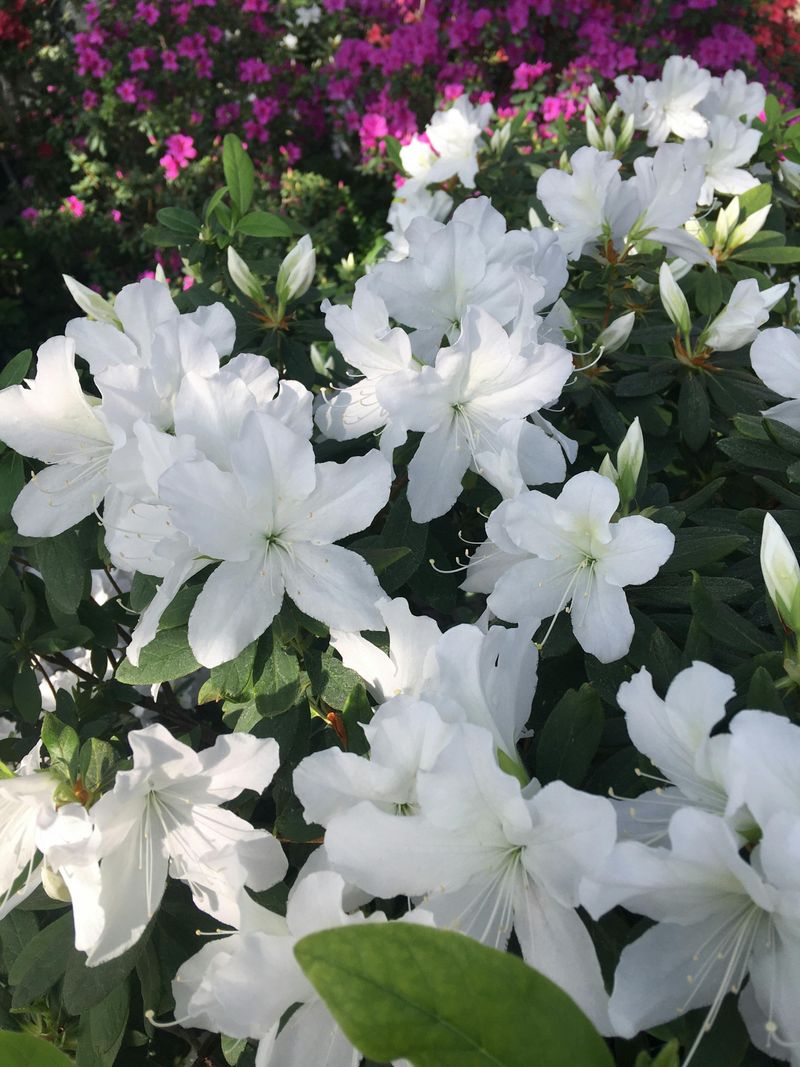
Azaleas are one of the most beloved flowering shrubs in North Carolina, and for good reason. Their spring bloom display is hard to beat.
But by the time June rolls around, most azaleas have already finished flowering, and that means the window for safe pruning is either closing fast or has already closed.
Azaleas set their flower buds for the following spring fairly soon after the current bloom ends. Gardeners who want to do any shaping should aim to finish pruning within about three to four weeks after the last flowers fade.
Once you get deeper into June, cutting back the stems risks removing buds that are already beginning to develop for next year’s show.
If the safe pruning window has already passed for your azalea, the right move is to leave it alone until next year. The only exception is removing branches that are clearly broken, showing signs of damage, or affected by disease.
Those can be taken off any time without risking next year’s blooms. It can feel counterintuitive to leave a shrub untouched when it looks a little leggy or overgrown. But with azaleas, patience pays off.
Mark your calendar for next spring so you catch that narrow window right after bloom. A light trim at the correct time shapes the plant beautifully without costing a single flower.
North Carolina’s climate is ideal for azaleas, so a little timing discipline keeps them performing at their absolute best year after year.
9. Camellia
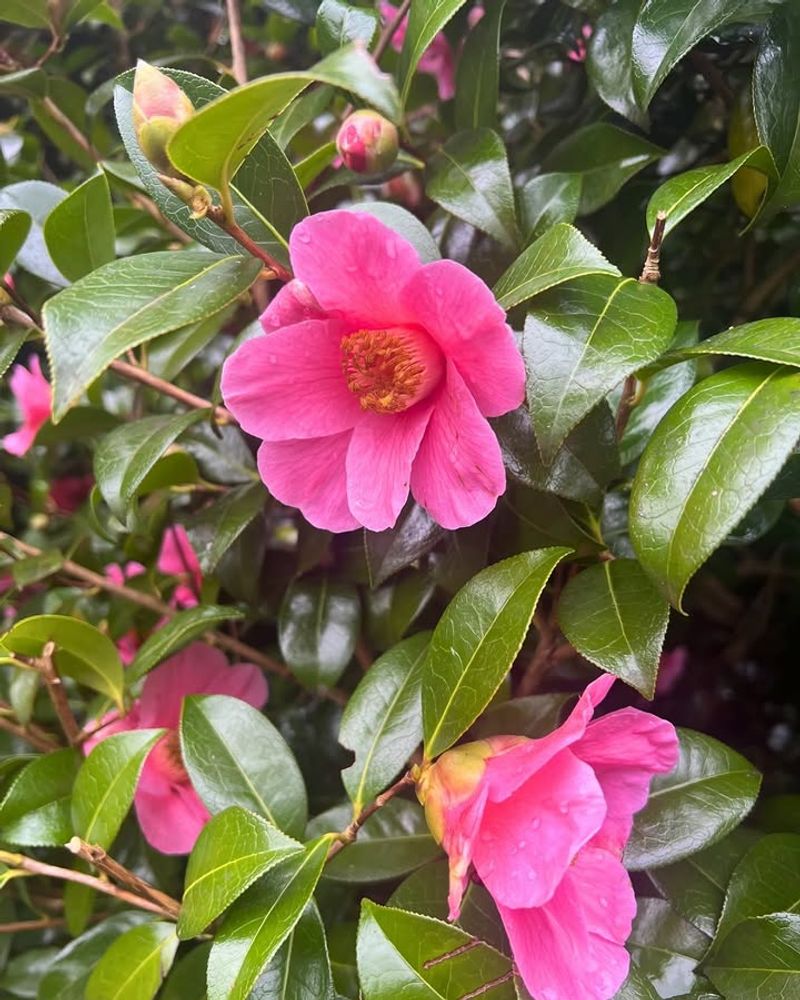
Camellias are slow-growing, elegant shrubs that North Carolina gardeners treasure for their stunning late-season blooms.
Whether you grow the fall-blooming Camellia sasanqua or the winter-blooming Camellia japonica, one rule applies to both in June: hard pruning right now is not a good idea.
The best time to prune camellias depends on which type you have. Camellia sasanqua, which blooms in fall, should be pruned in late winter or early spring before it sets new buds.
Camellia japonica, which blooms in late winter or early spring, is best pruned right after its flowers finish, typically in March or April.
By June, both types are already developing the buds that will produce next season’s flowers, and cutting into the shrub now can reduce that bud count significantly.
Summer pruning also puts stress on camellias at a time when they are managing heat and working hard to support new leaf growth. A hard cut in hot weather can slow the plant down considerably and leave it struggling to recover before fall.
What is always safe is removing any branches that are clearly broken or showing visible signs of disease or damage. Those targeted removals can be done any time of year without affecting flowering.
Beyond that, step back and let your camellia do its thing in June. Give it consistent moisture, keep a layer of mulch around the base to hold in soil moisture, and look forward to the blooms that are quietly developing right now beneath those glossy green leaves.