6 Shrubs To Avoid Along North Carolina Foundations And 4 That Thrive Against The House
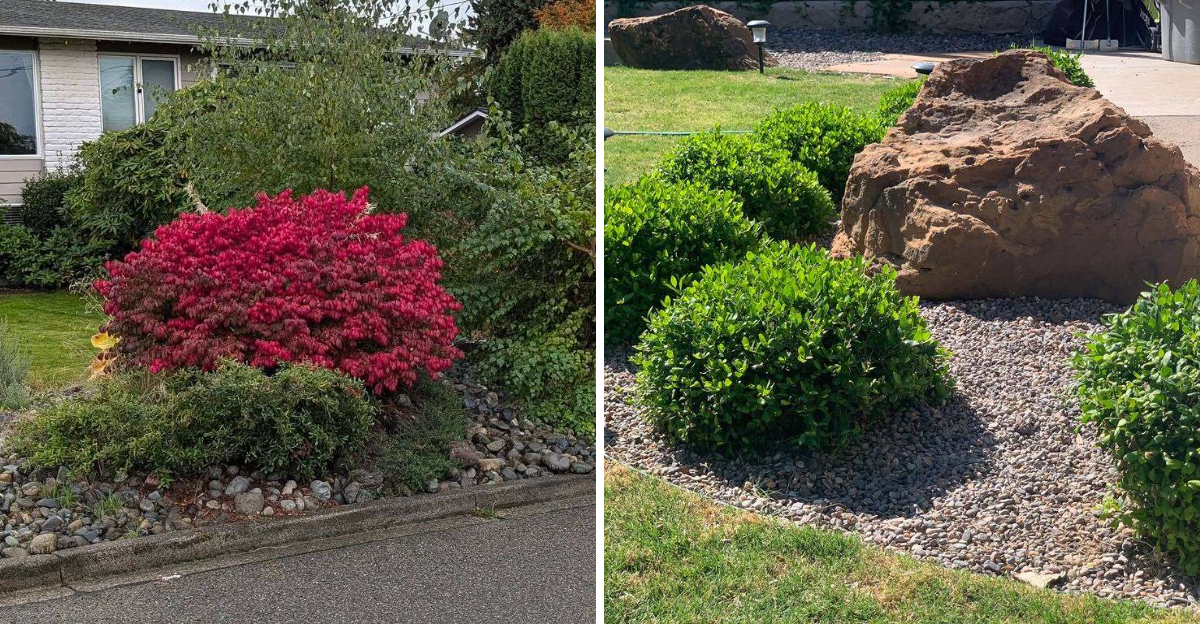
Foundation plantings set the tone for how an entire property looks, and the shrubs chosen for those spots face a specific combination of challenges that plants elsewhere in the yard never encounter.
Roof overhang creates dry zones that standard watering schedules miss entirely, reflected heat from siding pushes temperatures well above what is happening just a few feet away.
The restricted airflow along the house wall creates humidity and disease pressure that builds through North Carolina summers.
Several popular shrub choices that look perfectly reasonable at the nursery become genuine problems within a few seasons in these conditions.
Understanding which ones to avoid and which four actually perform better against a foundation than almost anywhere else in the yard saves a significant amount of replanting time and expense down the road.
1. Nandina
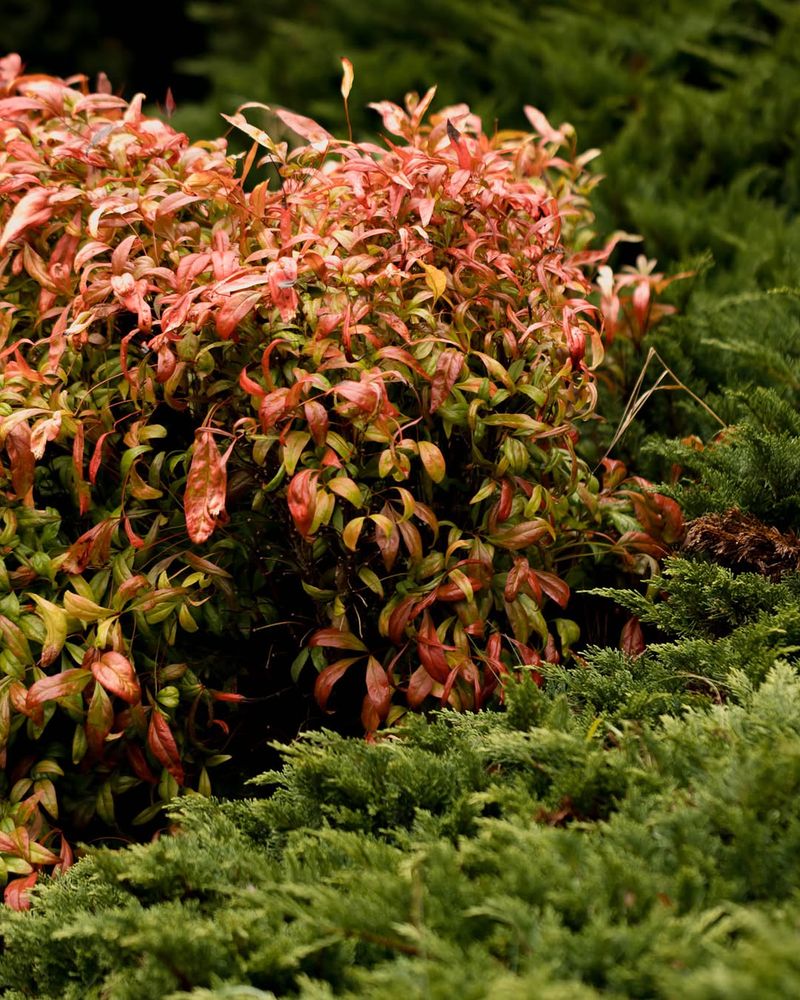
Nandina looks beautiful at the garden center, with its delicate leaves and bright red berries catching every eye in the aisle.
But looks can be deceiving, especially when it comes to foundation planting in North Carolina.
The wild-type nandina is listed as invasive in the state, and it has already escaped cultivation in many areas across the Southeast.
Birds eat those shiny red berries and carry the seeds far beyond your yard, allowing the plant to pop up in natural areas, woodland edges, and places you never intended it to grow.
Vegetative spread adds another layer of concern, since established clumps can push outward over time and become difficult to contain in a narrow foundation bed.
Homeowners who love the look of nandina do have some options worth considering.
Sterile, non-fruiting selections have been developed and may be more appropriate in some settings, though it is still smart to check local guidelines before planting.
Compact native evergreen shrubs often fill the same visual role without the ecological risk.
If you want year-round color and texture near your foundation, there are far better-behaved plants that will stay where you put them and support local wildlife in a positive way rather than disrupting it.
2. Chinese Privet
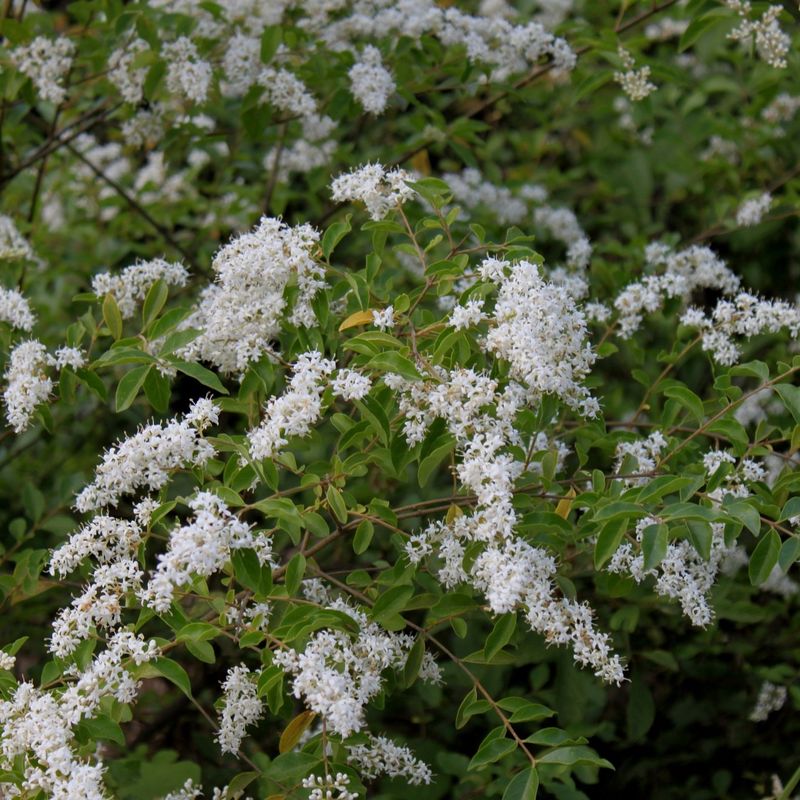
Few shrubs have caused as much landscaping regret across North Carolina as Chinese privet.
It was planted widely for decades as a fast-growing hedge and foundation shrub, and it does exactly what it promises. The problem is that it never really stops.
Chinese privet spreads aggressively through seeds and root suckers, forming dense thickets that crowd out everything nearby.
Birds spread the seeds into natural areas, roadsides, and neighboring yards, making it one of the most problematic invasive plants in the entire southeastern United States.
Once it establishes itself in a foundation bed, removing it is a serious project that often requires multiple rounds of digging and follow-up work over several seasons.
The shrub can also grow surprisingly tall and wide if left unchecked, eventually blocking windows and pulling attention away from your home’s curb appeal rather than enhancing it.
Its tendency to resprout from the roots means that cutting it back only delays the problem rather than solving it.
North Carolina homeowners are much better served by choosing a well-behaved, non-invasive foundation shrub from the start.
Your North Carolina Garden Changes Every Week. Your Plan Should Too.
Gardening in North Carolina changes quickly throughout the season. Every Friday you’ll receive a simple weekly plan showing exactly what to plant, prune, fertilize, harvest, and protect so you never miss the right timing.
Native hollies, compact viburnums, or dwarf evergreens offer similar density and year-round structure without the aggressive spreading habit that makes Chinese privet such a persistent headache near any home.
3. Japanese Barberry
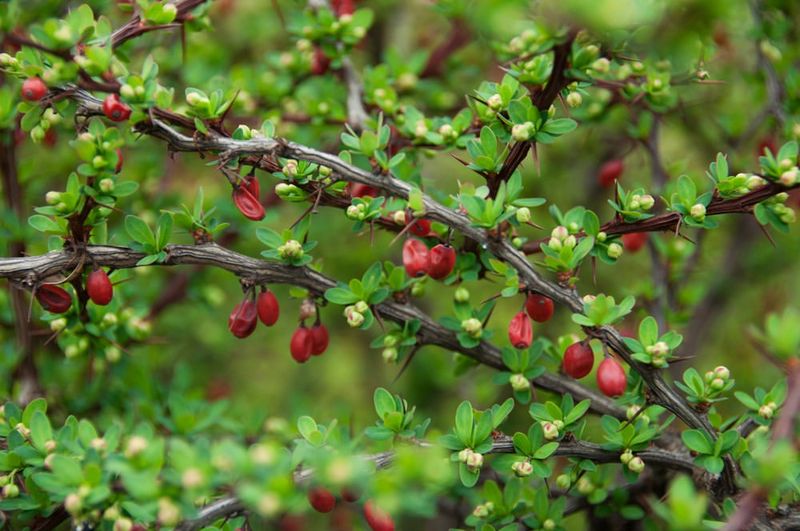
Japanese barberry has a reputation for being tough and colorful, and on both counts it delivers.
The problem is that toughness in the wrong plant near your foundation can quickly turn into a serious landscaping headache you did not sign up for.
This shrub is listed as invasive in North Carolina, spreading through bird-dispersed seeds and underground root suckers that push outward steadily over time.
It forms dense, thorny thickets that are genuinely unpleasant to work around, especially near walkways, windows, and entry areas where you and your family move through regularly.
Those spiny stems make pruning or removal a painful task, and the plant’s ability to root from suckers means it can reestablish itself even after repeated cutting.
Beyond the physical nuisance, Japanese barberry has been linked to increased tick populations in some studies, since its dense, low-growing structure creates ideal humid shelter for ticks at ground level.
That alone is reason enough to reconsider planting it close to your home.
There are plenty of colorful, well-behaved shrubs that offer similar fall interest without the thorns, the spreading roots, or the ecological concerns.
Native alternatives like dwarf fothergilla or Virginia sweetspire bring comparable seasonal color with none of the invasive baggage, making them far smarter choices for tight North Carolina foundation beds.
4. Burning Bush
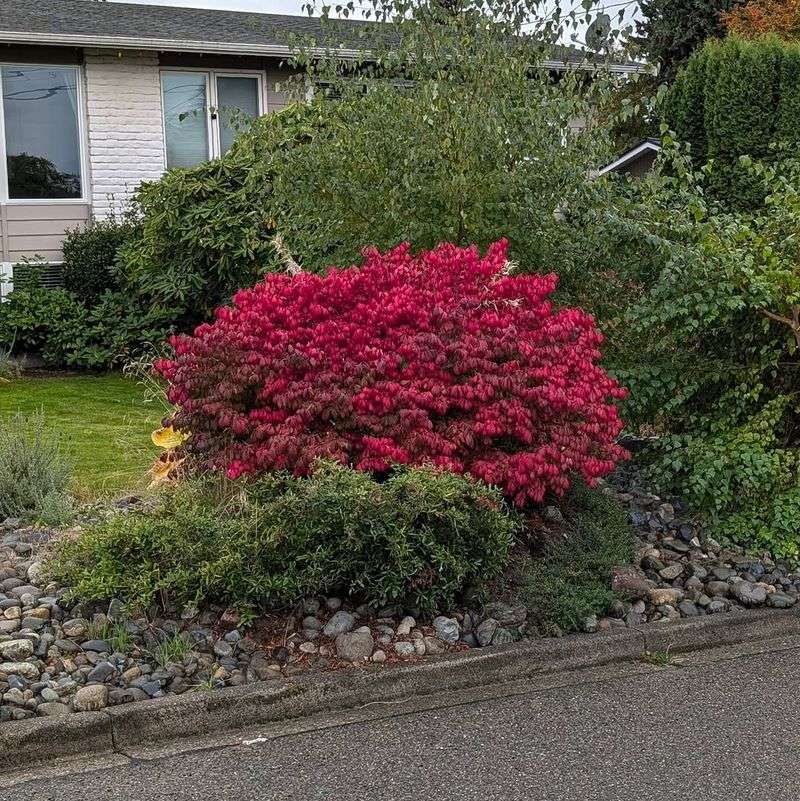
Burning bush earns its name every autumn when its foliage turns a vivid, almost electric shade of red.
That color is genuinely stunning, and it is exactly why this shrub became so popular in American foundation plantings for so many years.
Unfortunately, the problems it brings along with that beauty are hard to ignore.
Burning bush is invasive in North Carolina, spreading by seeds that birds carry into natural areas and forest edges far beyond your yard.
On top of the ecological concerns, the plant simply grows much larger than most homeowners expect when they first bring it home from the nursery.
The straight species can reach eight to ten feet tall and equally wide, which is far too large for the narrow beds that typically run along a home’s foundation.
Even some cultivars marketed as compact can still push well beyond the space available near windows and walls.
Over several seasons, an oversized burning bush can block light from entering your home, press against siding, and crowd neighboring plants into decline.
Pruning it back repeatedly creates more work than most homeowners bargained for and rarely results in a tidy, attractive shape.
The good news is that North Carolina offers several native shrubs with equally bold fall color.
Dwarf fothergilla and Virginia sweetspire both put on a brilliant autumn show without the invasive tendencies or the size surprises that come with burning bush.
5. Thorny Elaeagnus
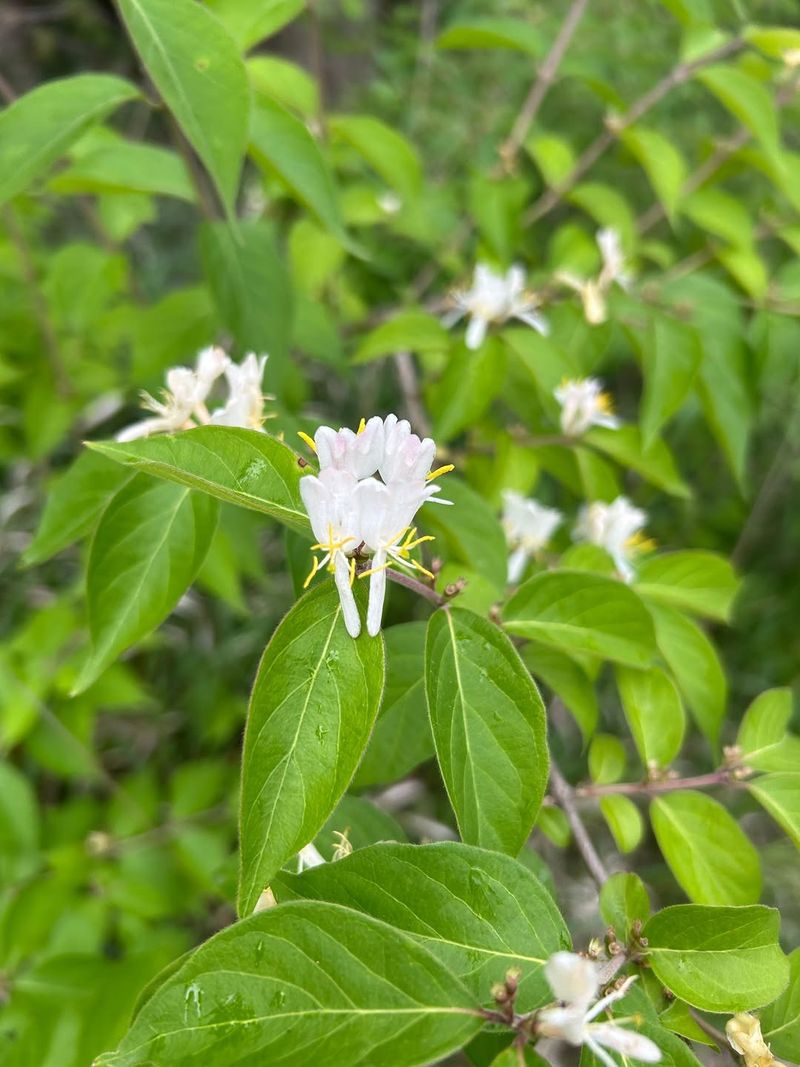
Thorny elaeagnus is one of those shrubs that seems like a practical choice at first glance. It grows quickly, handles poor soil, and provides dense cover in a short amount of time.
But that aggressive growth habit is precisely what makes it a poor fit for the beds along your home’s foundation.
The NC Invasive Plant Council lists thorny elaeagnus as an invasive species in the state. It spreads through seeds and root suckers, forming dense, sprawling thickets that can take over large areas if left unchecked.
The thorny stems make it genuinely difficult to work near, and its arching growth habit means branches frequently extend several feet in multiple directions.
This way they’re pushing into walkways, scraping against siding, and overhanging windows before you realize how far it has traveled.
Removing an established elaeagnus from a foundation bed is a significant project. The root system is persistent, and the plant can resprout from roots left in the ground after cutting.
In a narrow bed next to your house, that kind of regrowth becomes a recurring chore rather than a one-time fix.
Homeowners looking for a fast-growing, dense foundation shrub are far better served by selecting a well-behaved native alternative that stays in bounds.
Inkberry holly and dwarf yaupon are both excellent choices that provide year-round structure without the thorns or the territorial spreading habit of thorny elaeagnus.
6. Wax Myrtle
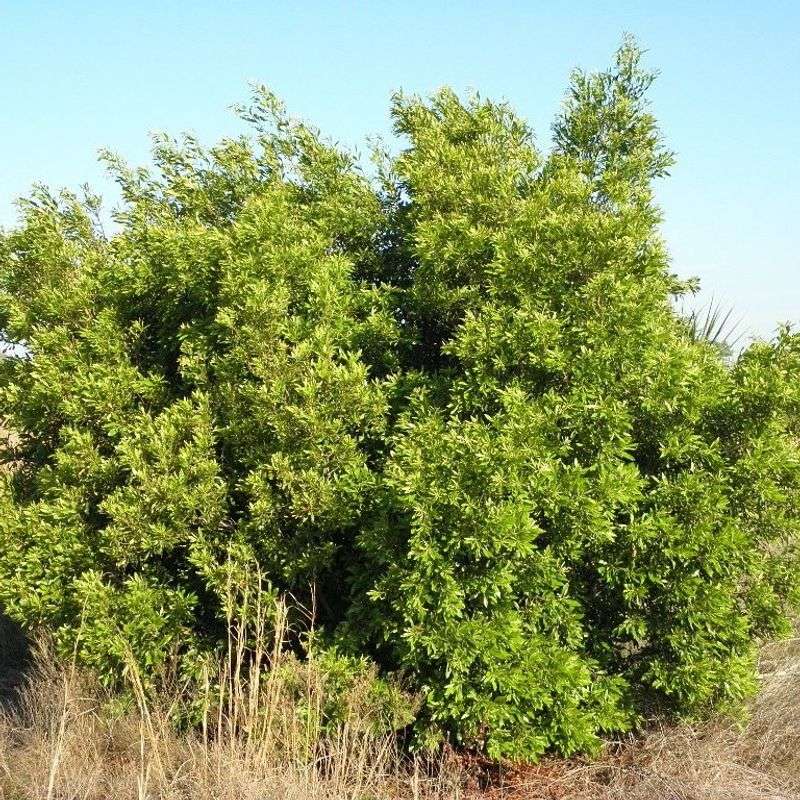
Wax myrtle is a genuinely valuable native shrub, and that makes this section a little bittersweet to write.
It supports wildlife, tolerates wet and dry conditions, fixes nitrogen in the soil, and stays evergreen through most North Carolina winters.
The issue is not the plant itself. The issue is where people tend to put it.
The straight species of wax myrtle commonly reaches ten to fifteen feet tall and can spread nearly as wide, sometimes forming colonies through suckering in favorable conditions.
That kind of size is wonderful out in an open landscape, along a property border, or near a pond or rain garden.
Tucked into a narrow bed right against your home’s foundation, though, that same vigor becomes a problem fast.
Branches press against siding, roots crowd foundation walls, and the view from your windows gradually disappears behind a wall of dense foliage.
Spacing from the house matters enormously with wax myrtle.
Even if you plan to prune it regularly, keeping a large suckering shrub tightly controlled in a tight foundation bed requires significant ongoing effort.
A better strategy is to use wax myrtle farther out in your landscape where it has genuine room to reach its natural size and spread.
For the foundation bed itself, compact native shrubs like dwarf yaupon holly or inkberry holly offer similar evergreen texture at a much more manageable scale for the space.
7. Dwarf Yaupon Holly
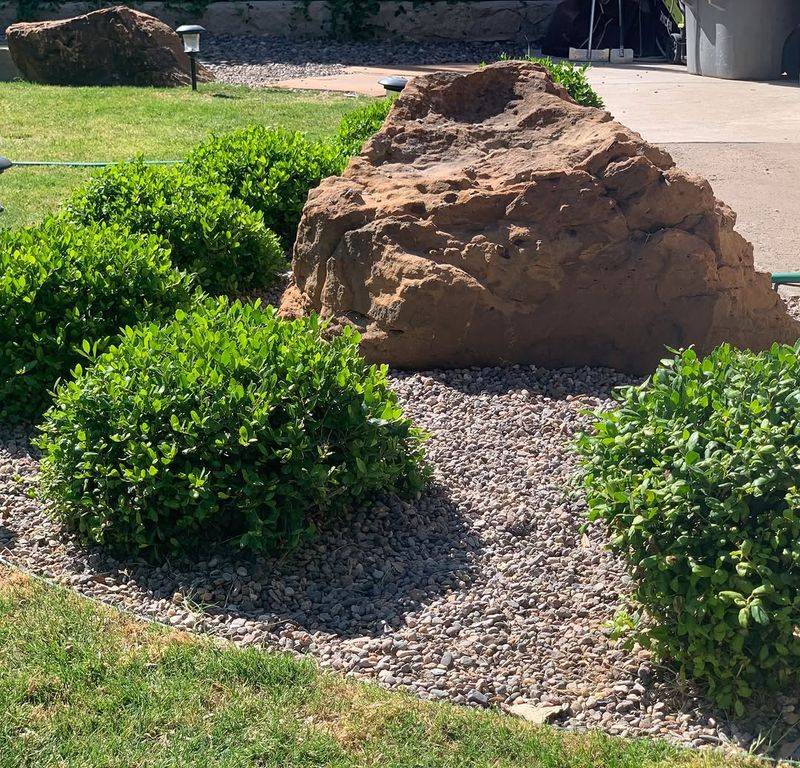
If you want a tough, reliable evergreen shrub that actually behaves itself next to your home, dwarf yaupon holly deserves a serious look.
Yaupon holly is native to North Carolina and naturally adapted to the state’s variable climate, which means it does not need much coddling once it settles in.
Dwarf selections are far better suited for foundation beds than the straight species, which can grow into a large multi-stemmed tree over time.
The compact forms stay neatly rounded and respond well to light pruning if you ever want to shape them.
Yaupon holly handles drought, salt spray, and even occasional flooding without missing a beat, making it one of the most adaptable native shrubs available for coastal and Piedmont gardens alike.
Full sun to partial shade works well, and the straight species can tolerate deeper shade if needed, though dwarf forms perform best with at least a few hours of direct sunlight each day.
One of the most underrated qualities of yaupon holly is its tolerance for the tough conditions that often exist right next to a house foundation, including reflected heat from walls, dry soil under roof overhangs, and compacted ground.
Proper spacing is still important, so check the mature width of your specific cultivar before planting.
With the right selection and a little room to grow, dwarf yaupon holly delivers year-round evergreen structure with almost no drama.
8. Inkberry Holly
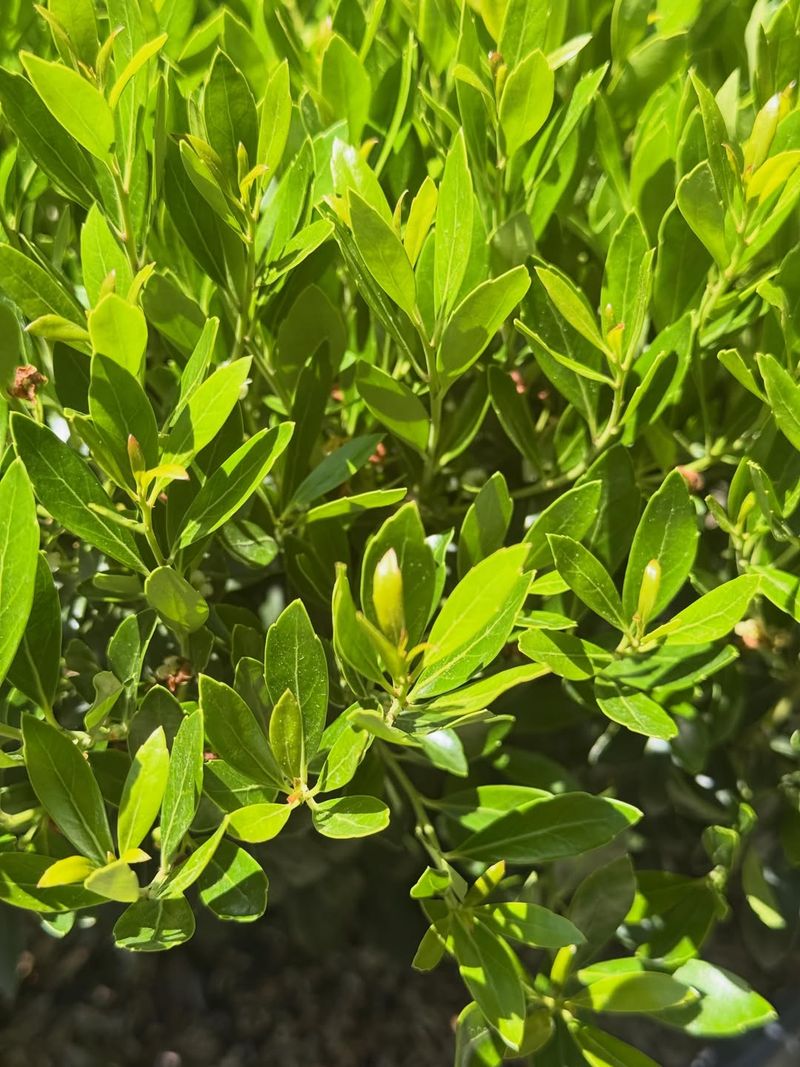
Inkberry holly brings something to the foundation bed that many shrubs simply cannot match: true native credentials combined with year-round evergreen structure and a calm, tidy growth habit.
As a broadleaf evergreen native to North Carolina, it fits naturally into the regional landscape and supports local wildlife through its small dark berries, which birds appreciate through the winter months.
This shrub grows best in full sun to partial shade and prefers moist, acidic, well-drained to occasionally wet soil, which makes it an excellent fit for spots where drainage is sometimes slow or where clay soil stays damp after rain.
That adaptability to wet conditions is genuinely rare among foundation shrubs and sets inkberry apart from many competitors.
For the best results near a house, choose one of the compact selections that have been developed specifically for smaller spaces.
The straight species can grow five to eight feet tall and tends to sucker over time, eventually forming a wider colony than most foundation beds can accommodate.
Compact cultivars like Shamrock or Gem Box stay more manageable and work well when spaced correctly from the wall.
Giving inkberry enough room from the foundation prevents moisture buildup against your siding and allows for good air circulation around the plant.
Pair it with acidic, organically rich soil and consistent moisture, and this native holly will reward you with dense, dependable foliage season after season.
9. Little Henry Virginia Sweetspire
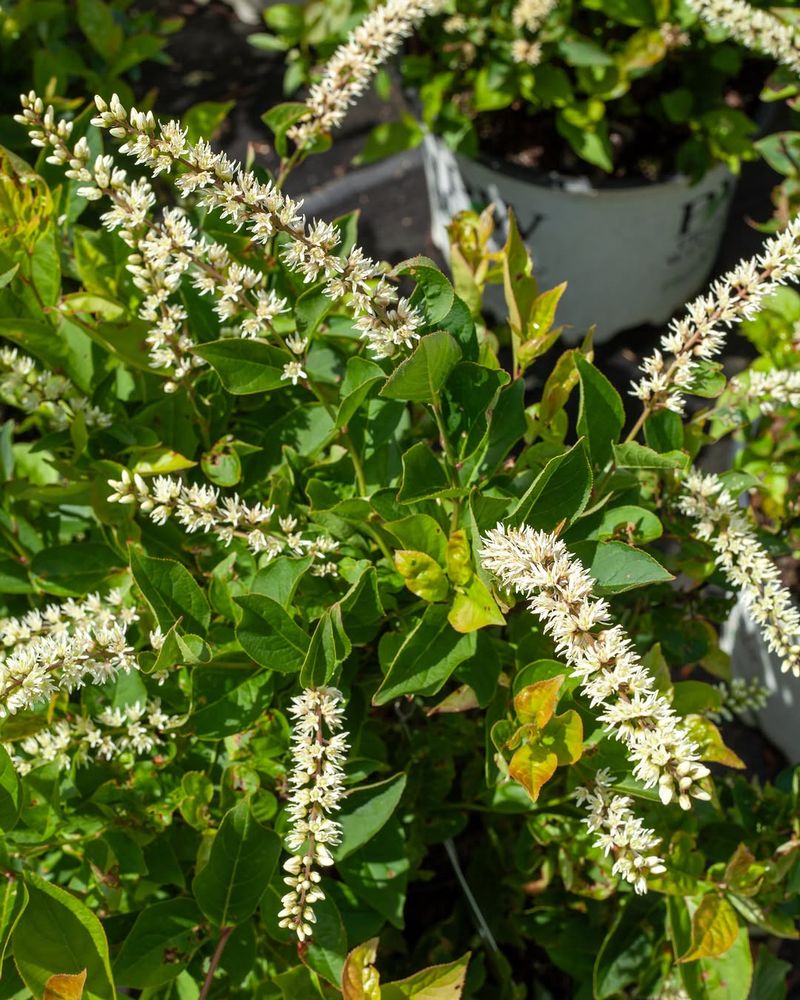
Not every foundation bed needs to be filled with evergreens, and Little Henry Virginia sweetspire is a perfect reminder of that.
This compact deciduous native shrub brings something special to the space in almost every season, starting with fragrant white flower spikes in late spring to early summer that attract pollinators and draw the eye from across the yard.
Growing about two to three feet tall and wide, Little Henry fits neatly into foundation beds without overwhelming neighboring plants or crowding windows.
It handles full sun to partial shade equally well, and one of its most impressive qualities is its tolerance for heavy clay and poorly drained soils.
Many foundation beds in North Carolina sit on compacted clay that drains slowly, and Little Henry takes that challenge in stride better than most ornamental shrubs on the market.
For the best flowering and the most vivid fall foliage color, acidic, moist, fertile soil is ideal, but the plant adapts to less-than-perfect conditions with reasonable grace.
Fall color is genuinely one of this shrub’s biggest selling points.
Leaves shift through shades of red, orange, and burgundy as temperatures cool, giving your foundation planting a warm seasonal glow right when many other plants are fading.
One thing to keep in mind is that Little Henry may spread slowly by suckers over time.
Light management keeps it tidy and prevents it from gradually widening beyond its intended space along the foundation.
10. Dwarf Fothergilla
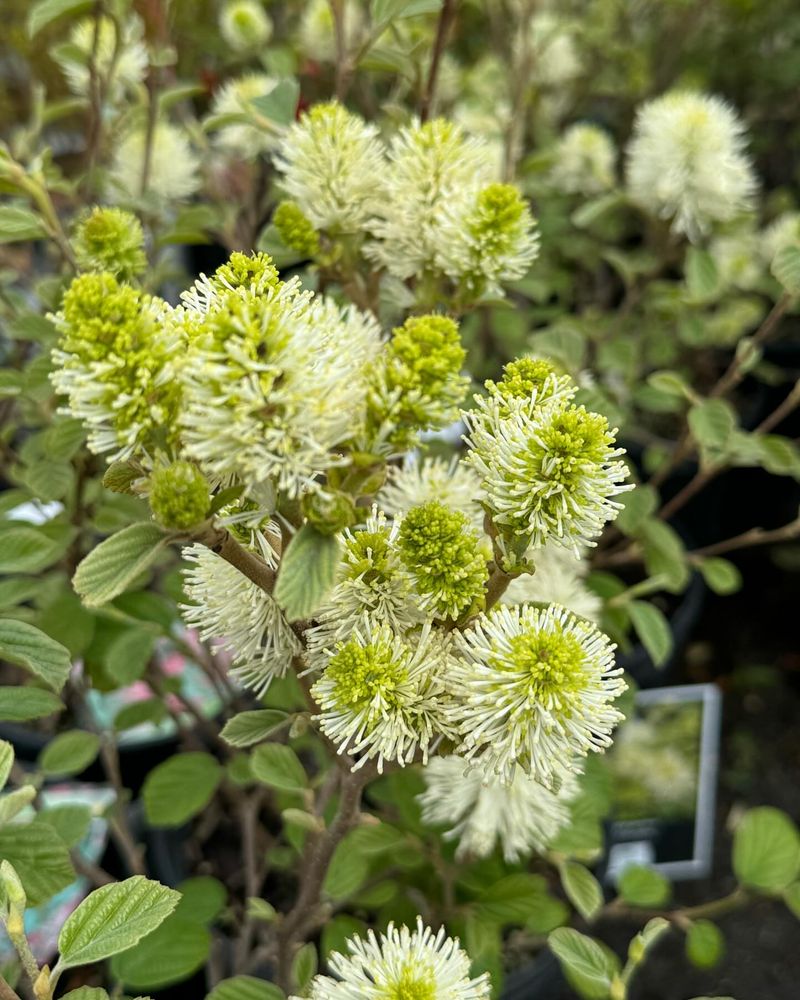
Dwarf fothergilla might be the most underused native shrub in North Carolina foundation planting, and that is a real shame.
It offers two of the most striking seasonal displays you can get from a single compact plant.
Fragrant white bottlebrush-style blooms in early spring before the leaves fully open, and a spectacular fall color show that moves through yellow, orange, and deep red all at once on the same plant.
Size-wise, dwarf fothergilla typically reaches three to six feet tall and two to six feet wide depending on the cultivar and growing conditions, which puts it in a very workable range for foundation beds when spaced properly from the wall.
Full sun brings out the strongest fall color, but this shrub also handles partial or dappled shade well, making it versatile across different spots around the house.
Soil quality matters more with fothergilla than with some other native shrubs.
It performs best in moist, slightly acidic, organically rich, well-drained soil, so amending heavy clay or lean sandy soil before planting gives it the best possible start.
One thing worth knowing is that dwarf fothergilla can spread slowly by suckers if left completely unmanaged.
An occasional check around the base of the plant each season keeps any spreading in check without much effort.
For North Carolina homeowners who want a foundation shrub that earns its keep in both spring and fall, dwarf fothergilla is a genuinely rewarding choice.