The Most Underrated North Carolina Soil Amendment To Apply Once The August Rain Finally Stops
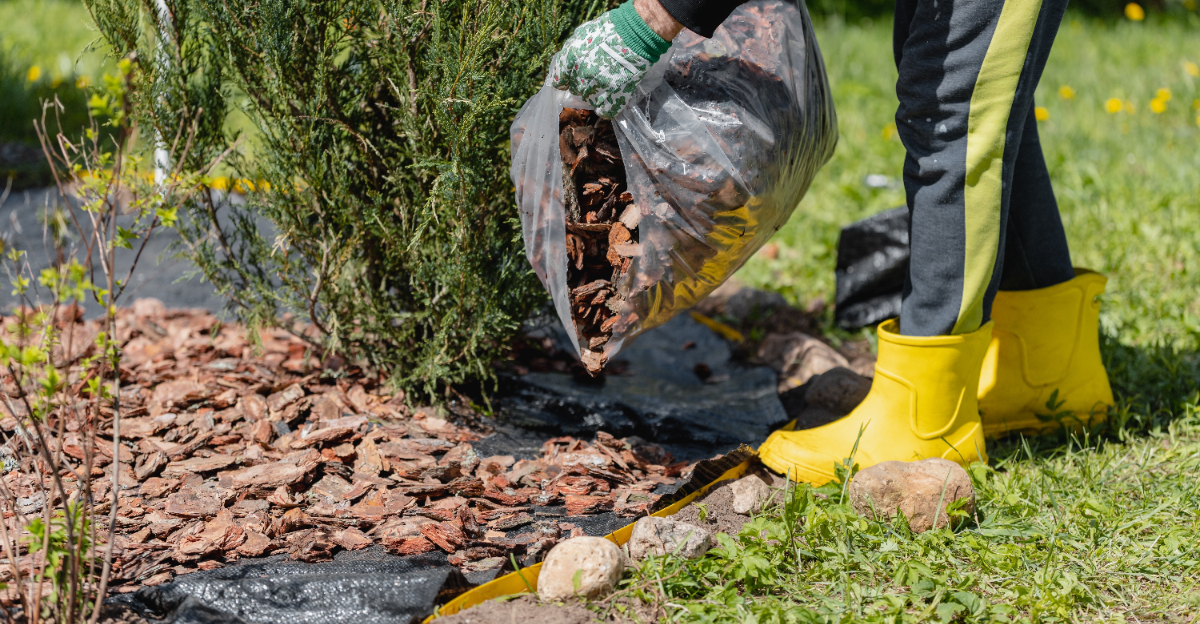
Compost remains one of the most underrated soil amendments North Carolina gardeners can apply once heavy August rain finally lets up.
Storms often strip valuable nutrients from soil, leaving beds depleted right when plants need support heading into fall.
Working compost into the top few inches helps replenish lost nutrients while improving overall soil structure at the same time.
This timing also allows compost to integrate naturally before fall planting begins in gardens transitioning to cooler season crops.
Compost improves drainage in heavier clay soil, helping prevent the waterlogging issues that often follow intense summer storms.
Applying it after rain, rather than before, ensures nutrients aren’t washed away before plants can benefit.
Consistent compost use throughout the season builds healthier, more resilient soil over time. Taking this simple step now sets the stage for stronger growth through the rest of the year.
1. Pine Bark Fines Are Especially Useful For North Carolina Clay Soil
North Carolina clay soil is notoriously stubborn. It clumps together, sheds water during downpours, and then bakes into something resembling concrete once the sun comes back out.
Gardeners across the Piedmont and Coastal Plain regions deal with this every single season, and it gets old fast.
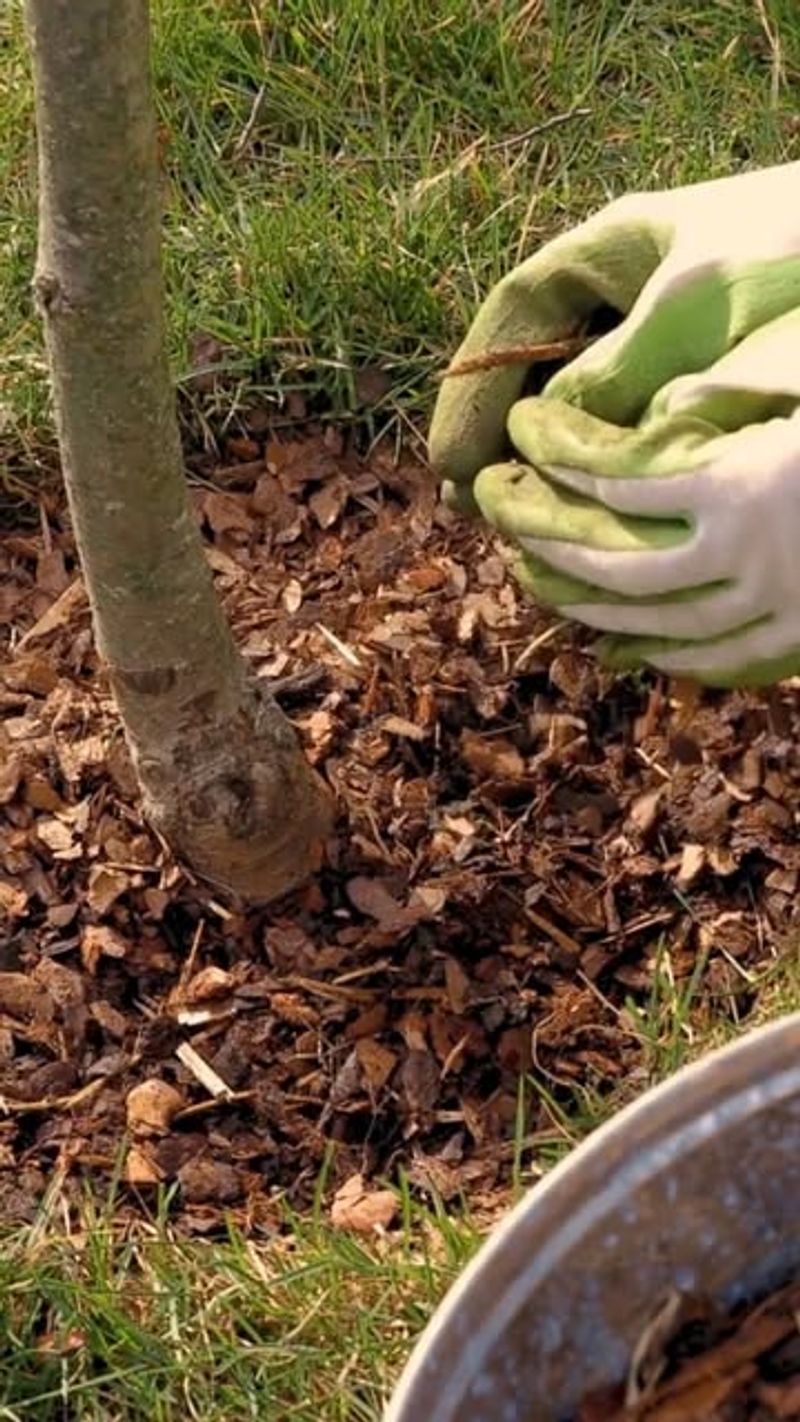
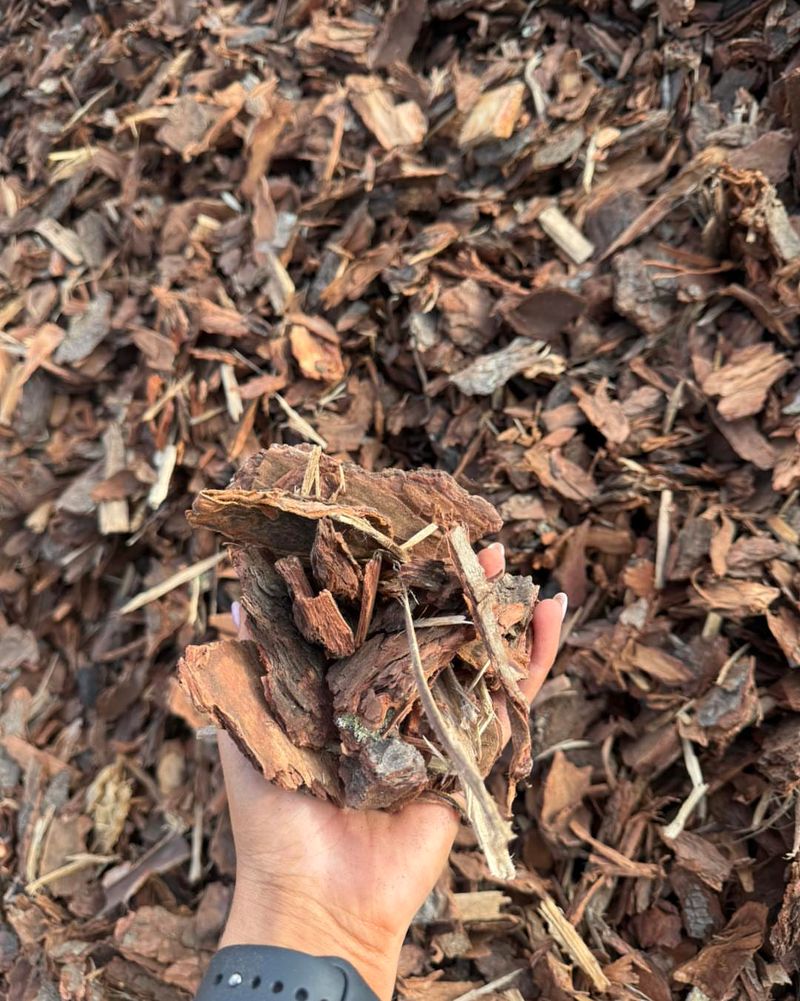
Pine bark fines are finely processed pieces of pine bark, and they happen to be one of the most practical organic amendments available for improving dense clay.
When you work them into your existing soil, they add organic matter that gradually changes how the clay particles behave.
The material creates tiny pore spaces between those tightly packed particles, giving roots somewhere to grow and breathe.
One important thing to understand right away is that pine bark fines should be blended into your existing soil, not used as a complete replacement.
Replacing native soil entirely with any organic product creates a layered effect that actually traps water at the boundary zone. Mixing is always the smarter approach.
Over time, the organic matter from pine bark fines feeds soil microbes that further improve soil structure on their own. Think of it as starting a chain reaction of improvement.
The soil gets looser, roots penetrate more easily, and plants visibly respond with stronger growth.
For North Carolina gardeners working with heavy red clay, this amendment is genuinely one of the most cost-effective tools available at most local garden centers and landscape supply yards across the state.
2. The Correct Particle Size Makes A Major Difference
Not all pine bark products are created equal, and this is where a lot of well-meaning gardeners go wrong at the garden center.
Grabbing any bag with the word pine on the label does not guarantee you are getting the right product for soil improvement. Particle size is everything when it comes to amending clay.
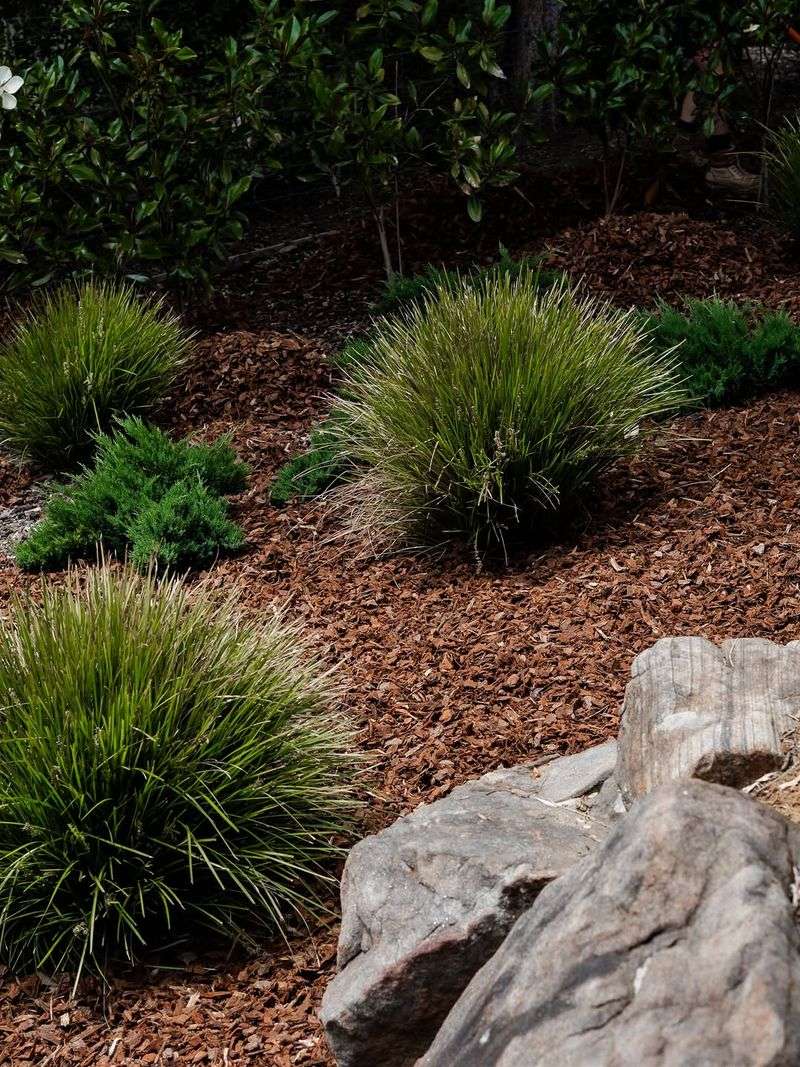
For genuine soil conditioning benefits, you want pine bark fines with particles smaller than half an inch. The sweet spot is roughly one quarter to one half inch in size.
Particles in that range are small enough to blend smoothly through dense clay, yet coarse enough to create the air pockets that roots and beneficial microbes depend on.
Your North Carolina Garden Changes Every Week. Your Plan Should Too.
Gardening in North Carolina changes quickly throughout the season. Every Friday you’ll receive a simple weekly plan showing exactly what to plant, prune, fertilize, harvest, and protect so you never miss the right timing.
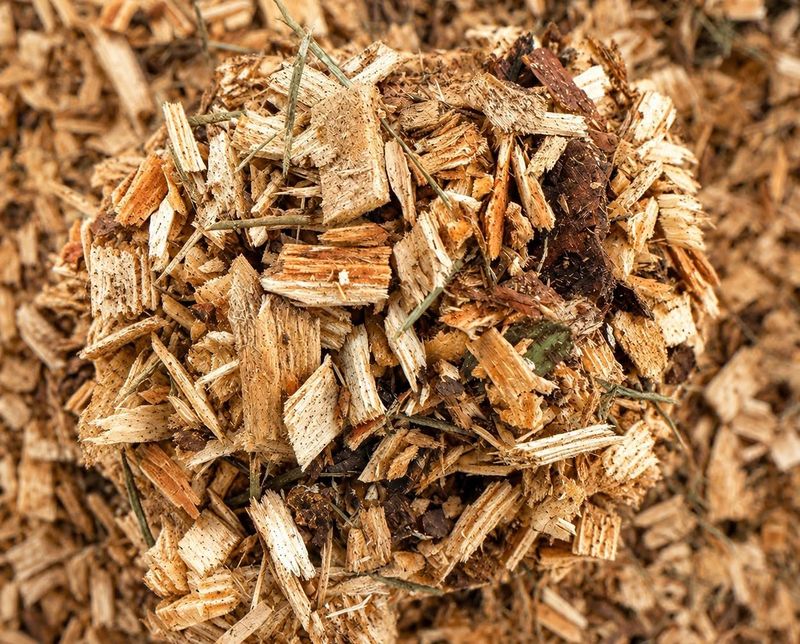
Large bark nuggets are designed for surface mulching, not soil mixing. Wood chips, while useful for other purposes, break down too slowly and can actually tie up nitrogen in the soil as they decompose.
Pine straw makes an excellent surface mulch but offers no meaningful benefit when dug into the soil profile.
When you shop for pine bark soil conditioner, read the label carefully and look specifically for products marketed as soil conditioner rather than mulch.
Many North Carolina garden centers carry bagged pine bark soil conditioner, and landscape supply companies often sell it in bulk by the cubic yard, which is more economical for larger projects.
Getting the particle size right from the start saves you time, money, and the frustration of wondering why your soil does not seem to be improving after all that hard work.
3. Pine Bark Fines Help Create Air Space Around Plant Roots
After a long stretch of August rain, North Carolina clay soil can become almost completely saturated. Tightly packed clay contains very small pores, and when those tiny spaces fill with water, oxygen gets pushed out.
Plant roots need oxygen just as much as they need water, and when both compete for the same limited space, roots struggle.
Incorporating pine bark fines changes the physical structure of that clay by wedging organic material between the clay particles. Over time, this creates larger pore spaces where both air and water can move more freely.
Roots respond by spreading more widely and anchoring plants more effectively through the soil profile.
Something worth understanding is that soil improvement through organic amendment is a gradual process. Adding pine bark fines once will not instantly transform waterlogged clay into perfectly draining garden soil.
Meaningful structural improvement typically develops over multiple seasons and may require repeated applications as the organic material slowly breaks down.
Think of each application as a deposit into a long-term soil savings account. Every time you add organic matter and work it in properly, you are contributing to better conditions that compound over time.
Gardeners who commit to this approach consistently end up with noticeably better soil within two to three growing seasons.
Patience is genuinely part of the process here. Rushing by adding too much at once or expecting overnight results leads to disappointment.
Steady, consistent improvement is the realistic and rewarding goal for any North Carolina gardener working with heavy clay.
4. Pine Bark Fines Are Safer Than Adding Small Amounts Of Sand
Here is a soil myth that keeps circulating in neighborhood gardening groups and has caused more than a few gardeners real headaches. Adding sand to clay soil sounds logical on the surface, almost like mixing coarse material into fine to loosen things up.
Unfortunately, the chemistry and physics of clay do not cooperate with that plan unless you add a truly massive quantity of sand.
When you mix a modest amount of sand into clay, you end up with something closer to a low-grade concrete than improved garden soil.
The sand particles fill the existing pore spaces in the clay without creating new ones, and the result is often denser and harder to manage than the original soil.
Landscape professionals in North Carolina frequently see this mistake in older residential gardens.
Pine bark fines avoid this problem entirely because organic matter interacts with clay differently than mineral particles do.
The fibrous structure of processed pine bark physically props open the clay matrix and feeds the microbial activity that naturally improves soil over time. It is a more forgiving and effective approach for most home gardeners.
Peat moss comes up as another popular amendment option, but it carries its own drawbacks in clay soil.
Peat holds moisture extremely well, which sounds helpful until you realize that adding more water retention to already poorly draining clay can make waterlogging worse rather than better.
Pine bark fines strike a practical balance, improving structure without introducing the risks that come with sand or the excessive moisture retention that peat moss can create in heavy clay situations.
5. August Rain Should Drain Before The Soil Is Disturbed

Timing matters more than most people realize when it comes to working soil amendments into clay. August in North Carolina can bring stretches of heavy rain that leave garden beds completely saturated for days at a time.
Reaching for your shovel the moment the sky clears is tempting, but working wet clay is one of the most damaging things you can do to soil structure.
Walking across saturated clay compacts the pore spaces that allow air and water movement.
Digging or tilling wet clay smears the particles together rather than separating them, creating dense, almost impermeable layers called hardpan that persist long after the soil dries.
Every step you take on waterlogged soil makes future improvement harder to achieve.
The most reliable way to check whether your soil is ready to work is the simple squeeze test. Grab a handful of soil from a few inches below the surface and squeeze it firmly.
If it crumbles apart with gentle pressure when you open your hand, the moisture level is appropriate for digging. If it stays as a sticky, moldable mass, give it another day or two before going back out.
North Carolina gardeners often find that waiting just two to three days after rain stops is enough for surface clay to reach a workable state, depending on the soil and how much rain fell.
Raised beds and beds amended in previous seasons tend to drain faster than untreated native clay. Patience before you start digging protects all the work you are about to put in and keeps your soil structure intact from the very beginning.
6. New Beds Can Be Amended More Thoroughly Than Established Borders
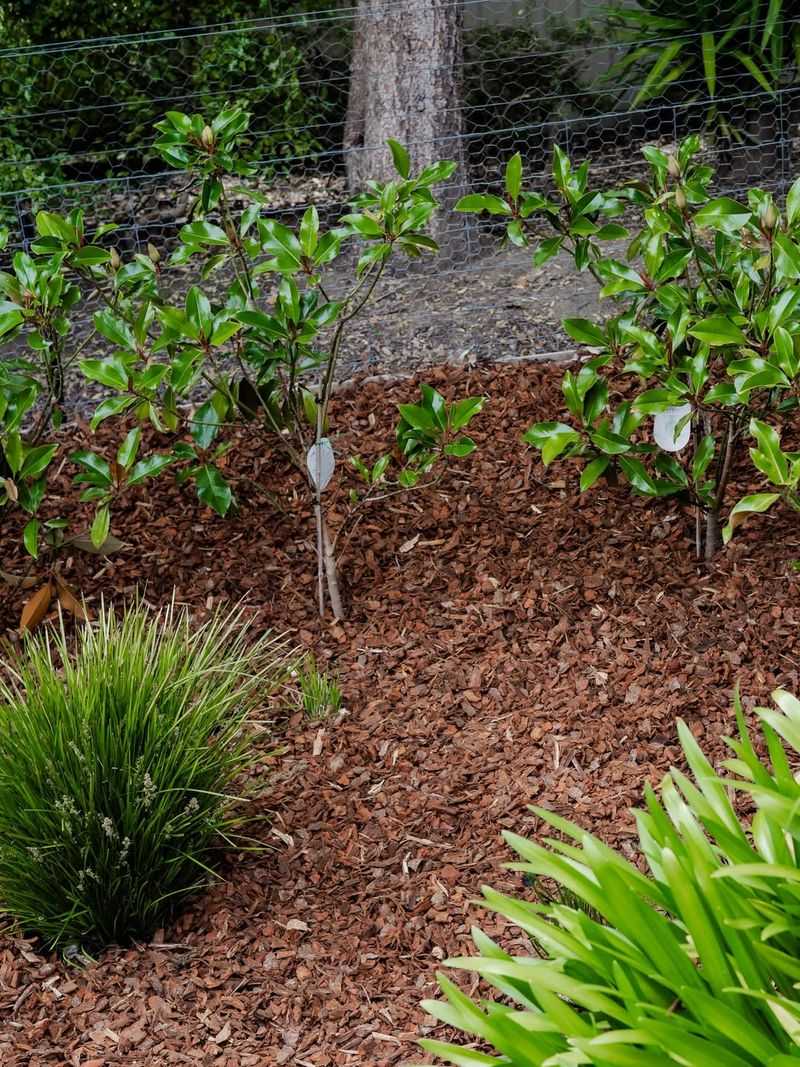
One of the nicest advantages of starting a brand-new garden bed is the freedom to amend the soil as thoroughly as you want without worrying about disturbing existing plant roots.
Empty beds are a genuine opportunity, and pine bark fines work best when they can be fully incorporated rather than simply spread on top.
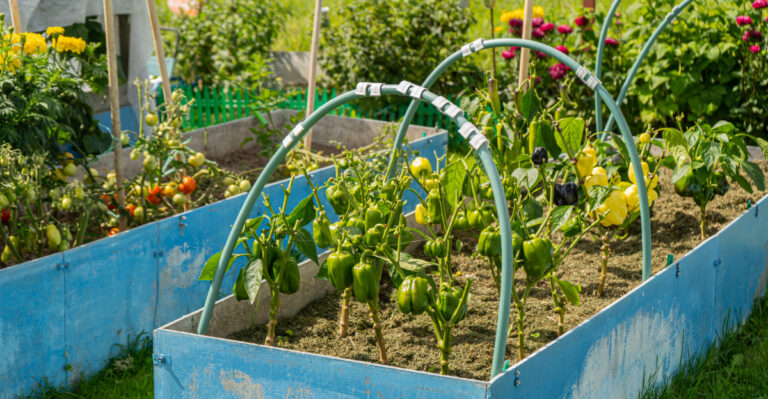
For a new bed, spreading approximately two inches of pine bark fines across the surface and then working that material into the upper six inches of native clay gives you a solid starting point.
Some gardeners building beds with serious drainage challenges use a higher proportion of composted pine bark blended with the native soil, which can dramatically improve conditions for ornamental plants and shrubs that require better drainage.
Established borders are a completely different situation. Digging aggressively around existing perennials, shrubs, and trees risks cutting roots and stressing plants that are already settled into their environment.
For these areas, a gentler approach works better and still produces real results over time.
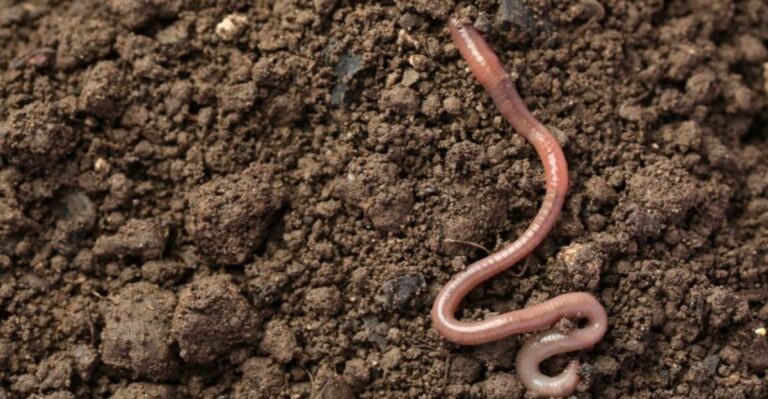
Applying a thinner layer of pine bark fines or fully composted pine bark as a surface dressing around established plants allows natural decomposition and earthworm activity to gradually work the organic matter down into the soil.
Rainfall and freeze-thaw cycles help incorporate the material without any digging required from you.
Year after year, this surface application method quietly improves the soil beneath established borders in a way that feels almost effortless.
It takes longer than full incorporation, but it protects your plants while still moving your soil in the right direction each season.
7. Pine Bark Fines Improve Structure But Do Not Replace A Soil Test
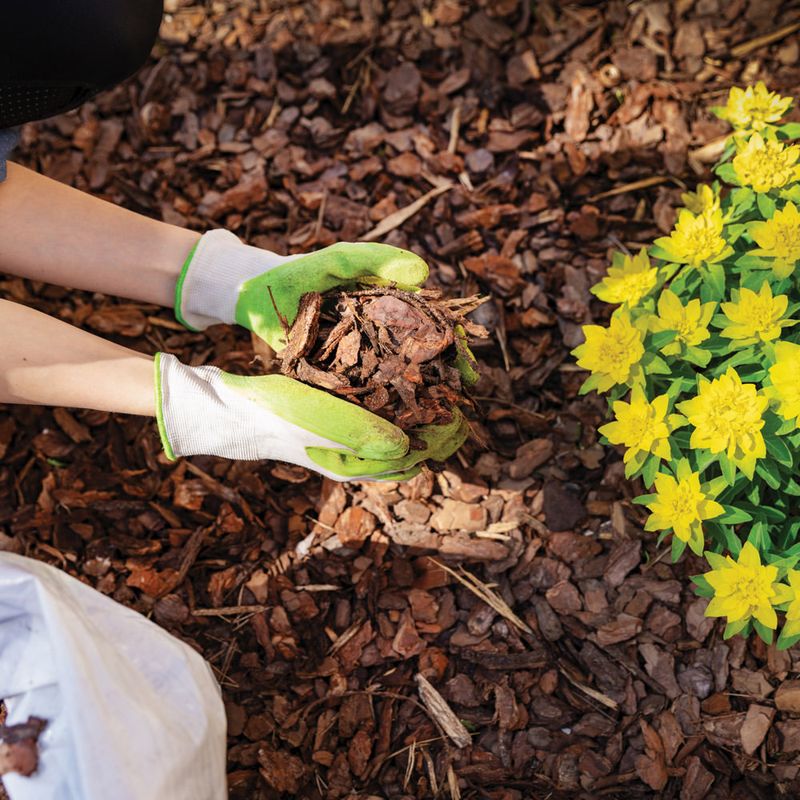
Pine bark fines do a genuinely impressive job of improving the physical structure of heavy clay soil, and it is easy to get excited about that and assume the work is done once you have mixed them in.
But physical structure is only one part of what makes soil productive. Nutrient levels, pH, and organic matter content all play equally important roles in how well your plants actually grow.
North Carolina gardeners have a fantastic resource available through NC State Extension, which offers affordable soil testing through the North Carolina Department of Agriculture.
Sending in a soil sample before you add lime, sulfur, or fertilizer gives you accurate, science-based information about exactly what your soil needs. Guessing with amendments can waste money and sometimes make things worse.
A soil test report tells you the current pH level of your soil and recommends how much lime or sulfur to add to reach the target range for whatever you plan to grow.
It also measures major nutrient levels like phosphorus and potassium so you know whether fertilizer is genuinely needed or whether your soil already has adequate reserves.
Many North Carolina gardeners are surprised to discover their soil is more acidic than expected, which is common in the region.
Adding lime without testing first can easily overshoot the target and create new problems for acid-loving plants like azaleas and blueberries that thrive in lower pH conditions.
Pine bark fines set the physical foundation, but a soil test gives you the full picture so every amendment decision you make is backed by real data rather than guesswork.