Why Some Maryland Holly Trees Never Get Red Berries
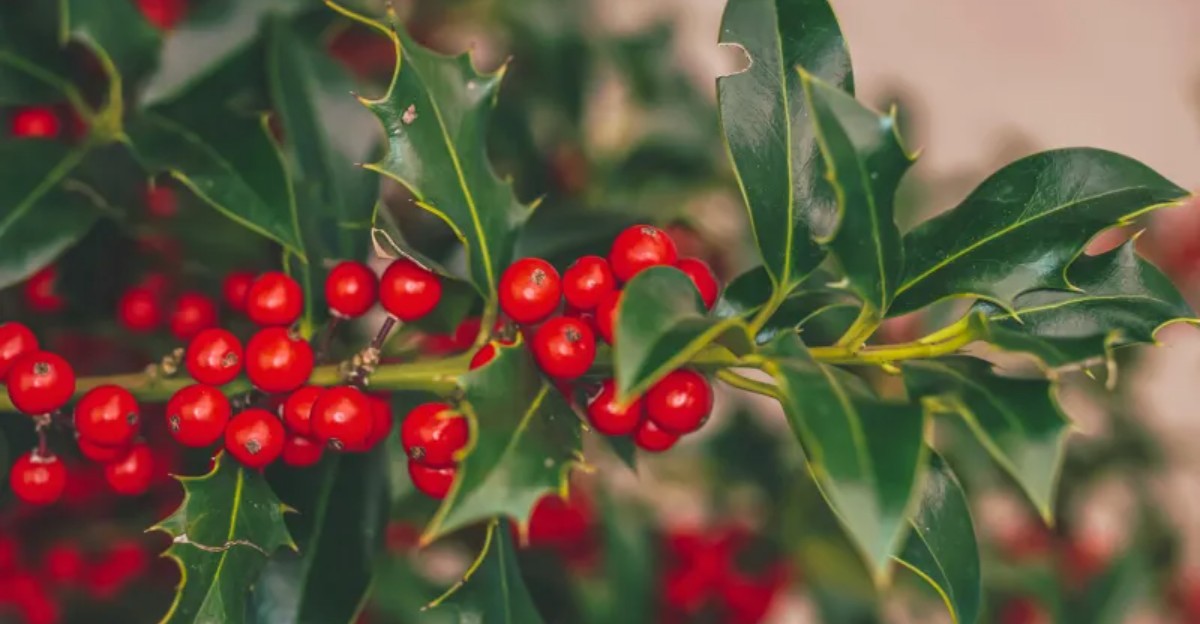
Half the holly trees on your street may be physically incapable of making a single red berry. They can live for a century, grow forty feet tall, and still stay bare every winter.
I learned this the hard way. I spent three springs feeding and fussing over a glossy evergreen in my Maryland yard, waiting for a crimson show that never came.
Truth is, the plant was perfectly healthy. Its leaves were spiny and bright, its shape was lovely, and bees buzzed around its tiny white blooms every May. Something else was going on, and it had nothing to do with my effort.
The answer turned out to be part biology, part matchmaking, and part plain old timing. A few clues hide in flowers so small you could miss them on a quick walk past. Looking back, my stubborn tree had been dropping hints all along.
Those Tiny White Holly Flowers Hold the First Clue
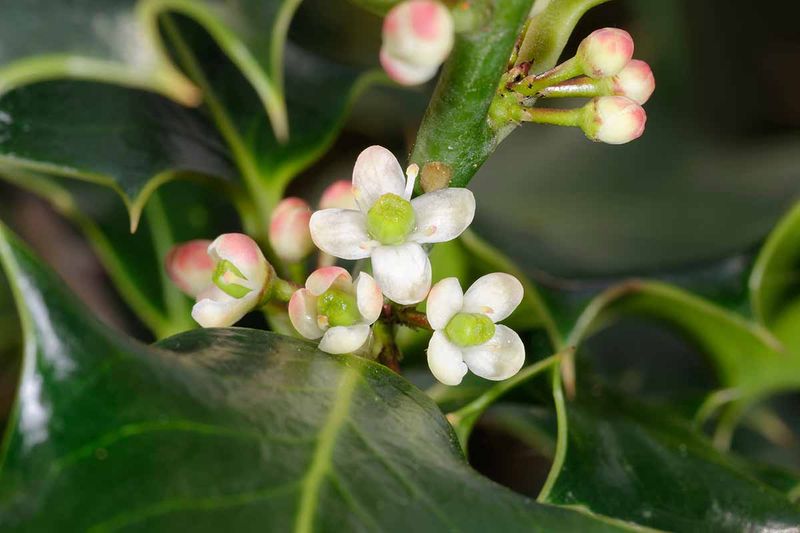
Grab a magnifying glass in May, because the whole mystery starts there. Most hollies, including the native American holly, are dioecious. That means each plant is either male or female.
Only female hollies can grow berries. A male tree can be lush, tall, and decades old and still produce zero fruit, because it was not built for the job.
The tiny white flowers give the game away. Male blooms have four or so stamens tipped with yellow, dusty pollen, and they often appear in small clusters. Female blooms have a plump green knob in the center called the pistil, which is the part that later swells into a berry.
Look closely in late April through early June, when hollies bloom across much of the state. Check several flowers on different branches so you get a fair read.
If you spot only pollen-covered stamens, you have a male. That is not a flaw, and the tree still offers shelter for birds, food for pollinators, and year-round green.
Fun fact: nurseries often sell young hollies before they flower. Many homeowners end up with a male tree and do not discover it until years later, just like I did.
A Female Holly Needs a Male Neighbor Within Bee Range
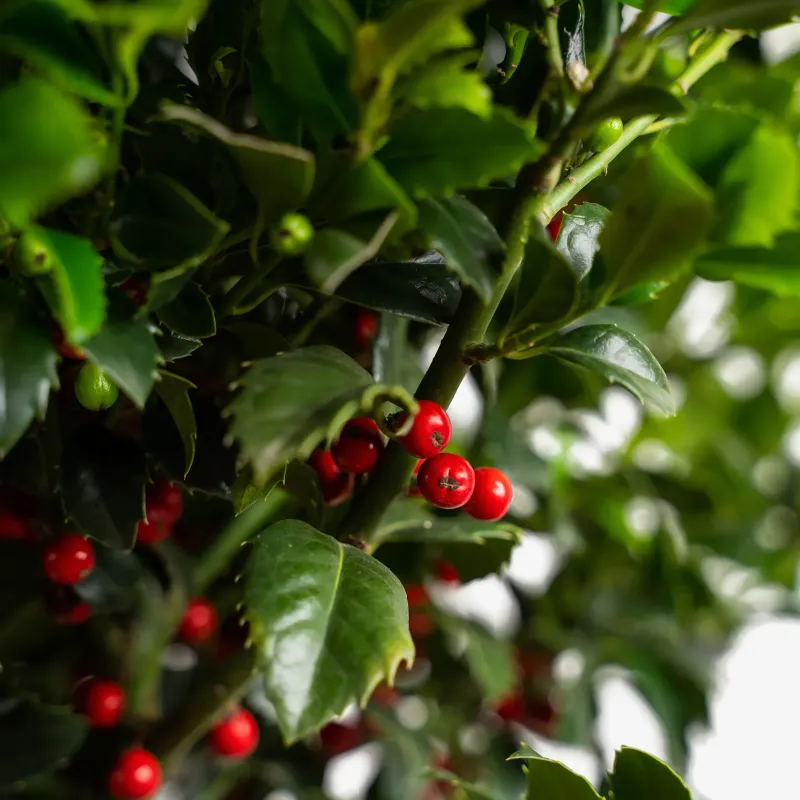
Here comes the twist that surprised me most. A female holly can be in perfect health and still stay berry-free if no male tree lives nearby.
Hollies rely on insects, mostly bees and small wasps, to carry pollen from male flowers to female ones. Without that delivery, the green centers of the female flowers simply fall off instead of ripening.
Distance matters. Many extension services suggest keeping a male within about 40 to 100 feet, though bees can travel farther. In neighborhoods full of hollies, a male several yards away may already be doing the work quietly.
One male can serve several females. Growers often mention ratios of one male for every few females, so you rarely need a crowd.
Matching matters, too. The male should be the same species or a close relative that blooms at the same time. A Chinese holly male will not reliably help a native American holly female.
Shopping tip: ask the nursery for a labeled pollinator. Common pairs include ‘Jersey Knight’ for American holly females, or Blue Prince for Blue Princess. Labels save years of guesswork and a lot of disappointment.
Young Holly Shrubs Often Need Years Before Fruiting
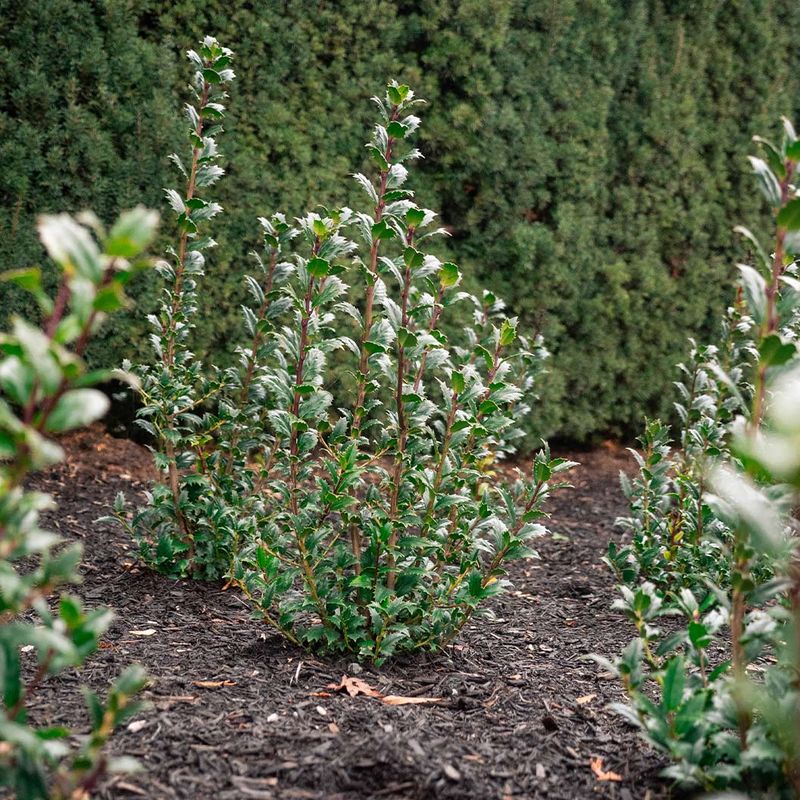
Patience is not my strong suit, and hollies tested it hard. A young plant may sit there looking great while showing no interest in flowering at all.
Hollies grown from seed can take many years to reach blooming age. Some American hollies grown from seed need five years or longer before they flower, and a few take closer to a decade.
Cutting-grown nursery plants usually move faster, since they come from mature parent stock. Even so, a fresh transplant often spends a season or two building roots before it puts energy into fruit.
A smart move is to note the planting date somewhere you will find it later. A tag on the trunk or a note in your phone works fine.
Meanwhile, give the shrub steady care. Water deeply during dry spells for the first couple of years, and spread two to three inches of mulch over the root zone without piling it against the bark.
If your holly is under five years old and healthy, there is no need to panic. It may simply still be growing up. Older plants with zero blooms deserve a closer look at light, pruning, and soil.
Pruning Holly Branches at the Wrong Time Steals the Berries
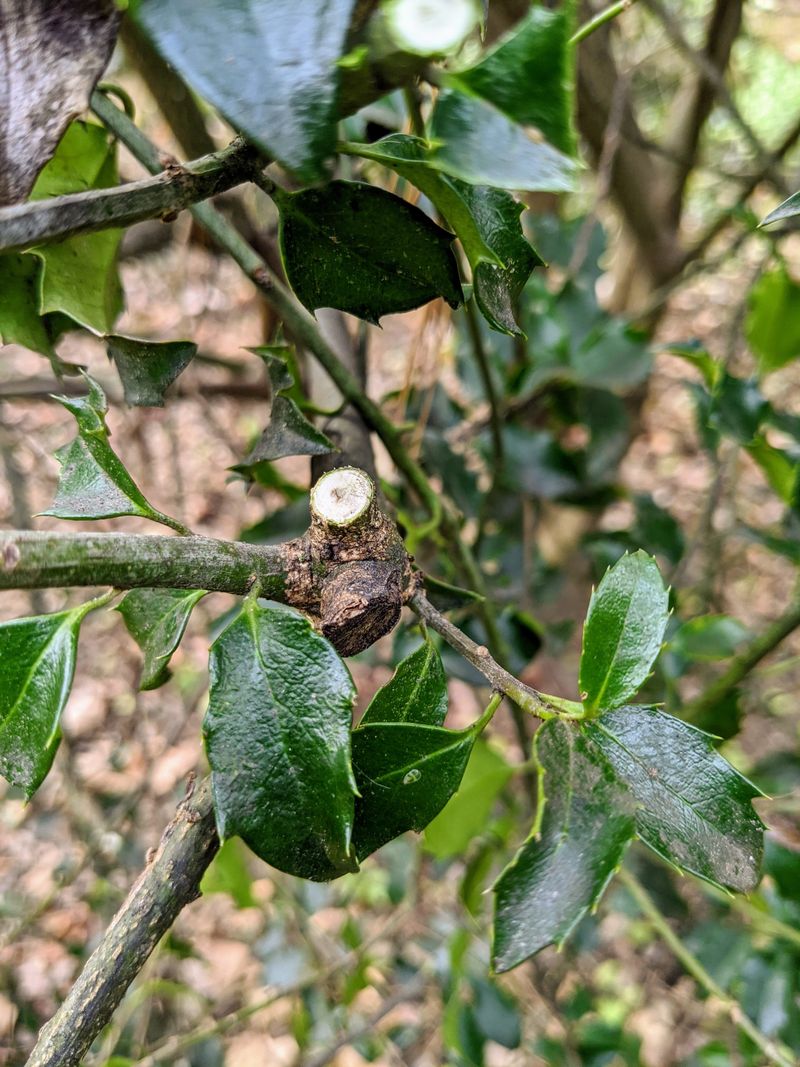
Guilty as charged. I once tidied my hollies in early June and wondered why the next winter looked so plain.
Evergreen hollies flower in late spring, and the berries develop over the summer. Cut those stems in late spring or summer, and you can snip away flowers or tiny green berries before they ever get a chance.
Winter is a handy time for light shaping. In fact, many gardeners trim branches in December and use the cuttings for holiday decorations, which feels like a clever two-for-one deal.
Heavier shaping fits best in late winter, before new spring growth starts. Keep cuts thoughtful rather than shearing the whole plant into a tight box every year.
Constant shearing removes the outer tips where many flowers form. A hedge clipped flat several times a season may stay neat but rarely puts on a strong fruit display.
Deciduous hollies, like winterberry, are usually pruned in late winter or early spring. Late winter or early spring pruning usually works well for them.
One easy rule: if your holly has flowers or small green fruit, set the pruners down. A shaggy look in July is worth those red berries in December.
Deep Shade and Heavy Nitrogen Can Leave a Holly All Leaves
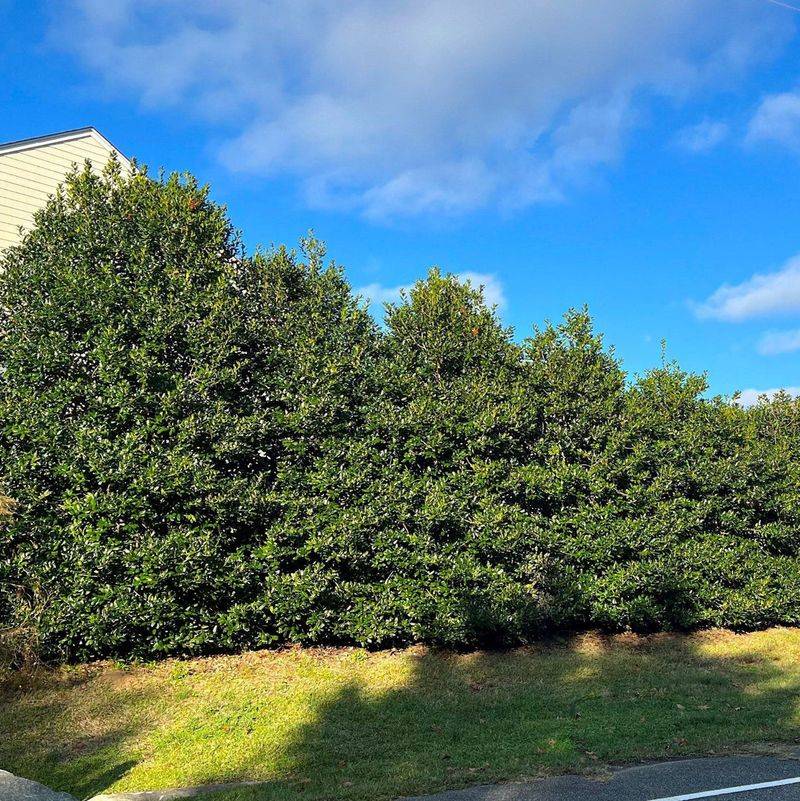
Some hollies look gorgeous and still refuse to fruit, and their surroundings are often the reason. Light is the big one.
American holly handles shade better than many evergreens. Still, deep shade often means fewer flowers, and fewer flowers mean fewer berries. Full sun to light shade usually gives the best show.
Walk around your tree at midday. If tall oaks or a house block most of the sun, the holly may be living on survival mode rather than fruiting mode.
Fertilizer is another sneaky factor. High-nitrogen lawn feed pushes lots of leafy growth at the expense of blossoms. Lawn spreaders that toss granules into shrub beds can cause the problem without you noticing.
Hollies prefer moist, well-drained, slightly acidic soil. Much of Maryland has naturally acidic soil, but compacted clay or soggy spots near downspouts can stress roots.
A soil test through University of Maryland Extension resources can show pH and nutrients before you add anything. That beats guessing.
If your soil checks out, skip extra feeding. Many established hollies grow happily with nothing more than mulch and an occasional deep drink during drought.
A Late Frost or Rainy May Can Cancel the Holly Berry Crop
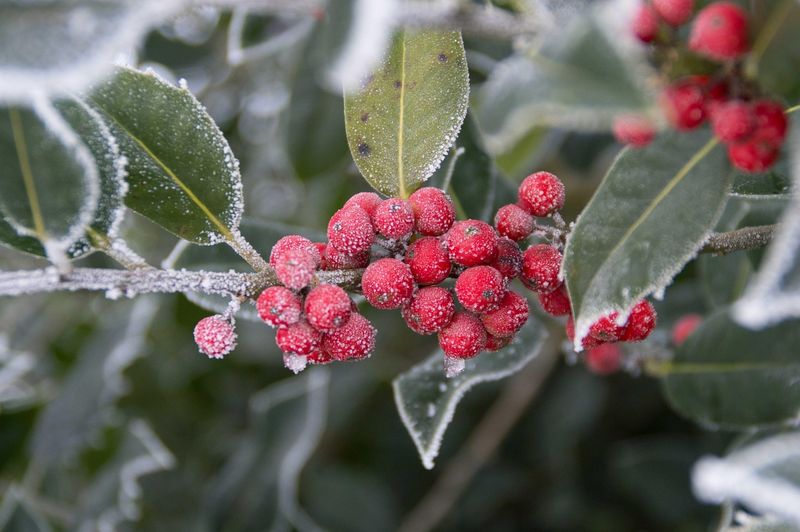
Weather can undo a whole year of good care in a single night. I watched it happen after a surprise May cold snap.
Holly flowers are small and tender. A hard late frost during bloom can damage them, and damaged flowers rarely set fruit.
Rainy, chilly spells cause a quieter problem. Bees fly less in cold, wet weather, so less pollen moves from male to female trees. Your female holly may look covered in flowers and still end up with only a sprinkle of berries.
Drought plays a role, too. A dry, hot stretch during flowering or early fruit growth can make young berries drop before they ripen.
Frost timing varies across the state. Western Maryland mountains often see later spring frosts than the Eastern Shore or Southern Maryland, which tend to warm earlier.
You cannot control the sky, but you can help a little. Water deeply during dry periods from spring through fall, especially for younger plants.
The encouraging part is that weather trouble usually lasts one season. A bare winter after a cold spring often gives way to a solid berry crop the following year.
Hungry Robins Might Be Eating Your Holly Berries First
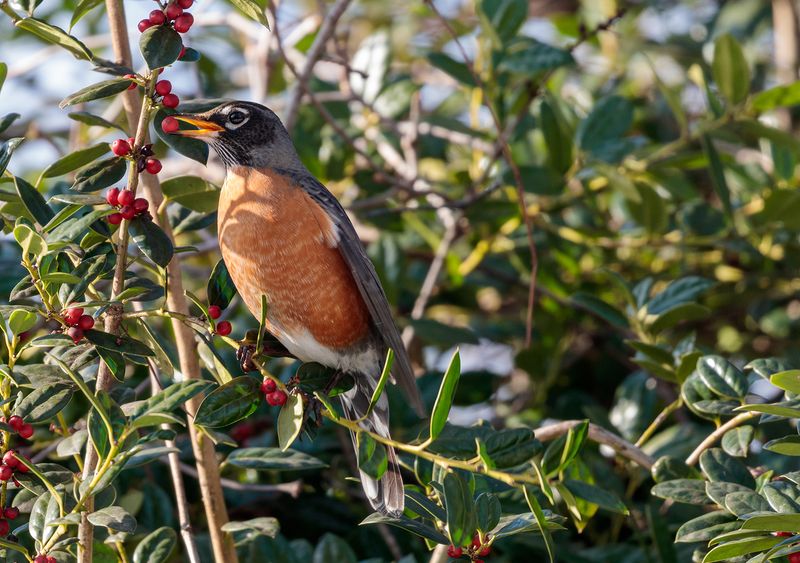
Don’t laugh, but I once blamed my tree for something a flock of birds did. The berries had formed just fine. They simply vanished.
Robins, cedar waxwings, mockingbirds, and bluebirds all eat holly berries. Flocks of robins and waxwings can strip a loaded tree in a day or two, especially in late winter.
Holly berries often taste better to birds after a few freezes soften them. That is why many trees keep fruit through December and then lose it fast in January or February.
Watch for clues. Purple-stained droppings on sidewalks or cars below the tree, and busy birds in the branches, point to visitors rather than pollination trouble.
Squirrels may nibble a few too, but birds are usually the main guests.
Honestly, I count this as a win. Native American holly supports winter wildlife when other food runs short, and those birds help spread seeds.
Quick note for families: holly berries can upset human and pet stomachs if eaten. Keep little ones and curious dogs away from fallen fruit, and enjoy the bird show from a window instead.
Pick the Right Holly Pair or a Self-Fruiting Variety Next Time
Every fall, I hear friends say they want berries without the fuss. You have a few smart paths to choose from.
First, confirm what you have. Check the flowers next spring, then decide whether the tree needs a partner or a different plan.
If you own a male, keep it. It can pollinate female hollies you add nearby, giving you a berry display without removing a healthy tree.
If you have a lonely female, plant a matching male of the same species within roughly 40 to 100 feet. For the native American holly, a male American holly is the simplest choice.
Short on space? Some hollies set fruit with little or no pollination. ‘Nellie R. Stevens’ often berries even without a dedicated partner, though a pollinator can boost the crop. ‘Burfordii’ Chinese holly is also known for fruiting alone.
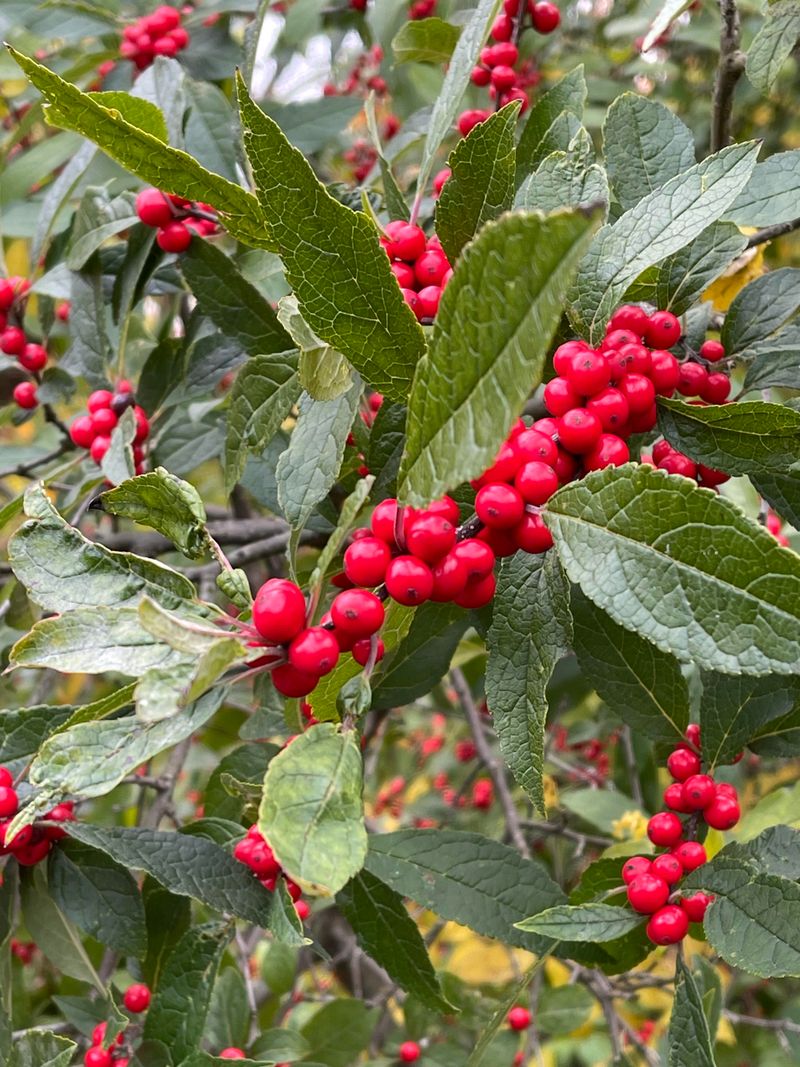
For wildlife, native winterberry is a wonderful option. It drops its leaves in fall, leaving bare stems covered in red fruit.
Keep a simple notebook of bloom dates and berry counts. After two seasons, the pattern usually explains itself.