7 Shrubs Virginia Gardeners Can Root From Cuttings This Winter
A bare stick no thicker than a pencil can grow its own roots while sitting in a chilly garage. Gardeners have copied favorite shrubs this way for generations, and it costs almost nothing.
The trick works best after leaves drop, when stems rest and store energy inside their woody tissue. Roots form slowly from small calluses and buried buds while the top of the stem stays bare and still.
Take it from someone who once paid twelve dollars for a single shrub at a fancy garden center. That same plant could have come free from a friendly pruning pile with a little patience and some damp sand.
Virginia winters stay mild enough in many spots that a simple pot of gritty mix does most of the work. So which backyard favorites are willing to sprout roots for you before the first spring robins show up?
1. Red Twig Dogwood
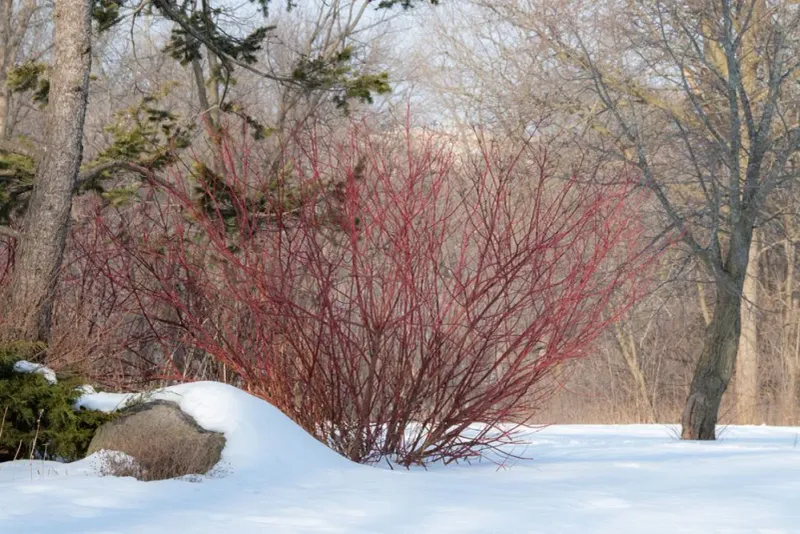
Those glowing scarlet stems look like someone dipped the whole shrub in holiday paint during the gray months. Red twig dogwood, or Cornus sericea, also happens to be one of the easiest shrubs you will ever root.
For what it is worth, my first batch of these cuttings rooted faster than the seeds I sowed indoors that spring. The plant grows naturally along streams, so its stems seem eager to push out roots whenever they touch moist soil.
Choose young stems from last season, since they carry the brightest color and root with the most energy. Cut pieces about eight inches long, making a flat cut below a bud and a slanted one above.
Rooting hormone is usually optional with this shrub, which saves a trip to the store and a few dollars. Push each piece about two thirds deep into moist potting mix or straight into soft garden soil that is not frozen.
Late winter pruning works out nicely here, because older stems fade to a dull brown over a few years. Cutting the oldest canes encourages fresh red growth, and those trimmings become your next round of free plants.
This native shrub handles zones two through eight, so it settles in comfortably almost anywhere across the state. It tolerates wet clay and some shade, though full sun brings out the richest stem color in winter.
Birds also enjoy the small white berries that follow the creamy late spring flowers each year. Give the young plants room, since mature shrubs often reach six to ten feet wide and spread by suckers.
2. Forsythia
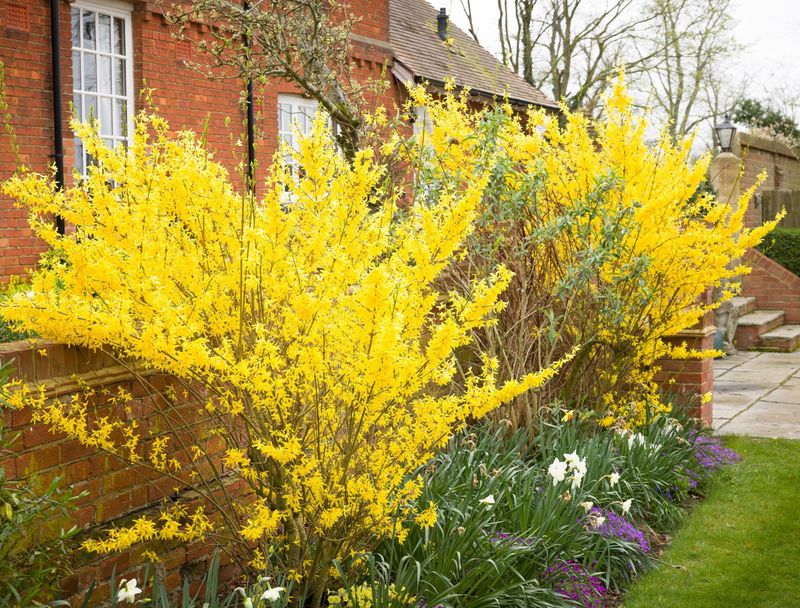
Grandmothers across the South swear forsythia roots if you simply look at it the right way. Funny thing is, they are not far off, because this shrub ranks among the most forgiving plants for beginners.
Bare winter branches give no hint of the yellow fireworks they will show off in early spring. Those bell-shaped blooms appear before the leaves, which makes a whole hedge glow like sunshine on cold mornings.
Snip pencil-thick stems from last year’s growth, keeping each piece around six to eight inches long. Remember which end points down, since a cutting planted upside down will just sit there and sulk all season.
A pot of damp sand or a mix of perlite and coir gives these cuttings a cozy home. Some gardeners report roots within a few weeks, though cooler storage spots can stretch that timeline much longer.
Keep your pots in an unheated garage or cold frame where they stay chilly but do not freeze solid. Warm rooms can trick the buds into leafing out before roots form, which often leaves weak little plants.
Forsythia is not native, yet it is not listed as invasive by state authorities either. Virginia Tech notes it may occasionally seed into the landscape, so keep an eye on stray seedlings near woodland edges.
Mature shrubs usually reach six to ten feet with graceful arching branches that sometimes root wherever they touch ground. Prune right after flowering ends, because cutting in late winter removes the buds that create next spring’s show.
3. Silky Willow
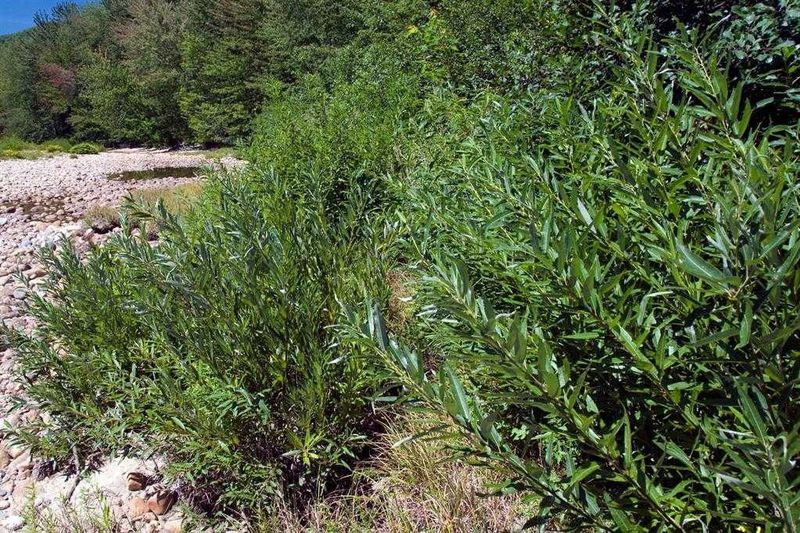
Willow stems carry natural rooting compounds strong enough that some gardeners soak other cuttings in willow water for help. Silky willow, Salix sericea, is a native shrub that shows off this talent without any fuss at all.
Let’s just say I have pushed willow sticks into a soggy ditch and found leafy shrubs there by summer. Few plants make you look like such a skilled propagator with so little actual effort on your part.
Choosing the right willow matters here, because white willow is listed as invasive throughout the state. Native silky willow stays shrub-sized, usually under fifteen feet, and fits nicely along rain gardens or wet edges.
Cut dormant stems about a foot long and stick them deeply into moist ground or a bucket of water. Leave a couple of buds above the surface so the shoots have somewhere to emerge once temperatures warm up.
Silky willow loves wet soil and full sun, so a soggy corner of your yard becomes useful instead of frustrating. Its roots help hold stream banks in place, which is why conservation groups often plant it this way.
Fuzzy catkins appear in early spring and feed bees when few other flowers have opened yet. Watching those soft silver tufts pop open feels like a small reward for all that muddy winter planting work.
Keep willows well away from septic lines and water pipes, since thirsty roots travel surprisingly far underground. A spot near a pond or downspout makes a happier home than a tidy bed beside the house.
4. American Beautyberry
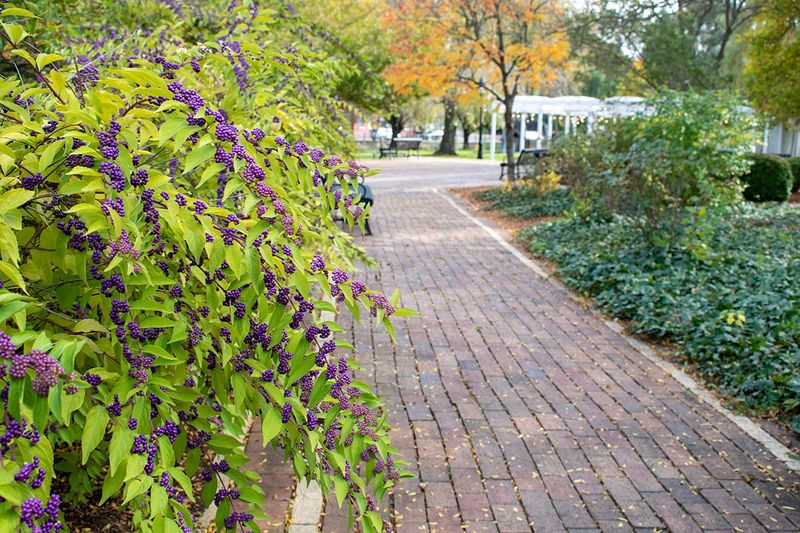
Clusters of shiny purple berries hugging bare stems look almost too bright to be real in late fall. Here’s what caught my attention the first time I grew American beautyberry: birds cleaned it out within weeks.
Callicarpa americana is native to the Southeast, and it grows comfortably in zones six through eleven. That range covers most of Virginia, though gardeners in the coldest mountain areas may see some stems wither in winter.
Dormant stems root well, so grab pieces about six inches long once the leaves have fallen away. If your ground freezes hard, store the bundled cuttings in damp sand somewhere cool until early spring arrives.
Many growers cut the whole shrub back to roughly a foot tall in late winter for fresh growth. That pruning session hands you an armload of perfect cutting material, so plan both jobs on the same afternoon.
Pink summer flowers are small and easy to miss, but pollinators find them without any trouble at all. The berries form along new wood, which explains why hard pruning tends to produce a fuller fall display.
Full sun to part shade suits this shrub, and more sunlight usually means heavier berry crops. It tolerates clay, sand, and loam, and once established it handles dry summer stretches better than many shrubs.
Expect mature plants around three to eight feet tall with a loose, arching shape. Plant a few rooted cuttings together in a group, since several shrubs side by side make the berry show far more dramatic.
5. Smooth Hydrangea
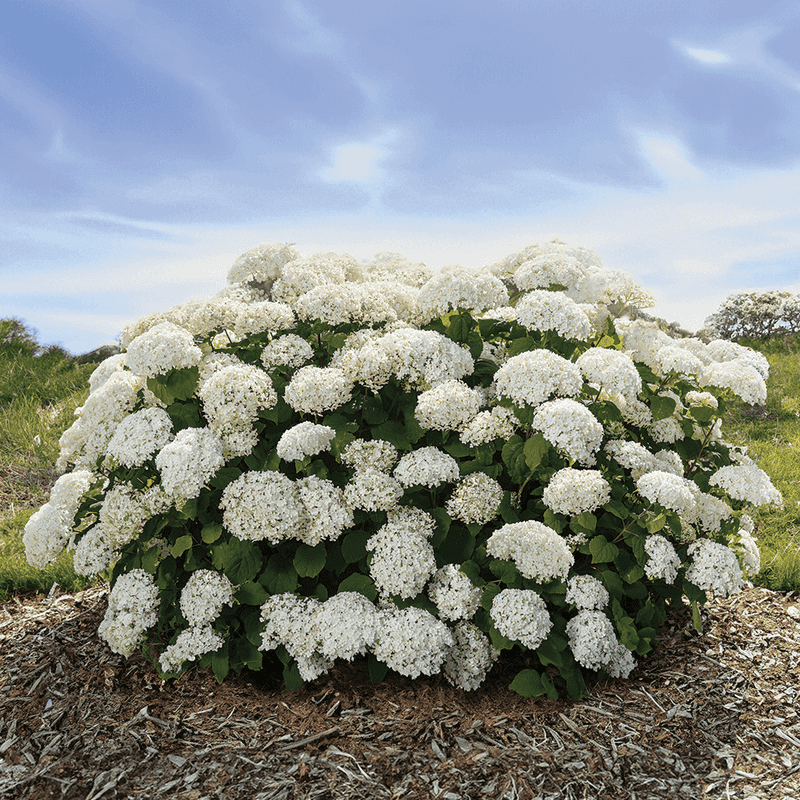
Long before fancy nursery hybrids showed up, wild hydrangea was already blooming along shady creek banks in the eastern woods. Smooth hydrangea, Hydrangea arborescens, still grows wild across Virginia and makes a wonderful candidate for winter propagation.
If you ask me, this shrub deserves more attention than its showier blue cousins that sulk in our summer heat. Its creamy white blooms stay white regardless of soil pH, so you skip the whole color adjustment puzzle.
Many gardeners cut smooth hydrangea close to the ground in late winter to encourage strong stems and big flowers. All those trimmed stems are prime cutting material, so set aside the healthiest ones before tossing the rest.
Choose pieces with at least two sets of buds, then bury the lower set in moist, well-drained mix. Softwood cuttings of this plant root readily in summer, and dormant stems also give gardeners solid results with patience.
Keep the pots cool and lightly damp through winter, checking them every week or so for dryness. Soggy mix invites rot, so a pot with plenty of drainage holes makes a real difference here.
Mature plants grow about three to six feet tall and wide with a rounded, tidy shape. Blooms usually begin in early summer and often hang on well into early fall as they slowly fade to green.
Afternoon shade helps a lot in warmer parts of the state, where hot sun can scorch the leaves. Rich, moist soil keeps the plant happy, and its leaves often turn butter yellow before dropping in autumn.
6. Arrowwood Viburnum
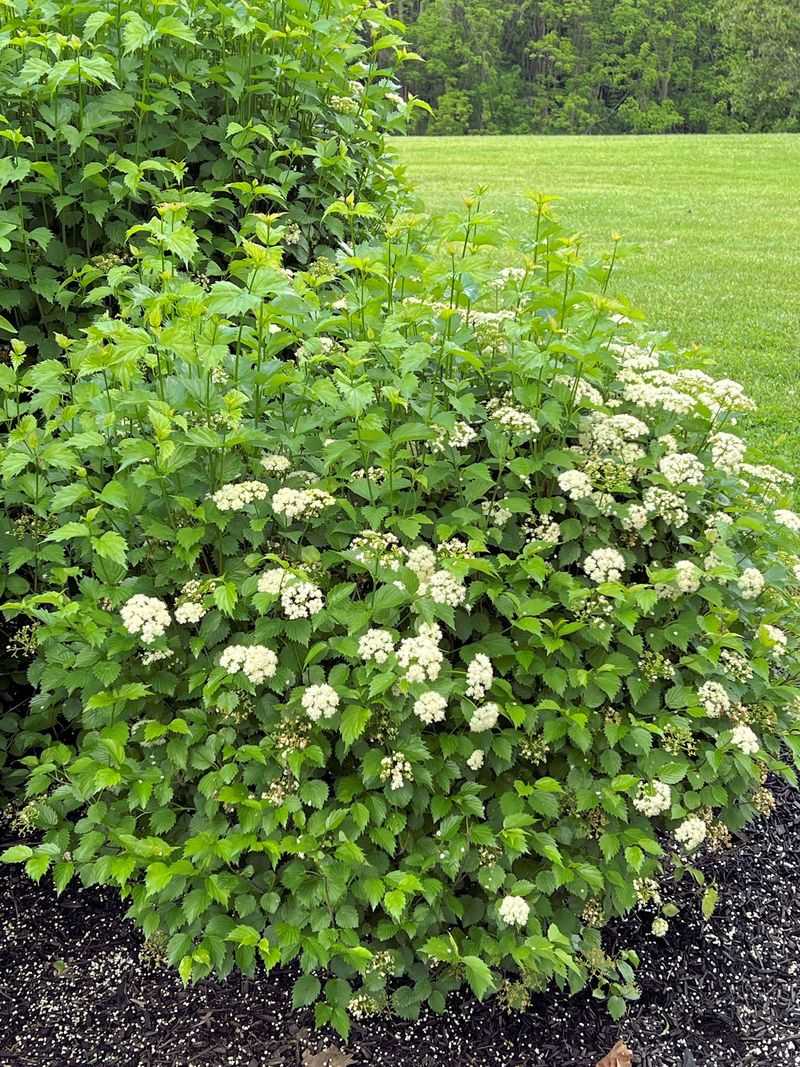
Native Americans reportedly used the straight young stems of this shrub for arrow shafts, which is how it earned its name. Arrowwood viburnum, Viburnum dentatum, still sends up those remarkably straight shoots, and they make handy cutting material today.
Don’t make my mistake of grabbing the first viburnum you spot at a big box garden center. Several non-native viburnums, including linden and European cranberrybush types, are listed as invasive in this region.
Arrowwood is a safe native choice, along with blackhaw viburnum, and both support plenty of local wildlife. Flat clusters of white flowers open in late spring, then turn into blue berries that birds devour by autumn.
Hardwood cuttings of viburnum can be a little slower than dogwood or willow, so patience pays off here. Cut pieces eight to ten inches long and dip the bottoms in rooting hormone to boost your odds.
A clear plastic cover over the pot holds moisture around the stems while roots slowly develop. Lift it every few days for fresh air, which helps prevent mold from settling on the damp bark.
Mature shrubs typically reach six to ten feet tall, making them great for informal hedges or wildlife borders. They handle full sun to part shade and tolerate some clay once their roots get properly settled in.
Fall leaves often shift to shades of red, yellow, or deep purple depending on the season. Planting two different seedling sources nearby can improve berry production, since cross-pollination helps many viburnums set fruit.
7. White Meadowsweet
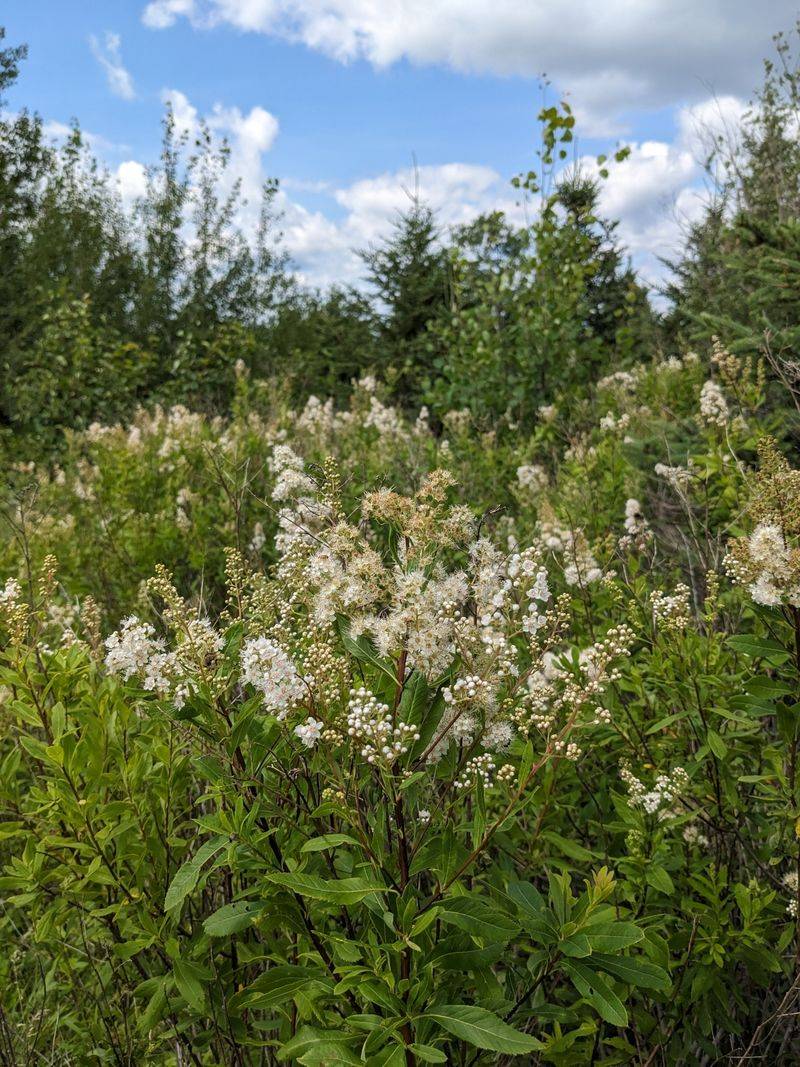
Fluffy white flower spikes rising from a soggy meadow look like little bottle brushes dusted with fresh snow. White meadowsweet, Spiraea alba, is a native spirea that brings that charm to gardens without causing invasion headaches.
Plenty of folks reach for Japanese spirea out of habit, yet that species is listed as invasive in Virginia. Swapping it for native meadowsweet gives you similar easy care while supporting local bees and butterflies instead.
Spirea is a strong candidate for winter hardwood cuttings taken while the plant rests without leaves. Collect healthy stems around ten to twelve inches long, then trim them just below a bud at the base.
Set the cuttings in pots of well-draining mix and keep them in a cold frame or sheltered spot. Moist but not soggy soil works best, so check with a fingertip instead of watering on a strict schedule.
In my own yard, I have noticed meadowsweet thrives in low spots where other shrubs struggle with wet feet. It also grows fine in average garden soil, as long as it receives full sun or light shade.
Mature plants usually stay about three to six feet tall, which suits smaller yards and cottage borders nicely. Blooms appear in summer, giving pollinators a reliable meal after many spring shrubs have finished flowering.
Little pruning is needed beyond removing a few older stems in late winter to refresh the plant. Those trimmings can become your next batch of cuttings, so the shrub practically pays for its own expansion.