Why Virginia Peonies Attract So Many Ants And What It Means For The Plant
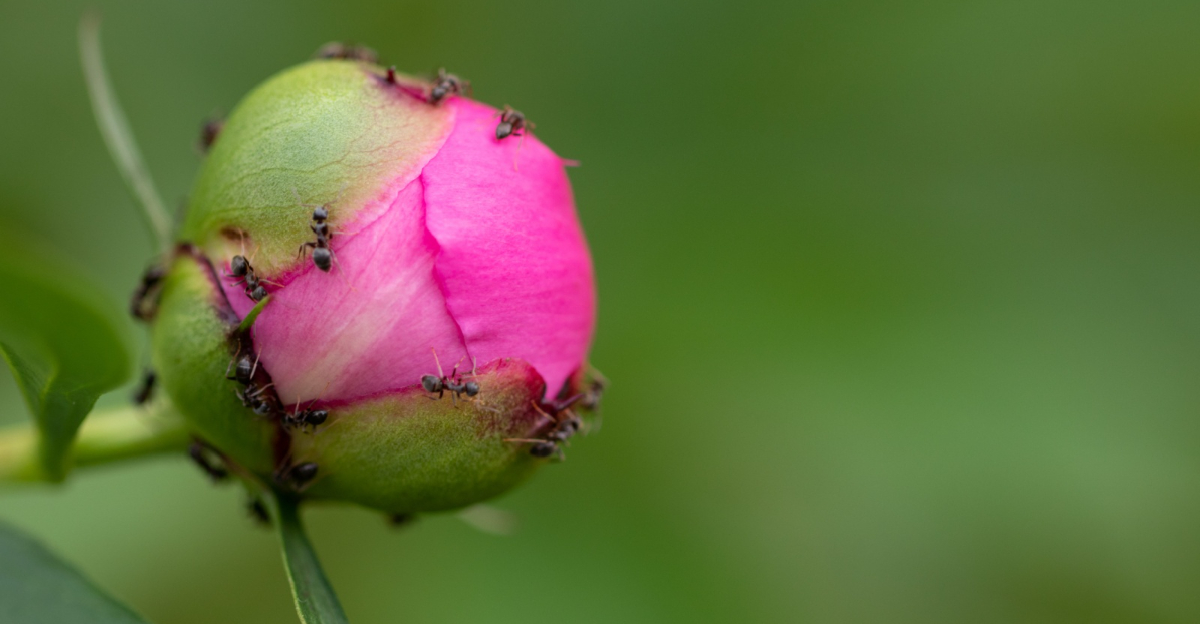
Something is crawling across every single peony bud in your garden. Curiosity sparks fast when ants swarm your flowers.
Dozens of ants cluster on buds that haven’t even opened yet. Virginia gardeners witness this scene every single spring.
Your instinct nudges you toward the pesticide shelf instantly. Wait, because nothing in this odd exchange truly harms your plant.
These ants never touch a single petal you grew. They seek something sweeter and stickier than nectar.
Sugar oozes from each bud, sweet payment for busy ants. That sweet payment buys your flowers steady protection.
Watchful ants deter other insects that would nibble your buds. Timing and Virginia’s climate shape this whole exchange.
Nothing about this partnership happens by pure accident. Evolution spent countless seasons perfecting this quiet trade.
Understanding this rewires how you view your entire garden. Once you know this secret, you will never see ants the same way again.
Buds Secrete Sweet Nectar That Attracts Ants
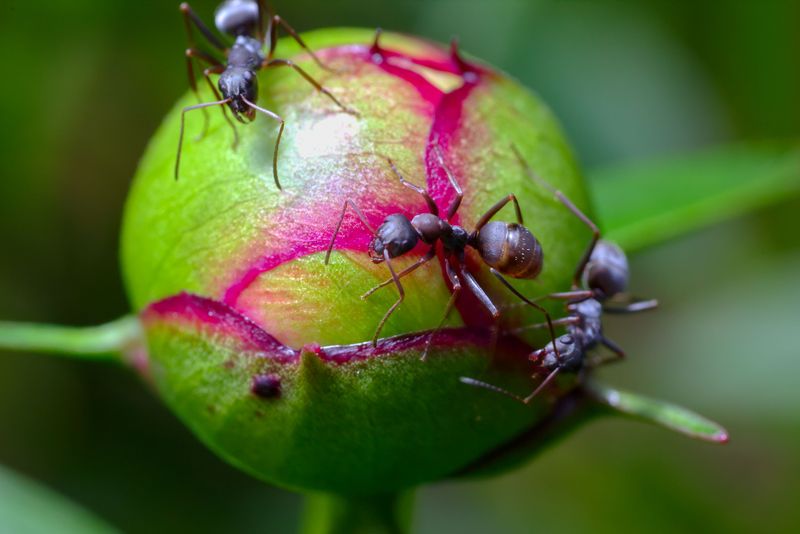
Peony buds function like small nectar dispensers. Long before the petals unfurl, the buds produce a sweet, sticky liquid that ants simply cannot resist.
This liquid is called nectar, and it oozes right out of the bud’s surface. It sits there in glistening little drops, like nature’s invitation to a free meal.
The nectar comes from structures called extrafloral nectaries. These are specialized glands that exist on many plants, not just peonies, and they serve a specific biological purpose.
Peony nectaries are located on the outside of the bud, not inside the flower. That placement is key to understanding why ants show up before the bloom even opens.
The secretion process is completely natural and part of the plant’s normal growth cycle. Gardeners who see it for the first time often panic, but there is no cause for alarm.
Ants in Virginia peonies are a sign of a healthy, thriving plant doing exactly what it was designed to do. The nectar is produced consistently each spring, drawing ants back season after season.
You might notice that some buds have more ants than others. That often reflects how much nectar each individual bud is releasing at a given moment.
Bigger buds tend to produce more nectar because they have more surface area and more active glands. The relationship between Virginia peonies and ants starts right here, with this sweet biological signal.
Ants Seek Sugary Substances During Early Bloom
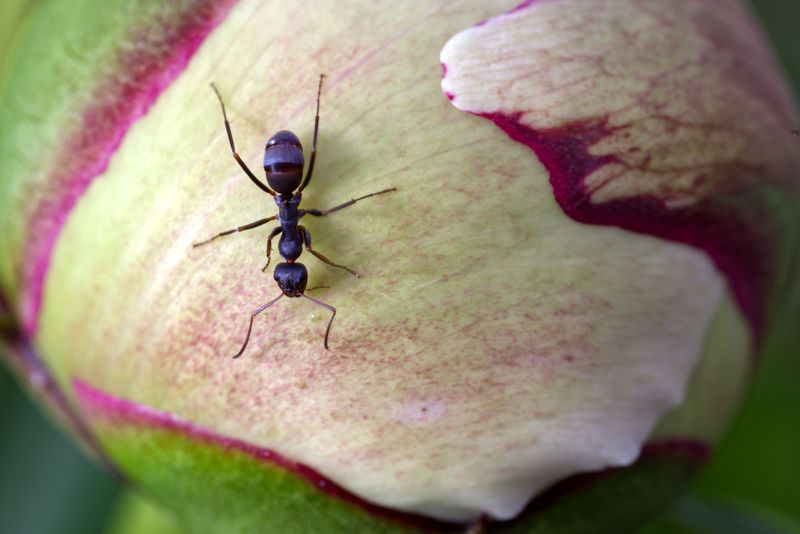
Ants are sugar hunters, plain and simple. When spring arrives and food sources are still scarce, they go searching hard for anything sweet and energy-rich.
Peony buds show up at exactly the right moment in the ant calendar. The timing lines up closely with the ant’s seasonal needs.
In Virginia, ant colonies typically become most active in foraging during early spring. That lines up almost exactly with peony bud season.
Worker ants leave the colony on scouting missions every single day. When one scout finds the nectar on a peony bud, it goes back to the colony and recruits more workers.
Your Virginia Garden Changes Every Week. Your Plan Should Too.
Gardening in Virginia changes quickly throughout the season. Every Friday you’ll receive a simple weekly plan showing exactly what to plant, prune, fertilize, harvest, and protect so you never miss the right timing.
That is why you rarely see just one or two ants on a bud. You see dozens, sometimes hundreds, all following the same chemical trail left by the first scout.
Ants communicate through pheromones, which are chemical signals they leave behind as they walk. Once a trail is established, the whole colony knows exactly where the sweet stuff is.
This behavior is not specific to peonies alone. Ants will seek out any plant that produces extrafloral nectar during lean foraging times in spring.
But peonies happen to be among the most generous producers in a typical Virginia garden. The large volume of nectar they offer makes them a major food source for local ant colonies each year.
Nectaries Release Sap As Buds Swell
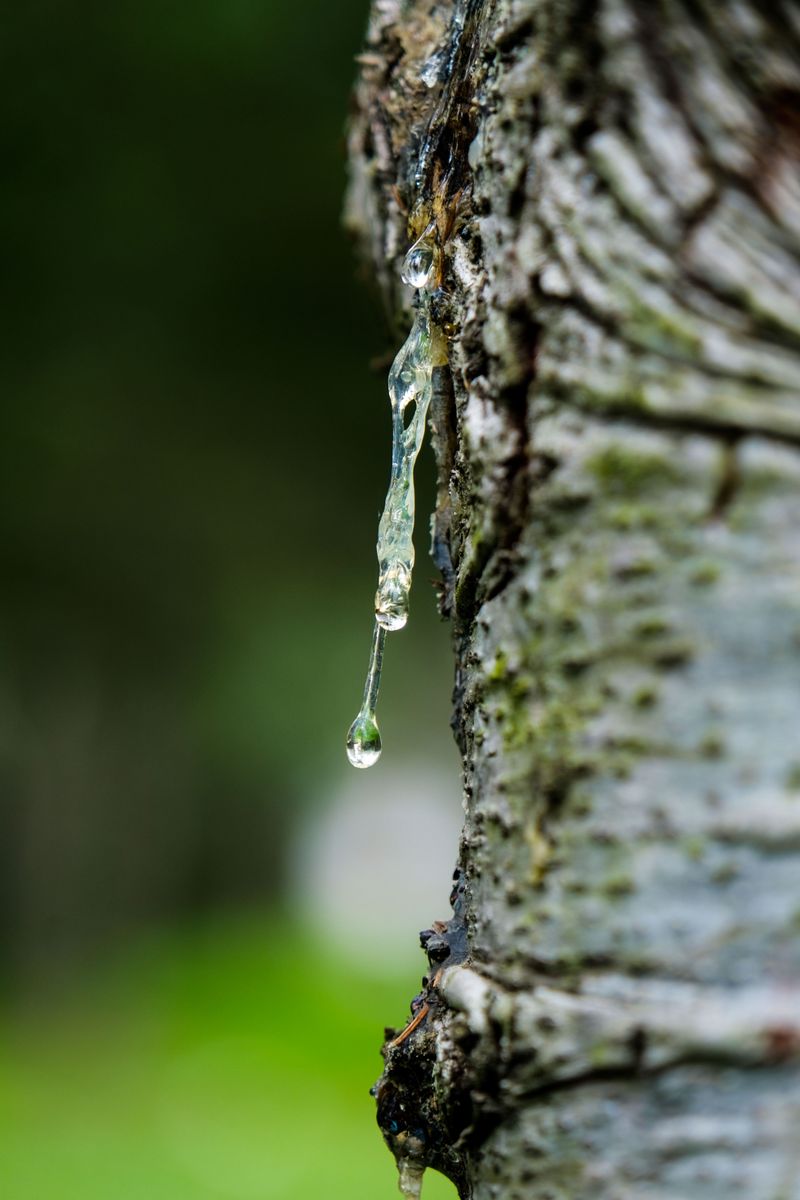
Watch a peony bud closely over several days and you will notice something remarkable. As the bud grows larger and rounder, the surface gets noticeably wetter and shinier.
That moisture is not dew or rainwater. It is sap-like nectar being actively pushed out through the nectary glands as internal pressure builds inside the bud.
Think of it like squeezing a sponge. As the bud swells with fluid and developing petals, the extrafloral nectaries respond by releasing more of that sweet liquid outward.
The swelling process in Virginia peonies typically plays out gradually over the early weeks of spring. During that window, nectar production is at its most consistent and generous.
Each nectary is a microscopic gland embedded in the outer bud tissue. When the plant is actively growing, those glands are operating at increased output.
The sap that comes out is rich in sugars, primarily sucrose, glucose, and fructose. For an ant, that combination is a rich, energy-dense food source.
Gardeners sometimes mistake the sticky bud surface for a disease symptom or pest damage. But if ants are present and the bud looks otherwise healthy, the plant is simply doing its job.
The nectar release slows down once the bud reaches its maximum size. That natural slowdown signals that the bloom is almost ready to open, which is the next big event in the peony’s spring story.
Sugar Production Peaks Before Petals Open
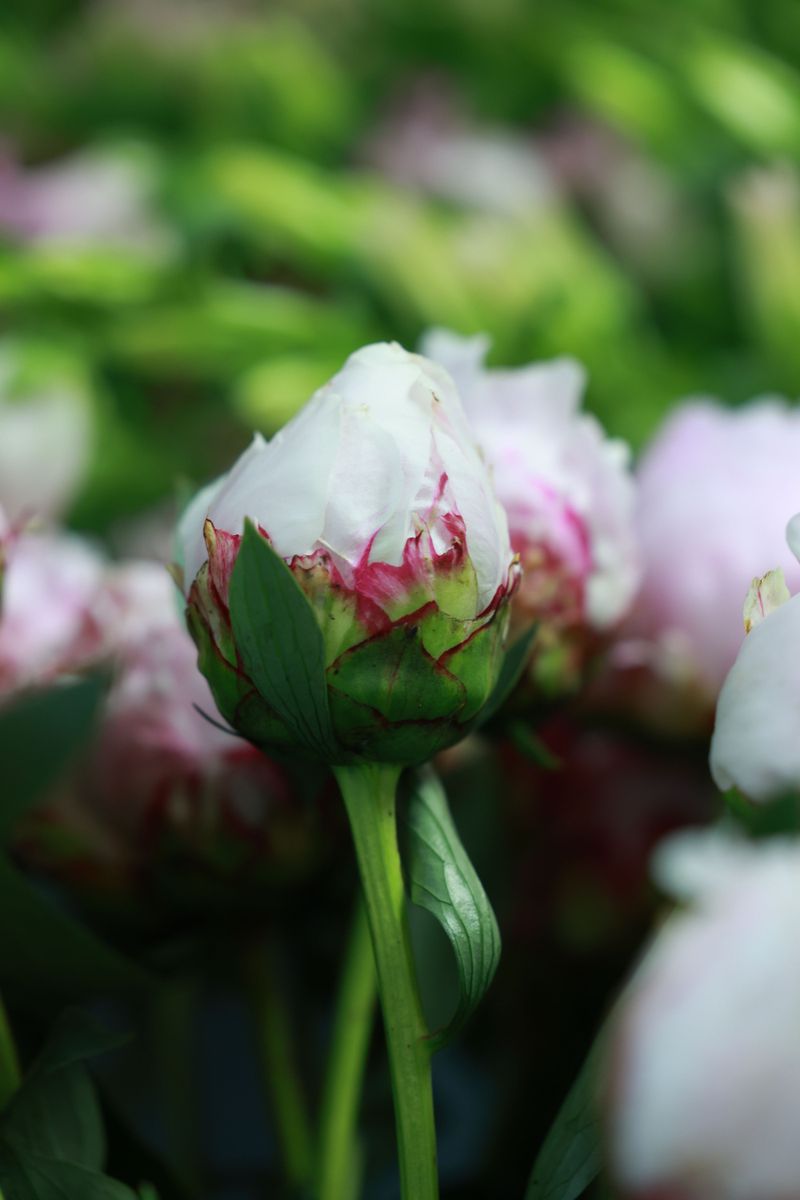
There is a specific window when peony nectar production hits its absolute maximum. That window falls right before the petals begin to separate and the bloom starts opening.
Botanists believe this timing is not random. The plant ramps up sugar output at the exact moment when it benefits most from having visitors close by.
Some researchers suggest the nectar surge serves as a final burst of ant activity around the bud. A well-patrolled bud may be less attractive to other insects that could cause real damage.
The sugar concentration in peony nectar can be surprisingly high during this peak phase. Measurements from similar extrafloral nectaries show notably high sugar concentrations.
For Virginia gardeners, this peak period typically arrives as spring settles in. The exact timing shifts depending on weather, soil conditions, and the specific peony variety in your garden.
Older, well-established peony plants tend to produce more nectar than younger ones. More established, mature plants tend to draw larger ant crowds each spring.
Once the petals begin to push apart and the bloom opens up, nectar production from the outer bud tissue drops off sharply. The ants gradually move on to find other food sources.
That peak-and-drop pattern is one of the clearest signs that the whole system is precisely timed by the plant’s internal biology, not by chance or accident.
Peonies Show No Known Harm From Ant Activity
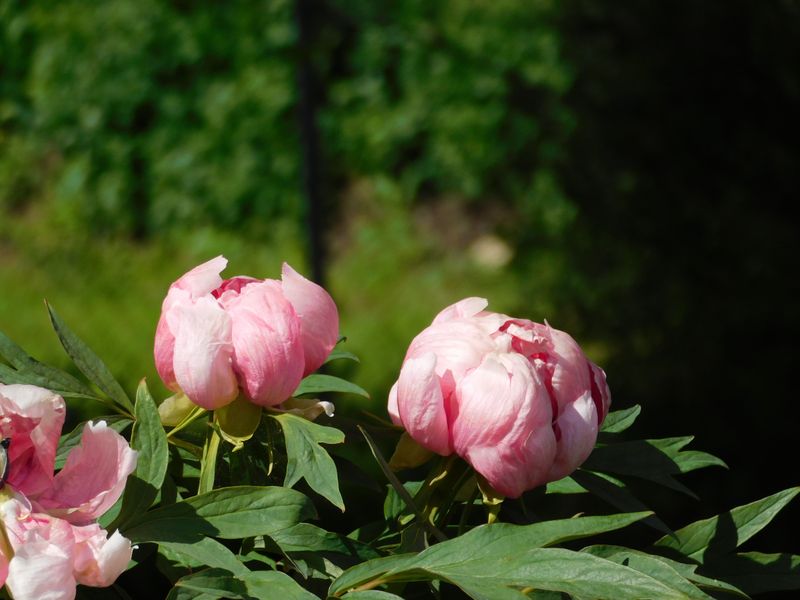
Here is the part that surprises most gardeners when they first learn it. The ants crawling all over those buds are not hurting the plant at all.
Ants do not chew through peony tissue, block water uptake, or interfere with the bloom process in any documented way.
Available research has not linked ant presence to slower bud development or reduced flower quality in healthy peonies. The blooms open on their own schedule regardless of how many ants are present.
Some gardeners worry that ants might be farming aphids on their peonies, which would be a different story entirely. But ants visiting for nectar are not the same as ants managing aphid colonies.
If you check your peony stems carefully and see small soft-bodied insects clustered near the leaves, that is a separate issue worth addressing. Nectar-seeking ants on the buds alone are harmless.
The plant does not experience stress from ant activity the way it would from a true pest infestation. There is no wilting, no discoloration, and no stunted growth associated with normal ant visits.
Virginia peonies have been growing alongside local ant species for generations. The two have coexisted without causing each other problems for generations of garden history.
Knowing this should bring real peace of mind to any gardener who has spent years worrying about those tiny crawlers. Your plant is healthy, and those ants are proof of it.
Ants Get Food, The Plant Gains Little In Return
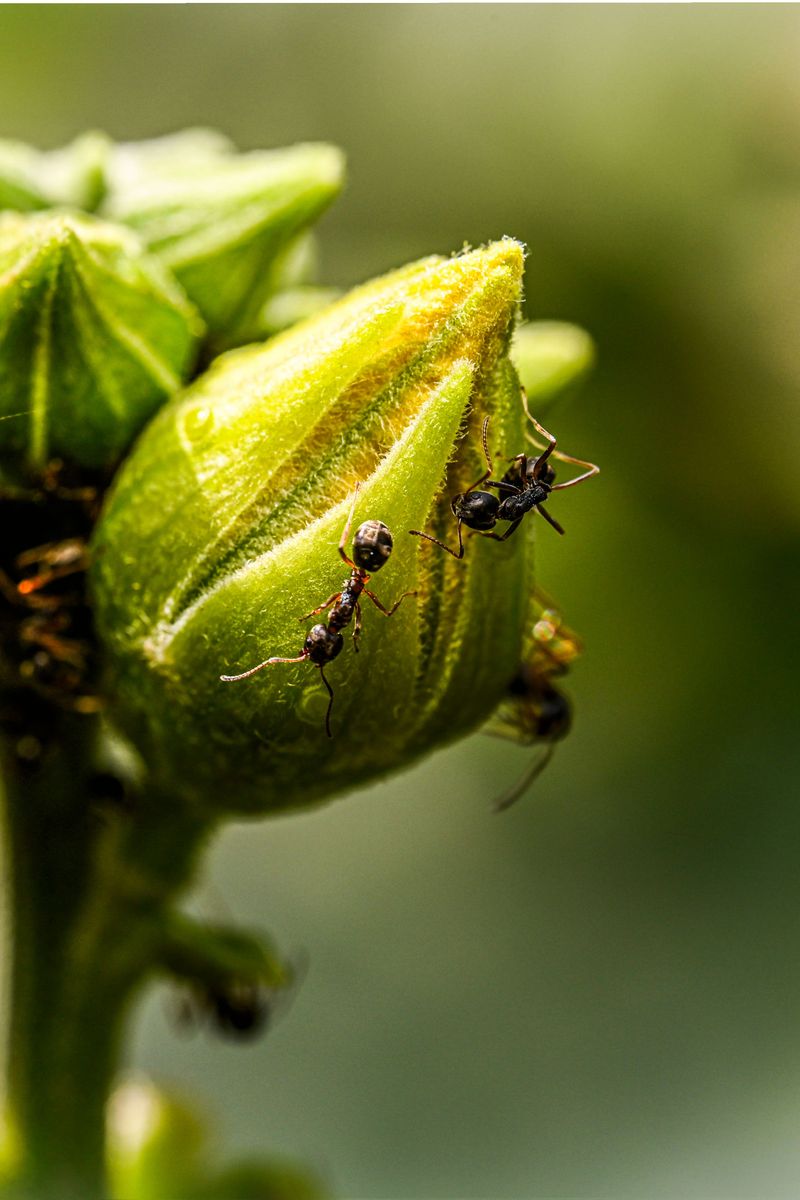
Here is a clear look at the arrangement. The ants walk away with a meal, and whether the peony gains anything in return is still debated.
Some biologists classify this as a commensal relationship, where one side benefits and the other is unaffected. Others argue the ants may offer the plant indirect protection from pests, though that theory remains unproven.
One party benefits, and the other is essentially unaffected, neither helped nor harmed by the interaction.
Peonies are pollinated by bees, beetles, and other flying insects, not by ants. Ants rarely transfer pollen effectively because they lack the body structure that makes bees such great pollinators.
So the plant is not using ants to spread its pollen or improve its reproduction. The nectar production is essentially a byproduct of the bud’s growth process rather than a calculated trade.
Some plant scientists have proposed that ants might offer indirect protection by deterring caterpillars or other herbivores from approaching the buds. But this benefit has not been conclusively proven for peonies specifically.
The more widely accepted view is that extrafloral nectar in peonies is simply a structural feature, not a strategic one. The plant makes it, ants consume it, and both move on.
That might feel anticlimactic after expecting a dramatic symbiotic story. But nature does not always deal in perfect exchanges, and that is perfectly fine.
Understanding the actual relationship between Virginia peonies and ants helps gardeners make smarter decisions. You do not need to intervene, spray, or worry about a partnership that is already perfectly balanced on its own.
Blooms Open Normally Regardless Of Ants
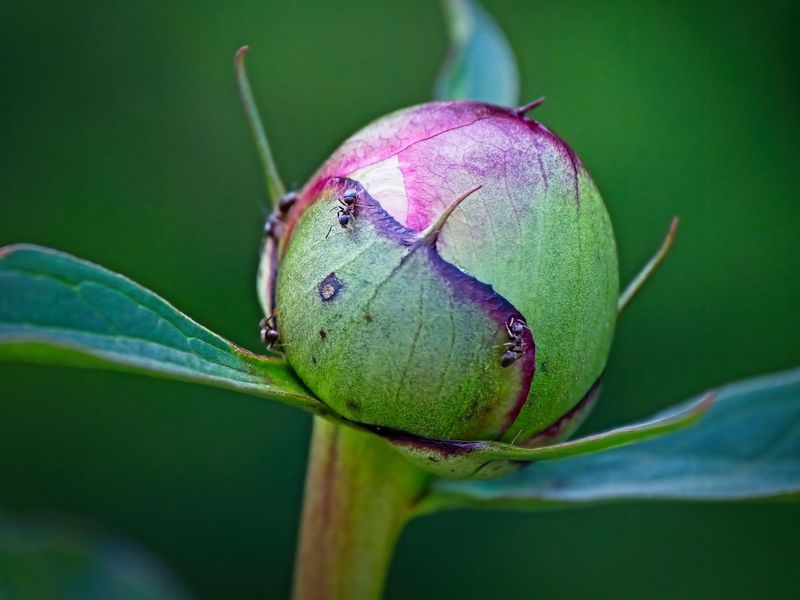
One of the most persistent garden myths is that ants are necessary for peony blooms to open. Plenty of gardeners swear by it, but the science tells a different story.
Peonies open through their own internal biological process. Ants have no role in triggering, assisting, or speeding up that process in any documented way.
The myth likely started because gardeners always saw ants present right before blooms opened. It was an easy conclusion to draw, even if it was the wrong one.
Correlation is not causation, as any science teacher will tell you. The ants and the opening bloom happen at the same time, but one does not cause the other.
You can grow peonies in a completely ant-free environment, such as a greenhouse or a sealed container garden, and the blooms will open just as beautifully. The timing and quality remain the same.
What does affect bloom quality is sunlight, soil nutrition, watering habits, and plant maturity. Those are the real factors that determine whether your peony flowers are spectacular or disappointing.
Virginia peonies that get at least six hours of direct sun and well-draining soil will bloom reliably every spring. Ants are simply along for the ride during that process.
Letting go of the myth actually empowers gardeners to focus on what really matters. Healthy soil and good placement will do far more for your blooms than any ant could ever hope to.
Shake Off Ants Before Bringing Flowers Indoors
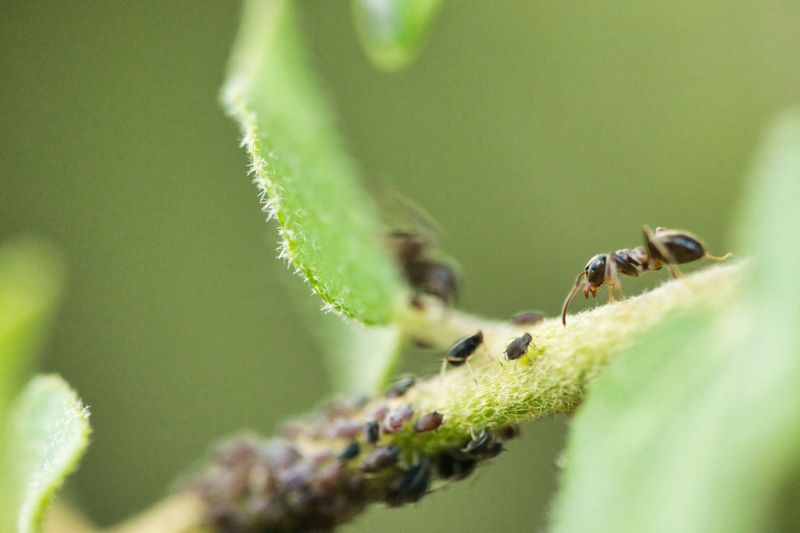
Cutting fresh peonies from your Virginia garden is one of spring’s great pleasures. But walking those ant-covered stems into your house is a different story.
A quick, gentle shake over the garden bed before you head inside is all it takes. Most ants will drop off immediately when the stem is moved briskly through the air.
Do not spray the flowers with water or insecticide to remove ants. Both methods can damage the petals or leave residue that shortens the vase life of your cut blooms.
If you want to be extra thorough, cut your peonies when they are in the soft bud stage, just before they open. At that point, nectar production is slowing and fewer ants are usually present.
Lay the cut stems on a clean outdoor surface for a minute or two before bringing them in. Any remaining ants will wander off on their own without you having to do much at all.
Once the flowers are inside in a vase of fresh water, any ant that hitched a ride will quickly become obvious and easy to remove. A single stray ant is not cause for panic.
Keeping your cut peonies in a cool room away from direct sunlight will extend their bloom time significantly. Properly handled blooms can last well beyond a typical bouquet’s lifespan with regularly changed water.
Virginia peonies and ants belong together in the garden, but your kitchen table is a different story, and a gentle shake keeps everyone where they belong.