These Coastal Virginia Plants Can Handle Storm Winds Better
Ever watched a coastal storm turn your prize tomatoes into flattened salad? In coastal regions, strong winds, salt spray, and sandy soil can put plenty of pressure on a garden.
Some plants bend and bounce back, while others flop, brown, or lose leaves after a rough storm. Choosing tougher plants can save time, money, and plenty of frustration.
Fortunately, there are many plants suited to these conditions. Some handle wet soil, others tolerate salt or brackish water, and many species provide valuable shelter for wildlife.
The key is matching the plant to your site. Meet the Coastal Virginia plants that can handle windy weather while keeping your yard looking beautiful.
1. Wax Myrtle Makes A Useful Coastal Screening Plant
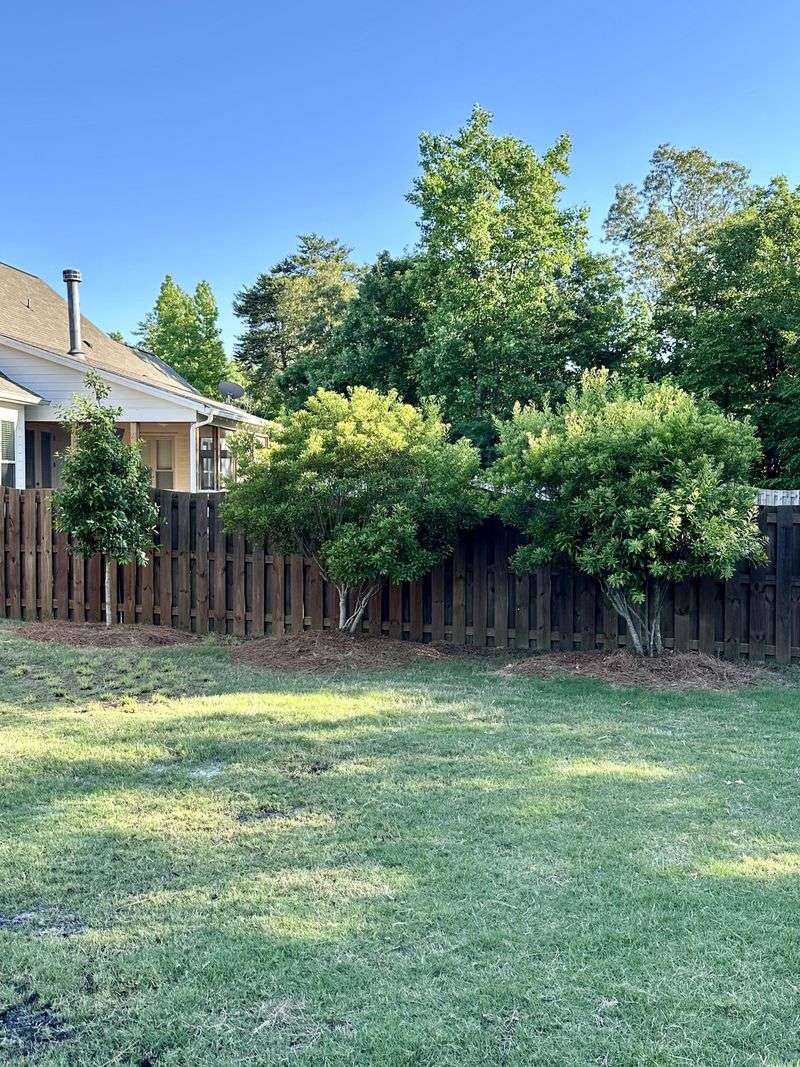
Picture a shrub that smells like a candle shop and shrugs off salty gusts all year long. Wax myrtle, known to botanists as Morella cerifera, fits that description better than almost anything else.
Across coastal Virginia, you can spot it growing wild on dunes, in maritime swamps, and along roadsides. Its dense evergreen leaves stay put through winter storms, which makes it a natural privacy screen.
Most plants reach 10 to 25 feet tall, so plan for some elbow room. Space them about 6 to 8 feet apart if you want a thick hedge fast.
Soil is rarely a problem for this tough customer. Poor sand, heavy clay, and even soggy low spots work, since the roots help fix their own nitrogen.
Wind protection is where wax myrtle really earns its keep. A row planted on the windy side of a yard can slow gusts before they reach tender flowers.
Birds get a bonus, too, if you plant a female shrub. Grayish-blue waxy berries feed yellow-rumped warblers, bluebirds, and tree swallows through the colder months.
Colonial settlers boiled those berries to make fragrant bayberry candles, a fun bit of local history. Kids usually love crushing a leaf and sniffing the spicy scent.
Spreading suckers form colonies over time, which helps hold sandy banks in place. Gardeners with a sloped shoreline can let them roam a bit.
Aromatic oils in the leaves can burn hot, so keep plants at least 10 feet from buildings. Full sun to part shade keeps growth dense, and suckers can be trimmed if they wander.
2. Eastern Red Cedar Handles A Range Of Virginia Sites
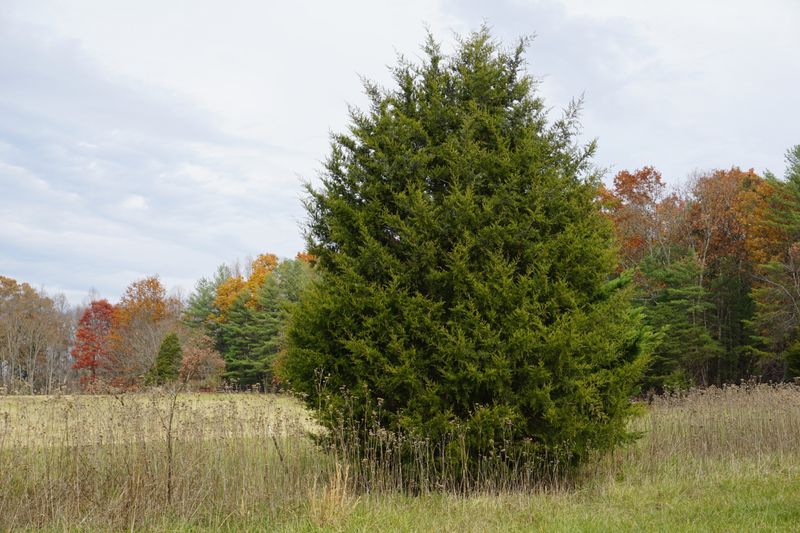
Hurricane-force winds can snap tall pines, yet eastern red cedar often stands firm afterward. Juniperus virginiana grows across nearly every county in the state, from mountain ridges to beachfront lots.
Its secret sits underground in a deep taproot backed by wide lateral roots. Above the soil, dense wood and a compact crown give wind less to grab.
Salt is another challenge this conifer handles with ease. Brackish marsh edges, back dunes, and spray zones near the ocean rarely slow it down.
Dry, rocky, sandy, or otherwise well-drained soil can work for this adaptable evergreen. The main thing it demands is sunshine, though light shade is tolerated.
Need a living windbreak on an open lot? Plant cedars in a staggered double row, roughly 8 feet apart, for thick, solid coverage within several years.
Your Virginia Garden Changes Every Week. Your Plan Should Too.
Gardening in Virginia changes quickly throughout the season. Every Friday you’ll receive a simple weekly plan showing exactly what to plant, prune, fertilize, harvest, and protect so you never miss the right timing.
Wildlife treats a cedar like a combination diner and motel. Female trees carry dusty blue berries that cedar waxwings gobble, and thick branches shelter birds in storms.
Winter brings a surprising color shift you might not expect. The scaly green foliage takes on a coppery bronze tint until spring warms things up.
Fun fact: the aromatic wood has lined cedar chests and closets for generations. Its scent helps keep moths away from stored sweaters and blankets.
Keep cedars away from apple trees if possible, since they share a fungus called cedar-apple rust. Orange, jelly-like galls on branches are harmless to the cedar but hard on nearby apples.
Young trees grow slowly at first, so buy a few extra and be patient. After a few seasons, growth speeds up and the roots anchor deeply against coastal gusts.
3. American Holly Adds Evergreen Structure
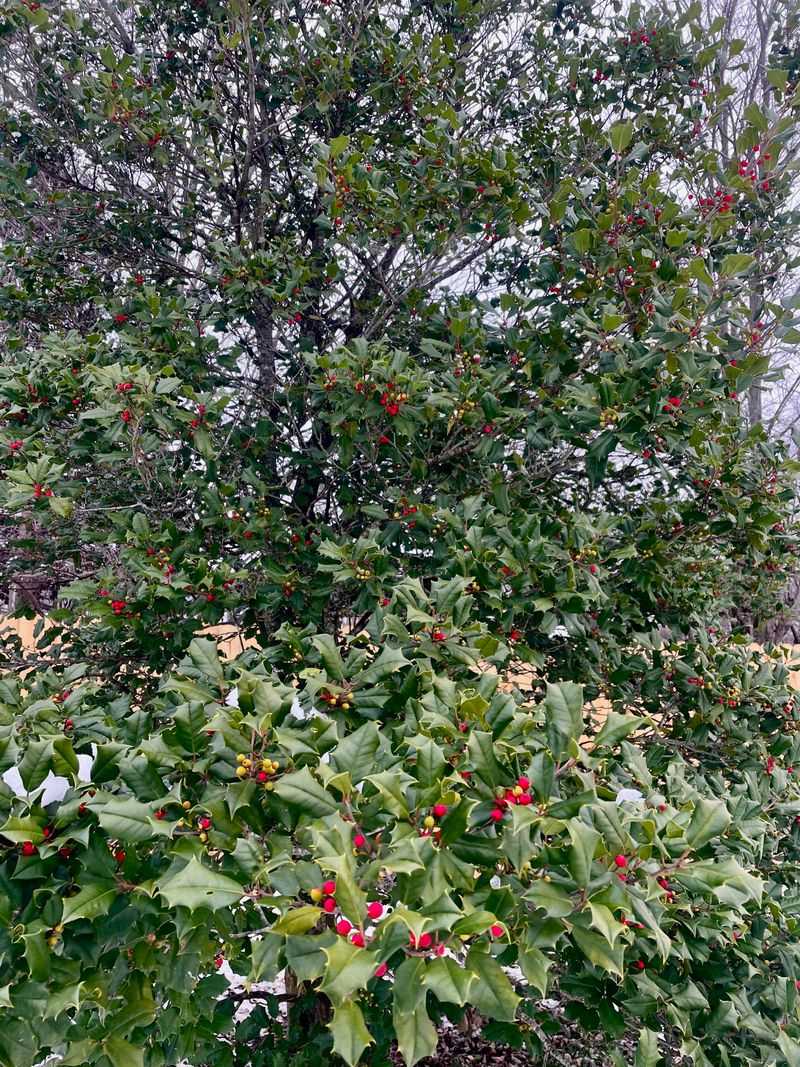
Grandma’s holiday wreath probably borrowed a sprig or two from this classic tree. American holly, or Ilex opaca, has decorated porches for centuries.
Beyond the holidays, it offers serious muscle in a windy yard. It can provide evergreen structure in coastal gardens, but exposed sites with heavy salt spray can be challenging.
Spiny, leathery leaves resist salt spray and stay dark green year-round. Deep roots and a tidy pyramid shape help the tree hold steady during strong blows.
Height ranges widely, from about 15 feet to 60 feet in old forests. Most yard trees settle somewhere in the middle, making them great anchors for a garden bed.
Drainage matters more than you might think with holly. Moist, acidic, well-drained soil keeps it happy, while flooded ground can cause yellowing and decline.
Planting in a low, soggy corner is a common mistake. Save those spots for other plants on this list and give holly slightly higher ground.
Berries require a little matchmaking, since male and female flowers grow on separate trees. Plant at least one male within a few hundred feet so the females produce red fruit.
Once those berries ripen in fall, robins, mockingbirds, and cedar waxwings come calling. Winter birds also tuck into the prickly foliage for shelter from cold, whipping wind.
Young hollies can scorch when dry winter winds blast them before roots settle in. A burlap screen on the windward side for the first two winters helps a lot.
Full sun or partial shade both work well for this slow, steady grower. Water deeply during dry spells in the first year to build strong roots.
4. Sweetbay Magnolia Fits Moist Coastal Conditions
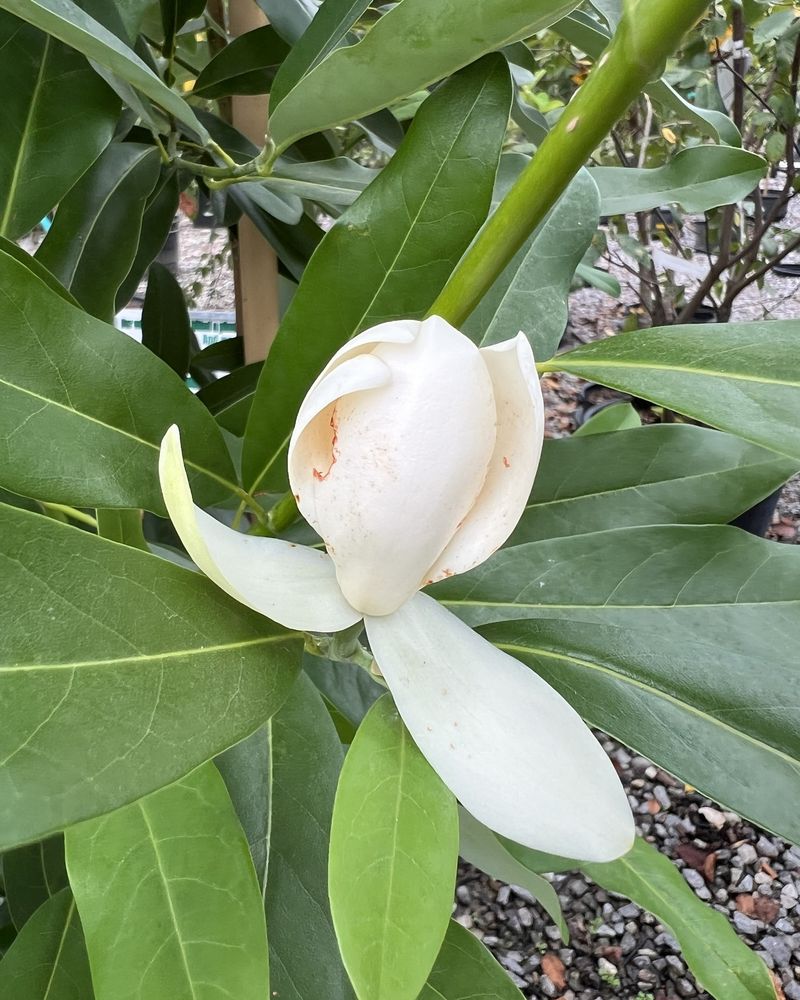
Walk past a blooming sweetbay on a June evening, and the lemony perfume stops you cold. Magnolia virginiana carries its home state right in its scientific name.
Wild trees grow naturally throughout the Virginia coastal plain, often near swamps and creek edges. Gardeners can grow it as a multi-stemmed shrub or train it into a small tree.
Wind resistance is one of its underrated strengths. Flexible branches and a modest size help it handle gusts that tear up weaker ornamentals.
Soggy soil suits it well, which sets it apart from many magnolias. Moist, acidic, rich ground is ideal, and brief flooding after heavy storms rarely bothers it.
Once established, the tree tolerates dry spells better than you might guess. Still, a thick layer of mulch helps keep roots cool and moisture steady.
Creamy white, cup-shaped flowers open from mid-spring into summer. Blooms are smaller than southern magnolia flowers, but the fragrance easily makes up for it.
Flip a leaf over on a breezy day and you will see a silvery underside. Wind makes the whole tree shimmer, which adds movement and sparkle to the garden.
In the northern part of its range, some leaves hang on through winter. Expect a semi-evergreen look in milder winters near the shore.
Butterfly fans will appreciate its role as a host plant. Tiger swallowtail and sweetbay silkmoth caterpillars munch the leaves before becoming striking adults.
Busy roads and polluted city air can stress this tree over time. Choose a sheltered backyard spot rather than a curbside strip for the best results.
5. High-Tide Bush Works Well Near Brackish Water
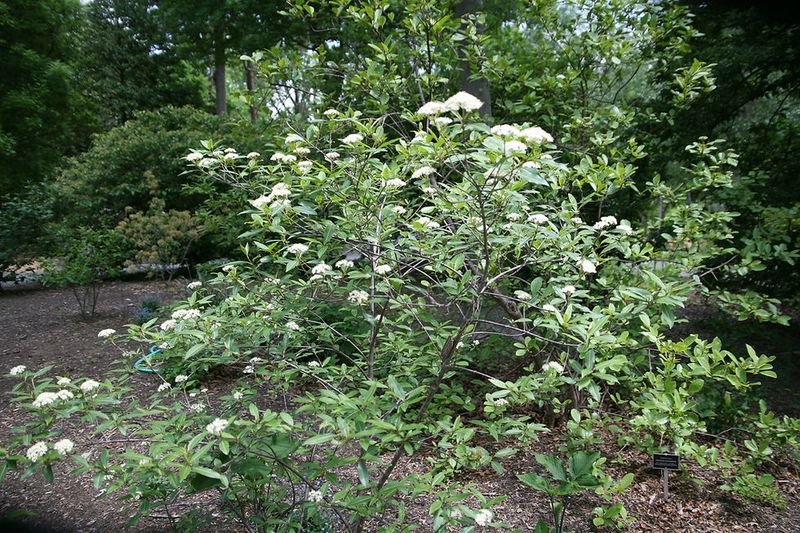
Nobody would call high-tide bush glamorous, but it thrives where fancier shrubs throw in the towel. Picture a marsh edge soaked by salt water, blasted by wind, and baking in summer sun.
Iva frutescens, also called marsh elder, calls those tough tidal spots home. It grows naturally along shorelines, estuaries, and marsh margins throughout coastal region.
High-tide bush is well adapted to salty and brackish coastal conditions, making it useful near marsh edges and shorelines.
Height varies from about 2 to 12 feet, depending on the site. Bushy branches spread wide, forming a leafy buffer that softens incoming gusts.
Hidden below the mud, a busy root system grips loose soil. Waterfront homeowners use it to slow erosion along soft banks and soggy shorelines.
Full sun and moist to wet ground give the best results. Shade makes plants leggy, so keep it out in the open where breezes roam freely.
Late summer brings small greenish-white flowers from August through October. They look plain, yet bees, wasps, and other pollinators happily welcome that late-season nectar.
Seeds follow the flowers and attract finches, sparrows, and other hungry seed-eating birds. Brush against the leaves and you might notice a mild, pleasant aroma.
Try pairing it with groundsel tree and marsh grasses for a natural-looking shoreline planting. Nurseries that specialize in native wetland plants often carry plugs or small containers.
Pruning is optional, though a light trim in early spring keeps the shape tidy. Beyond that, this humble shrub asks for surprisingly little attention or fuss.
6. Swamp Azalea Fits Wet Coastal Garden Spots
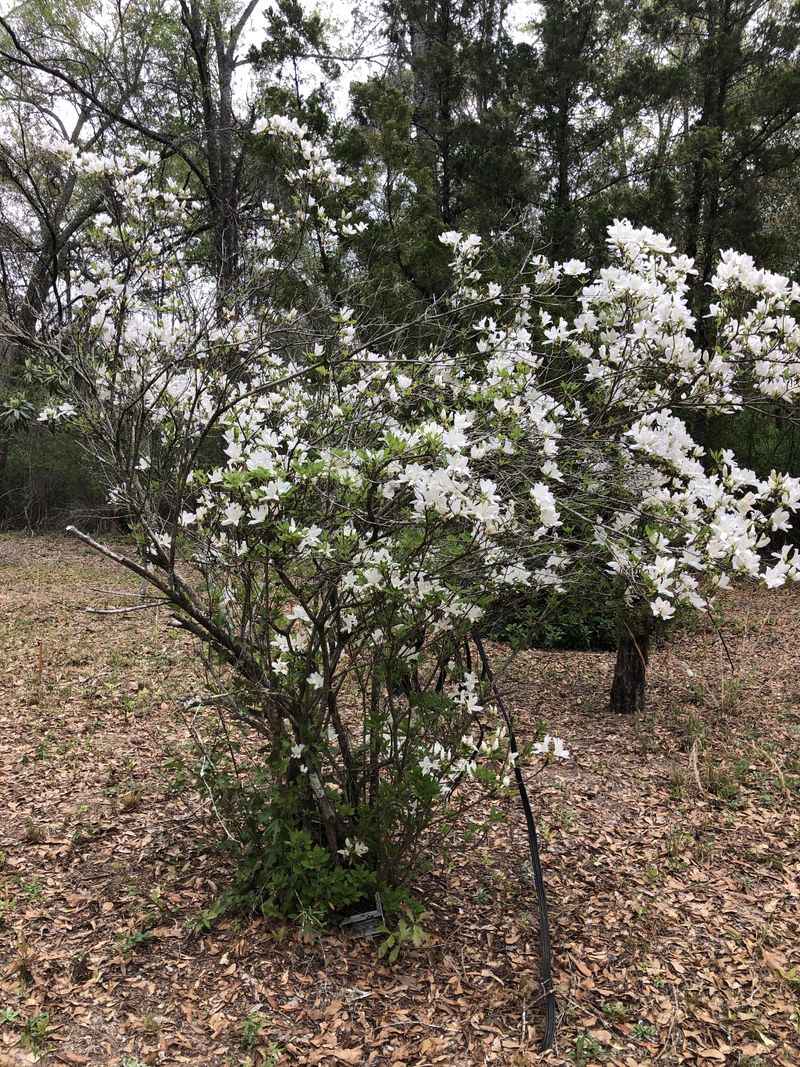
Sticky flowers that smell like spicy cloves? Swamp azalea, or Rhododendron viscosum, pulls off that odd and lovely combination every summer.
Most azaleas sulk in wet soil, but this native thrives in swamps, bogs, and soggy lowlands. For a damp corner that stays wet after rain, it can shine.
Honest advice matters here, because wind tolerance has limits with this shrub. Tuck it behind sturdier plants like wax myrtle or holly to block harsh winter gusts.
Swamp azalea is well suited to moist coastal garden conditions, but salt exposure can be challenging near the bay. Choose a protected site away from direct salt spray.
Partial shade suits it best, though full sun works when soil stays consistently moist. Acidic, humus-rich ground mimics the forest wetlands where it grows wild.
Shallow, fibrous roots dry out quickly, so mulch matters a great deal. Spread 2 to 3 inches of pine straw or shredded leaves around the base.
White to pale pink tubular blooms open from late spring into summer. Hummingbirds, bees, and butterflies zip in for nectar, especially on warm, still evenings.
Autumn adds a second show when leaves turn fiery red. Plants range from about 2 to 10 feet tall, so check the label before buying.
Deer usually leave it alone, since all parts of the plant are toxic. Keep curious pets and toddlers from nibbling leaves or flowers, just to be safe.
Did you know the species name viscosum means sticky? Tiny glandular hairs on the flower tubes feel tacky, and they may help deter crawling insects.
7. Buttonbush Handles Moist Soil And Supports Wildlife
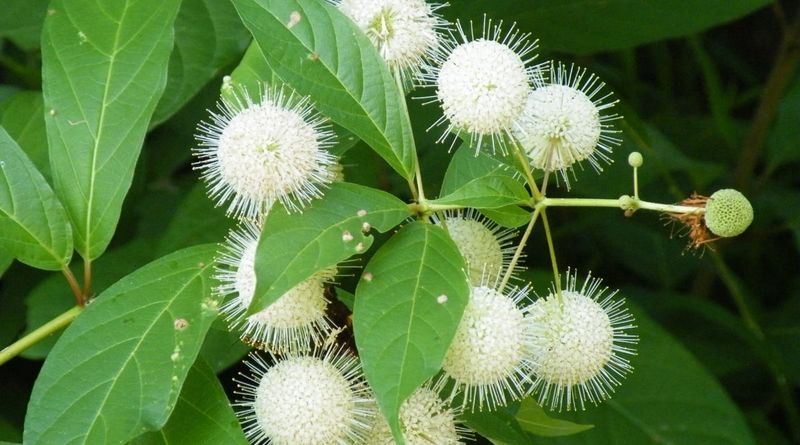
Imagine a flower that looks like a tiny white pincushion or a spiky space satellite. Buttonbush produces hundreds of these fragrant globes from June through August.
Cephalanthus occidentalis grows wild in nearly every corner of the state. Along the coastal plain, it counts as a true wetland plant, happiest with its feet wet.
Standing water up to a few inches deep does not bother it one bit. Rain gardens, pond edges, and drainage ditches make ideal homes for this thirsty shrub.
Dry soil and deep shade are its weak spots. Give it full sun to part shade, and growth can reach 6 to 12 feet quickly.
Pollinators treat the blooms like a summer buffet. Swallowtails, bumblebees, and ruby-throated hummingbirds visit constantly, which makes it a fun plant for kids to watch.
Fall brings hard, ball-shaped seed heads that hang on into winter. Ducks and other waterfowl eat the seeds, while the dry balls add texture to bare branches.
Flexible stems bend with storm winds instead of snapping, a handy trait near open water. Dense roots also help hold soil along streams, ponds, and lakes.
Deer may nibble the foliage lightly, but they rarely cause lasting harm. Older stems can get scraggly, so cut a few back to the ground in late winter.
One safety note deserves attention for families. The plant contains alkaloids that may cause vomiting if swallowed, so teach kids to look, not taste.
Buttonbush also leafs out late in spring, which surprises many first-time growers. Be patient before assuming something went wrong, because fresh green buds usually appear by May.