9 Signs Your Crepe Myrtle Is Struggling In North Carolina
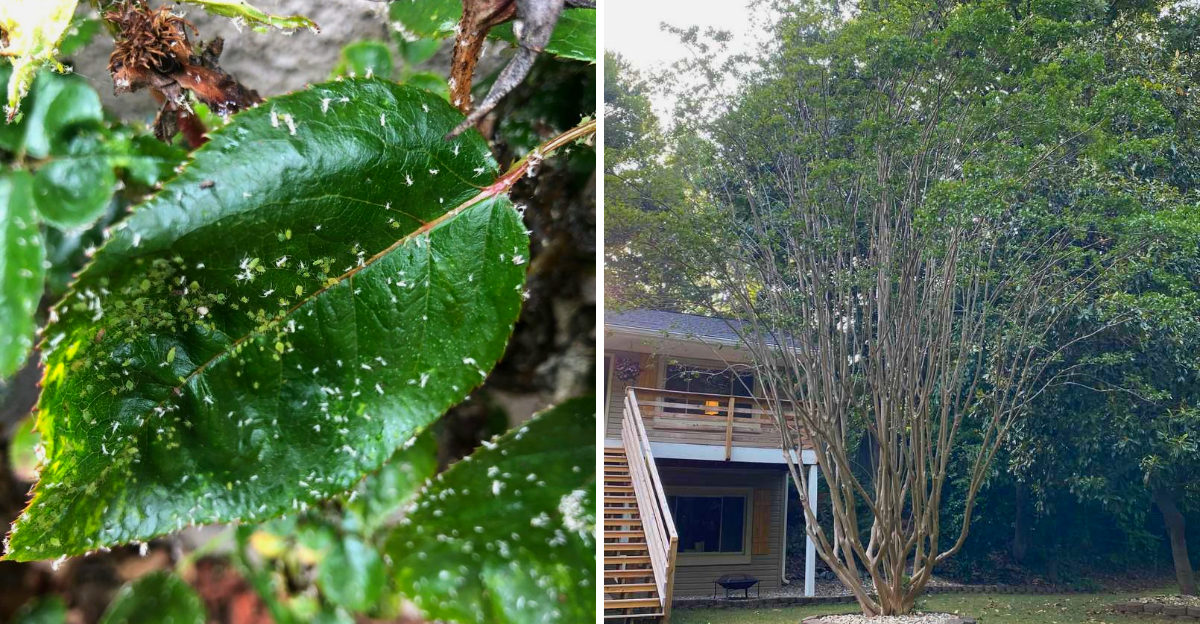
In North Carolina, these trees are the undisputed royalty of summer, painting our streets in vibrant pinks and purples from the coast to the Piedmont. But here’s the catch: our relentless humidity and “moody” spring weather can be a breeding ground for hidden trouble.
Even the toughest local favorites can fall victim to stealthy pests or fungal diseases that thrive in the Southern heat. By the time you notice a lack of blooms, the damage might already be done.
Spotting these red flags early is the only way to ensure your trees stay healthy and headline-worthy all summer long.
1. Leaves Develop White Or Gray Powdery Coating
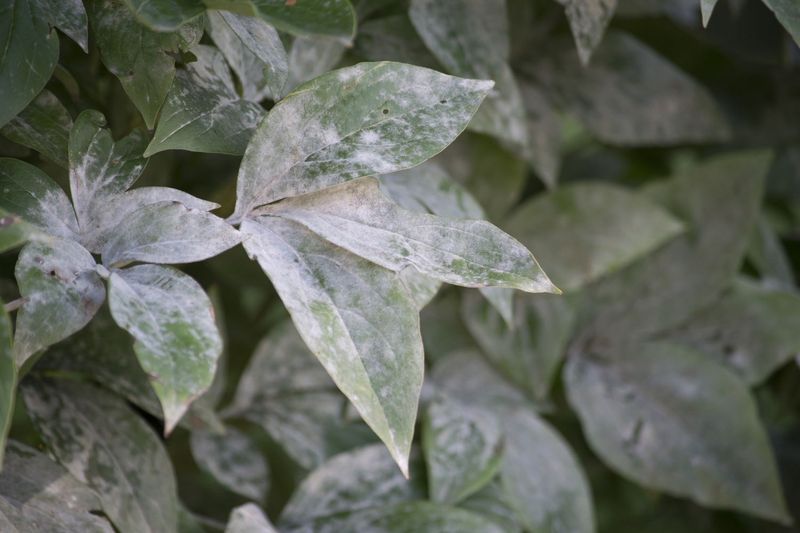
Walk outside on a warm North Carolina morning after a stretch of cool nights, and you might notice a chalky, white dusting spreading across your crepe myrtle’s leaves and new shoots.
That coating is powdery mildew, a fungal disease that thrives when warm daytime temperatures collide with cooler overnight conditions.
It spreads quickly during late spring and early summer, especially in areas with limited airflow.
Unlike many plant diseases, powdery mildew does not need standing water to spread. Its spores travel through the air and land on tender new growth, where they establish fast.
Leaves affected by the fungus may curl, look distorted, or fail to develop properly. Over time, repeated infections can weaken the tree and reduce its energy for blooming.
Improving air circulation around your crepe myrtle is one of the most practical steps you can take. Avoid planting trees too close together, and consider thinning out dense interior branches.
Fungicide sprays labeled for powdery mildew can help manage active infections. Choosing mildew-resistant crepe myrtle varieties is a smart long-term strategy for North Carolina gardeners who deal with this problem season after season.
2. Black Sooty Coating Appears On Leaves And Stems
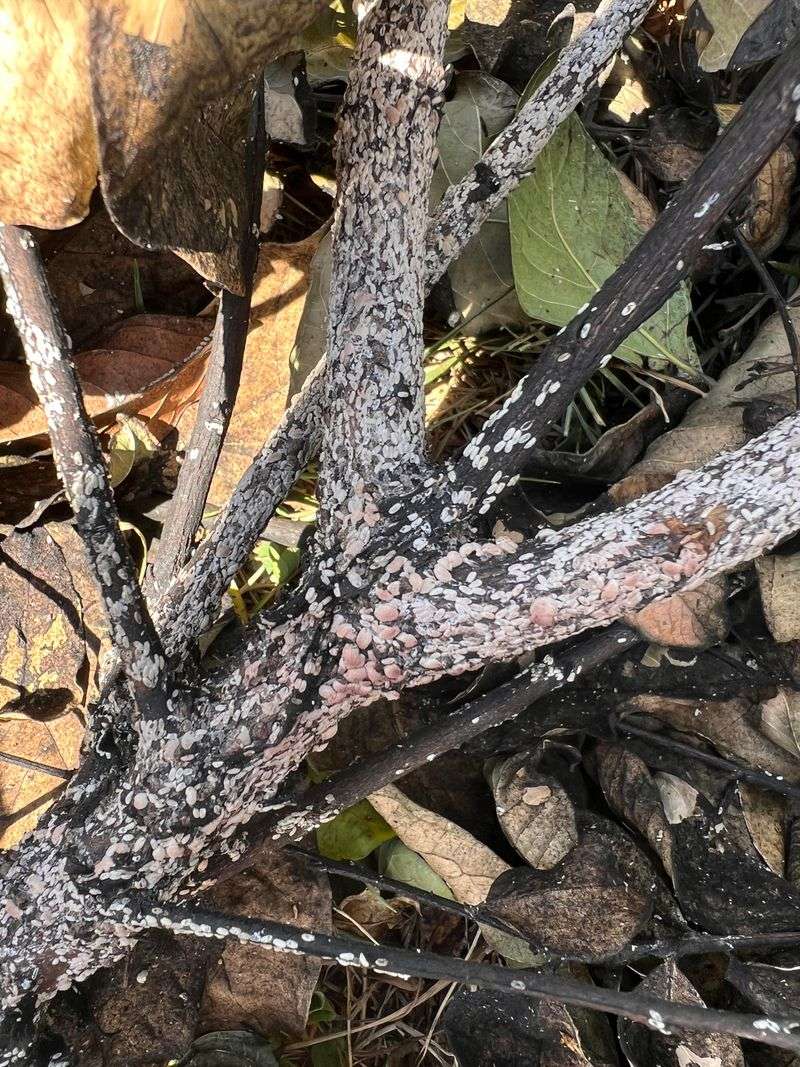
Spotting a dark, grimy coating on your crepe myrtle’s leaves and bark can be unsettling, especially when the tree looked fine just a few weeks earlier.
That black substance is sooty mold, a fungal growth that feeds on the sticky honeydew secreted by sap-feeding insects like aphids and crape myrtle bark scale. The mold itself is not directly attacking the tree, but it signals that a pest problem is already underway.
North Carolina’s warm, humid summers create the kind of environment where aphid populations can explode rapidly. As these insects feed on plant sap and excrete honeydew, sooty mold colonizes the sugary residue and spreads across leaf surfaces and stems.
The dark coating blocks sunlight from reaching the leaves, which gradually reduces the tree’s ability to photosynthesize effectively.
Addressing the pest infestation is the most reliable way to get sooty mold under control. Once honeydew production stops, the mold naturally fades over time.
Horticultural oil applied during the dormant season can help manage bark scale infestations. For aphids, a strong water spray or insecticidal soap works well.
Encouraging natural predators like lady beetles in your North Carolina garden also helps keep pest populations in check.
Your North Carolina Garden Changes Every Week. Your Plan Should Too.
Gardening in North Carolina changes quickly throughout the season. Every Friday you’ll receive a simple weekly plan showing exactly what to plant, prune, fertilize, harvest, and protect so you never miss the right timing.
3. Leaves Turn Yellow During The Growing Season
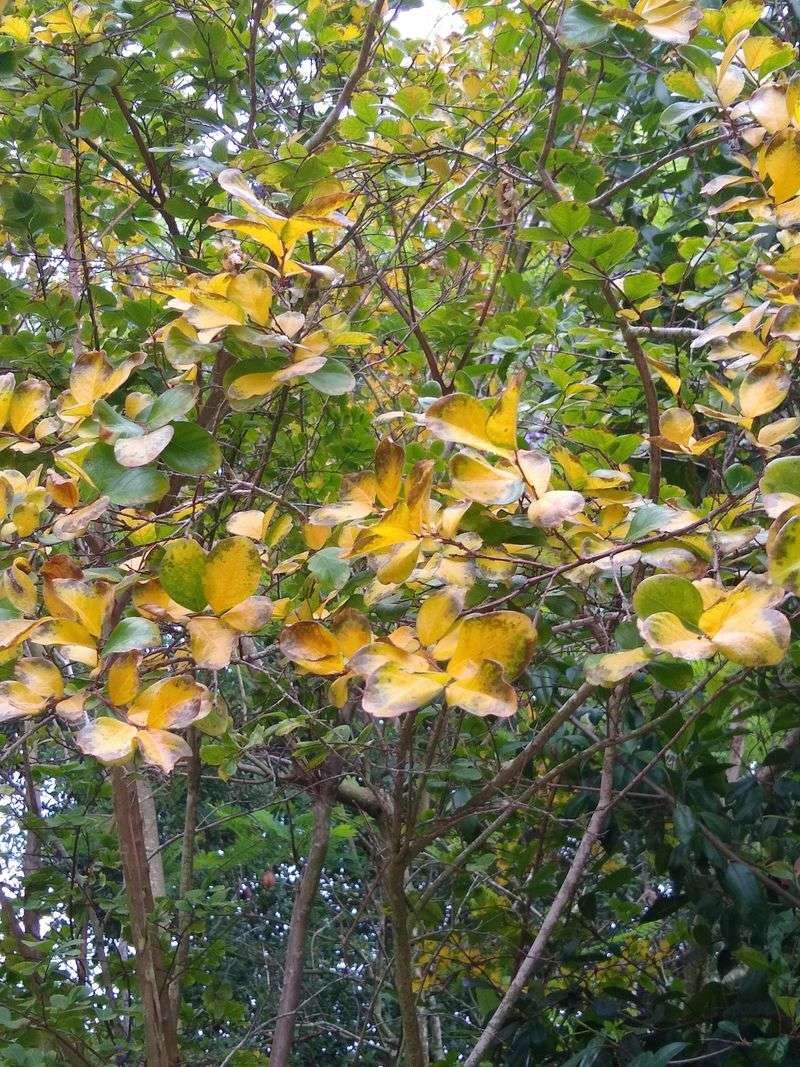
Yellowing leaves on a crepe myrtle during peak summer can catch homeowners off guard, especially when the tree seemed healthy just a month before.
In North Carolina, this kind of yellowing is often linked to soil pH imbalances that prevent the tree from absorbing iron and other nutrients properly.
When the soil becomes too alkaline, the roots struggle to pull in what the plant needs, and leaves begin to lose their deep green color.
Interestingly, the yellowing pattern can offer clues about the cause. When leaf veins stay green while the surrounding tissue turns yellow, that pattern often points to iron deficiency, a condition called chlorosis.
Overwatering, poor drainage, and compacted soil can also contribute to yellowing by suffocating roots and limiting nutrient uptake.
Getting a soil test is a practical first step for any North Carolina gardener dealing with this problem. Many local cooperative extension offices provide affordable testing that reveals pH levels and nutrient deficiencies.
Based on the results, you may need to amend the soil with sulfur to lower pH or apply chelated iron supplements.
Improving drainage around the root zone and adjusting your watering schedule can also help the tree regain its color and vitality through the remainder of the growing season.
4. Stunted Growth Or Sparse New Leaves In Spring
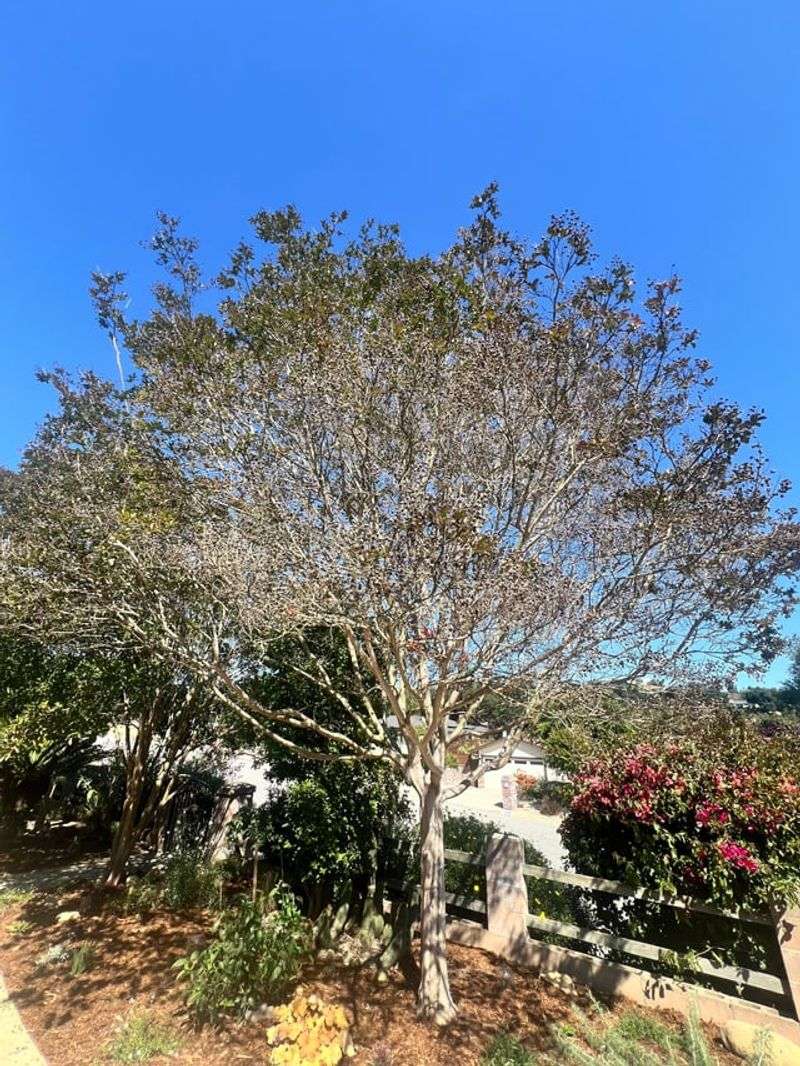
Spring in North Carolina can be unpredictable, swinging between warm sunny days and late cold snaps that catch plants off guard.
When a crepe myrtle pushes out only a handful of small, scattered leaves instead of its usual flush of new growth, something is likely holding it back.
Stunted spring growth is one of the earlier signs that a tree is under stress, and the causes can range from winter root damage to soil compaction or even heavy pest pressure from the previous season.
Crepe myrtles that were severely pruned in late fall or winter sometimes struggle to generate vigorous spring growth because the cuts remove energy reserves stored in the upper branches.
Compacted or waterlogged soil can also restrict root expansion, leaving the tree without the resources it needs to grow confidently. Root competition from nearby trees or turf grass is another factor worth considering.
Give the tree some time before drawing conclusions, since crepe myrtles are among the last trees to leaf out each spring. If growth remains sparse well into May in North Carolina, scratch a small section of bark to check for green tissue underneath.
Green means the branch is viable. Amending the soil, aerating compacted ground, and mulching the root zone can all support a stronger recovery through the rest of the season.
5. Fewer Or Delayed Blooms In Summer
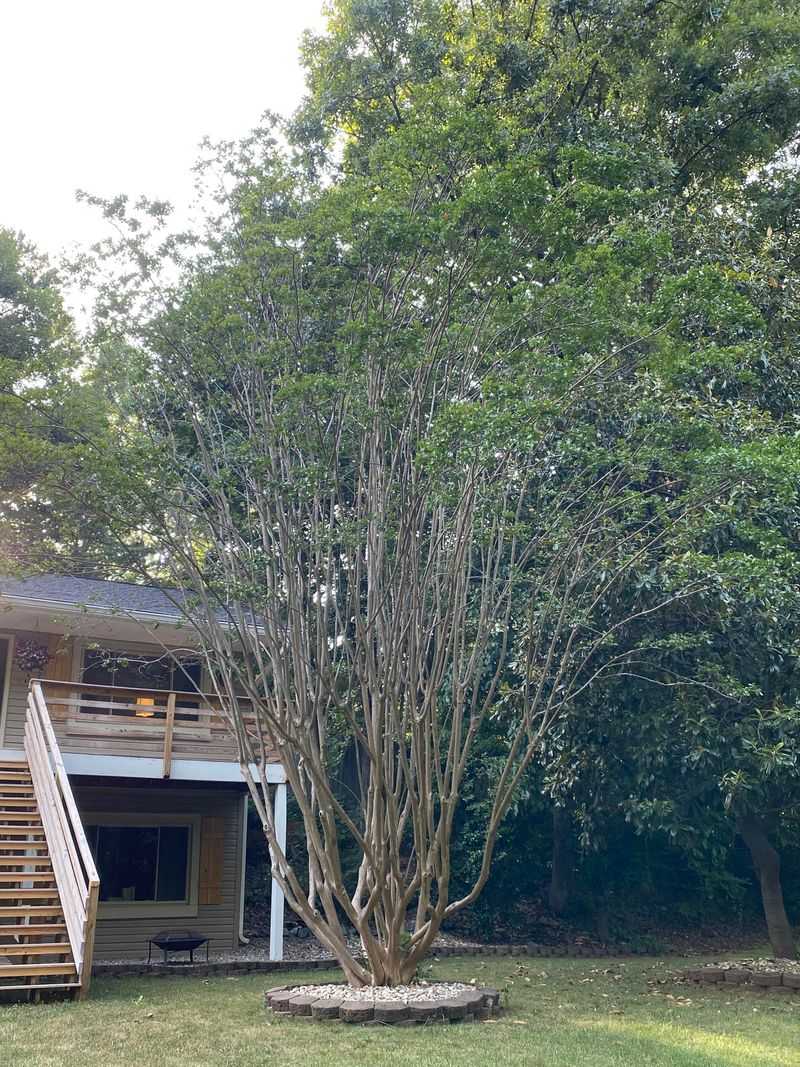
One of the biggest reasons homeowners plant crepe myrtles across North Carolina is the spectacular summer bloom display, so when that show fails to appear on schedule, it is hard to ignore.
Reduced or delayed flowering is a fairly common complaint, and in most cases, it comes down to a handful of manageable causes rather than a serious underlying problem.
Insufficient sunlight is one of the top culprits. Crepe myrtles are sun-loving trees that need at least six hours of direct light each day to bloom well.
Planting near structures, fences, or large shade trees can cut into that requirement significantly. Excessive nitrogen fertilizer is another frequent issue.
When a tree receives too much nitrogen, it channels its energy into producing lush green foliage at the expense of flower production.
Heavy pruning, particularly the practice of severe topping that is unfortunately widespread in North Carolina, removes the branch tips where flower buds form and can delay or reduce blooming considerably.
Switching to a low-nitrogen, bloom-promoting fertilizer in late spring and avoiding major pruning after midsummer gives the tree its best chance at a full floral display. Patience and consistent care usually bring the blooms back in following seasons.
6. Bark Splitting Or Peeling Beyond Normal Patterns
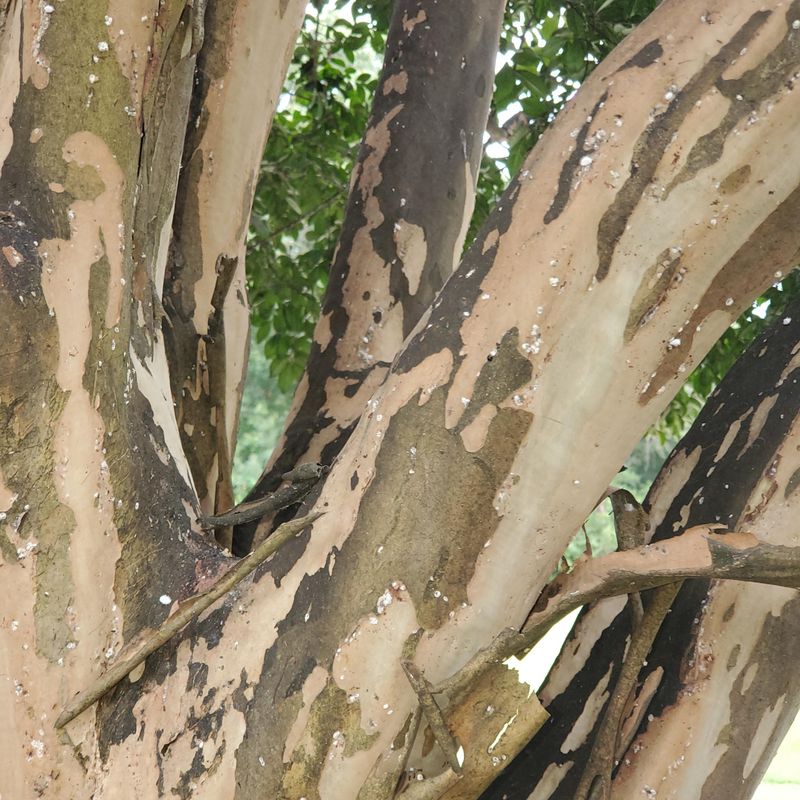
Crepe myrtles are well known for their attractive, naturally peeling bark, which is one of the features that makes them so popular across North Carolina. The smooth, multicolored trunk that emerges after normal bark shedding is a visual highlight of the tree.
However, not all bark peeling is part of that natural process, and learning to tell the difference matters when assessing your tree’s health.
Splitting that occurs vertically along the trunk, exposes raw wood beneath, or appears in areas where no peeling has happened before can point to frost damage, physical injury, or disease.
In colder parts of North Carolina, hard freezes can cause the outer bark to crack when moisture inside the trunk expands rapidly.
Sunscald, which happens when winter sun warms bark during the day and temperatures plunge overnight, can also cause cracking on the south and west sides of the trunk.
Inspect the exposed wood carefully. Healthy wood beneath the bark should be cream-colored or greenish.
Discolored, dry, or sunken wood may indicate a more serious issue that warrants a closer look from a certified arborist.
Wrapping young trees during North Carolina’s coldest months and avoiding damage from lawn equipment near the base are straightforward ways to protect the bark from unnecessary stress.
7. Sticky Residue On Leaves Or Surfaces Below The Tree
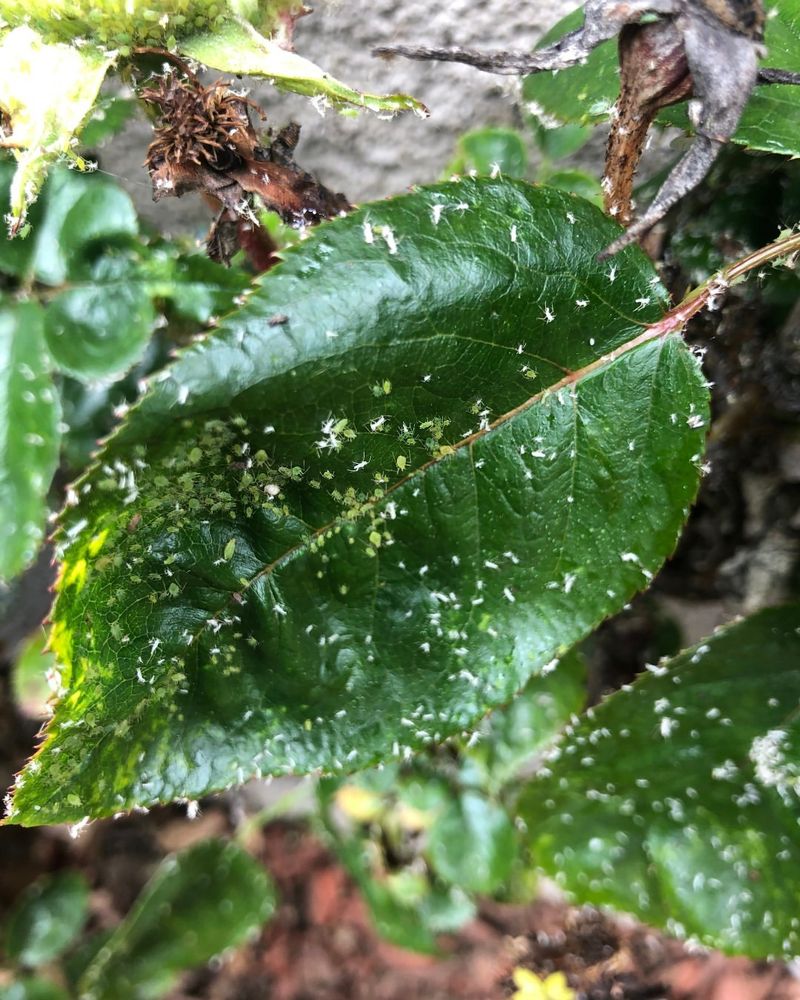
Finding a sticky film on your car, patio furniture, or the sidewalk beneath your crepe myrtle is one of those small annoyances that actually tells a bigger story. That tacky substance is honeydew, a sugary liquid excreted by sap-feeding insects such as aphids, scales, and whiteflies.
Crepe myrtles in North Carolina are especially vulnerable to aphid infestations during warm summer months, when populations can multiply rapidly on new growth.
Aphids tend to cluster on the undersides of leaves and on tender shoot tips, where they feed continuously on plant sap. As they feed, they excrete honeydew in noticeable quantities.
Beyond the mess, the honeydew creates the ideal growing conditions for sooty mold, which can then spread across leaf surfaces and reduce the tree’s ability to absorb sunlight.
A strong blast of water from a garden hose can knock aphid colonies off the leaves and provide quick, chemical-free relief.
For larger infestations, insecticidal soap or neem oil applied in the early morning hours tends to be effective without harming beneficial insects significantly.
Checking your crepe myrtle regularly through the summer, especially after periods of rapid new growth, helps catch infestations early before the sticky residue becomes a widespread problem across your North Carolina yard.
8. Branches Fail To Leaf Out In Late Spring
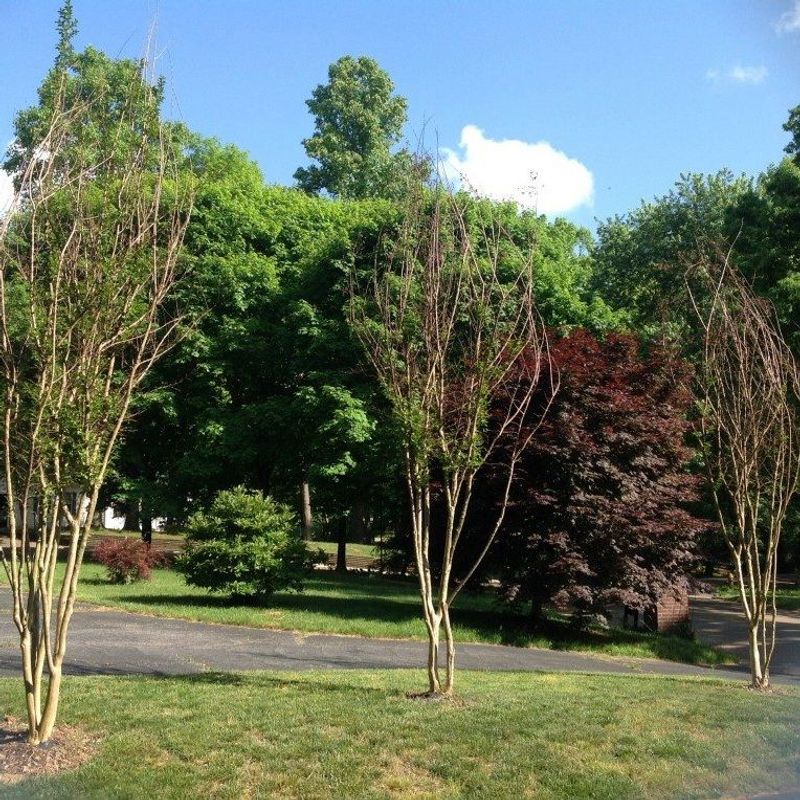
By late April or early May in North Carolina, most crepe myrtles should be showing signs of life with fresh green buds opening along their branches. When a section of the canopy remains bare while the rest of the tree leafs out normally, that is a signal worth taking seriously.
Branch damage can result from winter cold injury, disease, pest activity, or physical wounds that went unnoticed during the dormant season.
North Carolina’s western mountain counties occasionally experience late freezes that can damage upper branch growth on crepe myrtles, particularly on varieties that are not rated for colder hardiness zones.
Even in the Piedmont and coastal regions, an unusually hard frost in late winter can tip-damage less cold-hardy cultivars.
Crape myrtle bark scale infestations that go unmanaged can also weaken individual branches to the point where they no longer have the resources to push new growth.
The scratch test is a reliable diagnostic tool in this situation. Using a fingernail or small knife, gently scratch the surface of a suspect branch.
Green or moist tissue underneath indicates the branch is still viable and may simply be slower to break dormancy. Dry, brown, or hollow tissue suggests the branch has been lost.
Removing confirmed damaged wood cleanly with sanitized pruning tools encourages the tree to redirect energy into healthy new growth.
9. Small Or Distorted Leaves On New Growth
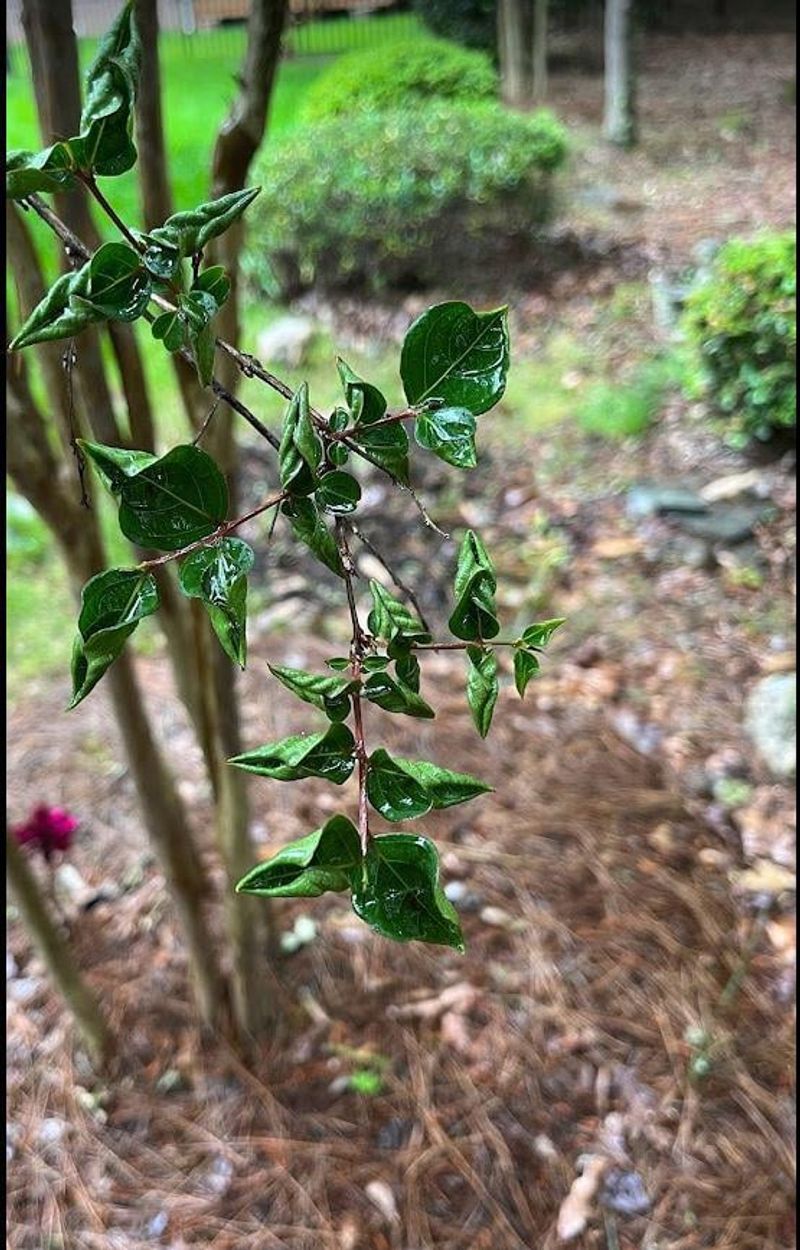
Watching a crepe myrtle push out new leaves in spring is usually satisfying, but when those leaves emerge looking twisted, cupped, or unusually small, something is interfering with normal development. Distorted foliage on new growth is often one of the earliest visible signs of aphid feeding, since these insects target the most tender tissue first.
Their feeding disrupts the normal cell development in young leaves, causing them to curl inward or emerge misshapen.
Powdery mildew can produce similar symptoms, especially during the cool, humid stretches of spring weather that North Carolina experiences regularly.
When mildew spores colonize new growth, the tissue may fail to expand properly, resulting in stunted or puckered leaves that never fully develop.
Herbicide drift from nearby lawn treatments is another possible cause that is easy to overlook, as even small exposures can cause leaf distortion in sensitive new growth.
Taking a close look at the undersides of the affected leaves is a good starting point for narrowing down the cause. Aphids are visible to the naked eye and tend to cluster in groups.
Powdery mildew appears as a white or gray powdery film. Herbicide damage typically affects the whole plant rather than isolated sections.
Once the cause is identified, targeted treatment combined with improved growing conditions usually allows the tree to produce healthy growth as the season progresses in North Carolina.