The Only Native Texas Perennial You Need If You Want A Border That Fills Itself In Every Season
Border maintenance in a Texas garden is one of those ongoing commitments that can quietly take more time and energy than any other part of the yard, filling gaps left by plants that did not make it through summer, managing the ones that spread more than intended, and replanting sections that look thin by the time fall arrives.
There is a native Texas perennial that removes most of that work from the equation, filling a border with purpose and consistency across every season without needing to be divided constantly, replaced after a difficult summer, or supplemented with annuals to cover the gaps.
It spreads naturally enough to fill in over time, comes back each year with more presence than the season before, and produces blooms or foliage interest through a stretch of the Texas growing calendar that most border plants cannot sustain on their own.
Once it is established, the border it occupies largely takes care of itself in a way that most Texas gardeners stop expecting after their first few seasons of fighting the climate.
Meet Autumn Sage
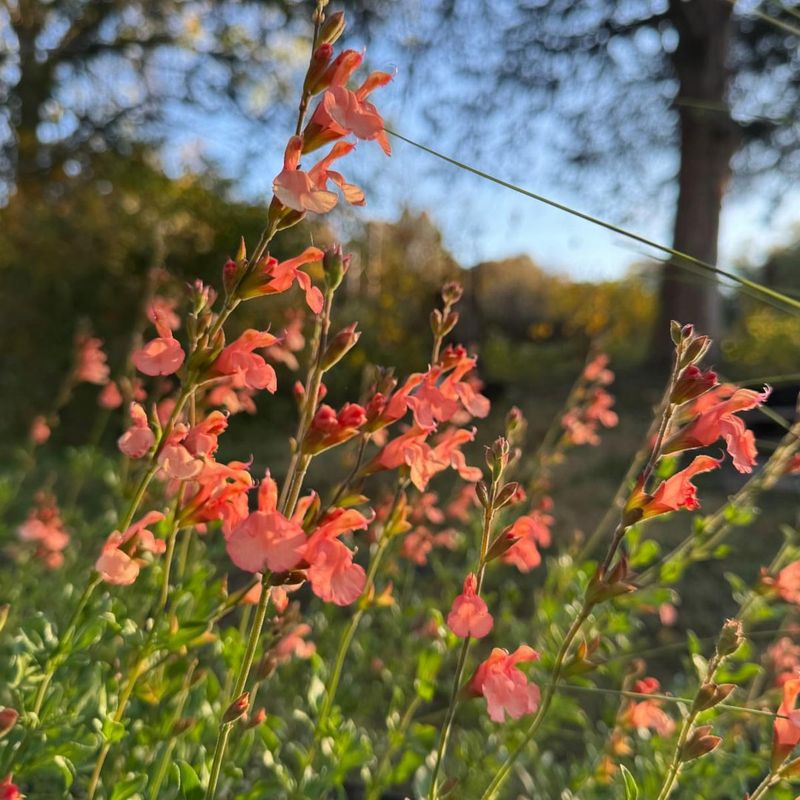
Salvia greggii goes by many names, but most Texas gardeners simply call it Autumn Sage. Native to the rocky slopes of West Texas and northern Mexico, this perennial has been quietly thriving in harsh conditions for centuries.
It is not a newcomer to the gardening world, and that long track record speaks volumes. The plant grows in a compact, clumping shape, usually reaching about one to three feet tall and wide.
Its stems are woody at the base, giving it structure and staying power through cold snaps and dry spells alike.
The leaves are small, aromatic, and a rich deep green that stays attractive even when the plant is not in bloom.
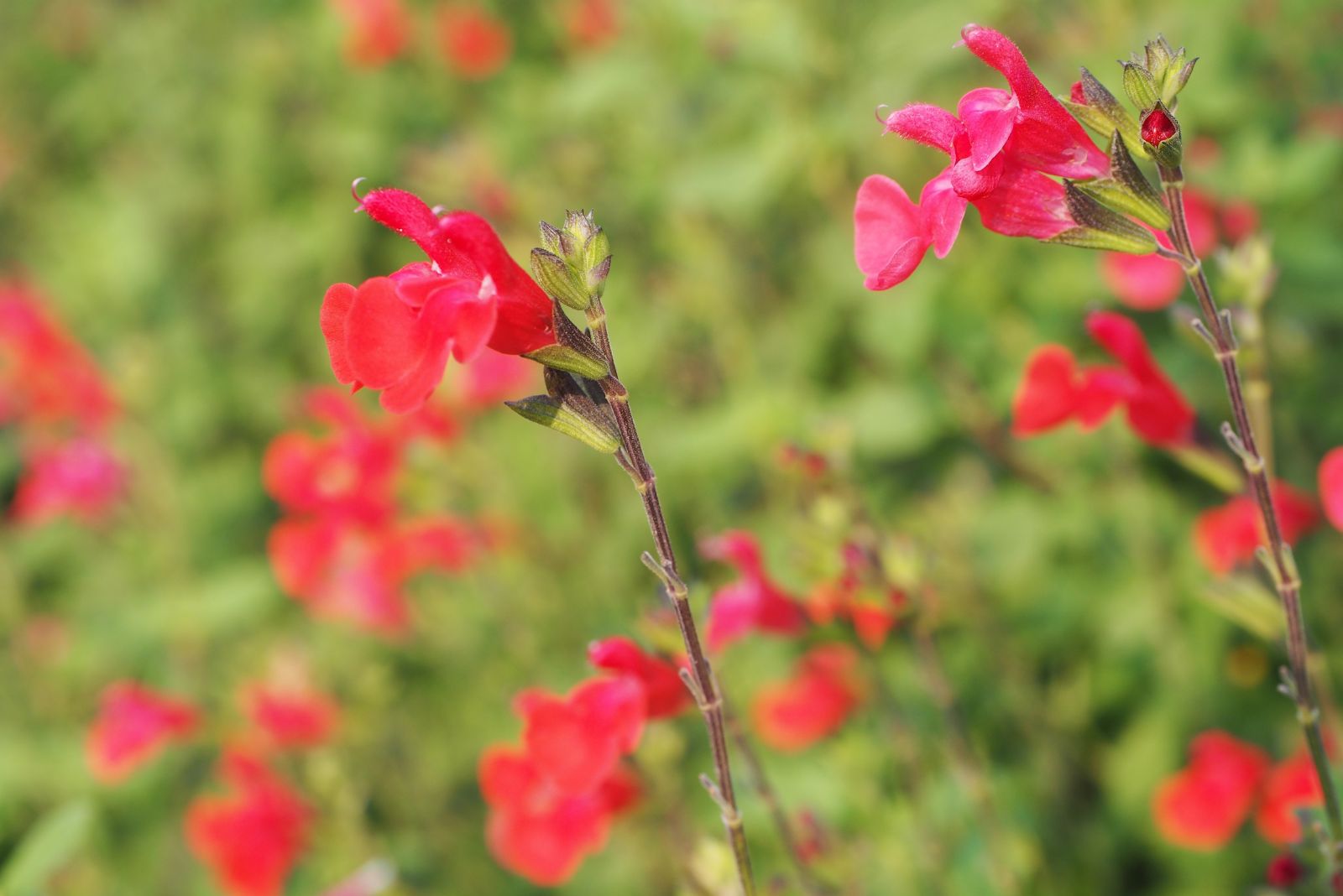
What really turns heads are the flowers. Slender, tubular blooms in shades of red, pink, coral, salmon, and purple shoot up from the stems in clusters.
They look almost like tiny trumpets calling out to every hummingbird and butterfly in the neighborhood. The blooms are not just pretty; they are purposeful.
Autumn Sage earned its name honestly. While many plants slow down as temperatures drop in fall, this one keeps right on blooming.
It pushes out fresh flowers well into November in most parts of Texas, making it one of the longest-blooming natives you can plant. For gardeners who want reliable color without constant replanting, that kind of staying power is hard to beat.
It is a plant that rewards you simply for putting it in the ground and giving it a little space to grow.
Self-Filling Growth Habit
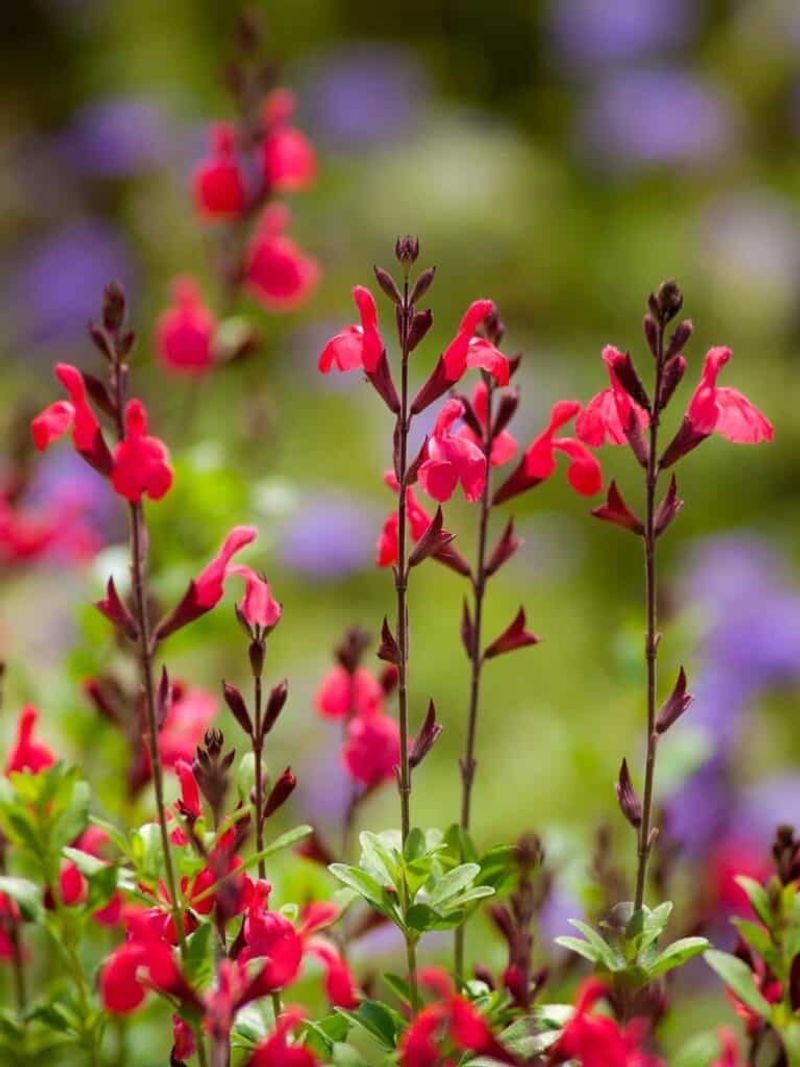
One of the best things about Autumn Sage is that it does not just sit in one spot and stay small forever. Over time, it gradually spreads outward, filling in gaps and bare patches along a border without any help from you.
That natural spreading habit is exactly what makes it such a smart choice for low-maintenance gardening.
Each plant slowly expands through a combination of root growth and self-seeding. New seedlings pop up nearby, creating a fuller, denser look as the seasons pass.
Your Texas Garden Changes Every Week. Your Plan Should Too.
Gardening in Texas changes quickly throughout the season. Every Friday you’ll receive a simple weekly plan showing exactly what to plant, prune, fertilize, harvest, and protect so you never miss the right timing.
You do not have to buy dozens of plants to get that lush, established border look. A handful of well-placed Autumn Sage plants will do the work themselves over a growing season or two.
This self-filling quality is especially helpful along driveways, walkways, or fence lines where you want continuous coverage without constant replanting. The plants knit together naturally, creating a thick, flowing border that looks intentional and polished.
Weeds have a much harder time sneaking in when the ground is covered with healthy, established plants.
Gardeners who have tried to maintain traditional annual borders know how exhausting it can be. You plant, it looks great for a few weeks, then you start all over again.
Autumn Sage breaks that cycle completely. Once it settles in, it builds on itself season after season, giving you more coverage and more blooms every year.
That kind of dependable, self-managing growth is rare in the plant world, and it makes Autumn Sage one of the most rewarding perennials you can add to any Texas garden border.
Thrives In Texas Heat
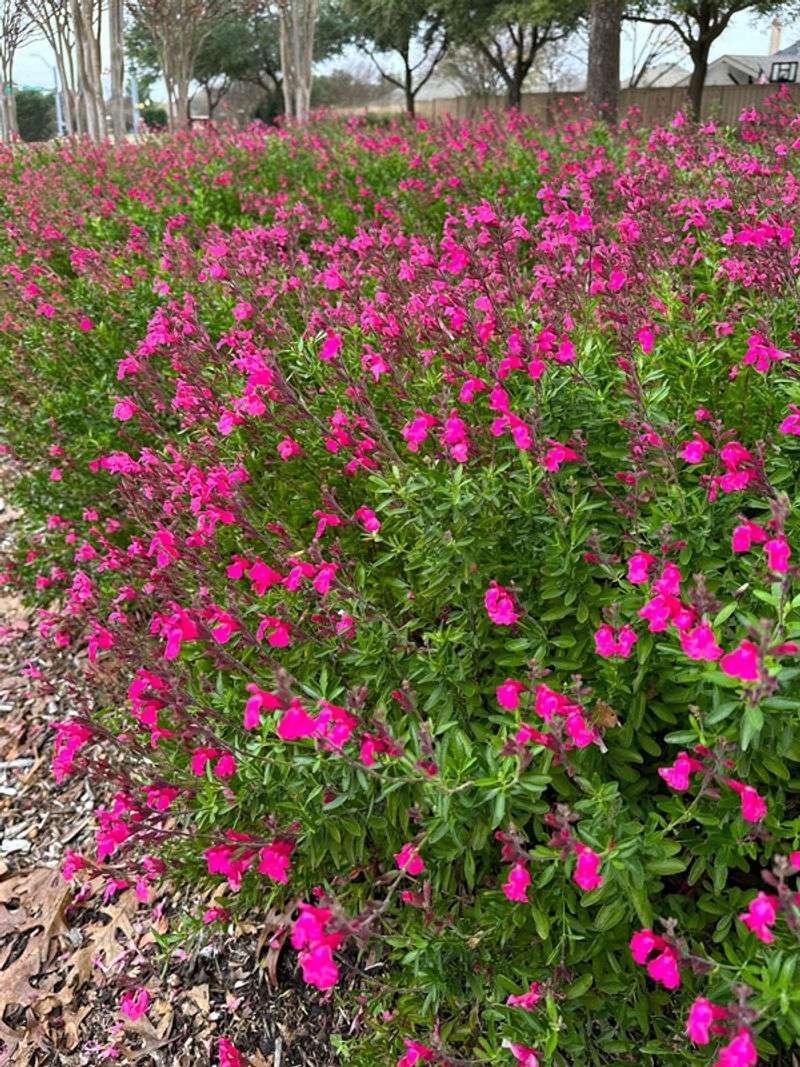
Texas summers are no joke. Temperatures regularly climb past 100 degrees, the sun beats down hard, and rain can disappear for weeks at a time.
Most garden plants struggle under those conditions, but Autumn Sage was literally built for them. It evolved in the rocky, sun-baked terrain of West Texas, so heat and drought are not problems for this plant; they are just normal Tuesday weather.
Full sun is where Autumn Sage performs best. Give it at least six hours of direct sunlight per day, and it will reward you with non-stop blooms and vigorous growth.
Planting it in too much shade will cause it to get leggy, produce fewer flowers, and become more vulnerable to fungal issues. Sun is its fuel.
Once established, which usually takes one full growing season, Autumn Sage becomes remarkably drought-tolerant.
Its deep root system pulls moisture from far below the soil surface, allowing it to stay healthy and blooming even when the top few inches of ground are bone dry.
You may need to water a new plant regularly during its first summer, but after that, nature mostly handles things.
Compared to non-native plants that demand regular irrigation, fertilizer, and coddling just to survive a Texas summer, Autumn Sage is almost shockingly easy. It does not need rich soil, and it does not need a lot of attention.
In fact, too much water or fertilizer can actually work against it by causing weak, floppy growth. Less truly is more with this plant, which makes it a dream for any gardener who wants beauty without constant effort.
Long Blooming Season
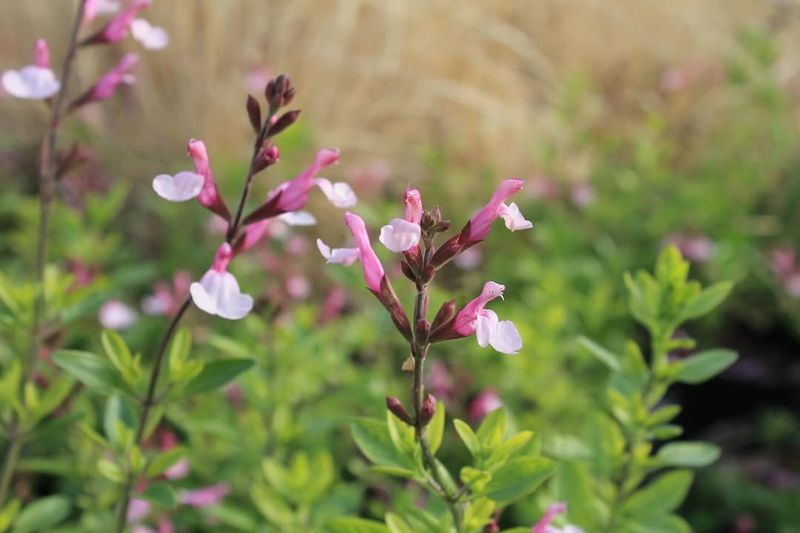
Most flowering plants give you a few weeks of blooms and then call it done for the year. Autumn Sage operates on a completely different schedule.
It starts blooming in early spring, keeps going through the heat of summer, and then hits a second wind in fall when temperatures cool back down. That kind of extended bloom time is genuinely rare and incredibly valuable in a garden border.
The flower colors available in Salvia greggii are wonderfully varied. You can find classic red, soft pink, hot coral, deep magenta, lavender, and even white varieties at most Texas nurseries.
Mixing a few different colors together creates a border that looks rich and layered, almost like it was professionally designed. Each plant holds its color true year after year, so you always know what you are getting.
During the hottest stretch of summer, blooming may slow down slightly. That is completely normal behavior for this plant.
Once temperatures start dropping in late August or September, Autumn Sage responds with a fresh burst of flowers that can last all the way until the first hard freeze. That fall rebloom is one of the most celebrated things about this perennial among Texas gardeners.
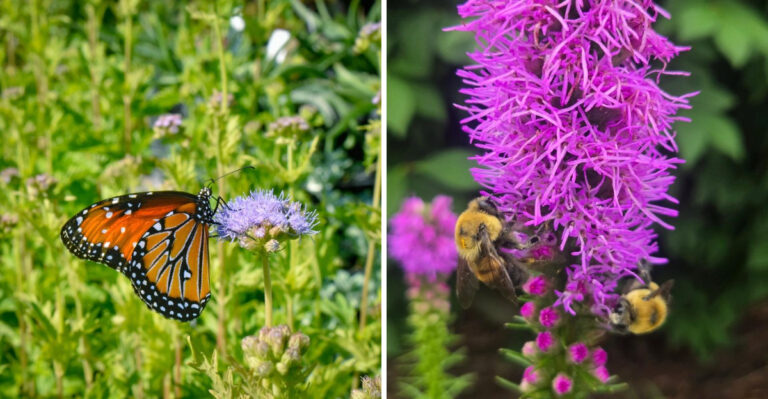
Pollinators absolutely love those long-lasting blooms. Bees, butterflies, and hummingbirds visit Autumn Sage consistently throughout its blooming period, making it a living, buzzing hub of garden activity.
Planting it in a border means you are not just adding color; you are creating a seasonal feeding station that supports local wildlife from spring through late fall. That is a lot of value packed into one small, tough plant.
Supports Wildlife
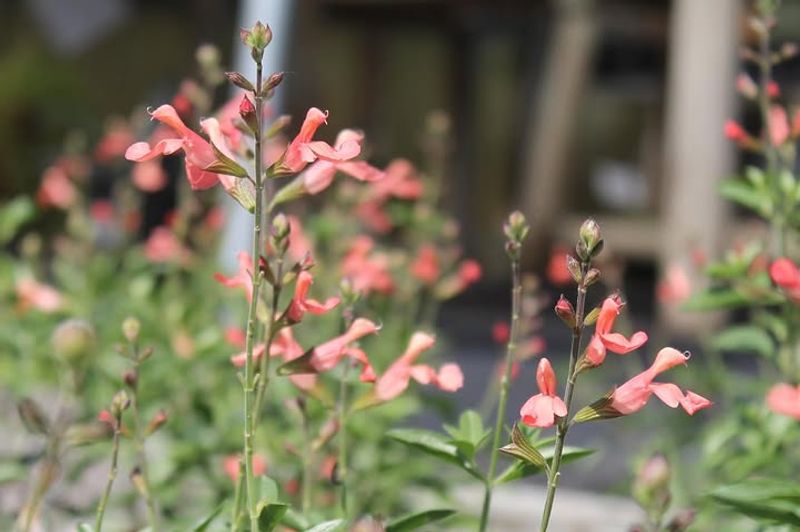
Watch an Autumn Sage plant for just five minutes on a warm afternoon and you will see why wildlife lovers are so devoted to it. Hummingbirds zoom in fast and hover at those tubular red flowers, their tiny wings a blur.
Bees work methodically from bloom to bloom. Painted lady butterflies and swallowtails drift in and land with their wings spread wide.
The whole scene feels alive in a way that a garden full of non-native ornamentals rarely does.
The tubular shape of Autumn Sage flowers is perfectly designed for hummingbirds. Their long beaks fit right into the blooms, reaching the nectar that shorter-tongued insects cannot easily access.
That design makes Autumn Sage one of the most reliable hummingbird plants you can grow in Texas, especially during spring and fall migration when hummingbirds are actively fueling up for long journeys.
Native bees, including bumblebees and several solitary species, are also frequent visitors. These bees are important pollinators for both garden plants and local food crops.
By planting Autumn Sage, you are actively supporting a pollinator population that benefits the entire neighborhood, not just your yard.
Beyond the flashy visitors, Autumn Sage also supports the broader garden ecosystem in quieter ways. Its dense foliage provides shelter for small insects and spiders that serve as food for birds.
The woody stems offer perching spots. Even the spent flower heads can provide tiny seeds for small songbirds in late season.
Planting a native like Autumn Sage is one of the simplest and most effective things any Texas gardener can do to support local wildlife without any extra effort or expense.
Planting And Care Tips
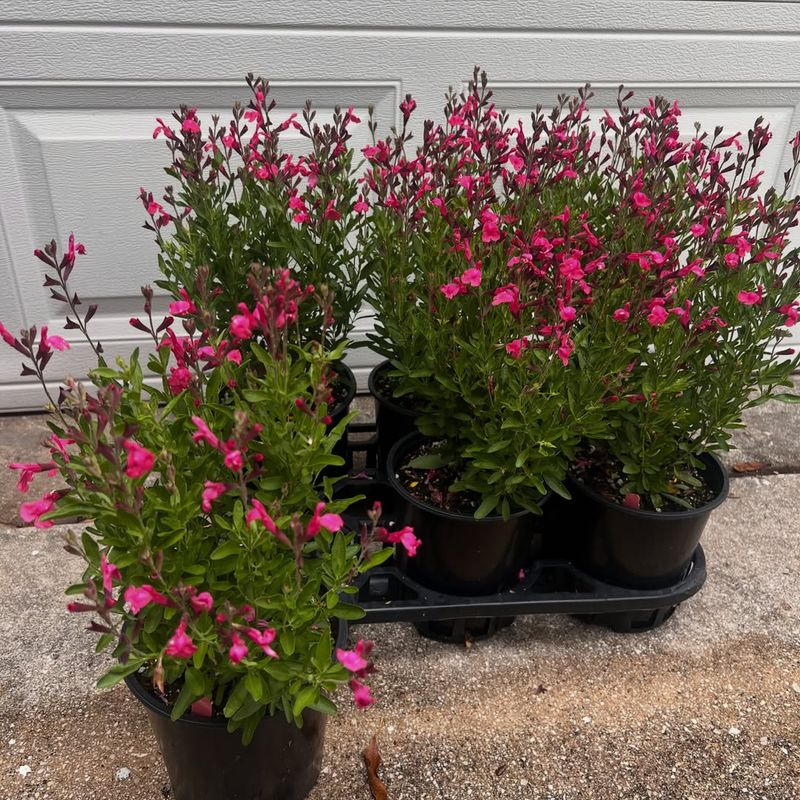
Getting Autumn Sage off to a good start is not complicated, but a few smart choices at planting time make a big difference. Start with well-drained soil.
This plant absolutely cannot handle soggy roots. If your soil is heavy clay, mix in some coarse sand or small gravel to improve drainage before planting.
Raised beds and slopes work especially well for Autumn Sage because water moves away from the roots naturally.
Spacing matters more than most gardeners realize. Plant each Autumn Sage about two to three feet apart to give them room to spread and fill in over time.
Crowding them too close together early on can lead to poor air circulation and fungal problems. Giving them space now means a fuller, healthier border later, which is exactly the self-filling effect you are going for.
Pruning is simple and very rewarding. After each major flush of blooms fades, trim the plant back by about one-third.
This light pruning removes spent stems, encourages fresh branching, and triggers a new wave of flower production. Do not be afraid to cut it back; Autumn Sage bounces back quickly and comes back bushier and more floriferous every time.
Combining Autumn Sage with other Texas natives like Blackfoot Daisy, Gregg’s Mistflower, or Mealy Blue Sage creates a border with layered color and continuous seasonal interest.
Each plant fills a slightly different niche in terms of bloom time and height, so the border always has something going on.
Fertilizer is rarely needed and can actually cause problems, so skip it and let this tough, self-reliant native do what it does best on its own terms.