What North Carolina Gardeners Should Know About Tree Root Problems Before They Spread
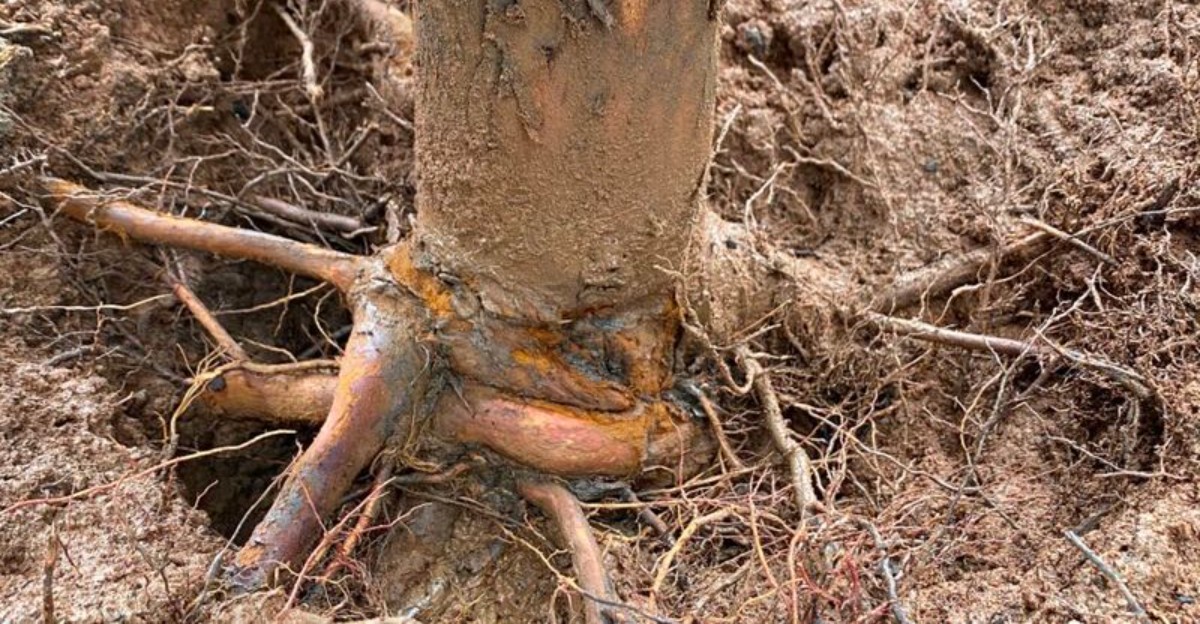
Tree root problems rarely announce themselves clearly, often showing up first as subtle changes in canopy health long before anything visible happens at ground level.
Compacted soil, girdling roots that wrap around and slowly strangle a tree’s own trunk, and root rot from poor drainage are among the most common issues affecting North Carolina landscapes, each requiring a different approach to address.
Because root systems are hidden underground, many homeowners don’t realize a problem exists until a tree is already showing significant stress or decline.
Catching these issues early, through soil inspection or recognizing early warning signs in the canopy, gives trees a much better chance at full recovery.
Understanding what to look for before problems spread can mean the difference between saving a valuable tree and eventually losing it.
1. Yellowing Leaves Can Point To Root Stress
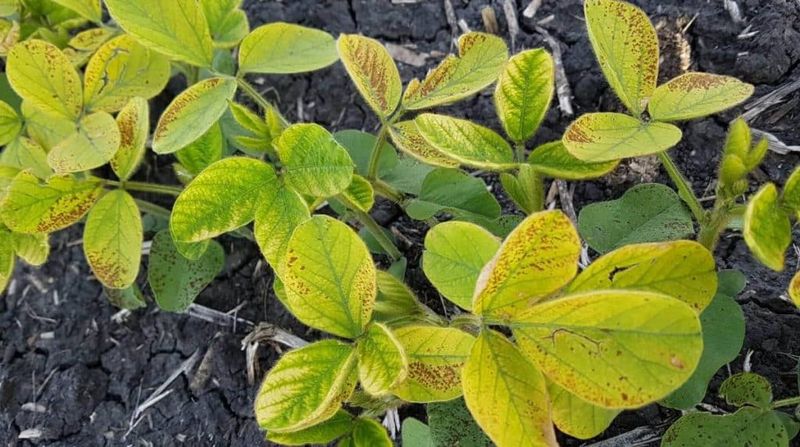
That sweetgum in your backyard that looked lush last June now wears pale, washed-out leaves by midsummer. Your first thought might be that something is wrong underground, and sometimes that hunch is right.
Roots do the hard work of pulling up water and nutrients, so when they struggle, the leaves are often the first to show it.
Stressed roots can lead to yellowing foliage, dull color, short new shoots, and leaves that drop weeks before fall. You might also notice smaller leaves than usual or thin spots in the canopy.
These changes happen because the tree simply cannot move enough water and food to keep every branch well supplied.
Here is the tricky part, though. Yellow leaves have plenty of possible causes besides roots, including drought, nutrient shortages, high soil pH, leaf diseases, insects, and even normal seasonal shedding.
Pin oaks and red maples, for example, often turn yellow between the veins when the soil pH is too high for them to absorb iron and manganese.
So treat yellow leaves as a clue, not a final answer. Jot down when the color change started, whether it affects the whole tree or just one side, and what the weather has been like lately.
A soil test through the North Carolina Department of Agriculture can rule nutrient and pH problems in or out, and the basic test is free for much of the year.
Watching patterns over a few weeks gives you a much clearer picture. Once you know what you are dealing with, you can fix the real problem instead of guessing.
2. Compacted Soil Can Suffocate Roots
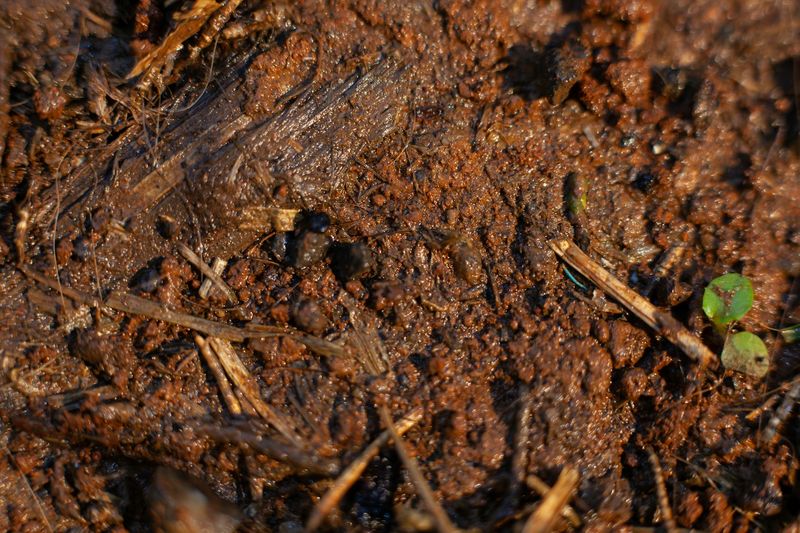
Tree roots breathe. That surprises a lot of people, but roots need oxygen just as much as they need water, and both travel through tiny open spaces between soil particles called pores.
Healthy soil is roughly half solid material and half pore space, with air and water sharing those gaps. When soil gets packed down, those pores shrink or disappear.
Roots then struggle to grow, water runs off instead of soaking in, and the tree slowly loses steam.
North Carolina gardeners face an extra challenge because so much of the Piedmont sits on heavy red clay. Clay particles are tiny and flat, so they pack together tightly under pressure.
Your North Carolina Garden Changes Every Week. Your Plan Should Too.
Gardening in North Carolina changes quickly throughout the season. Every Friday you’ll receive a simple weekly plan showing exactly what to plant, prune, fertilize, harvest, and protect so you never miss the right timing.
NC State Extension points out that compaction is especially harmful around trees, since most of the roots that soak up water live in the top foot or so of soil.
Everyday habits cause more compaction than you might expect. Parking cars on the lawn, running a riding mower over wet ground, and even a well-worn path to the mailbox can press soil flat over time.
Want to protect your trees? Spread a 2 to 4 inch layer of wood chips or shredded bark over the root zone, which cushions foot traffic and feeds soil life as it breaks down.
Keep vehicles and heavy equipment off the area under the canopy, and avoid working the ground when it is soggy.
For badly compacted sites, a certified arborist can use a tool called an air spade to loosen soil with blasts of compressed air. Pair that with mulch, and roots often bounce back within a few seasons.
3. Waterlogged Soil Can Cause Root Decay
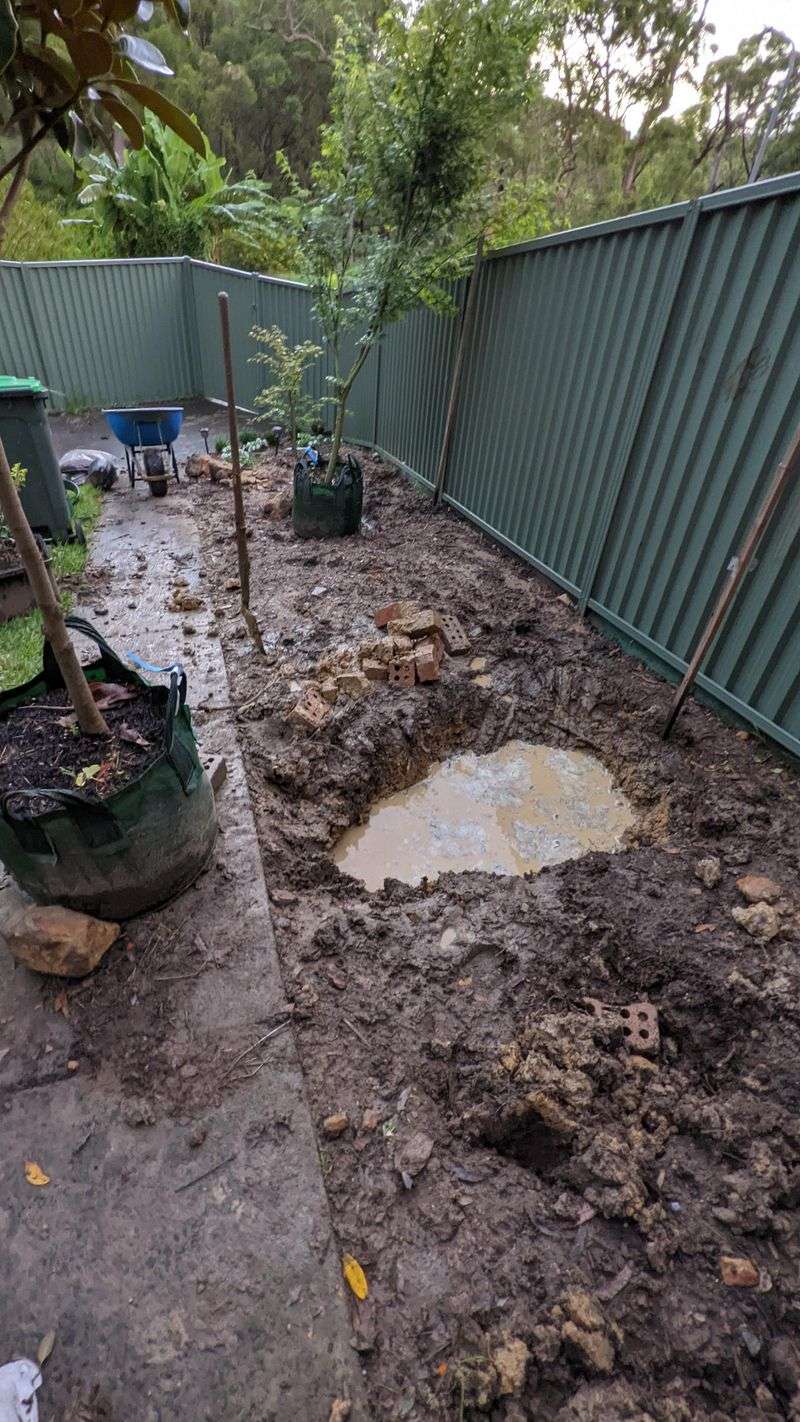
Too much love can drown a tree. After a soggy stretch of summer storms or a hurricane that parks over the state for days, many North Carolina yards turn into shallow ponds, and roots sitting in that water start gasping for air.
Water fills the same pore spaces that normally hold oxygen. When soil stays saturated for long periods, roots cannot breathe, and they begin to break down and rot.
Weak, soggy roots also make an easy target for water mold organisms like Phytophthora, which cause root rot diseases in many trees and shrubs across the Southeast.
Warning signs include wilting even when the soil is wet, sparse leaves, and branches thinning from the top down. You might notice dark, mushy roots with bark that slips off easily if you gently dig near the base.
A sour smell in the soil is another hint that oxygen has run short. Fixing drainage is a big part of the cure. Redirect downspouts away from tree roots, grade low spots so water flows off, and consider a French drain or rain garden for areas that stay wet.
Stop any extra irrigation until the ground dries out between waterings. Planning ahead helps too. If you have a naturally damp spot, choose trees that handle wet feet, such as river birch, bald cypress, black gum, or swamp white oak.
Matching the tree to the site saves you years of frustration and keeps roots firm and healthy.
Azaleas and rhododendrons are famous for root rot trouble in soggy clay, so give them raised beds or gentle slopes.
4. Girdling Roots Can Slowly Damage A Tree
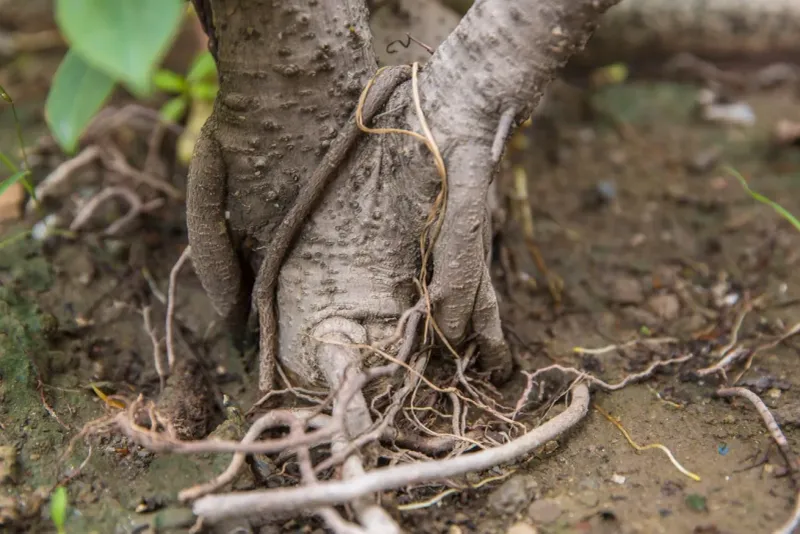
Imagine wearing a belt that gets tighter every single year. That is exactly what a girdling root does to a tree, wrapping around the trunk or base and squeezing harder as both the root and trunk grow thicker.
Just under the bark, a thin layer of tissue carries water up from the roots and sugars down from the leaves. A girdling root presses on that pipeline, slowly choking the flow of water and food.
Over many years, the tree may show thin leaves, early fall color, weak growth, or decline on one side.
Many of these problems start at the garden center. Trees grown too long in containers often develop roots that circle the inside of the pot, and those roots keep circling after planting.
Maples, especially red and Norway maples, are well known for this issue, though many species can develop it.
A good look at planting time prevents most trouble. Slide the tree out of its pot and check the root ball.
If you see circling roots, gently tease them outward, or use a clean saw to shave off the outer inch of the root ball, a method many arborists call shaving.
What about older trees? Look for a trunk that goes straight into the ground like a telephone pole instead of flaring out at the base, since that can hide girdling roots below.
An arborist can often remove a problem root safely if it is caught early enough. Early action gives the tree decades of easier growth ahead.
5. Construction Can Damage Roots Without Immediate Symptoms
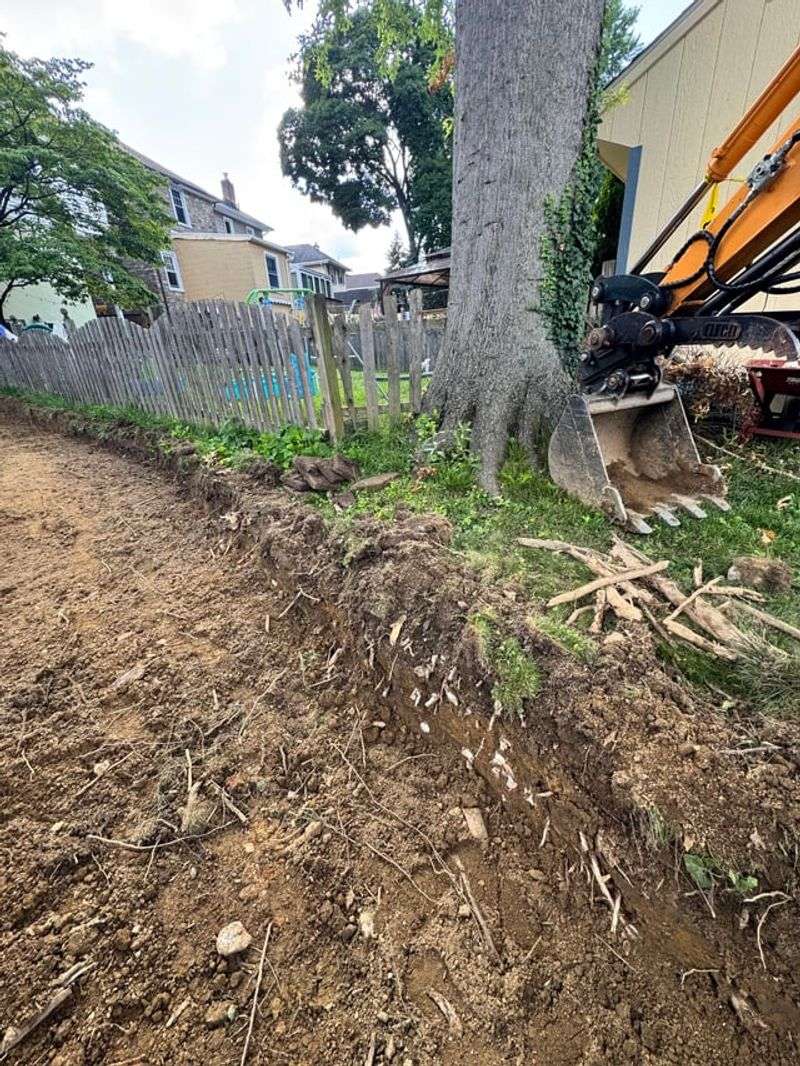
A new patio goes in during spring, the yard looks great, and the big oak next to it seems perfectly fine. Then, three or four years later, the top of the tree starts thinning, and nobody connects the dots.
Construction ranks among the most common causes of tree decline, and the delay makes it easy to miss. Trenching for water lines, grading to level a yard, digging foundations, and pouring driveways can all slice through roots or bury them.
Heavy trucks and equipment add another layer of harm by packing the soil hard. Most people underestimate how far roots travel. A tree’s root system often spreads two to three times wider than its canopy, and most roots sit in the top 18 inches of soil.
A single utility trench dug close to the trunk can cut off a huge share of the roots on one side.
Signs of trouble can take five years or more to appear. Watch for thinning leaves, smaller leaves, branch tips losing leaves at the top of the crown, and sprouts popping up along the trunk.
Before any project starts, mark a protection zone around valued trees with sturdy fencing, ideally at or beyond the drip line. Ask contractors to route utilities around roots or use tunneling, also called boring, instead of open trenches.
Even adding just a few inches of fill soil over roots can cause harm, so keep grade changes away from trunks. A little planning now protects a tree that took decades to grow.
6. Cutting Exposed Roots Can Make Things Worse
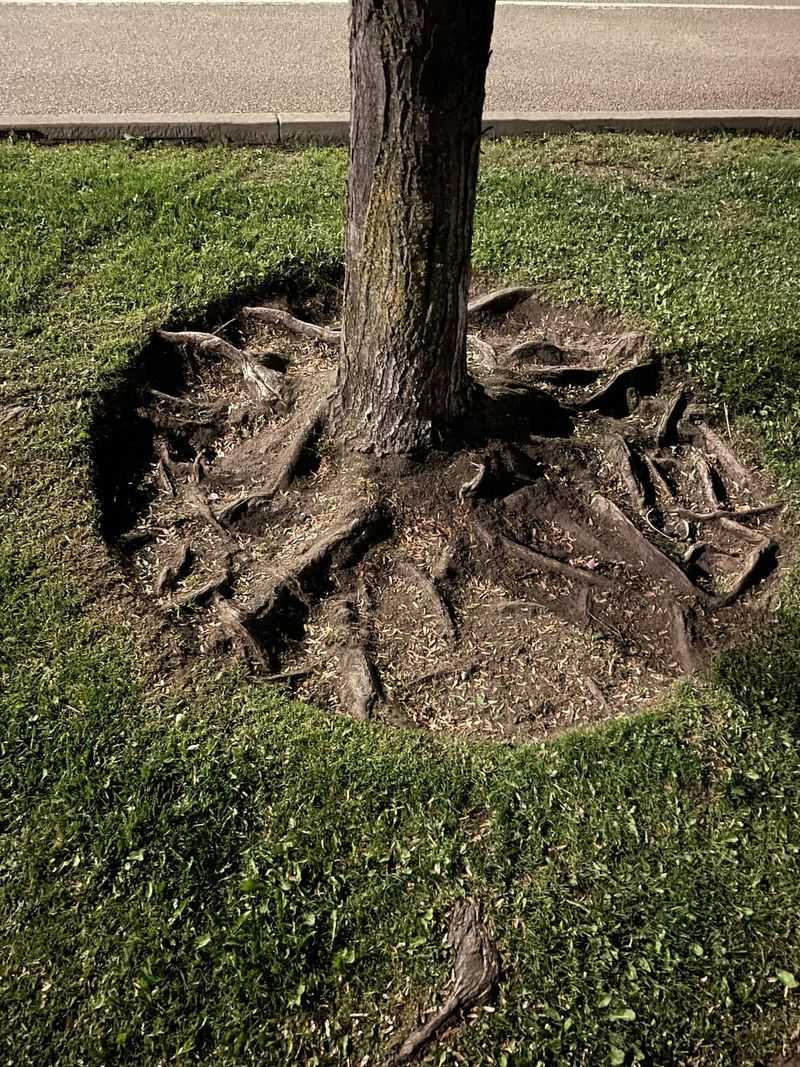
Tripping over a knobby root on the way to the garden shed gets old fast. Mowers bounce off them, and they can make a lawn look messy, so reaching for a saw feels like an easy fix.
Hold that thought, though. Those surface roots are working hard, carrying water, storing food, and helping anchor the tree against strong winds.
Cutting a large root creates an open wound where decay fungi can move in, and it can leave the tree less stable during the next tropical storm.
Roots often show above ground for simple reasons. Rain and foot traffic wash away topsoil over time, and trees like red maples, willow oaks, and river birches naturally grow shallow roots, especially in compacted clay.
Shallow roots are a sign of the soil conditions, not a flaw in the tree. Mulch offers a much kinder solution. Spread 2 to 3 inches of shredded bark or wood chips over the exposed area, creating a wide ring that covers the roots.
The mulch shields them from mower blades, foot traffic, and drying sun, and it gives grass-free space that looks tidy.
Skip the urge to pile on thick layers of topsoil to hide the roots. A heavy soil cap can smother them and cause more problems than it solves.
Ground covers such as liriope or mondo grass can also fill the space attractively, as long as you plant them gently between roots.
If a root truly must go, talk with a certified arborist first about size, timing, and safer options.
7. Do Not Bury The Root Collar
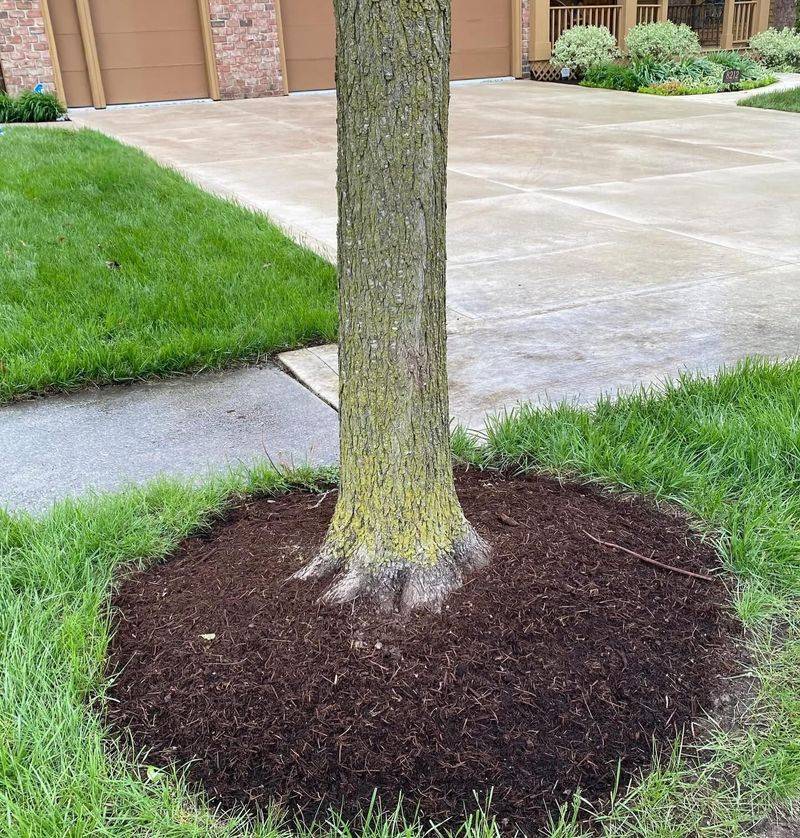
Walk through almost any North Carolina neighborhood in spring, and you will spot them: trees sitting in tall, cone-shaped piles of mulch. Landscapers sometimes call these mulch volcanoes, and they cause far more harm than good.
The root collar, or trunk flare, is the spot where the trunk widens as it meets the roots. Bark in that area is not built to stay wet all the time.
When soil or mulch piles against it, moisture sits there, inviting rot, insects, and rodents that chew on the bark.
Planting too deep creates similar trouble. Roots buried too far down get less oxygen, and some trees respond by sending new roots upward, where they can wrap around the trunk and turn into girdling roots.
The tree often looks fine for years before slowing down.
Getting depth right starts at planting time. Dig a hole two to three times wider than the root ball but no deeper, and make sure the trunk flare sits at or slightly above ground level.
Many nursery trees arrive with extra soil piled on top, so brush it away until you find the first main root.
For mulch, spread a flat layer about 2 to 4 inches deep and pull it back a few inches from the trunk, like a donut instead of a volcano. NC State Extension even recommends digging out buried root collars as part of getting trees ready for winter.
A trowel, your hands, or a gentle stream of water can uncover the flare without harming bark.
8. Investigate Declining Trees Before Treating Them
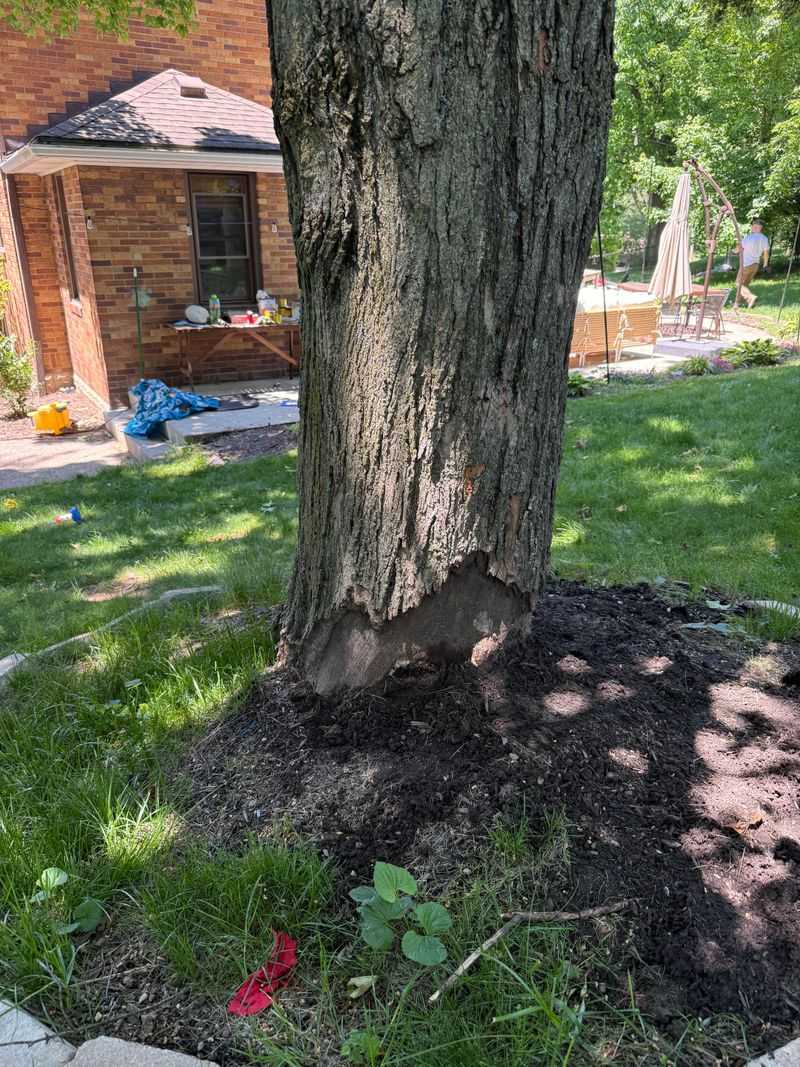
Good detectives never name a suspect before looking at the evidence, and tree care works the same way. When a favorite tree starts struggling, grabbing an insect spray or fungicide can feel like action, but it often misses the real cause.
Many tree problems begin underground or with the site itself, and pests often show up later because the tree is already weakened. Borers, for example, tend to target stressed trees rather than healthy ones.
Treating the bugs without fixing the root issue is like putting a bandage on a broken arm. Start with a simple checklist. Is the soil bone dry or soggy after rain? Does water pool near the trunk, and is the ground hard to push a screwdriver into?
Next, look at the trunk base for a visible flare and any circling roots. Think back over the last five to ten years, too, since a new driveway, septic line, or pool nearby may explain what you see today.
Writing these details down helps you spot patterns quickly. Some cases call for an expert. Large trees near homes, sudden leaning, mushrooms growing at the base, or cracks in the soil around the roots are all reasons to contact an ISA Certified Arborist.
Your local N.C. Cooperative Extension center can also help identify problems, and many offer plant disease and insect diagnostic services through NC State.
A careful look now can save money, time, and a beloved shade tree. Your trees will thank you with years of cool shade and healthy growth.