8 Reasons Your Tomato Plants Are All Leaves And No Flowers
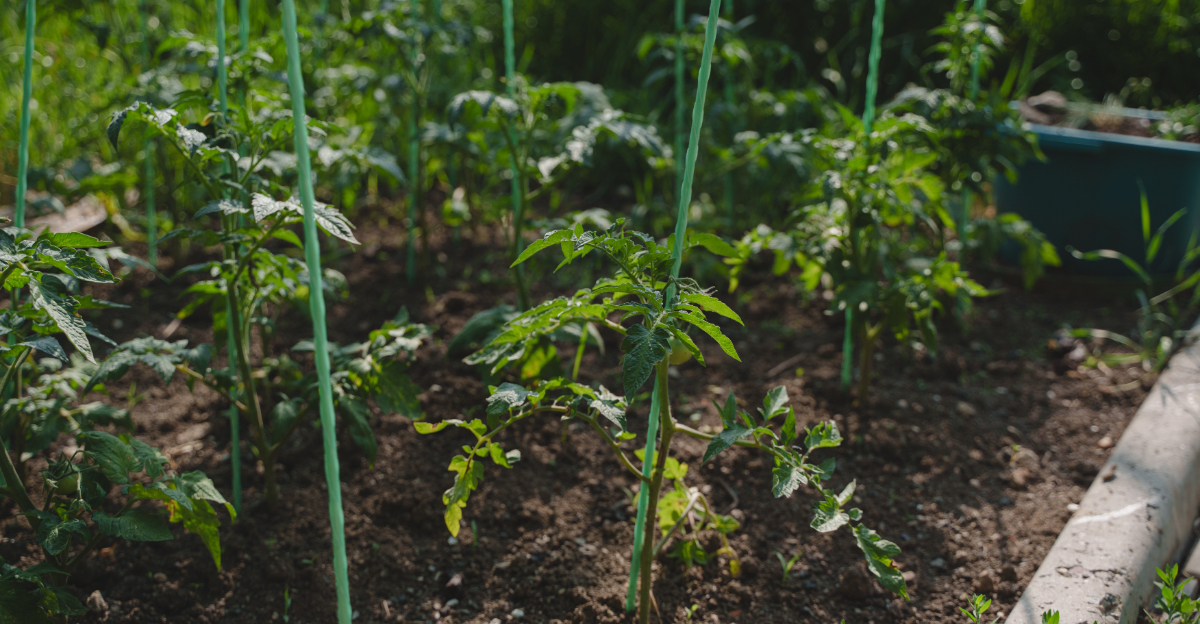
Your tomato plants look like they belong in a jungle exhibit, thick, green, and sprawling in every direction. There’s just one problem: not a single flower has bothered to show up, no matter how closely you check each morning.
Meanwhile, the calendar keeps moving, and the harvest you pictured feels further away by the week. Neighbors are already picking their first tomatoes while yours just keep growing taller.
A tomato plant crowded with leaves is usually responding to something specific in its environment, and that response is rarely random. Somewhere between the soil and the sun, a signal is telling the plant to grow instead of bloom.
Below are eight reasons your plants have chosen foliage over flowers, along with fixes you can start using today to finally get things moving in the right direction.
1. Too Much Nitrogen In The Soil
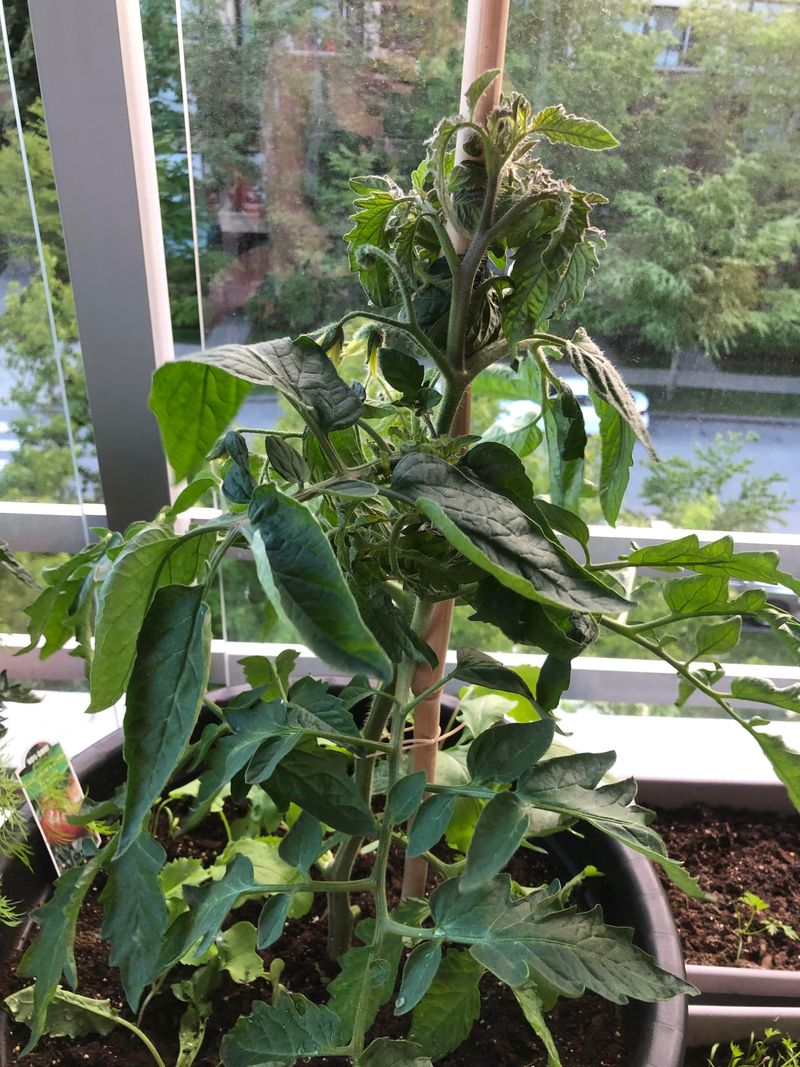
Your tomato plant looks incredible, lush, and full. But beautiful green growth is actually the first sign of a nitrogen problem.
Nitrogen is the nutrient that pushes leafy, green growth in plants. When there is too much of it in the soil, tomatoes put all their energy into making leaves instead of flowers. This is one of the most common reasons tomato plants are all leaves and no flowers.
Many gardeners accidentally overdo it with fertilizers. A high-nitrogen blend, like those made for lawns or leafy greens, can send your tomatoes into overdrive. Switching to a balanced or bloom-focused fertilizer can make a big difference fast.
Look for fertilizers with a higher middle and last number on the label. Those numbers represent phosphorus and potassium, which encourage flowering and fruiting instead of leafy growth.
Fresh compost can also add extra nitrogen without you realizing it. If you amended your soil heavily before planting, that alone could be throwing off the balance.
A simple soil test from your local garden center will tell you exactly what you are working with. Once you know your nitrogen levels, you can adjust your feeding schedule to match what your plants actually need.
Stop feeding high-nitrogen fertilizers for a few weeks and see if buds begin to form. Sometimes, giving the soil a short break is all it takes to shift your plant back into flowering mode.
2. Not Enough Direct Sunlight Each Day
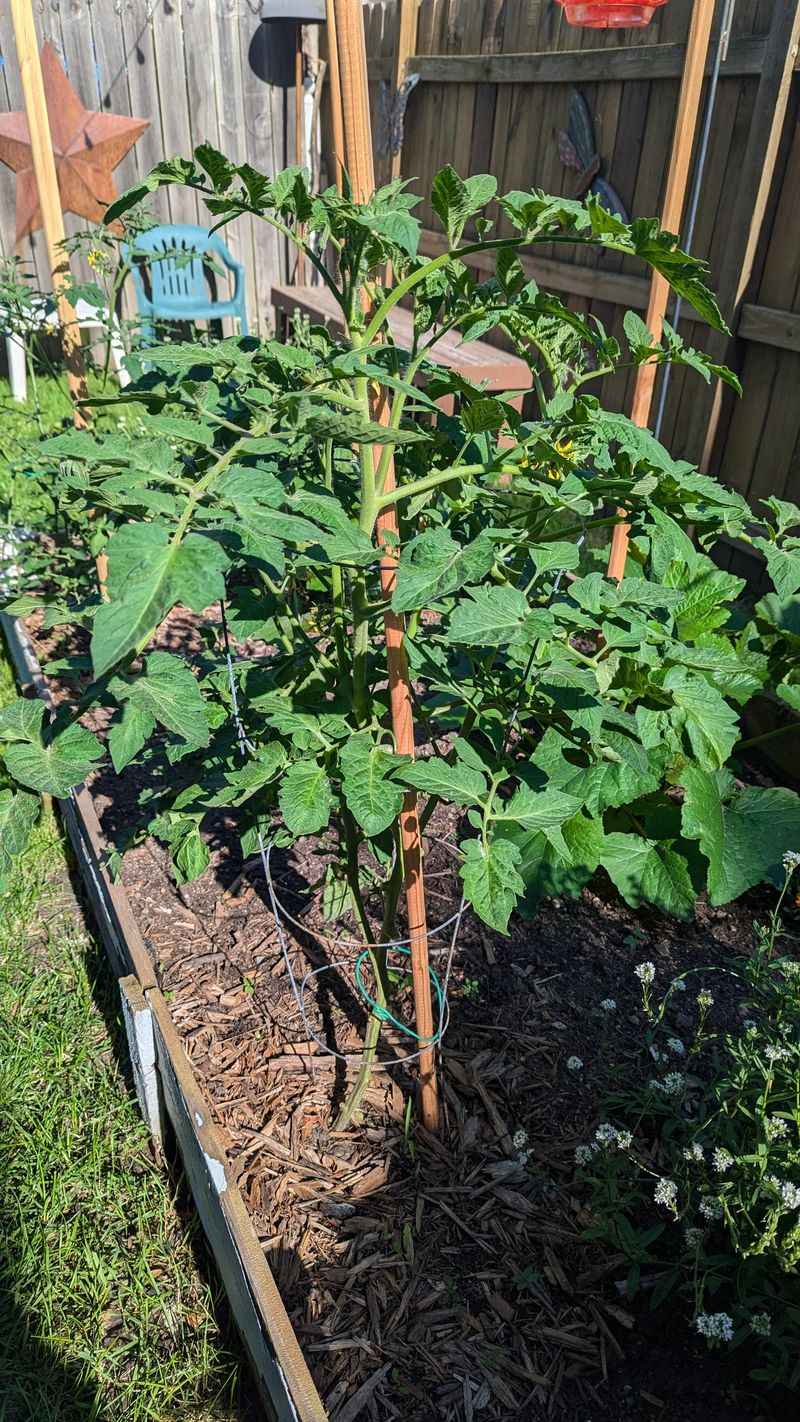
Tomatoes are sun lovers, plain and simple. Without enough direct light, flowering slows down significantly, no matter how well you care for the plant.
Most tomato varieties need at least six to eight hours of full sun every single day. Anything less and the plant shifts its focus away from reproduction. It starts growing more leaves to try and capture whatever light it can find.
Shade from trees, fences, or nearby structures is often the hidden culprit. A spot that looks sunny in spring can become quite shaded once surrounding trees leaf out in summer. Walk around your garden at different times of day to see exactly how much direct sun your plants are actually getting.
If your plants are in containers, you have a real advantage here. Simply move the pots to a sunnier location and watch the results over the next few weeks.
In-ground plants are trickier, but not impossible to address. Trimming nearby shrubs or removing a shade structure can open up the canopy and let more light reach your tomatoes.
South-facing garden spots tend to receive the most consistent light throughout the day. Planting tomatoes in those spots next season can prevent this problem from happening again.
More sunlight means more energy for flowering and fruiting. Give your tomatoes the brightness they crave, and those yellow blooms will start showing up right on schedule.
3. Temperatures Running Too Hot Or Too Cold
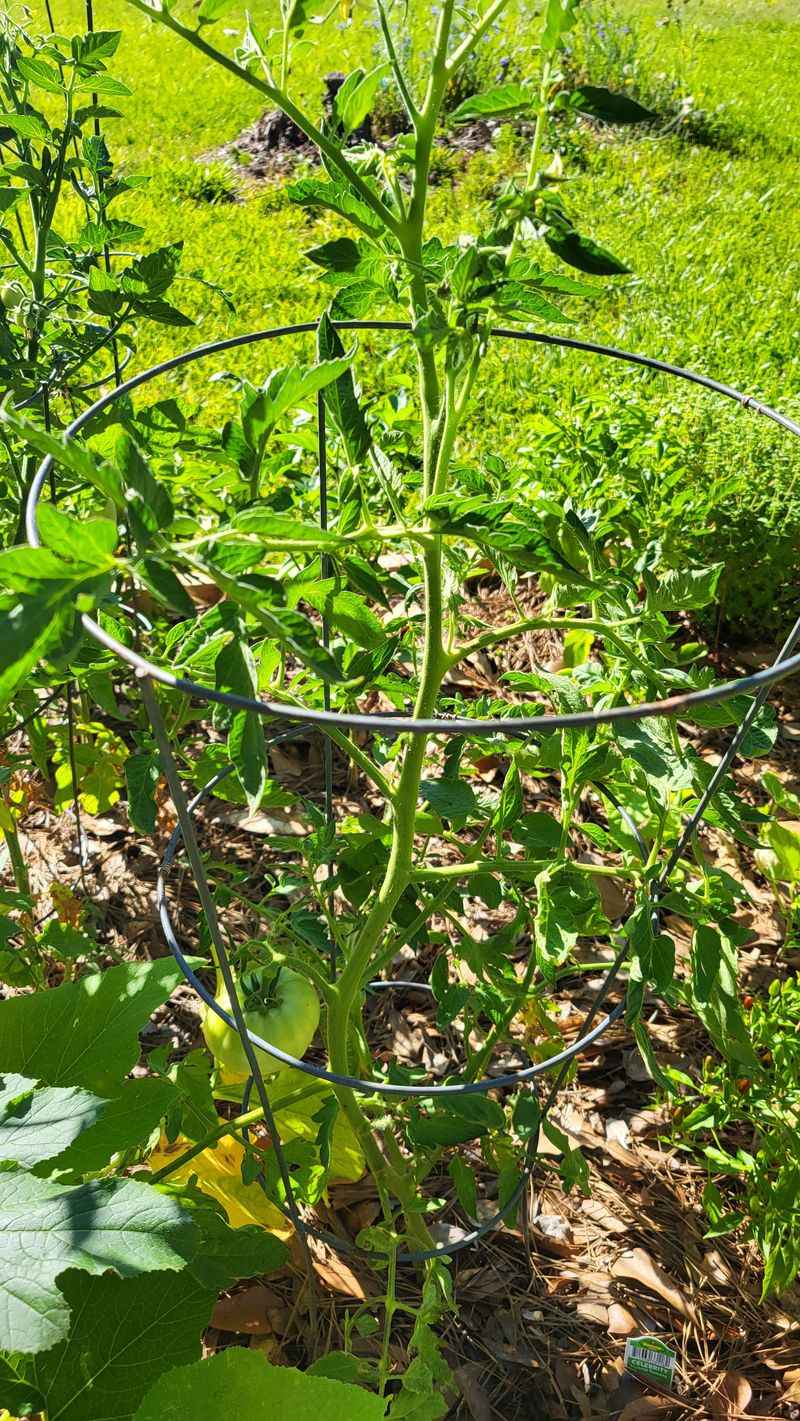
Tomatoes have a comfort zone, and it is narrower than most people expect. Step outside that range and flowering stops almost immediately.
The ideal temperature for tomato flowers to set is between 55 and 85 degrees Fahrenheit. When nights drop below 55 degrees, the plant gets cold-stressed and holds off on blooming. When daytime temps climb above 90 degrees, the same thing happens, but for the opposite reason.
Heat stress is especially common in midsummer gardens. Pollen becomes less viable at high temperatures, and the plant essentially pauses reproduction until conditions improve. You might notice blooms dropping off or never forming at all during a hot spell.
Cold nights in early spring can cause the same frustrating results. If you planted your tomatoes a little early, a few chilly nights might be keeping them in a vegetative state.
Using shade cloth during extreme heat can help protect your plants and keep soil temperatures more stable. Row covers or frost blankets work well on cool nights to give plants a warmer microclimate.
Mulching around the base of the plant also helps regulate soil temperature throughout the season. A two to three inch layer of straw or wood chips can make a surprising difference.
Once temperatures settle into that sweet spot, flowering usually resumes on its own. Patience and protection are your two best tools when the weather refuses to cooperate.
4. Inconsistent Or Excessive Watering
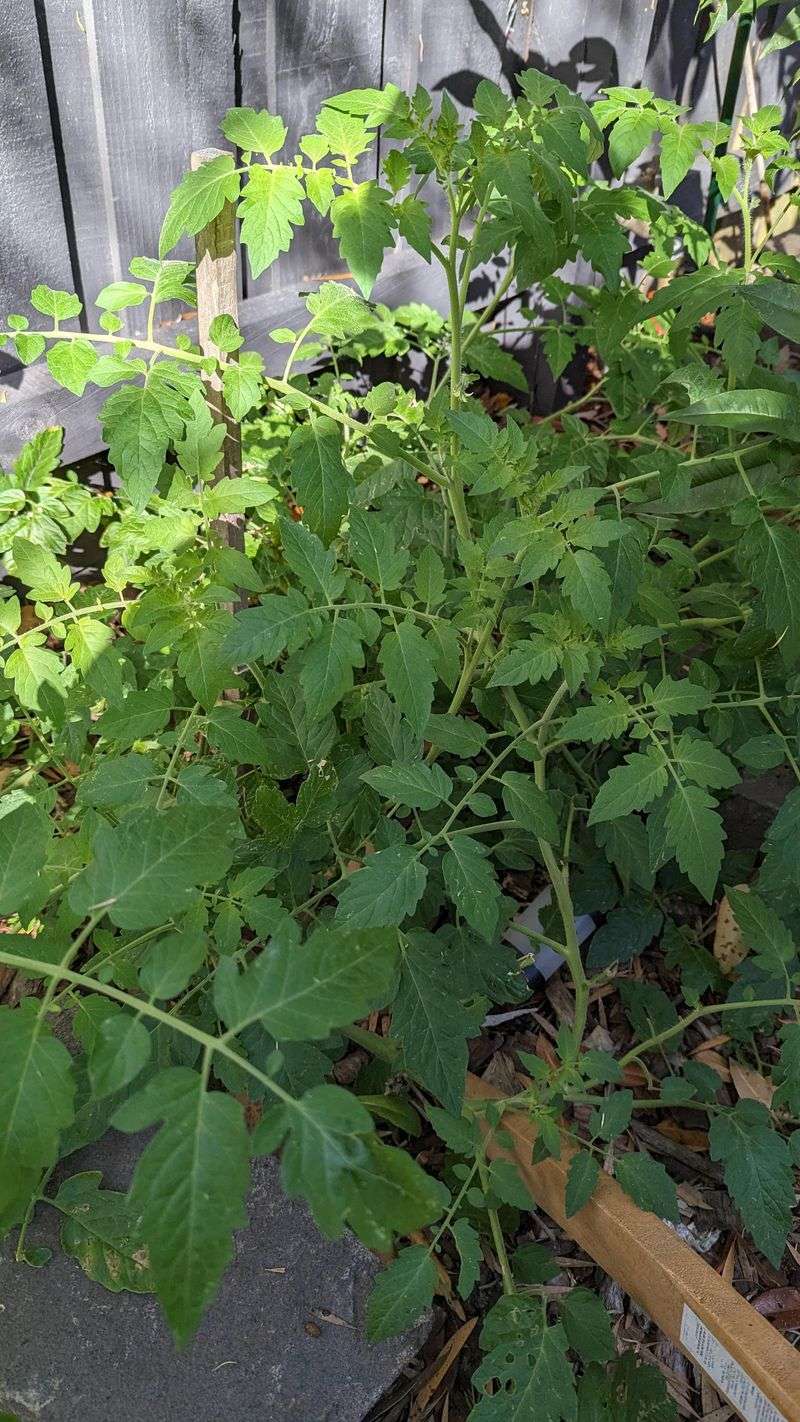
Water is life for tomatoes, but the wrong amount can shut down flowering faster than almost anything else. Both too much and too little send the plant into survival mode.
When tomatoes are underwatered, they focus on staying alive rather than reproducing. Stress signals trigger the plant to conserve energy, and blooming gets pushed to the back burner. The leaves may curl, and the soil will feel dry an inch below the surface.
Overwatering creates a different set of problems. Soggy soil reduces oxygen around the roots, which limits the plant’s ability to absorb nutrients. Without proper nutrient uptake, flowering simply cannot happen at full capacity.
Tomatoes generally prefer deep, consistent watering rather than frequent shallow sprinkles. Aim for about one to two inches of water per week, depending on your climate and soil type. A slow, deep soak two to three times a week is usually better than a little water every day.
Checking soil moisture before watering is a habit worth building. Stick your finger about two inches into the soil near the base of the plant. If it feels moist, hold off for another day or two.
Drip irrigation systems are a fantastic investment for tomato growers. They deliver water directly to the roots and keep moisture levels far more consistent than hand watering.
Steady hydration gives your plant the stability it needs to shift energy toward flowering and fruit production.
5. Heavy Pruning Removing Too Much Growth
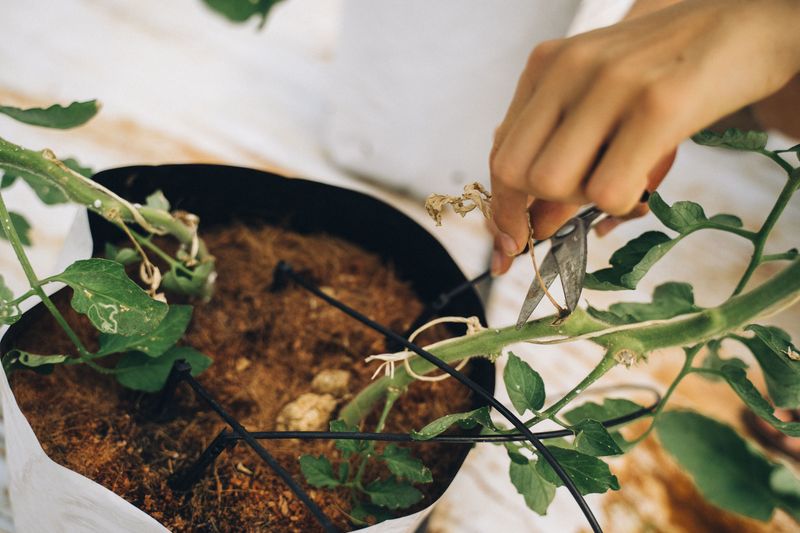
Pruning tomatoes feels productive, and it often is. But there is a fine line between helpful trimming and accidentally cutting away your future harvest.
Tomato flowers grow from specific points on the plant, including the main stem and lateral branches. If you prune too aggressively, you can remove the very growth that would have produced your first blooms. Many gardeners do not realize this until the damage is already done.
Suckers, those small shoots that grow in the joint between the stem and a branch, are commonly removed to control plant size. Removing a few is fine and can actually improve airflow. But removing too many can seriously limit the number of flowering sites available to the plant.
Indeterminate tomato varieties, like most heirlooms and cherry types, produce flowers along their entire length as they grow. Heavy pruning on these types can dramatically reduce your flower count. Determinate varieties flower and fruit in a shorter window, so removing growth near the top can cut into that window entirely.
A good rule of thumb is to remove no more than one-third of the plant at any single pruning session. Spread your pruning out over several weeks rather than doing it all at once.
Let the plant guide you. If you see flower buds forming on a branch, leave it alone and prune elsewhere. Protecting those bud sites is the fastest way to go from a leafy plant to a flowering one.
6. Pests And Diseases Draining The Plant’s Energy
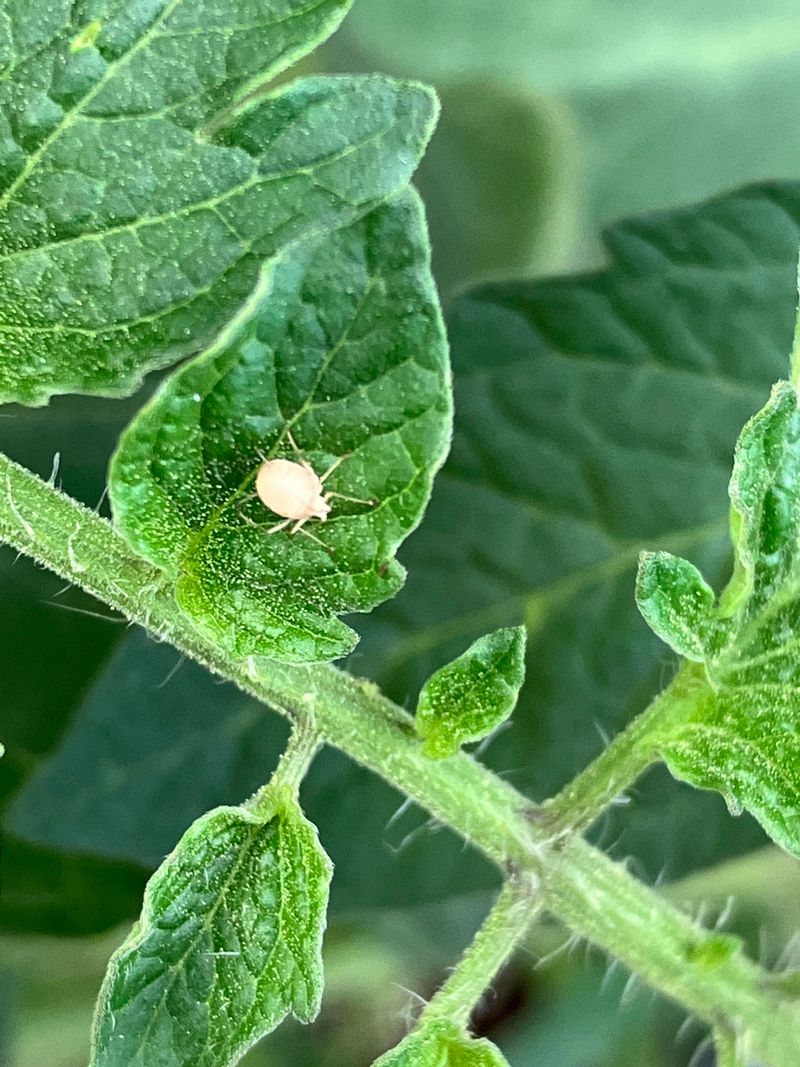
Something may be quietly weakening your tomato plant, and you might not notice it right away. Pests and diseases are silent flower-stoppers that gardeners often overlook.
When a plant is under attack, it redirects energy toward defense rather than reproduction. This is a natural survival response, but it means flowering gets delayed or skipped entirely. Aphids, spider mites, and whiteflies are among the most common offenders in home gardens.
Aphids cluster on the undersides of leaves and suck out plant sap. A large aphid infestation can weaken a tomato plant quickly. Check the undersides of leaves regularly, especially during warm, dry spells when aphid populations tend to surge.
Fungal diseases like early blight and Fusarium wilt also drain plant energy significantly. Yellowing leaves, brown spots, or wilting stems are signs that something is wrong below the surface. Catching these issues early gives you the best chance of saving the plant.
Neem oil is a widely available and effective organic treatment for many common pests. A weekly spray on the leaves, especially the undersides, can keep populations under control without harsh chemicals.
Good garden hygiene also goes a long way. Removing fallen leaves from the soil surface reduces fungal spores and pest hiding spots. Rotating your tomato planting location each season helps break pest and disease cycles in the soil.
A healthy, stress-free plant is a flowering plant, so keep a close eye on what is living on your tomatoes.
7. Plants Still Too Young To Flower
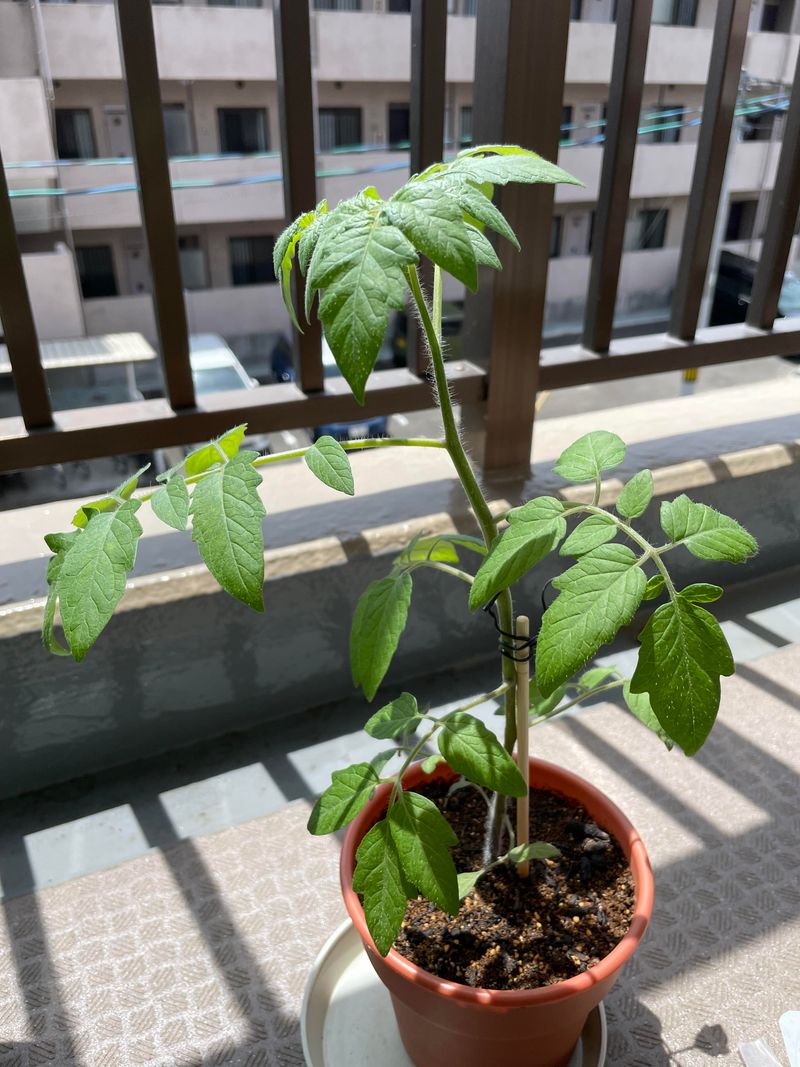
Sometimes the answer is the simplest one possible: your tomato plant just needs more time. Young plants are not ready to flower, and that is completely normal.
Tomatoes go through a vegetative phase before they are mature enough to produce flowers. During this stage, the plant is building its root system, strengthening its stems, and producing leaves to support future growth. Pushing it to flower before it is ready is not something you can force.
Most tomato varieties begin to flower around four to eight weeks after transplanting, depending on the variety and growing conditions. If your plants are younger than that, the lack of flowers is not a problem at all. Give them time, and the buds will come.
Seed-started plants that were transplanted outdoors recently often look full and healthy but are still in the early stages of establishment. The root system is still expanding underground, and that takes priority over flowering. Once the roots are settled, the plant shifts its energy upward.
Buying large transplants from a nursery does not always speed things up either. A bigger plant still needs time to adjust to your specific soil and climate before it commits to flowering.
Keeping conditions consistent during this waiting period is the most helpful thing you can do. Steady watering, appropriate fertilizer, and good sun will support the plant as it matures.
Trust the process, because a patient gardener almost always ends up with the most tomatoes by the end of the season.
8. An Imbalance Of Phosphorus And Potassium
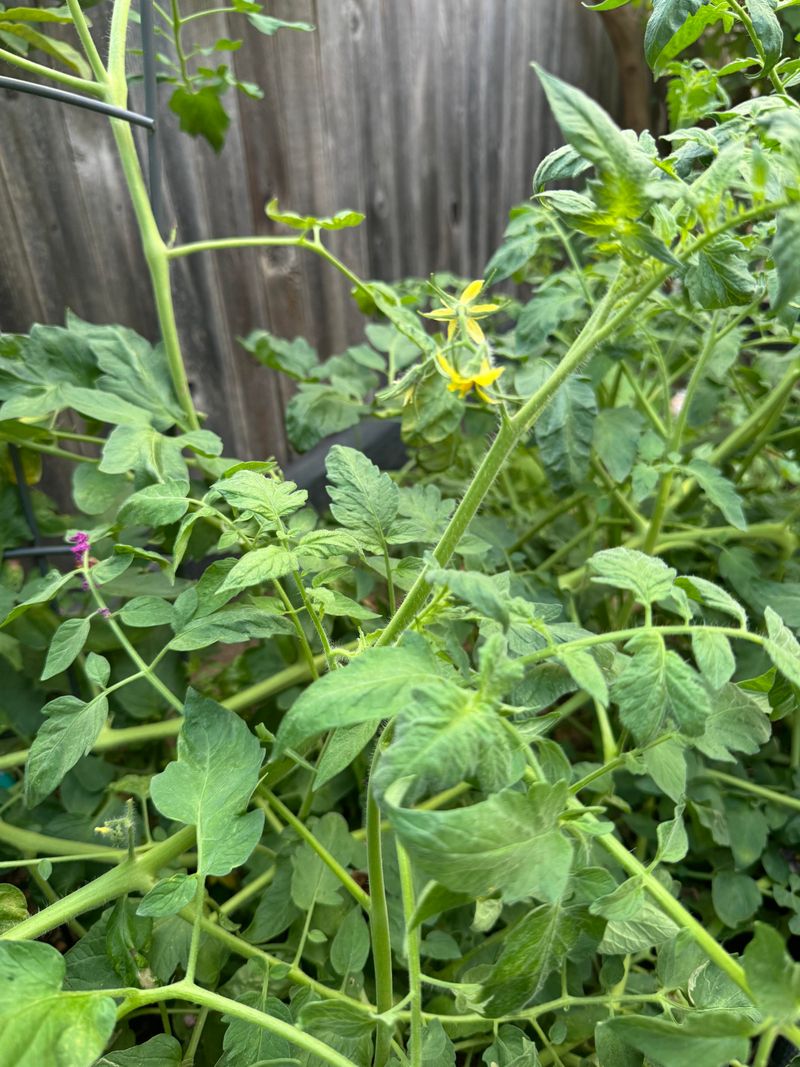
Nitrogen gets most of the attention, but phosphorus and potassium are the real stars when it comes to flowering. Without the right balance of these two nutrients, your tomato plants are all leaves and no flowers for the long haul.
Phosphorus plays a direct role in root development and flower formation. When levels are too low, the plant simply cannot generate the energy needed to produce blooms. Signs of phosphorus deficiency include purplish tints on the undersides of leaves and stunted overall growth.
Potassium supports the overall health of the plant and helps regulate how it uses water and other nutrients. A potassium shortage can make a plant more vulnerable to stress, which in turn delays flowering. Yellowing leaf edges are a common sign that potassium levels need attention.
The fix is usually straightforward. Switch to a fertilizer labeled for tomatoes or one marketed as a bloom booster. These products are designed with higher phosphorus and potassium ratios to encourage flower and fruit production.
Bone meal is a natural source of phosphorus that works well when mixed into the soil at planting time. Wood ash can provide a potassium boost for plants that are already in the ground. Both are affordable and widely available at garden centers.
A soil test is the most reliable way to confirm which nutrient is out of balance. Once you know exactly what is missing, correcting it becomes a targeted and effective process.
Get the nutrient balance right, and your tomato plants are all leaves and no flowers problem will likely solve itself within a few weeks.