Signs Your Michigan Ash Tree Has Emerald Ash Borer (And What You Can Do About It)
Emerald ash borer has been working its way through Michigan for years, and ash trees across the state continue to show the consequences. If you have an ash tree on your property, knowing what to look for is not just useful information, it is urgent.
The beetle spends most of its life hidden beneath bark where the damage happens invisibly, and by the time external signs appear the infestation is often well established. Early detection changes what options are available to you.
Trees caught in the early stages of infestation can sometimes be treated and saved. Trees identified late rarely can.
Michigan homeowners with ash trees on their property should be checking them regularly, and knowing exactly which signs indicate emerald ash borer versus normal tree stress makes that inspection worth doing rather than just worrying from a distance.
1. Thinning Leaves Near The Top Of The Tree Are Often The First Warning Sign
Most people notice something is wrong with their ash tree only after the damage has already been building for a year or two beneath the bark.
The upper canopy is usually where trouble shows up first, and that timing matters a lot when it comes to protecting your tree.
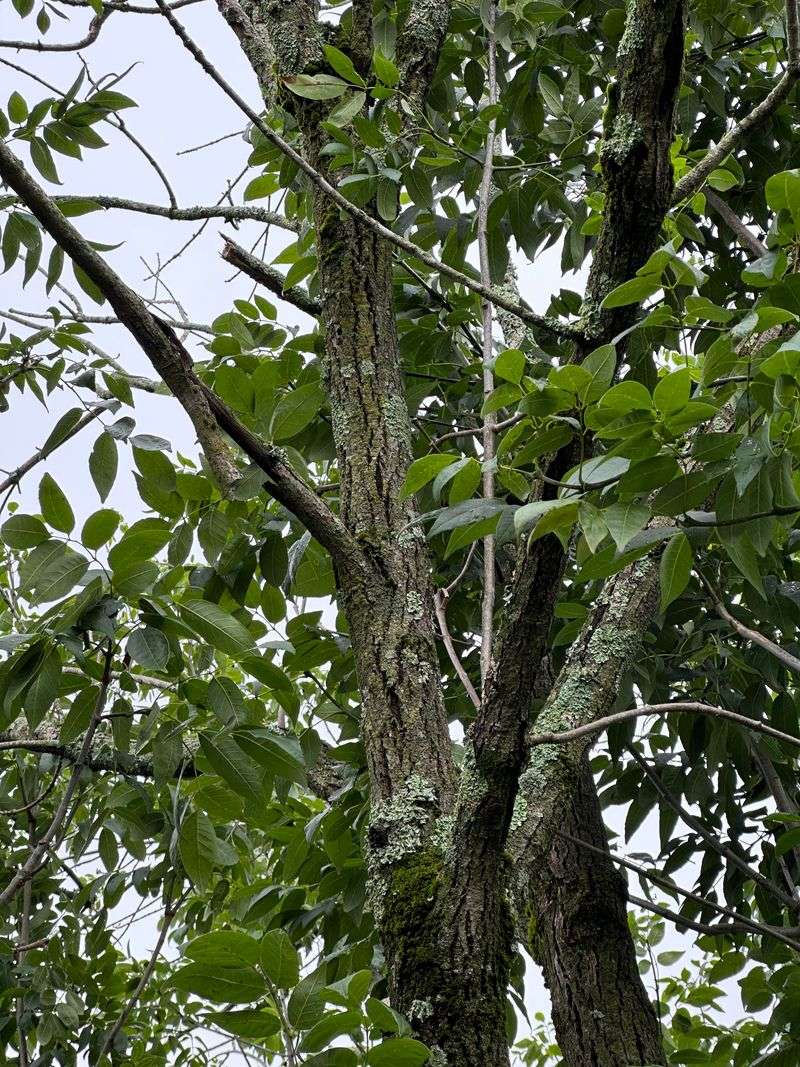
Agrilus planipennis larvae feed in winding tunnels just beneath the bark of Fraxinus spp., cutting off the flow of water and nutrients that branches need to stay healthy. Because the highest branches are farthest from the roots, they feel that disruption first.
Leaves at the very top begin to look sparse, smaller than usual, or simply fail to fill in the way they did in previous springs.
Michigan homeowners should make a habit of looking up at their ash trees each May and June when leaves are fully open. A healthy ash tree should have a full, even canopy with no obvious gaps.
If you spot thinning at the crown while the lower branches still look fine, that uneven pattern is a red flag worth taking seriously.
Getting a closer look with binoculars can help you spot bare twigs or undersized leaf clusters without climbing. Catching this sign early gives you the best possible window to explore treatment options before the infestation spreads further through the tree.
2. Woodpecker Activity Can Signal Hidden Emerald Ash Borer Larvae
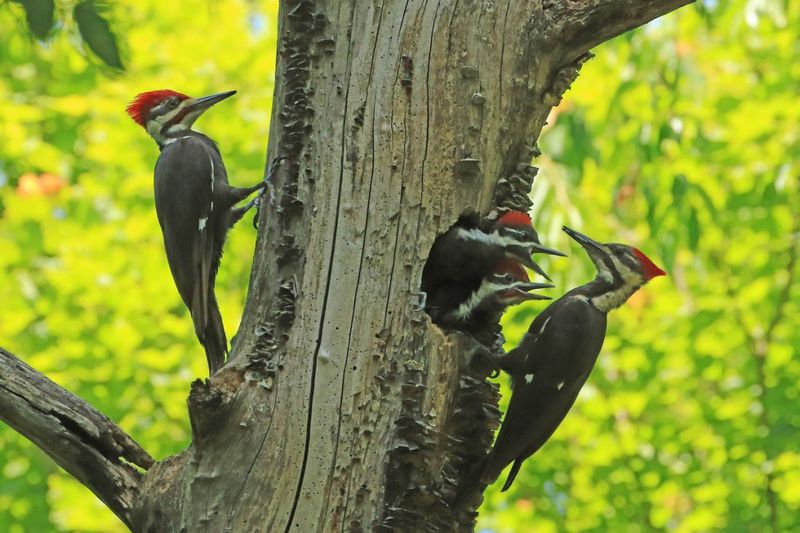
Woodpeckers are some of the best natural detectives in the forest, and when they start hammering away at your ash tree with unusual intensity, they are trying to tell you something important.
Birds like the Downy, Hairy, and Red-bellied Woodpecker have a remarkable ability to hear or sense Agrilus planipennis larvae moving beneath the bark of Fraxinus spp., and they will work hard to reach them.
What makes woodpecker feeding a useful clue is the pattern it leaves behind. Instead of small, neat holes, woodpeckers often strip away long, irregular patches of outer bark to expose the creamy wood underneath.
Homeowners sometimes call this blonding because of the pale color the exposed wood shows against the darker bark. These light-colored patches can appear anywhere on the trunk or main branches and are especially visible in winter when leaves are gone.
Your Michigan Garden Changes Every Week. Your Plan Should Too.
Gardening in Michigan changes quickly throughout the season. Every Friday you’ll receive a simple weekly plan showing exactly what to plant, prune, fertilize, harvest, and protect so you never miss the right timing.
Spotting one woodpecker on your tree is not necessarily alarming since birds feed on many insects. Seeing repeated, heavy feeding activity concentrated on the same tree over days or weeks is a much stronger signal.
Multiple birds returning to the same ash tree is worth paying close attention to.
If you notice this kind of activity, walk up to the tree and look closely at the areas where bark has been removed. You may find additional clues like S-shaped tunnels or tiny exit holes that confirm what the woodpeckers already suspected.
3. D Shaped Exit Holes Are One Of The Clearest Emerald Ash Borer Signs
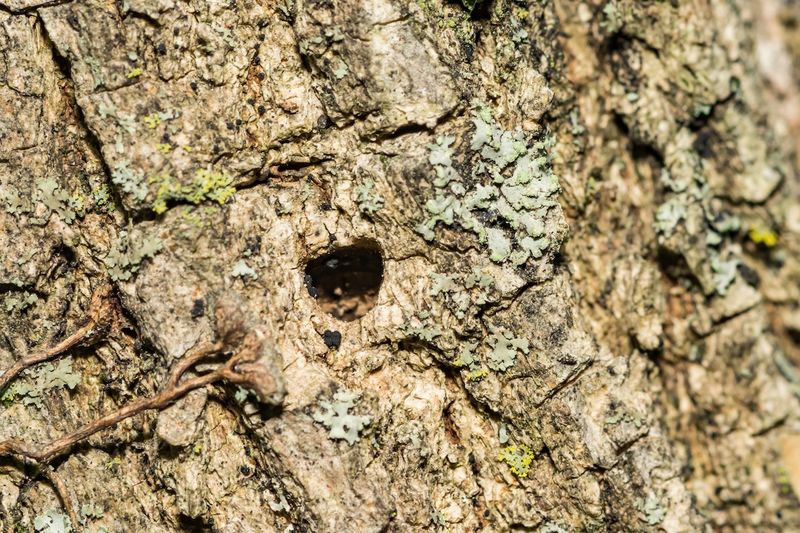
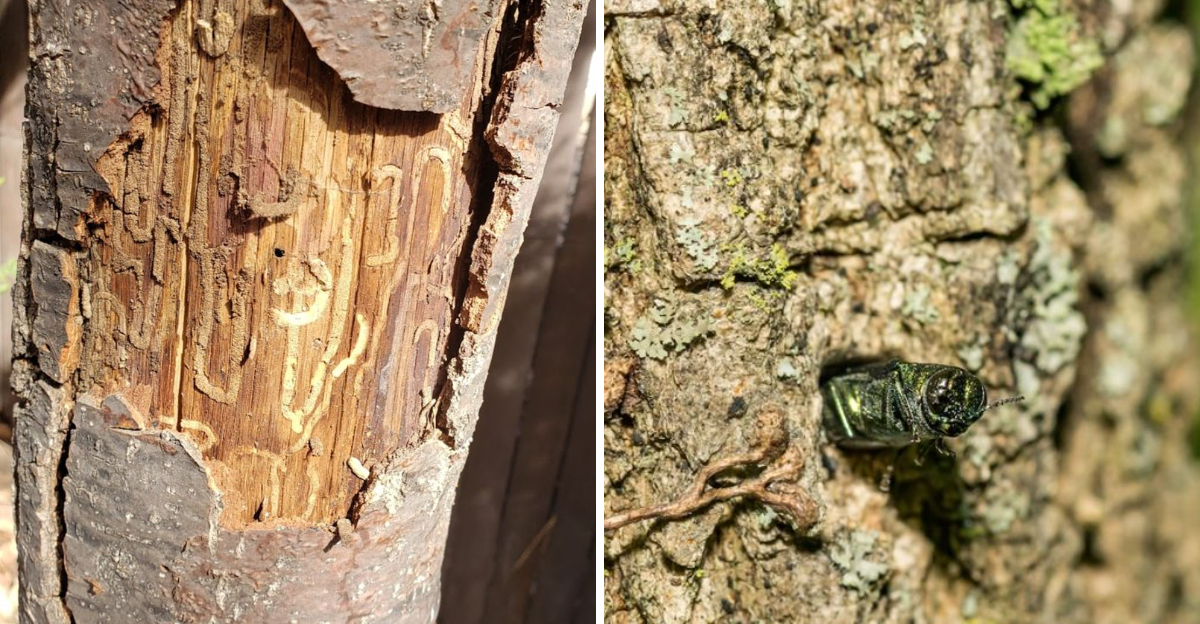
Few signs are as unmistakable as the tiny D-shaped exit holes that adult Emerald Ash Borers leave behind when they push through the bark.
Adult Agrilus planipennis beetles emerge from beneath the bark of Fraxinus spp. between late May and August in Michigan, and each one punches out a small, perfectly flat-edged hole that looks just like a capital letter D.
These holes are only about one-eighth of an inch wide, which makes them easy to overlook at first glance. Running your hand along the bark of your ash tree can actually help you feel them before your eyes catch them, especially on rough-barked older trees.
They tend to appear on the trunk and main branches, though they can show up anywhere the larvae have been feeding.
One important thing to know is that these holes only appear after the adult beetles have already left.
That means finding exit holes confirms an active or recent infestation, but it also means larvae were already feeding inside the tree for at least a full year before those holes appeared.
Timing your inspections for late summer, after the adult flight season ends, gives you the clearest view of how many exit holes have accumulated.
Bring a magnifying glass when you inspect your tree because the holes are genuinely small. Comparing what you find to reference photos from Michigan State University Extension can help you confirm whether what you are seeing matches the signature D shape.
4. Splitting Bark Often Reveals Hidden Tunnels Beneath The Surface
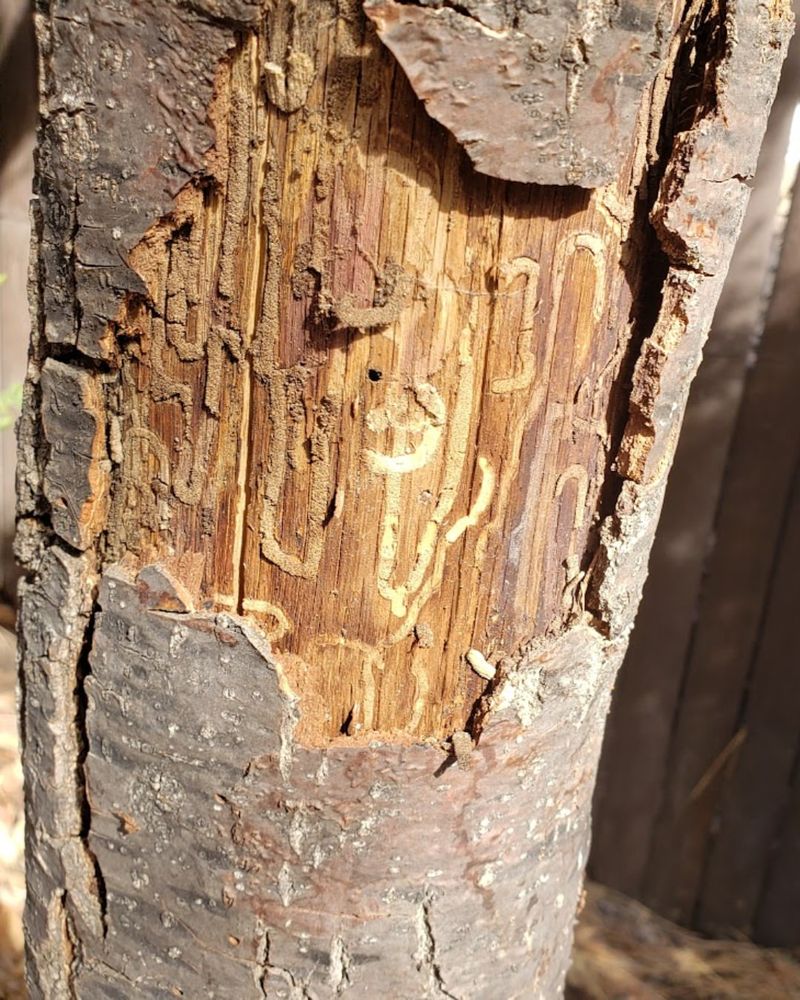
Bark that cracks, splits, or pulls away from the trunk in vertical strips is one of the more dramatic signs that something serious is happening beneath the surface of your ash tree.
When Agrilus planipennis larvae feed inside Fraxinus spp., they carve winding, S-shaped galleries through the cambium layer, which is the thin living tissue just beneath the bark that carries nutrients and water throughout the tree.
As larvae feed through an entire growing season, those galleries multiply and overlap, eventually disrupting so much of the cambium that the bark above them loses its grip on the wood beneath.
Vertical cracks form along the trunk, and in more advanced cases, sections of bark may actually lift away or fall off entirely.
Peeling back a loose piece of bark by hand often reveals the telltale serpentine tunnels packed with fine, sawdust-like frass.
Spring and early summer are good times to walk around your ash trees and look for any new vertical cracking that was not there the previous year.
Fresh splits with slightly raised or discolored edges are more concerning than old weathered cracks that have been there for years.
Michigan homeowners should pay particular attention to the lower trunk and the areas where large branches meet the main stem.
Finding these tunnels is a strong confirmation of infestation and usually means larval feeding has been underway for at least one full season, making prompt professional assessment a smart next step.
5. Small Branches Sprouting Along The Trunk Can Signal Serious Stress
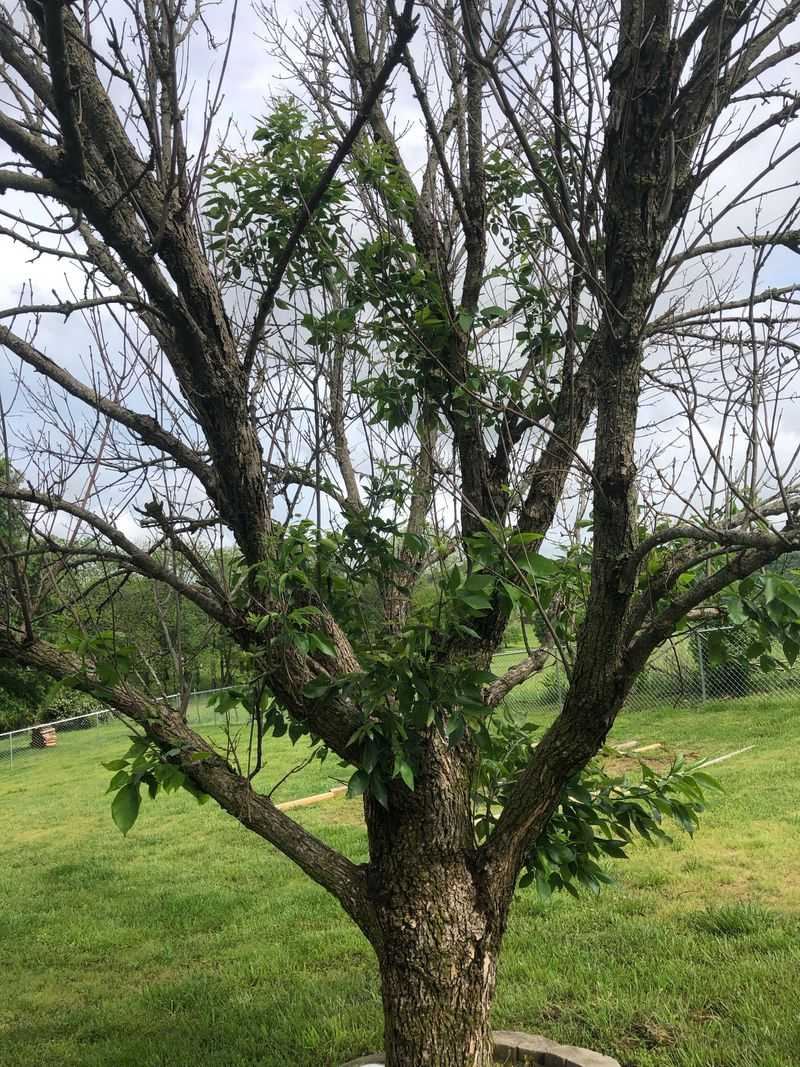
Seeing little green shoots popping out directly from the trunk or main branches of your ash tree might seem encouraging at first, like the tree is growing vigorously.
In reality, those sprouts, called epicormic shoots, are a stress response, and on an ash tree in Michigan they deserve a second look.
When Agrilus planipennis larvae disrupt nutrient flow inside Fraxinus spp., the tree essentially goes into survival mode.
Dormant buds that would normally never activate suddenly push out new growth in an attempt to compensate for the declining upper canopy.
These shoots tend to cluster low on the trunk or at the base of major branches, and they often appear at the same time the upper crown is thinning out.
Epicormic sprouting is not unique to Emerald Ash Borer. Drought, root damage, and other stressors can trigger the same response.
What makes it a stronger warning sign on an ash tree is the combination of factors: sprouting low on the trunk paired with a thinning crown and any other signs from this list paints a much clearer picture of what may be happening inside the tree.
If you notice these shoots on your ash tree, take some time to inspect the trunk carefully for exit holes, bark splitting, or woodpecker damage.
Gathering multiple pieces of evidence before calling an arborist will help them assess the situation more accurately and recommend the most appropriate course of action for your specific tree.
6. Emerald Ash Borer Damage Is Often Mistaken For Drought Stress At First
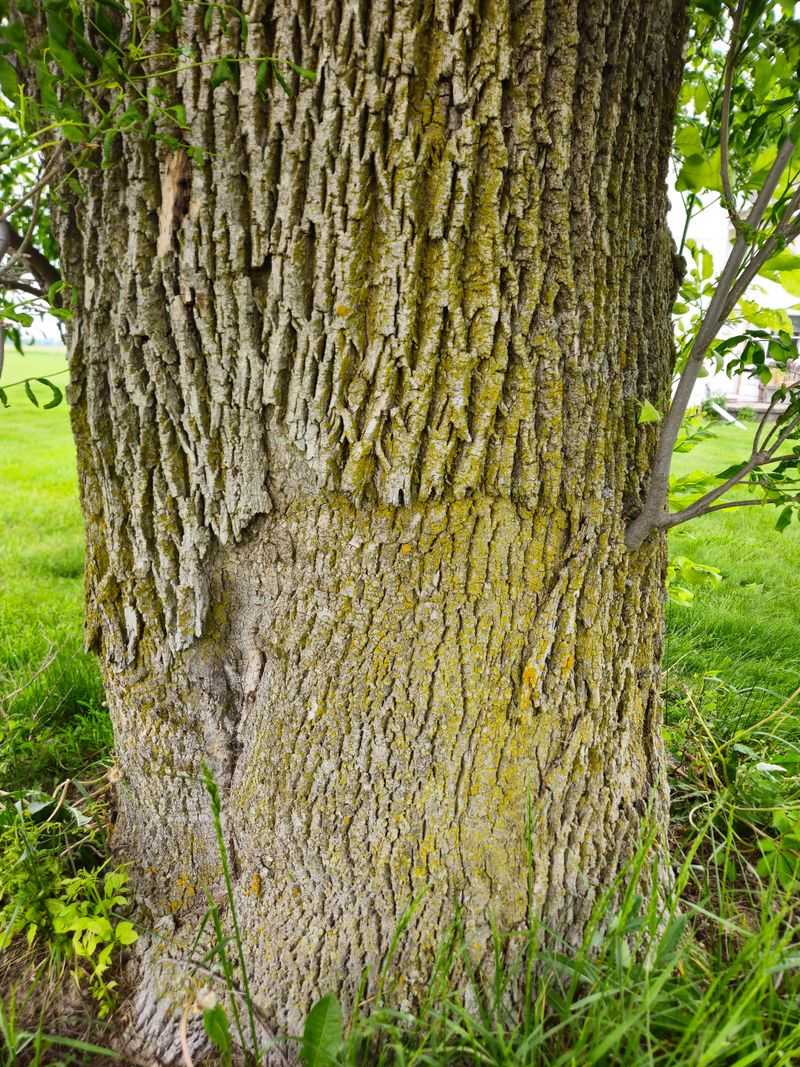
Yellowing leaves, a sparse canopy, and branches that seem to lag behind the rest of the tree in spring are symptoms that could point to several different problems.
Drought stress is one of the most common explanations homeowners reach for first, and it is easy to understand why since the early symptoms of Agrilus planipennis infestation in Fraxinus spp. look almost identical to what you see during a dry summer.
The key difference lies in the pattern and the timeline. Drought stress tends to affect the whole tree somewhat evenly, while Emerald Ash Borer damage usually begins at the top and works its way down over one to three growing seasons.
If your ash tree looked stressed last year and the thinning has now moved further down the canopy, that progression is a meaningful clue that something more than dry weather is at work.
Leaf yellowing from Emerald Ash Borer also tends to appear earlier in the season than typical drought symptoms, often showing up in July before the hottest stretch of summer arrives.
Leaves may also be noticeably smaller than in previous years, even on branches that still appear to have decent coverage.
Watering your ash tree and waiting to see if it bounces back is a reasonable first step, but if symptoms persist or worsen heading into a second season, bringing in a certified arborist for a closer inspection is a much smarter move than hoping for improvement on its own.
7. Michigan Homeowners Should Never Move Ash Firewood Long Distances
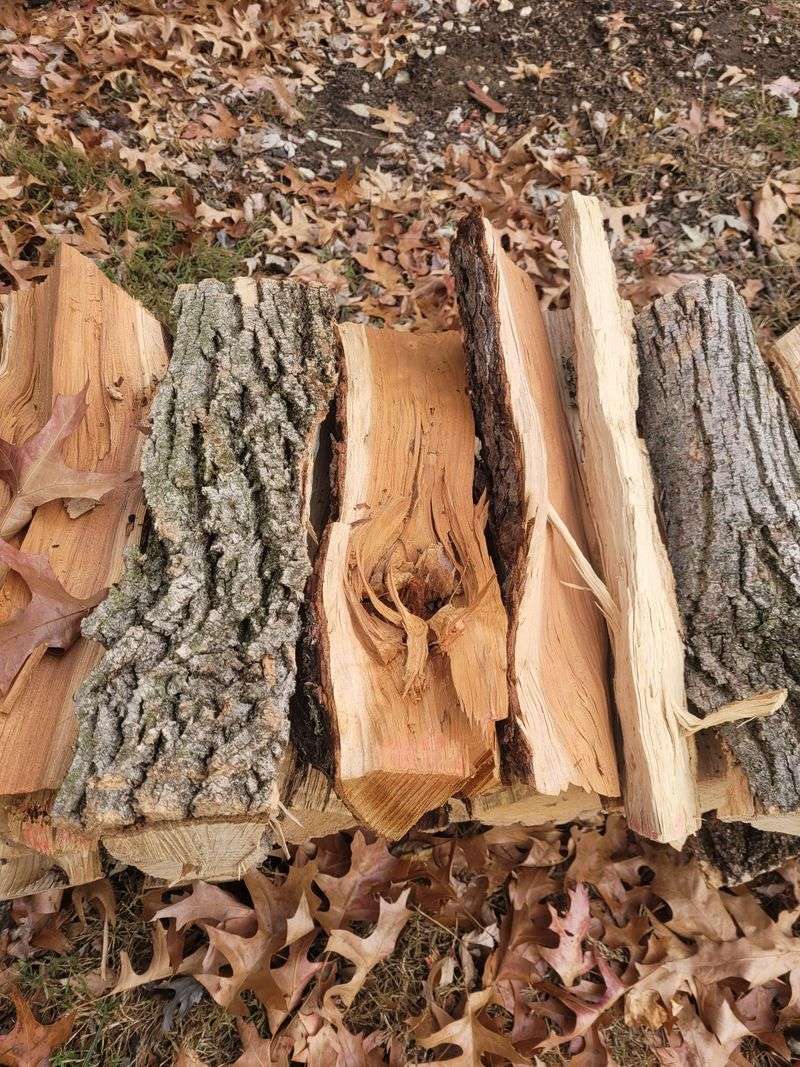
One of the fastest ways Emerald Ash Borer spreads into new areas is through firewood. Agrilus planipennis larvae can survive for an extended period inside cut ash wood, hidden beneath the bark and completely invisible from the outside.
When that wood gets loaded into a truck and driven to a campsite, a vacation cabin, or a neighbor’s yard miles away, the larvae travel right along with it.
Fraxinus spp. firewood has been a major pathway for spreading this pest into parts of Michigan that might otherwise have stayed protected for additional years.
That is why Michigan, along with many other states, has regulations in place restricting the movement of hardwood firewood, particularly ash.
Buying firewood locally, within about ten miles of where you plan to burn it, is one of the simplest and most effective things any homeowner or camper can do to slow the spread.
If you have an ash tree that needs to be removed from your property, work with a licensed tree service that handles the wood responsibly. Chipping the wood on-site eliminates the risk of transporting larvae, and the chips can often be used as mulch right in your own yard.
Spreading awareness among neighbors, friends, and family members who camp or heat their homes with wood makes a genuine difference at the community level.
Small choices about firewood add up across thousands of households and can meaningfully protect the ash trees that remain in Michigan landscapes.
8. Healthy Ash Trees Can Sometimes Be Protected With Early Treatment
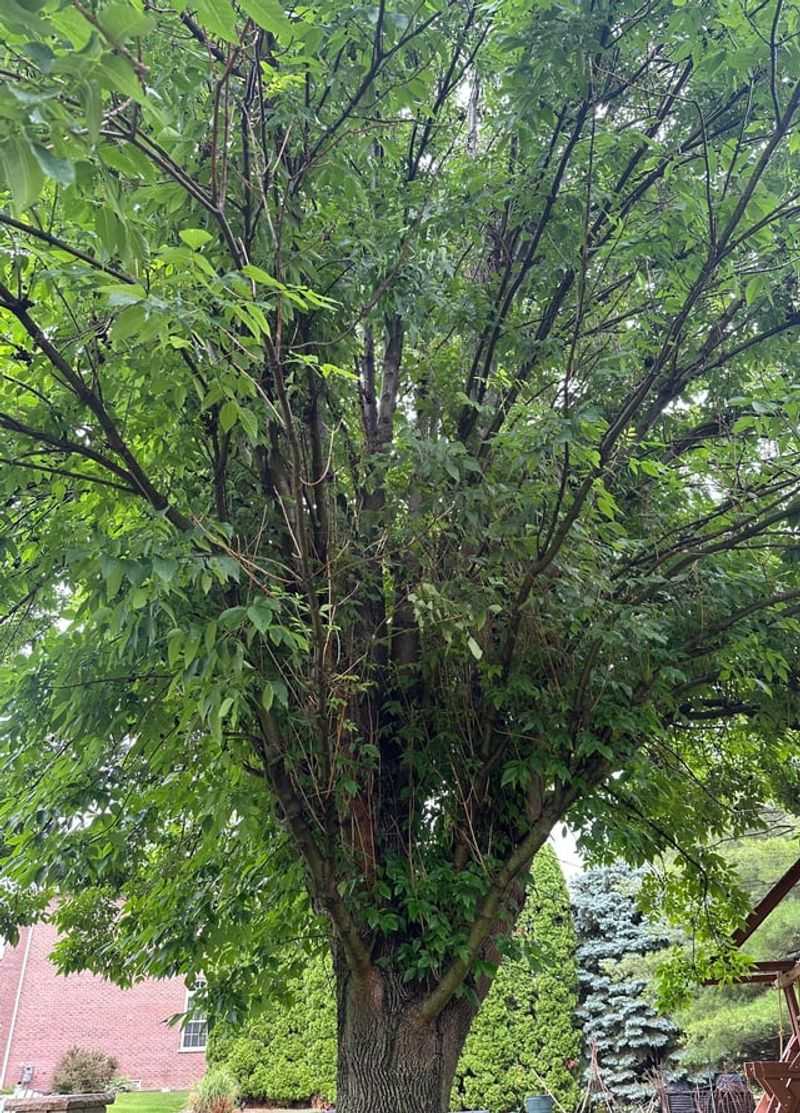
Not every ash tree facing Emerald Ash Borer pressure has to be lost.
When Agrilus planipennis is caught early enough, treatment options exist that can help protect otherwise healthy trees, especially large, mature specimens that provide significant shade, beauty, or habitat value in a yard or neighborhood.
Systemic insecticide treatments are the most widely used approach and come in several forms.
Soil injections, trunk injections, and basal bark applications all work by moving active ingredients through the tree’s vascular system to reach larvae feeding beneath the bark.
Products containing emamectin benzoate, imidacloprid, or dinotefuran have shown meaningful results when applied correctly and at the right time.
Most treatments need to be reapplied every one to three years depending on the product used. Timing is everything with these treatments.
Trees that are already showing heavy canopy loss, extensive bark damage, or widespread branch decline are much less likely to respond well because the vascular system needed to distribute the treatment has already been too disrupted.
Professionals generally consider trees with more than fifty percent canopy loss to be poor candidates for treatment.
Working with a licensed arborist or pesticide applicator is strongly recommended rather than attempting soil drench products on your own for large trees.
A professional can assess exactly how far the infestation has progressed and give you an honest picture of whether treatment is a realistic investment or whether other options make more sense for your situation.
9. Withered Upper Branches Usually Mean The Infestation Has Progressed
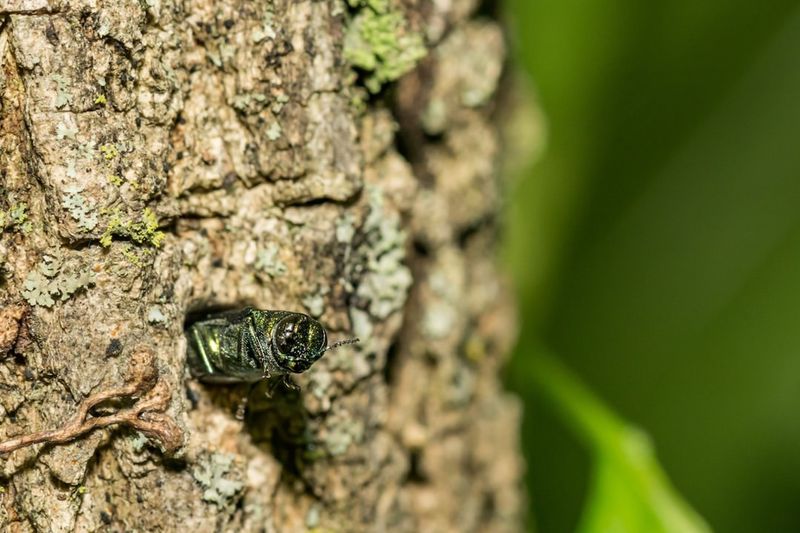
When the upper branches of your ash tree go from simply thinning to fully bare and brittle, the infestation has moved into a more serious stage.
Agrilus planipennis larvae feeding heavily inside Fraxinus spp. eventually cut off enough of the cambium layer that whole sections of the tree can no longer sustain living tissue above those feeding zones.
Bare upper branches in summer, when every other tree on the block is fully leafed out, stand out immediately. At this stage, the infestation has usually been active for two or more growing seasons, and the damage is no longer limited to the crown.
Careful inspection of the mid-canopy often reveals the same progression beginning in the next layer down, with leaves becoming sparse and smaller than normal on branches that were still looking decent the previous year.
Beyond tree health, advanced canopy decline raises legitimate safety questions. Brittle upper limbs on a large ash tree can become hazardous during Michigan wind and ice storms.
Branches weakened by extended larval feeding have much less structural integrity than healthy wood, and a falling limb from a tall ash tree poses real risks to people, vehicles, and structures below.
Scheduling a professional arborist evaluation when you notice this level of decline is genuinely important.
A certified arborist can assess structural risk, evaluate whether any treatment potential remains, and help you make a well-informed decision about the next steps for your tree and the safety of your property.