8 Signs Your Petunias Need Help Before Temperatures Climb
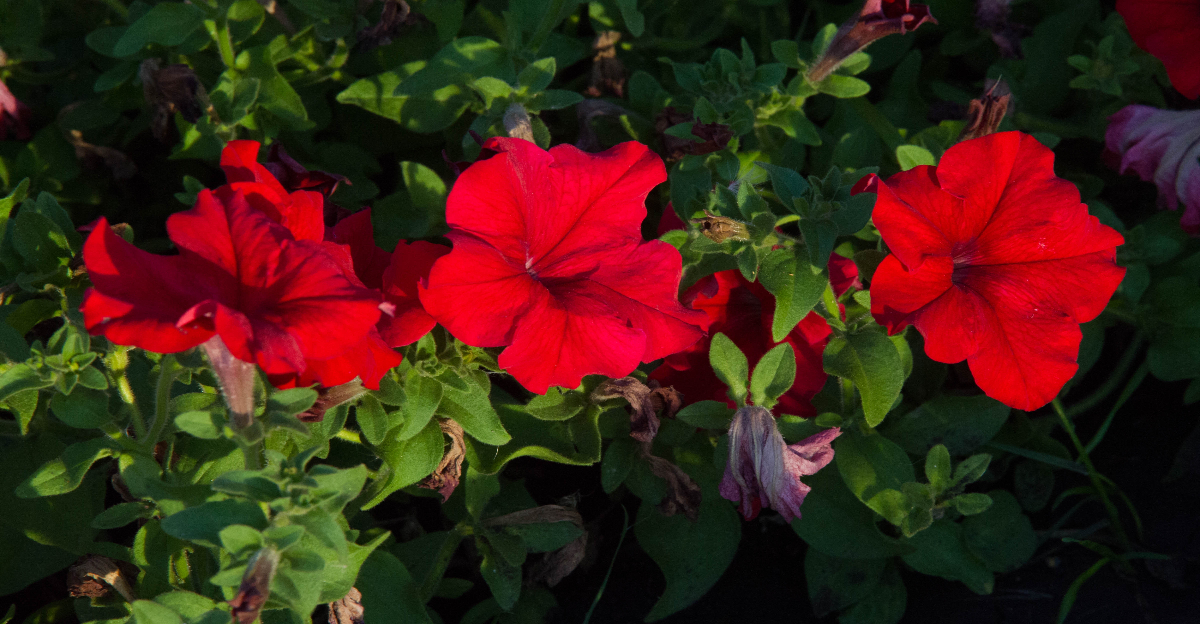
Petunias are forgiving plants. But they’re not silent ones. Long before the summer heat takes over, they start showing small signs that something is off.
Most of the time, those signs are subtle enough that you brush them off and move on.
The problem is, most gardeners only notice something is wrong when the damage is already done. By then, you’re not preventing a problem. You’re recovering from one.
Catching those early signals before temperatures climb can mean the difference between thriving petunias and ones that are barely surviving.
You don’t need a green thumb to spot them. You just need to know what to look for.
Your Petunias Are Wilting Even After Watering
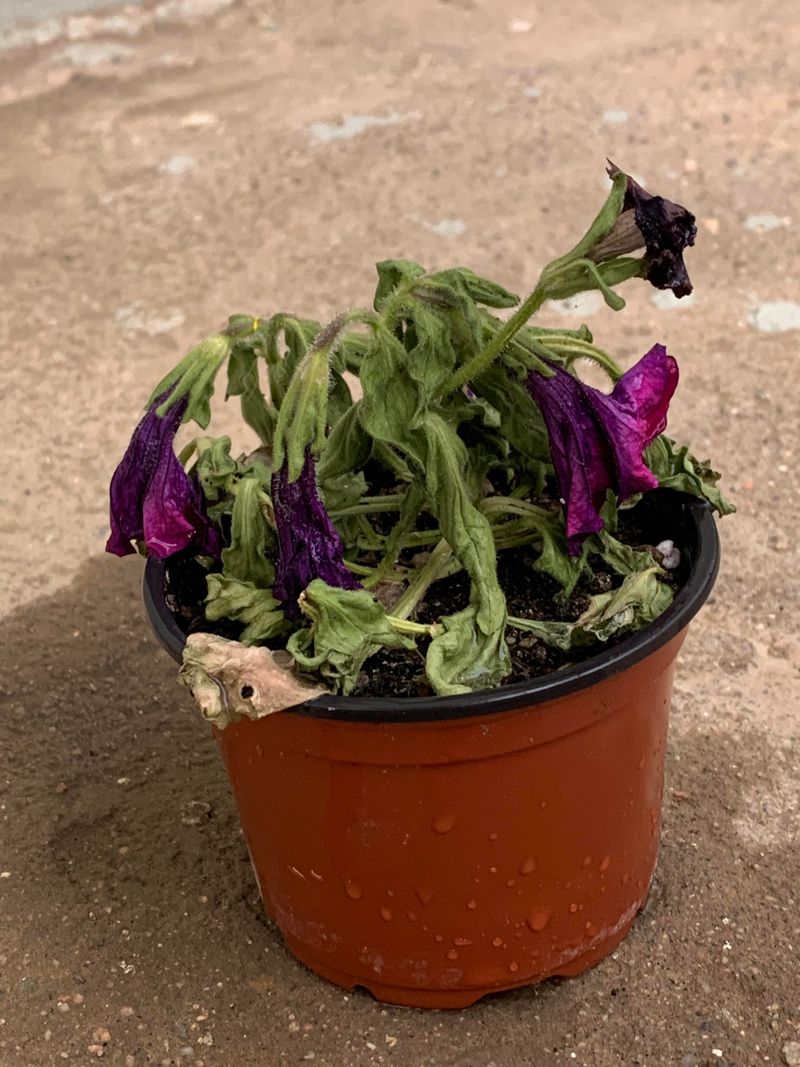
You just watered your petunias an hour ago, but they still look completely defeated. That drooping, lifeless look after a fresh drink is one of the clearest signs your petunias need help.
Wilting after watering usually points to a root problem. Roots that are waterlogged, compacted, or rotting cannot move moisture up through the plant.
Check the soil about two inches down with your finger. If it feels soggy instead of moist, you may be overwatering and suffocating the roots.
Root rot is sneaky because it looks just like drought stress from the outside. The fix starts with improving drainage before temperatures climb and make things worse.
Try loosening the soil around the base of each plant with a small hand fork. Better airflow around roots helps them recover faster than almost anything else.
If you have petunias in containers, make sure every pot has drainage holes at the bottom. Standing water at the bottom of a pot is a silent problem most gardeners miss.
Sometimes wilting is caused by heat stress, especially in afternoon sun. Moving container petunias to a spot with morning sun and afternoon shade can make a huge difference.
Fix the drainage now, and your petunias have a real chance of making it through summer without a setback.
The Leaves Are Starting To Curl Inward
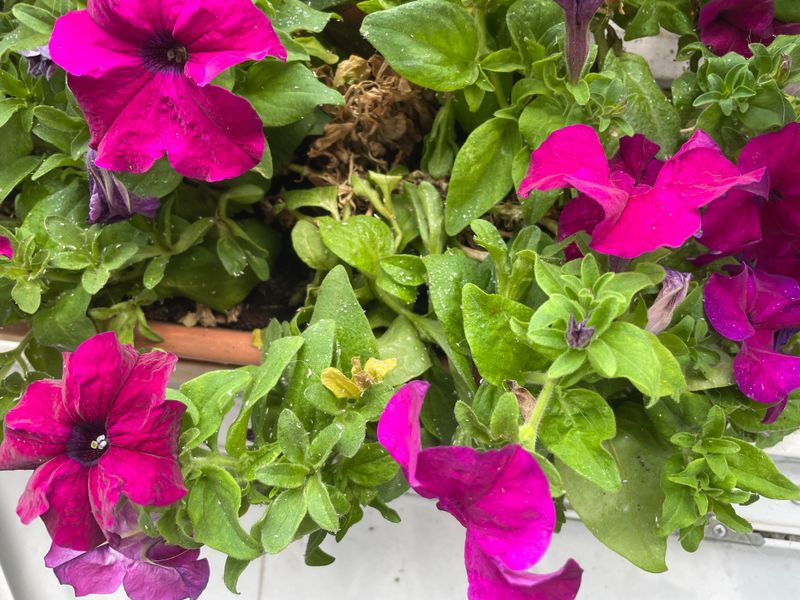
Curling leaves on a petunia plant look almost like the plant is trying to protect itself, and honestly, it is. Leaf curl is a physical response to stress, and it shows up before the damage gets serious.
One of the most common causes is inconsistent watering. When soil swings between bone dry and soaking wet, petunias curl their leaves to slow down water loss.
Heat is another big trigger, especially when temperatures start rising fast in late spring. Plants curl their leaves to reduce the surface area exposed to intense sunlight.
Pests can also cause curling, especially aphids and thrips. These tiny insects feed on leaf tissue, causing the edges to curl and distort in response.
Flip a curling leaf over and look closely at the underside. Tiny moving dots, sticky residue, or small insects confirm a pest problem that needs immediate treatment.
If no pests are present, focus on your watering schedule. Petunias prefer evenly moist soil, not wet soil, and not completely dry soil between waterings.
Mulching around the base of your plants helps hold soil moisture steady throughout the day. A two-inch layer of bark mulch can reduce temperature swings in the soil dramatically.
Catching leaf curl early gives you a real shot at fixing the problem before the heat makes recovery harder. Catch it early enough, and the leaves will open back up on their own.
Blooms Are Dropping Before They Open
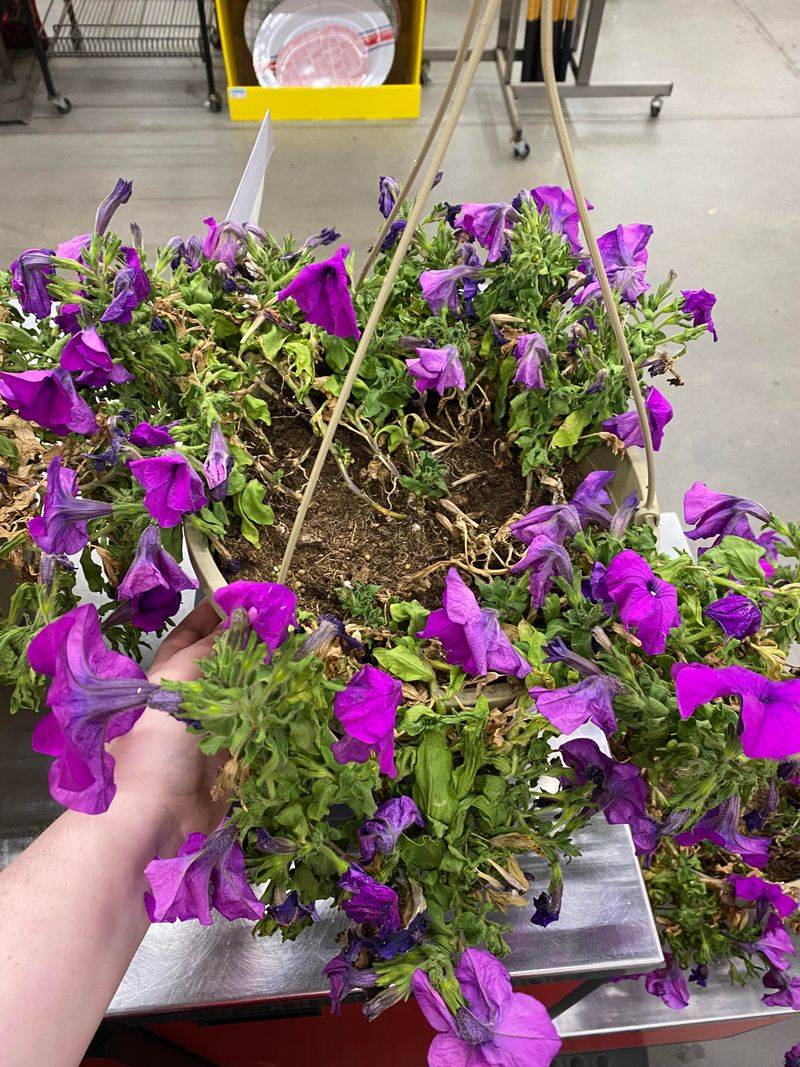
There is something genuinely heartbreaking about watching flower buds fall off before they ever open. Bud drop on petunias is a real warning sign, and it usually means the plant is under serious stress.
Temperature swings are one of the top reasons buds drop prematurely. When nights are still cool and afternoons get suddenly hot, petunias struggle to complete the blooming process.
Inconsistent watering is another major factor. A plant that goes from drought to flood cannot sustain the energy needed to push buds through to full bloom.
Nutrient deficiency, especially a lack of phosphorus, can also trigger bud drop. Phosphorus is the nutrient most responsible for flower development and root strength.
Try switching to a bloom-boosting fertilizer with a higher middle number on the label. That middle number represents phosphorus, and a boost now can help buds hold on and open fully.
Overcrowding is often overlooked as a cause of bud drop. When petunias are planted too close together, they compete for light and nutrients, and the weakest buds lose.
Give each plant at least twelve inches of breathing room. Thinning out your bed may feel counterintuitive, but it often leads to more blooms per plant overall.
Bud drop is a sign the plant cannot sustain the blooming process under current conditions. Address the root cause now, and you will see far fewer buds hitting the ground.
The Leaves Are Turning Yellow
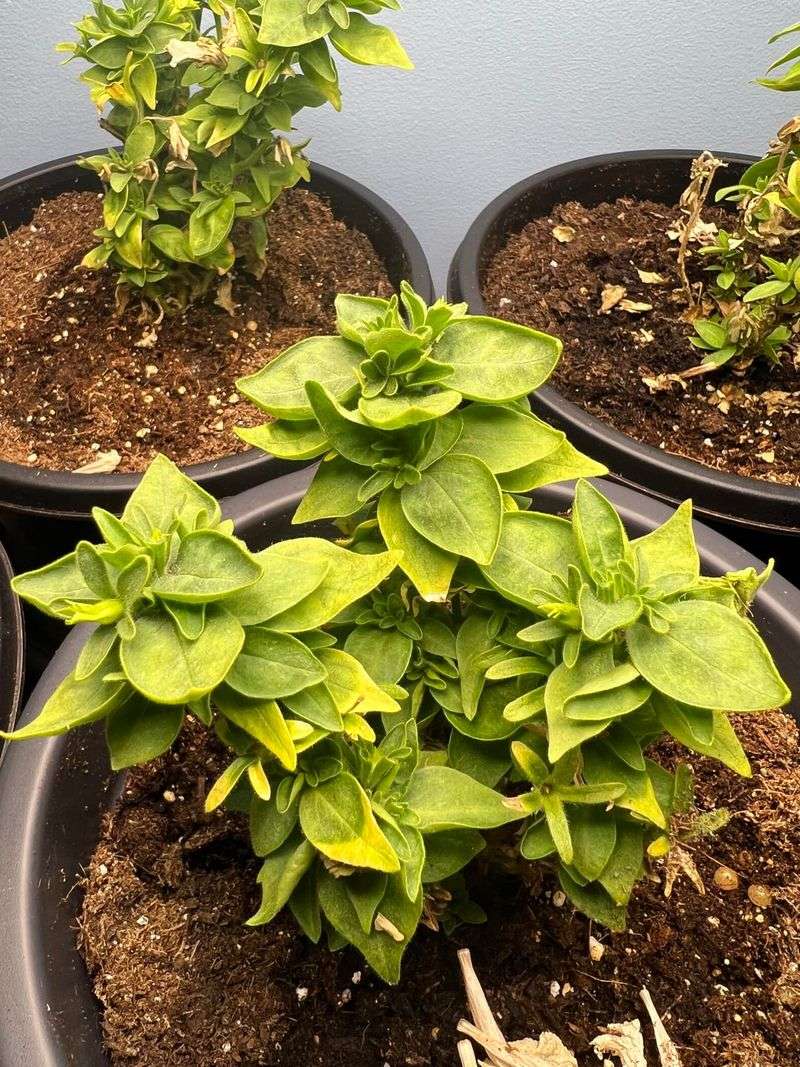
Yellow leaves are one of the clearest signs petunias give when something is off. The plant is using color to flag a problem before it gets worse.
Overwatering is the number one cause of yellowing in petunias. When roots sit in wet soil too long, they cannot absorb nutrients properly, and leaves start losing their green color.
Iron deficiency, called chlorosis, also causes yellowing, especially when soil pH is too high. Petunias prefer slightly acidic soil, around a pH of 6.0 to 6.5.
Test your soil with an inexpensive pH kit from any garden center. If the pH is too high, adding sulfur or an acidifying fertilizer can help bring it back into the right range.
Yellow leaves that start at the bottom of the plant and move upward often signal a nitrogen shortage. Nitrogen feeds leaf growth and keeps foliage looking rich and green.
A balanced slow-release fertilizer applied every four to six weeks can prevent this kind of deficiency. Look for a formula designed specifically for flowering annuals for the best results.
Sometimes yellowing is simply caused by natural aging of lower leaves. But if the yellowing is spreading upward quickly, that is a sign of something more serious needing attention.
Catching and correcting yellow leaves early keeps your petunias strong heading into the hottest part of the season. A green, healthy plant blooms longer and bounces back faster from heat stress.
The Stems Are Getting Long And Leggy
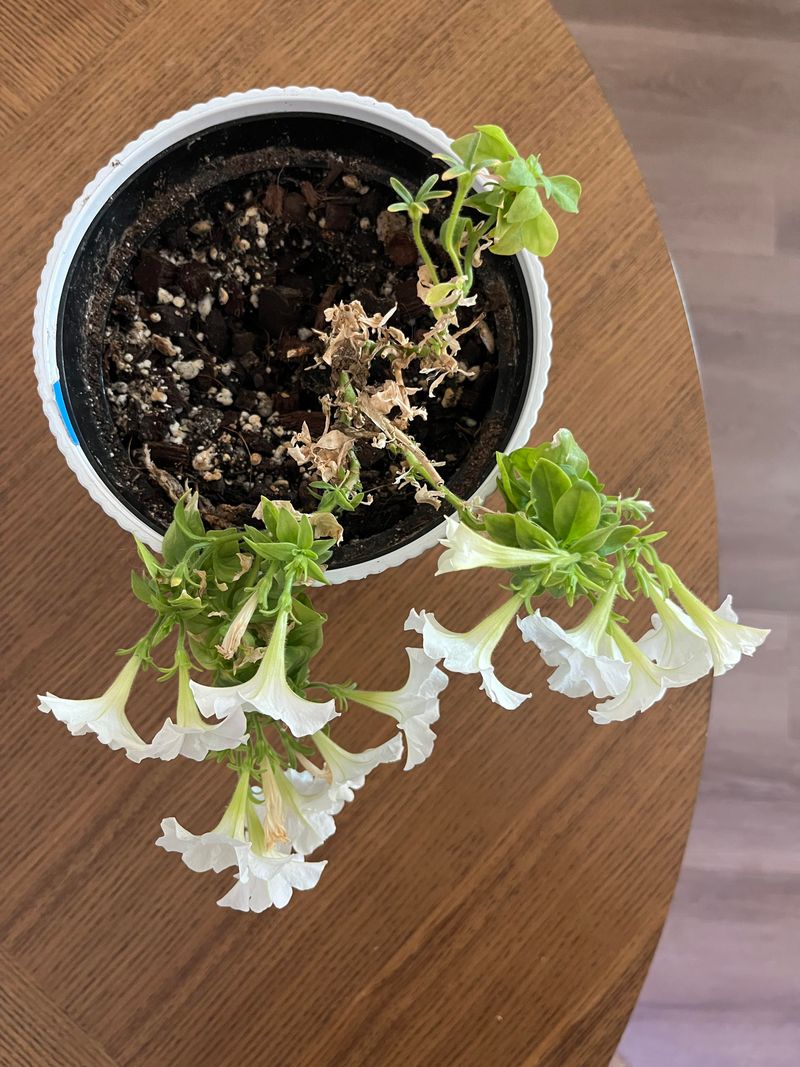
Leggy petunias look like they forgot what they were supposed to be doing. Long, bare stems with a few scraggly flowers at the tip are a classic sign that something has gone wrong.
Low light is the most frequent cause of legginess in petunias. When plants do not get enough sun, they stretch outward and upward searching for more light.
Petunias need at least six hours of direct sunlight each day to stay compact and full. If your bed gets less than that, consider moving containers to a sunnier spot.
Lack of pruning also leads to leggy growth over time. Without regular trimming, petunias put energy into extending stems rather than producing new flowers.
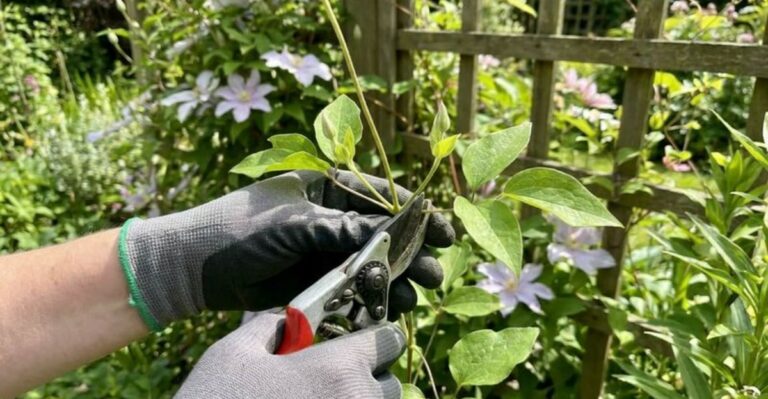
Pinching back your petunias is one of the easiest and most rewarding garden tasks you can do. Simply pinch off the top inch or two of each stem with your fingers every few weeks.
After pinching, plants redirect their energy into side shoots, creating a fuller, bushier shape. You may see fewer blooms for a week, but the payoff is a much more vigorous plant.
Fertilizer timing matters here too. High nitrogen fertilizers encourage leafy, stretching growth, while bloom formulas keep plants compact and flower-focused.
Leggy petunias are not a lost cause. They usually respond well to trimming if you catch it before the heat sets in.
Fewer Flowers Are Opening Than Usual
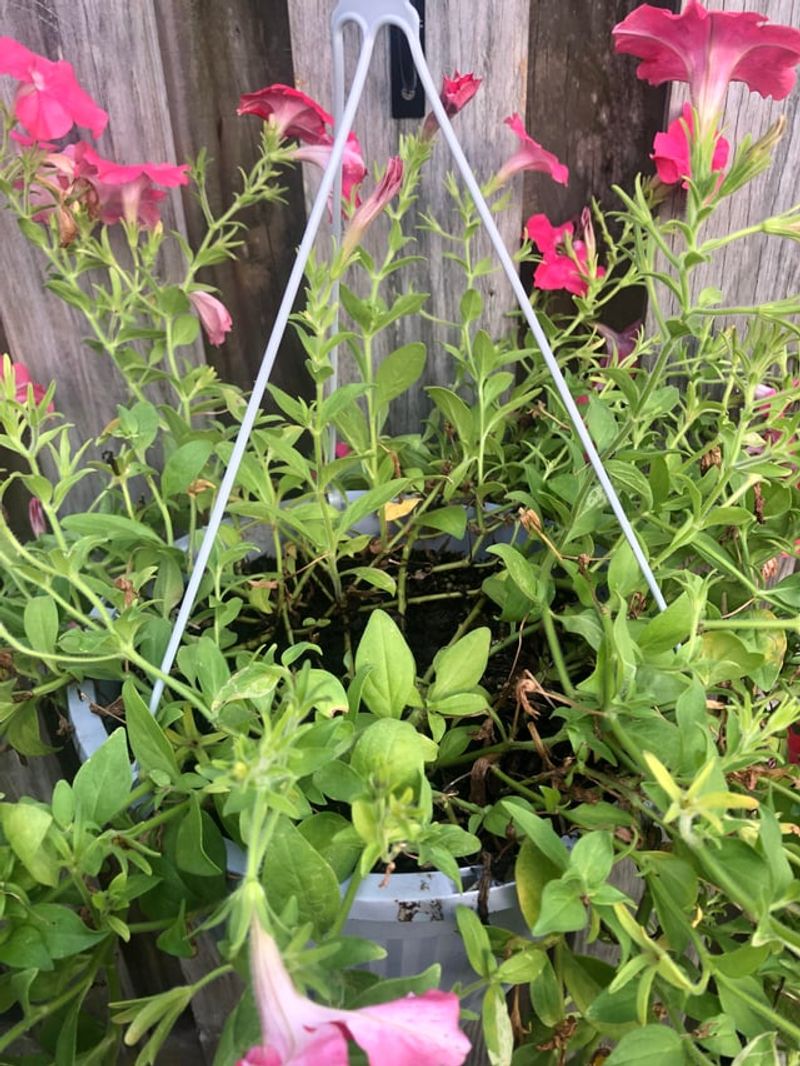
If your petunia bed looks more green than colorful lately, something is holding back the blooms. Fewer open flowers than usual is a sign worth taking seriously before the season peaks.
One of the most overlooked causes is spent bloom buildup. When old flowers are not removed, the plant shifts energy toward making seeds instead of new flowers.
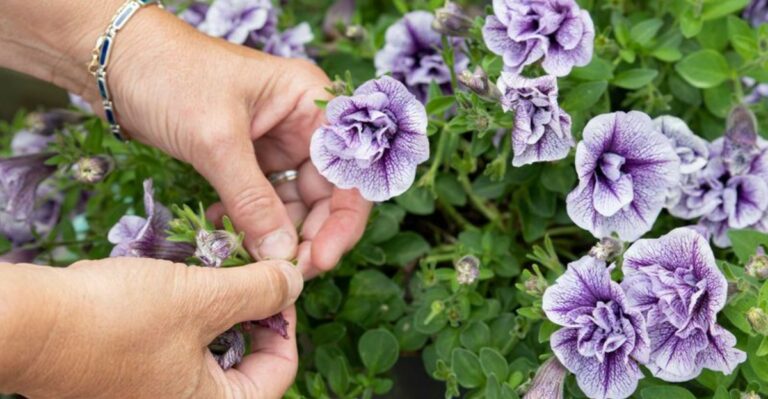
Removing faded blooms is simple and takes only a few minutes. Pinch off each spent flower just below the base, and new buds will form much faster.
Nutrient imbalance is another common reason for reduced flowering. Too much nitrogen pushes leafy green growth at the expense of buds and blooms.
Switch to a fertilizer higher in phosphorus and potassium to encourage your petunias to focus on flowering. Most petunias respond within a few weeks of switching to a bloom-focused fertilizer.
Crowding from nearby plants can also limit blooms by blocking light and airflow. Petunias that feel squeezed tend to put out fewer flowers as a stress response.
Check whether nearby shrubs or taller plants have grown and now cast shade on your petunia bed. Even partial shade for a few hours can noticeably reduce flower production.
More blooms are possible with a few targeted changes to your routine. A few small changes now can make a noticeable difference by the time peak summer arrives.
You Notice Sticky Residue Or Webbing On The Leaves
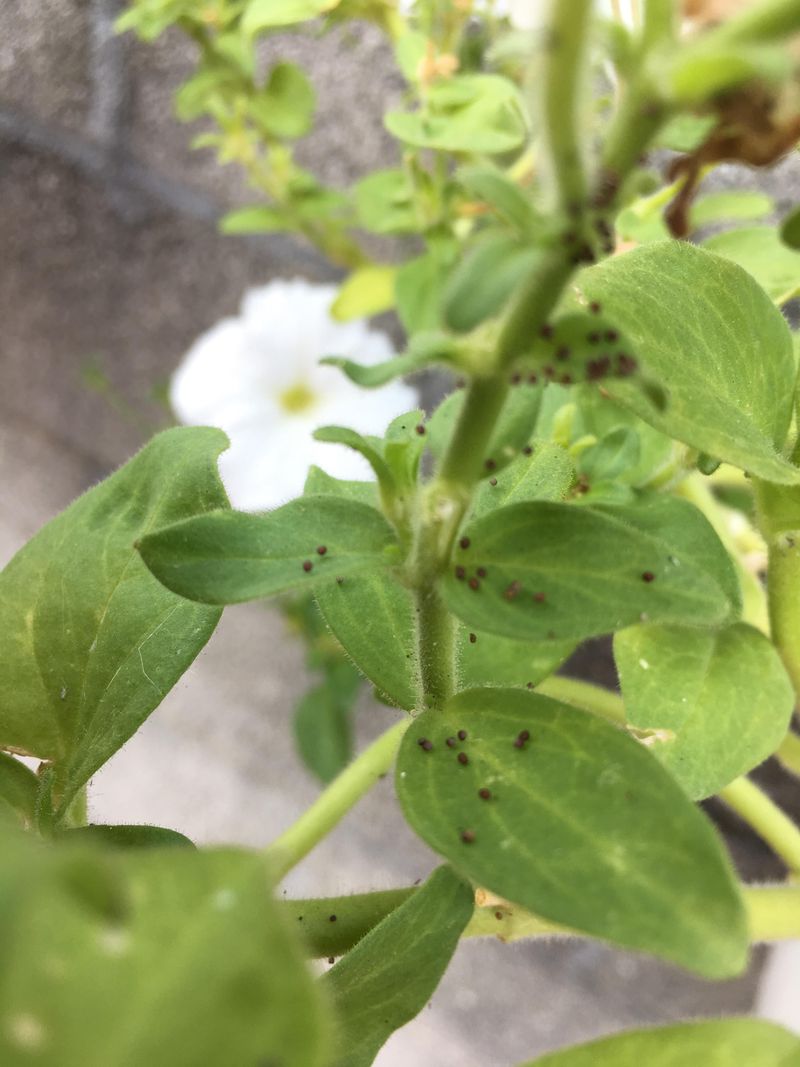
Sticky leaves and tiny webs on your petunias are not a mystery, they are a pest calling card. Catching this early is one of the most important things you can do before temperatures rise.
Aphids are the most common culprits behind sticky residue on petunia leaves. These soft-bodied insects feed on plant sap and leave behind a sugary waste called honeydew.
Honeydew attracts ants and can lead to sooty mold, a black fungal growth that blocks sunlight from reaching leaf surfaces. One pest problem can quickly snowball into several at once.
Spider mites produce the fine, dusty webbing you might notice on leaf undersides and between stems. They thrive in hot, dry conditions, which is exactly what is coming as temperatures climb.
A strong spray of water from a garden hose can knock aphids and mites off plants quickly. Repeat every two to three days for at least a week to break the pest cycle.
Neem oil spray is a reliable organic treatment for both aphids and spider mites. Mix it according to label directions and apply in the early morning or evening to avoid leaf burn.
Inspect your petunias at least twice a week during warm weather. A small colony can grow into a full infestation within days to weeks, especially once temperatures rise.
Staying ahead of pests now protects your petunias through the toughest stretch of summer. Clean leaves mean healthy plants, and healthy plants keep blooming no matter how hot it gets.
The Soil Dries Out Much Faster Than Usual
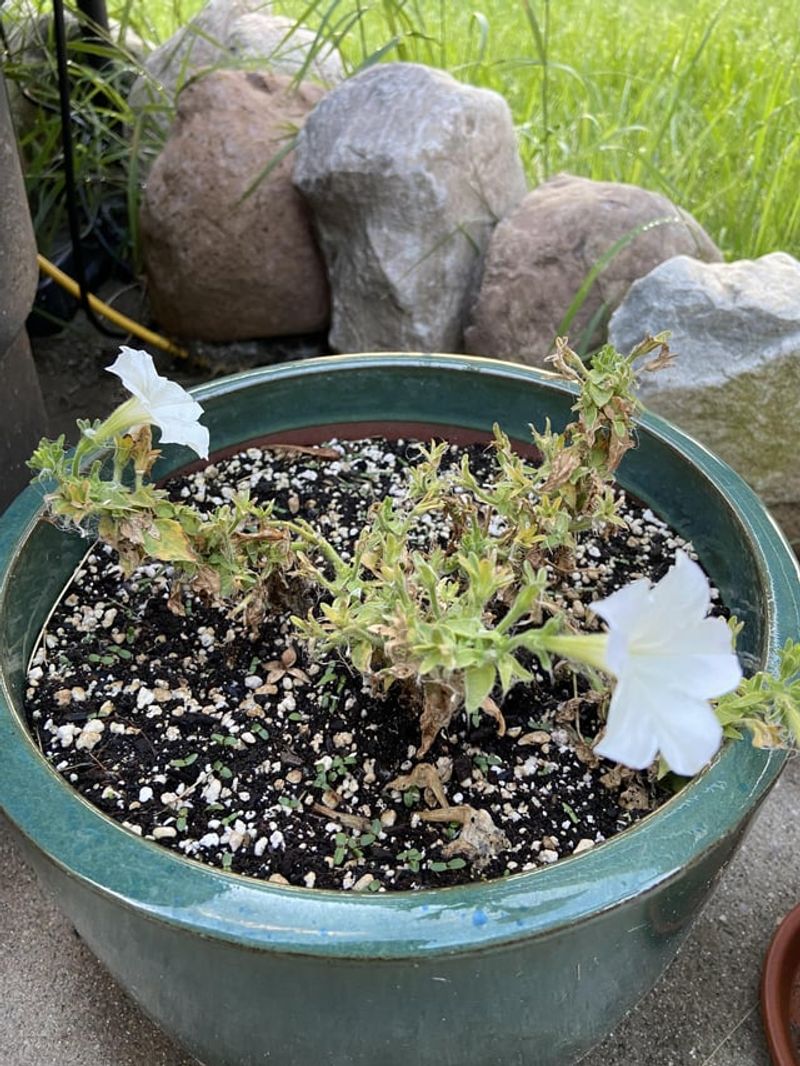
When you water your petunias in the morning and the soil looks bone dry by noon, that is your garden telling you something has changed. Rapidly drying soil is one of the clearest signs your petunias need help before summer heat takes over.
Container petunias are especially vulnerable to fast soil drying. Small pots hold less moisture and heat up quickly in direct sun, stressing roots faster than ground-planted flowers.
Switching to larger containers helps a lot because more soil volume holds water longer. A pot that is at least twelve inches wide gives roots room to spread and stay cooler.
In garden beds, soil that dries out fast is often low in organic matter. Sandy or compacted soils drain too quickly and cannot hold moisture between waterings.
Adding compost to your bed improves water retention dramatically. Mix two to three inches of compost into the top layer of soil around your petunias for immediate improvement.
Mulch is your best friend when soil moisture is the problem. A two-inch layer of shredded bark or straw mulch slows evaporation and keeps roots cooler throughout the day.
Watering deeply and less frequently trains roots to grow deeper into the soil. Deep roots access moisture that surface roots cannot, making plants more resilient during heat waves.
Getting your soil moisture under control now sets your petunias up for success all summer. Plants that go into summer well-watered and properly mulched are far less likely to struggle when temperatures peak.