Oregon Yard Habits That Attract More Gophers Than Anything Else Homeowners Do Without Realizing
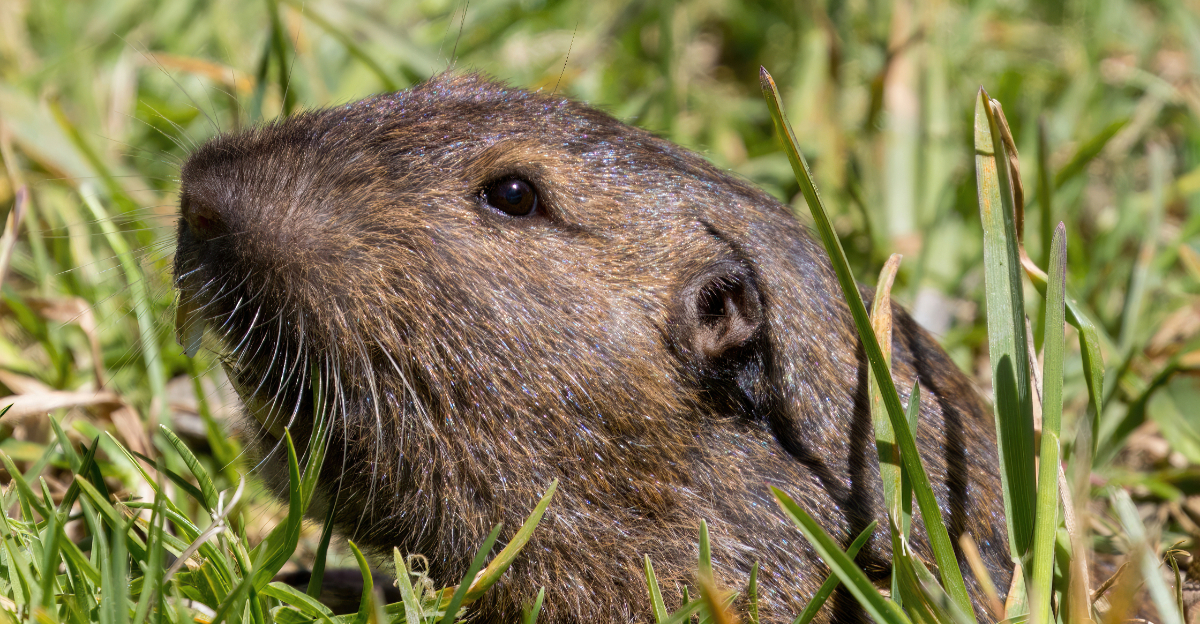
Most homeowners never set out to make their yard more inviting to gophers. Yet some of the most common outdoor routines can do exactly that without raising any red flags.
A healthy-looking lawn, thriving garden beds, or freshly watered landscape may seem like signs of success, but they can also catch the attention of some very determined underground visitors. That is what makes gophers so frustrating.
They often arrive long before the first mound of dirt appears, quietly settling in while everything above ground looks perfectly normal.
Once they decide your yard is worth sticking around for, convincing them to leave becomes a whole different challenge.
Knowing which everyday habits encourage them is the first step toward keeping your landscape a lot less appealing.
1. Leaving Bulbs In The Ground Gives Gophers A Food Source
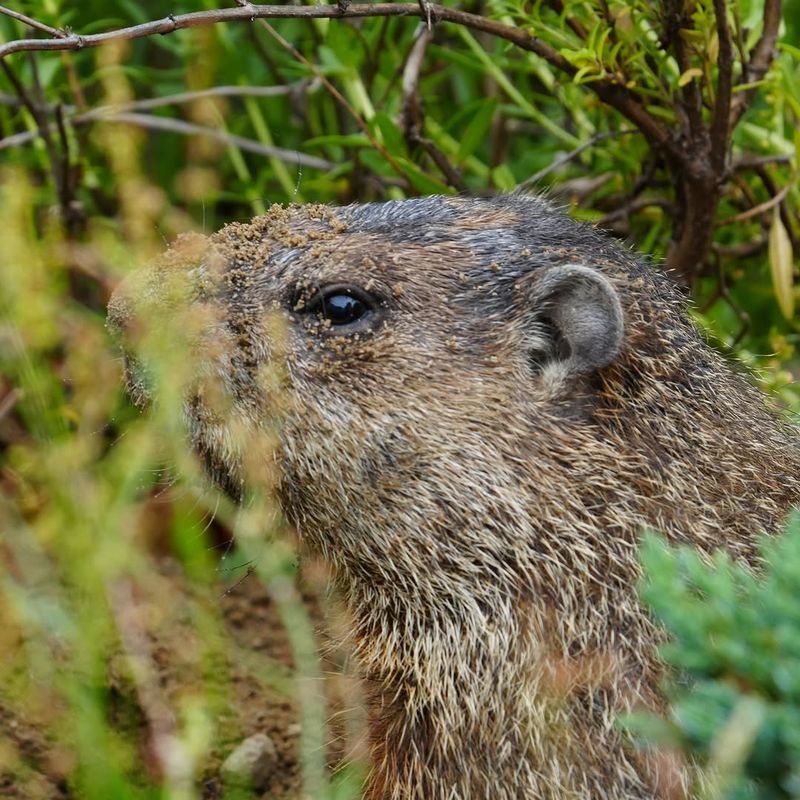
Flower bulbs sitting in the ground are basically a free meal waiting to be found. Gophers have a strong sense of smell, and they can locate bulbs buried several inches deep without any trouble at all.
Tulips, dahlias, and crocuses are some of their favorites, and Oregon has no shortage of homeowners planting these every season.
Most people assume bulbs are safe underground, but that is exactly where gophers spend most of their time. Once a gopher finds one bulb, it will keep tunneling through the same area looking for more.
The problem grows fast because gophers can move through soil quickly and quietly.
Leaving bulbs unprotected season after season trains gophers to return to your yard. They remember where food was found before, and they will come back.
Using wire mesh baskets around bulbs before planting them is one of the most effective ways to stop this habit from becoming a bigger issue.
Bulb cages made from hardware cloth are affordable and easy to use. You simply place the bulb inside the cage before burying it.
This keeps the roots protected while still allowing the plant to grow normally above ground. Making this one small change can reduce gopher activity in your garden beds significantly over time.
2. Overwatering Creates Softer Soil For Easy Digging
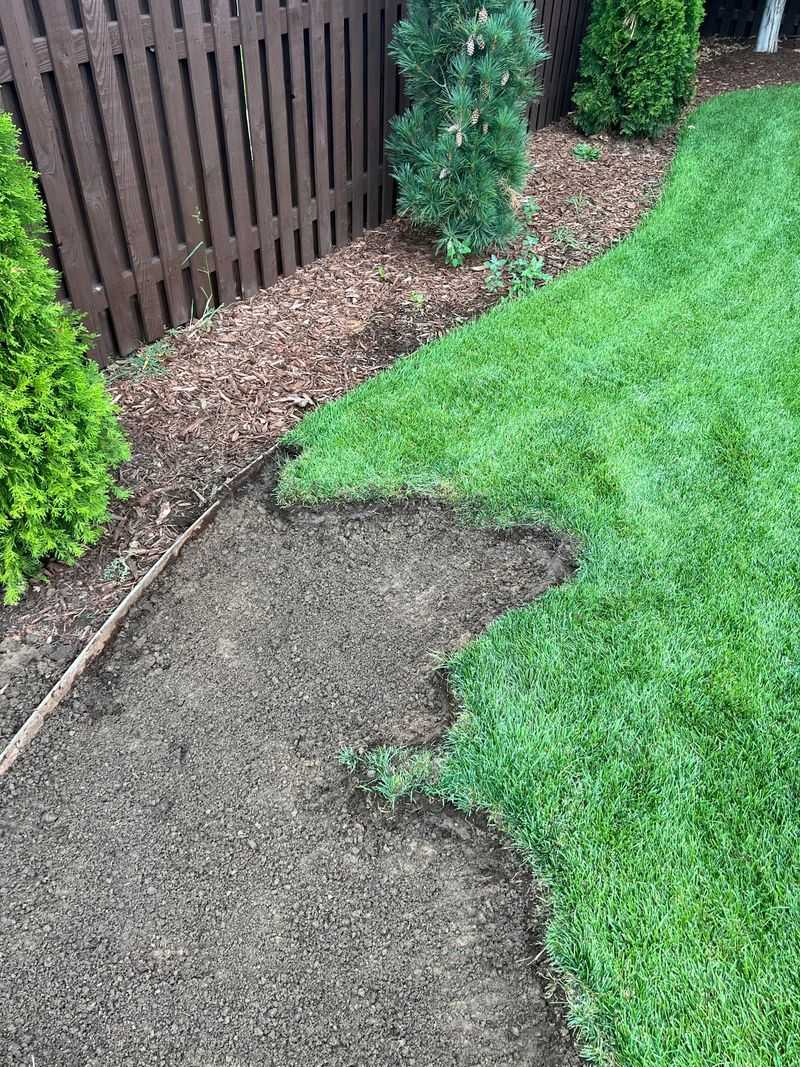
Soft, moist soil is a gopher’s dream. When the ground is easy to push through, gophers can tunnel faster and with less effort.
Overwatering your lawn or garden beds is one of the most common habits that makes Oregon’s yards so attractive to burrowing animals.
Many homeowners water on a fixed schedule without checking whether the soil actually needs it. This leads to consistently damp ground that stays loose and workable.
Gophers take full advantage of this because digging through wet soil takes far less energy than pushing through dry, compacted ground.
Cutting back on how often you water can make a real difference. Letting the top layer of soil dry out between watering sessions makes the ground harder and less inviting.
Gophers prefer the path of least resistance, and drier soil simply is not worth the extra effort for them.
Drip irrigation systems can also help by delivering water directly to plant roots instead of soaking the entire lawn. This keeps moisture more targeted and reduces the wide areas of soft soil that gophers love to work through.
Your Oregon Garden Changes Every Week. Your Plan Should Too.
Gardening in Oregon changes quickly throughout the season. Every Friday you’ll receive a simple weekly plan showing exactly what to plant, prune, fertilize, harvest, and protect so you never miss the right timing.
Checking soil moisture before turning on sprinklers is a simple habit that can gradually make your yard a less comfortable place for gophers to set up their tunnels.
3. Dense Groundcovers Give Gophers More Cover
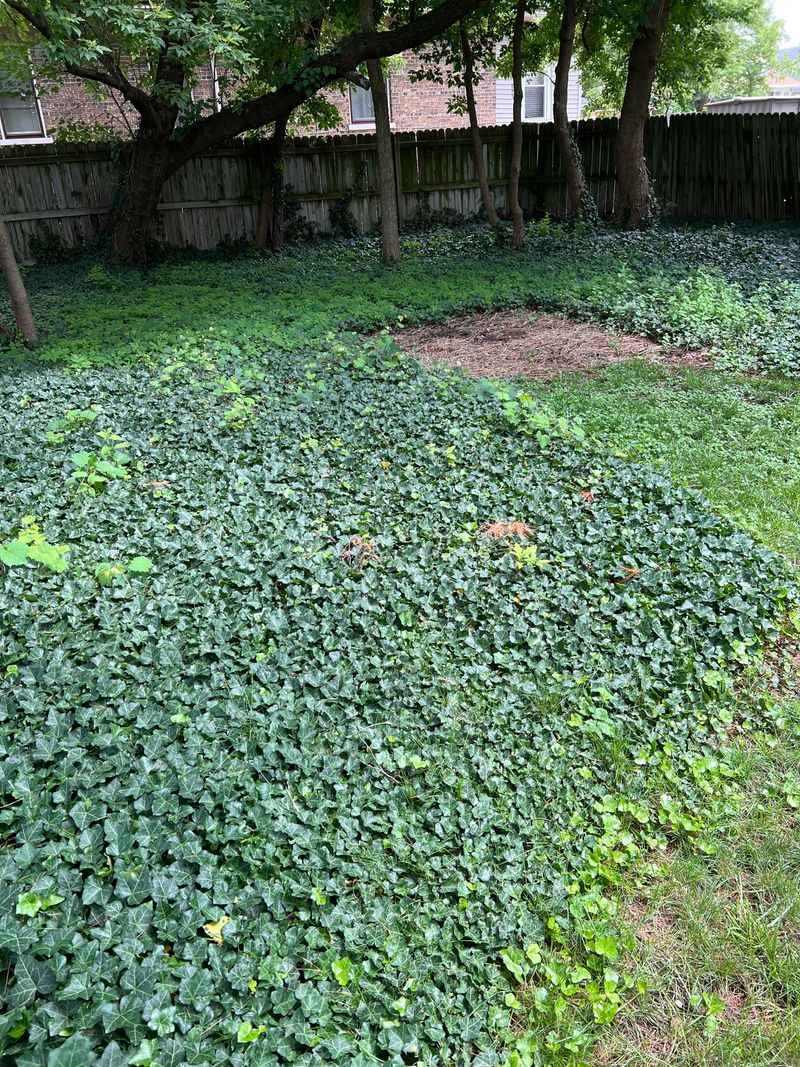
Not every gopher problem starts underground. Sometimes it starts at ground level with the plants covering the surface.
Dense groundcovers like ivy, creeping thyme, and vinca create a thick layer that hides gopher activity from plain view and gives them extra protection while they work.
When a yard has heavy groundcover, gophers feel safer moving around near the surface. They are less exposed to predators like hawks and owls, which are natural checks on gopher populations.
Removing that sense of safety can actually discourage gophers from choosing your yard over a neighbor’s more open space.
Thick plantings also make it harder for you to spot fresh mounds early. By the time you notice the damage, a gopher may have already built an extensive tunnel network beneath your yard.
Catching the problem early is much easier when you can see the soil clearly.
Thinning out dense groundcovers in key areas, especially near vegetable beds and garden borders, opens up sightlines and reduces cover.
You do not have to remove all your groundcover plants, but keeping them trimmed and less dense can make a noticeable difference.
Pairing this with regular yard inspections gives you a much better chance of catching gopher activity before it spreads across a large portion of your lawn.
4. Unprotected Vegetable Beds Become A Backyard Buffet
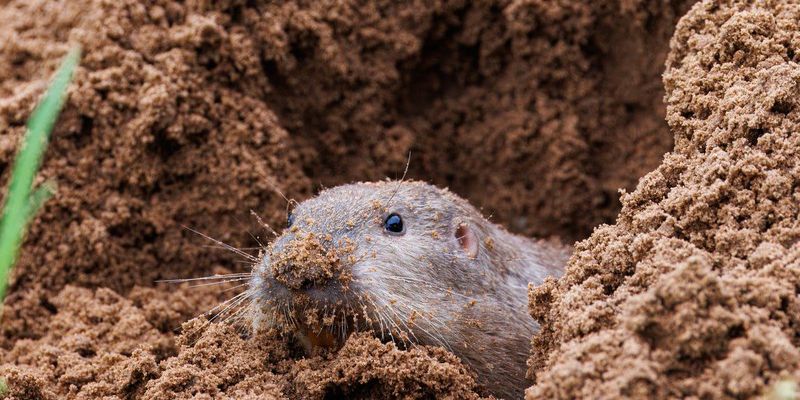
Few things attract gophers more reliably than a well-stocked vegetable garden. Carrots, beets, potatoes, and lettuce are among their top food choices, and an unprotected bed is an open invitation.
Homeowners often put a lot of effort into growing vegetables without realizing that the garden itself is what is pulling gophers onto the property.
Root vegetables are especially vulnerable because they grow right where gophers travel. A gopher does not even have to come above ground to wipe out a row of carrots.
It can pull them down from below and never be seen at all. By the time you notice something is wrong, the damage may already be widespread.
Installing hardware cloth beneath raised beds is one of the most reliable solutions available. A layer of wire mesh with small openings placed at the bottom of the bed before filling it with soil creates a barrier that gophers cannot easily break through.
This one step can protect an entire season’s worth of vegetables.
For in-ground gardens, wire baskets or underground fencing can be used around individual plants or rows. It takes a little extra work at planting time, but the protection it provides is worth it.
Pairing physical barriers with regular monitoring of your beds helps you stay on top of any new activity before a small problem turns into a major one.
5. Loose Mulch Makes Tunneling Easier
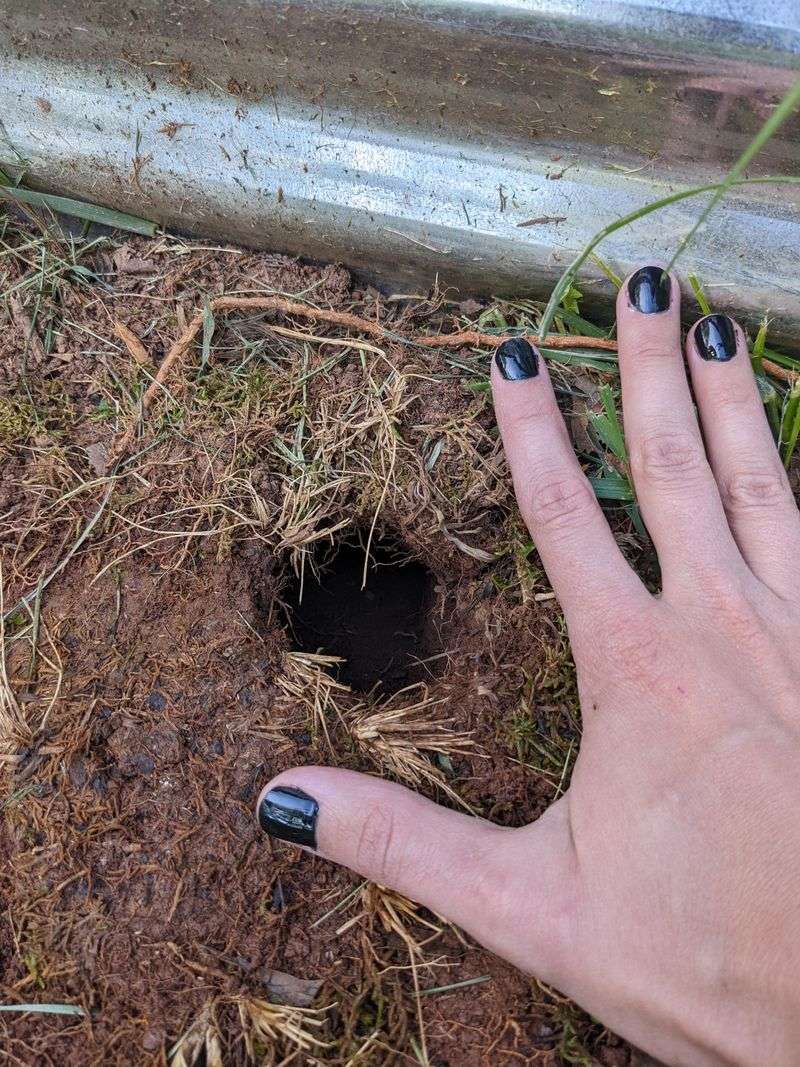
Mulch does a lot of good things for a garden. It holds moisture, regulates soil temperature, and cuts down on weeds.
But when it is applied too thickly or left loose and fluffy, it can accidentally create ideal conditions for gophers to work closer to the surface.
A deep layer of loose mulch gives gophers a soft, easy-to-move material right at the top of the soil.
They can push through it with very little effort, which makes it easier for them to access plant roots and bulbs just below the surface.
Thick mulch also hides their activity, making it harder for homeowners to notice fresh digging.
Keeping mulch layers to about two or three inches thick is a good general rule. Anything deeper starts to create more problems than it solves, especially in yards where gophers are already active.
Compacted or denser mulch materials like gravel or crushed rock are much harder for gophers to move through and can be used in high-activity areas.
Around the base of trees and shrubs, consider using a wire mesh barrier beneath the mulch layer. This adds an extra layer of protection without changing the look of your landscaping.
Regularly raking and checking mulch beds for signs of disturbance also helps you catch gopher activity early and respond before the problem spreads further into your yard.
6. Fallen Fruit Leaves Extra Food On The Ground
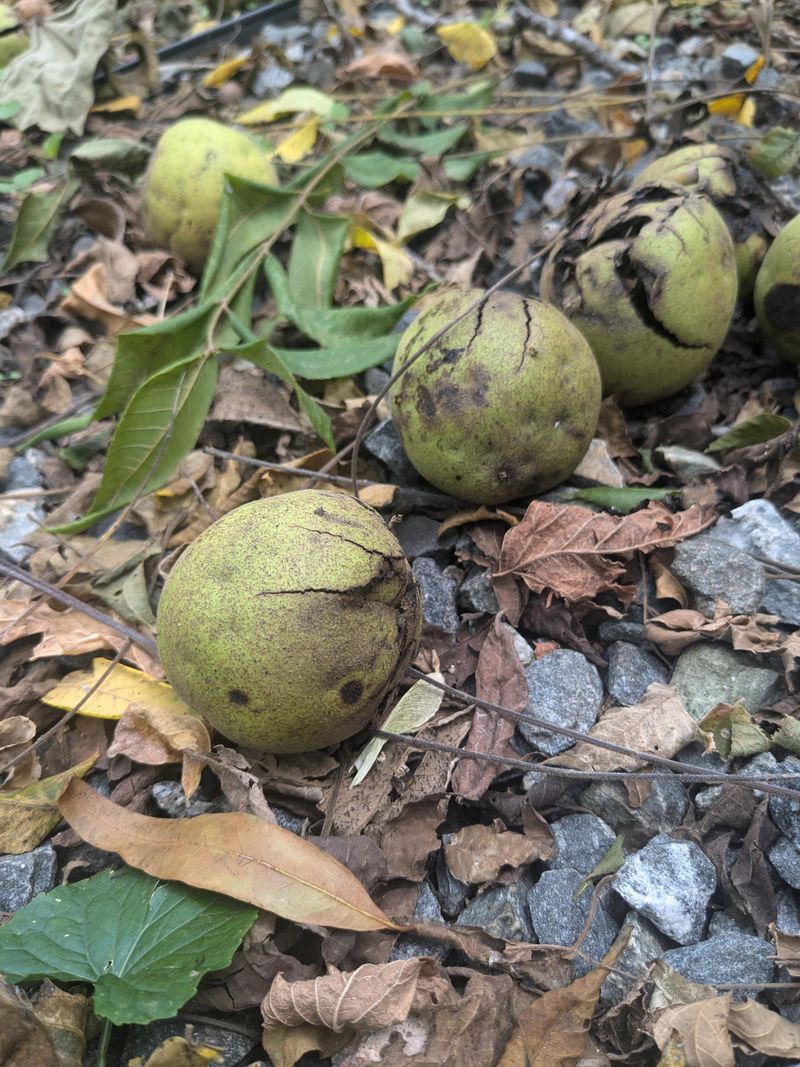
Fruit trees are a wonderful addition to any yard, but the fruit that drops to the ground is a problem most homeowners overlook. Fallen apples, pears, plums, and figs do not just attract deer and raccoons.
They also bring gophers in closer to the surface and keep them active in your yard longer than they might otherwise stay.
Gophers are primarily root and bulb eaters, but they are opportunistic feeders. When soft, rotting fruit is available near the surface, they will take advantage of it.
A yard with a consistent supply of fallen fruit becomes a reliable food zone, which encourages gophers to build tunnels nearby and return regularly.
Picking up fallen fruit every few days during harvest season is one of the simplest habits you can build. It takes only a few minutes and removes a major food attractant from your yard.
Composting the fruit in a sealed bin keeps it out of reach while still letting you make use of it.
If you have multiple fruit trees, consider placing them in an area of your yard where you can easily monitor and clean up beneath them. Keeping the ground under fruit trees clear and tidy is not just good for preventing gopher activity.
It also helps reduce mold, pests, and other issues that come with leaving overripe fruit sitting on the soil for extended periods.
7. Poor Drainage Keeps Soil Easier To Disturb
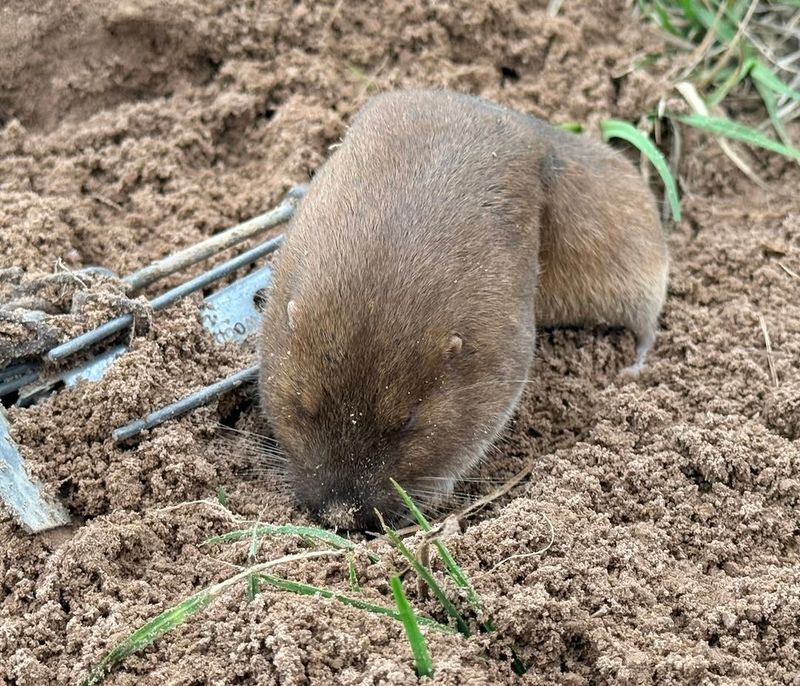
Oregon gets a lot of rain, especially in the fall and winter months. Yards that do not drain well end up with consistently wet, soft soil that stays workable for gophers almost year-round.
Poor drainage is one of those background issues that many homeowners never connect to their gopher problems.
When water pools in low spots or soaks slowly into compacted areas, the surrounding soil stays moist for days at a time. That extended softness makes it much easier for gophers to push through and expand their tunnel systems.
Well-drained yards dry out faster and are simply harder to dig through after rain events pass.
Improving yard drainage does not always require a major project. Simple steps like aerating compacted lawn areas, adding compost to improve soil structure, or redirecting downspouts away from garden beds can make a real difference.
French drains or dry creek beds are more involved options but can solve persistent drainage problems in certain yard layouts.
Raising garden beds is another effective solution for areas that stay wet. Elevated soil drains faster and stays drier between rain events.
Gophers are much less likely to target raised beds with good drainage compared to soggy in-ground plots.
Addressing the drainage issues in your yard is a long-term investment that pays off in fewer pest problems across the board, not just with gophers.
8. Ignoring New Mounds Lets Problems Spread
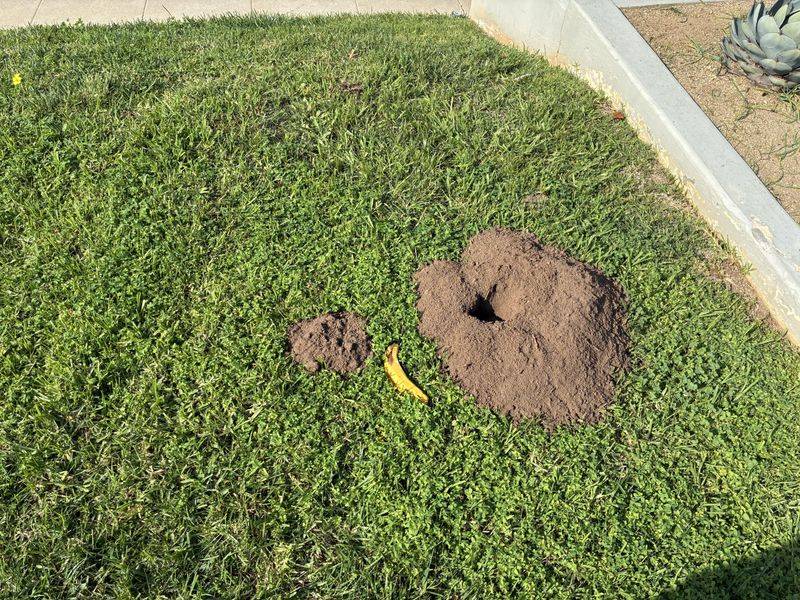
Spotting a fresh mound in your yard and deciding to deal with it later is one of the most common mistakes homeowners make. Gophers work fast, and a single animal can create multiple mounds in just a few days.
Waiting too long to respond gives them time to extend their tunnel network deep into your property.
A single gopher can maintain a tunnel system that stretches over two thousand square feet.
That means one ignored mound can quickly turn into a network that runs under your lawn, garden beds, and even the foundation of raised structures.
Acting early is always more effective than trying to manage a well-established system.
When you see a new mound, take note of its location and check surrounding areas for additional activity. Fresh mounds are crescent-shaped and have a plugged hole off to one side.
This shape helps tell them apart from mole mounds, which look more like a volcano. Knowing what you are dealing with helps you choose the right response.
Trapping, exclusion barriers, and repellent plants like gopher spurge can all be part of an early response plan. The key is acting quickly.
Checking your yard regularly, especially after rain when gophers are most active, gives you the best chance of catching new activity early. Staying on top of fresh mounds is one of the most effective habits you can build as a homeowner.
9. Unprotected Roots Give Gophers More To Eat
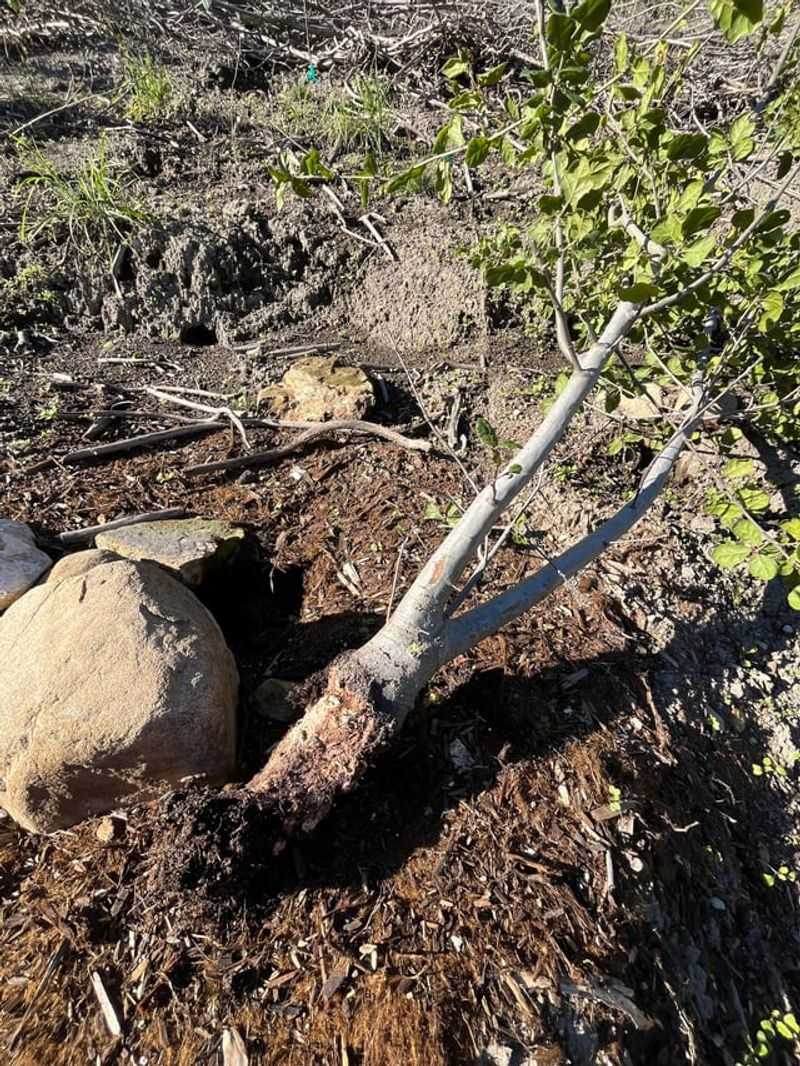
Below the surface of a healthy yard is a web of roots that gophers find incredibly appealing. Shrubs, ornamental grasses, fruit trees, and perennial flowers all have root systems that gophers will chew through when given the chance.
Most homeowners protect the tops of their plants without ever thinking about what is happening underground.
Gopher root damage often shows up as a plant that suddenly wilts, leans, or stops growing even though nothing looks wrong above ground. By the time these signs appear, the root system may already be significantly compromised.
The plant looks fine until it simply does not have enough roots left to support itself.
Protecting roots at planting time is far easier than trying to repair the damage after a gopher has already moved in. Wire mesh baskets placed around root balls before planting create a physical barrier that gophers cannot easily chew through.
These baskets are available at most garden centers and are a straightforward solution for valuable plants.
For established plants, underground wire barriers can be installed around the drip line to block gopher access. Gopher-repellent plants like lavender, rosemary, and salvia can also be placed strategically around more vulnerable plants to create a natural buffer.
Building root protection into your regular planting routine is one of the smartest long-term habits you can develop as a homeowner in Oregon.