8 Signs Your Virginia Tree Is Stressed After the Drought Summer
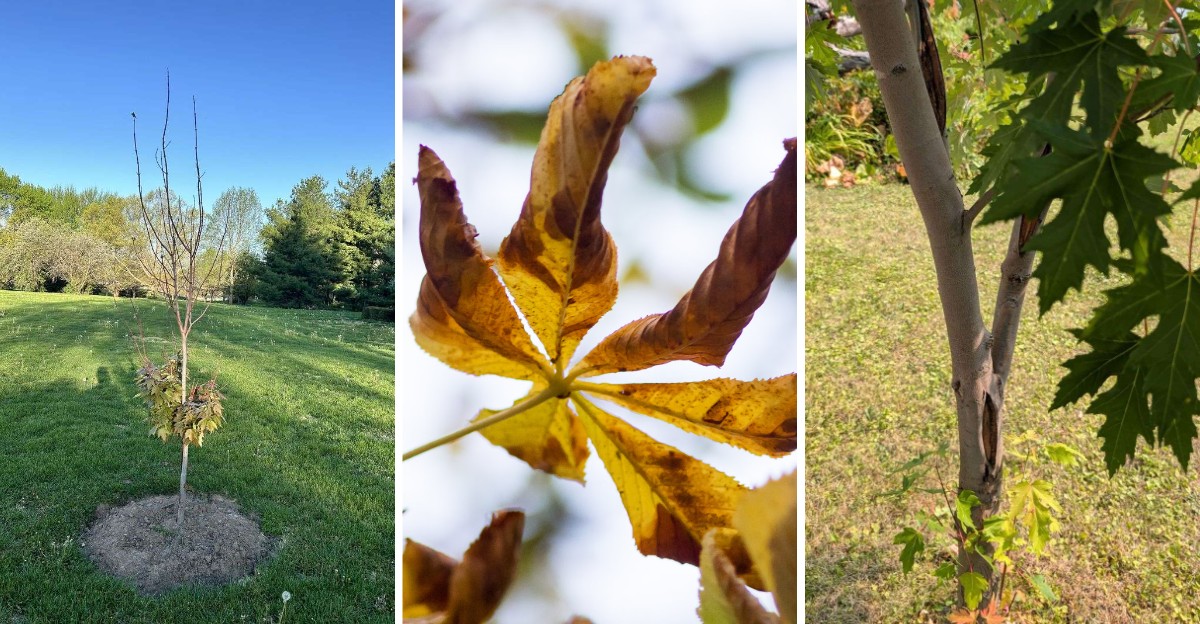
State officials declared a drought emergency for the Roanoke region when water supplies dropped during a long and punishing dry stretch. Rain gauges across the region came up inches short, and the ground cracked like stale bread in places.
Virginia lawns bounced back quickly once showers returned, but the tall green giants in our yards heal far slower. Researchers report that drought damage inside roots and wood can show up a year or more later.
I have to admit, I walked my own yard last week and felt my stomach drop a little. You might notice small changes too, like a crunchy leaf here or a bare branch tip over there.
Personally, I believe every gardener can learn to read these quiet signals with a little practice and patience. So which clues deserve a closer look from you before the cold winter weather settles over your backyard?
1. Drooping And Curling Leaves Signal Thirsty Branches
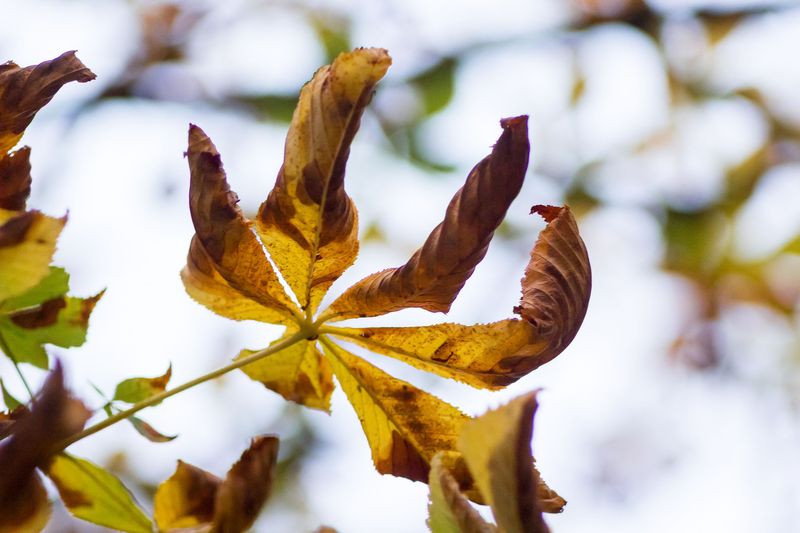
Leaves hanging limp at noon look like tired dancers who forgot the music halfway through the song. That droop is the tree’s first emergency move, and honestly it is a pretty clever survival trick.
When roots cannot pull up enough water, the cells inside each leaf lose pressure and start to sag. Some species also curl or fold their leaves to shrink the surface area facing the hot afternoon sun.
Less exposed surface means less water escaping through tiny leaf pores, which scientists call transpiration in textbooks. I love how trees manage this without a brain, yet still respond faster than many of us do.
You need to check the timing, because some wilting on a scorching Virginia afternoon can be perfectly normal behavior. If leaves stay droopy into the cool evening or next morning, the tree is likely short on water.
Push a long screwdriver into the soil near the drip line to test moisture several inches below the surface. Hard, dusty ground that resists the tool tells you the roots are sitting in very dry conditions underground.
Water slowly and deeply with a soaker hose, aiming to moisten the top twelve inches of soil. Extension experts often suggest about ten gallons per inch of trunk diameter for each long watering session.
A two to four inch layer of mulch helps hold that moisture, but keep it away from the bark. Personally, I picture mulch as a cozy blanket for roots, not a volcano piled up against the trunk.
2. Yellow And Scorched Leaf Edges Show Water Shortage
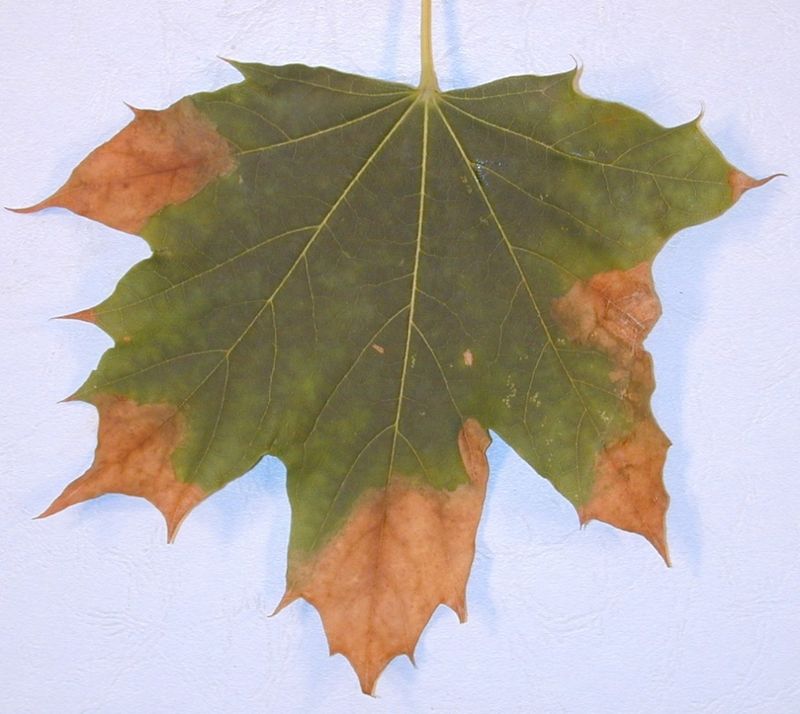
Crispy brown edges on a green leaf look like someone took a tiny blowtorch to your favorite shade tree. Arborists call this leaf scorch, and it often appears on the parts of the tree facing sun and wind.
Water travels from roots to leaves, and the outer leaf edges sit at the very end of that line. When supplies run low, those edges dry first, turning yellow and then brown with a papery feel.
I have to admit, scorch fooled me once because I assumed a disease had moved into my red maple. Drought scorch usually shows up between the veins and along margins, while many diseases form scattered spots instead.
Evergreens send their own signals, so watch pine and spruce needles for browning that starts at the tips. The color can creep inward over weeks, and older inner needles may yellow and drop more heavily than usual.
You might notice scorch weeks after rain returns, since damaged tissue does not turn green again once browned. That delay confuses many homeowners, who assume the tree is getting worse when it is simply showing old damage.
Skip the fertilizer for now, because extra nitrogen pushes new growth that a stressed root system cannot support. Steady, deep watering through fall helps much more, especially for trees planted within the last few years.
Snap a few phone photos of scorched branches this season so you can compare them next spring. Those pictures make it easier to tell whether your tree is recovering or needs a certified arborist’s opinion.
3. Maple And Tulip Tree Leaves Falling Too Early
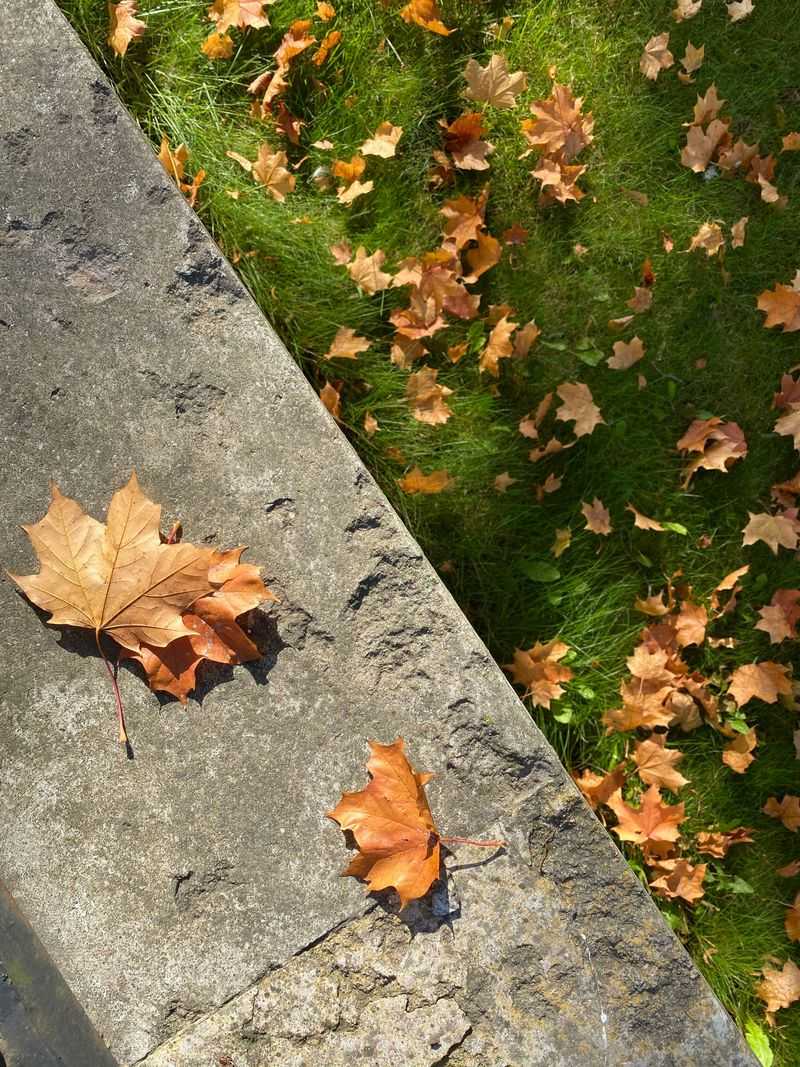
Raking leaves in August feels wrong, like finding Halloween candy on store shelves before school even starts. Early leaf drop is one of the clearest drought signals, and it can blanket a lawn surprisingly fast.
Trees shed leaves early on purpose, cutting back the number of surfaces that lose water every single day. Think of it as a household tightening the budget when paychecks shrink, only with leaves instead of dollars.
Tulip poplars are famous for this, often dropping bright yellow leaves in midsummer during dry spells across the state. Birches and dogwoods also react quickly, sometimes looking like autumn arrived six weeks ahead of the calendar.
What surprises me most is how normal the tree can look afterward, with a lighter canopy and fewer complaints. Early shedding is a defense, but it also means the tree made less food for winter storage this year.
Less stored energy can show up next spring as slower leaf-out or a weaker flush of fresh growth. So you need to treat early drop as a warning light on the dashboard, not a final verdict.
Look closely at the fallen leaves, because healthy-looking green leaves on the ground can point to sudden stress. Yellow or brown leaves suggest a slower decline in water supply that built up over many dry weeks.
Rake the leaves into a compost pile or shred them into mulch for your garden beds this season. Then keep watering deeply every week or two until the ground freezes, especially if fall rains stay light.
4. A Thin Tree Canopy Lets Too Much Sky Through
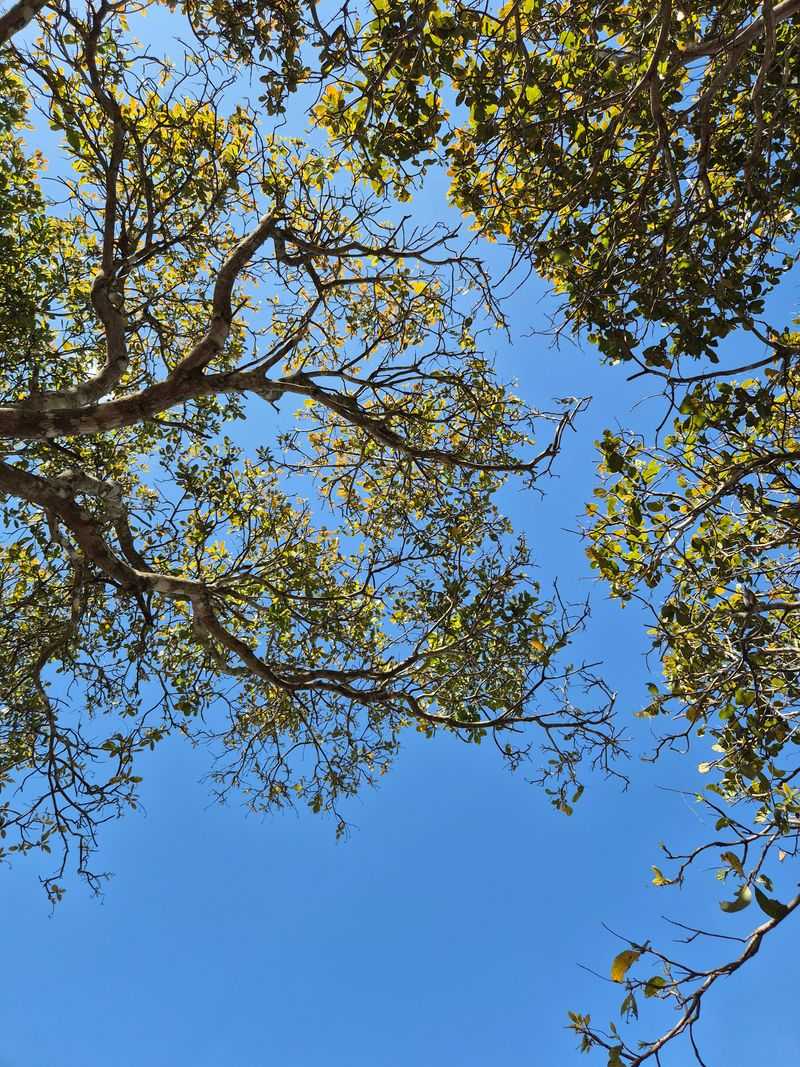
Stand under your tree at midday and look straight up, then notice how much bright sky winks through. A healthy canopy usually feels like a dense green umbrella, while a stressed one resembles a worn lace curtain.
Thinning happens when leaves come in smaller than normal or when whole sections drop foliage during the dry months. The tree simply cannot support a full crown when roots are delivering only a fraction of the water needed.
I believe old photos are a gardener’s best tool here, since memory often plays tricks with leafy details. Scroll back through last summer’s pictures and compare the fullness of the crown against how it looks now.
Pay attention to where the thinning shows up, because top-down loss can point to deeper root trouble. Thinning at the outer edges often lines up with drought, since those leaves sit farthest from the water source.
Shallow-rooted species like dogwoods and many maples tend to show sparse crowns faster than deeper-rooted oaks. Young trees also struggle more, because their root systems have not spread far enough to find hidden moisture.
Resist the urge to prune heavily this fall, since leaves are the tree’s food factories for next year. Remove only broken or hazardous limbs, and save larger shaping jobs until the tree shows clear signs of recovery.
Protecting the root zone matters too, so avoid parking cars or piling soil under the drip line. Compacted ground squeezes out air and water, making a thin canopy even harder for the tree to rebuild.
5. Brittle Twig Tips Snap Without Any Green Inside
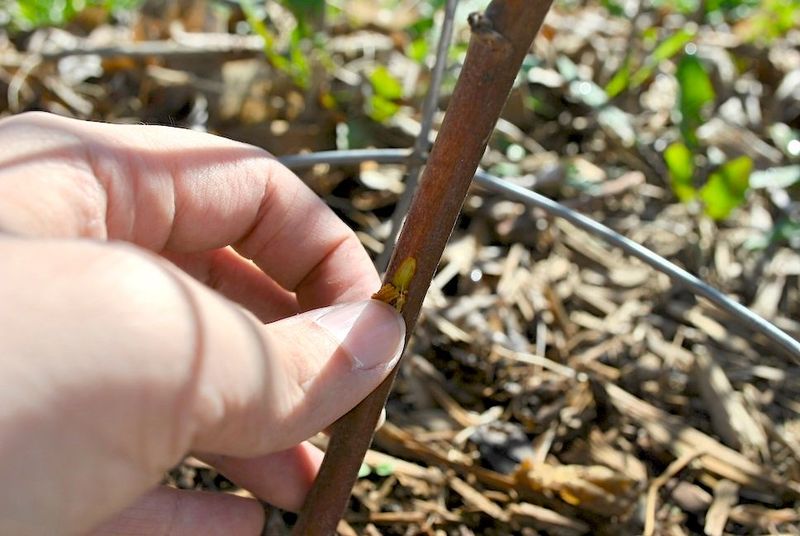
Bend a small twig between your fingers, and listen for the difference between a bendy snap and a brittle crack. That tiny sound tells you a lot about what is happening at the tips of your branches.
Healthy twigs flex and show moist green tissue just under the bark when you scratch them with a thumbnail. Twigs that snap cleanly and reveal dry, brown wood inside have stopped carrying water and will not leaf out again.
Arborists call this branch decline from the tips inward, and it often follows a long summer without enough rain. The tree is choosing to give up its outer twigs so it can protect the trunk and main limbs.
I like how this scratch test needs no fancy tools, just a fingernail and a few minutes of patience. Try several branches on different sides of the tree, since one brittle twig alone does not tell the whole story.
You might notice that bare twig tips show up most clearly next spring, when green leaves surround them. Mark suspicious branches with a strip of bright ribbon now, then check whether buds open once warm weather returns.
Small brittle twigs can be trimmed back to healthy wood using clean, sharp pruners and a careful cut. Larger branches with no green tissue can become falling hazards, especially when they hang over driveways or play areas.
If brittle wood shows up across much of the crown, call an ISA certified arborist for an evaluation. Widespread branch loss can signal root damage, and professionals have tools to check structure safely from the ground.
6. Cracked Tree Bark Splits Along The Trunk
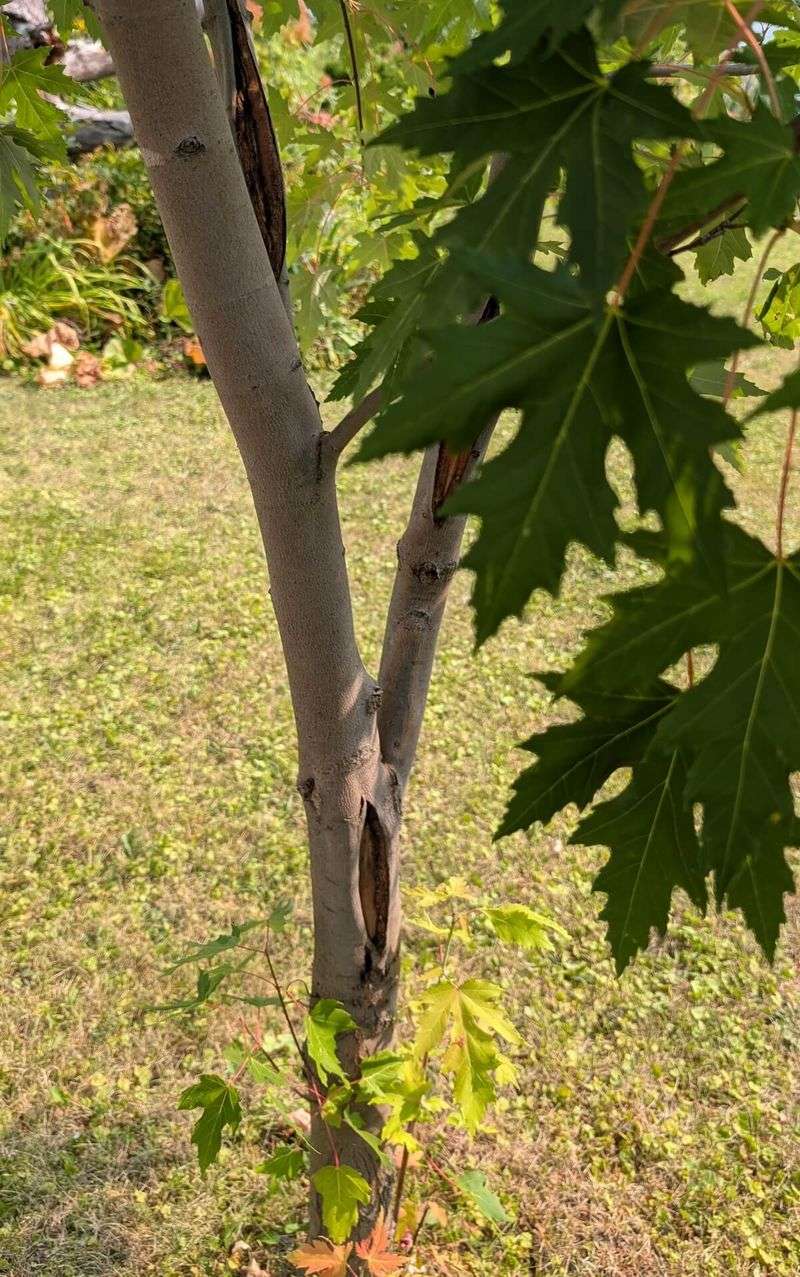
Run your hand along the trunk, and you might feel a long seam where the bark has pulled apart. Those splits look dramatic, but they often tell a quieter story about water swinging from scarce to plentiful.
Bark loses some flexibility during long dry spells, and wood beneath it can swell quickly once heavy rain returns. That sudden growth spurt puts tension on the outer layers, sometimes opening vertical cracks along the trunk.
Thin-barked trees like young maples and cherries tend to show this more than thick, rugged oaks. Freshly planted trees are especially sensitive, since their bark is tender and their roots are still settling in.
Personally, I find bark cracks more worrying than brown leaves, because the trunk is the tree’s main highway. Open wounds give fungi and wood-boring insects an easy doorway, and stressed trees seal them up more slowly.
You need to resist painting cracks with wound dressing or tar, since research shows it can trap moisture inside. Trees naturally build a callus around injuries, and that rolled edge is a healthy sign of active healing.
Watch for oozing sap or mushrooms growing near the crack, because those can point to decay setting in. A clean crack with a firm surface and forming callus is usually less alarming than a soft, discolored one.
Even watering through fall and winter dry spells helps keep wood moisture steady, reducing sudden swelling and splitting. Wrap is sometimes used on young trunks, but remove it each spring so it does not hide pests underneath.
7. Stunted New Shoots And Smaller Leaves
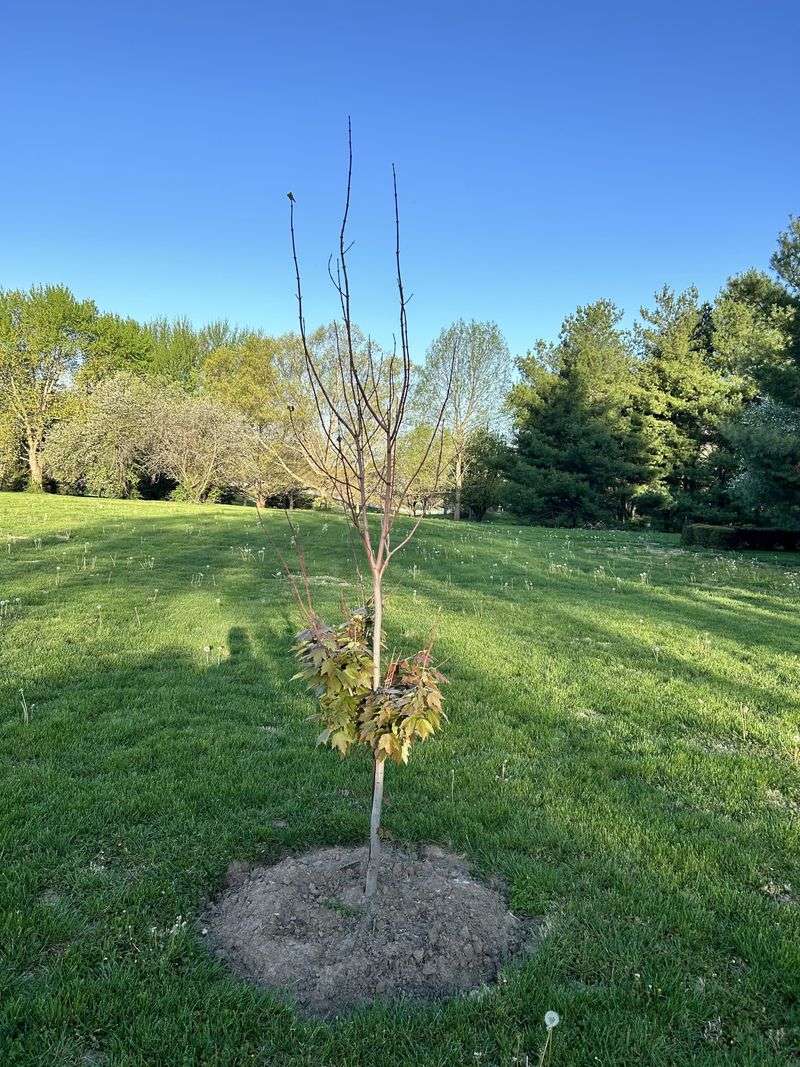
Buds can hold a memory, because many trees form next year’s leaves inside them during the previous summer. So a drought in July can quietly shape what your tree looks like the following April.
When water runs short, trees save energy by producing shorter shoots and fewer buds for the coming season. The result can be tiny leaves and short twig growth, giving the crown an oddly sparse look in spring.
What surprises me most is how long this lag lasts, sometimes stretching two or three years after drought ends. Research from university extension programs notes that root damage can slow growth well after rains return.
You can measure growth yourself by finding the bud scale scars, which look like small rings around each twig. The distance between two rings shows one year of growth, so compare this year’s stretch with earlier years.
Pale or yellowish new leaves can also appear, since dry soil makes it harder for roots to absorb nutrients. A soil test from your local extension office is cheap and tells you whether nutrients or water are the problem.
I can’t imagine rushing to fertilize a weak tree, because forced growth often drains reserves it badly needs. Focus on deep watering during dry weeks and a fresh layer of mulch over the root zone instead.
Patience matters here, since most healthy trees regain normal growth over a few seasons with steady care. Keep notes on shoot length each year, and you will have your own simple record of recovery.
8. Borers And Beetles Target Weakened Trees
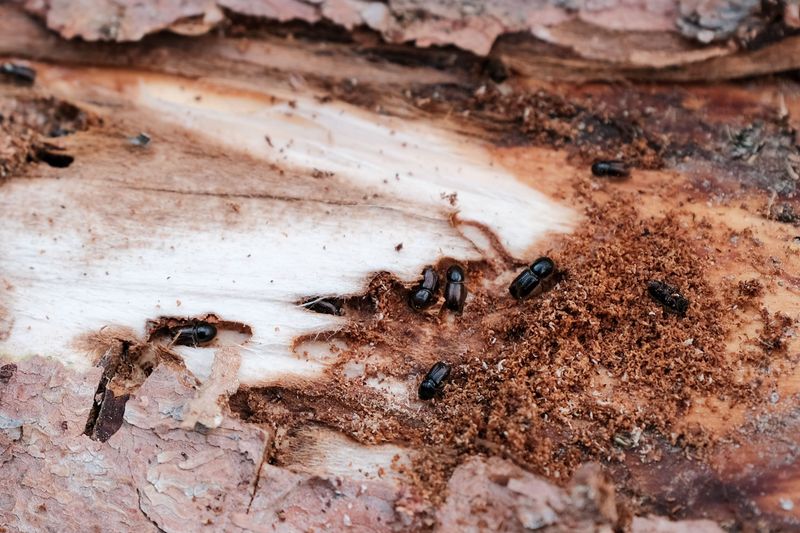
Insects can sense a thirsty tree, and some beetles are drawn to the chemical signals stressed trees release. That makes drought recovery a race between tree defenses and the critters looking for an easy meal.
Healthy pines push sticky resin into beetle tunnels, but dry pines produce less of it to fight back. Southern pine beetles take advantage of that weakness, and outbreaks have historically followed dry years in the region.
Look for small pitch tubes on pine bark, which resemble popcorn-sized blobs of resin around tiny entry holes. Fine sawdust in bark crevices or at the base of the trunk can also point to boring insects.
Oaks face their own trouble from Hypoxylon canker, a fungus that thrives in trees weakened by heat and drought. It shows up as patches of loose bark revealing crusty tan or black fungal growth on the trunk.
You might notice two-lined chestnut borers on oaks too, which leave D-shaped exit holes in the bark. Sticky honeydew on leaves or cars below can signal aphids or scale feeding on weakened branches overhead.
I believe early detection matters most, since many of these problems are much harder to manage once established. The Virginia Cooperative Extension office in your county can help identify samples and suggest proper treatment options.
Avoid spraying broad insecticides without a confirmed pest, because they also harm beneficial insects that help control problems. Keeping the tree watered and mulched remains your best defense, giving it strength to resist new invaders.