The Native Virginia Trees That Rain Down Free Nuts For Decades
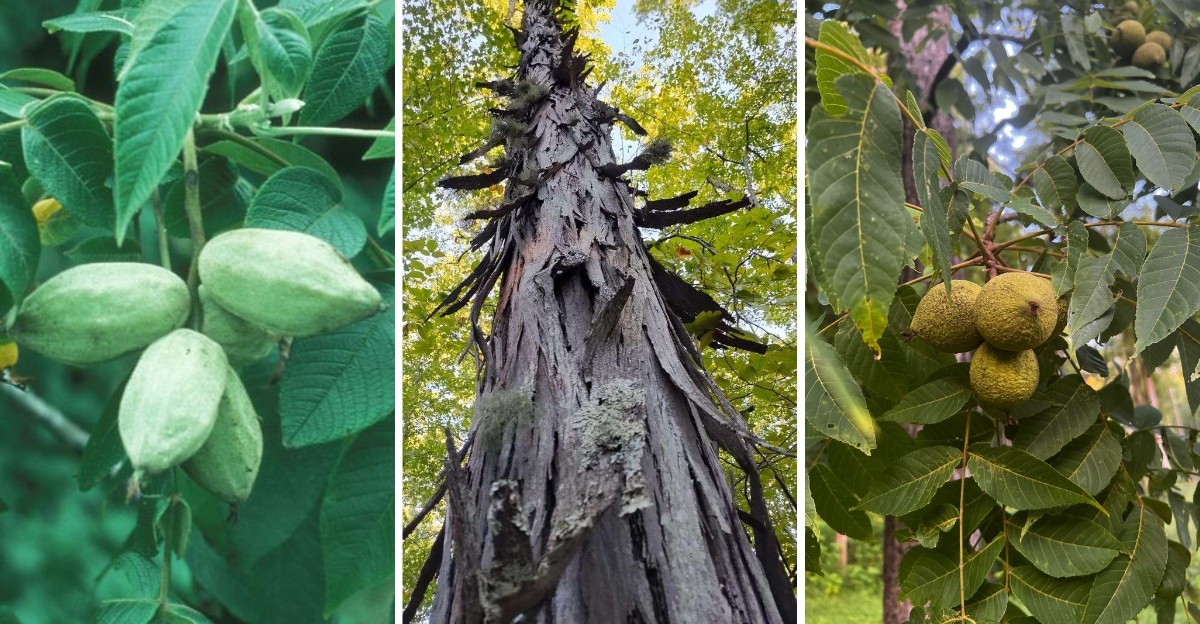
Across Virginia, native trees quietly drop pounds of tasty nuts every autumn, and some keep doing it for generations.
A few shower you with bold, earthy flavor, while others offer sweet little treats you can crack open on the spot. Squirrels already know this secret, and they aren’t great at sharing.
These trees grew up here, so they’re built for the local weather and soil. Plant one now, and your grandkids might still be cracking shells on the porch.
Some bring shaggy bark, some fit tiny yards, and one hides sweet, tiny chestnuts inside a spiky bur. Each has its own personality and harvest season.
The trees below can turn a plain backyard into a free, long-lasting pantry. A few need a little extra care, and the guide explains which ones.
1. Black Walnut For Rich, Bold Flavor
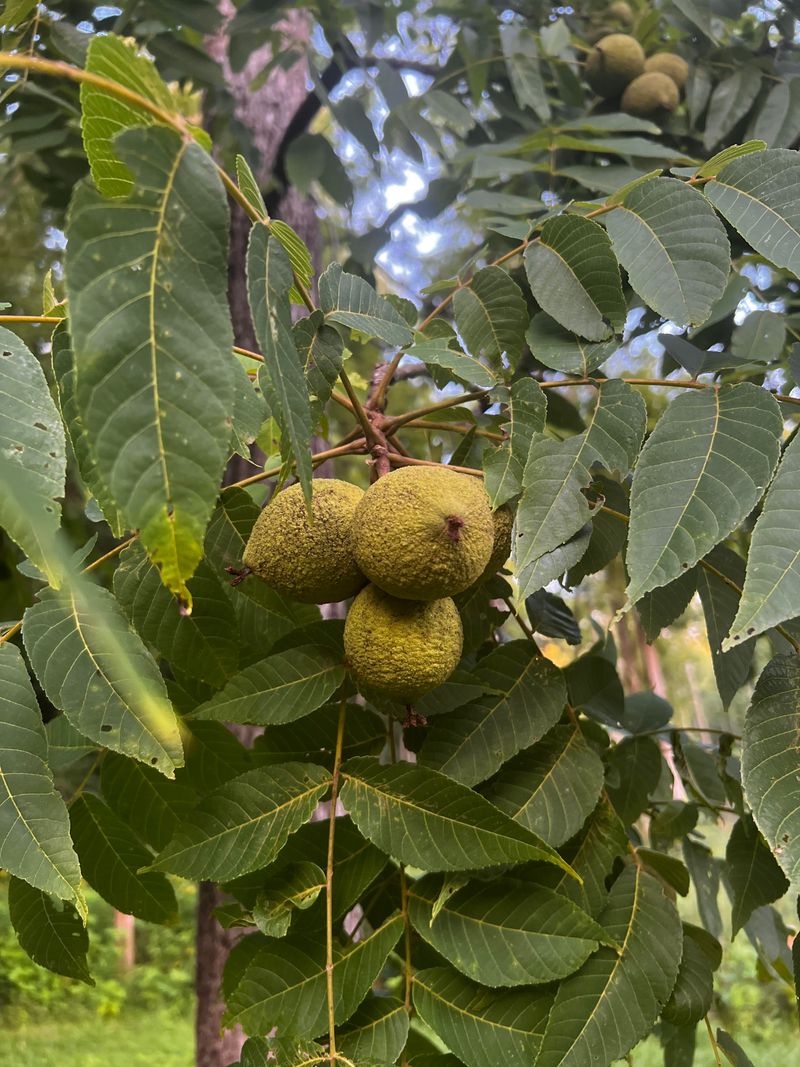
Ask any Virginia grandma about black walnut cake, and you might get a dreamy smile. Few nuts pack such a smoky, earthy punch into one tiny kernel.
Black walnut, or Juglans nigra, grows wild across the state in fields and forests. Given open space, it can climb past 90 feet with a trunk three feet wide.
Flavor is the real star here. Compared to store-bought English walnuts, these kernels taste richer, oilier, and far more intense.
Cracking them takes some muscle, though. Each nut hides inside a thick green husk and a shell hard enough to challenge a hammer.
Here is a helpful tip for beginners. Remove the husks soon after the nuts fall, then let them cure in a dry spot for a few weeks.
Curing mellows the strong taste and makes the meat easier to enjoy. Wear gloves during hulling, since the husks stain skin a deep brown.
Skip dry roasting these kernels. Heat can turn their bold flavor sharp and unpleasantly bitter.
Instead, fold them into pies, cakes, cookies, or homemade ice cream. Store the oily kernels somewhere cool and dry so they stay fresh longer.
Planning where to plant matters a lot. Black walnut roots release a natural chemical called juglone that slows the growth of many nearby plants.
Tomatoes, blueberries, and some flowers struggle within about 50 feet of the crown. Pick a spot away from the vegetable garden, and enjoy decades of free harvests.
2. Shagbark Hickory For Sweet Nuts And Shaggy Bark
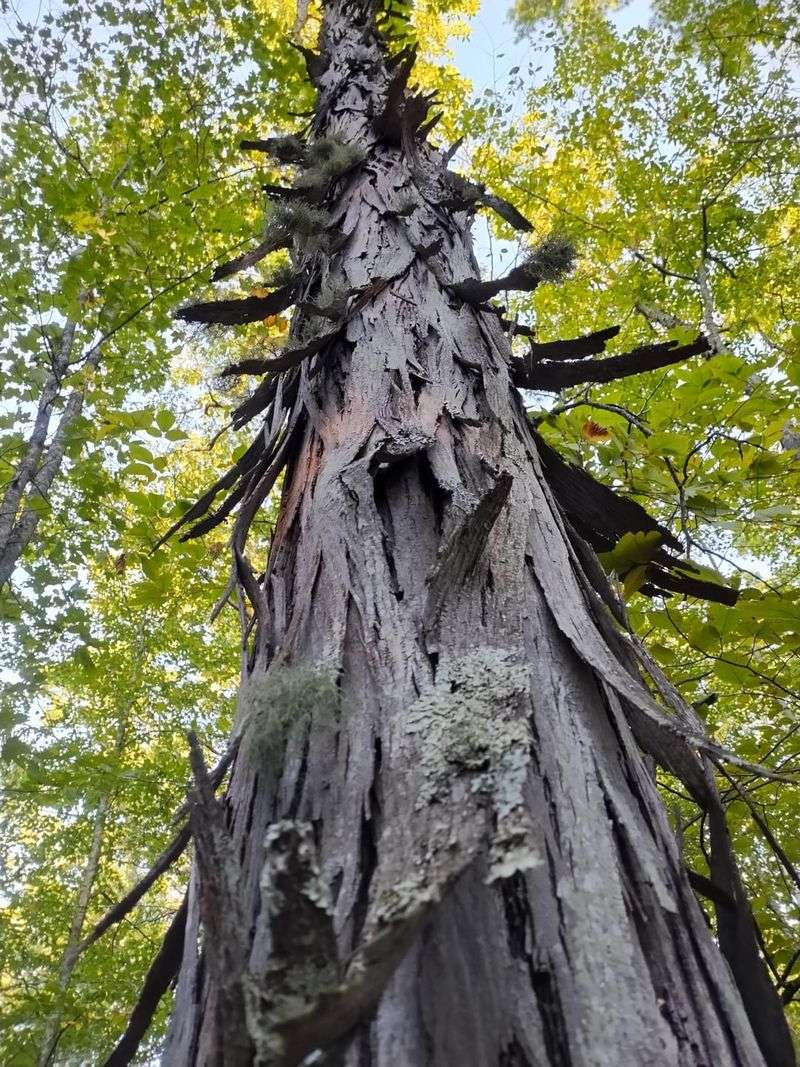
Walk past a shagbark hickory, and you might think it needs a haircut. Long gray strips of bark curl away from the trunk like an old, rumpled sweater.
Carya ovata stands out in any Virginia woodland because of that messy, charming look. Mature trees often reach 70 to 90 feet with broad, handsome canopies.
Inside its round husks waits one of the sweetest wild nuts around. People compare the flavor to black walnut, only softer and more buttery.
Harvesting is simple once the nuts ripen in fall. The four-part husk splits cleanly to the base, so the shell pops out with little fuss.
Native Americans valued these nuts for good reason. They pounded them to make a creamy nut milk and oil for cooking.
Your Virginia Garden Changes Every Week. Your Plan Should Too.
Gardening in Virginia changes quickly throughout the season. Every Friday you’ll receive a simple weekly plan showing exactly what to plant, prune, fertilize, harvest, and protect so you never miss the right timing.
Nutrition gets a boost, too. Each kernel offers a nice dose of protein and fiber for snacks or baking.
Patience is the price of admission with this tree. It grows roughly one foot per year and starts producing nuts around age 10, with big crops arriving closer to 40.
Even then, heavy crops arrive every few years in what foresters call mast years. Planting one is a gift to your future self, or to the next family.
Beyond the nuts, the wood brings plenty of value. Its tough grain has built tool handles and wagon wheels, and it adds great flavor to smoked meats.
Give it deep soil and plenty of room. Your patience will pay off in bark, shade, and sweet treats.
3. Mockernut Hickory For A Tough, Long-Lived Tree
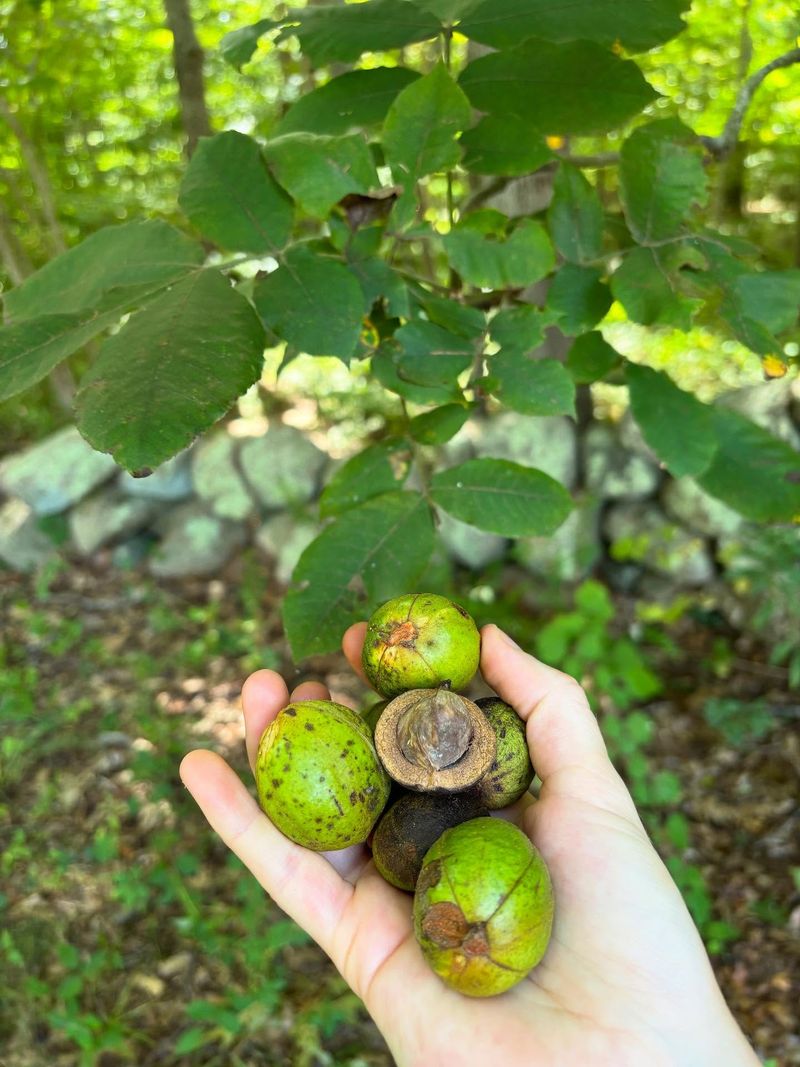
Some trees earn their name with a sense of humor. Mockernut hickory grows big, handsome nuts that seem to mock anyone hoping for a huge kernel.
Carya tomentosa is one of the most common hickories in the southern Appalachians. You will spot it on ridges and hillsides throughout western Virginia.
Look for dark gray bark with deep furrows forming overlapping diamond shapes. Most trees reach 70 feet, and a few stretch beyond 100 feet tall.
Now for the joke. The pear-shaped nuts carry shells up to six millimeters thick, leaving only a small bit of meat inside.
Still, that little kernel tastes surprisingly sweet. A sturdy nutcracker and a nut pick make the effort feel worthwhile on a cozy evening.
Wildlife lovers have even more reason to cheer. Deer, squirrels, bears, foxes, rabbits, beavers, turkeys, quail, and ducks all eat these nuts.
Planting one near a woodland edge can turn your property into a busy wildlife cafe. Game cameras placed nearby often catch surprising fall visitors.
Toughness runs through the whole tree. Its heavy, springy wood is prized for flooring, furniture, tool handles, and smoking country hams.
A practical tip helps here. Collect nuts soon after they drop, because hungry critters work fast and rarely leave leftovers.
Let the nuts dry for a couple of weeks before cracking. Drier shells often break more cleanly and release the kernel with less picking.
4. Butternut For Mild, Buttery Kernels
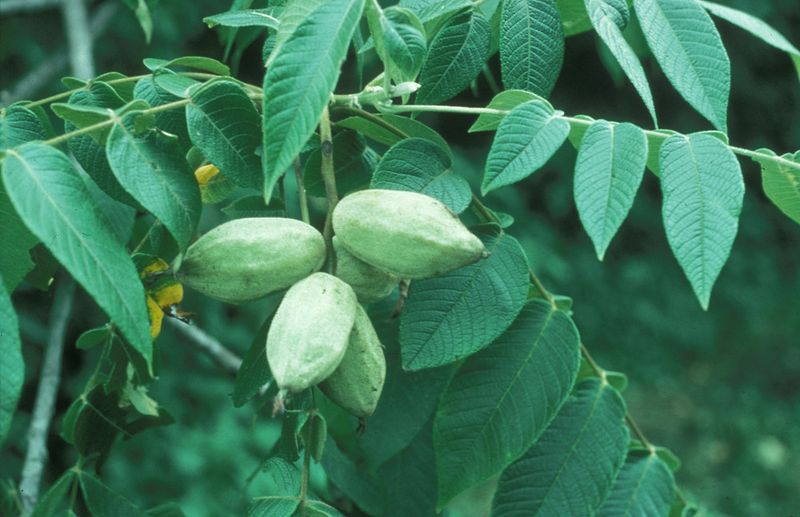
Old-time New England candy makers had a favorite secret ingredient. Maple-butternut candy owes its magic to a quiet native tree that also calls Virginia home.
Butternut, or Juglans cinerea, is sometimes called white walnut. Its oblong nuts hold sweet, mild kernels with a rich, buttery taste.
Fresh from the shell, they make a lovely snack. Bakers also toss them into breads, cookies, and fudge for a gentle nutty flavor.
Spotting a butternut is easier than you might think. It has light gray bark and leaves with a brighter, yellower green than most neighbors.
Trees usually top out near 60 feet and grow slowly. Most live about 75 years, which still means many seasons of harvests.
Stream banks and well-drained soils suit it best. The cooler mountain areas offer especially good growing conditions.
Sadly, this species faces a serious threat called butternut canker. The fungal disease has made wild trees much harder to find.
Researchers in the state are searching for trees that resist the disease. Gardeners can help by planting disease-resistant hybrid varieties from trusted nurseries.
Here is a fun bonus. Early settlers tapped the sap to make a sweet syrup, much like maple.
Remember its walnut family roots when choosing a location. Like black walnut, butternut releases juglone, so keep sensitive garden plants at a safe distance.
5. American Hazelnut For Small Yards
No acreage? No problem at all.
American hazelnut proves that a townhouse lot can still grow a real nut harvest.
Corylus americana grows as a bushy, multi-stemmed shrub about 8 to 15 feet tall. It fits neatly along fences and makes a great living privacy screen.
Speed is another big perk. Many plants start bearing nuts just two or three years after planting.
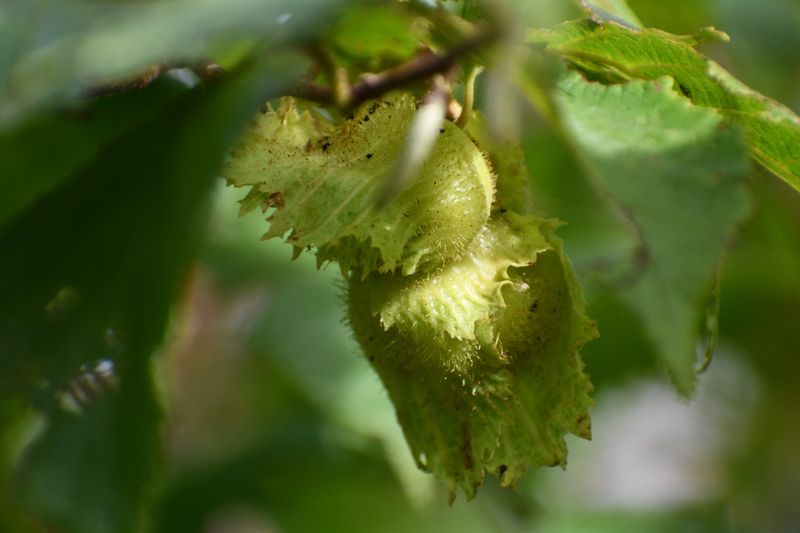
Each nut measures about half an inch long. Leafy, frilly husks wrap around them like tiny party skirts.
Harvest time arrives from mid to late summer into early fall. Pick clusters when the husks begin turning brown, before squirrels claim them.
One key detail makes or breaks your crop. Hazelnuts need cross-pollination, so plant at least two or three shrubs close together.
Sunny spots produce the most nuts. Partial shade works too, though you may notice smaller harvests.
Soil rarely causes trouble for this tough native. It handles sand, clay, wet ground, and dry patches across the state with ease.
Here is a neat bonus for walnut owners. American hazelnut tolerates juglone, so it can grow near black walnut trees.
Enjoy the nuts raw, roasted, or ground into flour for pancakes. Come autumn, the leaves glow gold, orange, and deep red for extra curb appeal.
6. Allegheny Chinkapin For Tiny, Sweet Chestnuts
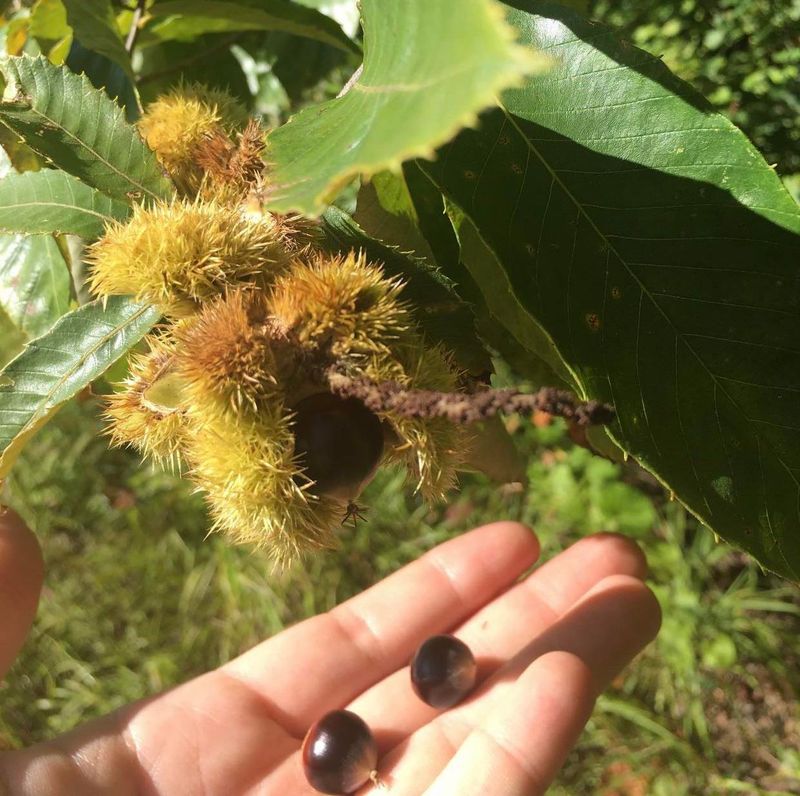
Imagine a chestnut shrunk down to the size of a dime. Now imagine it tasting sweet enough to eat raw, with a hint of chocolate when roasted.
Meet the Allegheny chinkapin, or Castanea pumila, a cousin of the famous American chestnut. It usually grows as a shrub about 15 feet tall.
With a little pruning, you can train it into a small tree reaching 30 feet. Either shape works well on modest properties.
Each spiny bur holds just one shiny nut. Unlike many wild nuts, these lack bitter tannins, so no soaking is needed.
Roasting deepens the flavor into something almost like cocoa. Kids tend to love them, once they learn to avoid the prickly burs.
Harvesting takes a bit of strategy. Nuts ripen slowly from late August through October, so check your shrubs every few days.
Laying an old sheet beneath the branches can catch falling nuts. Wear sturdy gloves when handling the spiky burs.
Good news comes on the disease front, too. Chinkapin shows moderate resistance to chestnut blight, which wiped out most American chestnuts.
Even if blight strikes, the plant often resprouts from its roots. Seedlings may bear nuts in year two or three, with solid crops by year five.
Dry, acidic, well-drained soil suits it best. Rocky hillsides in sun or light shade make ideal homes.
7. White Oak For The Least Bitter Acorns
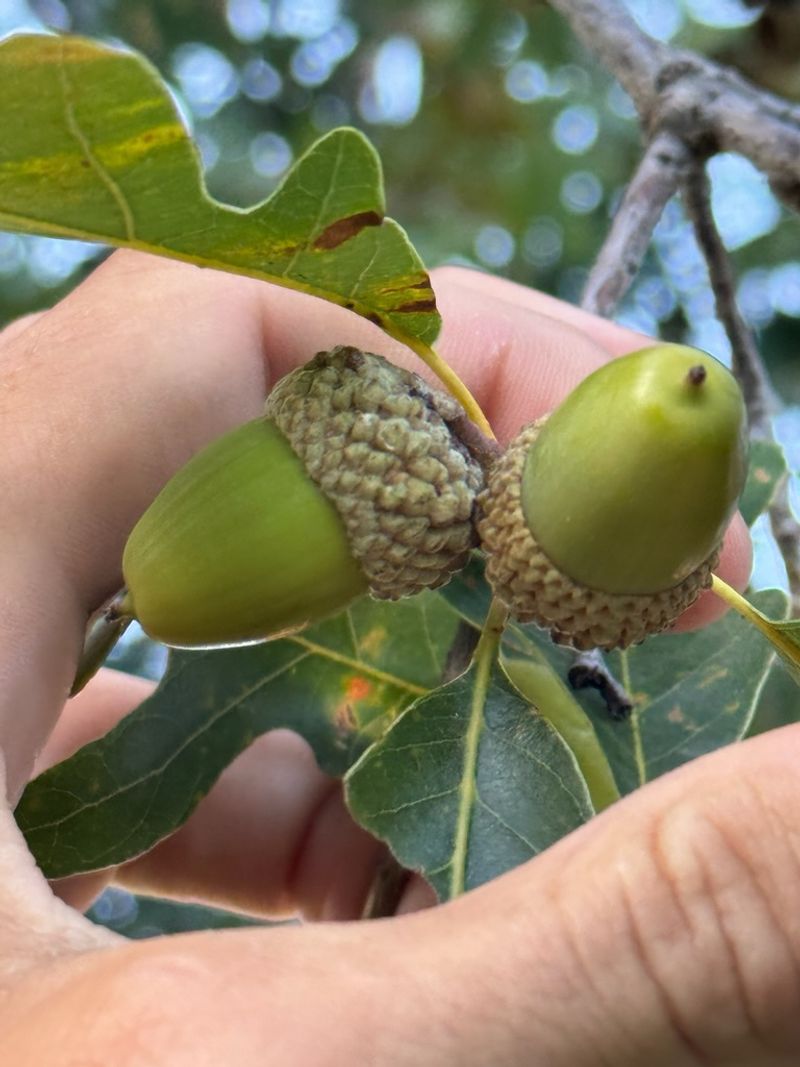
Some white oaks in Virginia were already tall when George Washington was a boy. A few trees in the state are believed to be 250 to 300 years old.
Quercus alba is famous for that kind of staying power. It grows 90 to 100 feet tall with a wide crown perfect for summer shade.
Acorns may not sound like snack food, but these are different. White oak acorns hold fewer bitter tannins than other local oaks.
Many foragers call them the sweetest acorns in the region. Some are mild enough to nibble right off the tree.
Animals certainly agree. Over 90 wildlife species, including deer, turkeys, and squirrels, feast on them each fall.
Acorns ripen in a single season, usually in early fall. Gather plump, crack-free ones soon after they drop.
Preparation takes a few steps, but it is fun. Dry the acorns first, which makes the shells easier to remove.
Next, shell them and boil the nuts, changing the water several times. Each change pulls out more tannins until the water runs clear and light.
After leaching, roast them for a snack or grind them into flour. Acorn flour adds a warm, nutty flavor to breads and muffins.
A quick float test helps sort your harvest. Toss floating acorns, since they often hide weevils inside.
8. American Beech For Delicate Beechnuts
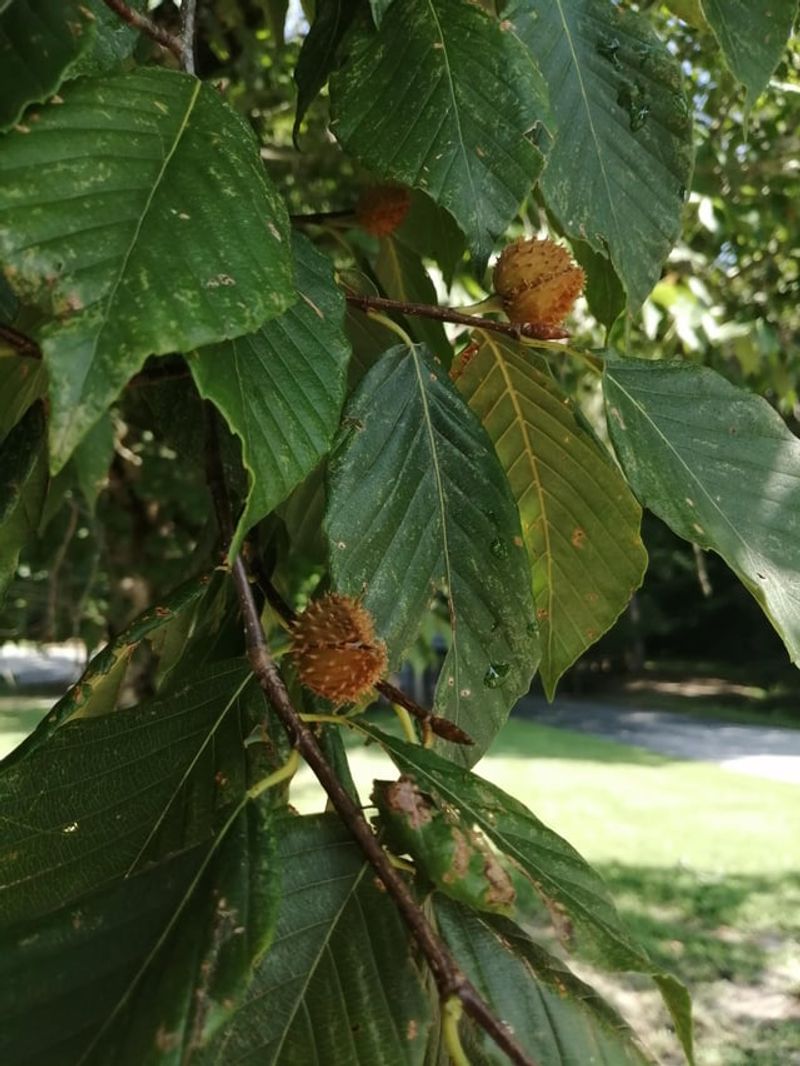
Run your hand along an American beech, and the bark feels smooth like cool stone. Even ancient trees keep that silvery-gray skin that makes them easy to recognize.
Fagus grandifolia grows throughout Virginia, from coastal woods to mountain slopes. It usually reaches 60 to 80 feet, and some giants approach 120 feet.
Lifespan is impressive, too. Many beeches live more than 300 years, so one planting can serve many generations.
Beechnuts are small, shiny, and triangular. They usually come in pairs inside a prickly, four-sided husk.
Flavor reviews vary a little. Many people call them sweet and delicious, while others notice a mild, slightly bitter edge.
A simple kitchen trick improves them. Raw skins contain a compound called fagin, and roasting helps remove it while boosting flavor.
Patience matters with this tree. Beeches start producing nuts around age 40, with heavy crops every two to eight years.
Gathering them takes effort, since the nuts are tiny. Spreading a tarp under the branches after the first frost can speed things up.
Wildlife depends on these nuts heavily. Mice, chipmunks, squirrels, bears, deer, foxes, and many birds rely on the fall crop.
The dense wood also makes fine flooring, furniture, and firewood. For a shady, long-lived tree with a tasty bonus, beech is a classic choice.