These Dense Oregon Natives Choke Out Bittercress Before It Gets A Chance To Seed
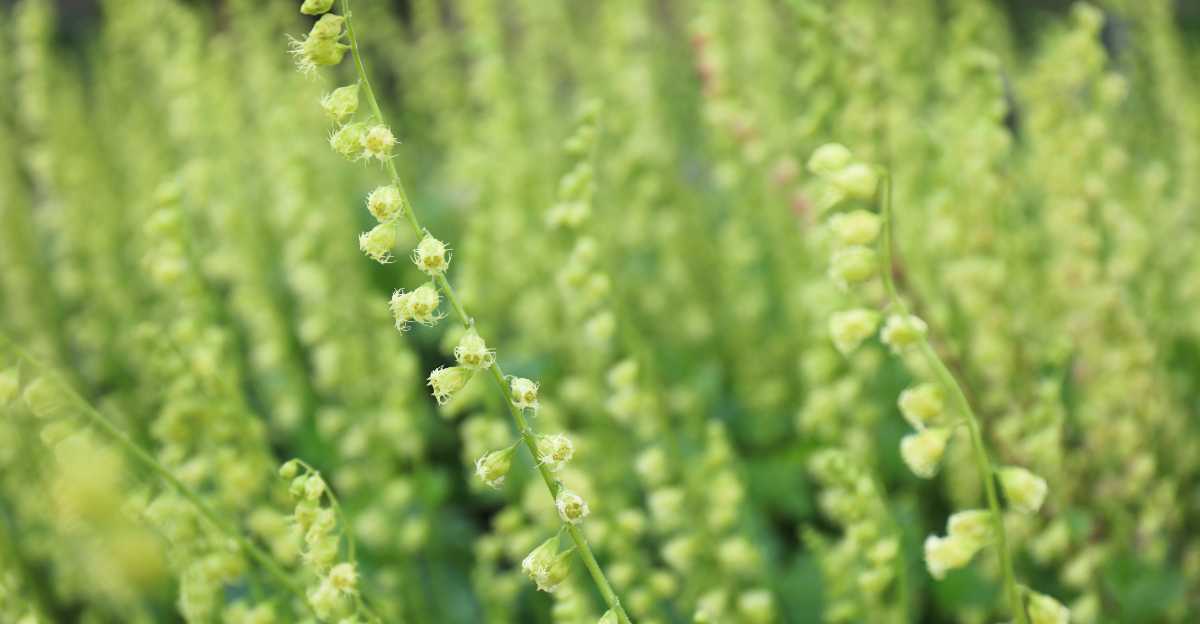
Bittercress has a sneaky way of turning a quiet garden bed into a seed factory fast. In Oregon, cool damp weather can give it the perfect opening, especially where soil is bare.
Dense native plants can help close that gap before bittercress gets comfortable. They shade the ground and make it harder for tiny seedlings to find room.
The best choices do not just cover space for a few weeks. They settle in and create a living layer that keeps working through the season.
That makes them a smart option for gardeners tired of chasing the same weed again and again.
Choose Oregon natives with thick growth and the right fit for your site, and bittercress has far less chance to take over.
1. Geyer’s Sedge Makes A Dense Evergreen Carpet
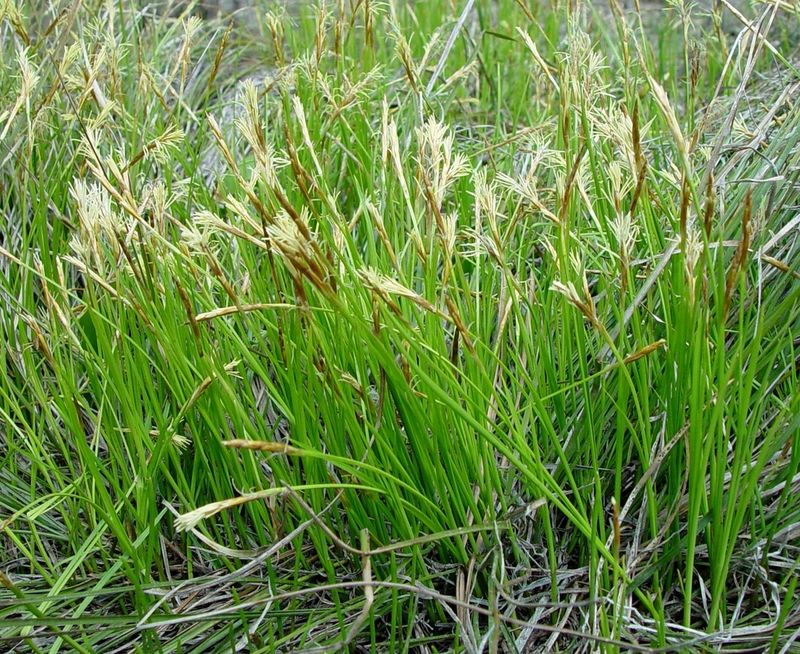
Few plants work as hard as Geyer’s sedge when it comes to covering ground. This tough little native forms a thick, low mat of fine green leaves that stays green all year long.
It grows slowly at first, but once it settles in, it spreads steadily and leaves almost no room for weeds to squeeze through.
Geyer’s sedge is a great pick for spots that get some moisture, like areas near downspouts, low-lying garden beds, or the edges of paths where water tends to collect.
It handles both full sun and partial shade, which makes it flexible enough for a lot of different yard situations.
The leaves are narrow and arching, giving it a soft, grassy look without being floppy or messy.
Because it stays low, it works well as a living mulch under shrubs or along borders. Bittercress cannot compete with its dense canopy.
The sedge blocks sunlight from hitting bare soil, which stops weed seeds from sprouting in the first place. You do not need to fertilize it or fuss over it much.
Just plant it, water it through the first season, and let it do its job. Geyer’s sedge is native to moist meadows and streambanks across our state, so it already knows how to handle local weather.
It is a reliable, low-maintenance ground cover that earns its place in any Pacific Northwest garden.
2. Foothill Sedge Fills Bare Soil In Tough Spots
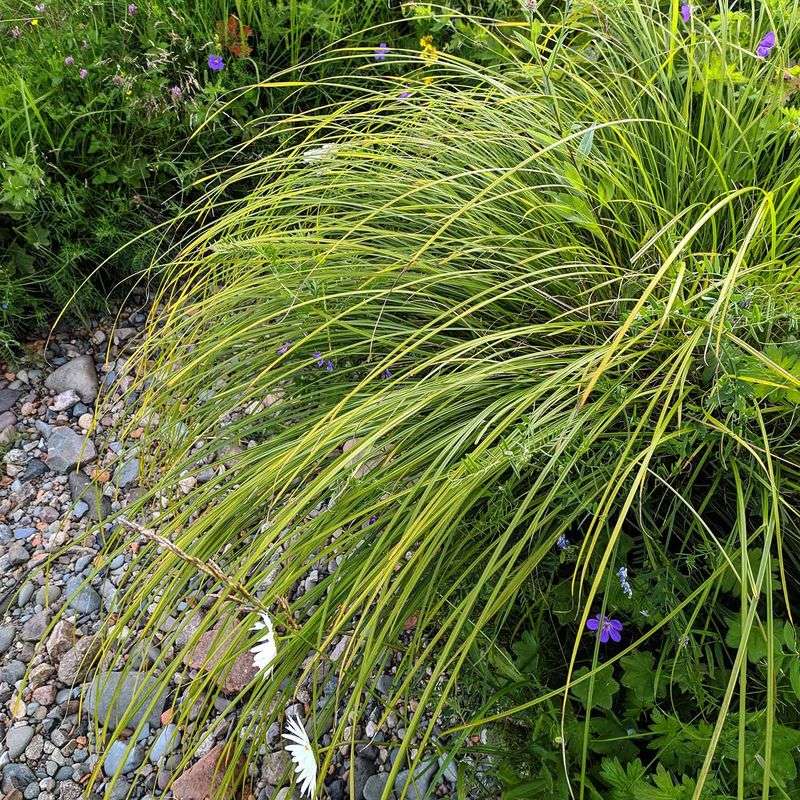
Some plants give up when conditions get hard. Foothill sedge is not one of them.
It thrives in dry shade, which is one of the most difficult environments in any garden. Under big trees where the soil is dry, compacted, and dim, most plants struggle.
Foothill sedge moves right in and gets comfortable. This sedge forms neat clumps of narrow, deep green leaves that arch gracefully outward. Over time, the clumps expand and fill in bare patches without becoming invasive or pushy.
It spreads at a reasonable pace, giving you good coverage without taking over the whole yard. That balance makes it a smart choice for spots you want covered but not overwhelmed.
Bittercress often sneaks into dry, shaded areas because few desirable plants want to grow there. Foothill sedge changes that equation completely.
Your Oregon Garden Changes Every Week. Your Plan Should Too.
Gardening in Oregon changes quickly throughout the season. Every Friday you’ll receive a simple weekly plan showing exactly what to plant, prune, fertilize, harvest, and protect so you never miss the right timing.
Its dense clumps shade the soil and reduce the open ground that bittercress needs to get started.
Plant it in clusters for faster coverage, spacing clumps about a foot apart so they can grow together over one or two seasons.
Once they knit together, the ground is effectively sealed off from most weeds. It handles drought better than most sedges, making it especially useful in areas under large conifers or along the dry side of a house.
Foothill sedge is a quiet, steady worker that transforms problem spots into tidy, green, weed-resistant ground cover with very little help from you.
3. Pacific Woodrush Covers Shade With Soft Green Tufts
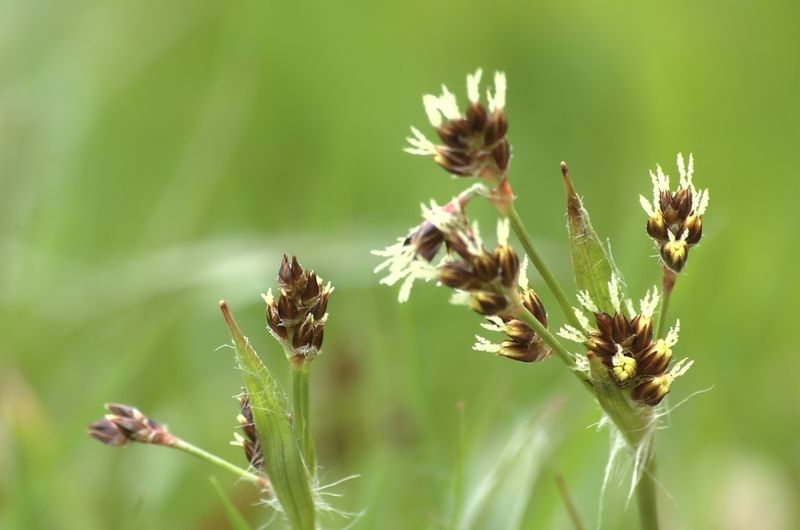
Pacific woodrush has a relaxed, easygoing quality that makes it feel right at home in shaded garden corners.
Its leaves are flat and wide compared to most grass-like plants, giving it a softer, more lush appearance.
The foliage is a rich, deep green and holds its color well even through cooler months.
What makes this plant such a strong weed fighter is how quickly it fills space. It spreads by both seeds and offsets, meaning it naturally multiplies and expands its coverage over time.
In a shaded bed, a few starter plants can become a full carpet within a couple of growing seasons. That kind of spread is exactly what you want when you are trying to outcompete bittercress.
Pacific woodrush grows naturally in moist, forested areas across our state, so it already knows how to handle the wet winters and dry summers that are common here. It does not need rich soil or regular feeding.
Give it some shade and occasional moisture, and it will handle the rest on its own. It pairs beautifully with ferns, native shrubs, and wildflowers, making it easy to work into an existing garden design.
The plant also provides light cover for small ground-nesting birds and beneficial insects, adding a little wildlife value to your yard. As a weed suppressor, it is hard to beat.
Pacific woodrush is a dependable, attractive choice for any shaded garden area where bittercress keeps coming back.
4. Small-Flowered Woodrush Thickens Cool Woodland Edges
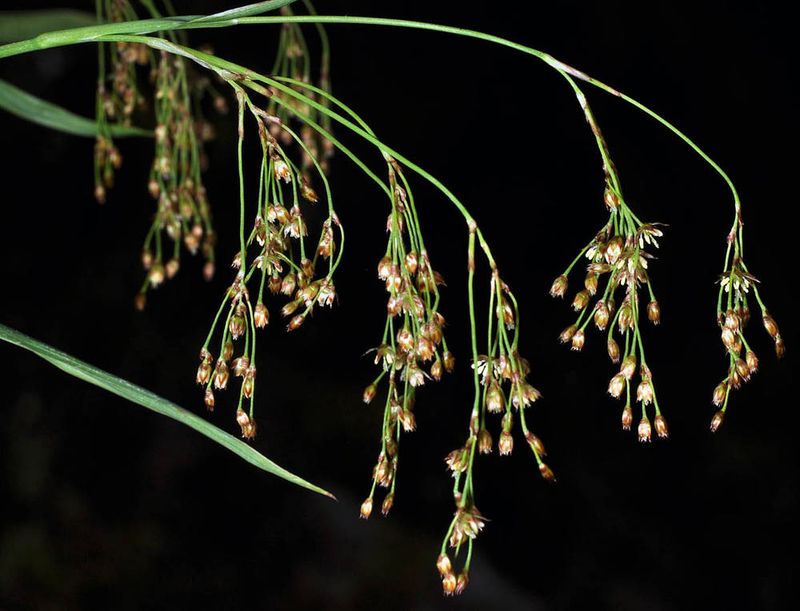
Along the shaded edges of woodland gardens, bittercress finds plenty of opportunity to sneak in. Small-flowered woodrush is one of the best plants for closing those gaps.
It grows in tight, upright clumps with narrow, grass-like leaves that are edged with soft white hairs.
Those fine hairs catch the light and give the plant a subtle shimmer that looks surprisingly elegant in low-light settings.
This woodrush is especially useful along path edges, fence lines, and the shaded bases of hedges where soil stays slightly moist and cool. It forms dense colonies over time, spreading slowly but steadily through self-seeding.
Once a colony is established, it creates a thick enough layer of foliage to block most weed seeds from reaching the soil below.
Bittercress simply cannot get the light it needs to grow once small-flowered woodrush takes hold.
Care requirements are minimal. It prefers partial to full shade and does well in average garden soil as long as it does not dry out completely for long periods.
Watering during the first summer helps it get established faster. After that, natural rainfall in our region is usually enough to keep it going.
It also produces tiny but charming flowers in spring, which adds a little seasonal interest to areas that might otherwise look plain.
For cool, shaded spots along woodland edges where bittercress is a recurring problem, small-flowered woodrush is a reliable, low-effort fix that keeps working year after year.
5. Deer Fern Shades Soil In Damp Garden Corners
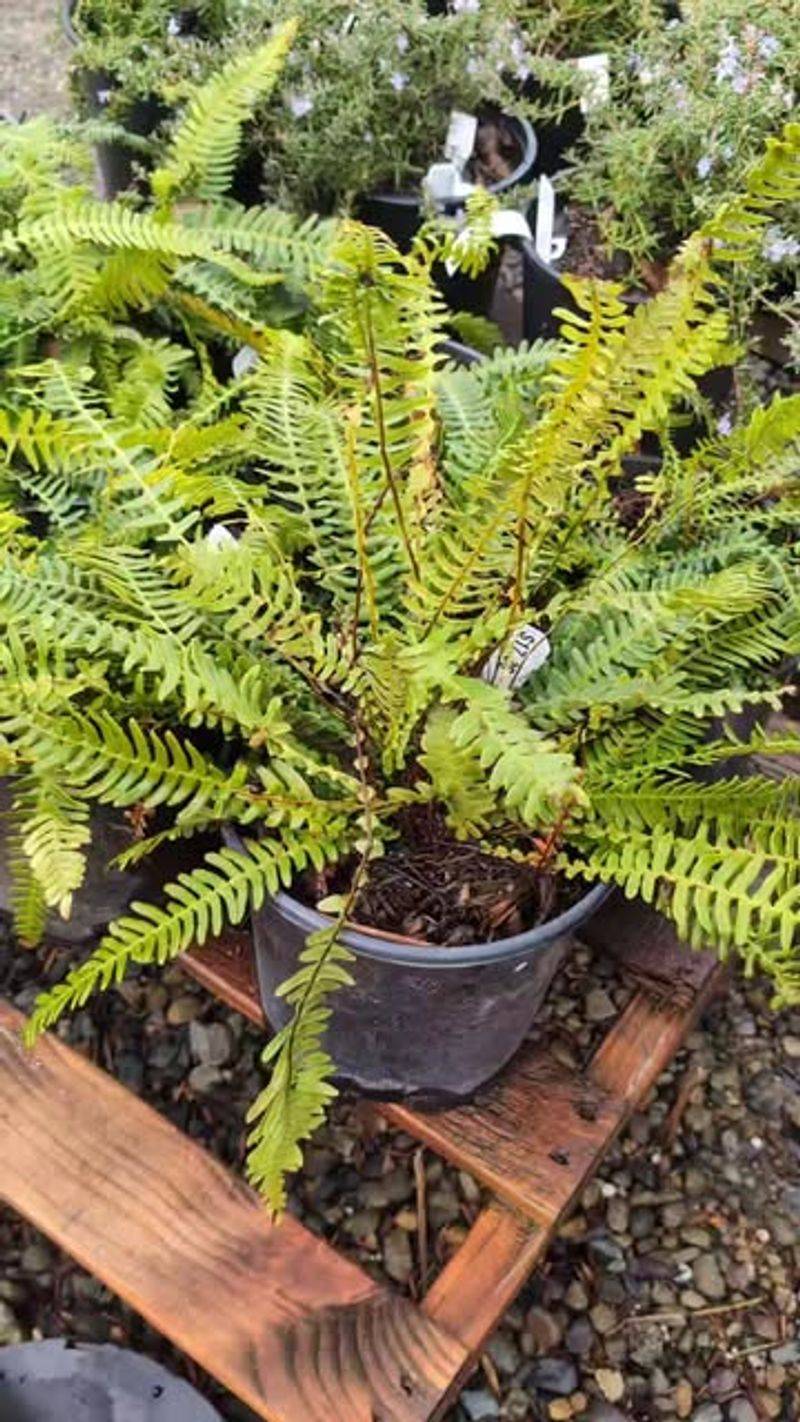
Deer fern is one of those plants that looks like it belongs in a fairy tale. Its dark, glossy fronds grow in a neat, arching rosette that stays evergreen through most of the year.
In damp, shaded corners of the garden, it creates a lush, full canopy that is almost impossible for bittercress to penetrate.
Unlike many ferns, deer fern produces two distinct types of fronds. The outer, spreading fronds stay low and cover the ground beautifully.
The inner, upright fronds carry spores and reach higher, giving the plant a layered look that adds visual depth to shaded beds.
This two-layer growth habit means more soil coverage and less exposed ground for weeds to use.
Deer fern grows naturally in moist forests and stream margins throughout our state, so it is perfectly adapted to the wet winters and mild summers of the Pacific Northwest. It prefers consistently moist soil and partial to full shade.
Planting it near a water feature, along a shaded fence, or in a low-lying corner of the yard gives it the conditions it needs to really thrive. Once established, it spreads slowly by rhizomes to fill in surrounding soil.
You do not need to divide or replant it often. Just clear the area of existing weeds before planting, give it a good start with some organic mulch, and watch it take over.
Deer fern is a stunning and practical ground-level solution for persistently damp, weedy corners.
6. Licorice Fern Covers Mossy Tree Bases And Rocks
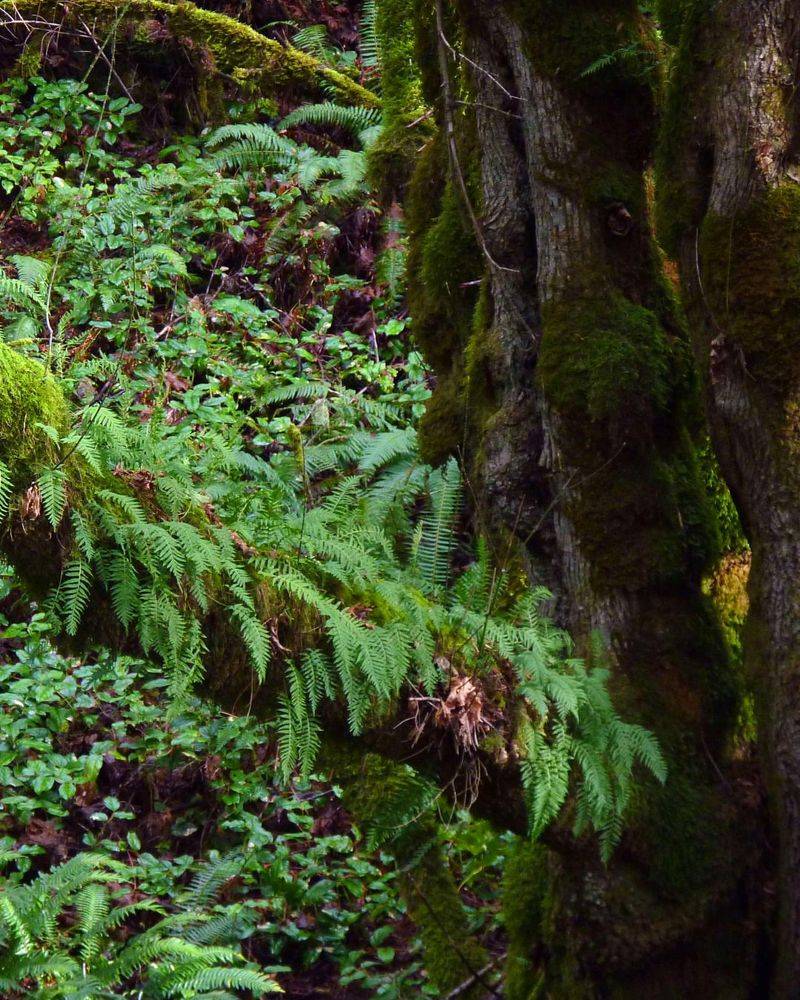
There is something almost magical about licorice fern. It grows where most plants would not dare to try, spreading across mossy tree trunks, rock faces, and shaded stone walls with complete confidence.
Its bright green fronds emerge in fall and stay lush through winter, which is the exact opposite of most ferns.
That cool-season growth habit makes it especially valuable for weed suppression during the months when bittercress is most active.
Bittercress is a cool-season weed. It germinates in fall, grows through winter, and seeds out in early spring.
Licorice fern works on the same schedule, which puts it in direct competition with bittercress at the most critical time of year. When licorice fern is actively growing and spreading, bittercress has nowhere to go.
This fern grows from rhizomes that travel through moss and organic matter, slowly expanding its coverage over time. It works best in spots with consistent moisture and shade, like the base of large oaks, along mossy stone walls, or in rocky garden areas where soil is shallow.
You can encourage it by keeping the area moist and adding a layer of leaf mulch to mimic its natural forest habitat. It goes back in summer when conditions get dry, but returns reliably each fall.
Roots of licorice fern taste faintly of licorice, which is how it got its name. For shaded, mossy garden features that bittercress keeps invading, this fern is a genuinely clever and beautiful solution.
7. Fringecup Spreads Through Moist Shade Without Fuss
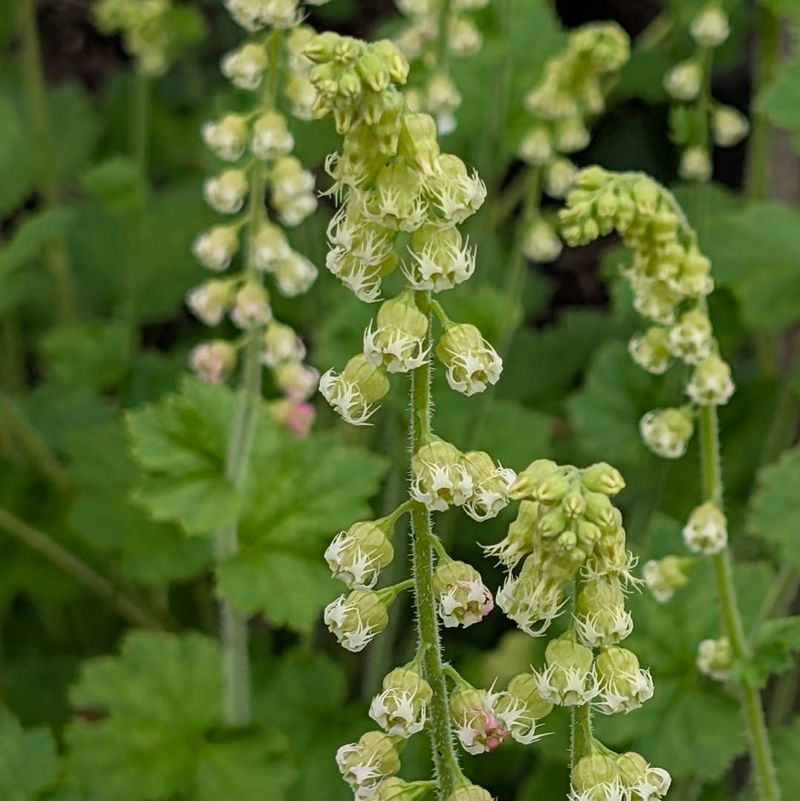
Fringecup is a native wildflower that does double duty in the garden. It is pretty enough to plant on purpose and tough enough to spread on its own through moist, shaded areas where bittercress tends to thrive.
Its low, wide rosettes of scalloped leaves form a ground-hugging layer that shades the soil effectively and reduces open space for weeds to colonize.
In spring, fringecup sends up slender, wiry stems lined with tiny pink and white flowers that are absolutely charming up close. These flowers attract early pollinators, which is a bonus for any garden trying to support local bees and beneficial insects.
After flowering, the plant sets seed and spreads naturally to nearby bare patches. Over a few seasons, a small planting can fill in a surprisingly large area.
Fringecup grows naturally along stream banks, in forest understories, and in moist meadow edges throughout our state.
It prefers partial to full shade and consistently moist soil, but it can handle brief dry periods once it is well established.
It is not aggressive, but it is persistent, which is exactly what you want in a weed-suppressing plant. Bittercress cannot get a foothold where fringecup has already settled in.
Plant it in groups along shaded borders, under deciduous trees, or in damp corners near downspouts. It asks for almost nothing and gives back a lot.
Fringecup is a quiet overachiever that most gardeners do not discover until they really need it.
8. Youth-On-Age Fills Damp Bare Ground Quickly
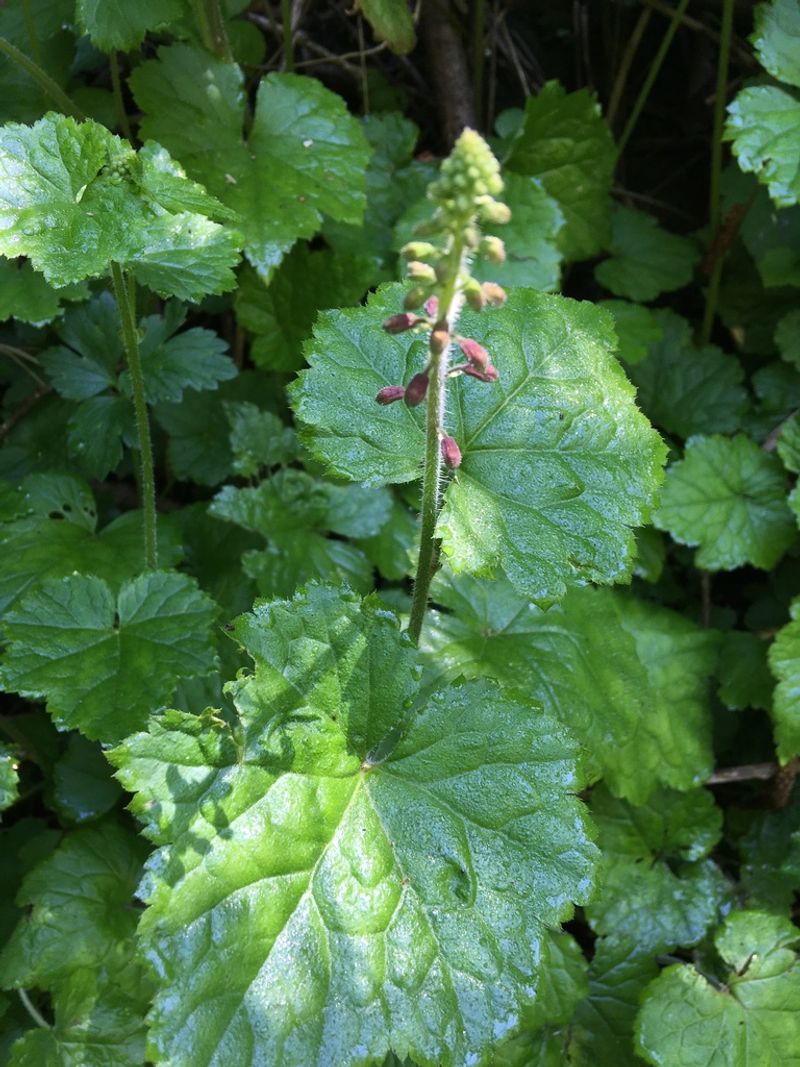
Youth-on-age has one of the most interesting tricks in the native plant world. It grows tiny new plantlets right on the surface of its own leaves, which is how it got its quirky name.
Those plantlets eventually weigh the leaf down until it touches the soil, then root and start a brand new plant. It is one of the most self-sufficient spreaders you will ever grow.
That spreading habit makes it a powerhouse for filling damp, bare ground. In shaded garden beds where bittercress keeps popping up, youth-on-age can move in and take over with very little encouragement.
Its broad, bright green leaves form a dense, overlapping layer that blocks light from reaching weed seeds below. Once it gets going, bare soil becomes a memory.
This plant grows naturally in moist forests and along shaded stream banks throughout the Pacific Northwest. It prefers rich, consistently moist soil and does best in partial to full shade.
It is not fussy about soil pH or fertility, which makes it easy to establish in most garden settings. Plant a few starts in a damp corner, keep them watered through the first summer, and watch them multiply.
By the second year, you will have a lush, weed-resistant mat that requires almost no maintenance.
Youth-on-age also works well in containers and hanging baskets, where the dangling plantlets create a cascading, playful effect.
For fast coverage of bare, damp ground where bittercress is a constant problem, few natives match its speed and reliability.