Simple Habits That Bring Hummingbirds Back To Your Texas Yard Before Fall
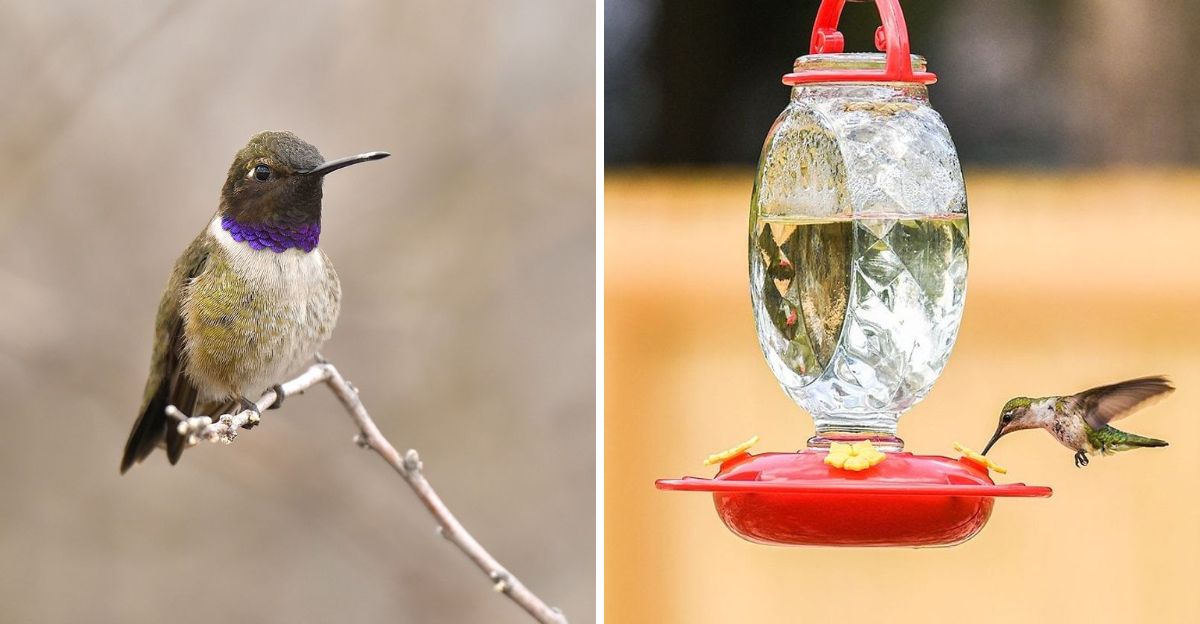
Hummingbirds in Texas follow a rhythm that most homeowners never fully tune into, and the late summer and early fall window is one of the most dynamic and rewarding parts of that rhythm. Migration is underway.
Species that don’t nest in Texas are passing through. The activity at feeders and flowers can be extraordinary for gardeners who have set things up correctly.
But if your yard has gone quiet on hummingbirds lately, the setup might need some attention before the best weeks of fall hummingbird activity pass you by.
Bringing hummingbirds back before fall doesn’t require expensive equipment or complicated garden renovations.
It comes down to a handful of consistent habits that make your yard reliably attractive to birds that are actively moving through Texas right now and evaluating every yard they pass for whether it’s worth a stop.
The yards that attract the most hummingbird activity through fall are almost always the ones doing a few simple things consistently rather than one big thing occasionally.
1. Keep Nectar-Rich Flowers Blooming
Walk outside on a warm August morning in Texas and you might catch a flash of green and red darting between your garden plants. That little visitor is a hummingbird, and it is looking for one thing above all else: nectar.
Planting the right flowers is one of the most reliable ways to bring hummingbirds to your yard before fall migration begins.
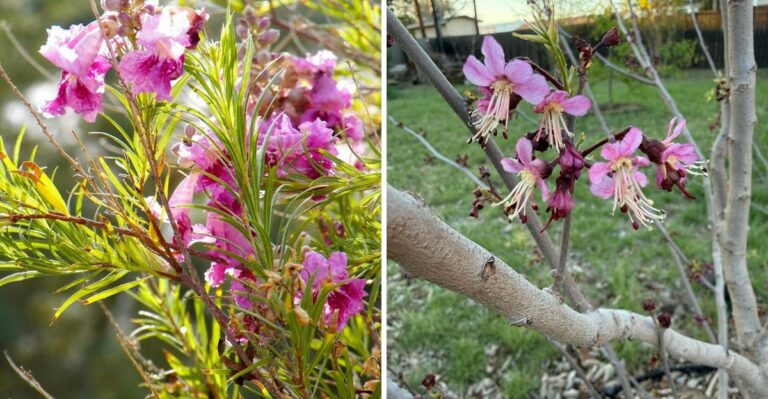
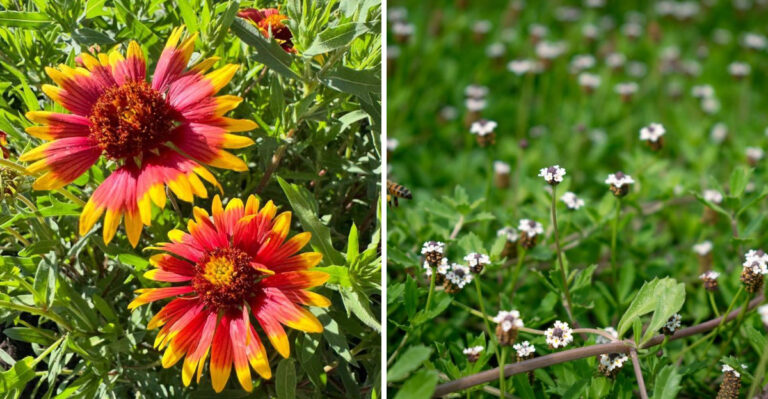
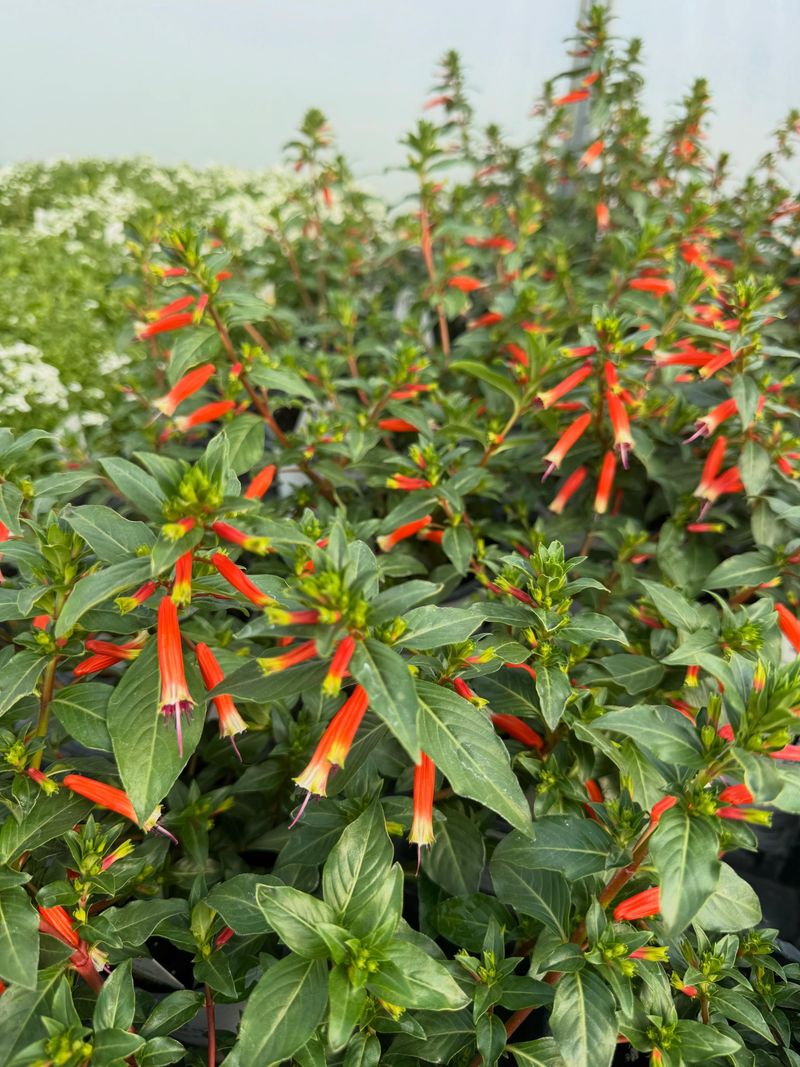
Late-summer bloomers are your best friends here. Native Texas plants like Turk’s cap, flame acanthus, autumn sage, and coral honeysuckle are perfect choices.
These plants are tough enough to handle Texas heat, and they produce the tubular, nectar-filled blooms that hummingbirds absolutely love. They come back year after year, so planting them once pays off for a long time.
Spacing your plants in clusters makes it easier for hummingbirds to find them. A single flower here and there might get overlooked, but a bold patch of red or orange blooms is hard to miss from the air. Think of it like putting out a big, bright welcome sign.
You do not need a large yard to make this work. Even a few containers on a patio or balcony filled with the right plants can attract hummingbirds.
Mix different bloom times so something is always flowering from summer into fall. Keeping a steady supply of natural nectar gives hummingbirds a reason to keep coming back.
When the blooms are fresh and plentiful, your yard becomes a favorite pit stop on their migration route south.
2. Keep Hummingbird Feeders Fresh
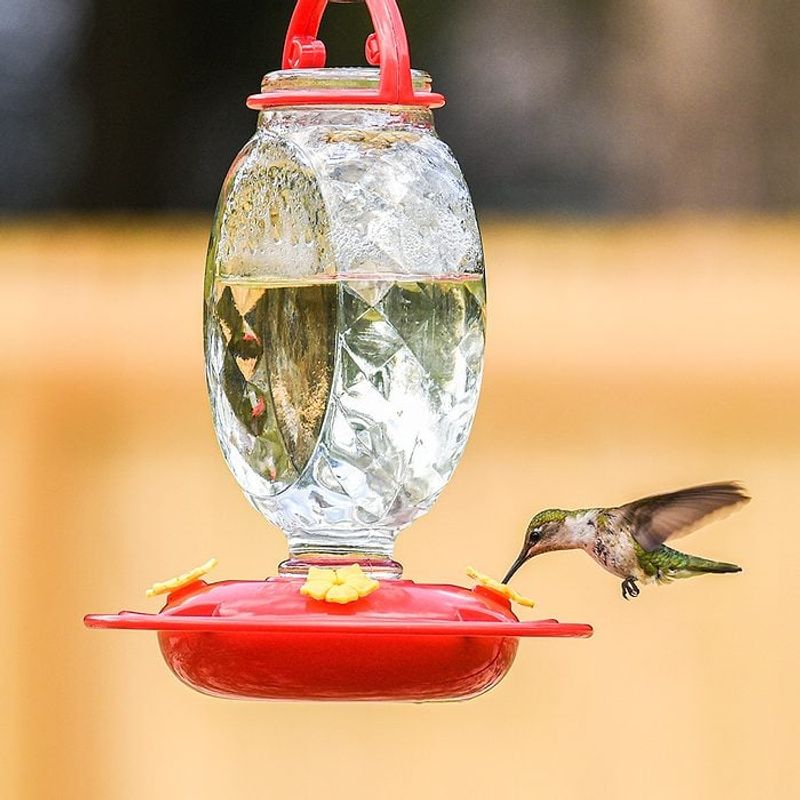
Feeders are one of the easiest ways to attract hummingbirds, but a dirty or spoiled feeder can do more harm than good. In Texas summer heat, sugar water can ferment or grow mold in just a day or two.
That means keeping your feeders fresh is not just a nice idea, it is a must. The recipe is simple: mix one part plain white sugar with four parts water. Stir until the sugar dissolves completely.
Your Texas Garden Changes Every Week. Your Plan Should Too.
Gardening in Texas changes quickly throughout the season. Every Friday you’ll receive a simple weekly plan showing exactly what to plant, prune, fertilize, harvest, and protect so you never miss the right timing.
You do not need to boil the water, though some people prefer to. Never use honey, brown sugar, or artificial sweeteners. These can be harmful to hummingbirds and attract unwanted pests.
During the hottest months, plan to change the nectar every one to two days. If the liquid looks cloudy or you see black spots inside the feeder, clean it right away with hot water and a bottle brush.
Avoid using soap, since residue can linger and affect the taste. Keeping two or three feeders in different spots around your yard can also help. Hummingbirds can be territorial, and one bird might guard a single feeder and chase others away.
Spreading feeders out gives more birds a chance to feed without constant chasing. Hang them in shaded spots when possible to slow down spoilage in the summer heat.
A clean, well-stocked feeder sends a clear message to every passing hummingbird: your yard is a safe and welcoming place to refuel before the long journey south begins in fall.
3. Skip The Red Food Coloring
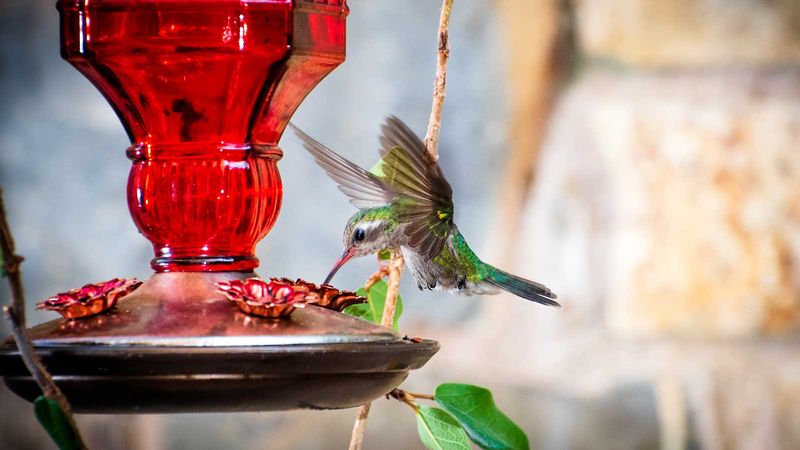
Here is something many backyard birders do not realize: the red dye in store-bought nectar mixes is completely unnecessary.
Hummingbirds are attracted to the color red, but they are drawn to the feeder itself, not the color of the liquid inside. A red feeder does all the work of catching their eye from a distance.
Artificial food coloring has not been proven safe for hummingbirds, and some researchers believe it could be harmful over time. Since there is no benefit to using it, skipping it entirely is the smarter choice.
Plain clear sugar water works just as well, and you can feel good knowing you are not adding anything extra to their diet.
If your feeder is not red, you can tie a small red ribbon near it or place a pot of red flowers close by. That splash of color is usually enough to get a curious hummingbird to investigate. Once they find the nectar, they will remember the spot and return on their own.
Many commercial nectar products come pre-colored, so check the label before buying. Making your own nectar at home is easy, affordable, and gives you full control over what goes into it.
One cup of white sugar mixed with four cups of water is all you need. Store any extra in the refrigerator for up to two weeks.
Keeping things simple and natural is always the best approach when it comes to feeding hummingbirds. Clear nectar is just as appealing to them and much better for their long-term health.
4. Provide A Shallow Water Source
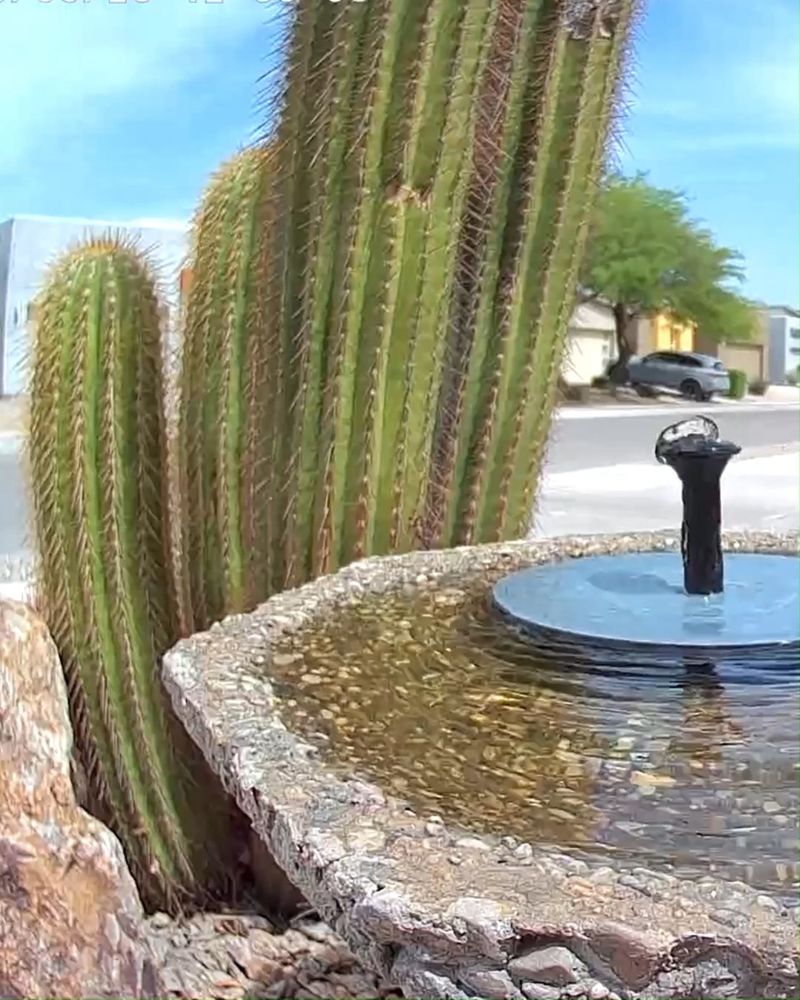
Most people think of feeders when they picture attracting hummingbirds, but water is just as important. Hummingbirds need to bathe regularly to keep their feathers in top condition, especially during the hot Texas summer.
Offering a reliable water source can make your yard stand out among the rest. Hummingbirds do not splash around in deep birdbaths the way larger birds do. They prefer very shallow water, usually no more than an inch deep.
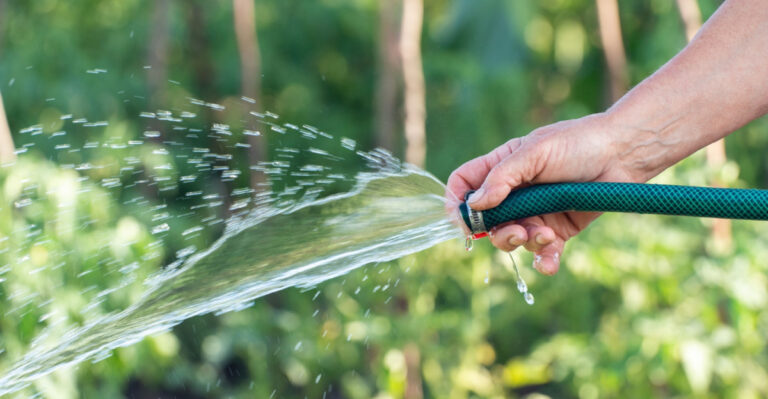
A shallow dish, a gentle mister, or a dripper attachment on a birdbath works perfectly. The sound and movement of dripping or misting water is especially attractive to hummingbirds and can draw them in from surprisingly far away.
Placement matters too. Keep the water source near your feeders or flowering plants so hummingbirds can easily move between feeding and bathing.
Avoid placing it in direct sunlight all day, as the water will heat up quickly and become less refreshing. A partly shaded spot keeps the water cooler and more inviting. Cleanliness is key. Rinse and refill the water source every day during hot, dry weather.
Algae and bacteria can build up fast in warm conditions, and dirty water is a health risk for any bird. A quick rinse with a brush and fresh water is usually all it takes.
Hummingbirds that find a clean, cool water source in your yard are much more likely to stick around and visit often. Adding water to your setup is a small effort that delivers big results for your backyard hummingbird visitors.
5. Give Them Places To Perch
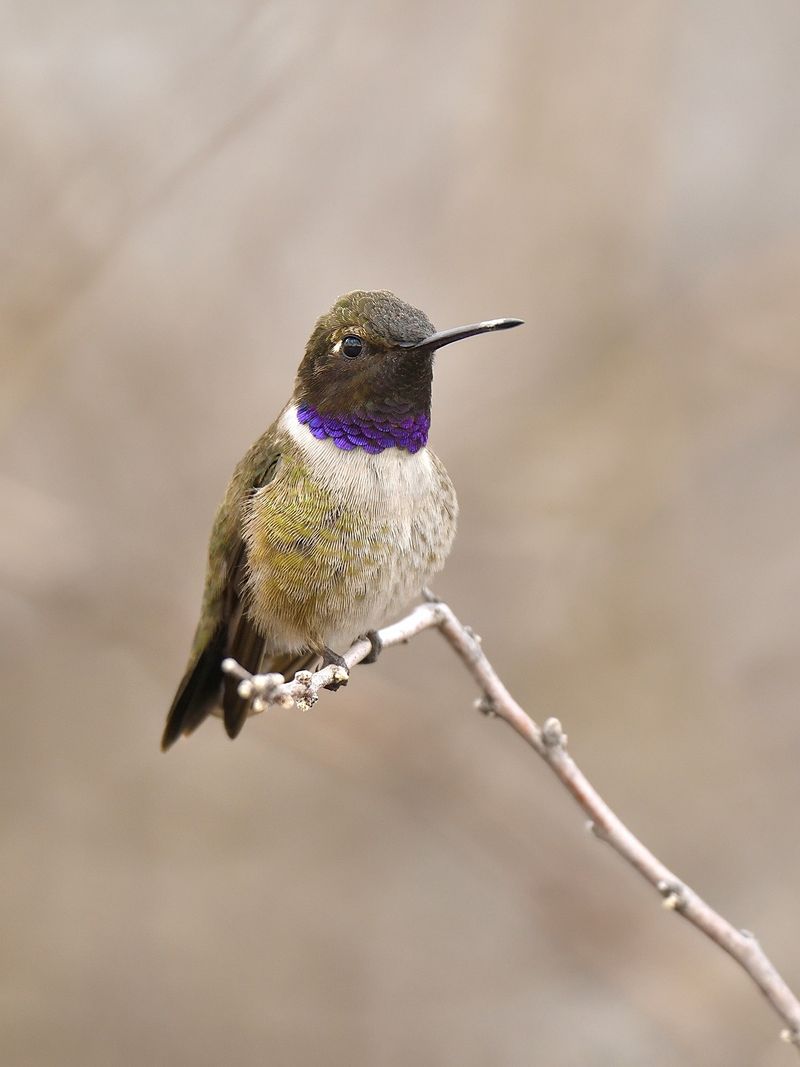
Picture a hummingbird zipping from flower to flower at full speed. It looks like they never stop moving, but that is not quite true.
Hummingbirds actually spend a lot of time perching and resting between feeding visits. Without good perching spots nearby, your yard might feel less welcoming to them than you realize.
Small trees, shrubs, and even thin bare branches make excellent perches. Hummingbirds like high, open spots where they can see their surroundings clearly.
They use these perches to watch for other hummingbirds, spot incoming threats, and simply rest their incredibly fast-beating hearts. A single dry branch sticking up above a shrub can become a favorite lookout spot.
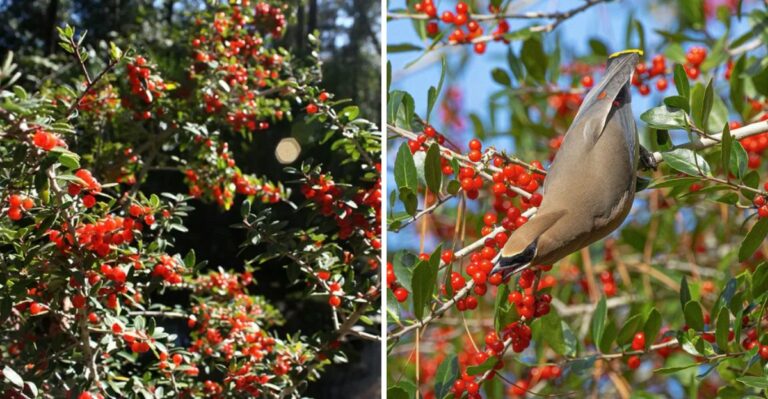
Native Texas plants like Mexican plum, possumhaw holly, or even a well-placed shepherd’s hook near your feeder can serve this purpose. You do not need to build anything fancy.
Natural branches and shrubs are usually preferred over artificial perches, but hummingbirds will use whatever is available and feels safe.
Try placing a few perching options at different heights and distances from your feeders. A perch close to a feeder lets the bird keep an eye on its territory.
One farther away gives a more relaxed resting spot. Observing where your hummingbirds naturally tend to land can help you figure out the best spots to encourage.
Adding more perching options costs nothing if you already have trees and shrubs, and it makes a real difference in how comfortable hummingbirds feel spending time in your yard throughout the late summer and fall season.
6. Avoid Spraying Insecticides Around Their Feeding Areas
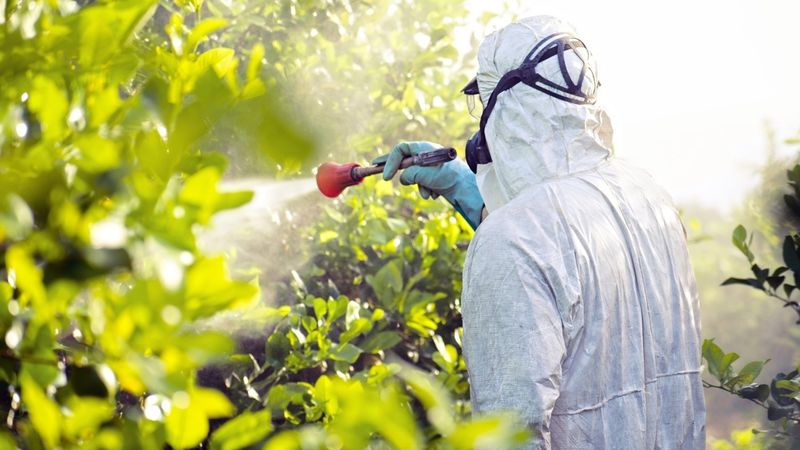
Most people think hummingbirds survive on nectar alone, but that is only half the story. Protein is a huge part of their diet, and they get it by eating small insects and spiders.
Gnats, fruit flies, aphids, and tiny spiders are all fair game. Without this protein, hummingbirds cannot stay healthy or fuel their long migration flights.
When you spray insecticides around your yard, you are not just targeting pests. You are reducing the overall insect population in the area, including the tiny bugs that hummingbirds rely on.
A yard heavy with pesticide use can become a food desert for hummingbirds, even if you have plenty of feeders and flowers available.
Switching to natural pest control methods makes a big difference. Encouraging beneficial insects like ladybugs and lacewings helps keep pest populations in check without wiping out everything else.
Removing pest-attracting debris, hand-picking larger pests, and using targeted organic sprays only when absolutely necessary are all smart approaches.
Keeping a few small areas of your yard a little wilder and less manicured can actually help. Leaf litter, low shrubs, and tall grasses provide habitat for the small insects hummingbirds hunt.
Spiders build webs in these areas too, and hummingbirds will actively search for them. Watching a hummingbird hover in place and snatch a tiny insect mid-air is one of the most entertaining things you can witness in your backyard.
Reducing pesticide use is one of the most impactful changes you can make to support hummingbirds in your Texas yard before fall migration arrives.
7. Keep Feeders Up Through Fall Migration
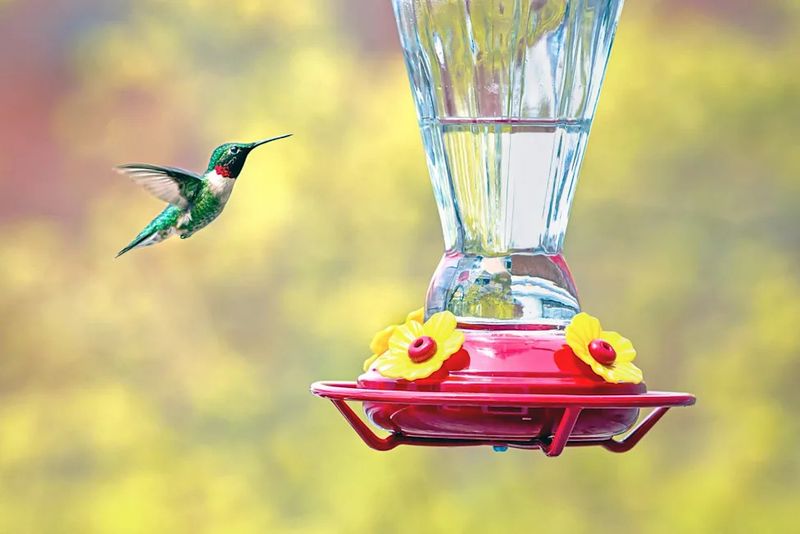
Some people take their feeders down in late summer thinking the hummingbirds have already left. This is one of the most common mistakes Texas backyard birders make.
Fall migration is actually one of the busiest times for hummingbird activity in the state, and your feeders are needed more than ever.
Ruby-throated hummingbirds begin moving through Texas in large numbers from late August through October. These birds are traveling from their summer breeding grounds in the eastern United States all the way to Central America.
Texas sits right in the middle of this route, making your yard a critical refueling stop during an exhausting journey.
Leaving your feeders up through at least mid-October gives migrating birds a reliable energy source when they need it most. You might even notice more hummingbird activity in September than you saw all summer.
Multiple birds may visit at once, creating a lively and exciting show right in your backyard. Do not worry that keeping feeders up will prevent hummingbirds from migrating on schedule. Their instinct to migrate is driven by changes in daylight, not food availability.
You are not holding them back by offering food. You are simply helping them travel more safely and successfully.
Clean and refill your feeders regularly during this time, just as you would in summer. Some years, you may even spot rare or unusual hummingbird species passing through Texas during fall migration.
Keeping your feeders stocked through fall is one of the simplest and most rewarding habits any Texas backyard birder can develop.