8 Texas Evergreen Cuttings You Can Turn Into Holiday Decor For Free
A scraggly hedge in many Texas yards holds leaves with enough caffeine to brew a genuine cup of tea. That same hedge, if it is a female plant, also wears glossy red berries every winter, and most people walk right past it.
I learned this while hauling clippings to the curb, which felt a little silly once I knew better. Those trimmings were basically free wreath material, and I had been tossing them out for several years.
You might notice that store garlands cost a surprising amount and shed plastic needles all over the floor. Your own Texas landscape probably grows fresher, better smelling greenery that costs nothing but a snip.
Some of these picks smell like cherries or bayberry, and one hides spiny leaves that bite back. So which shrubs in your own yard are secretly holiday decorations waiting for a quick pair of pruners?
1. Yaupon Holly
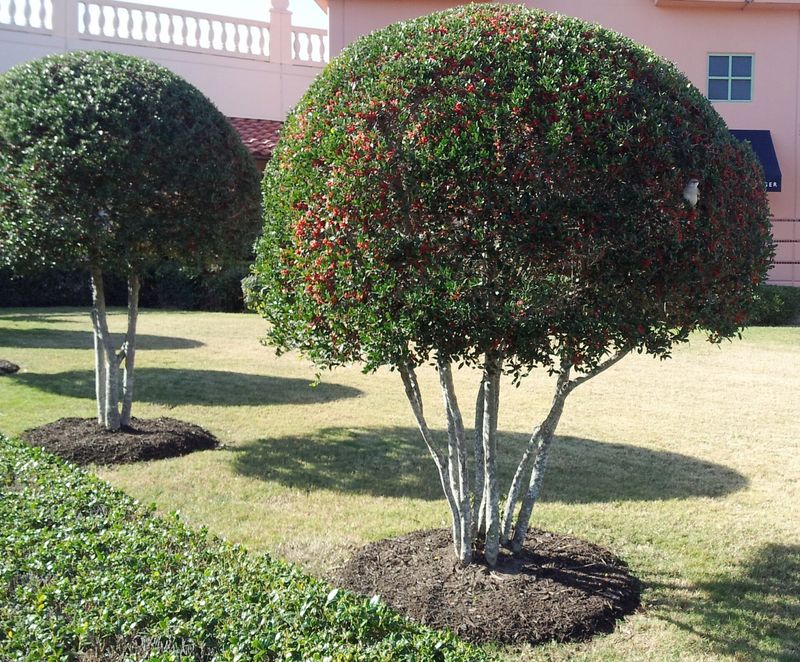
Bright red berries cling to yaupon branches all winter, like someone glued tiny ornaments on every twig. I grabbed a handful of stems last December, and my mantel looked store bought by lunchtime.
Only female plants produce those berries, so check your shrub in fall before planning a berry heavy wreath. Male yaupons still offer small, dark green, oval leaves that make a tidy base for garlands.
Its scientific name is Ilex vomitoria, which sounds alarming but comes from early European writers describing Native ceremonies. Native Americans brewed its caffeine rich leaves into a ceremonial tea long before coffee reached these shores.
Cut stems in the cool morning, choosing branches about a foot long with plenty of fruit clusters attached. Make each cut just above a side branch, so the shrub keeps a natural shape after you finish.
Soak the fresh cuttings in a bucket of water overnight, and the leaves will stay perky much longer. Indoors, keep arrangements away from heater vents, because warm dry air makes the berries shrivel and drop.
Berries can upset stomachs if eaten in quantity, so place decor well above curious kids and pets. Leave some fruit on the shrub too, since cedar waxwings and mockingbirds count on it during winter.
This tough native handles sandy or clay soil and shrugs off drought once its roots settle in. Honestly, I think every yard deserves one, if only for the free garland material it hands you each December.
2. Eastern Red Cedar
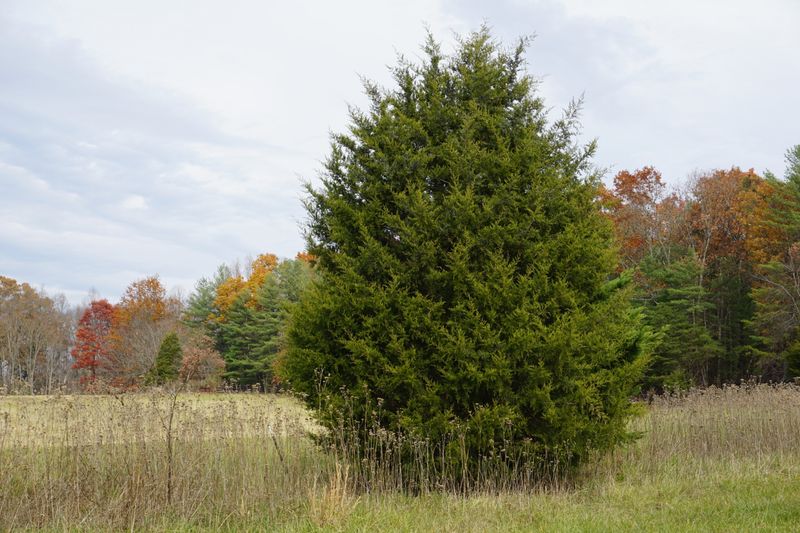
Crush a sprig of eastern red cedar, and your hands smell like a cozy cabin for an hour. Many Texas families once cut these trees for Christmas, since they look so much like the classic shape.
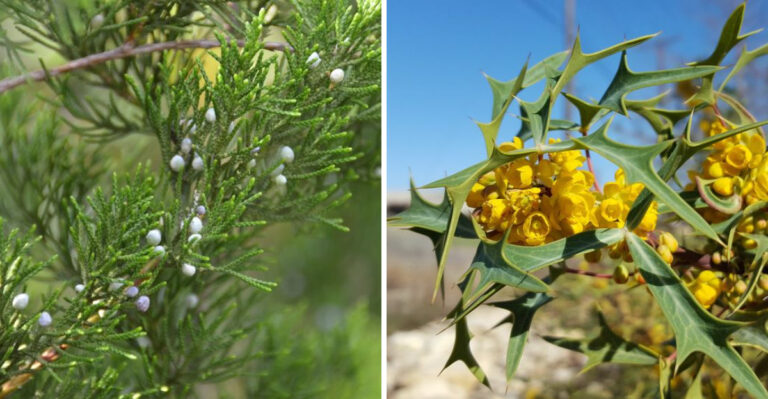
Despite the name, Juniperus virginiana is a juniper, not a true cedar, which surprises plenty of folks at first. Its foliage is made of tiny overlapping scales, ranging from deep green to a soft bluish tint.
Female trees carry small blue berry-like cones, and those frosty little beads look gorgeous tucked into wreaths. Grab branches loaded with cones whenever you find them, because they add texture without any extra effort.
Snip flexible outer tips about twelve to eighteen inches long, since they bend easily around wire frames. Avoid cutting deep into bare interior wood, because junipers rarely sprout new growth from those older sections.
Wear gloves while you work, since the prickly young foliage can scratch and irritate sensitive skin. Sap gets sticky too, and a little cooking oil removes it from your fingers faster than plain soap.
Cedar greenery dries gracefully, so I often use it on outdoor doors where fresh material fades quickly. Mist the garland every few days, and it should hold its color through most of the season.
Allergy patients may notice its pollen in late winter, when male trees release clouds of yellow dust. Still, birds adore the cones, and this hardy tree handles heat and freezes like a seasoned pro.
3. Southern Magnolia
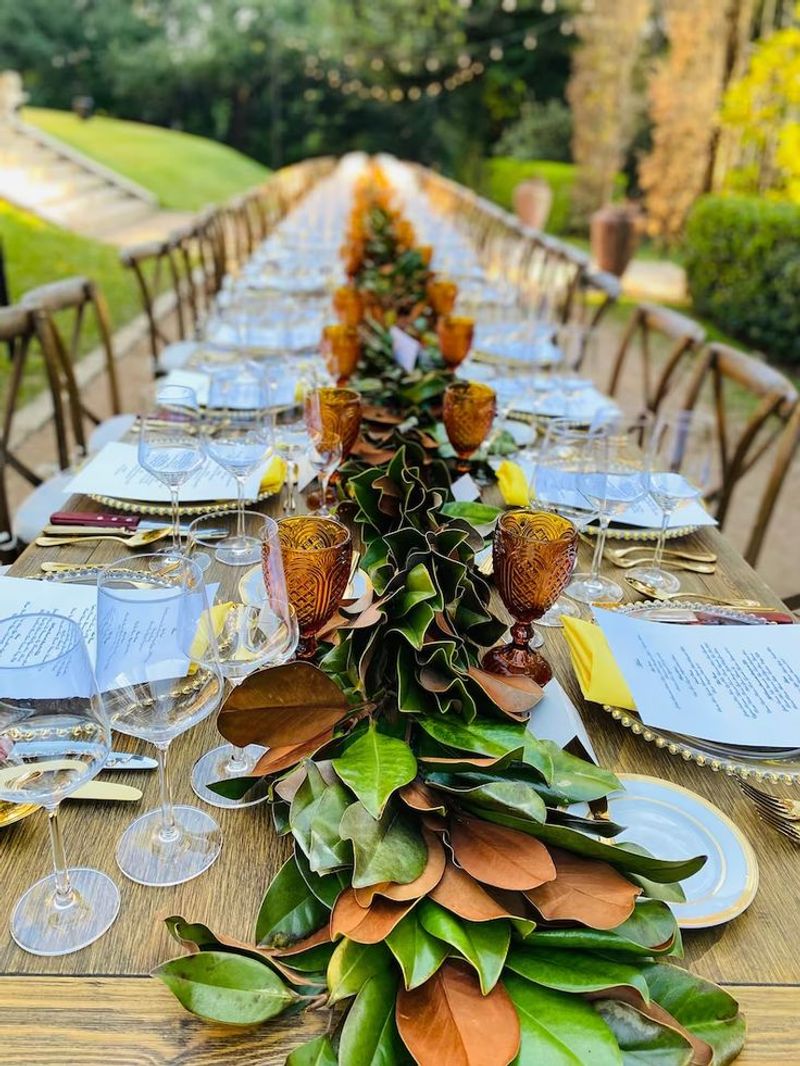
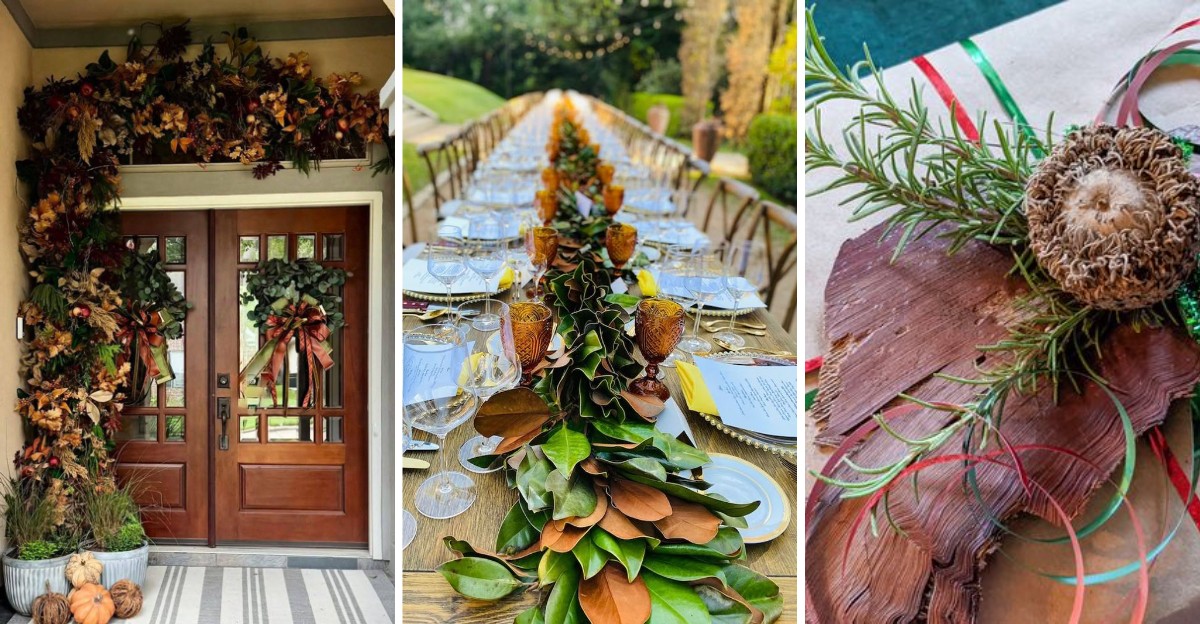
Flip a magnolia leaf over, and you find fuzzy copper suede that looks like expensive velvet ribbon. Florists charge serious money for magnolia wreaths, yet a single backyard tree can supply several of them.
Southern magnolia, or Magnolia grandiflora, grows into a huge tree, often reaching forty to eighty feet tall. Smaller cultivars like Little Gem fit tighter yards and still produce plenty of glossy leaves for crafting.
My favorite trick is layering leaves so some show green tops while others flash that warm brown underside. The two-tone pattern gives a wreath depth, and it looks elegant without a single bow or bauble.
Cut small leafy branches rather than single leaves, because the woody stems hold arrangements together much more easily. Take them from lower or inner limbs, so the tree keeps its handsome outline after your harvest.
Leathery magnolia leaves stay attractive for several weeks, and they dry into a lovely bronze shade afterward. Wipe them with a damp cloth before crafting, since dust shows up clearly on that glossy surface.
Magnolias prefer well-drained, slightly acidic soil, though they tolerate some clay across much of the American South. They grow in full sun or partial shade, and their shallow roots dislike digging beneath the canopy.
Fallen leaves count too, so raking the lawn can double as a free shopping trip for decorators. I keep a basket of the prettiest ones by the door, ready for last minute table runners and gifts.
4. Wichita Blue Juniper

Silvery blue foliage makes Wichita Blue juniper look dusted with frost, even on a seventy degree afternoon. I tucked a few sprigs into a green wreath once, and neighbors kept asking where I bought it.
Unlike the other natives here, this pick is a named cultivar of Rocky Mountain juniper, Juniperus scopulorum. It grows into a narrow pyramid around ten to fifteen feet tall and only four to six feet wide.
Rated for zones three through seven, it performs best in the cooler northern and western parts of Texas. Humid Gulf Coast gardens can stress it, so a friend up north might share clippings instead.
Full sun and sharp drainage keep it happy, while soggy clay invites root problems and thin growth. Once established, it handles dry spells well, which makes it a sensible choice for water conscious yards.
For decorating, snip short side shoots from the outer edges, keeping each cut hidden inside the foliage. Light trimming in late fall rarely harms the shape, but heavy pruning can leave lasting bare patches.
That cool blue color pairs beautifully with silver ribbon or the warm copper underside of magnolia leaves. Mixing it into darker greenery creates contrast, so your finished wreath reads clearly from across the street.
Juniper foliage can prickle bare skin, so gloves are smart, and the small berries are not snacks. Keep finished pieces out of reach of nibbling pets, and enjoy that frosty mountain look all season long.
5. Agarita
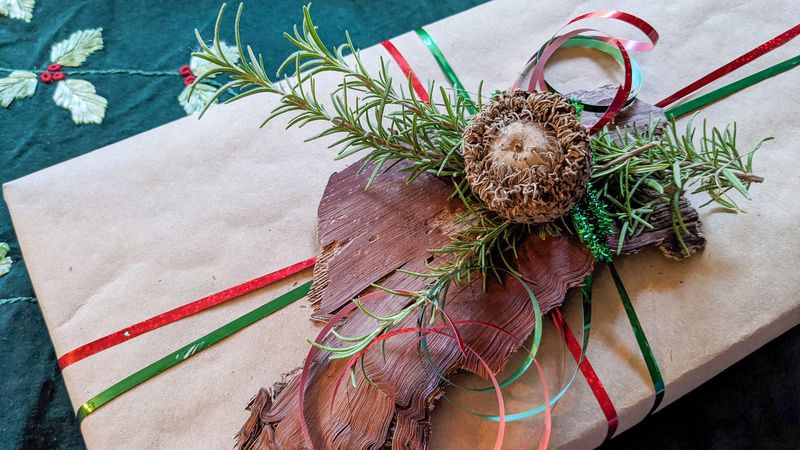
Agarita leaves look like holly that grew extra attitude, with three stiff leaflets tipped in needle sharp spines. I learned to respect this shrub the hard way, after grabbing a branch without gloves one December.
Known scientifically as Mahonia trifoliolata, it also appears as Berberis trifoliolata in some newer plant references and guides. The gray green foliage stays on all year, giving arrangements a soft, dusty color that feels wild.
Its red berries ripen in late spring and early summer, so they are mostly gone by the holidays. Birds and people both love them, and folks have long cooked the tart fruit into bright jelly.
For winter decor, the leaves themselves are the star, and they look striking against deep green cedar. Tuck short sprigs into the edges of a wreath, where their pale color catches light near the door.
Wear thick leather gloves and use long handled pruners, because those spines punch through thin cotton easily. Skip it for spots where small hands or pets brush past, like low coffee tables and stair rails.
Agarita grows naturally on rocky limestone hills and handles drought better than most backyard shrubs I know. It prefers well-drained soil with full sun or light shade, and it rarely needs extra water.
Its yellow flowers arrive in late winter or early spring, feeding hungry bees when little else blooms. So trim lightly now, and you will still enjoy that sweet scented show a few months later.
6. Texas Mountain Laurel
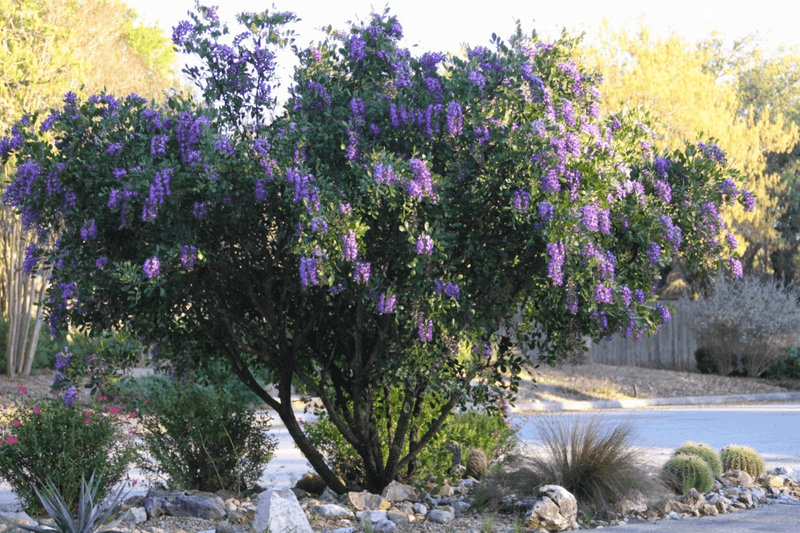
Each spring, mountain laurel blossoms smell exactly like grape soda, and people stop on sidewalks just to sniff. The glossy leaves deserve attention in winter too, because they stay rich and green when everything else looks tired.
Botanists call it Sophora secundiflora, though you may also see the newer name Dermatophyllum secundiflorum on nursery tags. It grows slowly into a shrub or small tree, sometimes reaching fifteen to twenty-five feet over many years.
Each leaf is divided into shiny, rounded leaflets that catch candlelight beautifully on a holiday table. I like laying a few short stems flat along a runner, letting their deep color frame simple candles.
Now for the serious part, because the bright red seeds inside its fuzzy gray pods are highly toxic. Remove every pod from your cuttings, and keep the finished decor away from children and pets.
Other plant parts contain similar compounds too, so treat the whole arrangement as strictly look but no taste. Wash your hands after handling stems, especially before snacking on any of those tempting holiday cookies.
Because it grows so slowly, take only a few small stems from the outer canopy each year. Heavy cuts in late fall can also remove next spring’s flower buds, which form well ahead of time.
Mountain laurel loves well-drained rocky soil and handles drought once established, especially in full sun or light shade. Treat it gently, and you get winter greenery now plus that grape scented show next spring.
7. Carolina Cherry Laurel
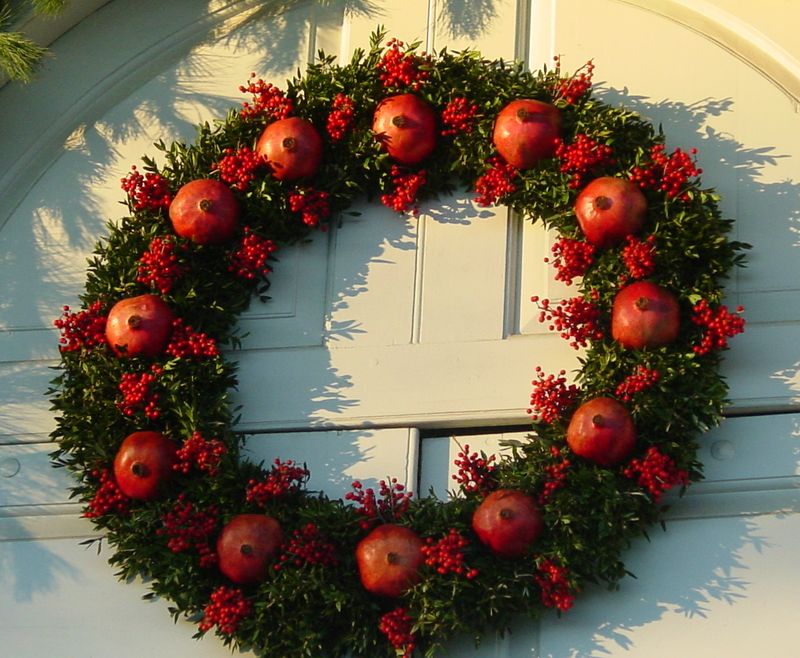
Rub a cherry laurel leaf between your fingers, and you catch a whiff that smells like maraschino cherries. That sweet scent comes with a warning, which is exactly why this shrub needs careful handling indoors.
Prunus caroliniana is a native evergreen with leaves so shiny they almost look freshly polished with wax. Plenty of North Texas homes use it as a hedge, since it tolerates heat.
Those glossy leaves make a gorgeous wreath base, and trimmed hedges produce armloads of material every winter. Compact cultivars like Bright N Tight stay dense, so their branches fill a frame without gaps.
The leaves and seeds contain compounds that release cyanide when eaten, making every part risky for pets and people. Wilted leaves carry even higher risk, so toss arrangements as soon as the foliage starts to droop.
Use cherry laurel only where nobody can reach it, like a front door wreath hung well above ground. Skip it for homes with chewing puppies or curious toddlers, since one nibble is one too many.
Slip on gloves before cutting, because the sap can irritate skin, especially around small scratches on your hands. Crush leaves outdoors if you want that cherry scent, rather than in a small closed room.
Personally, I still use it, but only on my front door where the dog has no access. A little planning lets you enjoy that mirror bright shine without worrying about anyone getting into trouble.
8. Wax Myrtle
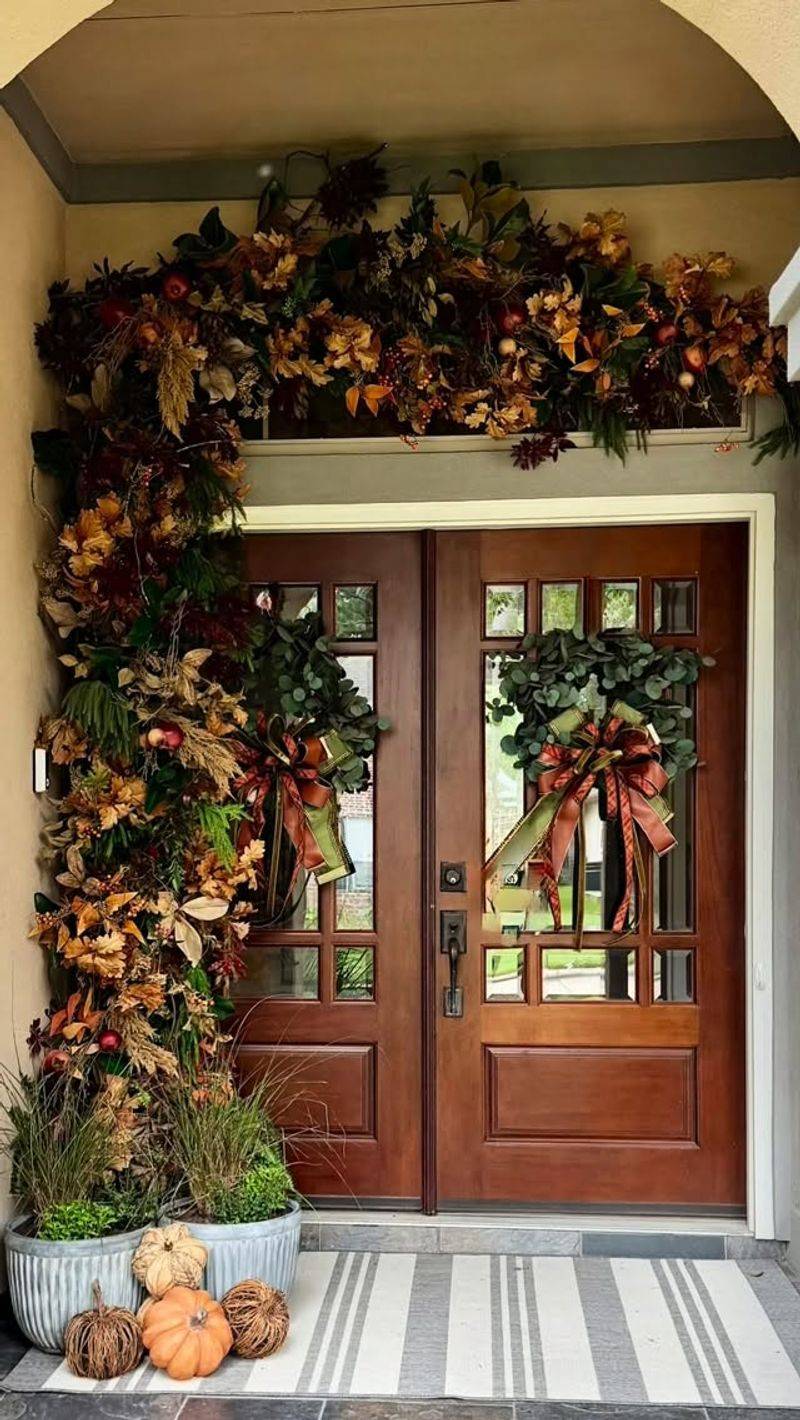
Colonial candle makers boiled wax myrtle berries to skim off fragrant wax, and bayberry candles still carry that legacy. I love snapping a fresh twig, because the spicy scent fills my kitchen faster than any candle.
Its current scientific name is Morella cerifera, though older books list it as Myrica cerifera instead. The narrow olive green leaves are dotted with tiny glands, which release that aroma when bruised.
Female shrubs carry clusters of small gray-blue berries coated in pale wax, and they look lightly sugared. Those dusty berries pair wonderfully with red yaupon fruit, giving wreaths a soft, old fashioned color mix.
Wax myrtle grows fast, often reaching ten to twenty feet, so regular trimming is part of owning one. That means holiday cuttings are basically a bonus from chores you would be doing anyway this winter.
Choose flexible stems around eighteen inches long, and strip the lower leaves before placing them in water. Fresh branches drape nicely over mantels, and they hold up well when misted every couple of days.
Few shrubs handle both soggy ground and dry sandy soil, yet wax myrtle manages each with little fuss. It grows well in full sun or partial shade across most of Texas, including humid coastal areas.
Save plenty of berries for the birds, since yellow-rumped warblers and other songbirds rely on them in winter. Neither the leaves nor the berries are meant for eating, so keep arrangements beyond the reach of pets.