Skip Imported Pachysandra Under North Carolina Shrubs And Plant This Native Evergreen Instead
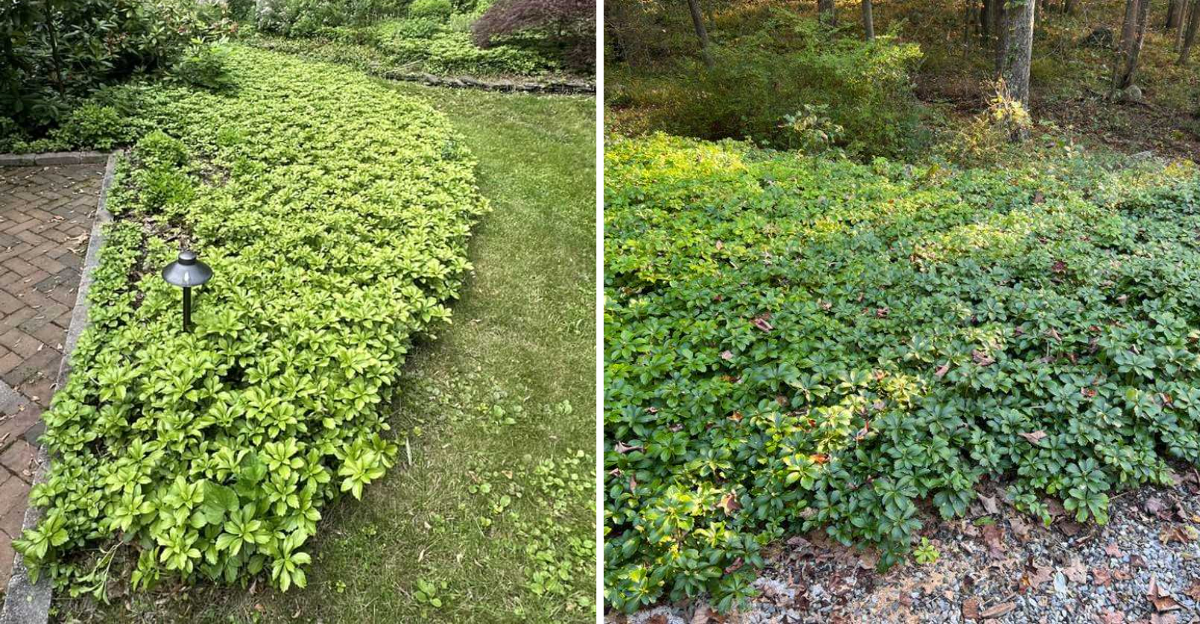
If Japanese pachysandra carpets the ground under your shrubs, you’re following a habit shared by nearly every yard in North Carolina. That glossy import has become a default choice, but it quietly works against the birds, bees, and soil life your garden depends on.
Here’s the twist: a native evergreen groundcover has been thriving in Southeastern forests all along, tucked beneath the canopy long before anyone planted pachysandra. It spreads with the same lush density, minus the ecological cost.
Swapping it in isn’t just a style choice. It shifts your garden from a decorative afterthought into a genuine habitat, one that supports pollinators and requires far less fuss once established.
The change happens underground first, then spreads upward into something your whole yard will feel.
A Native Groundcover Delivers The Same Lush Look
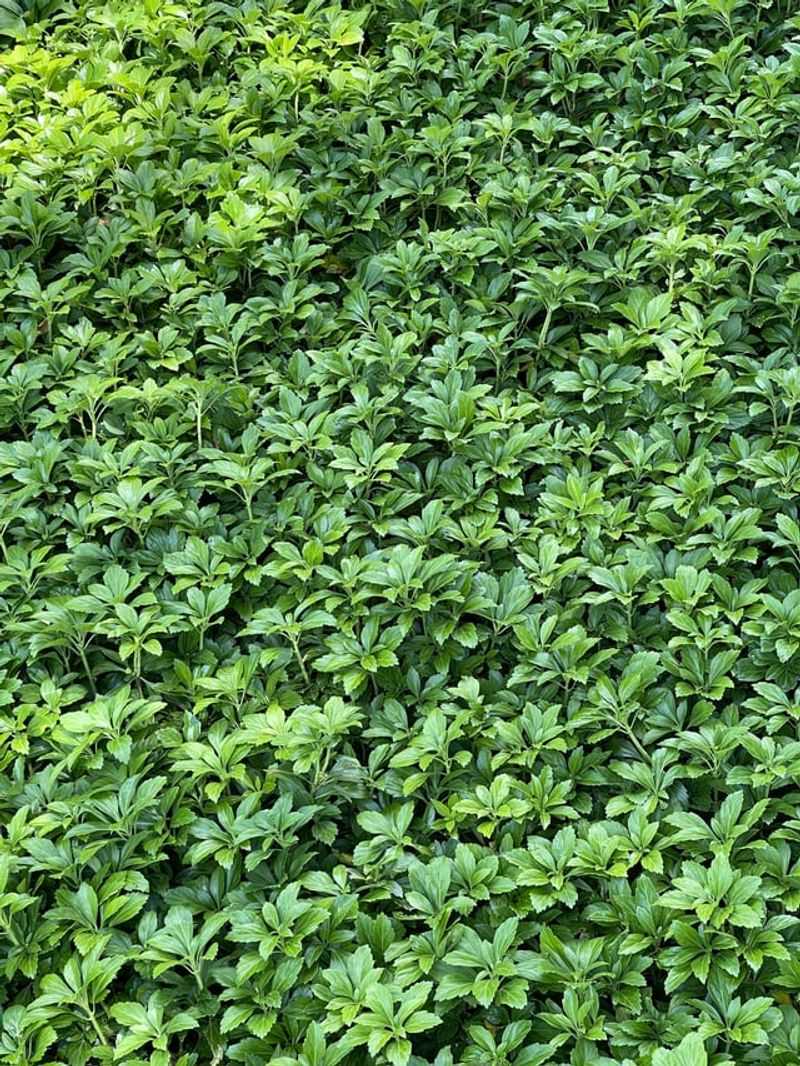
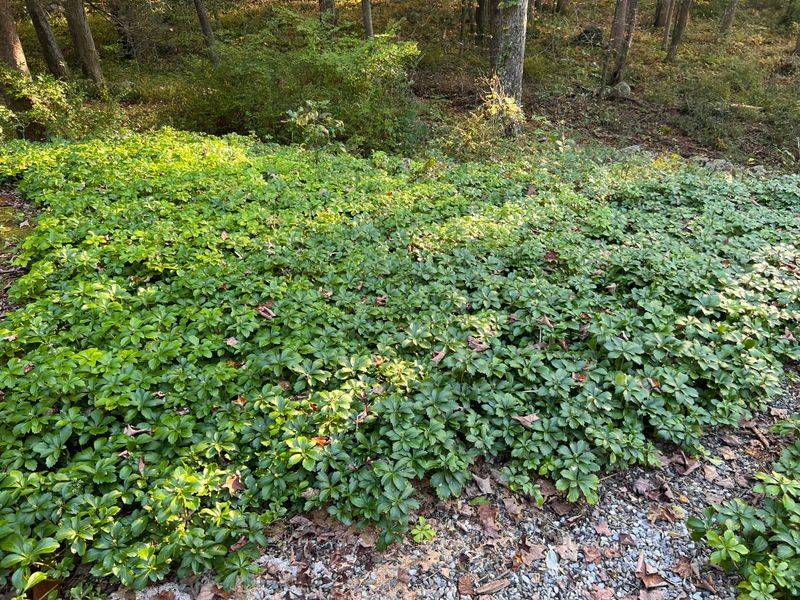
Forget everything you think you know about native plants looking scraggly or sparse. Allegheny spurge, known botanically as Pachysandra procumbens, creates a carpet of soft, matte-green leaves that rivals any imported groundcover you have ever seen.
The foliage has a subtle silver marbling that catches filtered light beautifully under shrubs. North Carolina gardeners who switch often say they wish they had done it sooner.
This plant grows in low, spreading clumps that slowly fill in bare soil beneath azaleas, camellias, and hollies with quiet elegance. You get the same tidy, finished look without importing an aggressive species from Japan.
The leaves are semi-evergreen to fully evergreen depending on your local winter temperatures. In the Piedmont and coastal plain regions, they hold their color straight through February.
What makes the visual payoff even sweeter is the spring bloom. Allegheny spurge sends up small white and pink flower spikes in early spring before most shrubs have leafed out.
Those delicate blooms add a layer of seasonal interest that Japanese pachysandra simply cannot match. The plant stays low, usually around six to ten inches tall, so it stays out of the way of the shrubs above it.
Your garden beds look intentional and layered without any extra effort on your part. That quiet upgrade beneath your shrubs pays off in ways you won’t notice until years down the line.
The lush look you love is absolutely within reach, and it starts right in your own backyard.
How Allegheny Spurge Differs From The Imported Version
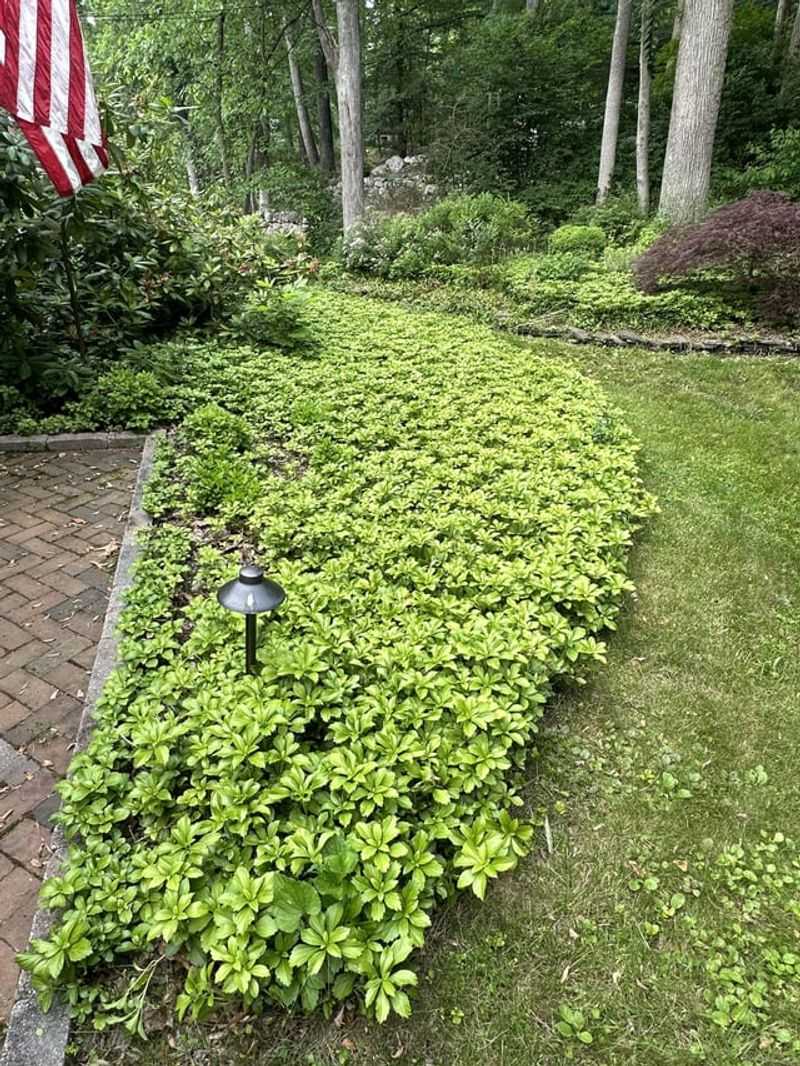
Japanese pachysandra and Allegheny spurge look similar at first glance, but the differences matter enormously. Japanese pachysandra spreads aggressively through underground rhizomes, often escaping garden beds and invading nearby woodlands.
Allegheny spurge spreads slowly and politely, staying where you put it without taking over your neighbor’s yard. That restrained growth habit is a huge win for tidy gardeners.
The leaf shapes differ too, and once you know what to look for, you will spot the difference immediately. Japanese pachysandra has glossy, toothed leaves arranged in tight whorls at the top of each stem.
The matte finish gives it a more natural, woodland feel. Imported pachysandra is listed as invasive in many Mid-Atlantic and Southeastern states, where it crowds out native wildflowers and disrupts forest understory ecosystems.
Your North Carolina Garden Changes Every Week. Your Plan Should Too.
Gardening in North Carolina changes quickly throughout the season. Every Friday you’ll receive a simple weekly plan showing exactly what to plant, prune, fertilize, harvest, and protect so you never miss the right timing.
Allegheny spurge, by contrast, supports the native food web by providing nectar for early pollinators and shelter for small ground-dwelling insects. One plant takes from the ecosystem, and the other gives back generously.
The price point at local native plant nurseries has also dropped as demand has grown. You can now find Allegheny spurge at most independent garden centers across the region.
Making the swap is easier than ever, and your local woodland will quietly thank you for it.
Why It Thrives In North Carolina Shade Gardens
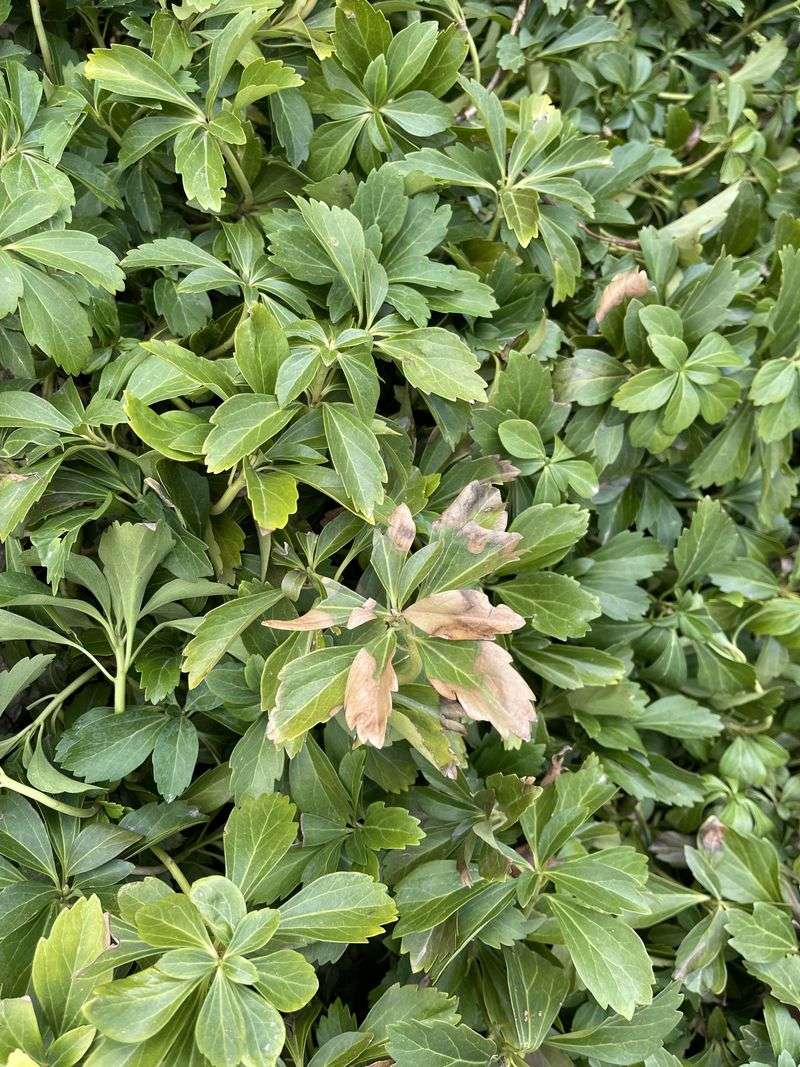
Shade gardens can be tricky, but Allegheny spurge was practically born for them. This plant evolved in the woodland understories of the Appalachian foothills, which means deep shade is its comfort zone, not a challenge.
Most groundcovers struggle under dense canopies where azaleas and rhododendrons block nearly all direct sun. Allegheny spurge handles those conditions without complaint.
The climate across the Tar Heel State suits this plant remarkably well from the mountains to the coast. It tolerates the humid summers that wilt so many other shade plants and bounces back from the occasional light freeze without missing a beat.
The plant is rated for USDA hardiness zones 5 through 9, which covers every corner of the state with room to spare. Gardeners in Charlotte, Raleigh, and Asheville can all grow it successfully.
Soil adaptability is another reason this native thrives where other groundcovers falter. It performs well in the slightly acidic, well-drained soils common across much of North Carolina.
You do not need to dramatically amend your soil before planting, which saves both time and money. A light layer of compost mixed into the top few inches is usually all it needs.
Drought tolerance improves significantly once the plant establishes itself after its first full growing season. Established clumps can go weeks without supplemental water during summer, relying on natural rainfall instead.
Struggling shade beds finally have a fix that doesn’t ask for much in return.
Planting And Spacing For Full Coverage
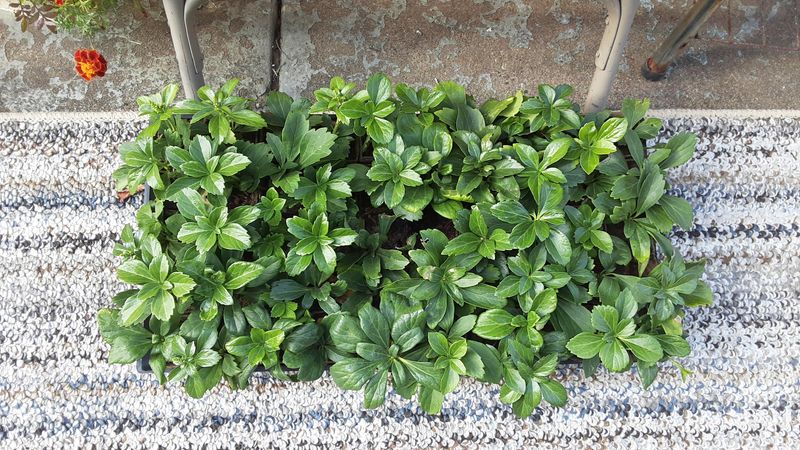
Getting the spacing right from day one saves you from replanting headaches down the road. Allegheny spurge spreads more slowly than Japanese pachysandra, so patience is part of the planting plan.
Space individual plants eight to twelve inches apart for coverage within two to three growing seasons. If you want faster results, tighten that spacing to six inches and budget for more plants.
The best time to plant is early fall or early spring when the soil is workable and temperatures are mild. Fall planting gives roots time to establish before summer heat arrives, which is a serious advantage in the Southeast.
Dig each hole just slightly larger than the root ball of your transplant. Set the crown of the plant level with the surrounding soil surface, never below it.
Burying the crown too deep encourages rot, which is the fastest way to set new transplants back. Firm the soil gently around each plant and water immediately after planting to settle air pockets around the roots.
Apply a two-inch layer of shredded hardwood mulch over the entire bed after planting. Keep the mulch pulled back a few inches from each plant’s base to prevent stem rot.
Water newly planted spurge two to three times per week for the first month. After that first month, you can taper off and let natural rainfall take over.
Watching those small plugs slowly knit together into a seamless green carpet is one of gardening’s most satisfying slow-burn rewards.
Caring For Allegheny Spurge Through The Seasons
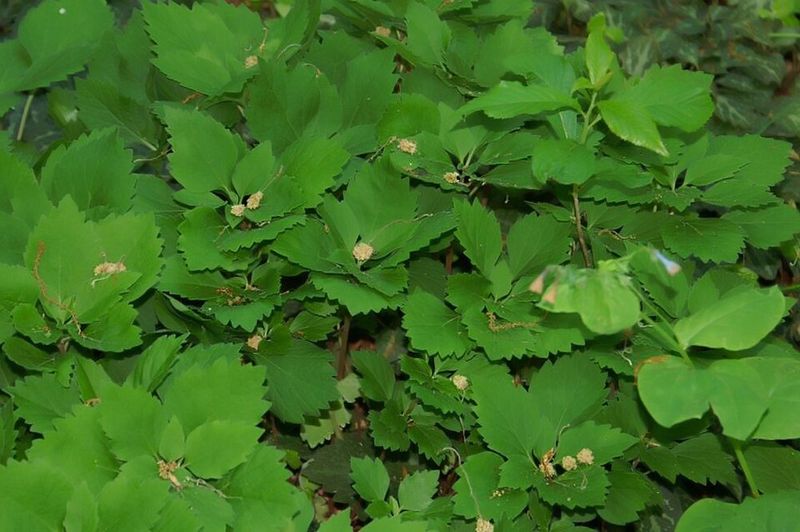
One of the best things about this native groundcover is how little it demands from you. Once established, Allegheny spurge is about as close to a maintenance-free plant as you will find in the shade garden world.
Spring is the season to watch for those charming white and pink flower spikes emerging from the base of each clump. Resist the urge to tidy them away, since pollinators need those early blooms.
Summer care is minimal and mostly involves checking soil moisture during extended dry spells. Established plants rarely need supplemental watering unless your area goes more than three weeks without rain.
A quick visual check every week or two is all the monitoring required during the hottest months. Healthy foliage stays green and upright, while stressed plants show slight leaf curl as an early warning.
Fall is actually the most active care season for this plant. Top-dress the bed with a thin layer of shredded leaves or compost to replenish organic matter lost over summer.
This feeds the soil ecosystem that supports the plant’s root network through winter. Skip heavy fertilization, since too much nitrogen pushes weak, floppy growth that is prone to disease.
Winter in most of the state is mild enough that the foliage stays attractive and green. A hard freeze may cause some leaf browning, but new growth emerges quickly in spring.
Most of the seasonal work here is just standing back and letting the plant do what it already knows how to do.
Benefits For Local Pollinators And Wildlife
Early spring is a tough time for pollinators, and Allegheny spurge steps up exactly when it matters most. Those small white and pink flower spikes bloom in March and April before most garden plants have woken up.
Native bees, including mining bees and small sweat bees, rely on these early nectar sources to fuel their first foraging flights of the season. A single bed of spurge can support dozens of individual bee visits on a warm spring morning.
Ground-dwelling beetles and spiders find shelter beneath the dense leaf canopy throughout summer and fall. These insects form the base of the food chain that feeds birds, toads, and other garden wildlife you probably already enjoy.
Salamanders and other moisture-loving creatures often take shelter in the cool, damp microhabitat this groundcover creates. Their presence is a good sign your garden is doing something right.
Birds benefit indirectly from the insect activity that flourishes beneath the foliage. Ground-feeding birds often forage through the leaf litter around spurge clumps, hunting for beetles and grubs.
Replacing invasive pachysandra with this native plant restores a small but meaningful piece of the local food web. Each patch of native groundcover acts like a tiny wildlife corridor connecting your yard to the broader landscape.
The impact of one home garden may seem small, but neighborhoods full of native plantings create real ecological momentum. One small swap beneath the shrubs, and the ripple effect reaches further than most gardeners realize.