Skip the Pruning This November and Give Your North Carolina Crape Myrtle This Instead
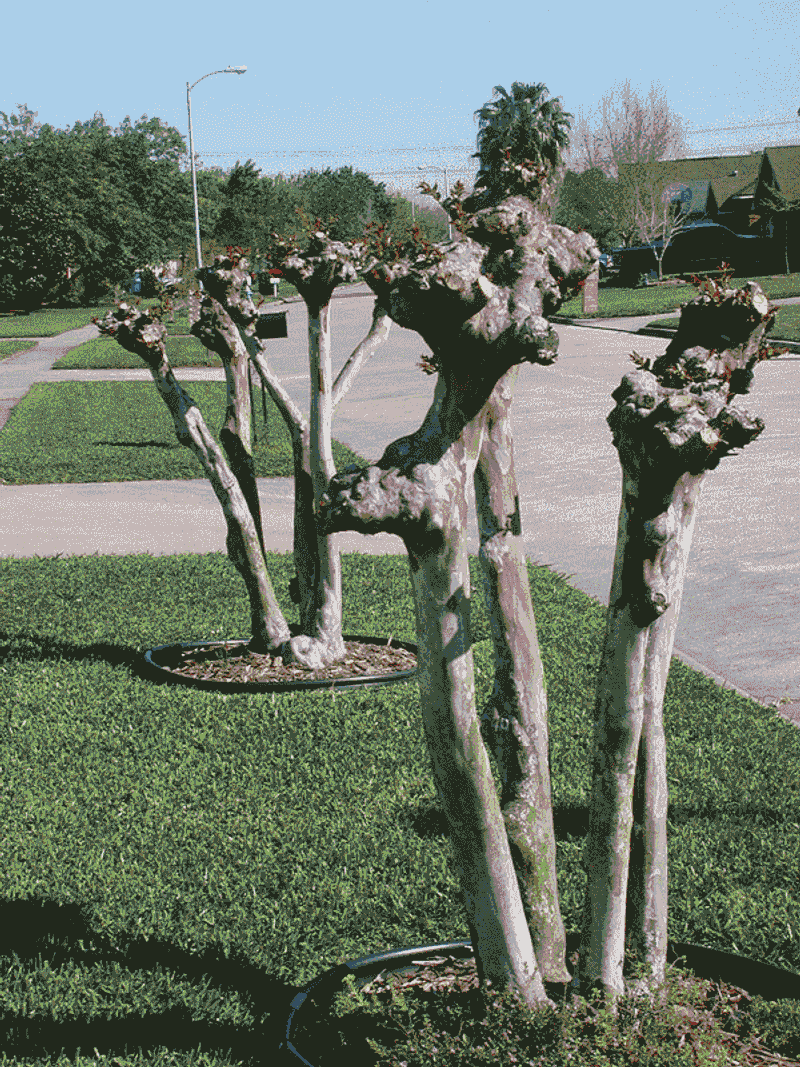
Every fall, countless gardeners give their crape myrtles an aggressive haircut that leaves these summer showstoppers looking like rows of stubby, gnarled knuckles.
Here’s something you might not expect. Those tidy cuts can leave stubby trunks, weak sprouts, and floppy flower clusters that bend under their own weight. Many North Carolina yards show the scars every spring.
I know how frustrating it can be when bare branches and old seed pods look messy in late fall. The urge to grab the shears feels so natural. I have felt it too, standing in the yard with loppers and good intentions.
The real question is what your tree actually wants right now. The answer costs very little, takes about an hour, and works quietly underground all winter long. Could the best fall gift be the one nobody notices?
1. Those November Crape Myrtle Cuts Can Backfire
Late fall feels like cleanup time, so pruning seems logical. Crape myrtles, though, do not follow our tidy calendar. They are settling into dormancy and storing energy in their roots and wood.
Cutting now can wake things up at the wrong moment. A mild spell after pruning may push out soft new shoots. North Carolina often swings between warm days and sharp freezes in late fall, and tender growth has no time to harden before cold arrives.
Fresh pruning wounds also sit open through the coldest months. The tree has to spend stored reserves trying to seal those cuts instead of resting. Cold damage can then show up as wilt on branch tips by spring.
There is another catch. Crape myrtles bloom on new growth made the following season, so fall cutting gains you nothing in flowers. You simply trade a calm winter for extra stress.
Fun fact: crape myrtles came to the American South from Asia in the late 1700s, and early gardeners prized them for their summer-long color with little fuss. They were built to coast through winter on their own.
So the shears can stay in the shed. Your tree is not lazy or neglected right now. It is resting on purpose, and that rest sets the stage for everything you love about it next July.
2. A Thick Mulch Blanket Around the Crape Myrtle Base
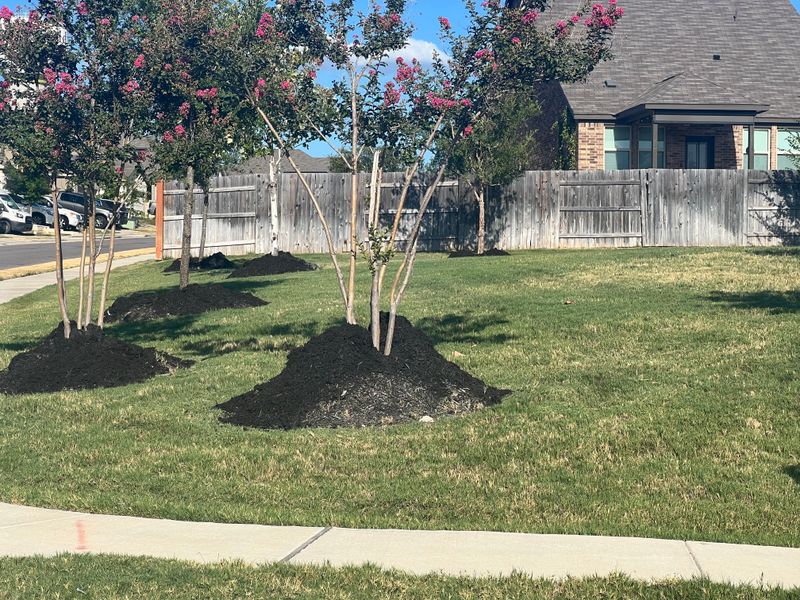
Mulch is the gift. A simple ring of shredded bark, pine straw, or chopped leaves does more for your crape myrtle this month than any pair of loppers.
Spread it two to three inches deep across the root zone, ideally out toward the edge of the branches. That layer evens out soil temperatures when nights dip below freezing and afternoons warm back up. Roots stay steadier, and steady roots mean less stress.
Mulch also holds moisture, which matters during dry stretches of a North Carolina fall. As it slowly breaks down, it feeds the soil with organic matter and helps earthworms do their work.
Pine straw is a favorite across the state, and it costs little. Shredded hardwood or pine bark works well too. Your own fallen leaves are free, especially if you run the mower over them first so they do not mat.
Keep one rule in mind. Pull the mulch back two to three inches from the trunk so bark stays dry and air can move. Piling it up like a volcano invites rot and gives rodents a hiding spot.
Young trees planted in the last year or two benefit most. Their roots are shallow and still spreading, so that soft blanket gives them extra cushion through their first winters.
3. Save the Loppers for Late Winter Crape Myrtle Pruning
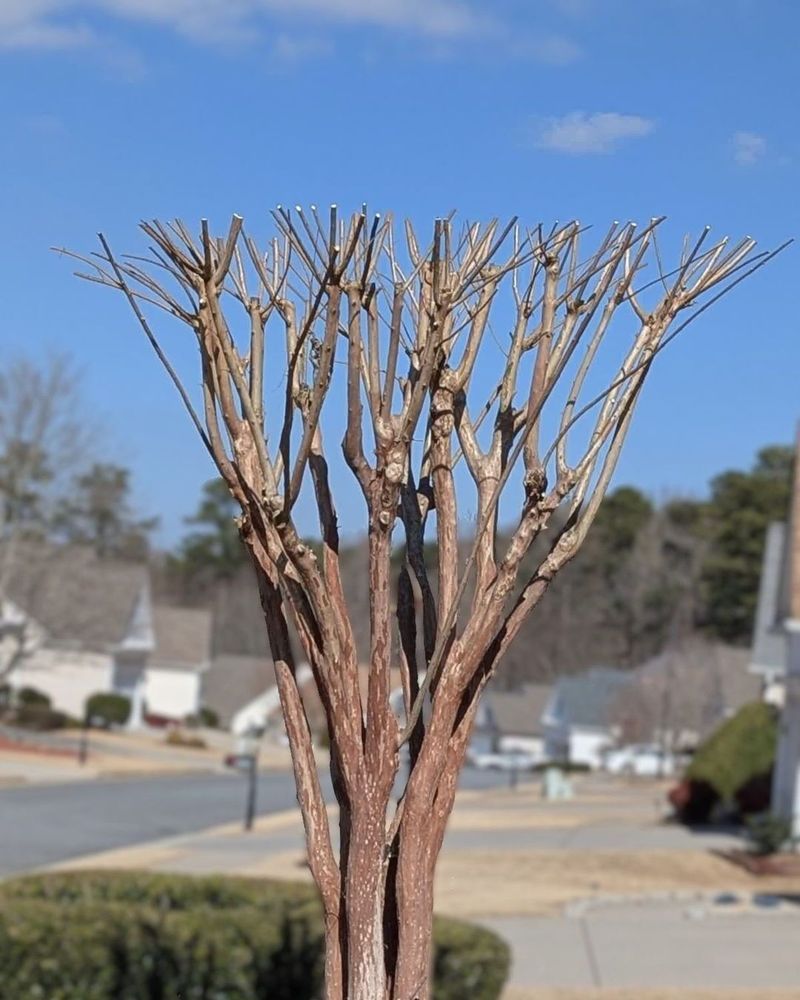
February is the sweet spot. NC State Extension and other Southern experts point to late winter, roughly February into early March, as the best window for crape myrtle pruning.
By then the tree is fully dormant and the worst cold is usually behind you. Buds have not started swelling, so cuts heal quickly once spring growth begins. You also get a clear view of the branch structure with no leaves in the way.
Light pruning is the goal. Remove crossing limbs that rub, branches growing toward the center, and thin twiggy growth. Cut back to a side branch or the trunk instead of leaving stubs.
Skip the topping. Chopping main trunks to the same height creates knobby knuckles and bunches of whippy sprouts. Those sprouts often bend or snap under heavy flowers.
If your tree is simply too tall, the real fix may be planting a smaller variety. Dwarf and semi-dwarf types range from a few feet to around 12 feet, so they fit tight spots without yearly hacking.
Mark a reminder on your phone now. When that cold February morning rolls around, you will be ready with sharp, clean tools and a plan that respects the tree’s natural vase shape.
4. Dry Fall Soil Means Your Crape Myrtle Still Wants a Drink
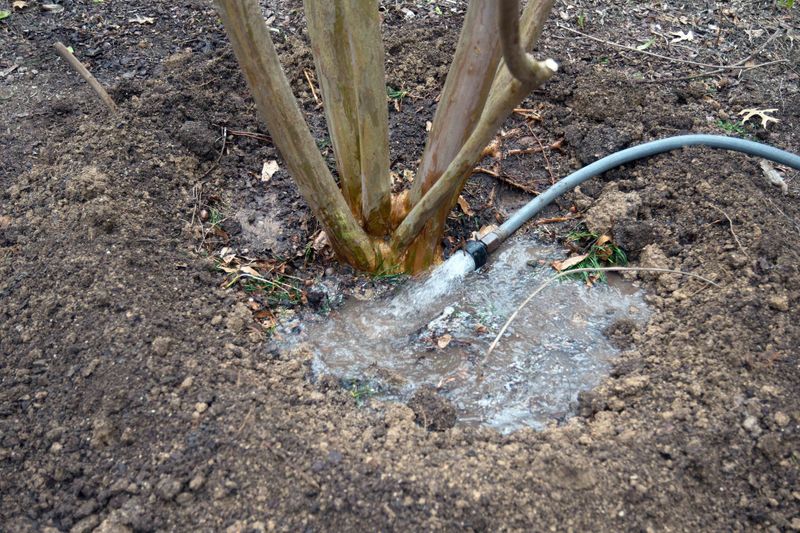
Autumn can be surprisingly dry in parts of the state. Weeks without real rain sneak up on us because the air feels cool, but soil moisture keeps dropping.
Dormant trees use less water, yet roots keep working whenever the ground is not frozen. Young crape myrtles planted within the last couple of years are especially sensitive, since their roots have not reached deep moisture yet.
Try the finger test. Push a finger or a small trowel a few inches into the soil near the root zone. If it feels dry, give a slow, deep soak rather than a quick sprinkle.
A soaker hose or a trickling garden hose left for 20 to 30 minutes works nicely. Water early in the day so the surface is not soggy when temperatures fall at night.
Balance matters, though. Crape myrtles dislike wet feet, and cold soggy soil can lead to root trouble. Heavy red clay in the Piedmont drains slowly, so check before you water again.
Established trees usually manage fine on normal rainfall. Still, a single deep drink during a dry spell before winter helps roots enter the cold months hydrated and ready for spring.
5. Put the Fertilizer Bag Away Until Crape Myrtle Leaves Return
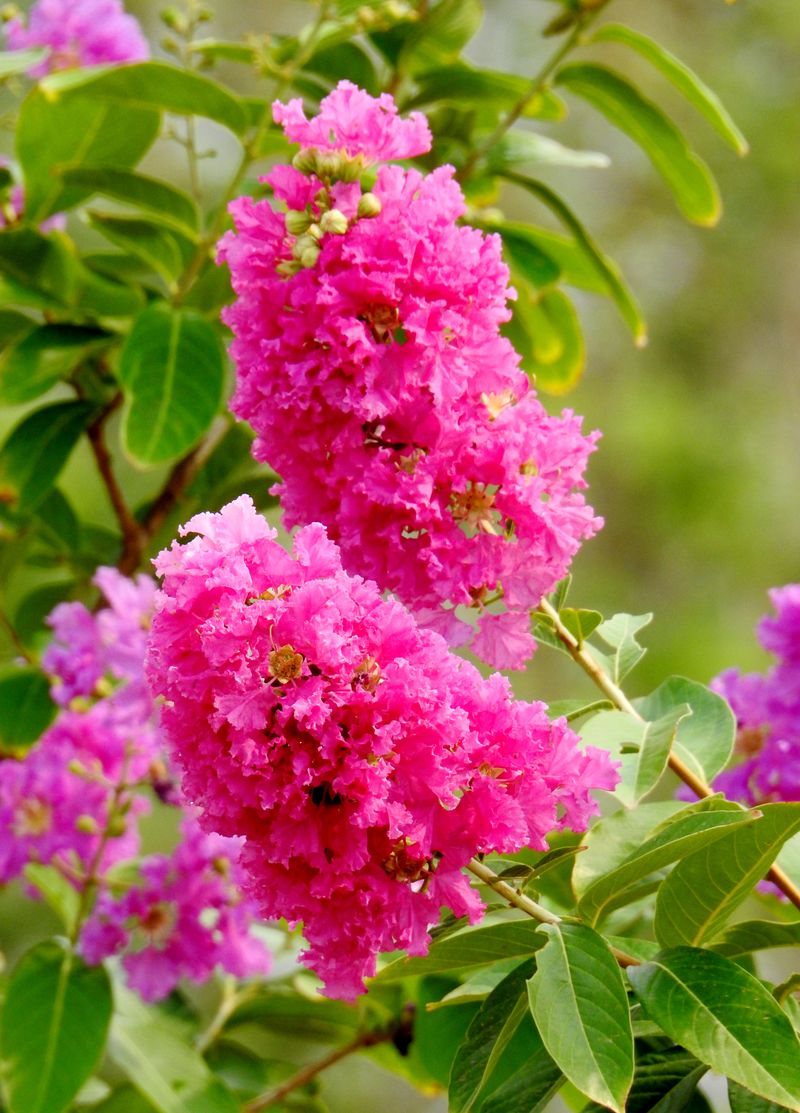
Feeding a plant before winter sounds kind. For crape myrtles, it mostly sends the wrong message.
Fertilizer, especially nitrogen, tells a plant to grow. In November that can mean soft new shoots or delayed hardening of existing wood. Cold snaps then damage that tissue, and you may see browned tips or weak branches come spring.
Instead, wait until spring when new leaves begin to emerge. That is when the tree can actually use nutrients for leaves, stems, and the buds that become summer flowers.
Even then, go easy. Crape myrtles rarely need much feeding, and too much nitrogen often produces lots of leaves with fewer blooms. A light application of a balanced, slow-release product usually does the job.
The smartest first step costs very little. A soil test through the North Carolina Department of Agriculture tells you exactly what your yard has and lacks. Fall is a great time to collect samples, since results come back well before spring.
Kits are available at county Cooperative Extension offices. You might discover your soil already has plenty of phosphorus or needs lime instead. Then you feed with purpose, not guesswork, when the time is right.
6. Snipping Crape Myrtle Suckers and Broken Twigs Is Fine Now
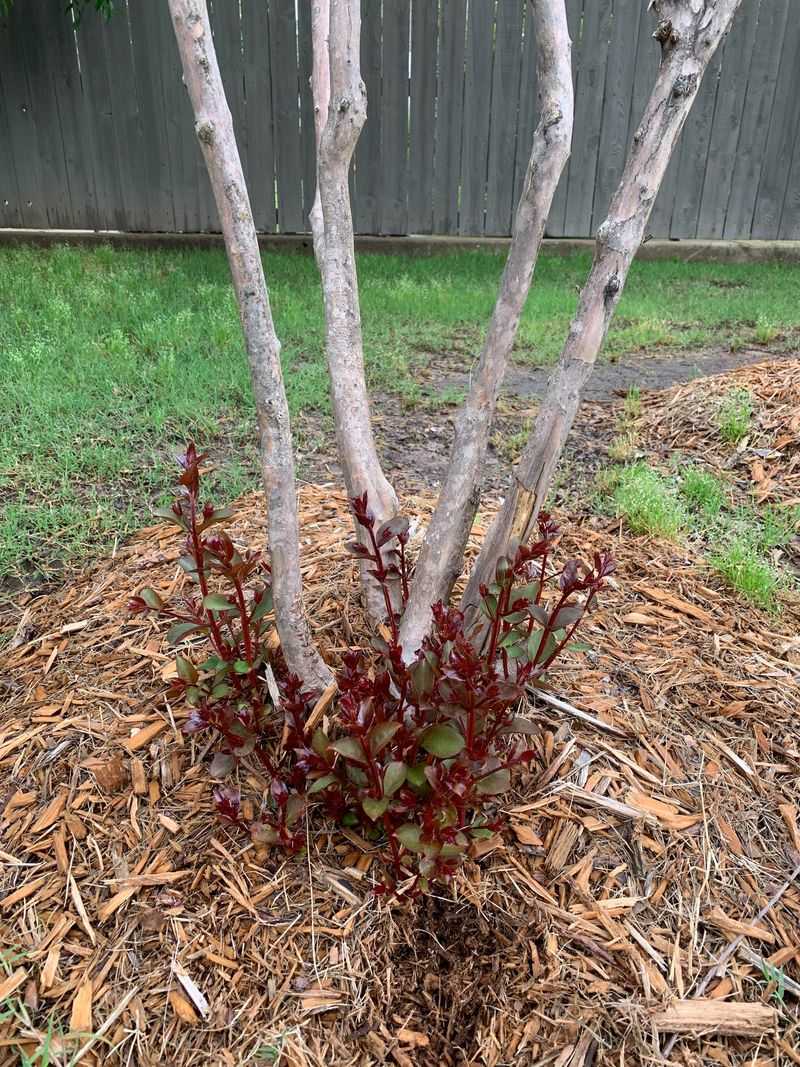
Itchy fingers can still find a little work. A few small chores are safe this month and scratch that cleanup itch without stressing the tree.
Start at the bottom. Suckers are those thin shoots popping up from the base or roots. Clip them flush with clean hand pruners whenever you see them, since they steal energy and crowd the trunks.
Next, look for clearly broken or cracked branches, maybe from a storm or a ladder bump. Removing those now prevents tearing during winter wind or ice. Cut back to healthy wood just outside the branch collar.
Old seed pods are optional. Some people like the look, and some birds pick at the seeds through winter. If they bother you, small clusters within easy reach can come off without harm.
Keep it small, though. Anything that changes the tree’s shape, thins the canopy, or removes thick limbs belongs on the February list.
Wipe your blades with rubbing alcohol or a household disinfectant between plants. Clean tools reduce the chance of spreading disease, and sharp ones make neat cuts that seal faster. Ten easy minutes, and your yard looks a bit tidier without any risk.
7. Patience Now Means Bigger Crape Myrtle Blooms Next Summer

Come July, you will thank yourself. A crape myrtle allowed to rest through winter usually wakes up strong, with sturdy branches ready to hold big flower clusters.
Picture the payoff in simple terms. Mulch protects roots, a deep drink handles dry spells, and fertilizer waits until spring. Then a light February trim shapes the tree without forcing it to rebuild from stumps.
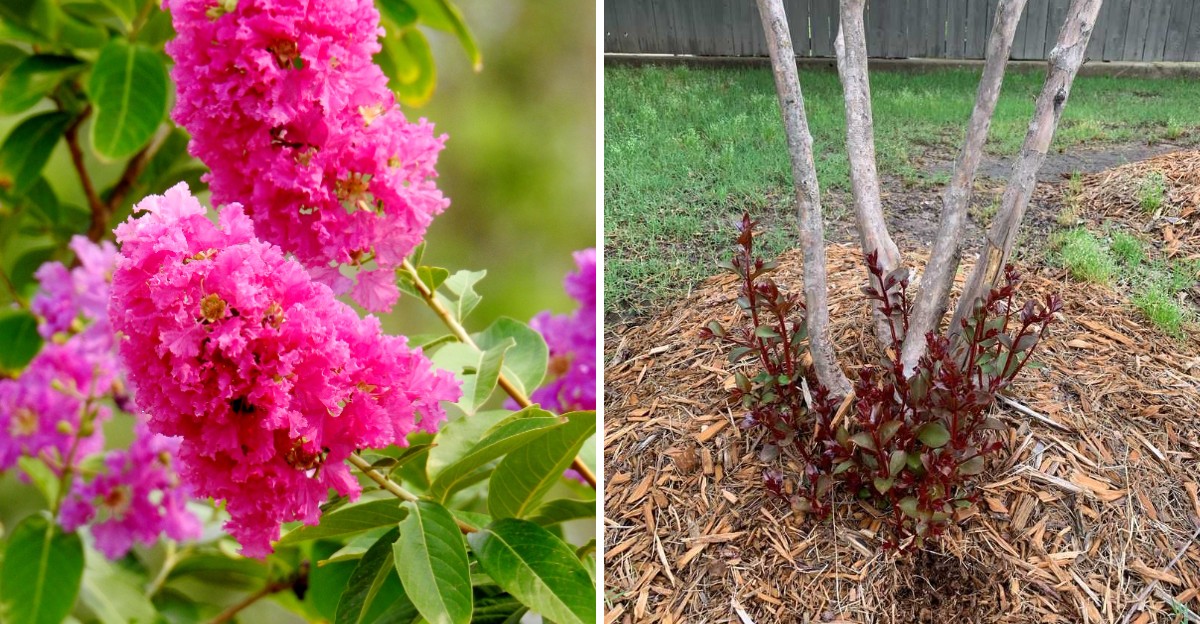
That routine keeps the natural vase form intact. You also get to enjoy the winter bark, which on many varieties peels to reveal cinnamon, tan, and gray patches. Some gardeners say that bark is half the reason to grow the tree.
Healthy, unstressed crape myrtles also tend to shrug off problems better. Good air flow through an open canopy helps reduce powdery mildew in humid Southern summers.
Here is one more bonus tip for summer. Snipping off spent flower clusters right after the first bloom can sometimes coax a smaller second round of color.
So enjoy November for what it is. Rake some leaves, spread that mulch, and let your tree settle in. Your patience will show up as a burst of pink, red, purple, or white that makes the neighbors stop on the sidewalk.