Why Pest Damage Can Continue In North Carolina Yards After Adults Disappear
Just because visible adult insects seem to have vanished from a North Carolina yard doesn’t necessarily mean the pest problem has actually ended.
Many common garden pests lay eggs or leave behind larvae that continue feeding and causing damage long after the adults that produced them are gone.
This delayed pattern means plants can keep showing signs of stress or damage well into a season when the original pest population appears to have disappeared entirely.
Because different pest life stages often require different management approaches, addressing only the adult stage can leave an underlying problem completely unresolved.
Understanding this full life cycle helps North Carolina gardeners tackle pest issues more effectively rather than assuming a problem has resolved itself too soon.
1. Eggs Can Hatch After Adults Are Gone
Picture a garden where the bugs seem to have packed up and left, yet fresh damage keeps showing up on your favorite plants.
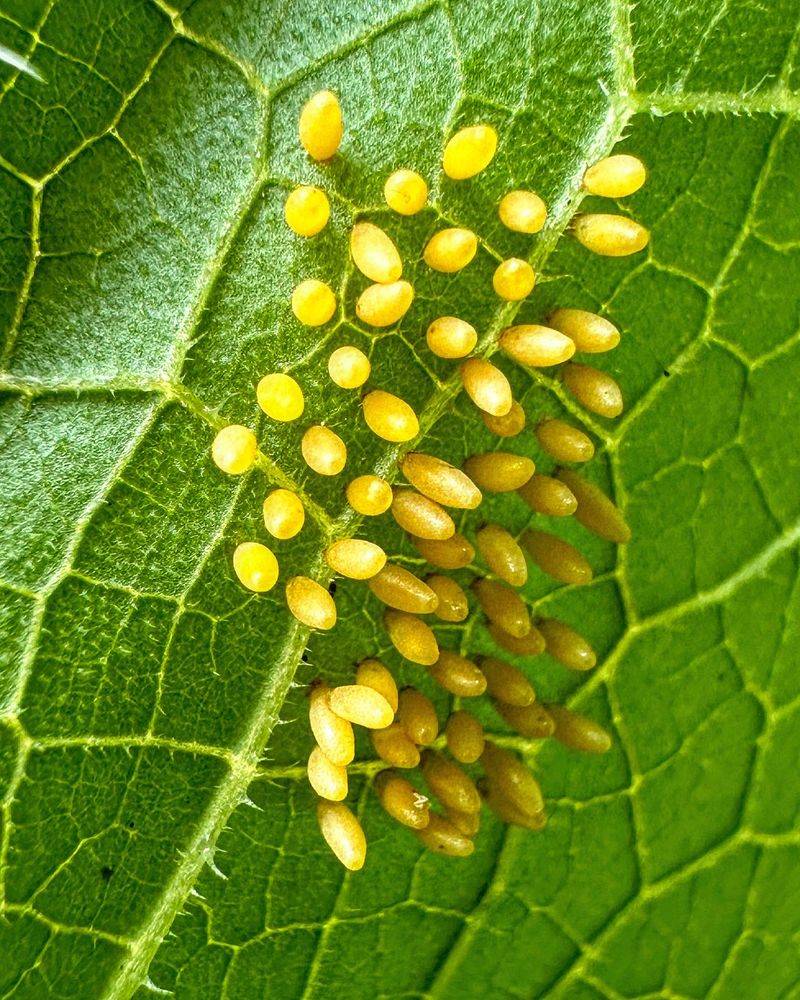
The reason often hides in plain sight. Adult insects lay eggs before they disappear, and those tiny eggs stay tucked on stems, leaves, or nearby soil.
Many of these eggs are small and hard to spot. They can blend into leaf colors or sit in neat little rows on the underside of foliage. Once the weather feels right, they hatch, and a whole new batch of hungry pests gets to work.
This timing catches gardeners off guard. You might treat the plant, see the adults vanish, and think the trouble is over. But if eggs were already laid, the next wave arrives days or weeks later, ready to chew and feed all over again.
In North Carolina, warm stretches during spring and summer speed up hatching. That means the gap between grown insects leaving and babies appearing can be short. Checking plants often is your best defense.
Look closely along leaf edges and stems for clusters or specks that seem out of place. If you find eggs, you can gently remove them by hand or wipe the leaves with soapy water. Catching them early stops the cycle before it starts.
Staying curious pays off here. When you understand that pests plan ahead by leaving eggs behind, you stop assuming the fight is finished. A quick check now saves your plants from surprise damage later in the season.
2. Larvae May Be Doing The Damage
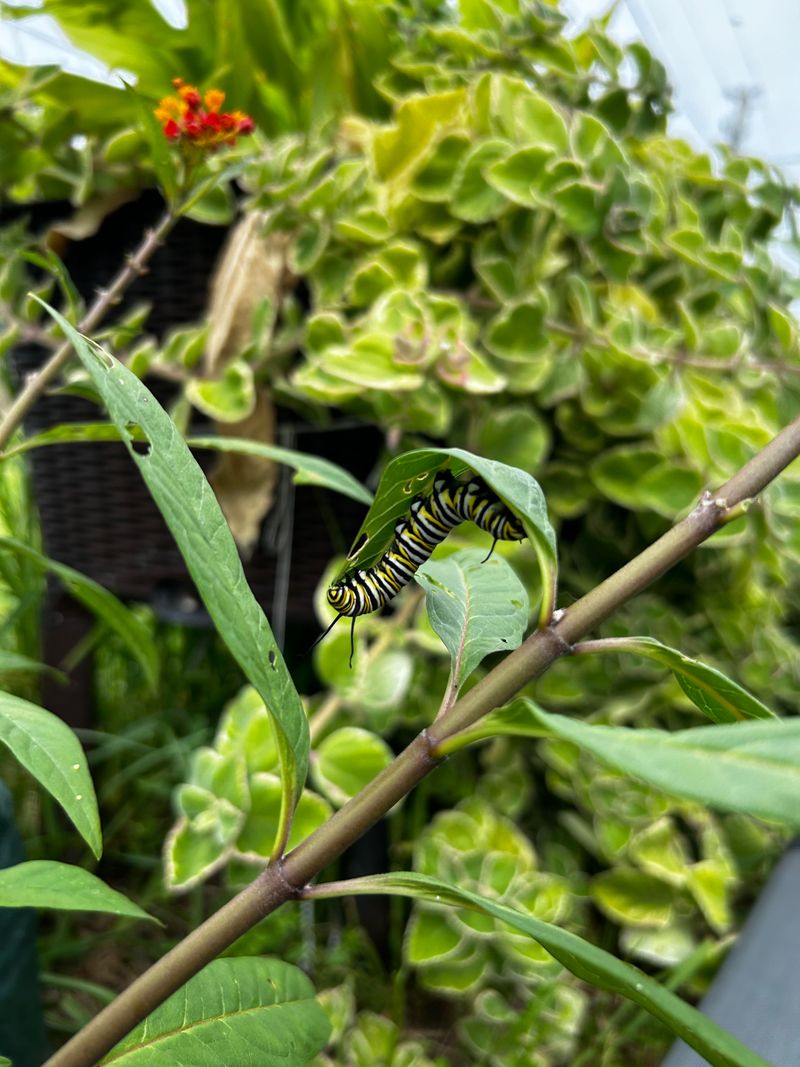
Here is a twist many gardeners miss. The bug munching your plants might not be a grown insect at all. It could be a larva, the young and hungry stage that comes before adulthood.
Larvae are the babies of moths, beetles, and many other insects, and they often eat far more than the adults ever do.
A caterpillar, for example, spends its early life doing one thing very well, and that is eating leaves. By the time it becomes a moth, most of the plant damage has already happened.
This is why searching for adults alone can lead you in the wrong direction. You might see butterflies fluttering by and never guess that their offspring are the ones stripping your greens. The real culprits are often lower down, quietly feeding.
Your North Carolina Garden Changes Every Week. Your Plan Should Too.
Gardening in North Carolina changes quickly throughout the season. Every Friday you’ll receive a simple weekly plan showing exactly what to plant, prune, fertilize, harvest, and protect so you never miss the right timing.
In North Carolina gardens, larvae show up on tomatoes, cabbage, and many flowers. They can match the leaf color so well that you almost miss them. Chewed edges, ragged holes, and little dark droppings are all clues that larvae are nearby.
When you spot damage, take a moment to hunt for the young feeders. Check stems, leaf folds, and shaded spots. Handpicking works great for larger ones, and it gives you quick control without much fuss.
Learning to recognize larvae changes how you garden. Instead of chasing adults that may have already moved on, you focus on the true source of trouble. That simple shift keeps your plants healthier and your garden thriving all season long.
3. Nymphs Can Keep Feeding
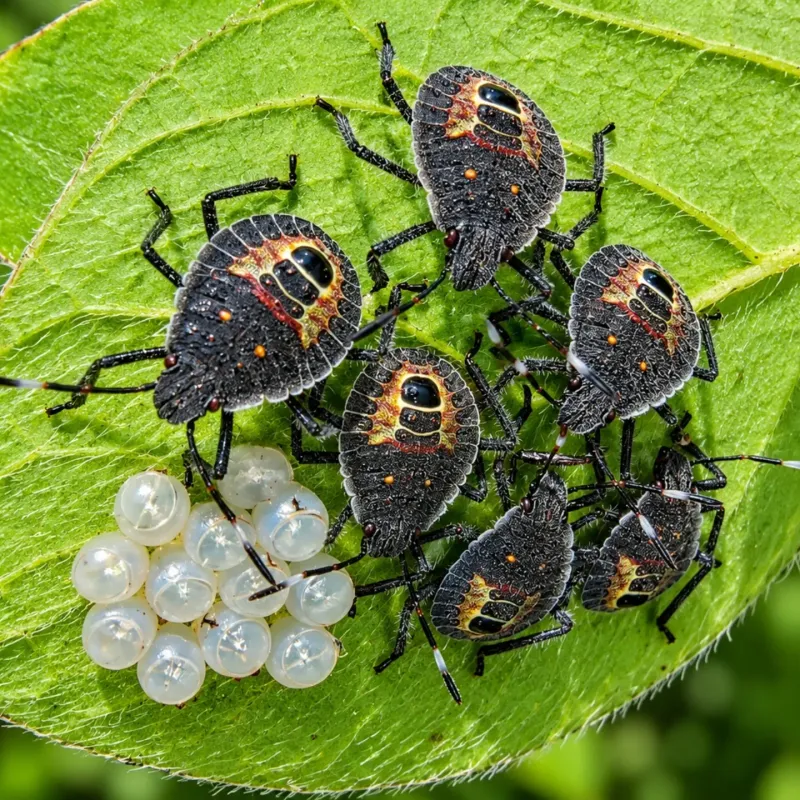
Some pests grow up in stages, changing bit by bit instead of transforming all at once. The young versions are called nymphs, and they can keep feeding even when the adults are nowhere in sight.
Nymphs of aphids, stink bugs, and similar insects look like smaller copies of their parents. They may lack wings or full color, but their appetite is very much the same.
While you search for the bigger bugs, these little ones stay busy draining sap and weakening your plants.
What makes nymphs tricky is their size. They are easy to overlook, especially when they gather in shady spots or along tender new growth. You might clear out the visible adults and feel relieved, only to find the plant still struggling.
North Carolina yards see plenty of these sap feeders during the warmer months. Aphid nymphs cluster on stems and buds, causing curled leaves and sticky residue. Stink bug nymphs move across fruit and pods, leaving marks behind as they feed.
Knowing the life stage really matters here. If you only watch for adults, you miss the crowd of nymphs quietly doing damage. That is why close inspection beats guessing every time.
Give your plants a gentle once-over, paying attention to new shoots and leaf joints. A strong spray of water can knock nymphs loose, and insecticidal soap handles heavier gatherings. Acting while they are young keeps the population from growing.
Once you learn to spot nymphs, you gain a real edge. You catch trouble early and keep your garden looking its best.
4. Damage Can Remain After Pests Leave
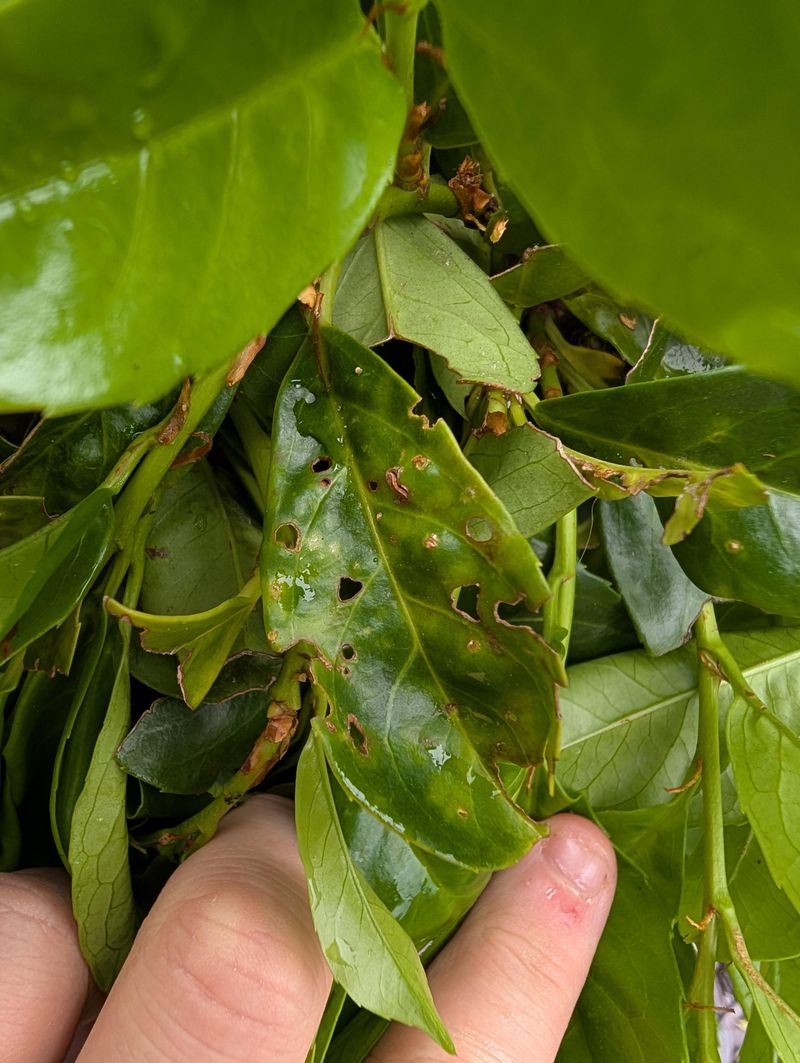
Sometimes the pests really are gone, yet the plant still shows signs of trouble. This can be confusing, because the marks look fresh even when no bugs remain. The answer is simple.
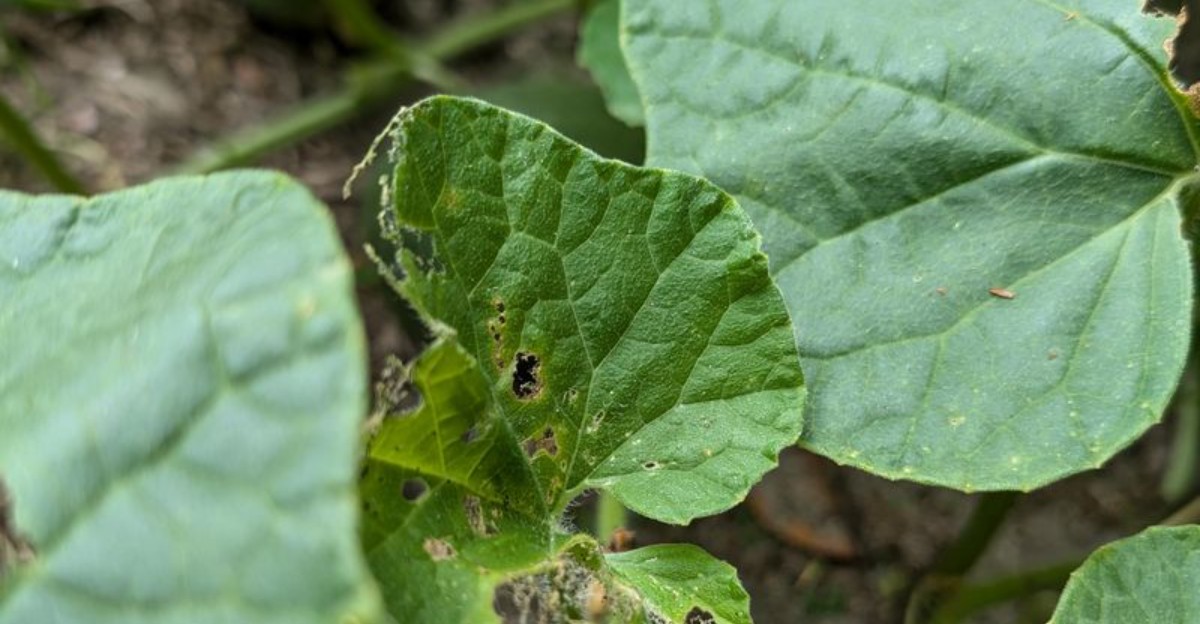
Damage sticks around long after the feeders move on. Think about a torn leaf or a chewed edge. That hole does not heal like a scratch on your skin. Once a pest bites into a plant, the wound stays visible, sometimes for weeks.
The plant keeps growing around it, but the scar remains. Discoloration works the same way. Yellow spots, brown streaks, and rough scars are lasting reminders of past feeding.
You might treat your garden, watch the bugs vanish, and still see these older marks lingering on the leaves.
This is where gardeners can get tricked into over treating. Seeing damage, they assume pests are still active and reach for another spray. But if no live insects are present, extra treatment only wastes time and may harm helpful bugs.
In North Carolina, this shows up often on vegetables and ornamentals that grow quickly. New leaves come in clean while old ones carry the history of earlier feeding. Comparing new growth to old growth helps you tell the difference.
Before you act, check whether the damage is fresh or old. Fresh damage usually pairs with live pests or moist, ragged edges. Old damage looks dry and settled.
Reading these clues saves effort and keeps your garden care smart. You treat only when it truly helps, and you let your plants recover in peace.
5. A New Generation May Be Developing
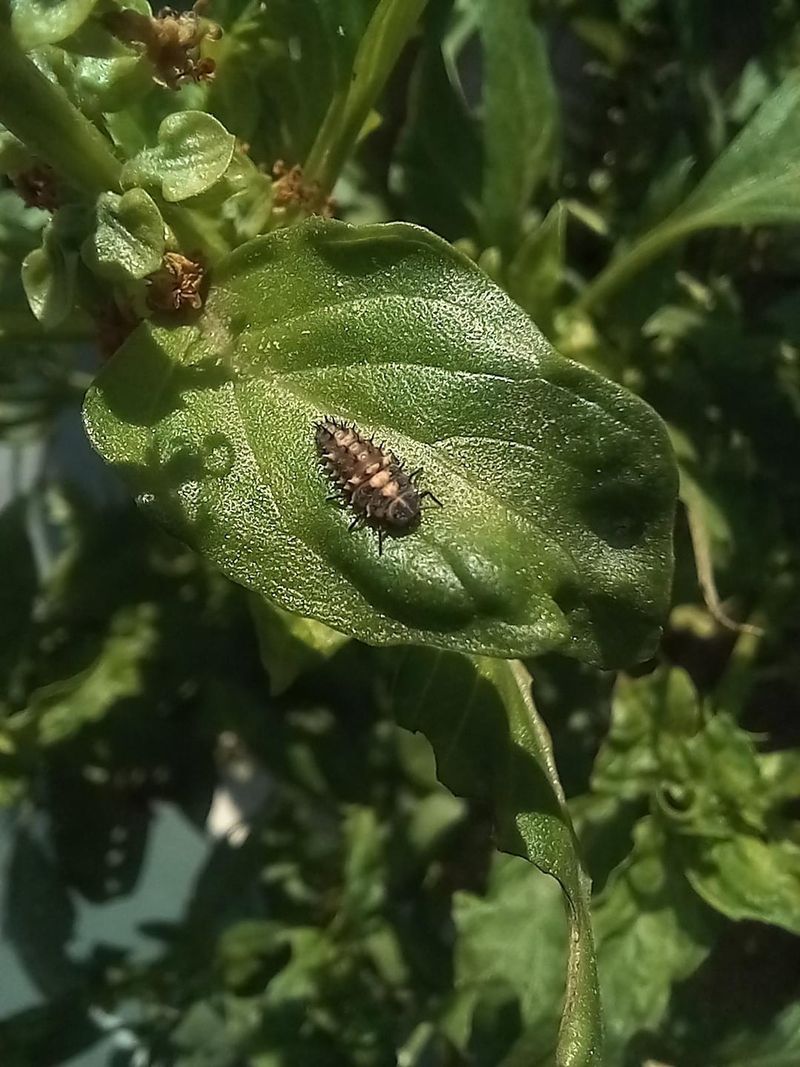
Just when you think the coast is clear, a fresh batch of pests can appear out of nowhere. Many insects do not have just one round each year. They produce several generations during a single growing season.
This means a drop in visible adults does not always signal the end. Behind the scenes, eggs are hatching and young insects are maturing. Soon enough, they grow up, mate, and start the whole cycle over again.
North Carolina’s long, warm growing season gives pests plenty of chances to repeat. Aphids, certain beetles, and various caterpillars can run through generation after generation from spring into fall.
Each new wave brings fresh feeding and new damage. Gardeners who watch only for a single peak often get surprised. They celebrate when the bugs thin out, then wonder why trouble returns weeks later. The population never really left.
It simply reset and rebuilt. Understanding this pattern changes your approach. Instead of one big cleanup, you plan for ongoing checks throughout the season. Regular scouting helps you spot each new generation before it explodes.
Keep an eye on your plants every few days during warm stretches. Look for rising numbers of young pests, which hint that another generation is on the way. Early action keeps each wave small and manageable.
Rotating your care methods also helps. Mixing handpicking, water sprays, and soaps prevents pests from getting too comfortable. With steady attention, you break the chain and stop populations from building back up.
Staying consistent is the real secret to keeping repeat generations in check all season long.
6. Check The Undersides Of Leaves
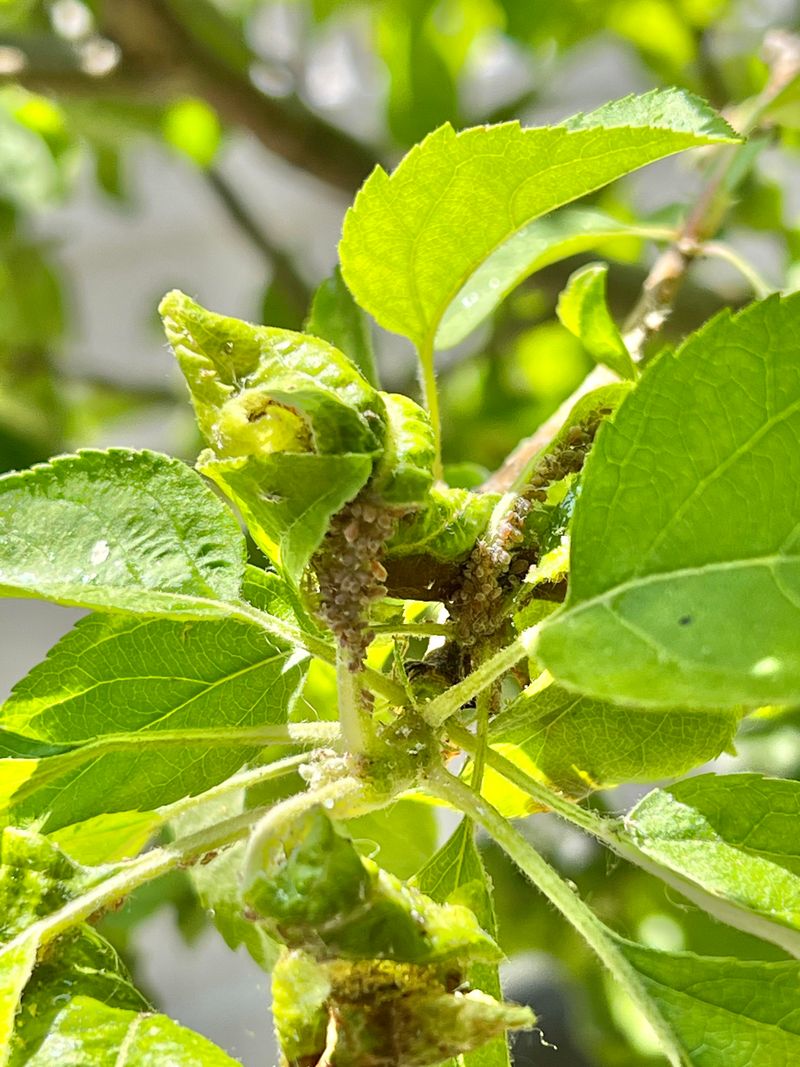
Want to find pests before they cause real trouble? Flip the leaves over. So much of the action happens on the underside, where bugs feel safe and hidden from view.
Eggs, larvae, nymphs, and tiny pests love these sheltered spots. The underside of a leaf protects them from sun, rain, and hungry birds. That is exactly why relying on adult sightings alone can lead you astray.
Adults often move around and are easy to notice. The young stages, though, stay tucked away in quiet corners. If you only glance at the tops of leaves, you miss the crowd forming just beneath.
In North Carolina gardens, this habit reveals a lot. Aphids gather along leaf veins underneath, while eggs sit in neat clusters out of sight. Spider mites and their fine webbing also hide on the lower surfaces of foliage.
Careful scouting beats guessing every time. Take a few minutes to gently turn leaves and look closely. A small magnifying glass helps you spot the tiniest visitors that are easy to overlook.
Focus on new growth and shaded inner branches, since pests often prefer tender leaves. Check plants that have shown damage before, because trouble tends to return to the same spots.
When you find pests early, control is easier and gentler. A quick wipe, a water spray, or removing a few leaves can stop a problem before it spreads.
Making leaf flipping a regular habit turns you into a sharper gardener. You catch hidden trouble fast and keep your plants strong, healthy, and looking their very best.
7. Fall Weather Does Not End Every Pest Problem Immediately
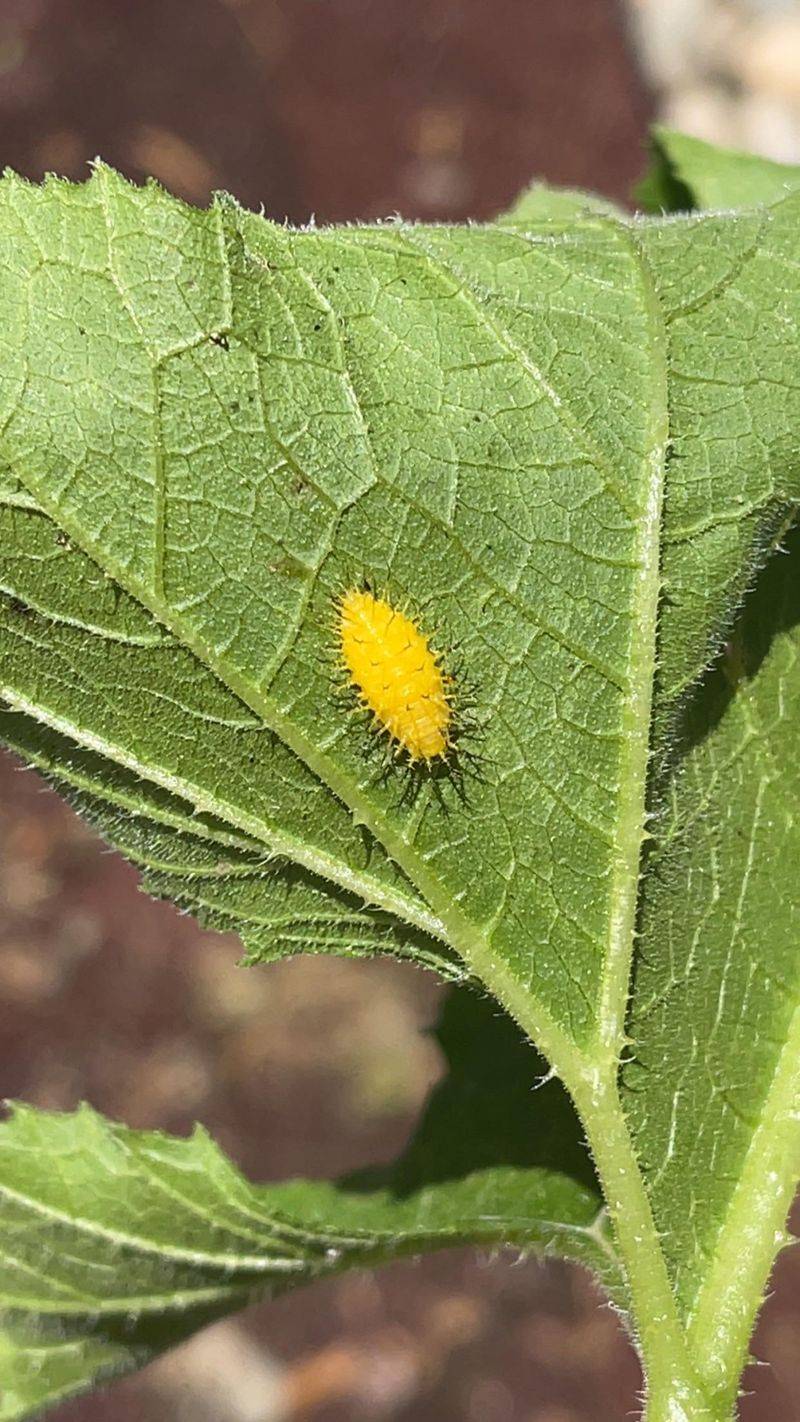
Cooler days feel like a natural finish line for garden pests, but do not put away your gloves just yet. Fall in North Carolina tends to stay mild, and that gentle weather lets many pests stick around longer than expected.
A light chill in the air does not stop every insect. As long as temperatures stay comfortable, plenty of pests keep feeding, laying eggs, and moving through their life stages. The slowdown you hope for may not arrive on schedule.
This surprises gardeners who expect a sudden end to bug activity. In reality, the change is gradual. Warm afternoons can wake pests right back up, even after a cool morning.
Different species react in different ways. Some slow down quickly, while others stay busy well into autumn. Aphids and certain caterpillars, for example, can keep going as long as the weather cooperates.
North Carolina’s mixed fall climate makes this tricky. One week feels crisp, the next feels almost like summer again. Those warm spells give pests extra time to feed and multiply before real cold sets in.
Because of this, fall scouting stays important. Keep checking your plants just as you did in summer, especially during warm stretches. Do not assume the season alone has solved your pest troubles.
Clearing away fallen leaves and plant debris also helps, since these spots give pests cozy places to shelter. A tidy garden gives fewer hiding options.
Staying alert through autumn keeps late-season damage low. When you match your care to the real weather, your plants finish the year strong.
8. Identify The Pest Before Treating
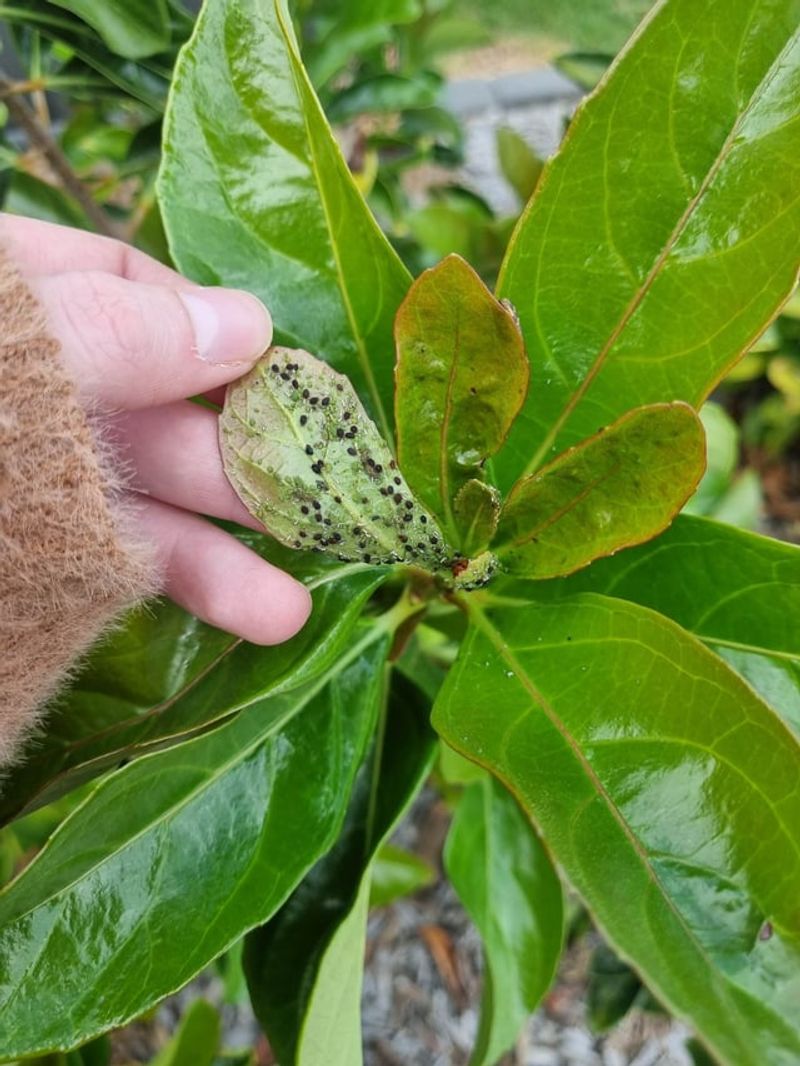
Before you grab any spray, take a moment to figure out exactly what you are dealing with. Rushing to treat an unknown bug can backfire, and it may even harm the good guys working for you.
Not every insect in your garden is a troublemaker. Many are helpers, like ladybugs and lacewings, that feed on the pests you want gone. Mistaking these friends for enemies can leave your plants worse off.
Correct identification saves you time and effort. Different pests call for different approaches, and what works on one may do nothing to another. Knowing the species and its life stage points you toward the right fix.
In North Carolina, gardens host a wide mix of insects. Some look alike but behave very differently. A quick check with a guidebook or a trusted online tool helps you tell friends from foes.
Look closely at the shape, color, and behavior of the bug. Notice which plants it visits and what damage it leaves behind. These clues narrow things down fast.
Your local cooperative extension office is a wonderful resource. Experts there can identify pests and suggest control methods that fit your exact situation. Many even accept photos for a speedy answer.
Once you know the pest and its stage, you can choose the gentlest, most effective plan. Sometimes that means handpicking, other times a targeted soap, and often just patience while helpful insects do their job.
Taking this smart first step protects your garden’s balance. You solve real problems, spare the beneficial bugs, and keep your plants flourishing with confidence.