The Soil Is Finally Soft: Why This Weekend Is Perfect for Planting Trees and Shrubs in Virginia
Tree roots keep growing in soil as cool as 40 degrees, long after the leaves above have dropped. I find that fact a little thrilling every November.
That means the quiet, gray days after Thanksgiving are busier underground than most of us realize. While we nap off the stuffing, roots can still stretch out and settle in.
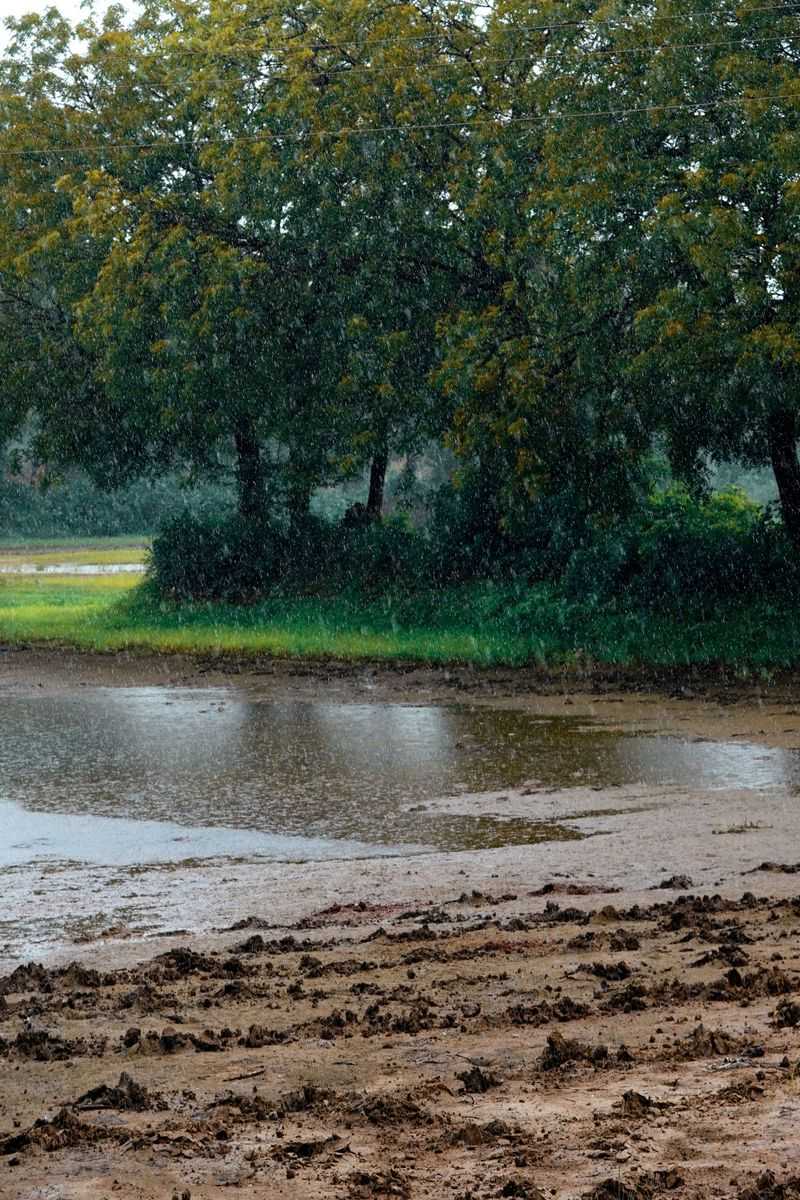
Now add a soaking rain to the mix. Last week the ground in many Virginia yards felt like baked brick, and suddenly a shovel slides in with barely a grunt. Personally, I take that as a personal invitation from the weather.
You may be holding a gift card, a sale flyer, or a potted beauty that never made it into the ground. So why let that soft, damp earth go to waste when the timing lines up this nicely?
That Rain-Softened Ground Is Doing You a Huge Favor
Ask anyone who has tried digging in dry clay. It feels like chiseling a sidewalk, and your shoulders remember it for days.
A good soaking rain changes the whole job. Moist soil breaks apart more easily, so you can dig a wide hole and loosen the sides without wearing yourself out.
You also get better results, because crumbly soil packs gently around roots instead of leaving big dry clods and air pockets.
Air pockets matter more than people think. Roots that touch air instead of soil can dry out, and a new shrub may struggle all winter as a result.
There is one catch worth respecting. Soil that is soggy and sticky is too wet to work, especially clay.
Digging in mud can smear the sides of the hole and squeeze out the air that roots need.
Try a quick squeeze test before you start. Grab a handful and press it into a ball, then poke it with a finger.
If it crumbles, you are ready to go. If it stays in a slick, shiny lump, give it a day or two to drain.
Most yards hit that sweet spot within a day or so after a steady rain. A sunny, breezy afternoon this weekend could be the exact window you have been waiting for.
Cool Air and Warm Soil Give New Trees a Head Start
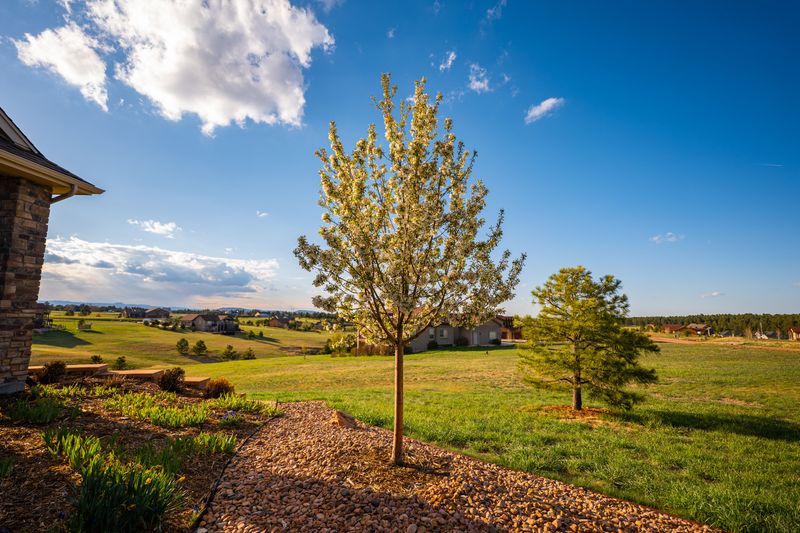
Spring gets all the attention at the garden center. For woody plants, though, fall often deserves the bigger spotlight.
The reason comes down to a simple split. Cool air means leaves lose less water, and many plants have already dropped their leaves anyway.
Meanwhile, the soil holds onto summer warmth for weeks, so roots keep growing even as the branches rest.
Virginia Cooperative Extension points to fall as an excellent time to plant trees and shrubs for exactly this reason. Roots can quietly spread out over the cooler months without the plant also trying to push out new leaves and flowers.
Compare that to a spring planting. A tree set out in April has to grow roots, leaves, and shoots all at once, then face July heat with a small root system.
Many spring plantings spend their first summer gasping for water.
A fall planting gets a whole extra season to anchor itself. By the time summer rolls around, it has a sturdier root system ready to pull in moisture.
I like to think of it as giving a plant a long, calm first semester. Less stress, fewer demands, and plenty of time to get comfortable before the tough tests arrive next summer.
Late November Still Fits Inside the Planting Window
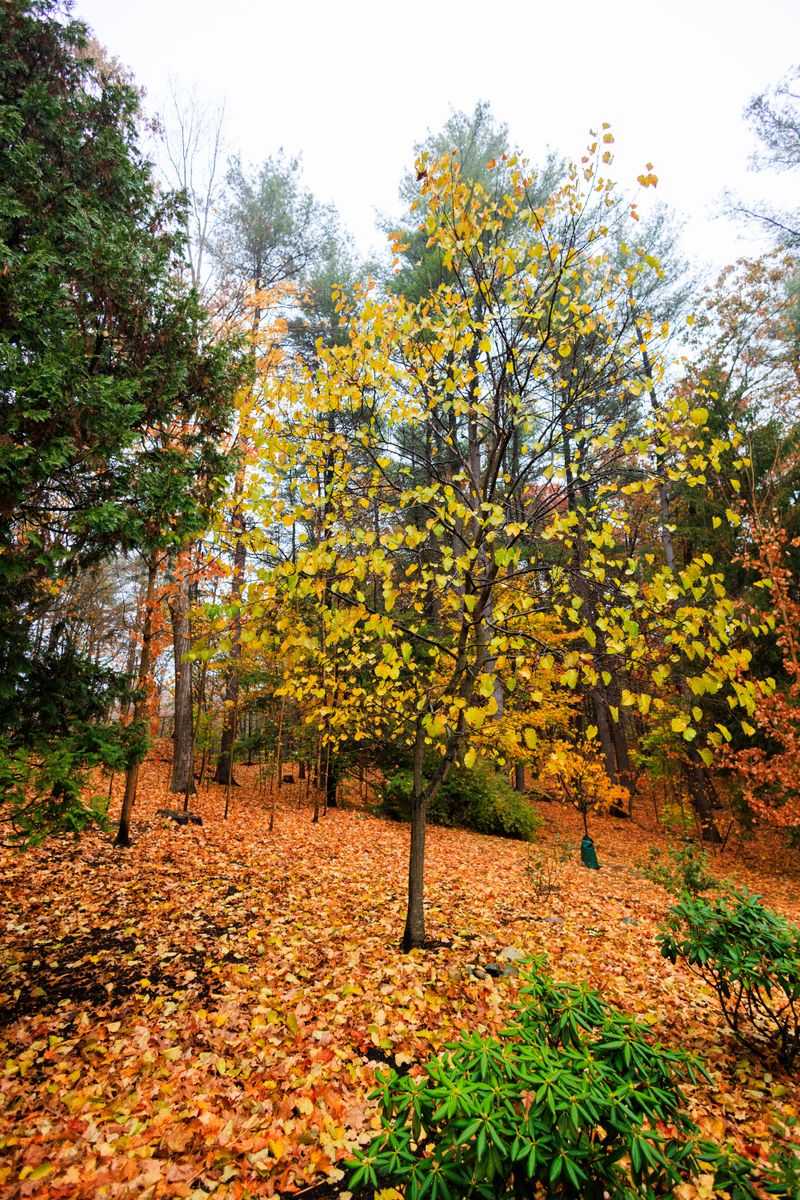
A good rule from many extension experts says new woody plants want about six weeks of root growth before the soil freezes hard. So does late November still work?
Across much of the state, yes.
Virginia stretches across USDA hardiness zones from about 5b in the western mountains to 8b near the southeast coast. Most homes sit in zones 7a and 7b, where the ground usually stays workable into December and often beyond.
Winters here tend to bring cold snaps with thaws in between. The soil a few inches down often stays unfrozen much of the season, which gives roots extra time.
Location still matters, so be honest about your spot. Gardeners in Hampton Roads and the Piedmont have more breathing room.
Folks in the Shenandoah Valley or the high ridges of Southwest Virginia should plant soon, since their ground can freeze earlier.
Container-grown and balled-and-burlapped plants handle late planting best. Their roots are already intact, so they can settle in quickly.
Some plants are pickier, though. Broadleaf evergreens like magnolias and hollies can lose moisture through their leaves on windy winter days, so many growers prefer early fall or spring for them.
Deciduous trees and shrubs are often the safer bet this late.
Dig the Planting Hole Wide Like a Saucer, Not a Deep Well
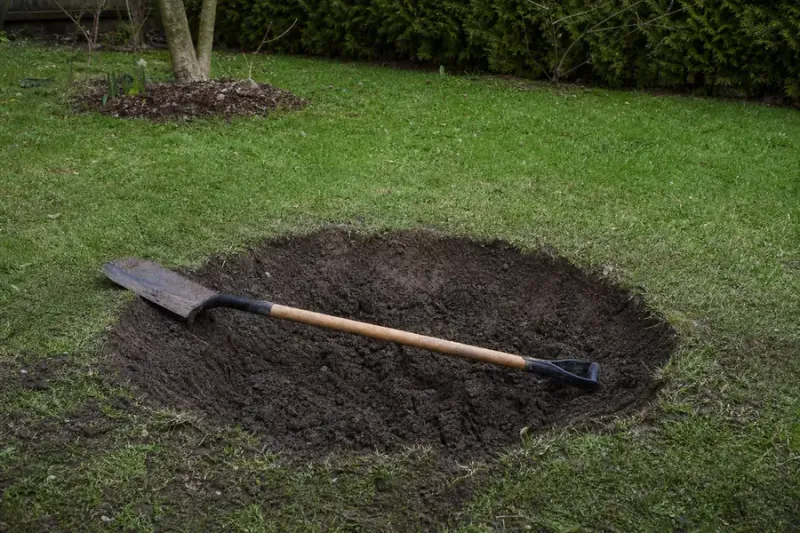
Here is the single tip I wish I had learned sooner. Most tree roots grow outward through the top foot or so of soil, not straight down.
So aim for a hole two to three times wider than the root ball but no deeper. It should look more like a shallow saucer than a fence post hole.
That loose soil around the edges is where young roots will spread first.
Next, find the root flare. That is the spot where the trunk widens as it meets the roots.
It should sit at or slightly above the surrounding ground once you finish.
Nursery trees often have extra soil piled over the flare, so you may need to brush some away to find it. Planting too deep is one of the most common reasons trees decline slowly over the years.
A smart trick is to set the plant on firm, undisturbed soil at the bottom of the hole. If you loosen the bottom, the tree can sink lower as the soil settles.
Before you lower it in, check the roots. If they are circling the pot, tease them apart or make a few shallow vertical cuts.
That nudges them to grow outward instead of wrapping around themselves.
Your Native Clay Makes Better Backfill Than Bagged Mix
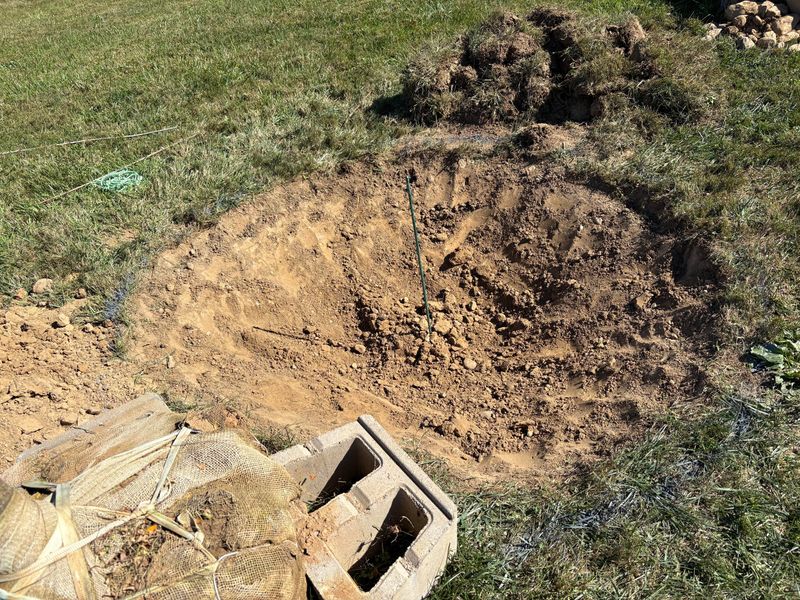
Bagged garden soil looks so rich and fluffy that it feels rude not to use it. Surprisingly, research suggests your plain old dirt usually works better.
Virginia is known for heavy red clay in many areas, especially the Piedmont. When you fill a hole in clay with soft, rich mix, you can create a bathtub effect.
Water collects in the loose soil and has nowhere to drain, so roots can sit wet for days.
Roots also get comfortable in that pampered pocket. Instead of venturing into the tougher clay beyond, they may circle around inside the hole like goldfish in a bowl.
Using the soil you dug out encourages roots to adapt to the ground they will live in for decades. Break up big clods with your shovel and remove rocks as you go.
Fill the hole in layers, gently firming each one with your hands. Skip stomping hard with your boots, since that can squeeze out air roots need.
Halfway through, add water to settle things and wash out hidden air pockets. Then finish filling and water again.
If your whole yard has poor soil, improving a large bed is a better plan than enriching one small hole.
A Donut of Mulch Beats a Mulch Volcano Around the Trunk
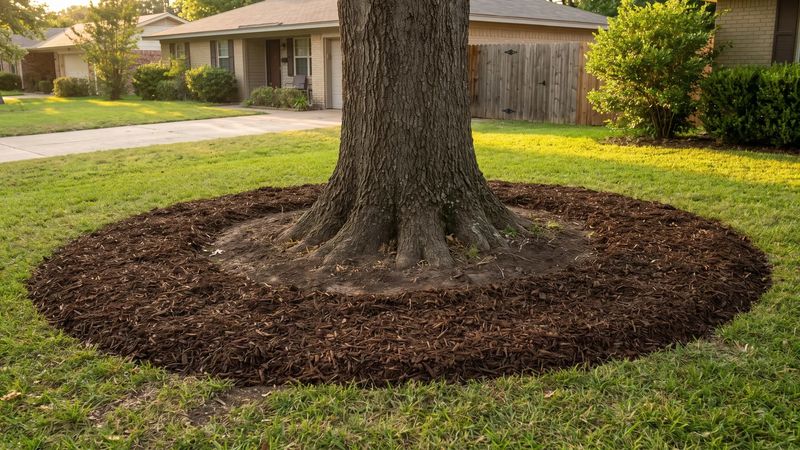
Drive through almost any neighborhood and you will spot them. Tall cones of mulch heaped against tree trunks, like little brown volcanoes.
Those piles look tidy, but they cause trouble. Mulch pressed against bark holds moisture right where the trunk should stay dry.
That invites rot, disease, and chewing critters like voles that love a hidden snack spot.
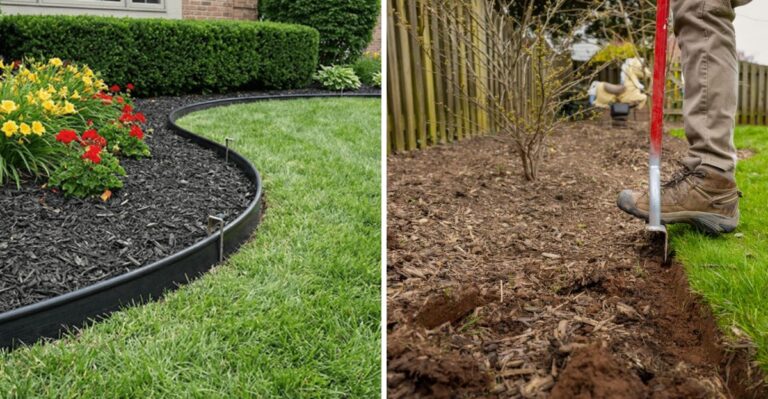
A flat donut shape works far better. Spread two to three inches of shredded bark, wood chips, or pine straw over the root zone.
Then pull it back a few inches from the trunk or stems so the base can breathe.
Go wide rather than deep. A ring that reaches out toward the edge of the branches protects more roots than a tall mound ever could.
Fall mulch does several helpful jobs at once. It keeps soil moisture from escaping, softens sudden temperature swings, and slows down winter weeds.
It also reduces frost heaving. That happens when soil freezes and thaws over and over, which can push shallow new roots up toward the surface.
Shredded leaves from your own yard make a free, earthy mulch too. Chop them with a mower first so they do not mat down into a soggy blanket.
Keep the Watering Can Handy Even After a Soaking Rain
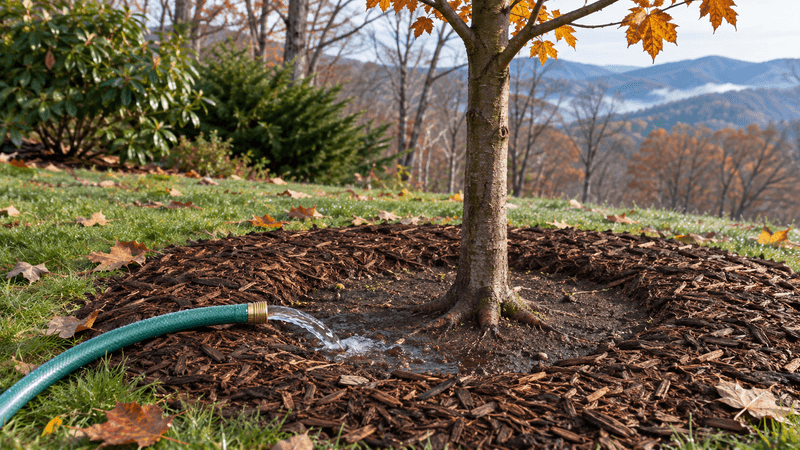
One good rain feels like it should handle everything for a while. Sadly, a new root ball can dry out faster than the soil around it.
Container plants are usually grown in a light, fluffy potting mix. That mix drains quickly and can stay dry even when the clay next to it feels damp.
Poke a finger right into the root ball to check.
Water deeply after planting, then plan to give new trees and shrubs about an inch of water per week when rain falls short. A slow trickle from a hose for several minutes soaks in better than a quick splash.
Keep at it until the ground freezes. On mild winter stretches without rain, a deep drink every couple of weeks can help, especially for evergreens.
Overwatering is a real risk in clay, though. If the soil stays soggy and smells sour, back off and let it dry a bit.
Plan on watering through the first two growing seasons. Larger trees may need even longer to fully settle in.
I keep a simple note on my phone with planting dates. It reminds me to check on new arrivals during dry spells next summer, when they need help most.
Native Dogwoods, Redbuds, and Oaks Make Smart Picks This Weekend
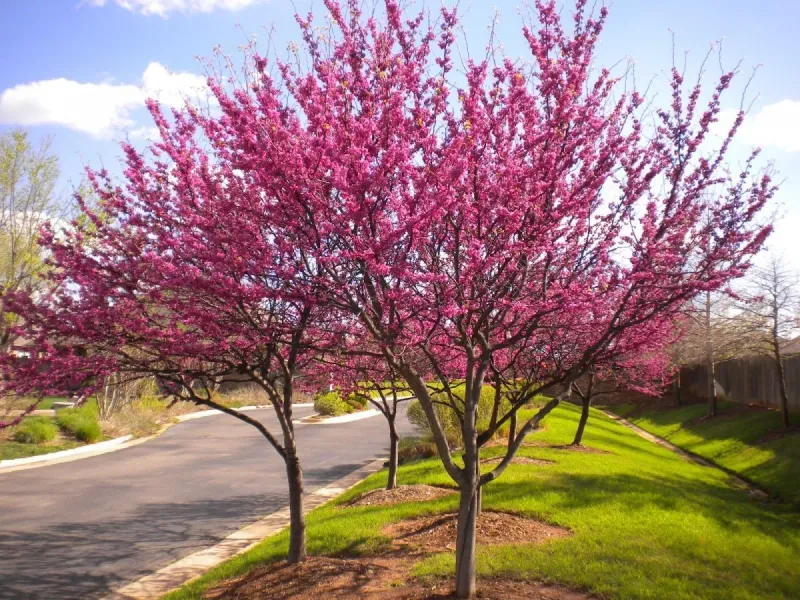
Virginia picked the flowering dogwood as its state tree and state flower. That says a lot about how well native plants fit into local yards.
Natives have spent thousands of years adapting to our soils, rain, and seasons. They also feed birds, bees, and caterpillars far better than many imported plants.
Here are some favorites for a weekend planting. Eastern redbud brings pink spring blooms, and flowering dogwood offers white bracts plus red berries for birds.
White oak and red maple make strong shade trees.
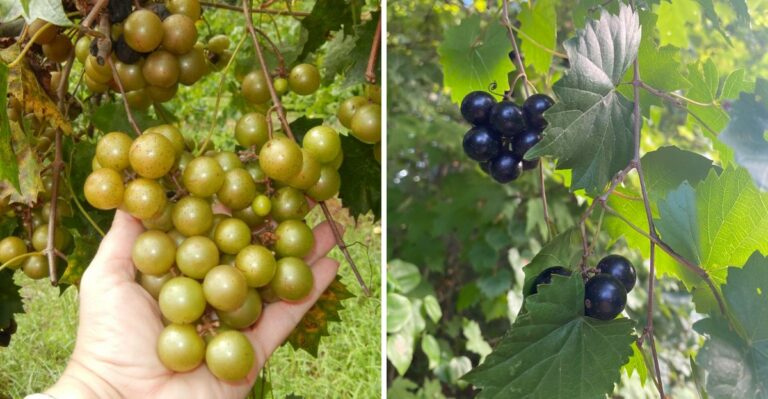
For shrubs, try winterberry holly, with bright red berries in winter. Virginia sweetspire, arrowwood viburnum, and spicebush are tough and pretty too.
Skip invasive plants, even if they show up cheap at the store. Burning bush, Bradford pear, and Japanese barberry can escape into nearby woods and crowd out native plants.
Virginia lists several of them as invasive.
Before you dig, call 811 to have underground utility lines marked. It is free, and state law requires it before digging.
Also look up for power lines, and give future trees room to grow.
Then grab your shovel and enjoy the soft soil. Next spring, you will thank yourself every time a new leaf unfolds.