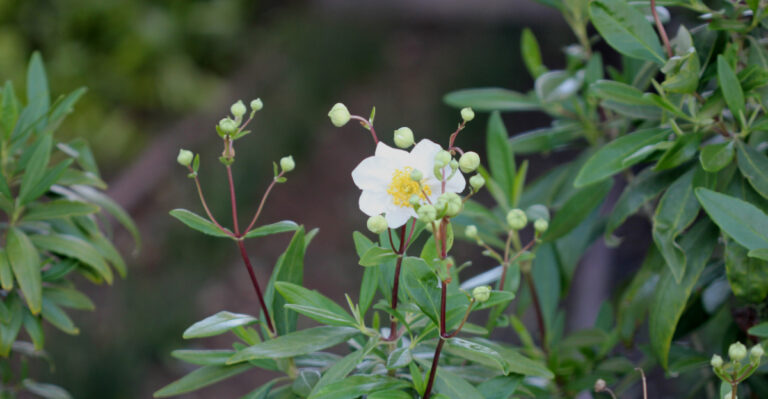
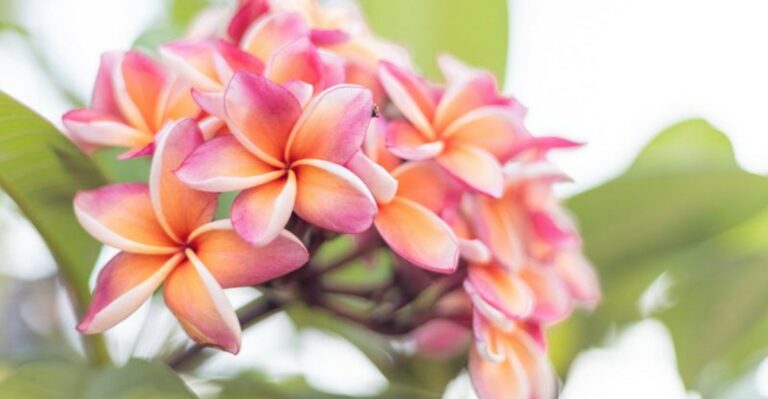
Skip Thirsty Roses And Plant These 8 Drought-Smart California Beauties Instead
You water. You fuss. You watch your water bill climb every July. And somehow, the garden still looks half-gone by August. The roses demand more. The lawn demands more. Everything demands more.
But there is a group of California gardeners who cracked the code a long time ago. Their yards look incredible in summer.
Deep color, buzzing with bees and hummingbirds, and almost zero stress about the next dry spell. Their secret has nothing to do with expensive irrigation systems or fancy soil amendments. It comes down to what they chose to plant.
California has some of the most stunning, wildlife-friendly, drought-smart plants on the planet. Most people walk right past them at the nursery without a second glance. That is a mistake worth correcting.
Water costs are rising. Dry summers are getting longer. The old approach to gardening is not going to cut it much longer. What you plant next could change everything.
1. California Fuchsia
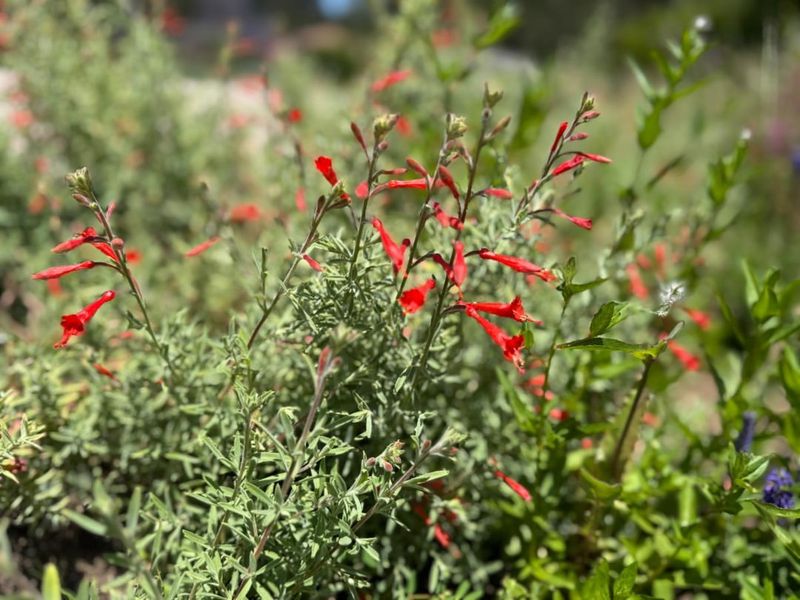
Some flowers whisper. California fuchsia practically shouts. This low-growing native does not wait for a polite introduction. It lights up late summer and fall with tubular red-orange blooms that hummingbirds and bees find genuinely hard to resist.
While most garden color quietly gives up by August, California fuchsia is just warming up. That timing is one of its strongest selling points. Late-season color is rare in a dry California garden, and this plant delivers it without demanding much in return.
Plant it along a sunny fence line, a dry slope, or a border that rarely sees a hose. Good drainage matters quite a bit here.
Soggy soil tends to cause problems, so raised beds and hillside spots suit it better than low, damp areas. Full sun brings out the most blooms. After the first season, it needs little to no supplemental water in a range of California climates.
A cutback in late winter keeps things tidy and encourages fresh spring growth. It spreads by rhizomes, so give it room to roam a little. However, results can vary by region and soil type. But, it’s worth trying, right?
2. Cleveland Sage
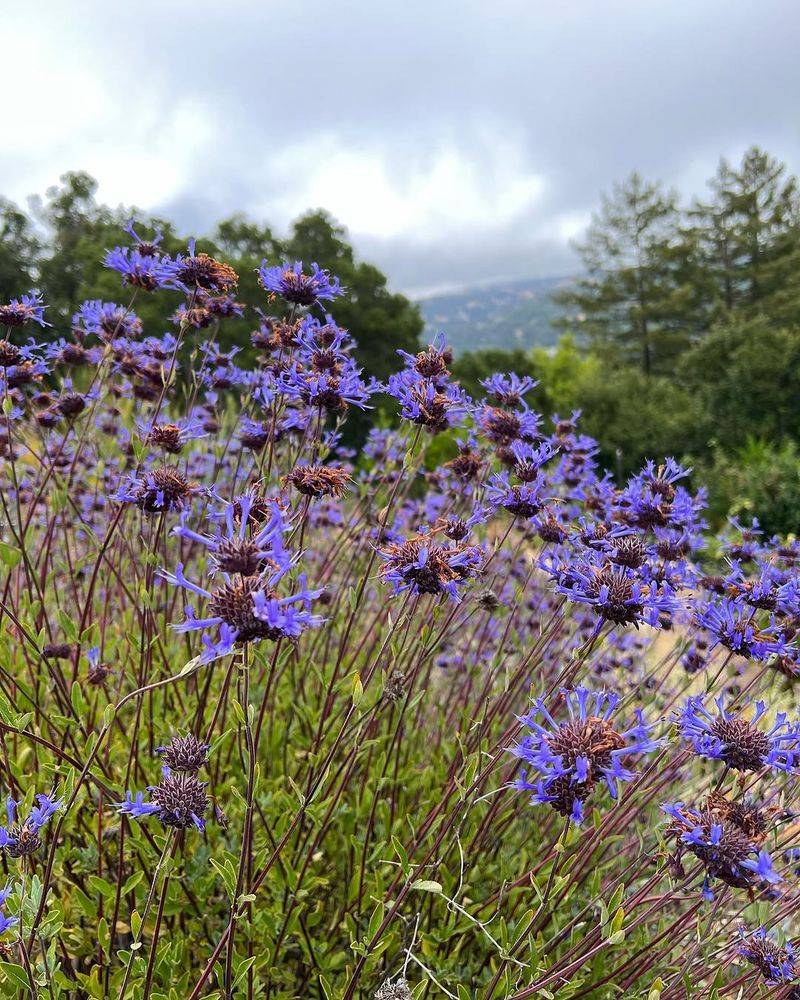
Walk past a Cleveland sage on a warm afternoon, and the scent alone might stop you cold. Salvia clevelandii is one of California’s most celebrated native shrubs, and it earns that reputation every single season. The violet-blue flower spikes are bold and beautiful.
The gray-green foliage carries a strong, herby fragrance that lingers long after the blooms are gone. This is a plant that works your senses from two directions at once.
Once established in suitable conditions, Cleveland sage generally needs no summer irrigation. For a California gardener watching the water bill climb every July, that is a very welcome quality.
Blooms arrive in late spring to early summer and reliably pull in bees, butterflies, and hummingbirds. The show does not last forever, but the fragrance sticks around all season.
Full sun is ideal. In hotter inland areas, a bit of afternoon shade can help. Mature plants can spread four to five feet wide, so spacing matters. Crowded plants tend to have poor airflow, which can lead to problems down the line.
Your California Garden Changes Every Week. Your Plan Should Too.
Gardening in California changes quickly throughout the season. Every Friday you’ll receive a simple weekly plan showing exactly what to plant, prune, fertilize, harvest, and protect so you never miss the right timing.
Well-drained, sandy, or loamy soil suits it well. Skip the heavy fertilizing. Cleveland sage genuinely thrives on lean soil and minimal fuss.
Light pruning after flowering keeps the shape tidy and prevents the plant from getting too woody too fast. It pairs beautifully with manzanita, California buckwheat, and ceanothus in a layered low-water planting that looks like it belongs exactly where it is.
3. Manzanita
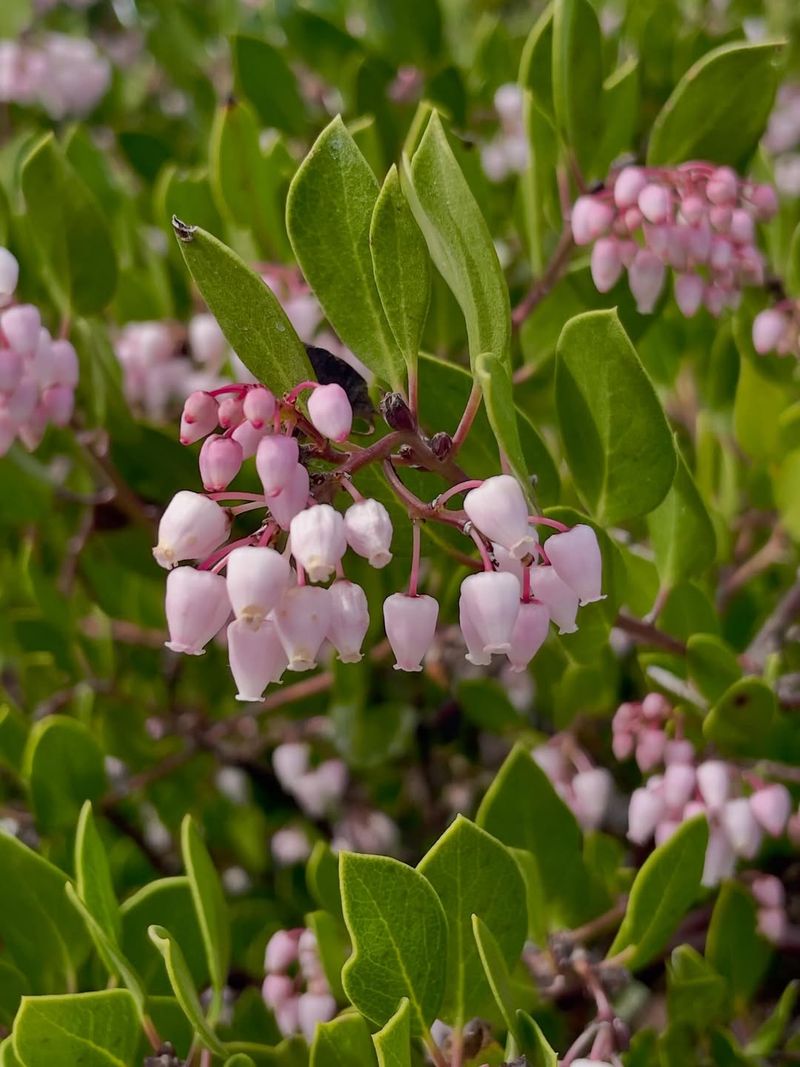
Many plants ask you to admire them when they bloom. Manzanita looks incredible all year and barely asks for anything.
The smooth, mahogany-red branches are the real showstopper. They have an almost polished quality that makes the shrub look architectural, even in the middle of summer when nothing else is happening.
Add evergreen foliage and small bell-shaped flowers that appear in winter to early spring, and you have a plant that genuinely earns its space in four seasons.
Most manzanitas tend to prefer hot, dry summers and cool, damp winters. That description fits a huge portion of California, which is probably why these natives have been thriving here for so long without any help from gardeners.
Birds are drawn to the small berries that follow the blooms. So while the branches are feeding your eyes, the fruit is feeding the wildlife. Not a bad deal.
Drainage is the one thing manzanita does not compromise on. Clay-heavy or consistently wet soil tends to cause real trouble. A well-drained spot is non-negotiable.
Establishment takes some patience and careful, infrequent watering. Once settled in, many varieties need little to no summer irrigation.
Overwatering is one of the most common mistakes people make with this plant, and the roots do not forgive it easily.
Dozens of varieties exist, from low groundcovers to large statement shrubs. Many of them can be a solid starting point for finding the right fit for your yard and region. You have plenty of choices, isn’t that amazing?
4. Ceanothus
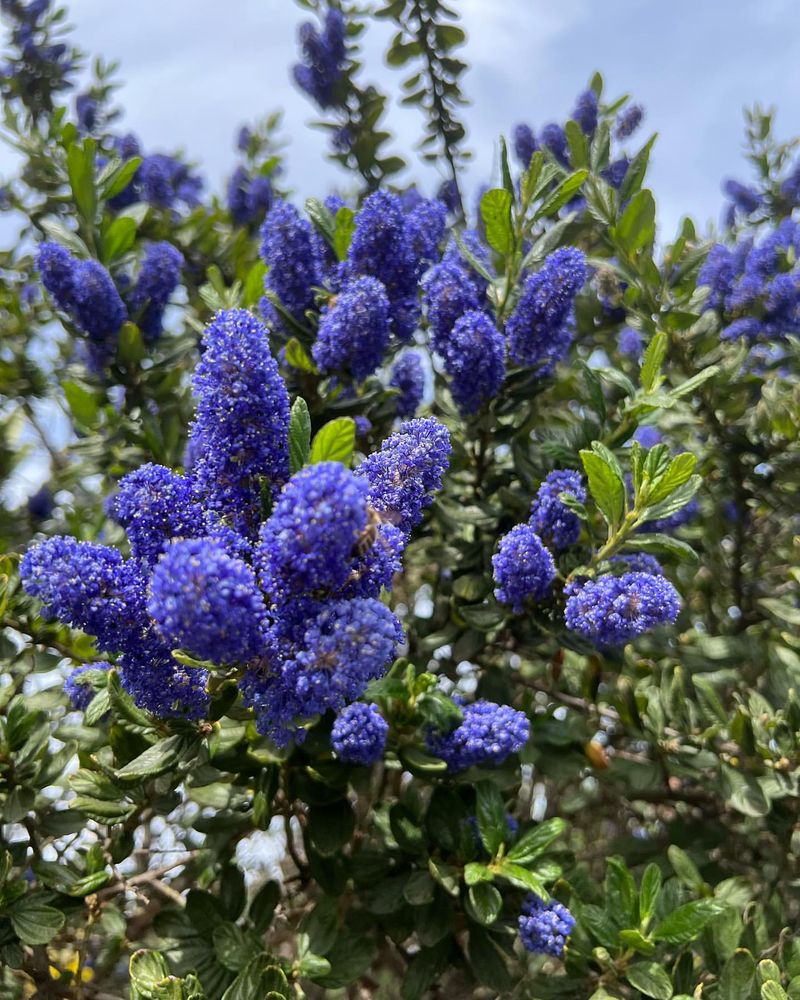
Blue flowers in a dry garden feel like a small miracle. Ceanothus delivers that miracle on a fairly regular schedule.
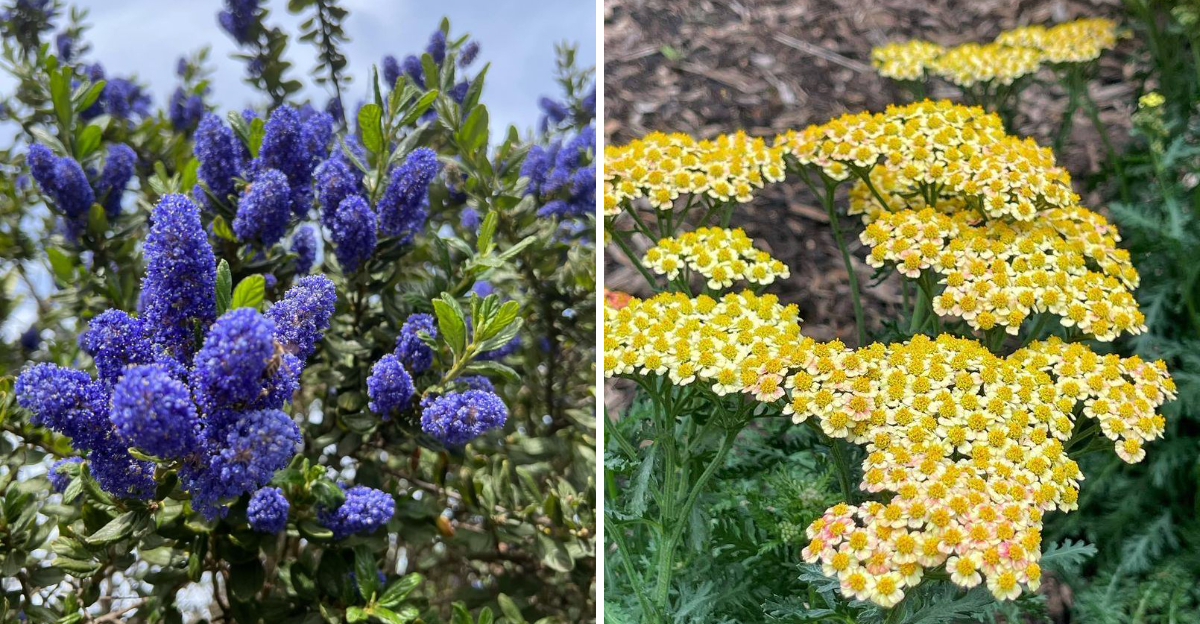
Often called California lilac, ceanothus produces some of the most vivid blue and purple-blue blooms you are likely to find on any low-water shrub.
Spring is when it puts on its biggest performance. The flower clusters are dense, heavy with bees, and fragrant in certain varieties. It is the kind of plant that stops people mid-conversation.
Many ceanothus selections are capable of handling little to no summer irrigation once properly established. That quality alone sets it apart from most flowering shrubs.
The deep green or gray-green foliage holds its good looks even after the blooms fade. So the plant keeps contributing to the garden long after its peak moment has passed.
Room, sunshine, and excellent drainage are the three things ceanothus needs most. Heavy clay soil and poor air circulation can cause problems during establishment.
Checking mature size before planting is genuinely worth doing, since some varieties get quite large while compact groundcover types stay manageable in smaller spaces.
One thing that surprises a lot of gardeners: summer watering can actually stress established ceanothus plants. Many varieties prefer to stay dry once they are settled in.
That makes it a strong candidate for spots that are hard to reach with a hose. So, be careful there.
5. California Buckwheat
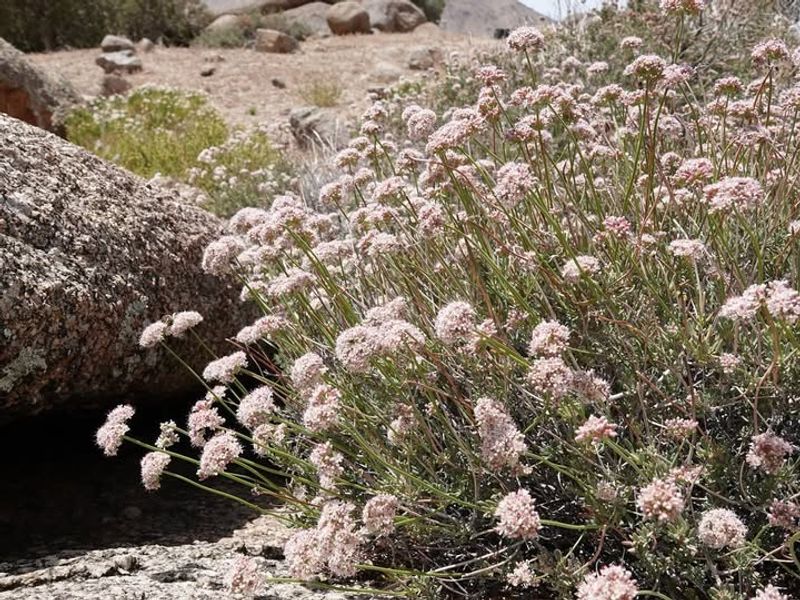
On a warm summer morning, a patch of California buckwheat sounds like a tiny, very enthusiastic airport. The hum of bees, native pollinators, and the occasional butterfly starts early and runs well into fall.
Eriogonum fasciculatum is one of California’s most ecologically valuable natives, and it brings a soft, meadow-like texture to low-water garden beds that feels relaxed and completely at home.
The flowers open white or pale pink, then slowly age into a warm rusty-red as the season moves along. That color transition is genuinely attractive, not tired-looking, and it gives the plant a multi-season quality that works especially well in naturalistic plantings.
Dried seed heads hang on through winter and provide food for birds. The plant keeps contributing long after its bloom period wraps up.
Full sun and well-drained soil are the main requirements. Once established, California buckwheat generally handles dry conditions well across many California climates.
However, overwatering tends to stress it more than drought does. Sandy or rocky soil that would frustrate most plants suits this one just fine.
It pairs naturally with Cleveland sage, ceanothus, and California fuchsia in a low-water planting scheme.
Plant it in a sunny spot, give it a decent start, and then mostly leave it alone. The pollinators will handle the rest.
6. Hummingbird Sage
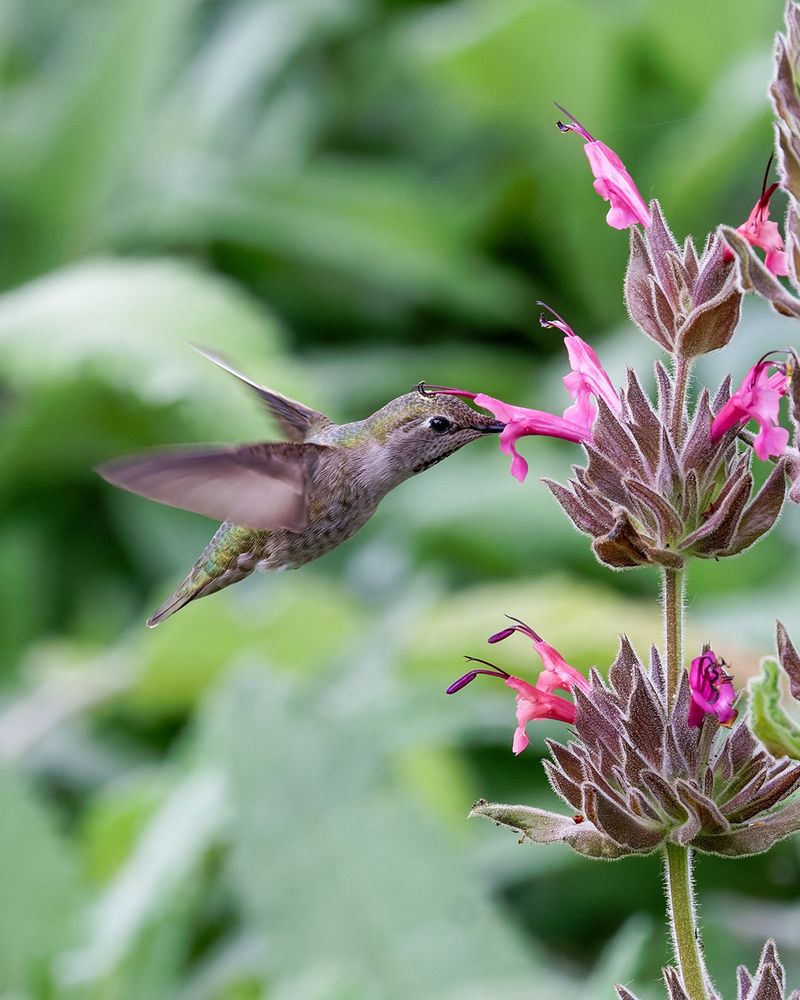
Most shade-tolerant plants in a dry California garden keep things subtle. Hummingbird sage did not get that memo, and the garden is better for it.
Salvia spathacea sends up bold spikes of deep magenta-pink flowers that hold their own even in lower-light spots.
The large, textured leaves carry a fruity, apple-like fragrance that is surprisingly pleasant when brushed against. This is a plant that rewards you for walking close.
Hummingbird sage can be a solid low-water choice once established, particularly in part-shade conditions on suitable sites. That makes it genuinely useful in the spots where many other plants struggle or simply give up.
Hummingbirds are reliably attracted to the blooms. For a woodland-style or oak understory planting, few natives bring as much wildlife value to a shaded space.
Spring is the main bloom period, and the color arrives right when many native gardens are still finding their footing after winter.
This plant spreads by rhizomes, which can be a bonus in areas where you want ground coverage under trees. A defined boundary helps in tidier gardens where spread needs managing.
Performance can vary depending on soil type, drainage, and the amount of summer shade the site receives. Results differ from garden to garden, so researching before planting in full sun or very exposed spots is a smart move.
7. Autumn Sage
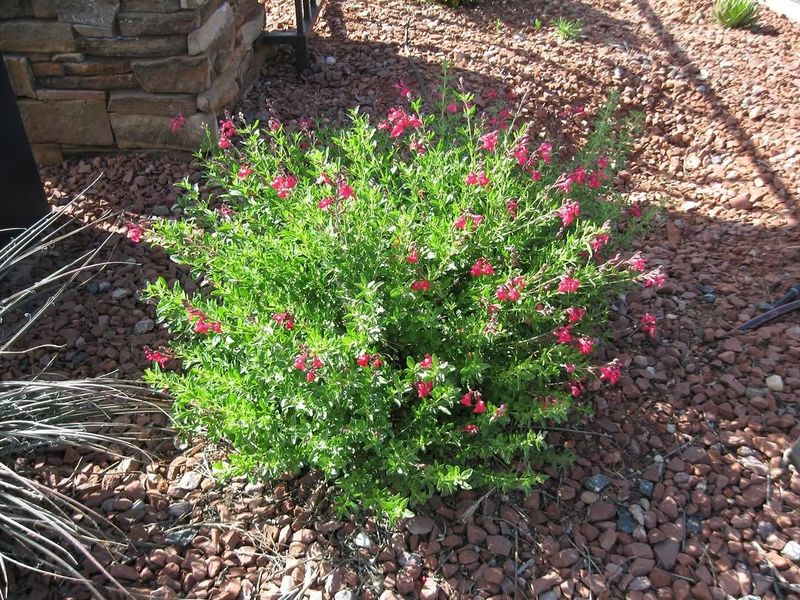
Bright red. Coral pink. Soft white. Autumn sage is not shy about its color options, and it delivers them without the demanding personality of a classic rose.
Salvia greggii is a reliable, low-irrigation salvia that UC Davis Arboretum lists among plants with notably low water needs. For gardeners who want garden color without the guilt of a high water bill, that is a meaningful endorsement.
The blooms appear in spring, take a short break during the peak of summer heat, and then come back with fresh energy in fall.
That rebound habit is one of the most appealing things about this plant. Not many low-water options give you two distinct bloom periods in a single season.
It brings a lively, cottage-garden feel without asking for rose-level attention. The trade-off strongly favors the gardener.
Full sun tends to produce the best flowering. Well-drained soil matters, especially in areas with heavy clay.
Once established, autumn sage generally handles dry spells reasonably well across many parts of California.
Light pruning after each bloom cycle keeps the plant full and encourages more flowers. Skip the heavy clay spots.
Hummingbirds visit the tubular blooms with some regularity, adding wildlife appeal on top of the visual color. The plant stays compact, usually around two to three feet in both directions.
That makes it easy to work into mixed borders or foundation plantings without a major redesign. Easy as that, huh?
8. Yarrow
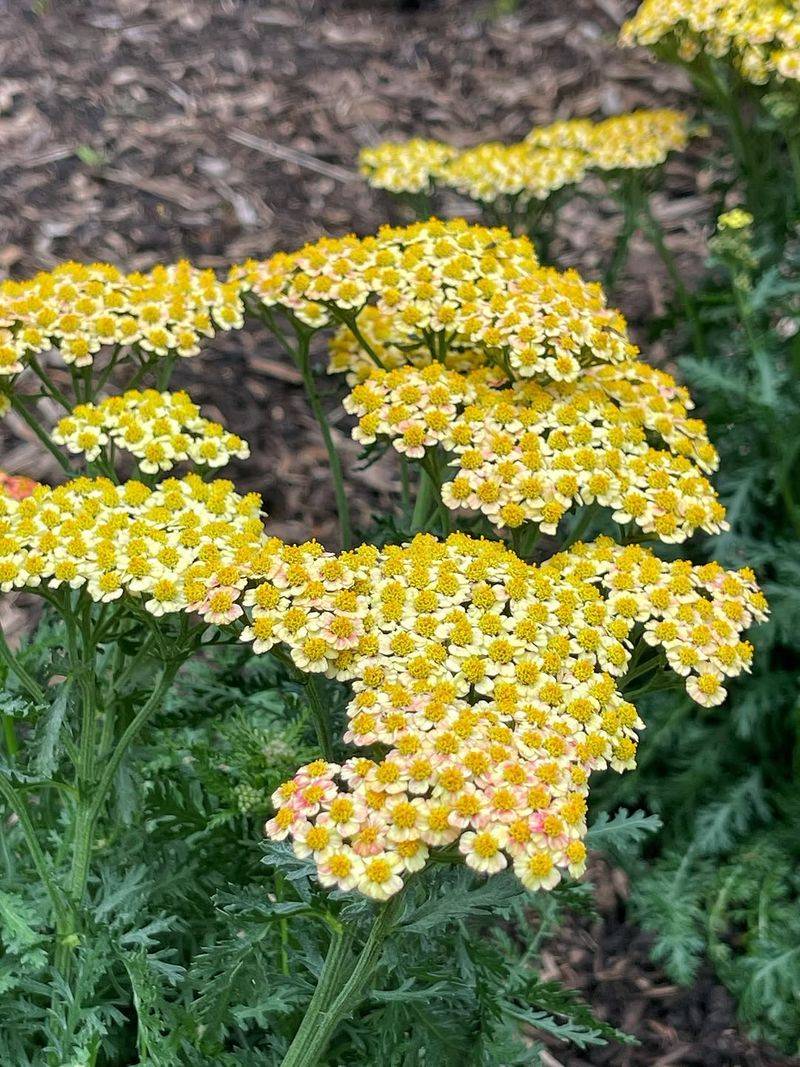
Yarrow has been charming gardeners for centuries. It shows absolutely no signs of slowing down.
Achillea millefolium and its many cultivars bring flat-topped flower clusters in white, yellow, pink, and red. It is the kind of plant that makes a garden feel intentional without demanding a lot of effort to get there.
This plant performs reliably in conditions that would stress most others. The cottage-garden texture yarrow brings is genuinely hard to replicate with other low-water options.
It fits naturally alongside California buckwheat, autumn sage, and Cleveland sage in a layered, drought-smart planting.
The flower clusters attract a solid range of beneficial insects, including native bees and predatory wasps that help manage garden pests. Yarrow is pulling double duty even when you are not paying attention.
However, full sun and well-drained soil are the main requirements. Lean soil is not a problem. Heavy fertilizing is not needed and may actually reduce flowering.
Cutting back spent stalks after blooming keeps the plant tidy and encourages another round of flowers. Dividing clumps every few years maintains vigor and prevents things from getting overcrowded.
Young plants benefit from consistent moisture during the first season. After that, summer water needs drop considerably for most established plants.
In very hot inland areas, a bit of afternoon shade can help the foliage stay looking its best through peak heat.