The Ornamental Grasses Ohio Invasive Experts Want Out Of Your Yard
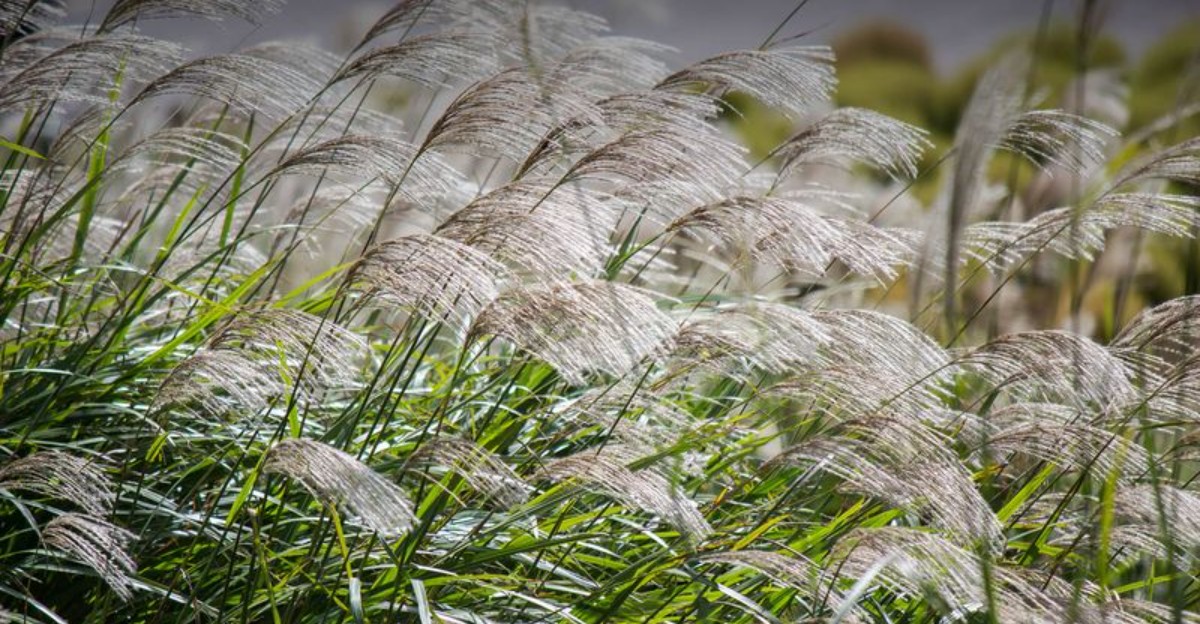
Ornamental grasses look harmless swaying in your yard. Invasive species experts would tell you otherwise.
A handful of popular picks spread fast once seed heads mature. Wind carries them into fields and roadsides, where they crowd out plants Ohio’s ecosystem actually needs.
Garden centers keep selling them anyway, no warning label in sight.
Not every ornamental grass earns this reputation though. Swapping the problem varieties for native alternatives rarely means giving up the look you wanted.
Check your yard against this list before fall planting wraps up. A few swaps now could spare the countryside a fight it’s already losing.
1. Chinese Silvergrass Tops The Experts’ List
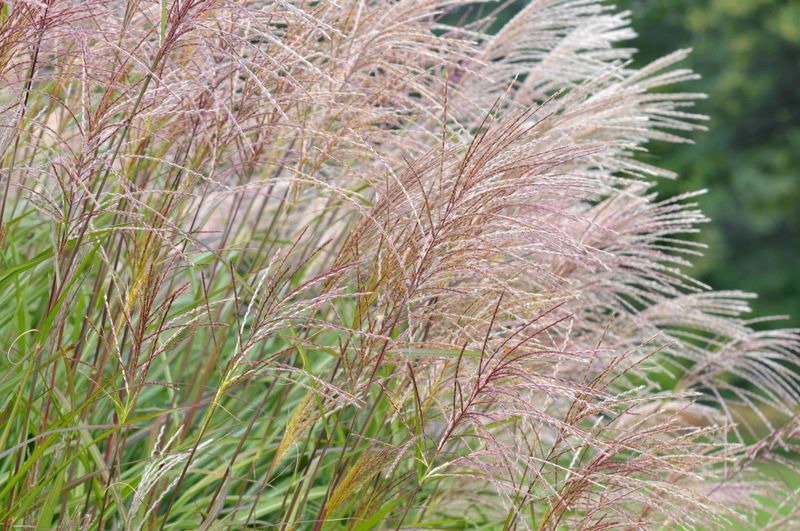
Walk through almost any neighborhood in October and you will spot it. Tall clumps topped with silky, silvery plumes line driveways and mailboxes everywhere.
That plant is Chinese silvergrass, also called Miscanthus sinensis or maiden grass. It is one of the most popular ornamental grasses in the state, and that is exactly the problem.
Ohio ecologists and land managers rank it among the grasses that worry them most.
The trouble starts when the plant leaves your yard. Seeds drift on the wind into roadsides, old fields, and the edges of woods.
Once there, the dense clumps shade out native wildflowers and grasses.
Wildlife does not get much out of the swap. Native bees, butterflies, and songbirds evolved alongside local plants, not this Asian import.
A field full of silvergrass can feel like a grocery store with empty shelves for them.
Fire is another concern. The dry winter leaves burn hot and fast, which can make wildfires harder to control in open land.
If you already grow it, you do not need to panic. A good first step is cutting off the plumes in late summer before seeds ripen.
Over time, think about replacing it with a native grass that gives you the same fall show without the escape act.
2. Many Silvergrass Cultivars Still Set Seed
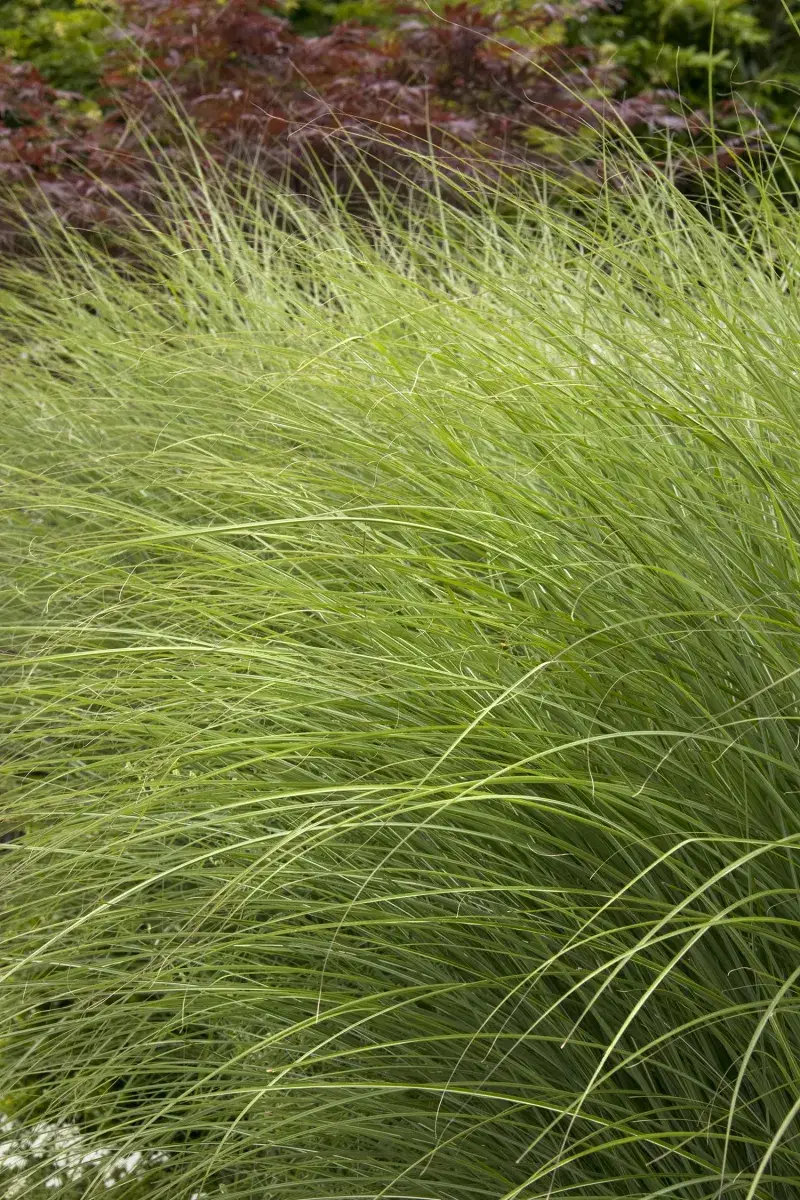
Ever read a plant tag that promised a grass was sterile? Plenty of gardeners have, and many trusted it.
Researchers at the Chicago Botanic Garden decided to test those promises. They grew dozens of commercially sold Miscanthus cultivars in a controlled setting and checked for seeds that could sprout.
At least 34 cultivars produced viable seed.
Only one grass in that study, Giant Miscanthus, failed to make seeds that grew. Every other variety they tested had the ability to spread.
That is a big gap between what the label says and what the plant does.
Seeds are only half the story. Chinese silvergrass also creeps outward through underground stems called rhizomes.
So even a clump that seems tidy may be slowly widening its footprint.
Why do cultivars still set seed? Some need a different variety nearby to cross-pollinate.
With so many types planted across the state, that partner is often just a few yards away.
Here is a practical tip for shoppers. Treat words like sterile or non-invasive on Miscanthus tags with a healthy dose of doubt.
Your Ohio Garden Changes Every Week. Your Plan Should Too.
Gardening in Ohio changes quickly throughout the season. Every Friday you’ll receive a simple weekly plan showing exactly what to plant, prune, fertilize, harvest, and protect so you never miss the right timing.
Ask your nursery staff where the claim came from, and lean toward native grasses if the answer sounds fuzzy. A little skepticism at the checkout can save a local meadow later.
3. Silvergrass Is Invasive But Still Legal To Sell
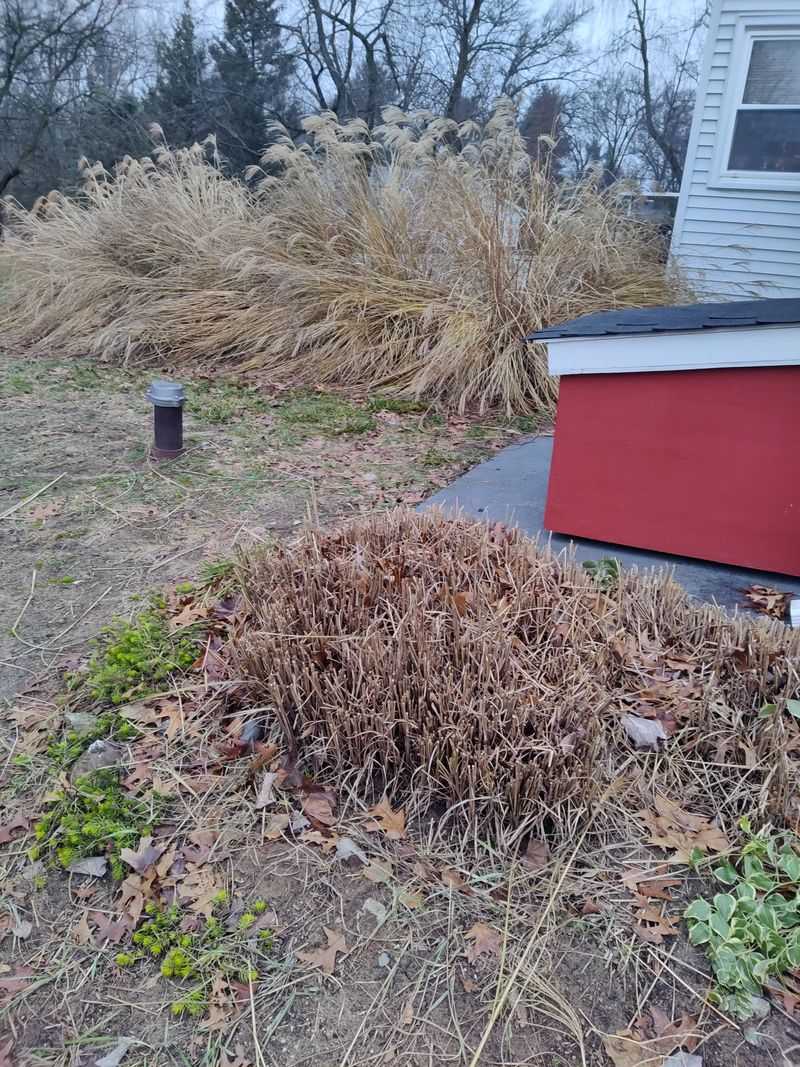
Here is a head-scratcher for you. A plant can be known as invasive and still sit on the shelf at your local garden center.
That is the situation with Chinese silvergrass in the state right now. You can buy it at small nurseries and huge home improvement stores across the state.
The Department of Agriculture does not currently list Miscanthus sinensis as a banned plant.
Experts are pushing to change that. Miscanthus sinensis is among the species they want added to Ohio’s invasive plant rules.
Once a plant makes the official list, the department can restrict its sale and distribution.
Until that happens, the choice rests with you. Legal does not mean harmless, much like a sugary snack is legal but not exactly a health food.
Shoppers have real power here, because stores tend to stock what sells.
So what can you do? Skip silvergrass when you are filling your cart, and politely tell the store manager why.
Share what you know with neighbors who admire those plumes.
You can also keep an eye on news from the Ohio Invasive Plants Council. Rules change over time, and staying informed helps you plant smart before any law forces the issue.
Being a step ahead feels pretty good.
4. Ravenna Grass Is Rated Invasive In The State
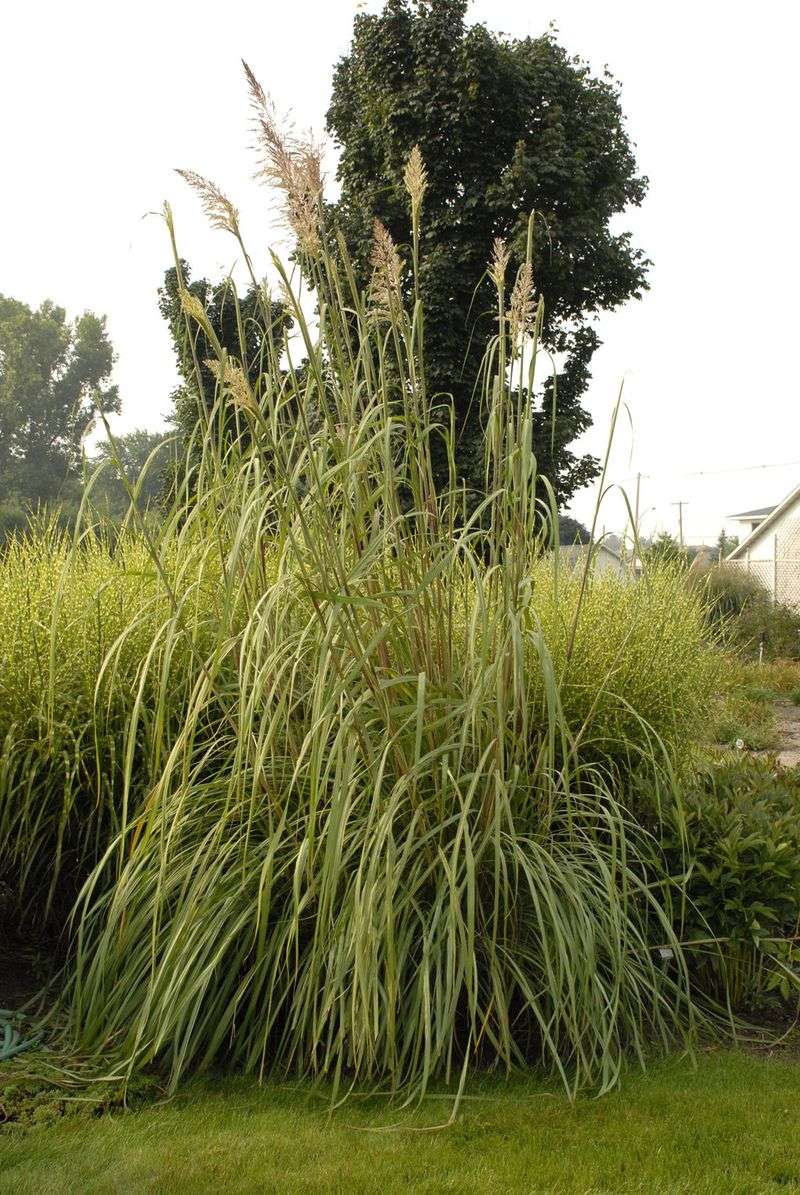
Some grasses whisper, and some grasses shout. Ravenna grass definitely shouts, with plumes that can tower well over your head.
Its scientific name has changed over the years. You might see it labeled Saccharum ravennae on older tags, but botanists now call it Tripidium ravennae.
Gardeners sometimes nickname it hardy pampas grass because of its dramatic look.
The Ohio Invasive Plants Council has reviewed it closely. On the council’s List of Assessed Species, Ravenna grass carries an Invasive status.
That puts it squarely on the watch list for anyone who cares about local open spaces.
Size is part of the appeal and part of the risk. A single mature clump can pump out a huge number of fluffy seeds each fall.
Those seeds catch the breeze and settle in sunny spots like riverbanks, ditches, and abandoned lots.
Fun fact: this grass is a cousin of sugarcane. It shares that plant’s tough, fast-growing personality, which is great on a farm but not so great in a prairie.
If you love a bold vertical accent, you have better choices. Big bluestem and Indian grass both reach impressive heights in the state.
They bring drama to the garden while staying friendly to native wildlife.
5. Reed Canary Grass Is Already Banned From Sale
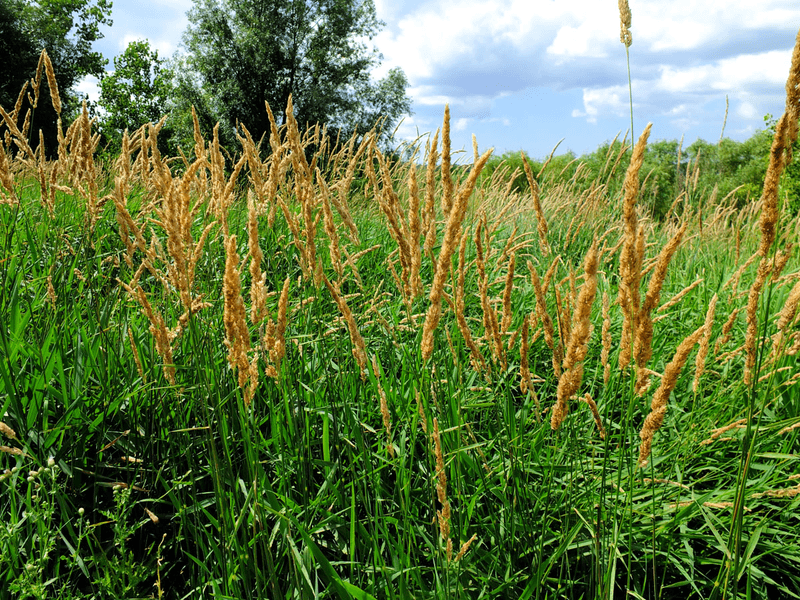
Back in the day, ribbon grass with its cheerful green and white stripes was a garden favorite. Many grandparents grew it along fences and ponds.
That striped plant is a form of reed canary grass, known to scientists as Phalaris arundinacea. The state has officially labeled it invasive, and the Department of Agriculture prohibits its sale and distribution.
The one exception covers its use as animal feed.
Why such a firm stance? Reed canary grass loves wet ground and spreads like crazy.
It forms thick mats in wetlands, stream banks, and wet meadows, leaving little room for anything else.
Those mats change the whole neighborhood for wildlife. Frogs, ducks, and native wetland plants lose the mixed habitat they need.
The Invasive Plants Council and other state groups list it as invasive too.
Maybe you inherited a patch with your house. Pulling small clumps when the soil is moist can help, though the roots are stubborn.
For bigger patches, contact your county Soil and Water Conservation District for local advice.
Remember that sharing divisions with friends counts as spreading it. Instead of passing along a clump, pass along a tip.
Suggest a native sedge or switchgrass for that damp corner.
6. Common Reed Is Banned Too
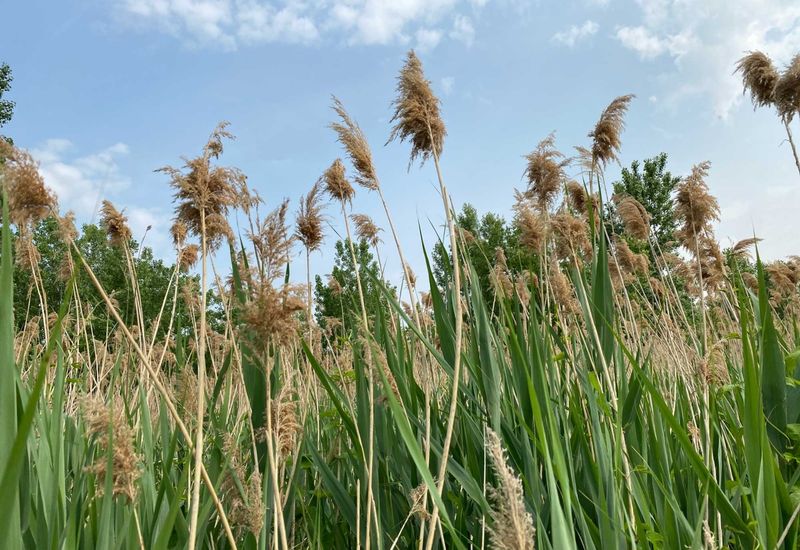
Drive along Lake Erie in late summer and you may see a wall of tall reeds with fuzzy, purple-brown tops. It looks wild and natural, yet it tells a different tale.
Much of that wall is common reed, or Phragmites australis subspecies australis. The Department of Agriculture classifies it as an invasive plant.
That means its sale and distribution are restricted in the state.
The Ohio Invasive Plants Council agrees with the label. This non-native type of reed can grow taller than a basketball hoop.
It packs marshes so tightly that ducks, fish, and native plants struggle to find room.
Here is a twist worth knowing. North America also has a native subspecies of common reed.
It grows in a more polite way and mixes well with other marsh plants, so experts focus on the aggressive European type.
Telling them apart takes practice. The invasive kind usually forms denser stands with blue-green leaves, while the native one often has reddish stems.
For homeowners with ponds or wet ditches, watch for new reed sprouts each spring. Catching a small patch early is far easier than battling a full stand.
Your local park district may even offer volunteer days to learn removal skills firsthand.
7. Giant Reed Is A Problem Just South Of Ohio
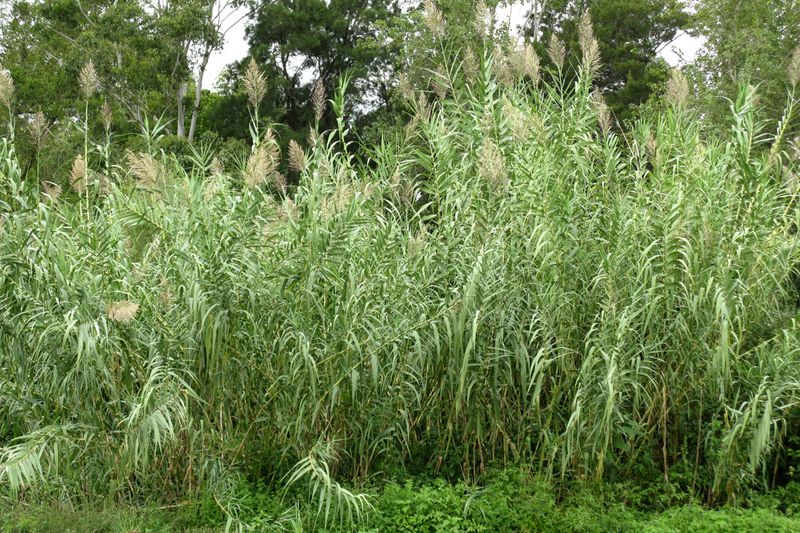
Imagine a grass that looks like bamboo and grows like it drank three energy drinks. Meet giant reed, a plant that keeps land managers up at night.
Arundo donax is invasive across the southeastern and southwestern United States. Its range stretches as far north as Ohio.
Kentucky and West Virginia, right across the river, both list it as invasive.
Indiana has it too, though its status there is less clearly recorded. Still, the pattern is easy to see.
This grass is knocking on door, and warmer winters may help it settle in.
Giant reed spreads fast and pushes out native plants along rivers and streams. Its thick stands can change how water flows and even clog channels.
The canes are also very flammable, which raises the risk of fire.
Some catalogs sell it as a tropical-looking screen or privacy hedge. It can be tempting if you want a quick green wall.
Southern gardeners near the river should be extra cautious about planting it.
A smarter screen comes from tall native grasses or shrubs. Switchgrass varieties can grow into a dense summer wall.
Native dogwoods and viburnums also block views while feeding birds.
8. Swap In Big Bluestem Or Indian Grass
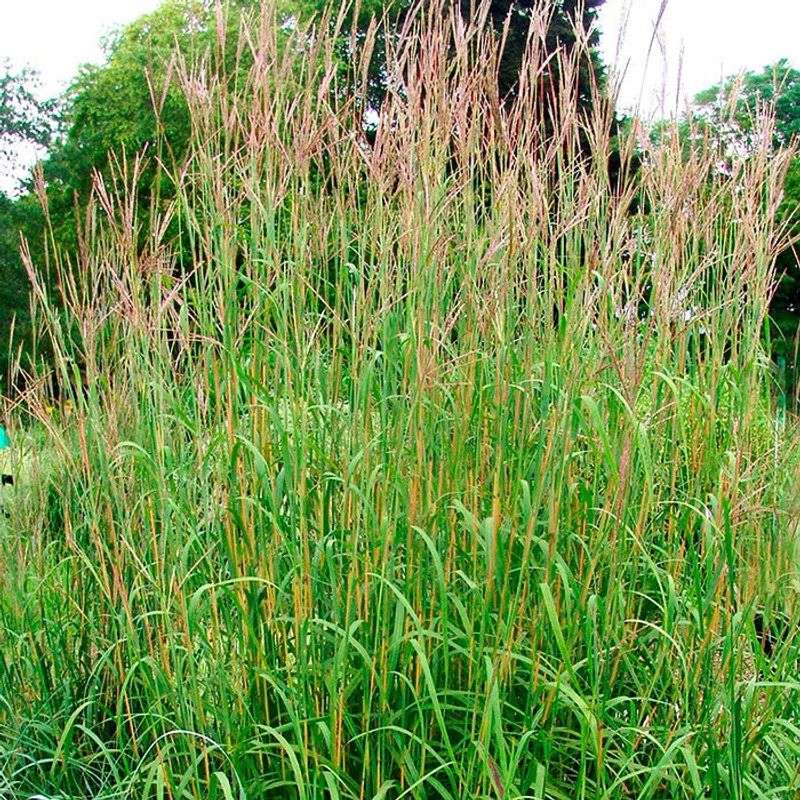
Long before suburbs appeared, Ohio had pockets of tallgrass prairie. Two of the stars of those prairies can shine in your yard today.
Big bluestem, or Andropogon gerardii, grows tall and upright. Its seed heads split into three parts, earning it the nickname turkey foot.
In fall, the stems shift to rich shades of copper, wine, and bronze.
That height and color give you the same vertical punch as silvergrass. Even better, native birds use it for food and shelter.
Sparrows and finches pick at the seeds well into winter.
Indian grass, or Sorghastrum nutans, is the other great pick. Its feathery plumes glow gold and catch the late afternoon light beautifully.
Many gardeners say it is the closest native match to those showy Asian plumes.
Both grasses like full sun and are not fussy about soil. Once roots settle in, they handle dry spells with ease.
Give them room, since they can reach five to eight feet.
Planting tip: put them toward the back of a bed or along a fence. Pair them with coneflowers and asters for a mini prairie that buzzes with life.
Leave the stems up over winter for wildlife, then trim them in early spring.
9. Little Bluestem And Switchgrass Fill The Gap
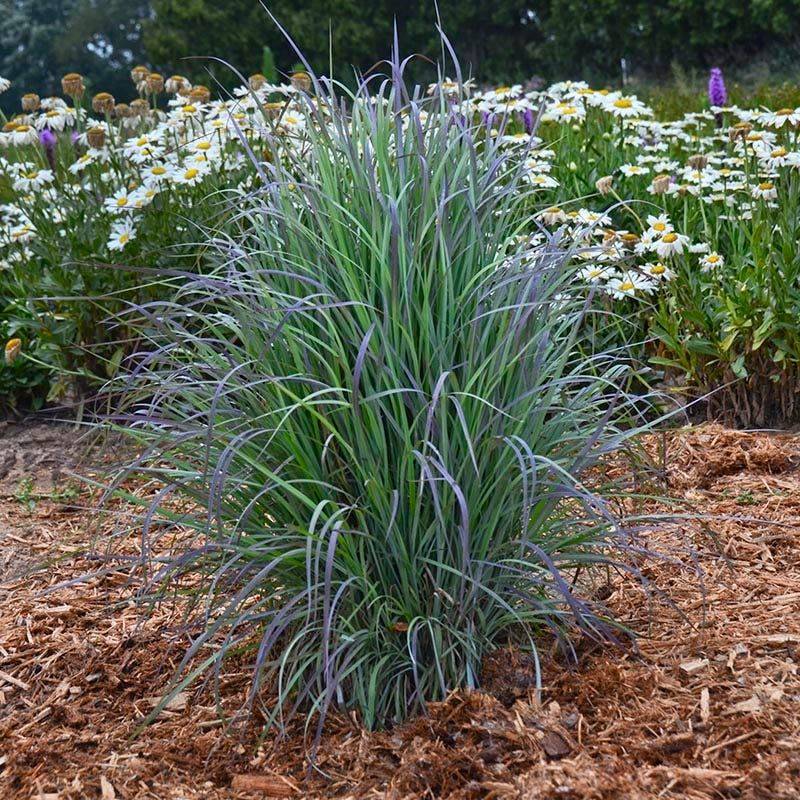
Not every yard has room for a giant. Sometimes you want a grass that looks great in a smaller space, and Ohio has two winners.
Little bluestem, or Schizachyrium scoparium, stays compact and neat. In summer, its leaves have a cool blue-green tint.
By fall, it turns a fiery rusty orange that looks stunning against snow.
Switchgrass, or Panicum virgatum, brings a light, airy feel. Its tiny seed heads float above the leaves like a soft cloud.
Many varieties come in heights and colors that suit nearly any garden.
Switchgrass is also a tough customer. It grows well in sunny spots that range from dry to moist.
It handles salt and drought, so it works near sidewalks and driveways that get winter road salt.
Deer usually leave it alone, which is a big plus in many towns. Little bluestem shares that easygoing attitude and thrives in poor, sandy, or rocky soil.
Try grouping three or five plants together for a natural look. Mix them with black-eyed Susans or goldenrod for color.
You get year-round interest, happy pollinators, and the peace of mind that your grass stays put.