These 11 California Plants Fill Garden Gaps Without Taking Over
Every garden has them. Those awkward bare patches between established plants where the soil is just sitting there looking uninvited.
The gap between the rose bush and the fence. The empty stretch along the pathway that never quite got sorted.
Leaving them alone is not really an option because bare soil is basically a welcome mat for weeds, and weeds have excellent timing. The instinct is to grab whatever is available at the nursery and fill the space fast.
That’s where things go sideways. Some gap-fillers spread so enthusiastically they become the new problem, swallowing up neighboring plants and requiring more management than the bare patch ever did.
What you actually want are plants that spread enough to cover ground confidently, look genuinely good doing it, and know when to stop.
California has no shortage of beautiful, well-behaved options that hit that balance perfectly, and your problem patches are about to become some of the most interesting parts of the garden.
1. Woolly Sunflower
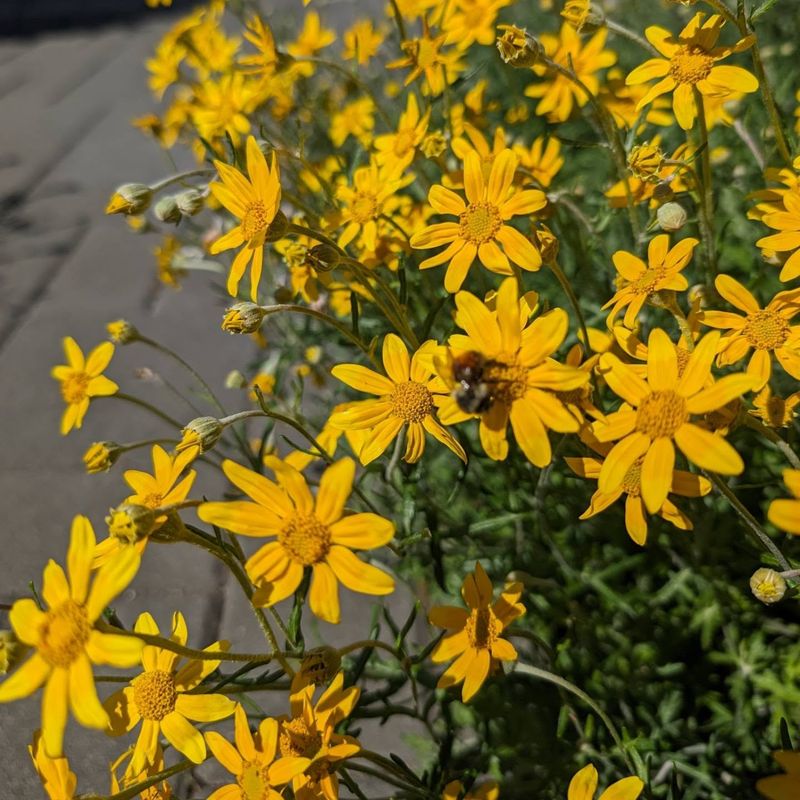
Bright yellow blooms on a soft, silvery plant? Yes, please.
Woolly Sunflower is one of those California natives that earns its keep without demanding much in return. It lights up dry, sunny spots with cheerful color from spring through early summer.
This low-growing perennial stays compact, usually reaching just 12 to 18 inches tall. That makes it a smart choice for filling gaps along pathways, borders, or rocky slopes.
Its fuzzy, gray-green leaves give it a unique texture that pairs beautifully with other native plants.
Woolly Sunflower thrives in well-drained soil and full sun, making it ideal for California gardens that deal with hot, dry summers. Once established, it needs very little water.
It also attracts native bees and butterflies, adding life and movement to the garden. Deadheading spent blooms can encourage a second round of flowers.
Whether you are planting in a coastal yard or an inland hillside, this sun-lover handles tough conditions without complaint. It spreads gently but never aggressively, which is exactly the kind of behavior every California gardener appreciates in a gap-filler.
2. Checkerbloom
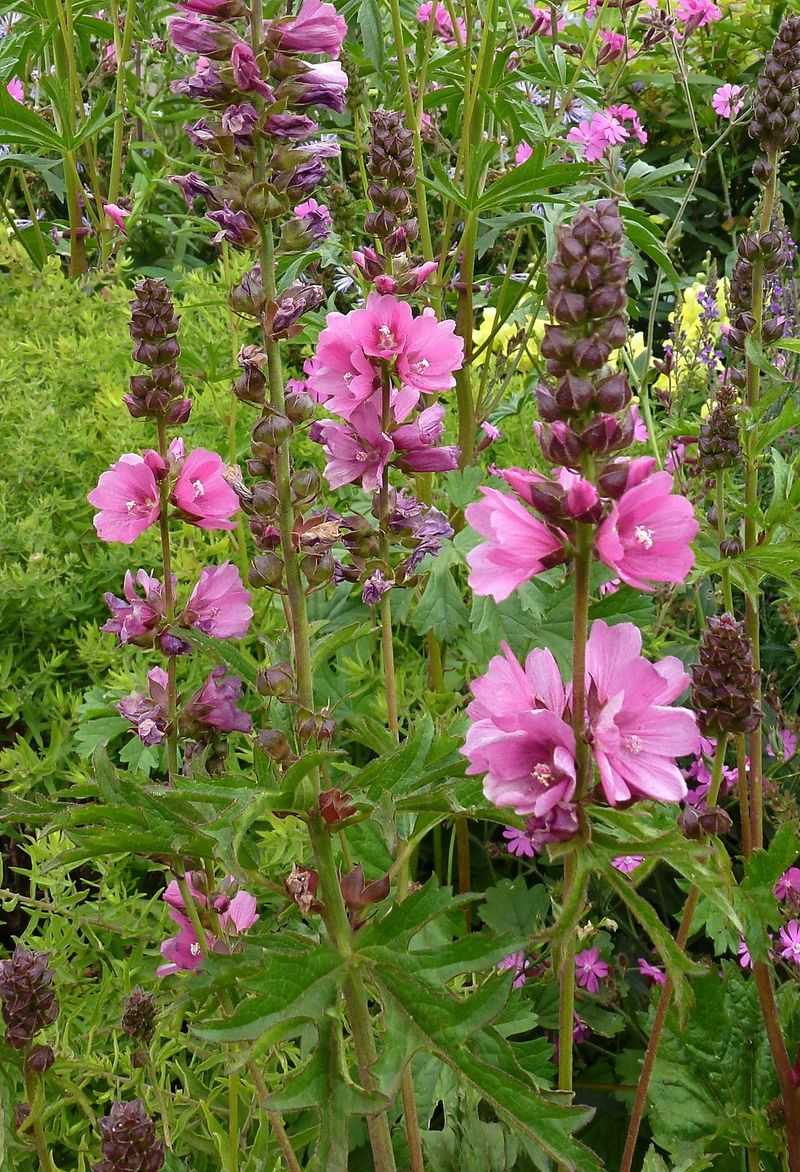
There is something quietly charming about Checkerbloom. Its soft pink flowers look almost like miniature hollyhocks, and they bloom in cheerful clusters that bring a cottage-garden feel to any California landscape.
It is one of those plants that makes people stop and ask, what is that?
Native to California, Checkerbloom grows naturally in grasslands and open woodlands. In the garden, it works wonderfully as a gap-filler between larger shrubs or along the edges of a mixed border.
It typically reaches one to two feet tall, keeping things tidy without taking over.
This perennial does well in full sun to partial shade and tolerates both clay and loamy soils. It appreciates occasional summer water but handles dry spells with surprising ease once it has settled in.
Blooms appear from spring into early summer, drawing in native bees and small pollinators. Cutting it back after flowering often encourages fresh growth.
For California gardeners looking for a pollinator-friendly plant that adds color without spreading aggressively, Checkerbloom is a reliable and rewarding choice that fits naturally into almost any planting style.
Your California Garden Changes Every Week. Your Plan Should Too.
Gardening in California changes quickly throughout the season. Every Friday you’ll receive a simple weekly plan showing exactly what to plant, prune, fertilize, harvest, and protect so you never miss the right timing.
3. Yerba Buena
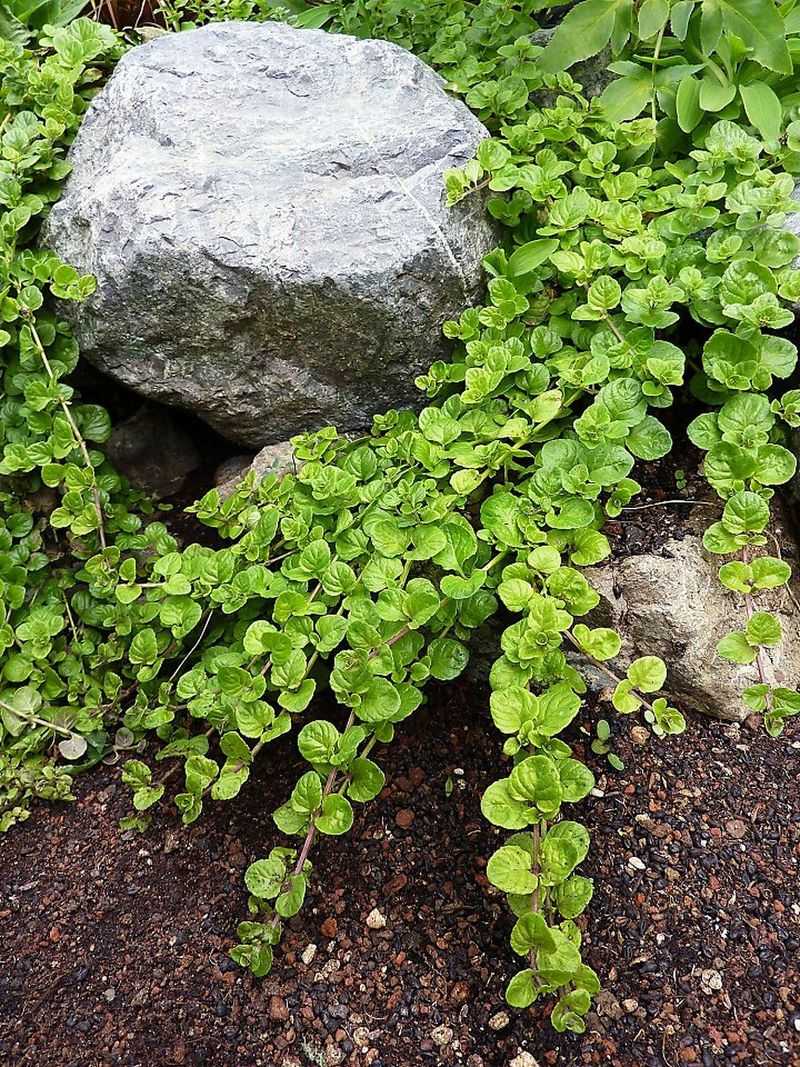
Long before coffee shops named themselves after it, Yerba Buena was a treasured plant in California. Its name means good herb in Spanish, and early settlers used it to brew a soothing, minty tea.
Today it remains one of the most beloved native ground covers in the state.
This low-growing creeper hugs the ground and spreads slowly, filling in gaps under trees and along shaded garden paths. It rarely grows taller than a few inches, making it a non-invasive option for spots where other plants struggle.
The small, round leaves are fragrant when brushed, releasing a pleasant minty scent that makes it a sensory delight.
Yerba Buena prefers partial to full shade and moist, well-drained soil. It is a natural fit for coastal and woodland gardens across California, where it can replace thirsty lawn grass under tree canopies.
Regular watering helps it thrive, but it is more drought-tolerant than it looks. Beyond its practical uses, it supports native insects and adds a soft, lush texture to the garden floor.
For anyone wanting a fragrant, well-behaved ground cover, this California classic delivers beautifully without ever overstaying its welcome.
4. Creeping Barberry
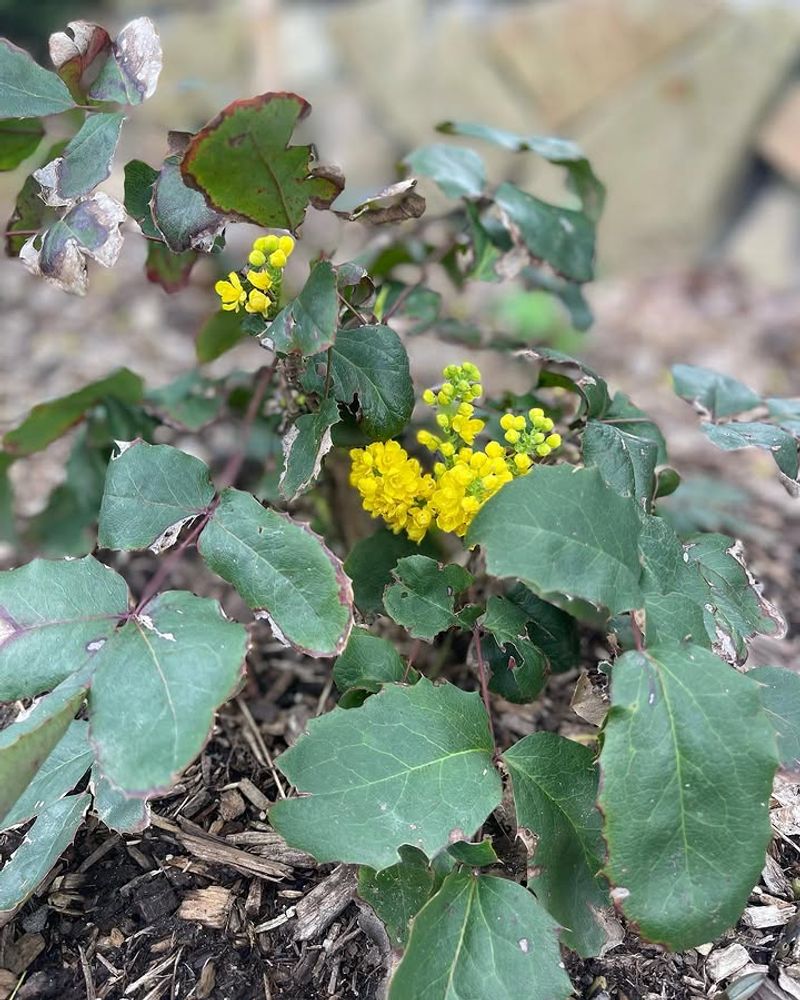
Tough, low, and surprisingly beautiful, Creeping Barberry is one of California’s most underrated native plants. It creeps along the ground at a measured pace, slowly filling bare patches without bulldozing neighboring plants.
Gardeners who want structure without effort tend to love it.
This semi-evergreen shrub stays close to the ground, typically reaching just one to two feet in height. Its glossy, holly-like leaves turn rich shades of red and orange in cooler months, giving the garden a seasonal pop of color.
In spring, small clusters of bright yellow flowers appear, followed by blue-purple berries that birds absolutely love.
Creeping Barberry handles a wide range of conditions. It grows well in full sun to partial shade and tolerates dry, rocky, or clay soils, which makes it a practical pick for challenging garden spots in California.
Once established, it needs minimal irrigation and little to no fertilizing. It works well on slopes where erosion control is needed, and it pairs nicely with taller native shrubs.
The berries also make it a wildlife-friendly addition to any yard. For gardeners who want year-round interest with almost zero fuss, this plant rarely lets anyone down.
5. Deergrass
Some plants anchor a garden the way a good piece of furniture anchors a room. Deergrass does exactly that.
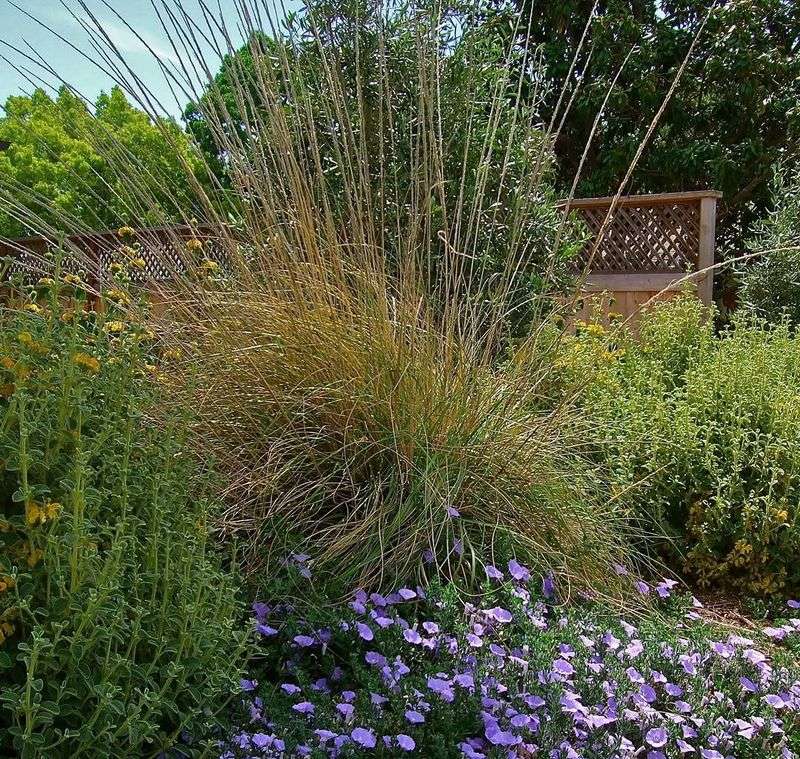
This native California bunchgrass forms dense, graceful clumps that add structure and movement to garden spaces, especially when the wind passes through its feathery seed stalks.
Growing two to four feet tall, Deergrass fills medium-sized gaps with real visual presence. Its long, slender leaves arch outward in a fountain-like shape, creating a soft but bold look.
In late summer and fall, tall purplish flower spikes rise above the foliage, catching the light in a way that feels almost cinematic.
This grass is incredibly adaptable across California. It handles full sun, partial shade, clay soil, and long dry periods once established.
It is also deer-resistant, which is a big bonus in many California neighborhoods where deer browse regularly. Deergrass requires almost no maintenance beyond an occasional trim in late winter to encourage fresh growth.
It works beautifully in naturalistic plantings, along dry creek beds, or as a backdrop for flowering natives. Birds and small wildlife use the clumps for shelter too, making it as functional as it is attractive in a California-friendly garden.
6. California Aster
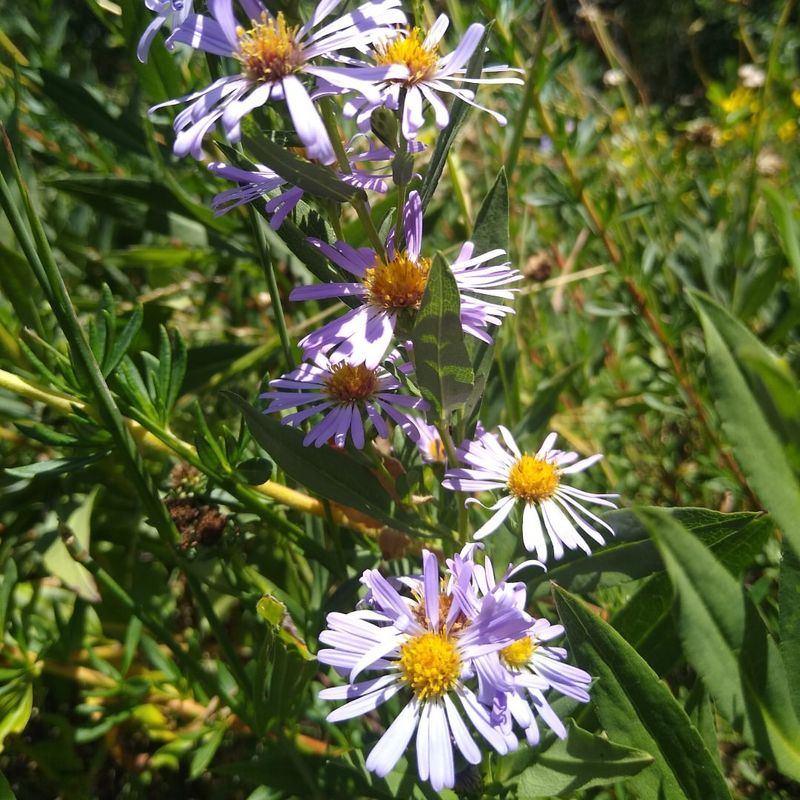
When most California gardens start winding down in late summer, California Aster is just getting started. Its cheerful lavender-purple flowers bloom from late summer through fall, offering color at a time when many other plants have gone quiet.
That alone makes it worth growing.
This perennial wildflower spreads through underground runners, slowly filling gaps in a tidy and manageable way. It typically grows one to three feet tall, forming soft, airy masses of blooms that feel wild and natural without looking messy.
The small daisy-like flowers are a favorite stop for monarch butterflies and native bees making their seasonal migrations.
California Aster grows naturally in coastal prairies and wetland edges across the state, but it adapts well to average garden conditions. It prefers full sun to light shade and does fine with moderate water.
It can handle some summer dryness, especially when planted in cooler coastal areas of California. Cutting it back in early spring keeps the plant tidy and encourages vigorous new growth.
For gardeners who want late-season color and a pollinator magnet that spreads at a polite pace, California Aster is a smart and satisfying addition to any native plant garden.
7. Santa Barbara Daisy
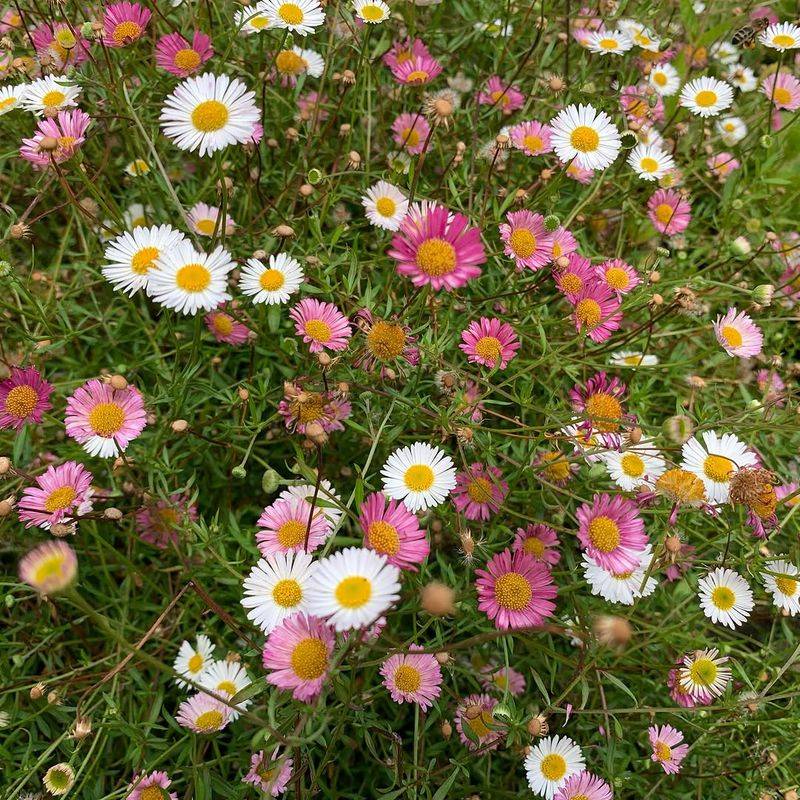
Few plants are as effortlessly charming as Santa Barbara Daisy. It tumbles over walls, fills cracks between pavers, and spills out of pots with a carefree energy that makes every garden look more relaxed and lived-in.
And it does all of this while staying surprisingly well-behaved.
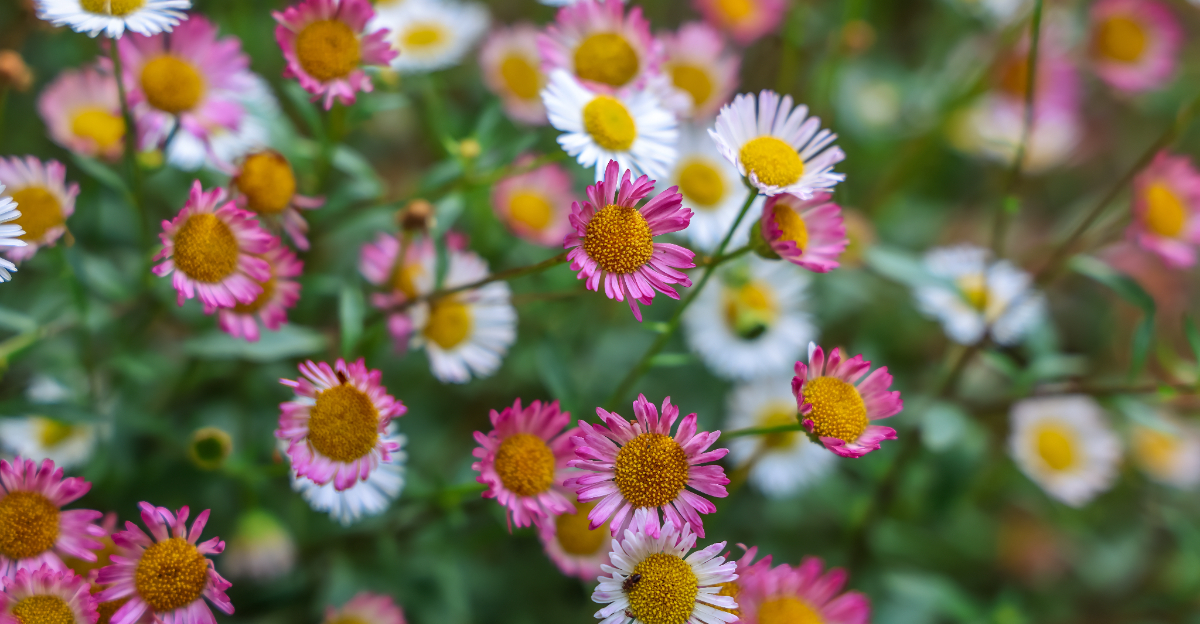
Originally from Mexico, this perennial has naturalized beautifully throughout California, especially in coastal and mild-climate regions. Its tiny flowers open white and slowly turn pink as they age, so the plant carries two colors at once, giving it a whimsical, old-world cottage feel.
Blooms appear almost year-round in mild California climates.
Santa Barbara Daisy thrives in full sun to partial shade and handles dry conditions with ease. It self-seeds modestly, which helps it fill gaps naturally without becoming a nuisance.
If it ever gets too enthusiastic, a quick trim keeps it in check. It is a favorite for softening hard edges along borders, retaining walls, and raised beds.
Hummingbirds and butterflies visit its flowers regularly, adding life to the garden. For California gardeners who want something that looks effortless and blooms generously, this cheerful little plant is practically impossible to dislike.
8. Island Alum Root
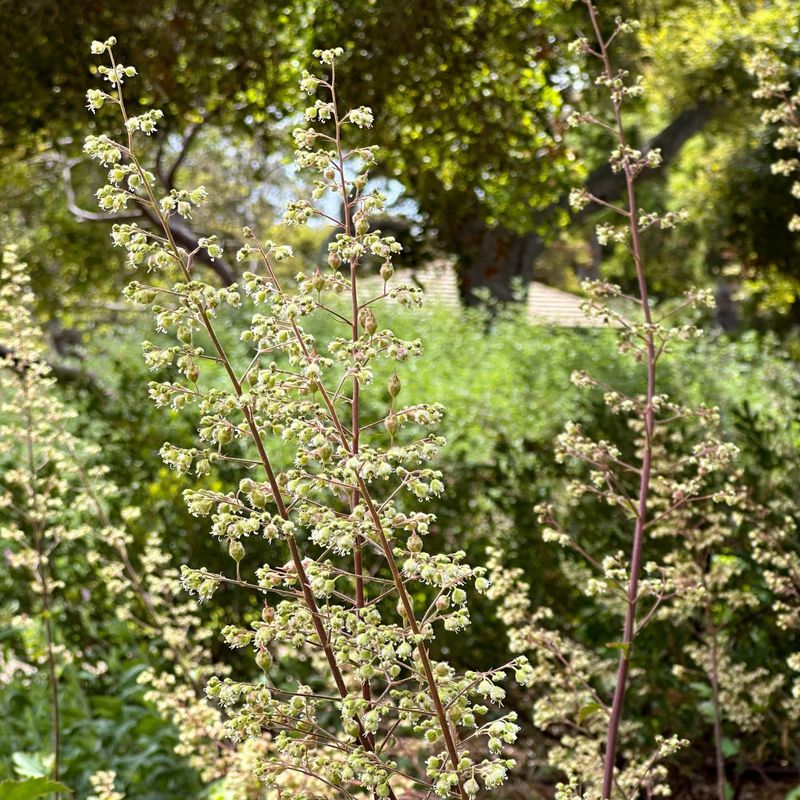
Shady garden corners can be some of the hardest spots to fill. Island Alum Root was practically made for them.
Native to the Channel Islands off the California coast, this evergreen perennial brings bold foliage and elegant flowers to spots that other plants avoid.
Its large, lobed leaves form a dense, ground-hugging mound that smothers weeds and holds moisture in the soil beneath. In late winter and spring, tall wand-like stalks rise above the foliage, topped with clusters of small white to pinkish flowers.
Hummingbirds are drawn to these blooms almost immediately.
Island Alum Root grows best in partial to full shade with well-drained soil. It handles drought better than most shade plants, which is a real advantage in California gardens where water conservation matters.
Once established, it needs only occasional deep watering through the dry season. It pairs especially well with ferns, native grasses, and other shade-loving California plants.
This plant is also relatively deer-resistant, which makes it a practical choice for gardens in foothill and coastal communities. For anyone struggling to bring life to a shaded, dry corner, Island Alum Root is a dependable and visually striking solution that earns its place year after year.
9. Foothill Penstemon
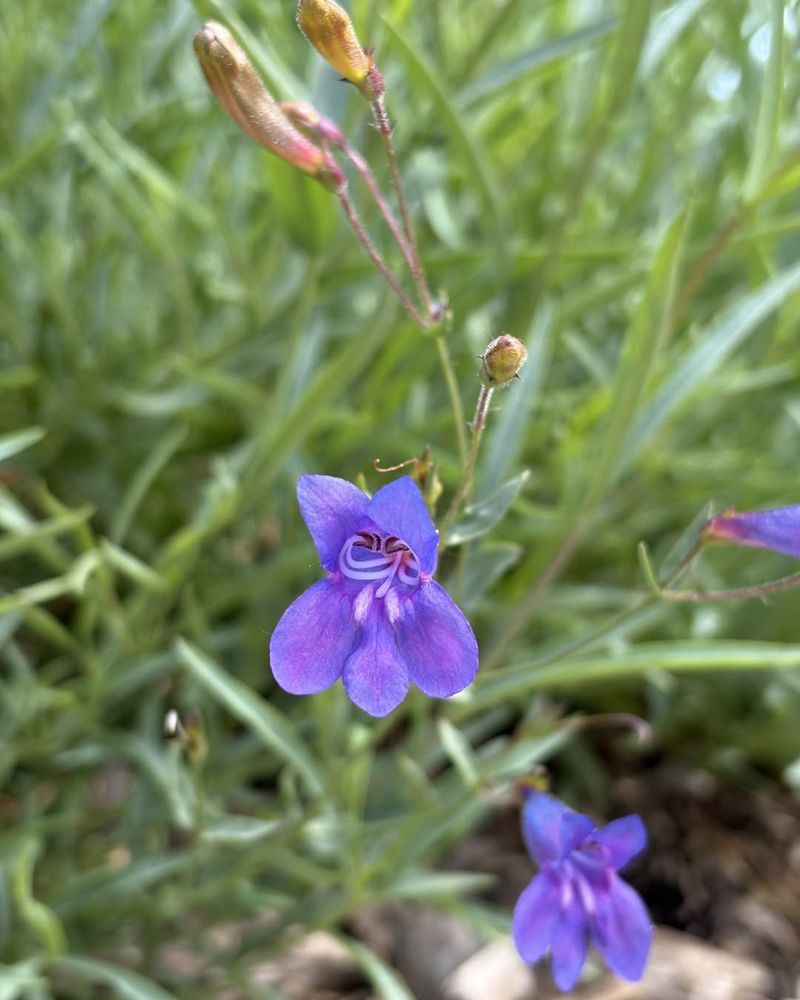
Bold, electric, and absolutely loved by hummingbirds, Foothill Penstemon is one of the most visually striking gap-fillers in the California native plant world. Its tubular flowers bloom in a vivid blue-purple that practically glows in the afternoon sun, drawing attention from across the garden.
This perennial grows naturally in the foothills and chaparral regions of California, where it thrives in rocky, well-drained soils under full sun. In the garden, it reaches about one to three feet tall, creating a mid-height accent that works well between larger shrubs or along sunny borders.
Blooms appear from spring into early summer and sometimes again in fall with a little water.
Foothill Penstemon is exceptionally drought-tolerant once established, making it a smart pick for water-wise California gardens. It dislikes heavy clay and overwatering, so good drainage is key to keeping it healthy.
Cutting stems back after the first bloom can encourage a second flowering. Beyond its beauty, it is a critical food source for hummingbirds and native bees throughout the season.
If you are looking for a plant that delivers serious color, supports pollinators, and thrives in tough California conditions, Foothill Penstemon belongs in your garden without question.
10. Beach Strawberry
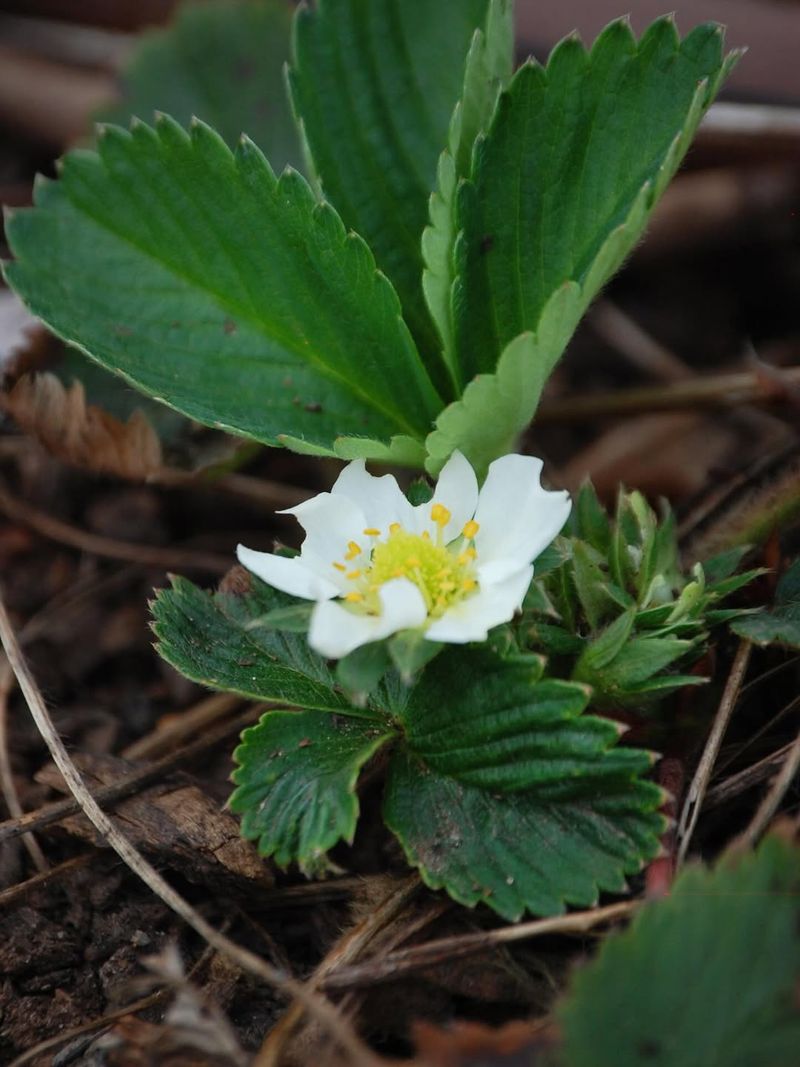
Imagine a ground cover that looks lush, spreads at a steady pace, and actually produces edible fruit. Beach Strawberry does all of that.
Native to the California coast, this low-growing perennial has been filling gaps in gardens and stabilizing sandy soils for centuries.
Its dark green, glossy leaves form a dense mat that chokes out weeds while staying attractive year-round. White flowers appear in spring, followed by small but flavorful red strawberries that birds and people both enjoy.
The plant spreads through runners, filling in open areas steadily without becoming aggressive.
Beach Strawberry grows best in full sun to partial shade and prefers well-drained, sandy or loamy soil. It thrives in coastal California gardens but adapts well to inland areas with moderate watering.
Once established, it handles dry spells reasonably well and requires little fertilizer. It works beautifully as a lawn alternative in smaller spaces or as a border plant along pathways.
Its low profile, typically just six inches tall, keeps it from crowding out taller neighbors. For California gardeners wanting a functional, wildlife-friendly, and visually appealing ground cover that earns its space in multiple ways, Beach Strawberry is a natural and rewarding choice.
11. Creeping Snowberry
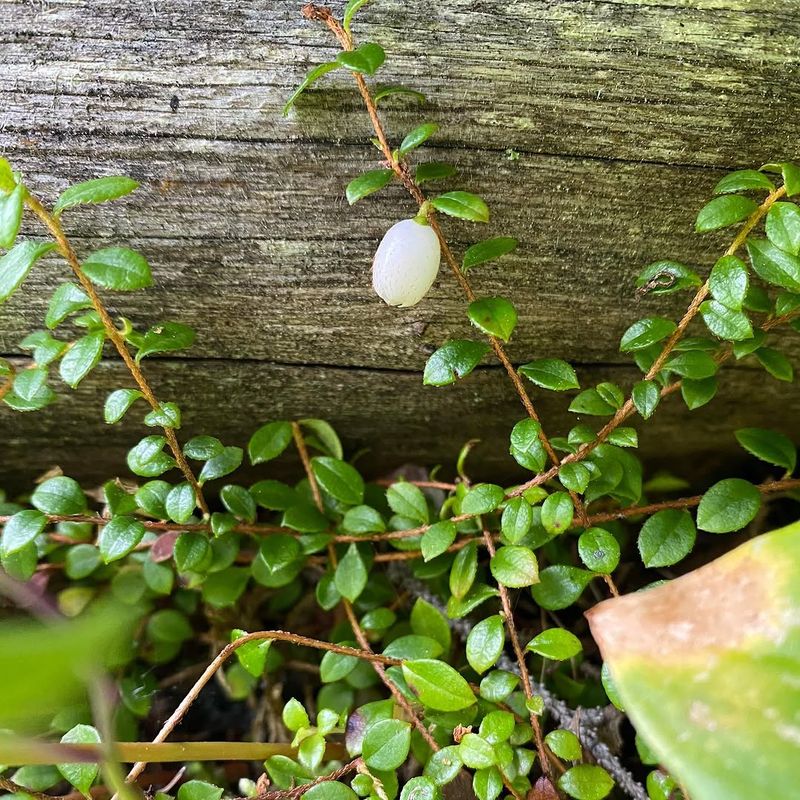
Not every garden hero stands tall. Creeping Snowberry works quietly at ground level, spreading beneath trees and across shaded slopes where most plants simply refuse to grow.
It is modest in height but mighty in function, and California native gardeners have long relied on it for exactly that reason.
This low-growing shrub rarely exceeds one foot in height, but it spreads outward through trailing stems to form a soft, weed-suppressing mat. Small pink bell-shaped flowers appear in spring, and by summer, clusters of white berries take their place.
Those berries are a favorite food source for birds, especially thrushes and robins that pass through California during migration season.
Creeping Snowberry grows naturally in shaded woodlands and chaparral across California, which means it is well-suited to dry shade, one of the toughest garden conditions to work with. It handles clay and rocky soils without complaint and needs very little summer water once established.
It is also deer-resistant, which is a welcome quality in many California communities. Pairing it with taller native shrubs or under oak trees creates a layered, naturalistic look that feels right at home in the California landscape.
For shaded gaps, this plant is genuinely hard to beat.