Smart May Tricks Oregon Gardeners Use To Stop Weeds Before They Spread
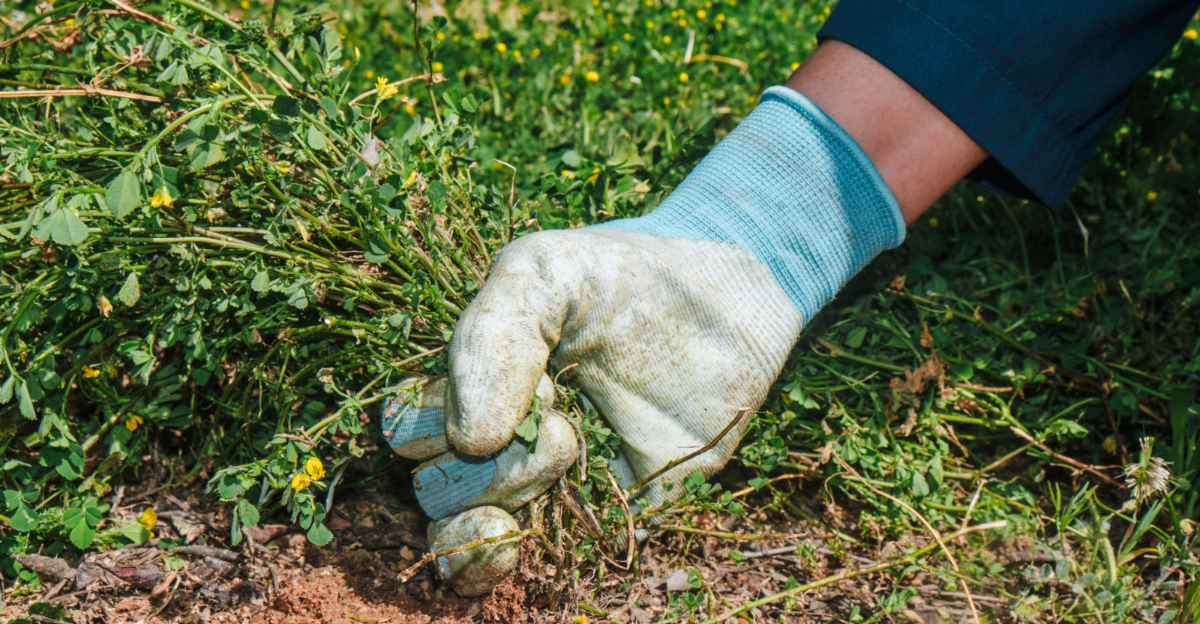
May in Oregon can make a garden look like it is bursting with good intentions. The soil is warming, spring moisture is still hanging around, and plants are putting on fresh growth so quickly it almost feels like you can see it happening.
Of course, weeds love that same setup just as much. They pop up in beds, along pathways, and around young plants with some very bold timing.
Across Oregon, this is the month when a few overlooked sprouts can turn into a much bigger mess by summer.
The upside is that May is also a great time to get ahead of them.
A little effort now can keep garden beds cleaner, protect the plants you actually want, and save you from spending warm summer days muttering at weeds under your breath.
That alone is a pretty good reason to act early.
1. Apply Mulch Early To Reduce New Weed Germination
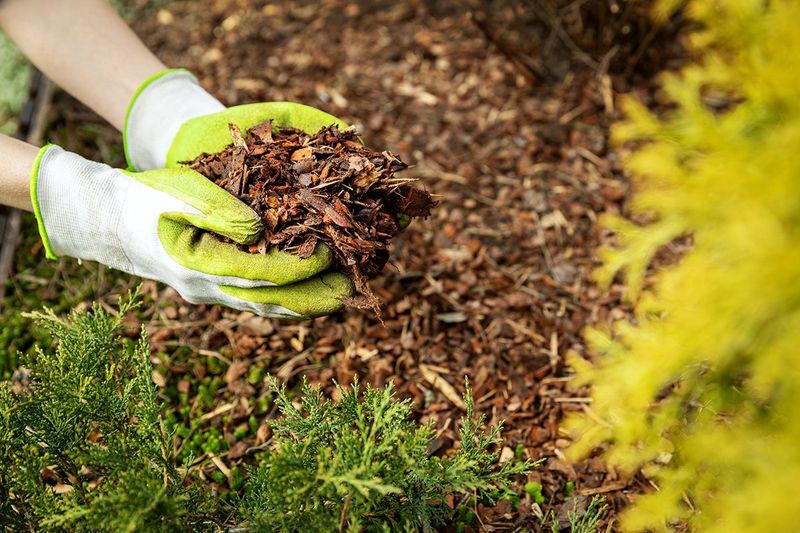
Fresh mulch laid down in early May is one of the most reliable tools an Oregon gardener has against weed pressure.
When soil temperatures start climbing and spring rains taper off, weed seeds that have been waiting just below the surface get the signal they need to sprout.
A layer of mulch two to three inches thick blocks much of that light and warmth, making it much harder for those seeds to get going.
Wood chips, straw, and shredded bark all work well in Oregon home gardens. Finer mulches tend to break down faster in wetter western Oregon climates, which can actually improve soil over time.
In drier parts of Central Oregon, coarser mulch holds moisture longer and needs less frequent topping off.
Timing really matters here. Applying mulch before weeds get a foothold is far more effective than trying to smother them after they have already sprouted.
Pull any visible weeds first, then lay the mulch while the soil is still moist from spring rain. That combination gives garden beds a strong head start and keeps weed numbers noticeably lower through the summer months.
2. Pull Weeds When Soil Is Moist After Rain
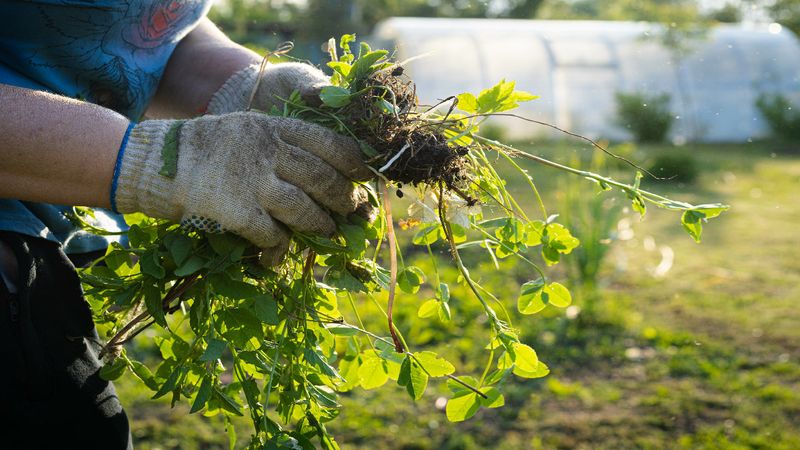
Oregon’s spring rain is one of the few things that actually makes weeding easier. Damp soil loosens its grip on plant roots, allowing even deep-rooted weeds to come out cleanly when pulled by hand.
Gardeners who wait until the ground dries out often find that roots snap off below the surface, leaving the plant to regrow from the leftover root system.
The window right after a good rain, usually within a day or two, is the best time to get outside and work through garden beds. The soil is soft enough to pull whole roots without much effort, and smaller seedlings slide out almost effortlessly.
A simple hand trowel or weeding fork helps loosen anything stubborn without disturbing nearby plants.
In western Oregon, where spring rain is frequent, gardeners often have several good pulling opportunities each week through May. In drier parts of the state, watering beds the evening before a planned weeding session gives similar results.
Your Oregon Garden Changes Every Week. Your Plan Should Too.
Gardening in Oregon changes quickly throughout the season. Every Friday you’ll receive a simple weekly plan showing exactly what to plant, prune, fertilize, harvest, and protect so you never miss the right timing.
Getting roots out completely rather than just breaking them off at the surface is what separates a quick fix from a lasting one, and moist soil makes that possible far more often.
3. Use A Hula Hoe Or Stirrup Hoe For Surface Cultivation
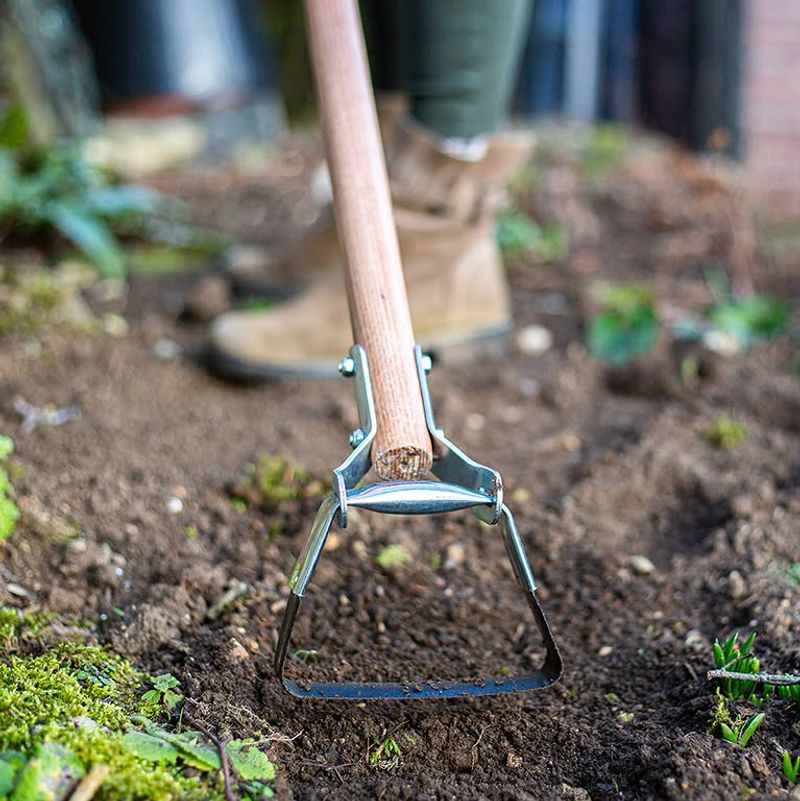
Not every weed needs to be pulled by hand. For shallow-rooted annual weeds that pop up between rows of vegetables or along garden pathways, a hula hoe, sometimes called a stirrup hoe, can move through a bed quickly and efficiently.
The blade rocks back and forth with each push and pull stroke, cutting weed seedlings just below the soil surface without turning up large amounts of soil.
Surface cultivation works best on small seedlings before they develop strong root systems. May is a prime time for this because annual weeds are still young and their roots are shallow.
Running a hula hoe through a bed every week or two prevents those seedlings from ever getting established, and the disrupted seedlings dry out quickly on the soil surface.
One thing worth noting is that cultivation works better in drier conditions. Doing it on a sunny morning gives cut seedlings less chance to re-root before they dry out.
In the wetter parts of western Oregon, checking the forecast before cultivating helps. This tool is especially handy in vegetable gardens and raised beds where weeds tend to come up quickly in the loose, fertile soil that makes vegetables thrive too.
4. Cut Weeds Before They Set Seed
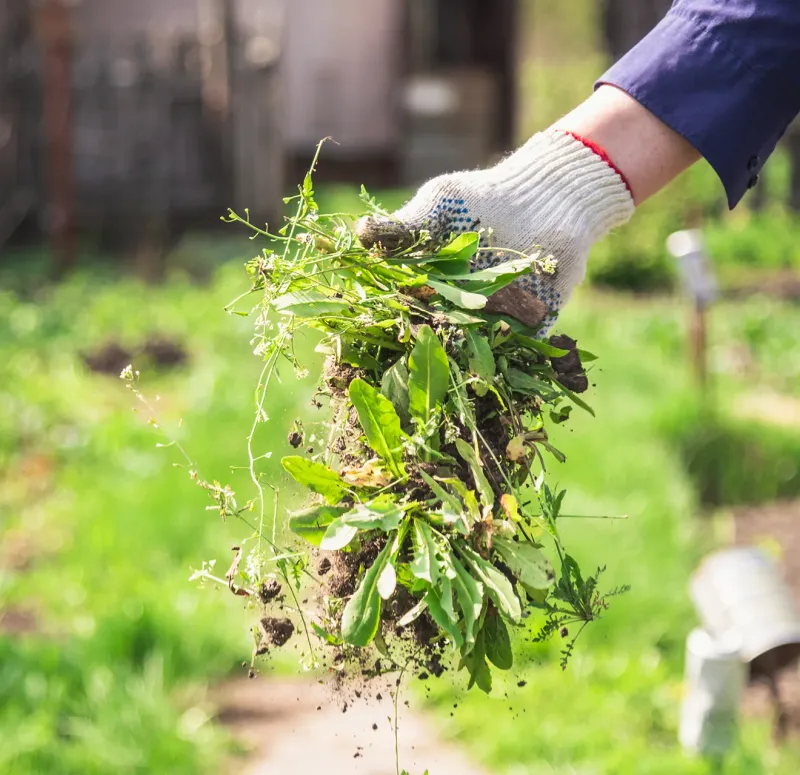
Catching weeds before their flowers open is one of the most impactful things an Oregon gardener can do in May. A single weed plant can produce hundreds or even thousands of seeds, and those seeds can remain viable in the soil for years.
Cutting weeds before seed heads form breaks that cycle and significantly reduces future weed pressure without requiring the roots to be removed right away.
Hairy bittercress, shotweed, and common chickweed are among the weeds that can go from flower to seed very quickly in Oregon’s mild spring conditions.
Bittercress in particular has seed pods that launch seeds outward when disturbed, so cutting it before the pods form is especially helpful.
A quick pass with pruning shears or even a string trimmer along borders and pathways can catch a lot of weeds in a short amount of time.
Removing the cut material matters too. Leaving cut weed tops on the soil surface is fine if no seed heads are present, but anything showing flowers or early seed development should go into the trash, not the compost pile.
Home compost piles often do not reach temperatures high enough to reduce seed viability. This one step alone can make a noticeable difference in how many weeds appear the following spring.
5. Plant Dense Ground Covers To Help Shade Out Weeds

Bare soil is an open invitation for weeds. Wherever there is exposed ground in a garden bed, weed seeds will eventually find it.
Planting dense, low-growing ground covers is a longer-term strategy that reduces the amount of open soil available and shades out many weed seedlings before they can get established.
Plants like creeping thyme, ajuga, sweet woodruff, and low-growing sedges all work well in Oregon gardens depending on sun exposure and soil moisture.
In shadier spots, sweet woodruff spreads steadily and forms a mat that outcompetes many common weeds.
In sunnier, drier areas, creeping thyme is tough, fragrant, and handles Oregon summers well once it is established.
The key is getting ground covers established before weeds move in, which is why May planting makes so much sense. Spring moisture and moderate temperatures help new plants root quickly and spread through the season.
Combining ground covers with a light layer of mulch around new transplants gives the best results during the first season while the plants are filling in.
Over time, a well-chosen ground cover reduces weeding time substantially and adds texture and visual interest to garden spaces that might otherwise stay empty and weed-prone.
6. Use Cardboard Sheet Mulching In New Beds
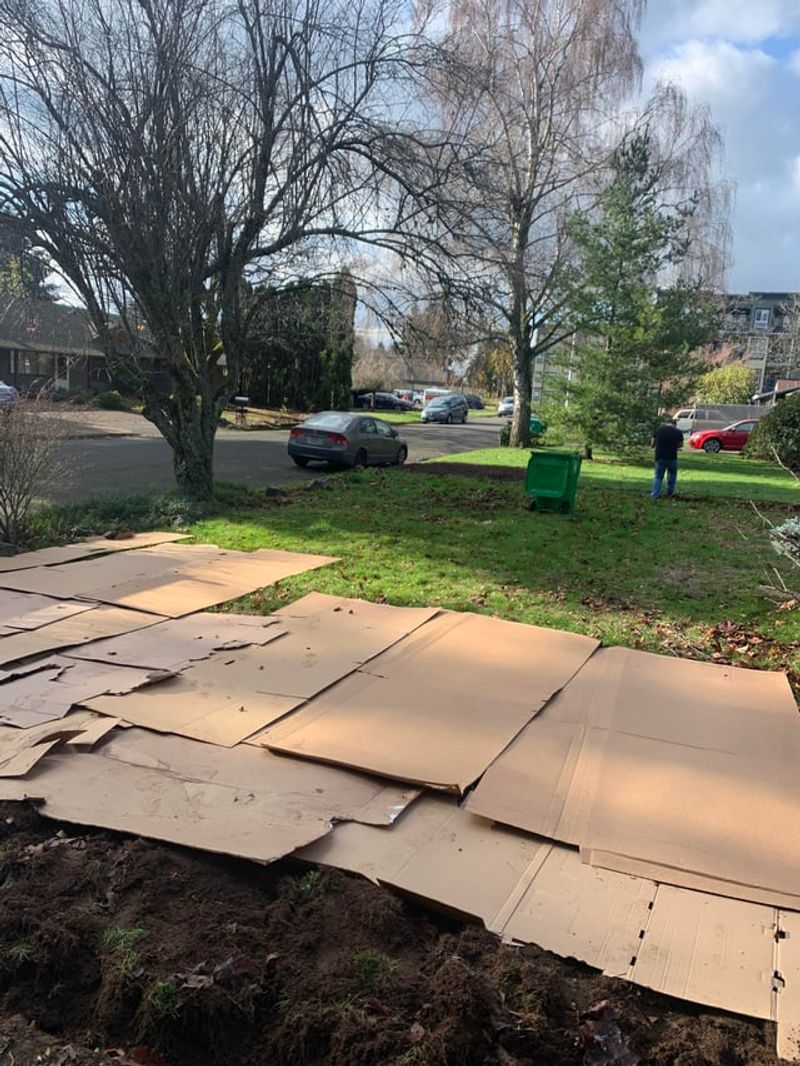
Starting a new garden bed in May can feel overwhelming when weeds are already growing in the area. Sheet mulching with cardboard offers a low-cost, practical way to smother existing weeds and grass without digging.
Overlapping layers of plain cardboard are placed directly over the area, then covered with several inches of compost, wood chips, or a combination of both.
The cardboard blocks light and suppresses whatever is growing underneath while slowly breaking down and improving soil structure.
In Oregon’s spring conditions, the combination of soil moisture and moderate temperatures helps the cardboard break down reasonably well over a few months.
By late summer or fall, the area is usually ready for planting directly into the improved soil layer above.
A few practical tips make this method work better. Remove any tape or staples from cardboard before laying it down.
Overlap pieces by at least six inches to prevent weeds from finding gaps. Wet the cardboard thoroughly before adding the top layer of mulch to help it conform to the soil surface and begin breaking down faster.
Sheet mulching works especially well in Oregon for converting lawn areas or weedy patches into productive raised beds or ornamental borders without the back-breaking work of digging everything out by hand.
7. Hand Pull Problem Weeds Like Lesser Celandine Early
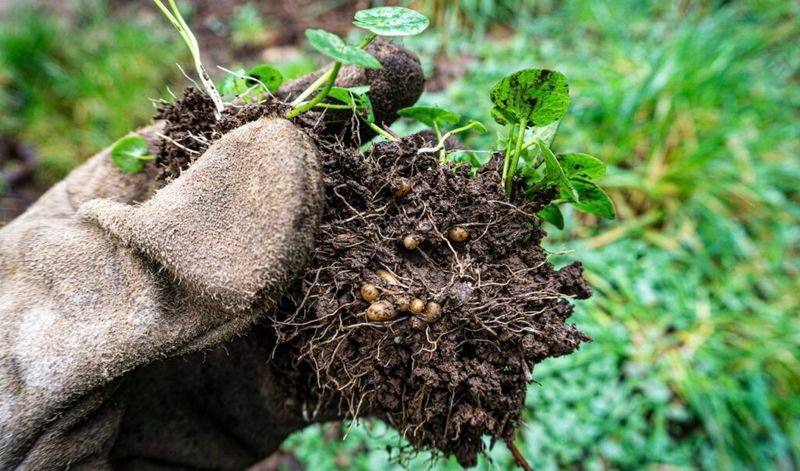
Lesser celandine is one of those weeds that Oregon gardeners quickly learn to respect. It spreads aggressively in moist, shaded areas and produces both seeds and tiny underground bulbils that break off during removal and can grow into new plants.
By the time it forms a thick mat, managing it becomes a serious and time-consuming project.
May is actually a helpful window for tackling lesser celandine because the plants are still actively growing and visible before they die back in early summer. Hand pulling works best when done carefully in moist soil, removing as much of the root and bulbil material as possible.
Working slowly and thoroughly in a small area is more effective than rushing through a large patch.
Disposing of pulled plants in sealed bags rather than composting them is strongly recommended since bulbils can survive and spread through compost. Repeating removal each spring over several years gradually reduces the population in a given area.
In parts of western Oregon where lesser celandine has spread widely along stream banks and shaded garden edges, getting started early each May and being consistent year after year gives gardeners the best chance of keeping it from taking over more of the garden.
8. Avoid Tilling Soil Unnecessarily And Bringing Up Weed Seeds
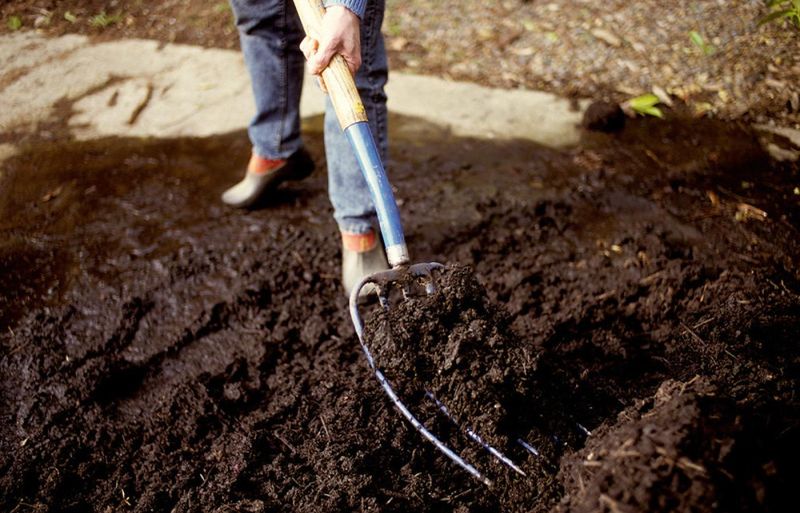
There is a common gardening habit of turning soil over each spring to loosen it and prepare beds, but this practice has a significant downside when it comes to weeds.
Weed seeds can remain dormant in the soil for years, sometimes buried several inches down where they receive little light.
Tilling brings those seeds up near the surface where warmth and light trigger rapid germination.
Reducing tillage, or avoiding it altogether in established beds, keeps dormant seeds buried and out of the germination zone.
In Oregon gardens where soil is already reasonably loose and biologically active, minimal disturbance combined with top-dressing compost achieves good results without stirring up the seed bank below.
When some soil disturbance is unavoidable, such as when transplanting or dividing perennials, working only in the immediate area of the plant rather than across the whole bed helps limit how many seeds get moved to the surface.
In raised beds with loose, well-amended soil, a hand trowel or narrow fork used carefully for spot work causes far less disruption than broad tilling.
Keeping soil disturbance small and intentional in May, when weed seeds are primed to sprout, makes a real difference in how clean beds stay through the rest of the growing season.
9. Remove Small Weeds Early While They Are Easier To Manage
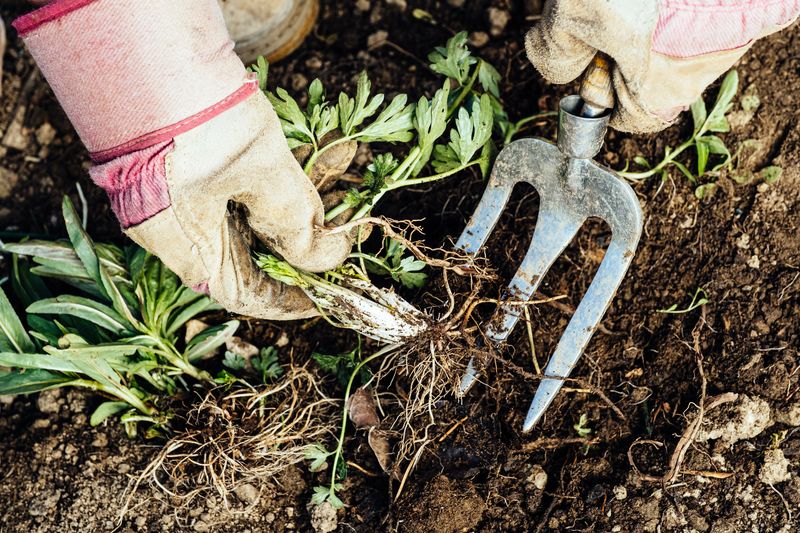
Weeds at the seedling stage are almost shockingly easy to remove compared to what they become a few weeks later.
A small plant with a shallow root system comes out with almost no effort, while that same plant allowed to grow for another month may require real work to extract.
The difference between a five-minute job and a thirty-minute one often comes down to acting a week or two sooner.
In May, weed seedlings appear quickly across Oregon gardens following warm rain. Making a habit of a short weeding walk through the garden every few days catches most of them while they are still tiny.
A simple hand weeder or even a gloved hand is enough to clear a surprising amount of ground in a short time when plants are small.
Keeping a small bucket or trug nearby while walking the garden makes it easy to collect pulled seedlings without making multiple trips. Weeds without seed heads can go directly into a compost pile, which simplifies cleanup.
The mental shift of treating weeding as a quick, regular task rather than a major seasonal project changes how manageable it feels.
Small and frequent is almost always easier than large and occasional when it comes to spring weeding in an Oregon garden.
10. Check Moist, Shaded Areas More Frequently In May
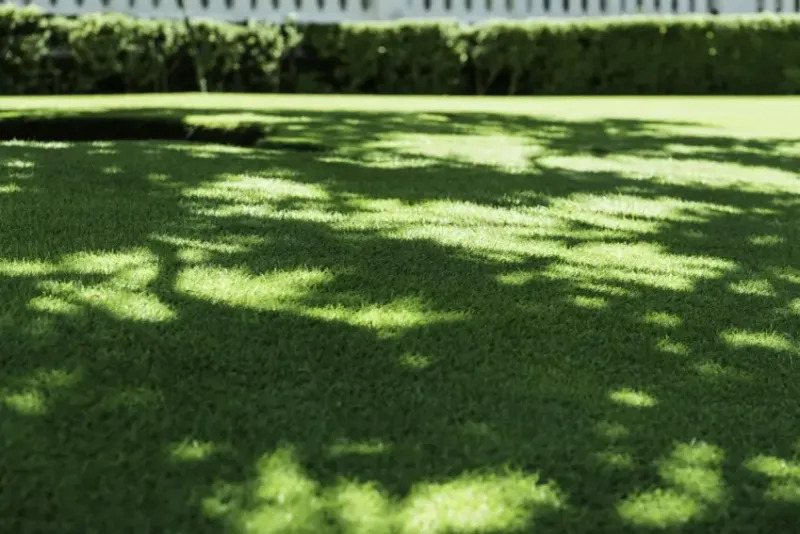
Shaded, damp corners of Oregon gardens tend to be the spots that get overlooked until weeds have completely taken hold.
Spots under trees, along north-facing fences, near downspouts, and in low areas where water collects stay moist longer into May and create ideal conditions for certain weeds that thrive in cool, shady environments.
Checking these areas regularly makes a real difference.
Weeds like ground ivy, herb Robert, and hairy bittercress are particularly fond of shaded, moist conditions and can spread quickly in the parts of Oregon that receive heavy spring rainfall.
Because these areas dry out more slowly, the weeds growing there often stay tender and easy to pull longer than weeds in sunnier spots.
That is actually an advantage for gardeners who visit these corners often.
Building shaded, moist spots into a regular May garden check, even if just a few minutes each visit, prevents small problems from becoming dense patches.
Adding a light layer of mulch to these areas after clearing them helps slow regrowth and keeps the soil from staying quite as bare.
In western Oregon especially, where shade and moisture combine for much of May, these tucked-away corners deserve just as much attention as the sunny vegetable beds that tend to get most of the focus.