8 Pennsylvania Flowers To Grow Instead Of Geraniums For Long-Lasting Blooms
Pennsylvania gardeners know the joy of a flower that just keeps showing off. Geraniums have earned their spot in porch pots, window boxes, and sunny beds all across the state, and honestly, it is not hard to see why.
They bring bright color, a classic look, and that cheerful “someone definitely gardens here” energy.
Still, once summer heat rolls in, it is only natural to start eyeing other flowers that seem determined to keep the color party going even longer.
Some plants bloom right through the hottest stretch, some keep pushing well into fall, and a few seem weirdly committed to never taking a break. That kind of stamina is hard not to admire.
For Pennsylvania gardeners who want containers, borders, and beds to stay lively for more of the season, there are plenty of beautiful options worth a closer look.
1. Zinnias Bring Bold Color All Summer Long
Few flowers match the sheer cheerfulness of zinnias when the summer sun is blazing and other plants start to look tired.
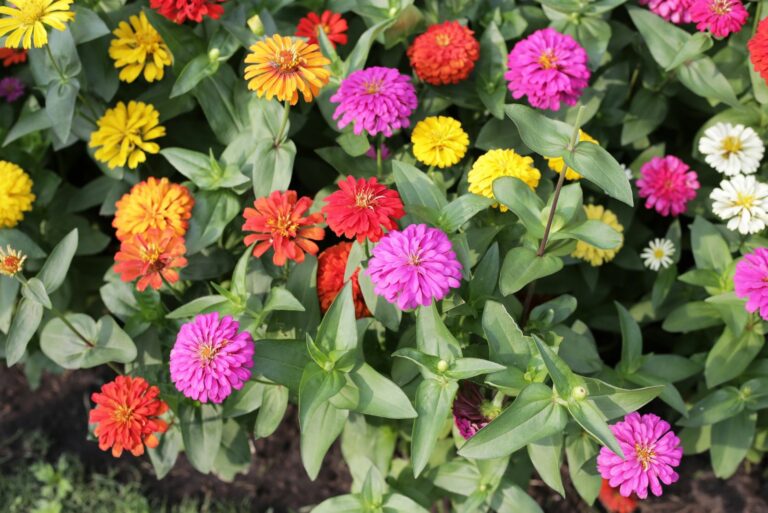
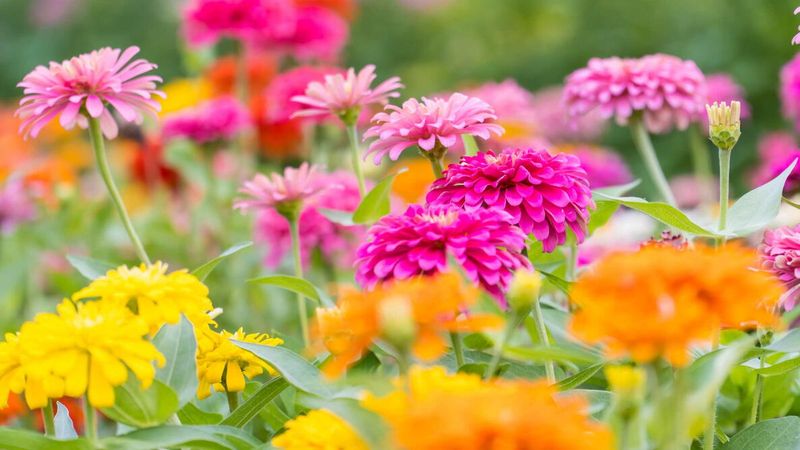
These fast-growing annuals come in an almost dizzying range of colors, from deep scarlet and bright orange to soft cream and bi-colored varieties that look like they belong in a painting.
In Pennsylvania, zinnias tend to hit their stride right when summer heat kicks in, making them a natural fit for sunny garden beds and large patio containers.
Zinnias grow best in full sun and well-drained soil, and they respond well to regular watering at the base rather than overhead.
Deadheading spent blooms encourages the plant to keep pushing out new flowers, which is part of why they can stay colorful for such a long stretch of the season.
Some gardeners skip deadheading entirely and still get a solid show, though removing faded flowers tends to keep plants looking their best.
In Pennsylvania, zinnias can be direct-seeded into the garden after the last frost or started indoors a few weeks earlier for a head start. They tend to bloom from early summer right through the first frost, giving borders and beds a reliable burst of color.
Tall varieties work well at the back of a border, while compact types suit containers and edging. Their heat tolerance makes them a practical and rewarding choice for Pennsylvania home gardens.
2. Lantana Keeps Blooming Late Into The Season
Walk past a lantana plant on a hot August afternoon and you will likely notice that it looks completely unbothered by the heat.
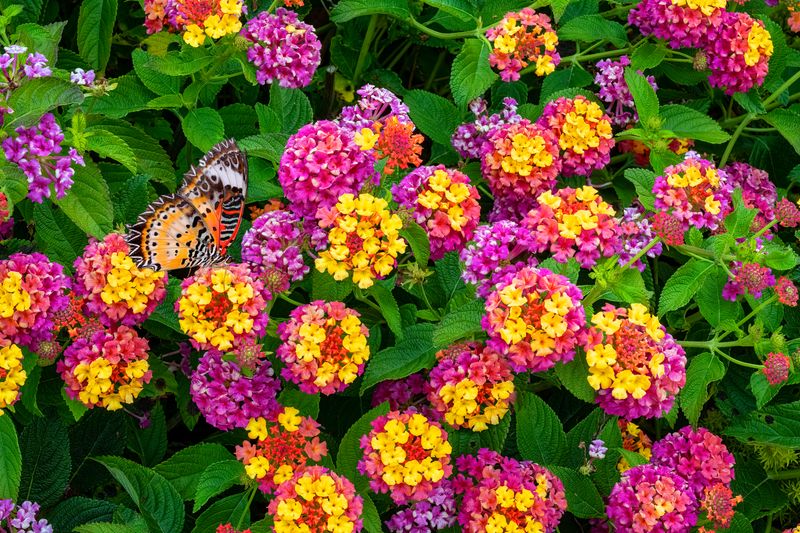
Lantana is one of those flowers that actually seems to enjoy the warmest, most humid stretches of a Pennsylvania summer, continuing to push out clusters of tiny, jewel-toned blooms when other plants start to slow down.
The flowers typically come in warm combinations of yellow, orange, red, and pink, often with multiple colors appearing on a single flower cluster.
Lantana works well in containers on sunny porches and decks, as well as in garden beds that receive at least six hours of direct sunlight each day.
It is drought-tolerant once established, though regular watering during dry spells helps keep the blooms coming.
Your Pennsylvania Garden Changes Every Week. Your Plan Should Too.
Gardening in Pennsylvania changes quickly throughout the season. Every Friday you’ll receive a simple weekly plan showing exactly what to plant, prune, fertilize, harvest, and protect so you never miss the right timing.
In Pennsylvania, lantana is grown as an annual since it is not cold-hardy enough to survive winters here, but it performs so well during the warm months that many gardeners consider it worth planting every year.
One of lantana’s most appealing qualities is that it rarely needs deadheading to keep blooming. The plant tends to self-clean, dropping spent flowers and replacing them with new clusters throughout the season.
Pollinators, especially butterflies and bees, visit lantana frequently, which adds extra life and movement to a garden. For Pennsylvania gardeners who want a low-fuss flower that keeps delivering color well into fall, lantana is a strong and reliable option.
3. Cosmos Add Airy Flowers That Keep Coming
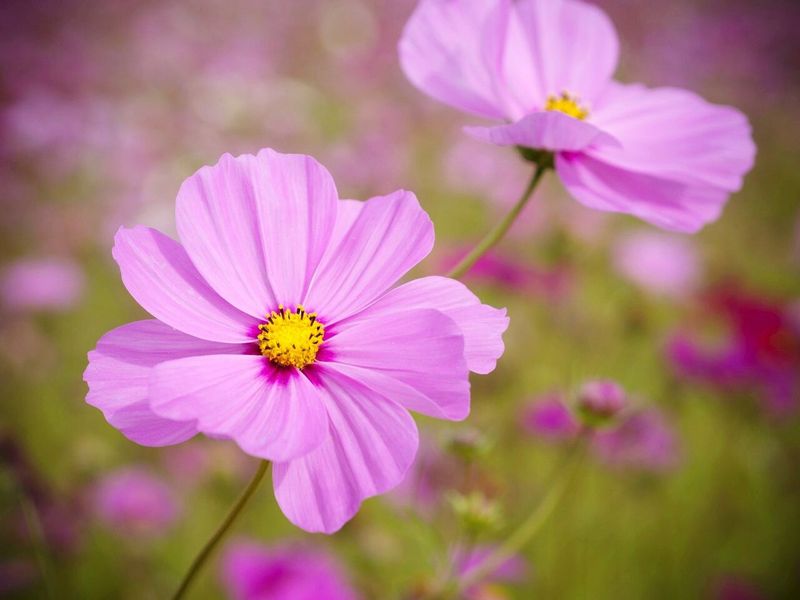
There is something almost effortless about the way cosmos grows, sending up tall, feathery stems topped with delicate flowers that sway gently in a summer breeze.
Cosmos is a self-seeding annual that can fill a garden bed with color from midsummer through frost, making it one of the more generous bloomers a Pennsylvania gardener can choose.
The flowers come in shades of pink, magenta, white, and bicolored varieties, and they have a soft, cottage-garden quality that pairs nicely with bolder summer flowers.
Cosmos prefers full sun and actually does better in soil that is not overly rich. Too much fertilizer tends to push leafy growth at the expense of flowers, so a lean soil approach often works well.
In Pennsylvania, cosmos can be direct-seeded after the last frost date, and it germinates quickly.
Plants grow fast and can reach several feet in height depending on the variety, so placing them toward the back of a border gives smaller plants room to shine in front.
Regular deadheading keeps cosmos producing new blooms at a steady pace, though even without it the plants tend to reseed and continue flowering.
The airy texture of cosmos leaves and stems adds a light, open quality to garden beds that can balance out denser, more compact plants nearby.
For Pennsylvania gardeners who enjoy a relaxed, naturalistic garden style with season-long color, cosmos is a low-maintenance flower worth growing every year.
4. Marigolds Bring Classic Color Through Fall
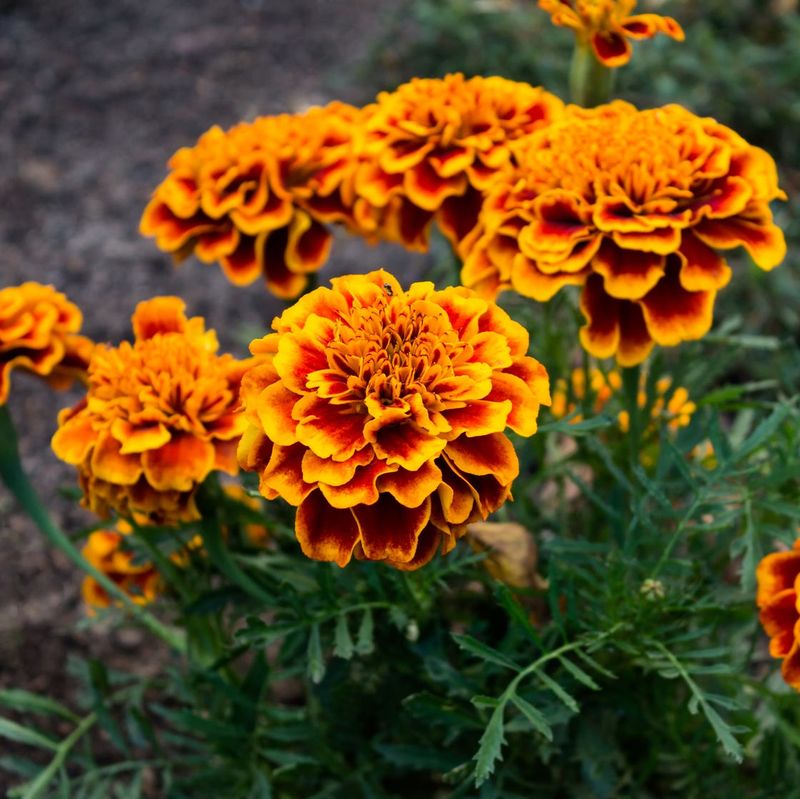
Marigolds have been a staple of American home gardens for generations, and there is a good reason they keep showing up in seed racks and garden centers every spring.
These tough, sun-loving annuals bloom from early summer right through the first hard frost, giving Pennsylvania gardeners one of the longest reliable bloom windows of any annual flower.
The warm tones of gold, orange, and deep yellow fit naturally into the changing color palette of a Pennsylvania fall landscape.
French marigolds tend to stay compact and bushy, making them excellent for edging beds, filling containers, and tucking into spots where a tidy, colorful plant is needed.
African marigolds grow larger and produce bigger, rounder blooms that make a bold statement in the back of a border.
Both types prefer full sun and well-drained soil, and they hold up well during the hot, humid stretches that Pennsylvania summers can bring.
Deadheading spent flowers encourages marigolds to keep blooming vigorously, though some newer varieties are bred to be more self-cleaning. Regular watering during dry spells helps maintain consistent growth and flowering.
Marigolds are also known to attract pollinators, which adds extra garden value beyond their color.
For Pennsylvania gardeners who want a dependable flower that starts early, blooms late, and asks for relatively little in return, marigolds remain one of the most practical and satisfying choices available at any garden center.
5. Angelonia Adds Upright Blooms With Staying Power
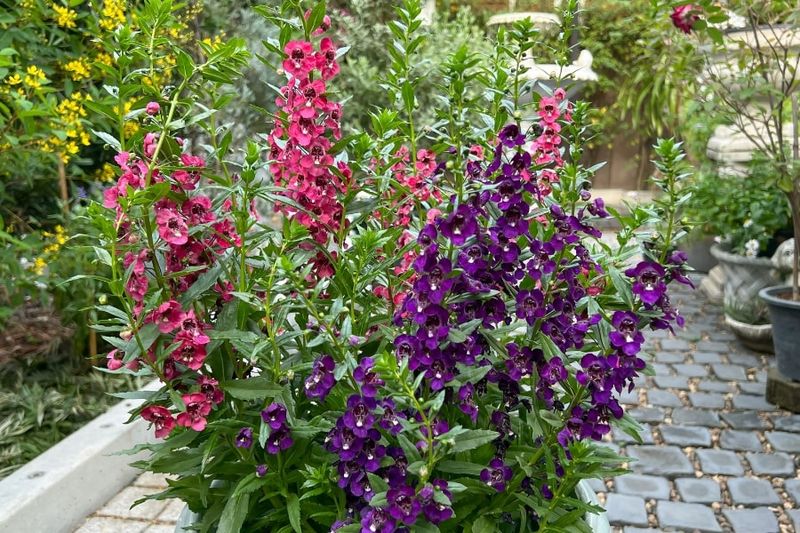
Sometimes called summer snapdragon, angelonia has a refined, upright look that adds structure to garden beds and container arrangements without demanding constant attention.
The slender flower spikes come in shades of purple, pink, white, and bicolored combinations, and the plant tends to bloom continuously from late spring through the end of summer without much encouragement.
In Pennsylvania, angelonia performs especially well during the hottest weeks of the season when many other flowers start to falter.
Angelonia thrives in full sun and prefers well-drained soil with consistent moisture.
It handles heat and humidity far better than many cool-season flowers, which makes it a dependable choice for Pennsylvania’s unpredictable summer weather patterns.
The plant does not require deadheading to keep blooming, which is a genuine advantage for gardeners who want color without a lot of ongoing maintenance. Spent flowers simply drop away as new buds open along the spike.
In containers, angelonia pairs beautifully with trailing plants and mounding flowers, adding vertical interest without overwhelming the arrangement. In garden beds, it works well as a mid-border plant, offering steady color and a slightly formal look.
The light, grape-like fragrance of some angelonia varieties is a pleasant bonus that many gardeners notice on warm afternoons.
For Pennsylvania home landscapes where heat tolerance and long bloom time both matter, angelonia earns its place in the garden with a quiet, steady reliability that is easy to appreciate.
6. Vinca Brings Heat-Friendly Color For Months
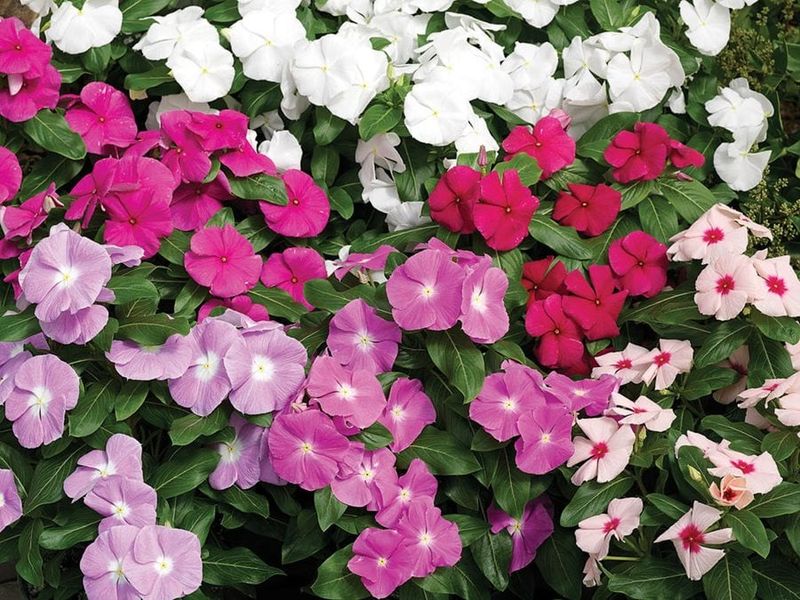
Hot sidewalks, reflected heat from brick walls, and weeks without rain are conditions that send many annual flowers into a tailspin, but vinca tends to handle all of it with surprising ease.
Annual vinca, also known as Catharanthus roseus or Madagascar periwinkle, is one of the most heat-tolerant flowering annuals available to Pennsylvania gardeners.
It produces a steady stream of flat, cheerful blooms in shades of red, pink, coral, white, and bicolored varieties from early summer right through the end of the growing season.
Vinca grows well in full sun and prefers soil with good drainage, as it does not like sitting in wet conditions for extended periods.
Once established, it handles dry spells better than many other annuals, making it a practical choice for spots that tend to dry out quickly in summer.
In Pennsylvania, vinca planted in a sunny, south-facing bed or a container on a warm porch can stay in bloom for months without a great deal of intervention from the gardener.
The plant does not need deadheading because the spent flowers drop cleanly on their own, which keeps the plant looking tidy without any extra work.
Vinca grows in a mounding habit that fills containers and bed edges nicely, and it tends to get slightly larger and fuller as the season progresses.
For Pennsylvania gardeners who want a dependable, low-maintenance flower that can handle summer heat and keep delivering color, annual vinca is a smart and satisfying choice.
7. Begonias Add Long Bloom And Easy Charm
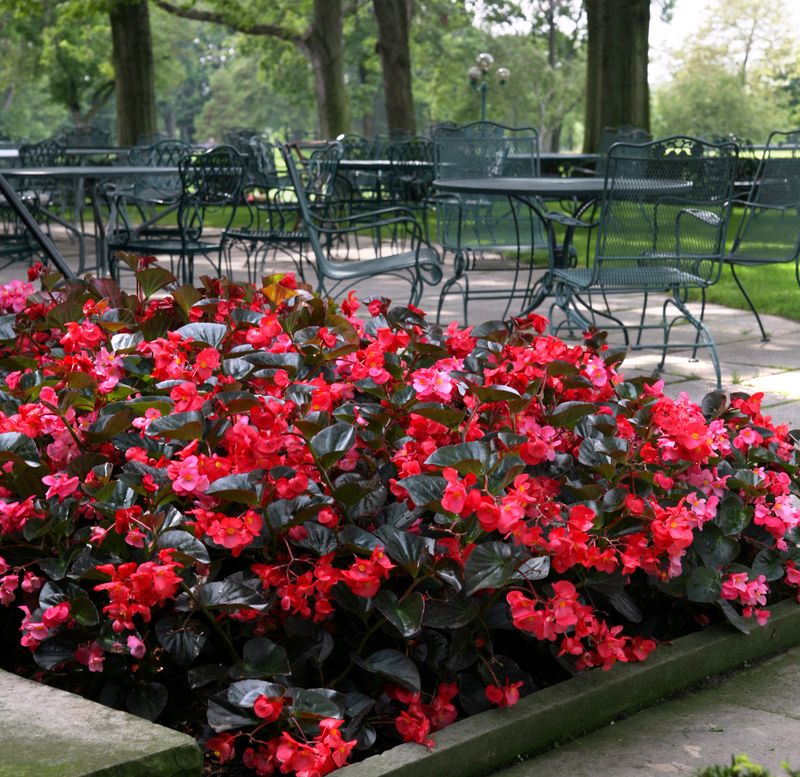
Begonias have a way of making even the shadiest corner of a Pennsylvania yard look bright and welcoming.
Wax begonias in particular are valued for their ability to bloom reliably from spring through frost in conditions ranging from full sun to partial shade, which gives them unusual flexibility compared to many other long-blooming annuals.
The flowers come in red, pink, salmon, and white, often set against glossy green or bronze-tinted foliage that adds visual interest even between bloom cycles.
Wax begonias prefer moist, well-drained soil and benefit from consistent watering, especially during dry summer stretches.
They do not need deadheading because the spent blooms fall away on their own, keeping the plant looking clean without extra effort.
In Pennsylvania, begonias work well in shaded beds under trees, along north-facing foundations, and in containers on covered porches where other sun-loving flowers would struggle to perform.
Tuberous begonias offer a different look, with larger, showier flowers that work beautifully in hanging baskets and mixed containers.
They tend to prefer cooler temperatures and bright indirect light, which suits the shadier spots of a Pennsylvania garden during the warmer months.
Both types of begonias are grown as annuals in Pennsylvania since they are not frost-hardy, but their long bloom season and low-maintenance nature make them a worthwhile addition to any home landscape looking for steady, cheerful color from one end of summer to the other.
8. Mecardonia Brings Small Blooms With Big Impact
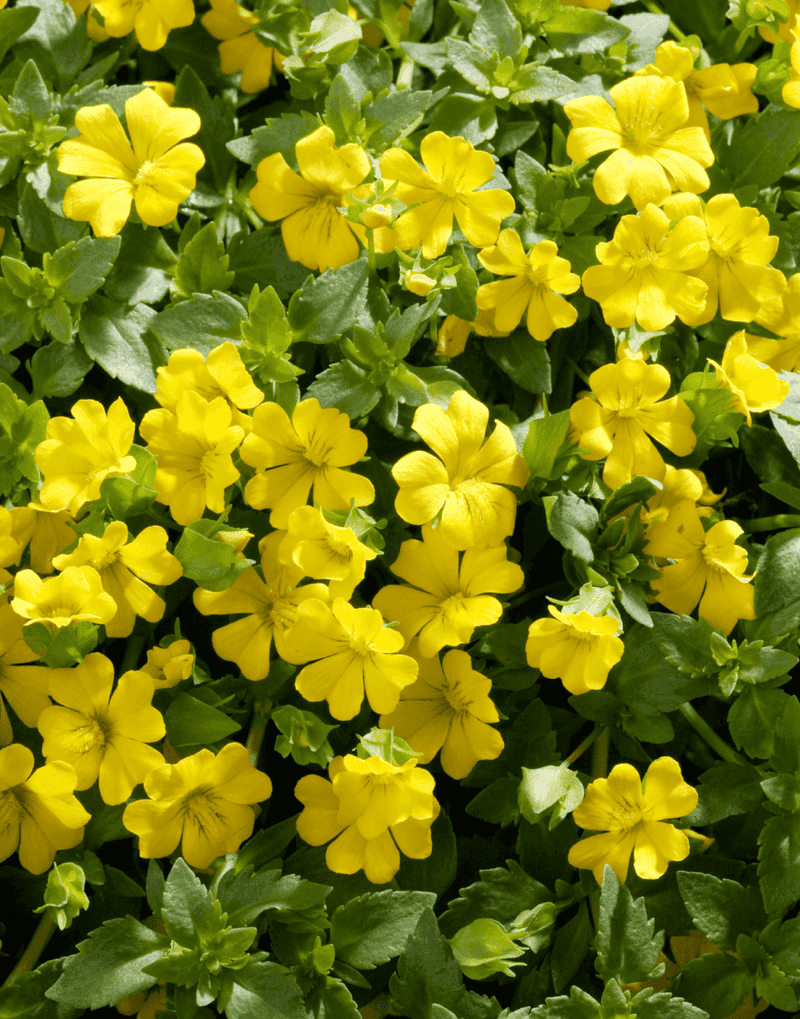
Not every long-blooming flower needs to be tall and bold to make a real difference in a Pennsylvania garden.
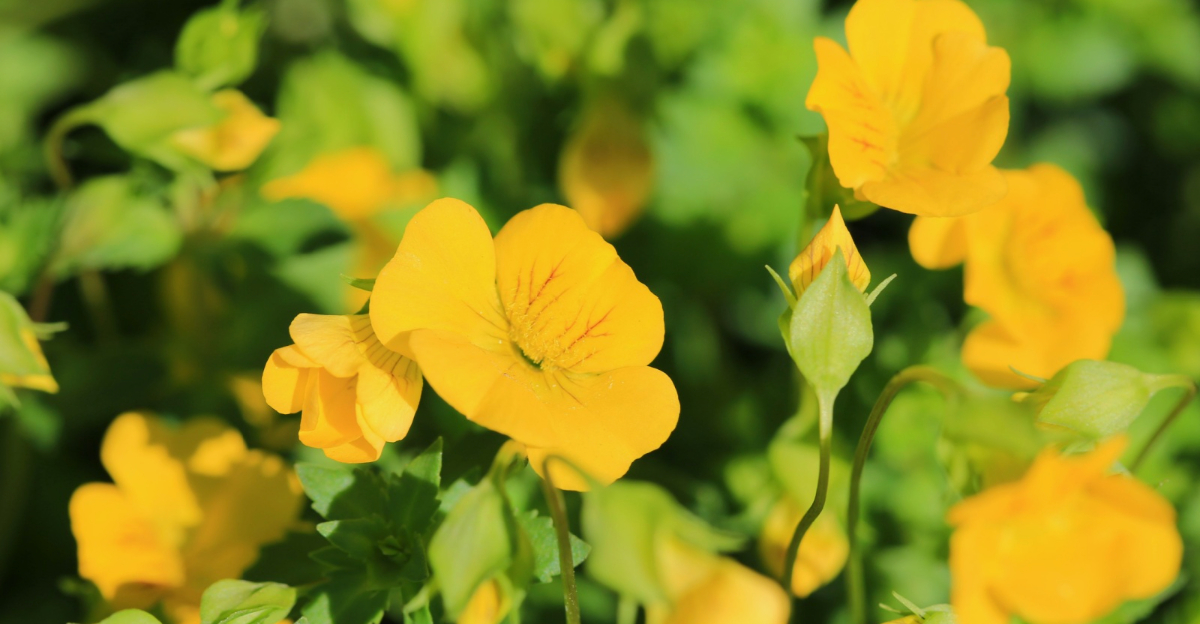
Mecardonia is a low-growing, spreading annual that produces a continuous flush of small, bright yellow flowers from early summer through fall, creating a cheerful carpet of color that works especially well as a filler or trailer in mixed containers and hanging baskets.
The tiny blooms are surprisingly eye-catching when the plant is in full swing, covering the foliage in a way that makes the whole plant look like it is glowing.
Mecardonia thrives in full sun and handles heat and humidity well, which suits Pennsylvania’s mid-Atlantic summers nicely.
It prefers consistent moisture and well-drained soil, and it benefits from light fertilizing through the growing season to keep the blooms coming steadily.
Unlike some trailing plants that slow down in midsummer heat, mecardonia tends to stay in active bloom right through the warmest months without much encouragement.
In mixed container arrangements, mecardonia serves as an excellent spiller, tumbling over the edges of pots and window boxes while taller plants provide height and structure above it.
It also works in garden beds as a low ground cover where a splash of yellow is needed near the front of a border.
Pennsylvania gardeners who enjoy experimenting with less common annuals often find mecardonia to be a pleasant surprise, delivering consistent color and a tidy, spreading habit that fills spaces beautifully across a long growing season.