Smells That Keep Rabbits Out Of Your Garden And How To Use Them
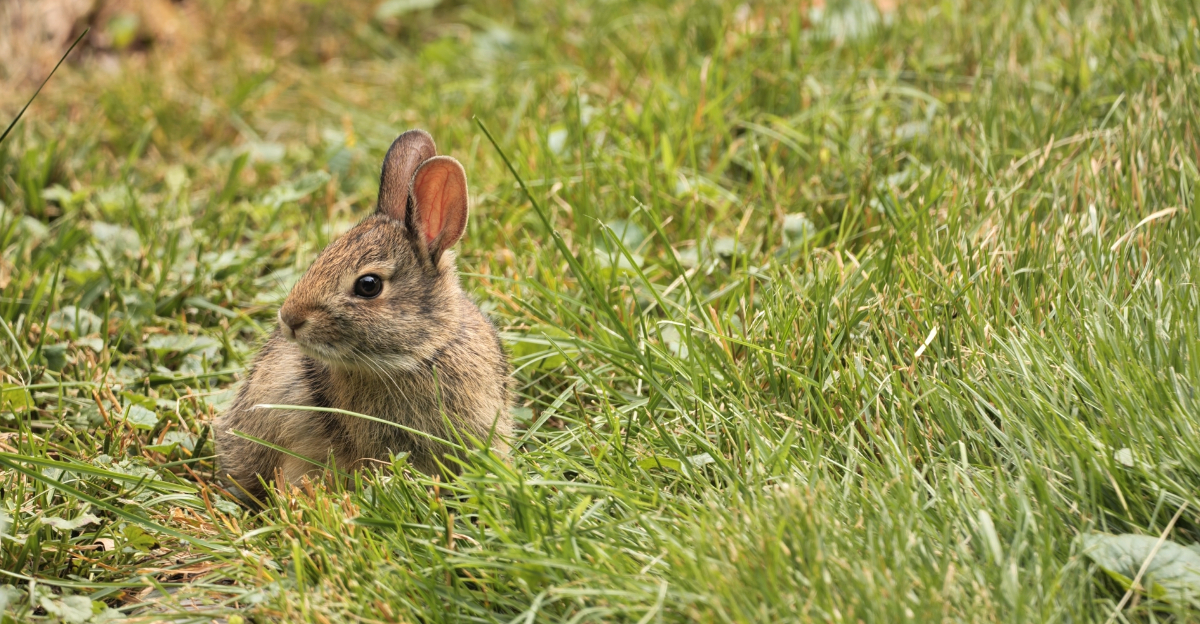
One evening your lettuce rows stand thick, green, and full of promise. By morning, only chewed stubs remain, as if a lawnmower rolled through with suspiciously good aim.
Rabbits didn’t need moonlight or a map to find your garden. They followed an invisible trail laid out by their own nose, and that same trail can just as easily point them somewhere else.
You won’t need wire mesh, cages, or late-night patrols with a flashlight in hand. Just a handful of ordinary household items that are probably already sitting in your kitchen cabinet.
Eight simple tricks, borrowed straight from nature’s own early-warning system, are about to turn your garden from a rabbit buffet into a place worth avoiding.
1. Garlic And Onion Scents Confuse A Rabbit’s Nose
Rabbits have a nose that works like a finely tuned alarm system. When garlic hits their nostrils, that alarm goes off loud and fast.
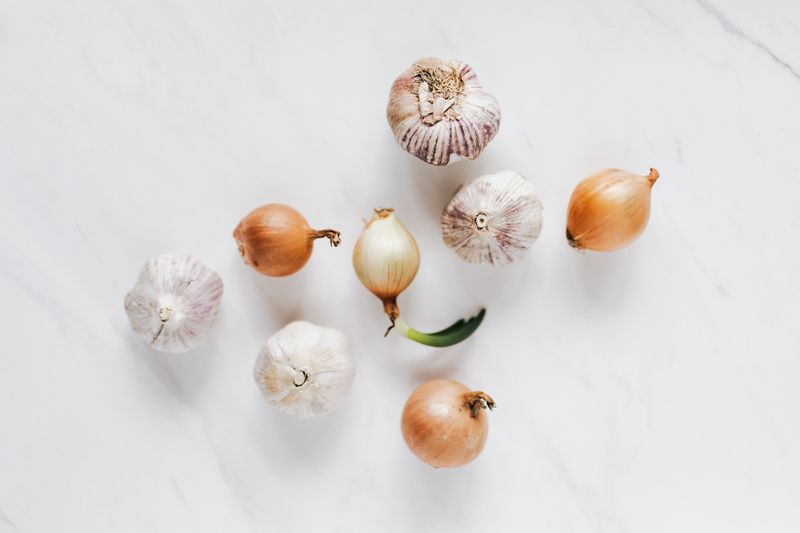
Garlic and onion belong to the allium family, and both release sulfur compounds that smell sharp and overwhelming. To a rabbit, that sharpness signals something is very wrong in the area.
Crushing a few garlic cloves and scattering them along garden borders is one of the simplest tricks you can try today. You do not need a special product or a trip to a garden center.
Onion peels work just as well and are basically free if you cook regularly. Toss them around the base of your most vulnerable plants after dinner.
You can also make a garlic spray by blending a full head of garlic with two cups of water. Strain it and pour it into a spray bottle, then coat your plant leaves and soil edges.
Rain washes scents away fast, so plan to reapply every three to four days. Sticking to that schedule is what makes this trick hold up over an entire growing season.
One thing to watch is that garlic spray can be strong on tender seedlings. Test a small patch first before spraying an entire row of young plants.
Once rabbits associate your garden with that sharp allium smell, they begin avoiding the area out of habit. A little garlic today could save your whole harvest tomorrow.
2. Predator Urine Signals Danger Near Garden Borders
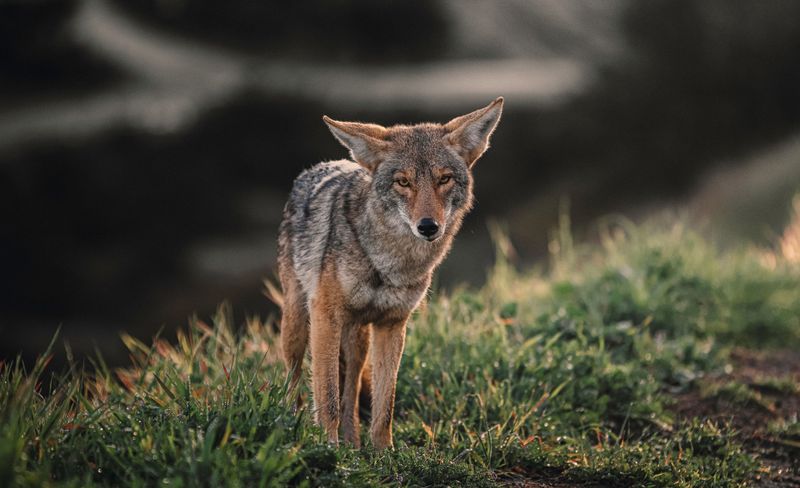
Few things send a rabbit sprinting faster than the smell of something that wants to eat it. Predator urine is one of the most primal repellents you can use.
Fox urine and coyote urine are the two most popular options sold at garden and hardware stores. Rabbits recognize those scents instantly because their survival depends on it.
When a rabbit catches a whiff of fox near your tomato plants, its brain screams danger. That instinct overrides any curiosity about your vegetables.
You can find predator urine in liquid form or in pre-soaked granules. Both work well, but granules tend to last a bit longer between applications.
Pour or sprinkle the urine around the outer edges of your garden, not directly on your plants. Focusing on entry points and corners gives you the most coverage with the least product.
Reapply after heavy rain or every week during dry weather to keep the scent strong. A fading smell is basically an open invitation for a bold rabbit to test your garden again.
Some gardeners mix predator urine with other deterrents like garlic spray for a layered effect. Layering scents makes it harder for rabbits to dismiss any single smell as harmless.
A strong, fresh predator scent taps into millions of years of rabbit survival instinct, and that instinct rarely loses.
3. Strong Herbs Like Mint Mask Tempting Plant Scents
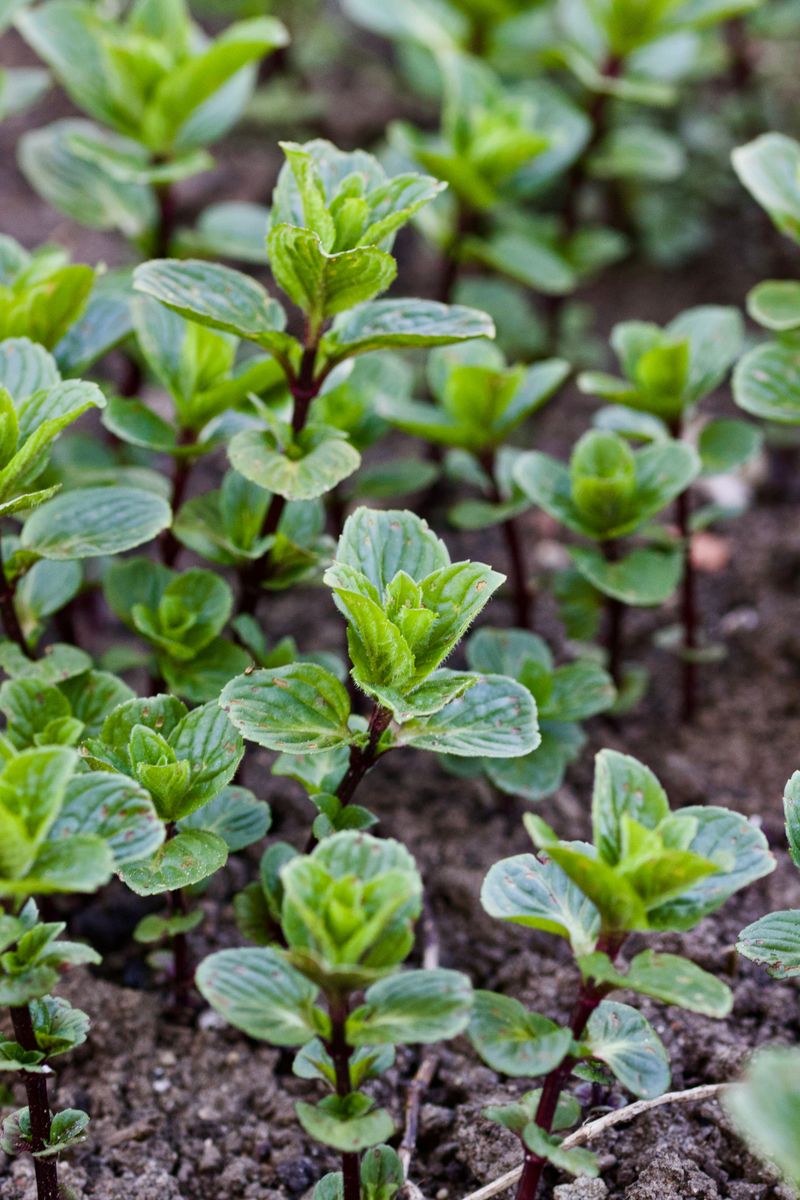
Picture walking through a garden that smells like a candy cane factory. That is exactly what mint does, and rabbits genuinely cannot stand it.
Peppermint and spearmint release a sharp, cooling oil called menthol that overwhelms a rabbit’s sensitive nose. When the smell of your lettuce is buried under waves of mint, rabbits cannot locate what they came for.
Planting mint around your garden perimeter creates a living scent wall that refreshes itself constantly. Every time the wind blows or rain falls, those plants release more of that powerful oil into the air.
One important note about mint is that it spreads aggressively if planted directly in the ground. Growing it in containers placed around the garden gives you control without a mint takeover.
You can also use peppermint essential oil as a quick spray solution. Mix about ten drops with a cup of water and a small squirt of dish soap to help it stick to surfaces.
Spray the mixture around plant stems, soil borders, and any spots where you have noticed rabbit activity. The soap helps the oil cling through light breezes and morning dew.
Other strong herbs like rosemary, lavender, and sage work in a similar way. Mixing several herb scents together creates a more complex barrier that is harder for a rabbit to navigate around.
A mint-lined garden smells wonderful to humans and downright unbearable to rabbits.
4. Vinegar Soaked Rags Create A Quick Barrier Smell
White vinegar is one of those pantry staples that quietly solves a surprising number of garden problems. Keeping rabbits out just joined that list.
The acetic acid in vinegar creates a sharp, sour smell that rabbits find deeply unpleasant. Their noses are sensitive enough that even a diluted vinegar scent reads as a serious warning signal.
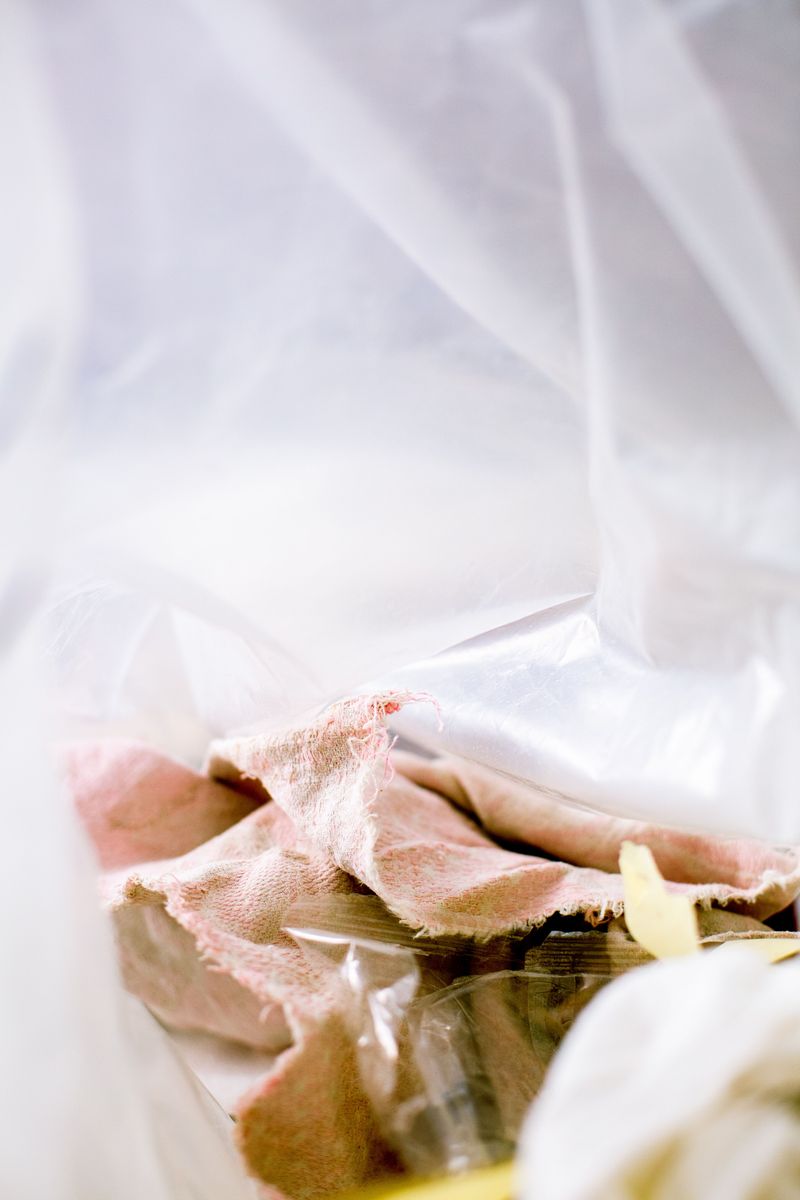
Soaking old rags or cotton balls in undiluted white vinegar and placing them around your garden is fast and nearly free. You probably already have everything you need sitting in your kitchen right now.
Tie the soaked rags to stakes or fence posts at rabbit nose height, which is roughly six to eight inches off the ground. That placement puts the scent directly in their path rather than floating above their heads.
Vinegar evaporates quickly, especially in warm weather, so check your rags every two to three days. A dry rag does nothing, so re-soaking on a regular schedule is the key to keeping this trick effective.
Some gardeners pour a small amount of vinegar directly onto rocks or wooden borders near garden edges. Just avoid pouring it directly on soil too often because high acid levels can affect plant roots over time.
Apple cider vinegar works just as well as white vinegar if that is what you have available. The smell is slightly different but equally off-putting to a rabbit’s nose.
Your salad dressing ingredient might just save your salad greens from a hungry visitor.
5. Marigolds Release An Odor Rabbits Actively Avoid
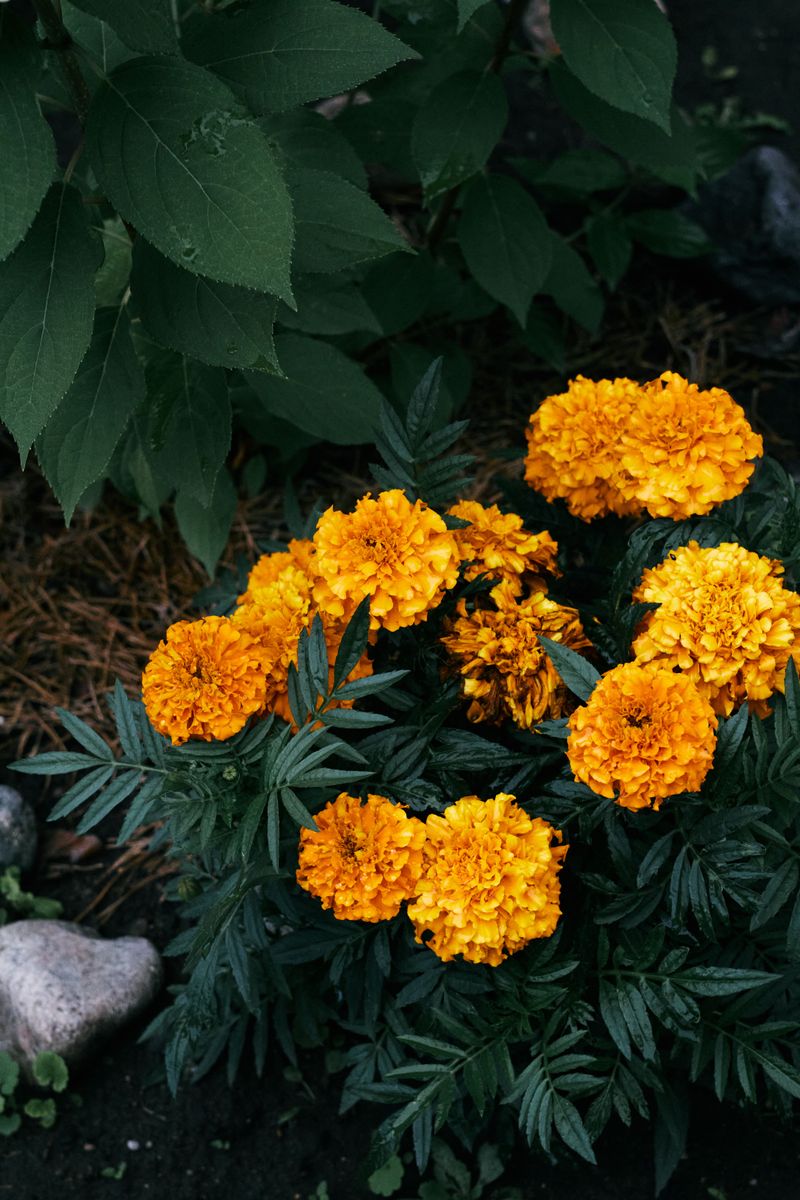
Marigolds look cheerful and welcoming to every gardener who sees them. Rabbits, on the other hand, want nothing to do with them.
The leaves and stems of marigold plants release a strong, bitter scent that comes from natural compounds called thiophenes. Rabbits detect this smell and instinctively back away from the area.
Planting marigolds as a border around your vegetable garden creates a scent fence that works around the clock. Unlike sprays or rags, living plants continuously produce and release their repellent oils without any effort from you.
French marigolds tend to have the strongest scent and are considered the most effective variety for pest deterrence. You can find them at almost any nursery or garden center in spring and summer.
Space your marigold plants about six inches apart along garden edges to create a solid scent line. Gaps in the border give rabbits a potential entry point where the smell thins out.
Marigolds also deter aphids and certain soil nematodes, making them one of the hardest-working plants in any garden. You get pest control, rabbit deterrence, and beautiful color all from one plant.
Water marigolds regularly to keep them healthy and actively producing scent. A wilting marigold releases far less oil, which reduces its effectiveness as a barrier.
Plant marigolds once and let their built-in defense system work all season long.
6. Placing Scents Around Entry Points Blocks Common Paths
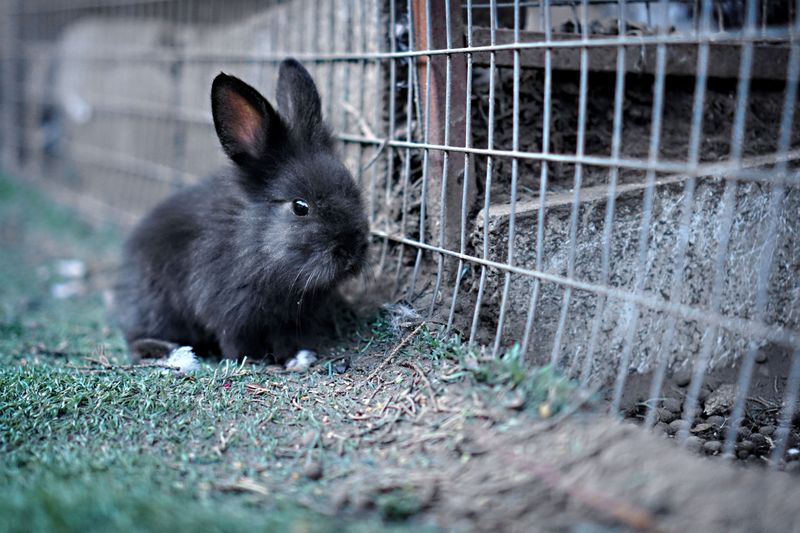
Rabbits are creatures of habit, and they use the same entry paths into your garden night after night. Blocking those specific spots with strong scents is smarter than treating the entire yard.
Look for clues like small droppings, flattened grass, or fur caught on low fence edges to identify where rabbits enter. Those spots are your targets.
Once you find the entry points, concentrate your scent deterrents there with extra intensity. Double up your garlic spray, add a vinegar rag, and sprinkle blood meal all in the same zone for maximum impact.
Forming an unbroken scent line across every known entry path is what actually keeps rabbits out. A single gap is all a rabbit needs to slip through.
Placing scent deterrents at the corners of your garden also helps because rabbits often approach from angles rather than straight lines. Corners are natural turning points where a strong smell can redirect a rabbit before it even reaches the main border.
Rocks, bricks, or short wooden stakes make useful anchor points for rags, cotton balls, and granules. They keep your deterrents in place even when wind or rain tries to scatter them.
Check your entry point deterrents every few days to make sure everything is still in position and still smells strong. A thorough weekly walk-around takes only a few minutes but keeps your system working reliably.
Think of your garden as a building with doors, and your job is to make every door smell genuinely off-putting to a rabbit.
7. Refreshing Scents After Rain Keeps Protection Working
Rain is wonderful for your garden and genuinely rough on your scent barriers. Water washes away garlic spray, dilutes vinegar, and breaks down blood meal faster than almost anything else.
A good rainstorm can wipe out two weeks of scent work in a single afternoon. That is why refreshing your deterrents after every significant rainfall is the single most important habit in this entire strategy.
Keep a simple checklist near your garden tools that reminds you to reapply after rain events of half an inch or more. Small drizzles usually do not require a full reapplication, but heavy downpours always do.
A faded scent barrier is worse than no barrier at all, since it gives rabbits false confidence about your garden’s safety.
After rain, rabbits often become more active because the wet ground muffles their footsteps and makes foraging easier for them. That combination of washed-away scents and bolder rabbit behavior makes post-rain reapplication urgent.
Batch-prepare your sprays and solutions ahead of time so reapplication takes only a few minutes. Storing a spray bottle of garlic water or peppermint oil mix in your garden shed makes it easy to act quickly.
Rotate your scent types occasionally so rabbits do not adapt to any single smell over a long season. Switching between garlic, vinegar, and predator urine keeps the barrier feeling unpredictable and threatening.
Staying consistent with refreshing your scents is what separates a garden that works from one that just smells nice for a day.
8. Cayenne Pepper Flakes Add A Fiery Taste Rabbits Reject

A rabbit’s mouth is far more sensitive than its stomach, and that detail works entirely in your favor. Capsaicin, the compound that makes chili peppers hot, triggers an intense burning sensation the instant a rabbit takes a bite.
Cayenne pepper and crushed red chili flakes rank among the fastest ways to make a leaf taste like a bad decision. Rabbits remember that burning feeling and tend to steer clear of the same plant afterward.
Sprinkling dry cayenne directly onto leaves and soil around vulnerable plants takes only a few minutes. Focus on new growth and seedlings, since those tender leaves attract the most attention from hungry rabbits.
For longer-lasting coverage, mix two tablespoons of cayenne pepper with a quart of water and a few drops of dish soap. The soap helps the spray cling to leaves instead of sliding off after the first light breeze.
Apply the mixture in the early morning while plants are still slightly damp, since moisture helps pepper particles stick around longer. A light misting over leaf tops and stems usually covers a full row of vegetables.
Reapply every few days, and especially after any rainfall, since water rinses capsaicin away fast. A pepper barrier only works while the heat is still there to greet a curious nose.
Wear gloves when handling concentrated cayenne pepper, and avoid touching your eyes or face during application. That small precaution keeps the process safe for you while it stays miserable for any rabbit that gets too close.