Snakes Are Basking On Missouri Driveways And Patios On Warm October Days
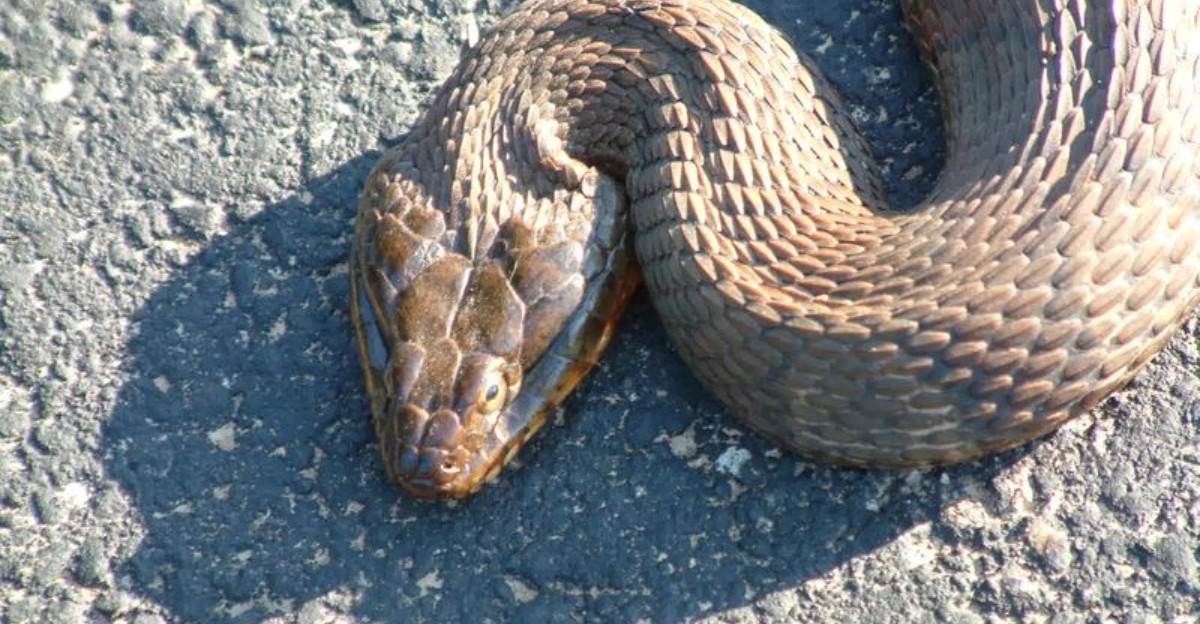
A reptile gets most of its warmth from its surroundings, so a sunny driveway acts like a free heater. Missouri has about 47 kinds of these slithering reptiles in the wild, and only five of them are venomous.
Cool October mornings leave them stiff and slow, so they hunt for any surface that holds warmth. Your concrete driveway, patio stones, and sunny porch steps all make fine spots for an afternoon rest.
I find these sunbathing visitors quite shy, and most slip into cover at the first heavy footstep. Still, a few Missouri species carry venom, so you need a plan for your own yard.
Rocky Ozark hillsides serve as winter dens for many species, so fall sightings near homes are common. What small clues separate a harmless sunbather from one that deserves extra space on your driveway?
Cooling Nights Send Them Looking For Warmth Wherever They Can Find It
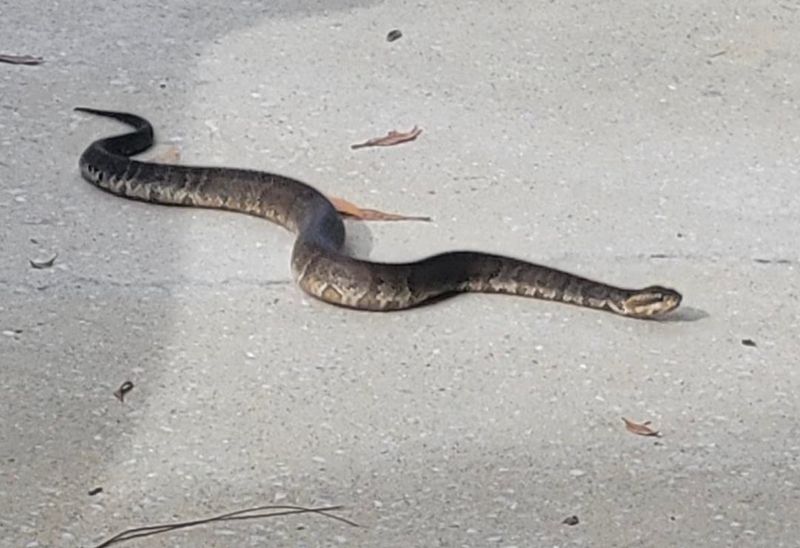
Snakes rely mostly on outside sources for warmth, so they borrow heat from the world all around them. That habit explains why a cold October morning leaves them slow, stiff, and eager for sunshine.
Conservation agencies in Missouri describe fall sightings as normal, since the reptiles are moving toward winter shelters. I could not find evidence of any new surge, so a few extra sightings likely reflect warm weather.
A sunny afternoon after a chilly night can pull several animals out of hiding all at once. Temperatures in the sixties and seventies are often enough to get them moving, though they tire quickly.
Your yard works like a row of tiny cafes, each serving a very different kind of warmth. Stone walls, dark mulch beds, and sun-baked slabs all heat up quickly once the sun climbs high.
Short trips are common in autumn, because each animal only needs enough heat to stay active. You may spot one stretched out for an hour, then see it slip away into leaves or stones.
Young snakes born or hatched this year may wander more, since they must find shelter before the first hard frost. Adults head for winter dens too, and they often follow the same familiar routes year after year.
For you, the takeaway is simple: give any sunbather a wide berth and let it finish its day. Most will leave on their own by evening, and your driveway returns to normal as temperatures slowly drop.
Pavement Holds Heat Longer Than Grass Or Soil
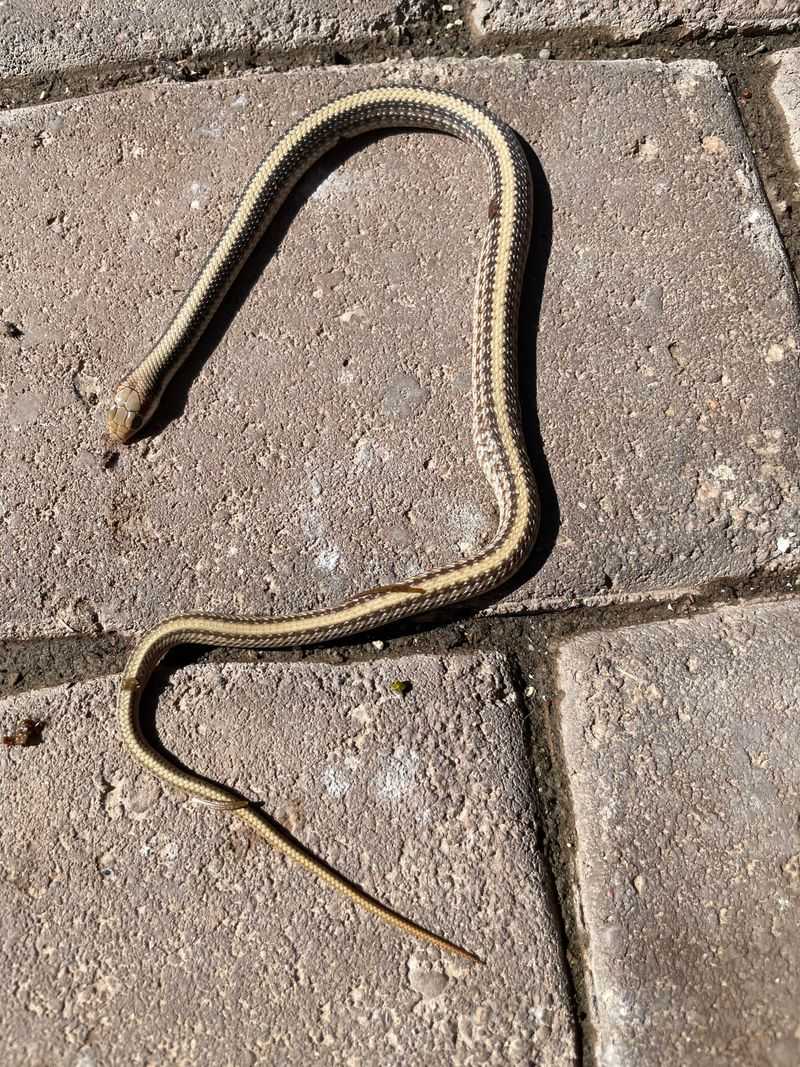
Dark asphalt can climb far above air temperature on a sunny day and release that warmth slowly later. Concrete behaves in a similar way, though it is lighter in color and usually a bit cooler.
Grass and soil hold plenty of water, and water soaks up heat without changing temperature very fast. Pavement is dense and dry, so its surface warms quickly in sunshine and stays toasty into the evening.
That evening glow of warmth matters when October nights drop into the forties across much of Missouri. A snake resting on a warm slab can stay active a bit longer than one hiding in cold grass.
Your Missouri Garden Changes Every Week. Your Plan Should Too.
Gardening in Missouri changes quickly throughout the season. Every Friday you’ll receive a simple weekly plan showing exactly what to plant, prune, fertilize, harvest, and protect so you never miss the right timing.
Edges are especially popular, because a snake can bask on the slab and still reach cover quickly. Look along garage walls, flower bed borders, and the seams where a driveway meets tall grass.
Patios beside stone retaining walls tend to be extra inviting, since both surfaces trap afternoon sunshine well. A drop of cool wind can end the show very quickly, sending the visitor back to shelter.
Fun fact: a snake lying flat is not being lazy, because a flattened body catches much more sun. Some species flatten their ribs on purpose, which gives them extra surface area for soaking up warmth.
Knowing this, you can walk outside at dusk or dawn with a bright flashlight and step with care. Wearing closed shoes and watching where your hands and feet land can lower the chance of a bite during a surprise encounter.
Rocky Hillsides Serve As Winter Dens For Many Species
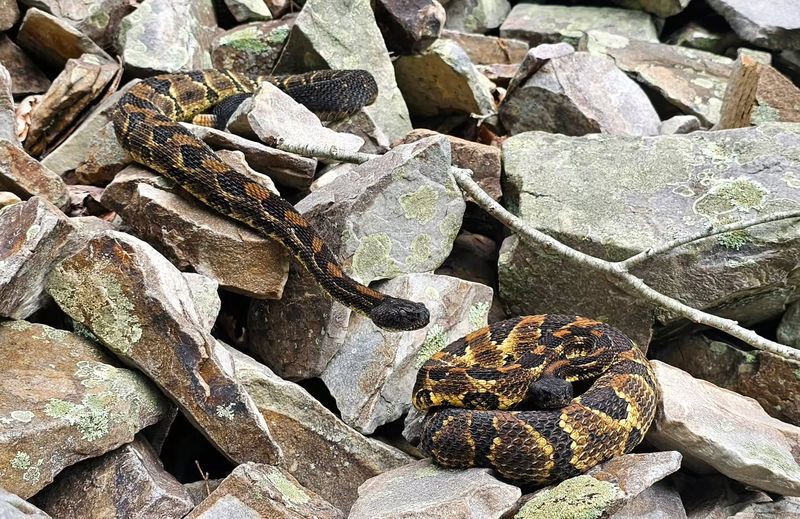
Deep cracks in limestone bluffs often stay above freezing, which makes them ideal winter apartments for many Missouri reptiles. Biologists call these shared shelters hibernacula, and the word simply means a safe place to wait out winter.
South-facing slopes are favorites, because they catch low autumn sun and warm the rock for hours. Timber rattlesnakes and copperheads in Missouri often use rocky, wooded hillsides and glades for denning each fall.
Different species can share a den, so a single ledge may host several kinds in the same season. Those mixed gatherings may be one reason hillside homes see more activity as October turns toward November.
If your property sits near a bluff, a quarry, or a rocky field, expect a few more visitors. Homes in flat farmland can see snakes too, since foundations, burrows, and stone piles offer shelter.
Travel distances vary by species, and some animals move a half mile or more to reach their dens. That means a snake on your driveway may be passing through, not setting up a permanent home.
Old stone walls, rock gardens, and landscaping boulders can act like tiny dens in a neighborhood yard. Gaps between stones offer shelter from wind and cold, so check them occasionally with a flashlight from a distance.
A tip worth trying is to look, not touch, whenever you spot a coil tucked into a crevice. Keep pets and children away from rock piles in the fall, and leave any wildlife control to professionals.
Most Species Seen In Missouri Yards Pose Little Risk To People
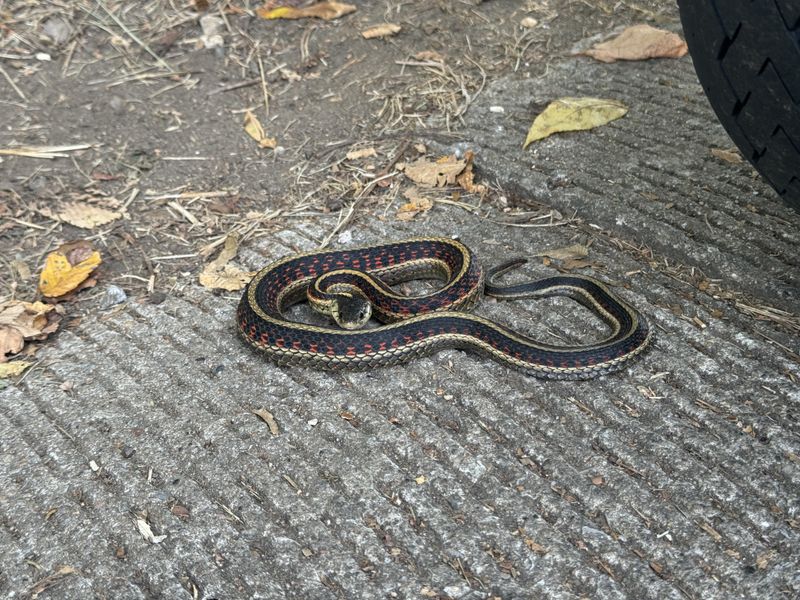
Out of roughly 47 snake kinds found in Missouri, only five are venomous, so most visitors are harmless. Common yard residents often include the black rat snake, the Eastern garter snake, and the DeKay’s brownsnake.
Black rat snakes grow long and can climb trees, walls, and even the corners of old sheds. Their favorite meals are mice and rats, which makes them quiet helpers around barns, sheds, and garages.
Garter snakes carry pale stripes down the back and often show up near damp flower beds and ponds. Brownsnakes stay small, often under a foot in length, and eat slugs and earthworms from garden soil.
A nonvenomous snake may hiss, flatten its head, or shake its tail to look tougher than it is. Such bluffing is a defense, and the best response is to step back and give it room.
Bites from harmless species can happen when someone picks one up, and they may scratch the skin. Washing the spot with soap and water, then contacting a doctor if swelling appears, is a smart step.
Pest control is a real benefit, since rodents can spread disease and chew through wiring and stored food. A resident rat snake may quietly reduce those numbers around your property without any effort from you.
Learning to recognize a few local species can turn a startling moment into a more curious one. The Missouri Department of Conservation publishes an online snake field guide with photos to help with identification.
A Few Venomous Species Share The Same Habits
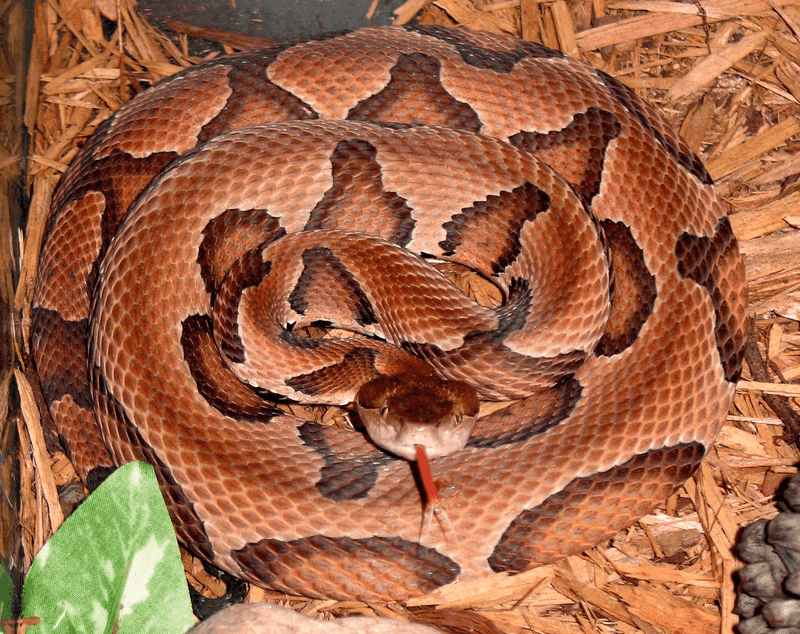
Copperheads are Missouri’s most commonly encountered venomous snake, and they like rocky woodlands, leaf litter, and yard edges. Their copper-colored heads and hourglass-shaped bands help them blend neatly into fallen leaves during autumn afternoons.
Cottonmouths live near water in southern and southeastern Missouri, so they are unlikely visitors to most northern yards. Timber rattlesnakes prefer forested hillsides, while pygmy rattlesnakes and massasaugas live in more limited areas of the state.
Venomous species also bask on warm surfaces during fall, so they share habits with their harmless neighbors. That overlap makes calm observation important, since a quick glance can mislead people about what they are seeing.
Features such as a thick body and a blocky head can help, but identification from a distance is tricky. Do not get closer to check pupils or patterns, because that places your hands and feet in range.
Most bites happen when people try to handle, move, or harass a snake, according to many health agencies. Backing away slowly and leaving the animal alone usually resolves most yard encounters with venomous species.
Medical help matters if a bite occurs, so call 911 right away and stay as calm and still as possible. Keep the bitten limb at a comfortable level, remove tight jewelry, and skip home remedies.
Pets curious about a coiled visitor can get bitten, so keep dogs leashed near brush and rock piles. A veterinarian should see any pet that might have been bitten, even if the animal seems fine.
A Tidy Yard Gives Them Fewer Places To Shelter

Snakes follow food and cover, so a yard with fewer mice and hiding spots tends to attract fewer snakes. Fall cleanup is the perfect moment to make a few small, simple changes around your home and garden.
Start by raking leaves away from the foundation and moving brush piles far from doors and patios. Stacked firewood is a favorite hideout, so raise it off the ground and keep it away from walls.
Mow grass short near the house, and trim shrubs so no branches rest low against the soil. Open, sunny edges feel exposed to a snake, so it will usually choose a safer path elsewhere.
Seal gaps around foundations, utility lines, and garage doors with caulk, mesh, or weather stripping each fall. Even a narrow crack can invite mice, and mice then bring in the predators that hunt them.
Bird feeders drop seed on the ground, and that spilled seed draws rodents toward your patio at night. Sweeping up seed daily, storing pet food indoors, and keeping trash lids tight all reduce that appeal.
Skip snake repellents sold in stores, since university extension experts report that most products show little proof of working. Mothballs are also unsafe, since they can harm pets, children, and the surrounding soil and water.
If a snake still shows up, stay calm, keep a safe distance, and gently spray water nearby. For stubborn cases, contact a licensed wildlife control company or your local conservation office for guidance.