Missouri Gardeners Who Divide Peonies In October Set Up Stronger Blooms For Seasons Ahead
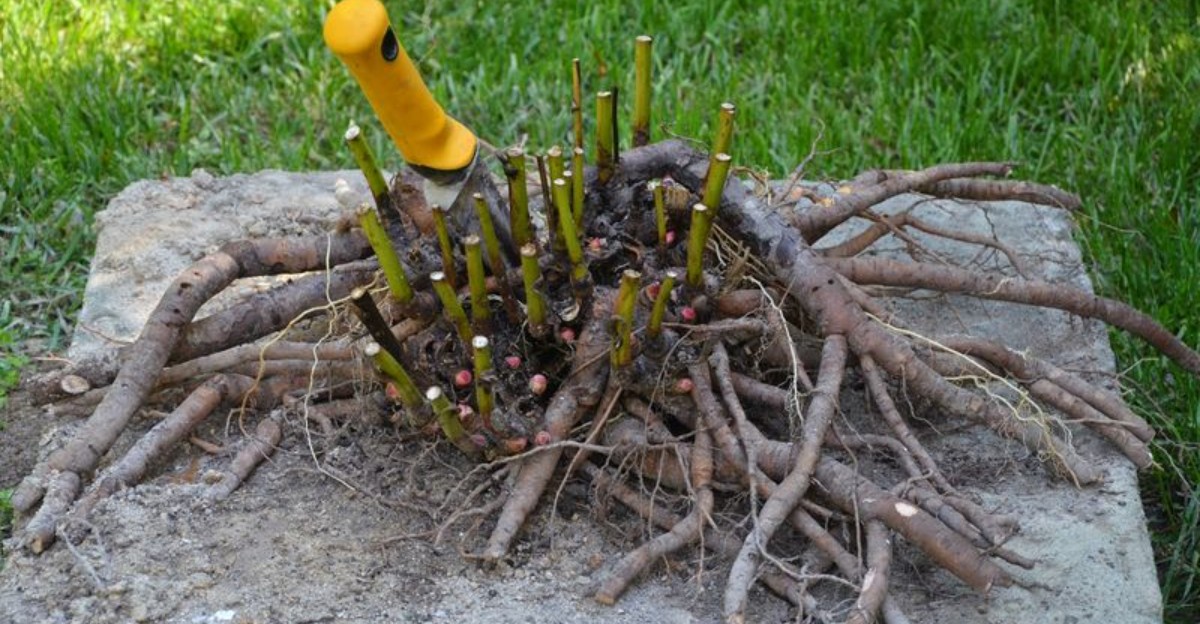
Some Missouri flower beds look crowded by fall, like a family reunion where nobody brought enough chairs. The stems flop over, and last spring the flowers looked smaller than they did a few years ago.
You water, you weed, and you even talk sweetly to them, yet nothing seems to help. Meanwhile the neighbor’s garden explodes each year with fat pink blossoms that smell like sugar and rain.
The secret is not fancy fertilizer, expensive tools, or a magic potion from a late-night catalog. It comes down to one simple job done right while the air turns crisp and cool.
Across Missouri, early October brings cooler nights, softer soil, and leaves that crunch under your boots. Those conditions make plants surprisingly willing to accept a little change before the long winter arrives.
Gardeners who try it often grin all winter, like kids hiding a birthday present in the closet. Even the bees seem to notice when a flower bed finally gets it right.
October Root Splits Fuel Bigger Spring Flowers
Picture a crowded school bus at the end of the day, with everybody squished together and nobody comfortable. An old peony clump feels the same way after eight or ten years growing in one spot.
The roots tangle together and compete for water, food, and space beneath the soil all season long. When you split that clump in October, each new piece gets its own room to stretch and grow.
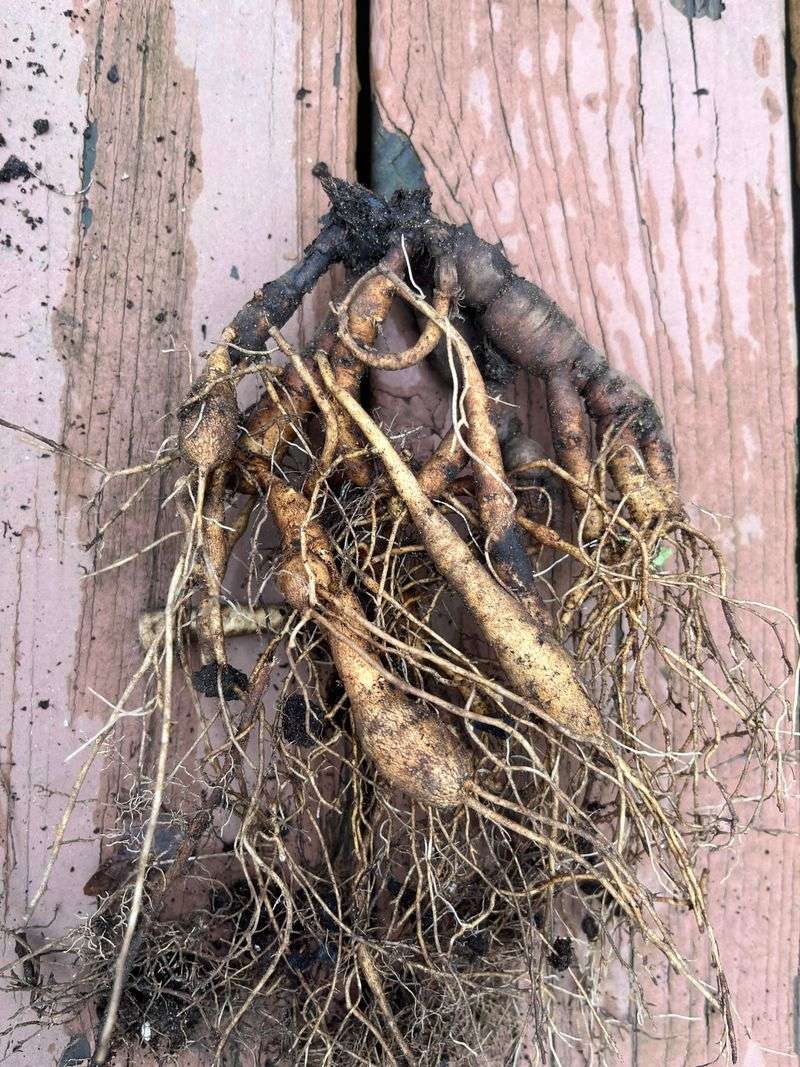
Fall timing matters because peonies spend autumn building fresh feeder roots instead of pushing out leaves or buds. Those thin white roots soak up moisture and nutrients, storing energy that powers next spring’s big flower show.
Missouri’s mild October weather gives these roots several weeks of growing time before the ground finally freezes hard. Plants divided in spring, by contrast, must grow roots and leaves at once, which can slow their recovery.
Here is a fun fact that surprises many people who are new to growing these old-fashioned garden favorites. Some peony plants have kept blooming in the same farmhouse yards for more than one hundred years.
Even so, some older clumps produce fewer blooms when their centers grow woody and crowded with age. A careful fall division gives you healthy young plants with more room to grow and bloom in the seasons ahead.
Think of the job as a bit of garden housekeeping that pays you back with armloads of color. Your vase, your neighbors, and probably your pollinators will thank you when those first buds finally pop open.
Cool Missouri Soil Sets The Perfect Window
Fall weather in the Ozarks can change quickly from one day to the next. Luckily, peonies give you a fairly wide window to work with during the first part of fall.
Most of Missouri hits the sweet spot from late September through about the third week of October. Gardeners in the northern counties should aim for the early side, since frost there often arrives sooner.
Folks near the Bootheel can usually wait a bit longer because their soil stays warm well into autumn. The goal is to give new divisions about four to six weeks of root growth before the ground freezes.
Your Missouri Garden Changes Every Week. Your Plan Should Too.
Gardening in Missouri changes quickly throughout the season. Every Friday you’ll receive a simple weekly plan showing exactly what to plant, prune, fertilize, harvest, and protect so you never miss the right timing.
Watch the leaves, too, because they send helpful signals about when the plant is ready for the job. Once the foliage starts turning yellow, bronze, or reddish brown, the plant is slowing down for winter and is ready to be moved.
Pick a cool, cloudy day if you can, since bright sun and wind dry out exposed roots quickly. Soil that feels moist but not soggy makes digging easier and helps the root ball hold together nicely.
If a dry spell hits, water the bed deeply one or two days before you plan to dig. That simple step softens the clay soil that many Missouri yards are known for, saving your back too.
Waiting until November can work in a pinch, but roots get far less time to settle in. Mark your calendar now, and treat early October like a standing appointment with your favorite flower bed.
The Planting Depth Mistake That Stops Blooms
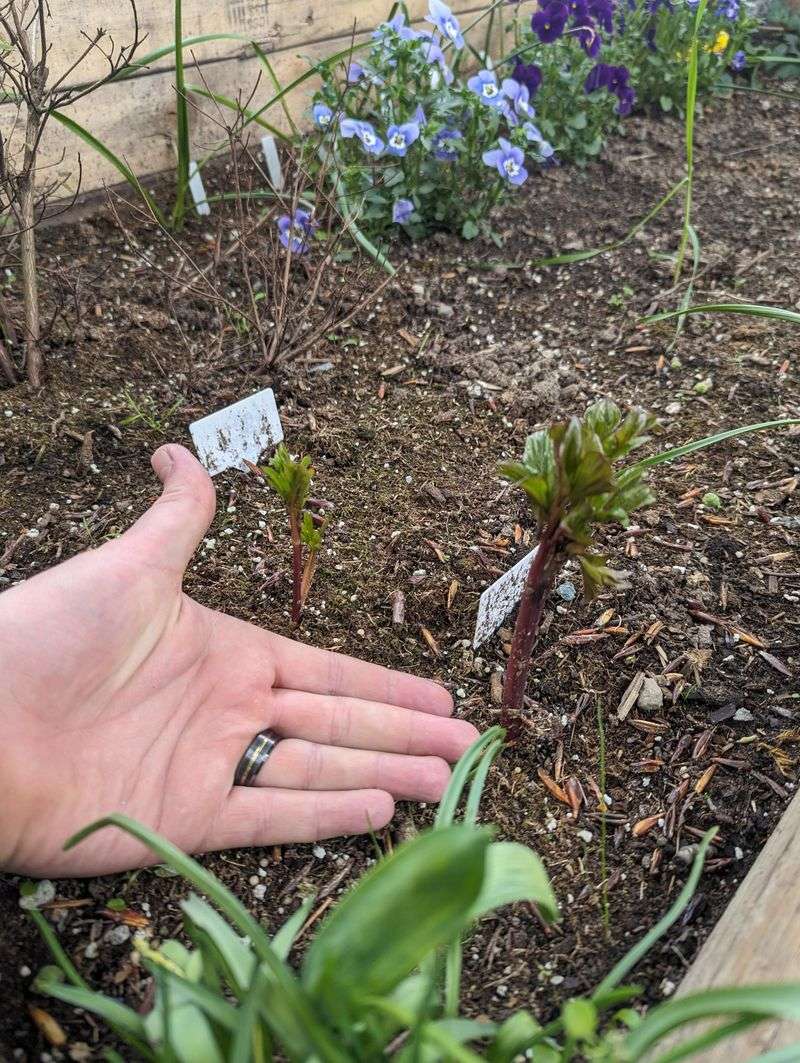
Plenty of gardeners replant old family peonies with loving care, then wait years for a single flower. The culprit is often one of the most common errors, which is burying the roots just a little too deep.
Peonies are surprisingly fussy about depth, and an extra inch or two of soil can keep a plant from blooming. The plant may still grow healthy green leaves, which makes the problem extra confusing for hopeful gardeners.
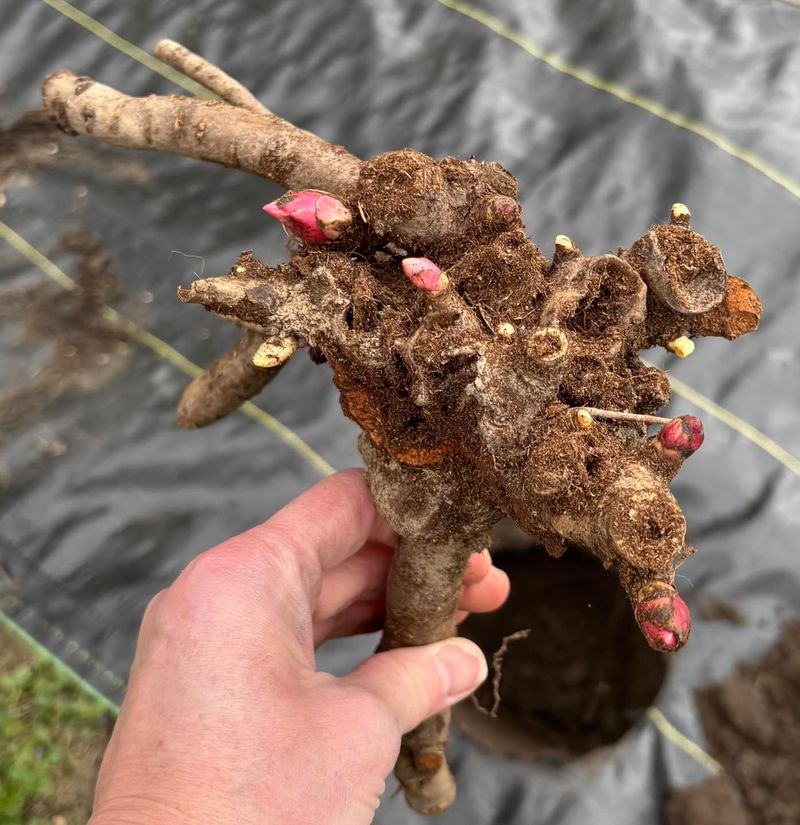
The key is the small pink or red buds on the roots, which gardeners call eyes. Those eyes should sit no more than two inches below the soil surface in most Missouri gardens.
Southern parts of the state can go a bit shallower, around one inch, since winters there are milder. Peonies need a good chill each winter to set buds, and shallow eyes feel the cold more easily.
Another sneaky trap is soft soil that settles after planting, pulling the crown deeper over several weeks. Firm the soil gently with your hands before setting the root, then check the depth with a ruler.
A wooden paint stick works great as a quick measuring tool, and it is often free at the hardware store. Lay it across the hole, measure down to the eyes, and adjust until the numbers look right to you.
Raising the roots by an inch or two often brings the blooms back within a season or two. Those flowers can soon crowd a kitchen table, smelling faintly of roses.
Clean Cuts With Three To Five Eyes
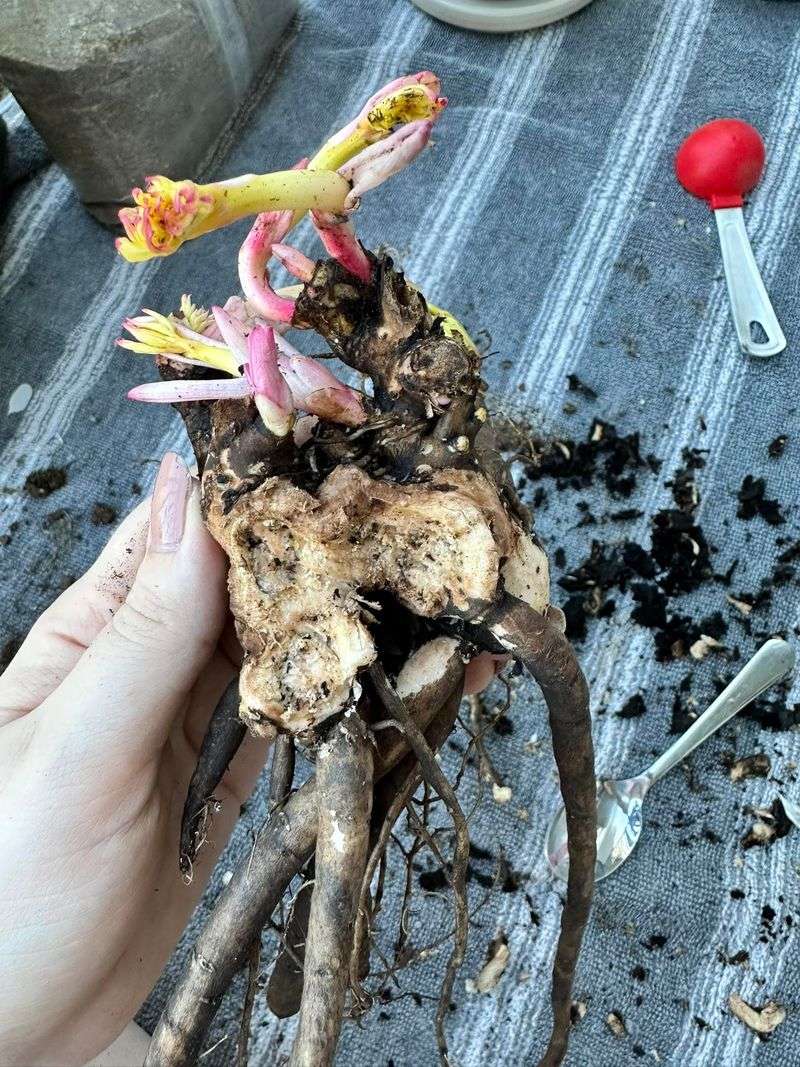
Grab a sharp spade, a sturdy knife, and some old towels, because this job can get wonderfully messy. Start by cutting the foliage down to the ground so you can see the crown and work freely.
Dig a wide circle about a foot away from the stems, then lift the whole clump out slowly. Older clumps can weigh as much as a bag of dog food, so ask a friend for help.
Hose off the soil so the pink eyes and the natural dividing lines between root sections show clearly. Let the clump rest in the shade for an hour, since slightly wilted roots bend instead of snapping.
Now comes the fun part, which feels a bit like cutting a giant knobby potato into neat chunks. Aim for pieces that each carry three to five eyes along with several thick, healthy roots attached.
Pieces with only one eye often take years to bloom, while giant chunks act just like the crowded original. The middle ground gives you strong plants that settle in quickly and flower sooner than tiny bits.
Wipe your knife with a mild bleach solution between cuts to keep fungus and germs from spreading around. Trim away any mushy, dark, or hollow roots, because those spots can rot once the pieces go back in.
Plant your new divisions the same day if possible, spacing them about three feet apart for airflow. Extra pieces make wonderful gifts, and your friends will happily take them.
Patience Through The First Spring Season
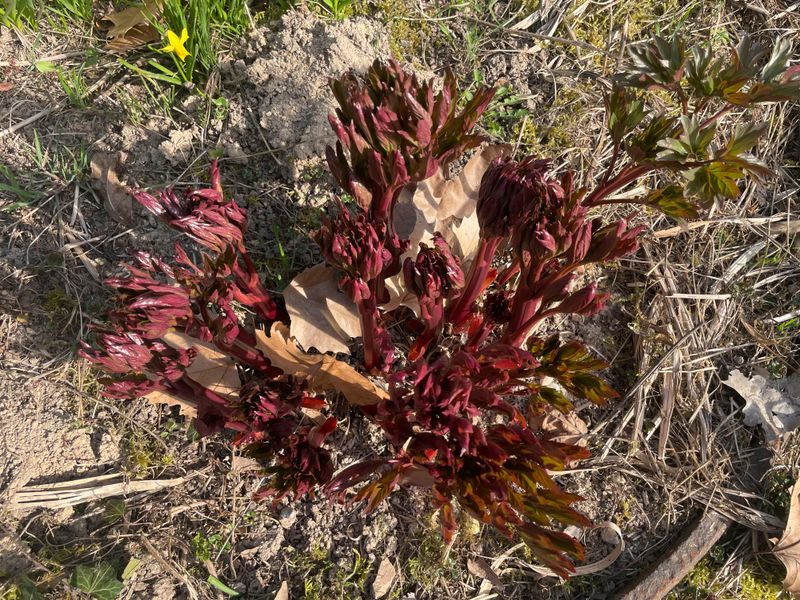
Gardening teaches patience the way a slow cooker teaches dinner, with good things arriving in their own time. Newly divided peonies follow that same rule, so expect a gentle start rather than fireworks right away.
Next spring, well-sized divisions will push up healthy red shoots, and a few may carry flowers while others skip blooming for a year. Those first blooms are often smaller than usual, but they show the roots are settling in nicely.
Gardeners have a cute old saying about peonies that sums up the waiting game in a few words. The first year they sleep, the second year they creep, and the third year they finally leap.
Divisions made in October get a full autumn of root growth, which helps them settle in. Strong, full blooms usually arrive by the second or third spring, with stems sturdy enough to stand tall.
During that first season, resist the urge to dig up a quiet plant just to check on it. Peonies dislike being disturbed, and an extra move can set their bloom timeline back by a year or more.
Instead, give them steady water during dry spells and pull weeds that try to steal their food. Skip heavy fertilizer that first year, since too much nitrogen builds leafy plants with very few flowers.
By the third spring, you should see a bush loaded with buds and ants happily crawling across them. Those ants are harmless visitors snacking on sweet nectar, so let them enjoy the party alongside you.
Mulch Timing For A Smooth Missouri Winter
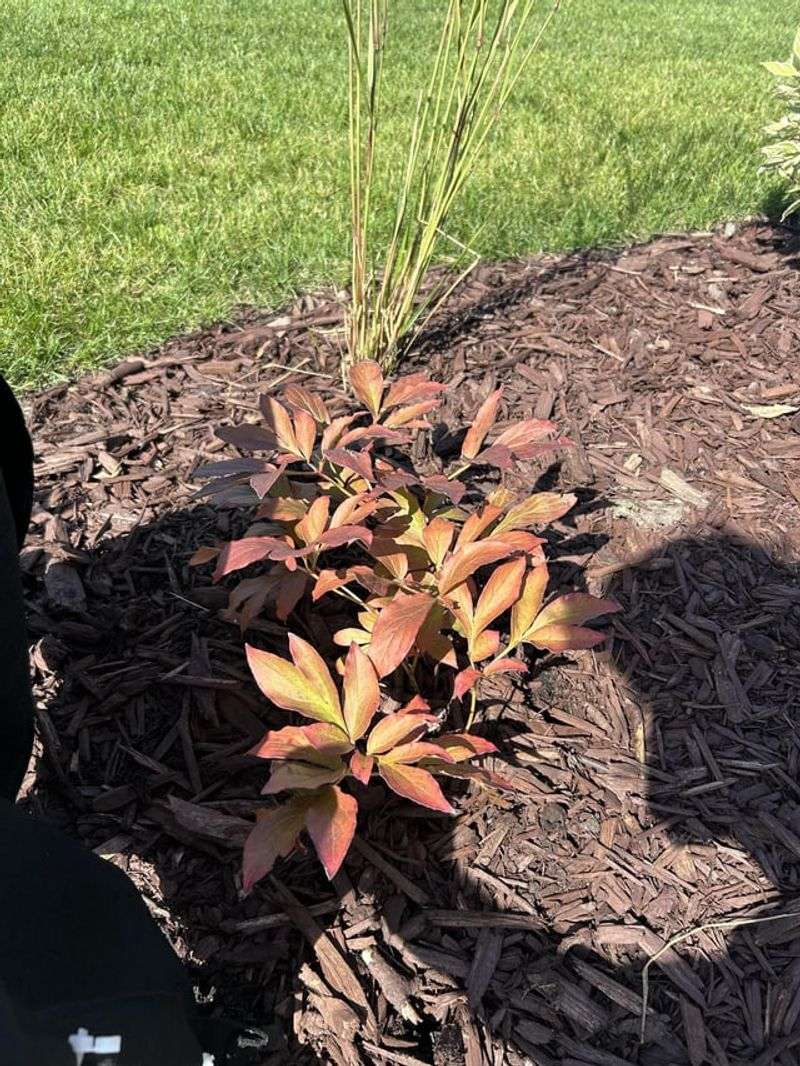
Missouri winters can swing from mild afternoons to hard freezes within days. Those wild swings can heave young peony roots right out of the ground, leaving them bare and chilly.
A light layer of mulch acts like a cozy blanket that keeps soil temperatures steady through the winter. Timing matters, though, because mulching too early can trap warmth and invite mice to move right in.
Wait until the ground has frozen lightly, which usually happens between late November and December depending on the region. Then spread two to three inches of shredded leaves, pine needles, or clean straw over each new planting.
Skip whole oak leaves, since they mat down into a soggy pancake that keeps water from draining well. Running them over with the lawn mower first chops them into a fluffy mix that breathes much better.
Keep the mulch from piling directly against the crown, because constant moisture there encourages rot and fungus. A small ring of open space around the eyes lets air move while the rest stays snug and protected.
Before mulching, clean up old peony leaves and stems, since they can hold disease spores over the winter. Bag that debris or toss it in the trash rather than adding it to your compost pile out back.
Come late winter, pull the mulch back gently as the soil warms and those red shoots begin to rise. A little planning now means your October work turns into a flower show that makes the whole street jealous.