The Best Plants For Attracting Fireflies To Your Missouri Yard
A single patch of native grass can be the reason fireflies pick your yard over the one next door.
That glow isn’t random. Fireflies are drawn to specific conditions, and the plants you grow have everything to do with how many show up.
Missouri is already natural firefly territory. The state’s humid summers, rich soil, and native plant diversity make it one of the best places in the country to watch them.
But most yards are working against fireflies without even knowing it, too much mowing, too much light, not enough cover.
The fix is simpler than you’d think. Native grasses give adults a place to rest during the day. Wildflowers feed the insects firefly larvae hunt at night. Moisture-loving plants keep the soil damp enough for eggs to survive.
These eight plants do the heavy lifting. Add a few, step back, and let your summer nights earn their magic.
1. Switchgrass
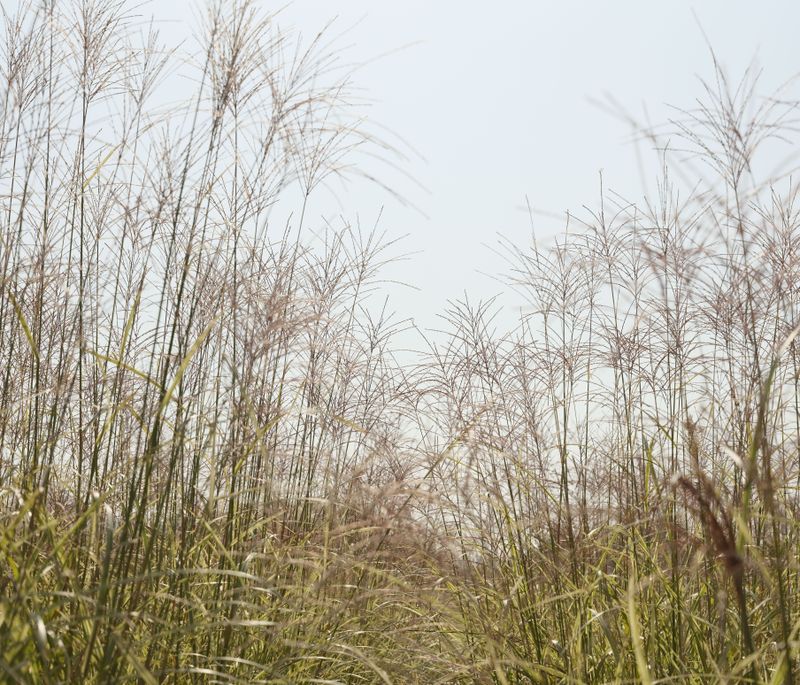
Switchgrass is the kind of plant that looks like it belongs in a painting. Its tall, airy seed heads sway in the breeze and catch the last light of evening beautifully.
Fireflies spend most of their lives on the ground as larvae. They need moist soil and dense ground cover, and switchgrass delivers both in a big way.
This native prairie grass grows three to six feet tall. It creates the kind of shady, damp microhabitat that firefly larvae absolutely need to survive and thrive.
Planting switchgrass along a fence line or near a low spot in your yard works especially well. Those slightly wetter areas are prime real estate for firefly activity during summer nights.
Switchgrass also needs very little care once established. It tolerates drought, poor soil, and full sun, making it a smart choice for busy homeowners who still want a nature-friendly yard.
Come fall, the foliage turns a stunning amber and rust color. That means you get four-season interest plus a serious boost to your local firefly population.
Birds love switchgrass seed heads in winter, so you’re also creating a habitat that works year-round. One plant does a whole lot of heavy lifting for your backyard ecosystem.
Start with a few clumps and let them spread naturally. Within two or three seasons, your yard will feel more like a living prairie than a typical suburban lawn.
2. Big Bluestem
Big bluestem earned the nickname “the monarch of the prairie” for a reason. This native grass was once a dominant species across Midwest prairies, covering vast stretches of open land.
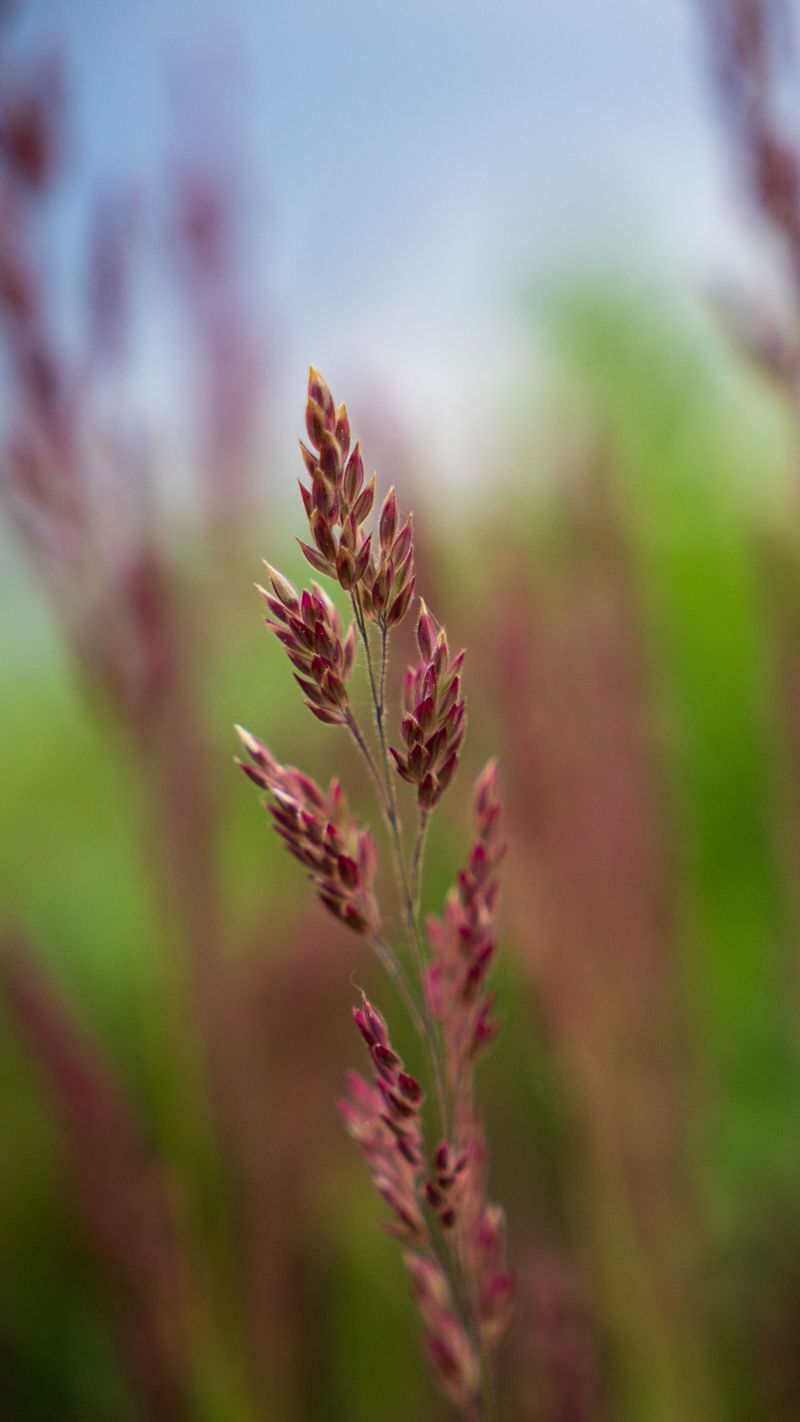
The grass grows four to seven feet tall in full sun. Its famous turkey-foot seed head is instantly recognizable and adds real visual drama to any yard or garden bed.
Firefly larvae hunt for soft-bodied insects and snails in the soil beneath tall grasses. Big bluestem creates an ideal hunting ground, with its dense root system holding moisture deep underground.
Moist, undisturbed soil is the key ingredient for a strong firefly population. Big bluestem’s thick clumps protect the ground from drying out, even during Missouri’s hot July afternoons.
Your Missouri Garden Changes Every Week. Your Plan Should Too.
Gardening in Missouri changes quickly throughout the season. Every Friday you’ll receive a simple weekly plan showing exactly what to plant, prune, fertilize, harvest, and protect so you never miss the right timing.
This grass pairs beautifully with goldenrod and native asters. Planting them together creates a layered habitat that supports fireflies at every stage of their life cycle.
Big bluestem roots can reach up to five feet underground, making it one of the deepest-rooted native grasses in Missouri. Those deep roots pull up moisture and nutrients that keep the surrounding soil rich and biologically active.
You’ll notice more firefly activity near big bluestem clumps once the grass matures. Give it two full growing seasons to really establish itself before expecting the full effect.
Plant it in a spot where you can enjoy it from a lawn chair on summer evenings. Watching fireflies rise up from the base of big bluestem at dusk is genuinely breathtaking.
3. Goldenrod
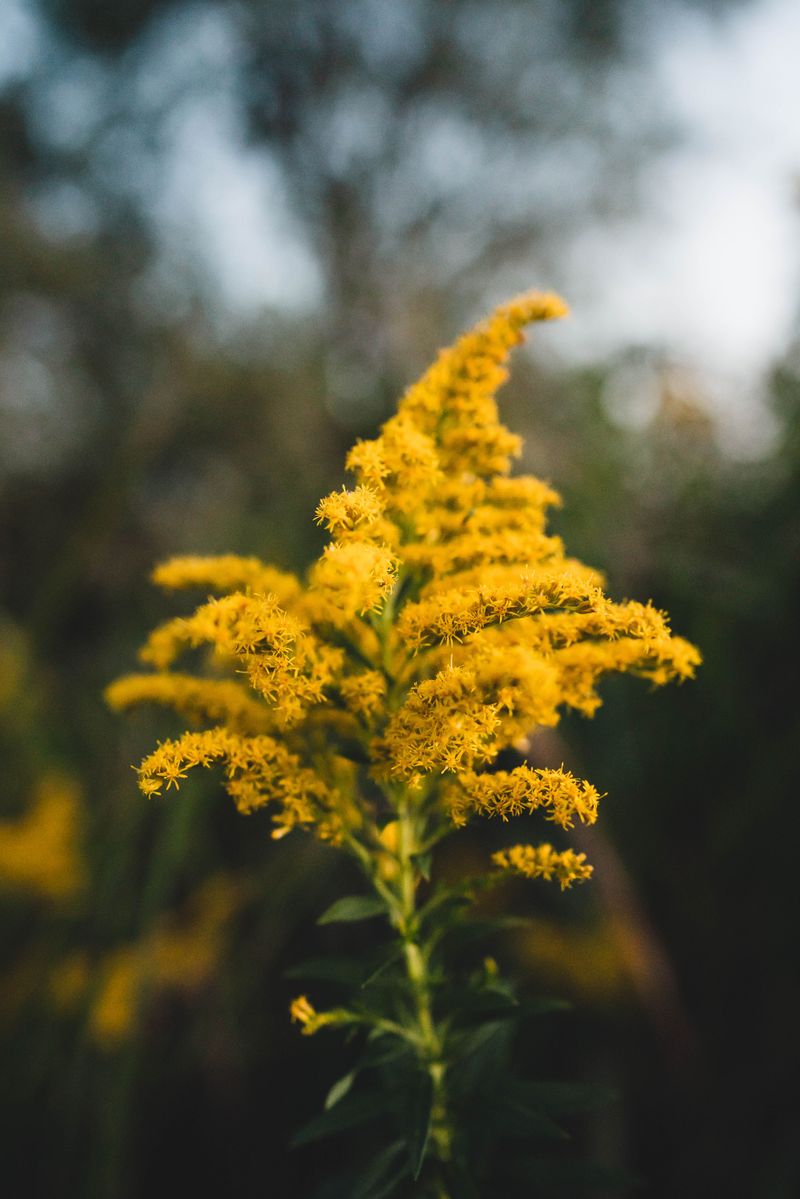
Goldenrod gets a bad reputation, but it deserves a second look. Most people blame it for fall allergies, when the real culprit is ragweed blooming at the same time.
Goldenrod is actually a powerhouse native plant. Goldenrod supports dozens of native insect species, and those insects become food for firefly larvae crawling through the soil below.
The plant blooms in late summer and early fall, filling your yard with brilliant gold color. That timing perfectly overlaps with the period when fireflies are preparing for their underground winter.
Goldenrod thrives in full sun and average soil with almost no extra fertilizer needed. It spreads by rhizomes, so you may want to plant it in a contained bed or a wilder corner of your yard.
The dense foliage shades the soil beneath it, keeping moisture levels stable. Consistent soil moisture is something firefly larvae depend on for survival through warm months.
Planting goldenrod near the edge of a lawn or along a garden border works great. It creates a natural transition zone between maintained grass and a wilder, firefly-friendly habitat.
Goldenrod also attracts monarch butterflies, bees, and beneficial wasps. Your yard essentially becomes a mini nature reserve that benefits far more than just fireflies.
Cut it back in late fall or leave the stalks standing for winter interest. Either way, the root system stays active underground, quietly supporting next summer’s firefly season.
4. New England Aster
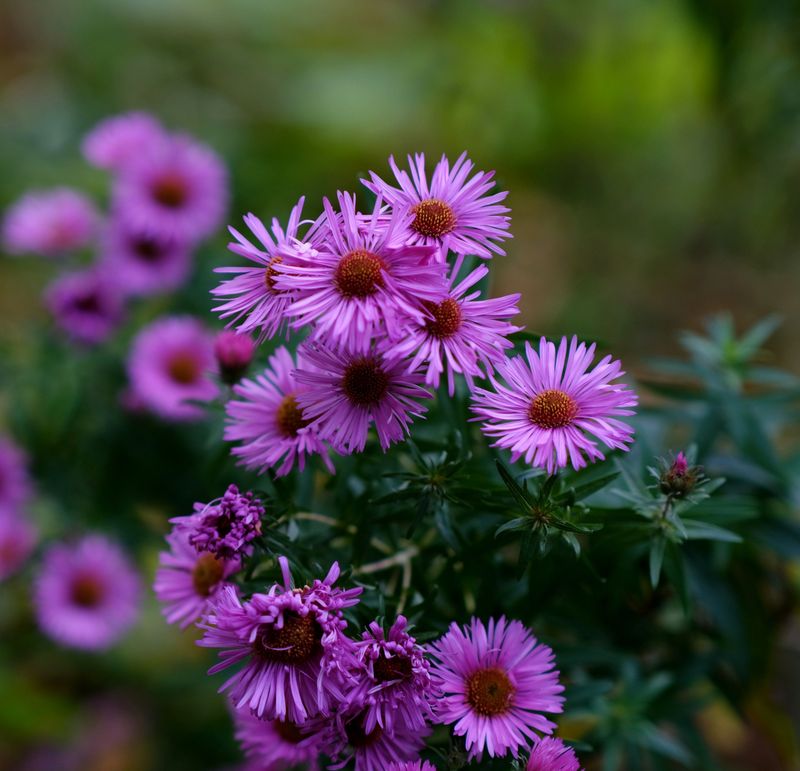
Image Credit: © Roman Biernacki / Pexels
There’s something deeply satisfying about New England aster. It blooms just when most other flowers are calling it quits, covering itself in vivid purple blossoms that seem almost defiant.
For fireflies, aster is less about the bloom and more about the environment it creates. The plant’s bushy, moisture-retaining base keeps the surrounding soil cool and consistently damp.
Firefly larvae are active hunters underground from late summer through fall. They need moist, insect-rich soil, and aster beds provide exactly that kind of rich, layered ground cover.
New England aster grows two to six feet tall depending on the variety. Taller forms create an almost shrub-like presence in the garden that gives fireflies plenty of protected ground space.
This plant loves full sun but tolerates partial shade. That flexibility makes it useful in spots under trees or along the north side of a fence where other plants struggle.
Asters also support an enormous number of native bee species. More bees mean more pollinator activity, which contributes to a healthier overall insect community in your yard.
A healthier insect community means more food for firefly larvae. It’s a chain reaction that starts with one well-chosen native plant and ripples outward through your whole backyard ecosystem.
Pair aster with goldenrod for a classic native combination that looks stunning and functions brilliantly. Together they create a late-season habitat that fireflies genuinely thrive in.
5. Blanket Flower
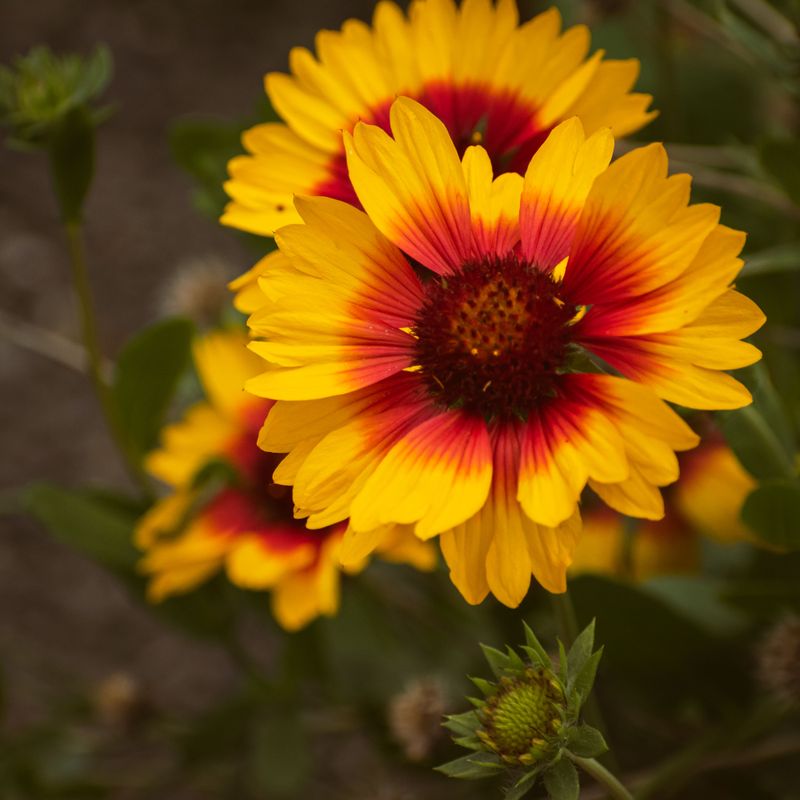
Blanket flower looks like summer captured in a bloom. Its fiery red and yellow petals radiate outward like a tiny sun, making it one of the most eye-catching native wildflowers you can grow.
Native to the central US and found across Missouri’s prairies, blanket flower thrives in hot, dry conditions where other plants wilt. It’s tough, cheerful, and surprisingly useful for building a firefly-friendly yard.
The plant blooms from early summer right through fall, providing long-lasting color. That extended bloom season keeps pollinators busy, which in turn sustains the insect population firefly larvae feed on underground.
Blanket flower grows best in well-drained, sandy, or gravelly soil. Plant it near the edges of your yard where the soil is a bit drier, and let it naturalize freely over time.
Its low-growing foliage hugs the ground and creates shaded patches beneath the blooms. Those shaded patches hold a bit more moisture than bare soil, which is surprisingly helpful for nearby firefly habitat.
Blanket flower self-seeds readily, so once you plant it, it tends to spread and fill in gaps. Over a few seasons, you’ll have a cheerful, low-maintenance patch that practically manages itself.
Removing spent blooms encourages more flowers, but leaving some seed heads standing feeds birds in fall. It’s a plant that keeps giving well past its peak bloom.
Mix blanket flower with switchgrass or little bluestem for a layered prairie-style planting. That combination creates visual interest and a genuinely productive habitat for fireflies.
6. Cardinal Flower
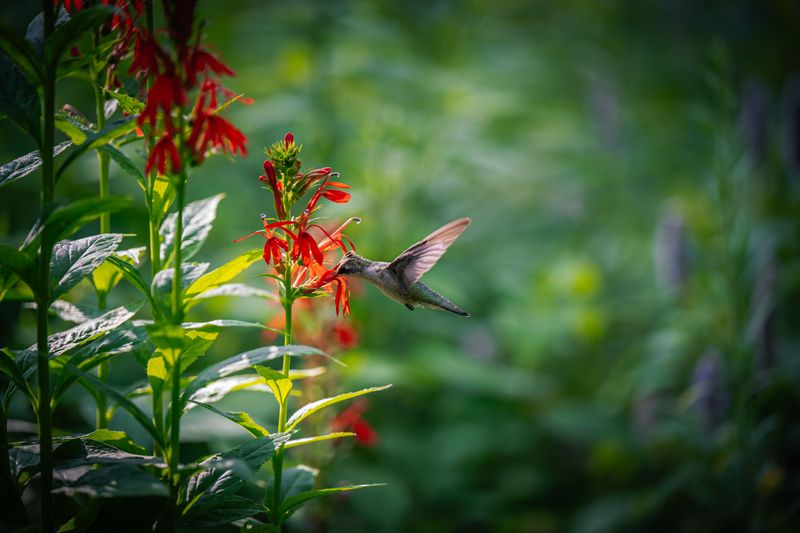
Image Credit: © Chris F / Pexels
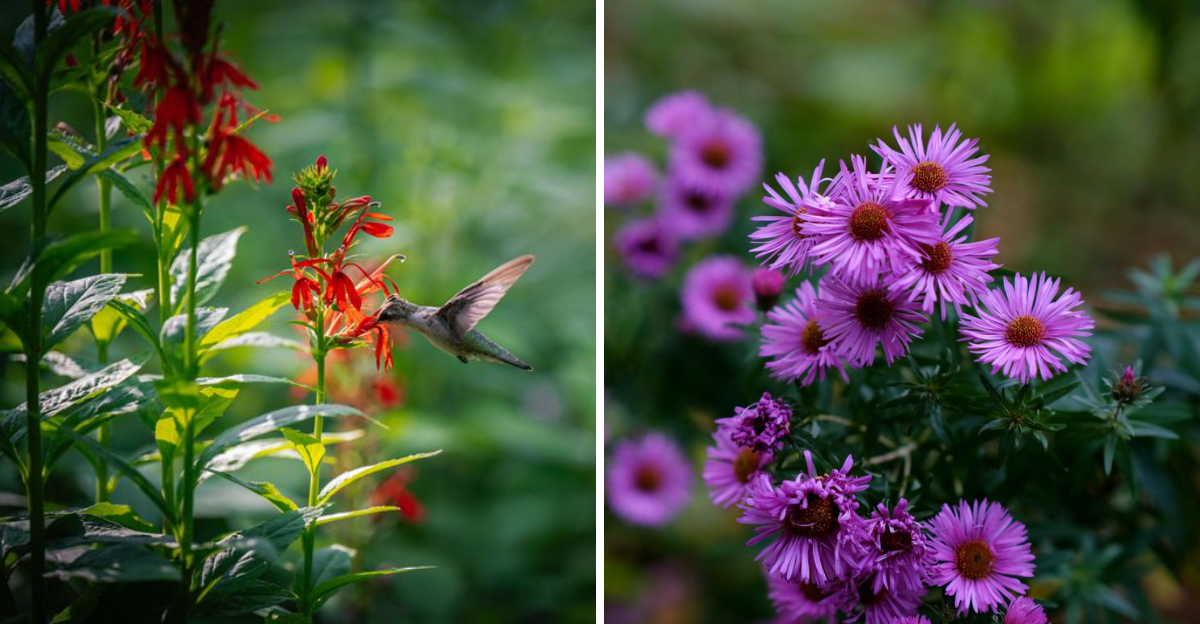
If you want to see something electric in your garden, plant cardinal flower. Its intense scarlet blooms are almost shockingly red, standing out against green foliage like a flare signal.
Cardinal flower is a moisture lover, which is exactly why it matters for fireflies. It naturally grows along stream banks and pond edges, the same wet environments where fireflies are most active.
Fireflies are strongly associated with humid, moist habitats. Planting cardinal flower near a rain garden, low spot, or garden pond essentially signals to fireflies that your yard is worth visiting.
The plant grows two to four feet tall and blooms in mid to late summer. That timing aligns perfectly with peak firefly activity, so the habitat benefit and the light show happen together.
Cardinal flower also attracts hummingbirds with its tubular red blooms. Watching a ruby-throated hummingbird hover near your garden while fireflies begin blinking at dusk is a genuinely unforgettable experience.
It prefers partial shade to full sun and consistently moist soil. A spot near a downspout or low corner of your yard where water naturally collects is ideal.
This plant is a short-lived perennial, so it relies on self-seeding to persist. Leave the seed heads standing in fall and let them drop naturally for a new generation next spring.
Cardinal flower is one of those plants that earns its place twice over. It beautifies the yard by day and supports the firefly habitat that lights it up by night.
7. Black-Eyed Susan

Black-eyed Susan is Missouri’s unofficial summer ambassador. Its golden yellow petals and dark chocolate centers pop against green foliage, and it blooms right through the hottest weeks of the year.
This wildflower is one of the best plants for attracting fireflies to your Missouri yard because of how it supports the broader insect community. More insects in the soil means more food for hungry firefly larvae.
Black-eyed Susan grows one to three feet tall and spreads easily from seed. Within a couple of seasons, a small planting can become a cheerful, self-sustaining patch that requires almost no attention.
The plant thrives in full sun and tolerates dry soil once established. That makes it a practical choice for slopes, roadside strips, or sunny garden beds that don’t get regular watering.
Bees, butterflies, and beetles all flock to black-eyed Susan blooms. That insect traffic creates a rich, active ecosystem right at ground level where firefly larvae spend their early lives.
Leaving the seed heads standing after blooms fade feeds goldfinches through fall and winter. A yard that supports birds and insects together is a yard that feels genuinely alive all year.
Plant black-eyed Susan in drifts rather than single rows for the best visual and ecological impact. Large groupings create more ground cover, more shade, and more insect activity beneath the plants.
Few plants deliver this much return for this little effort. Black-eyed Susan earns every inch of garden space it takes up, especially in a firefly-friendly yard.
8. Little Bluestem
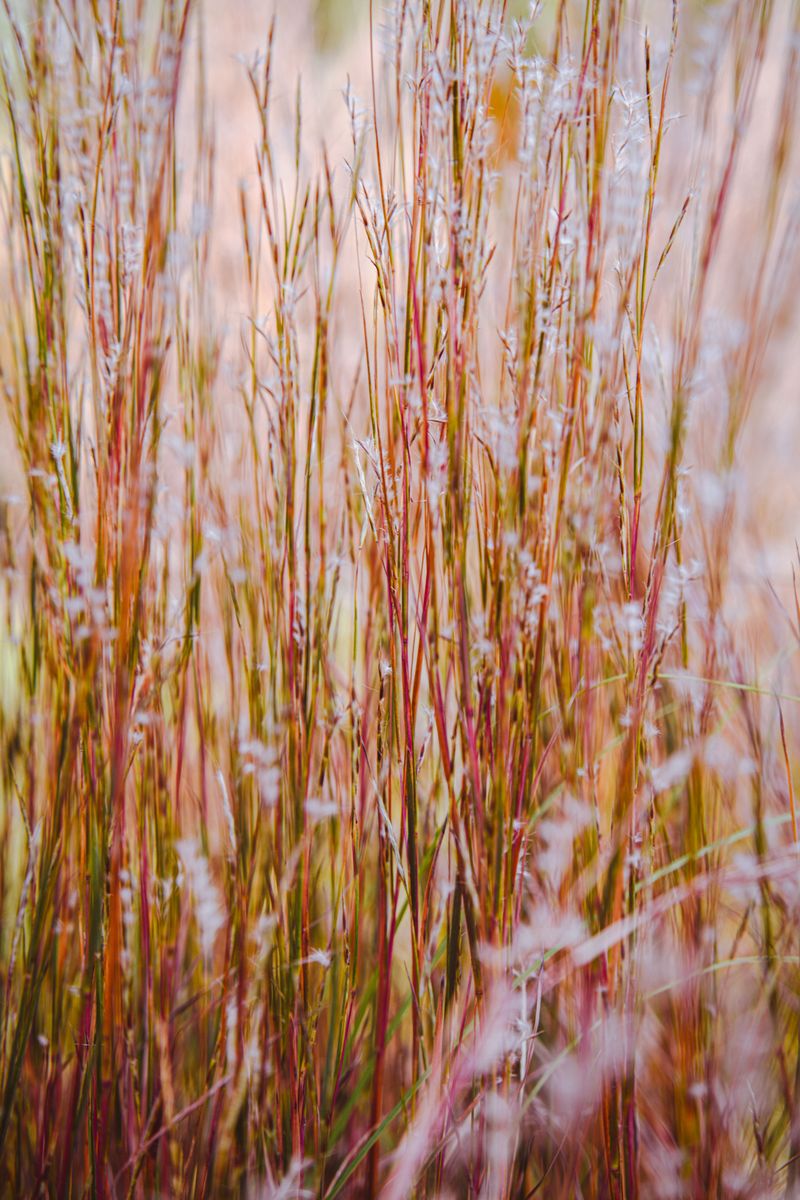
Little bluestem might be the most underrated plant on this entire list. It starts the season as a blue-green clump of grass and transforms by fall into a breathtaking display of copper, bronze, and rust.
For fireflies, little bluestem is pure habitat gold. Its dense, clumping growth shades the soil, holds moisture, and creates the kind of protected ground cover that firefly larvae need to thrive.
This grass grows two to four feet tall, making it more manageable than big bluestem for smaller yards. It fits beautifully into garden borders, rain gardens, and naturalized lawn edges without overwhelming the space.
Little bluestem prefers full sun and well-drained soil. It actually performs better in lean, poor soil than in rich, heavily amended garden beds, which makes it perfect for tough spots in your yard.
The fluffy white seed heads that appear in fall are almost otherworldly. They catch the light on a clear October afternoon in a way that makes you stop whatever you’re doing and just look.
Birds like juncos and sparrows feast on little bluestem seeds throughout winter. That wildlife activity keeps your yard biologically buzzing even during the coldest months of the year.
Planting little bluestem near cardinal flower or New England aster creates a layered habitat with something to offer fireflies at every stage of their life cycle. Variety is what makes a yard truly productive.
Come next June, stand outside at dusk near your little bluestem clumps. The best plants for attracting fireflies to your Missouri yard are the ones that make moments like that possible.