Snakes Are Soaking Up Sun On Maryland Driveways And Patios During Warm Late-Fall Days
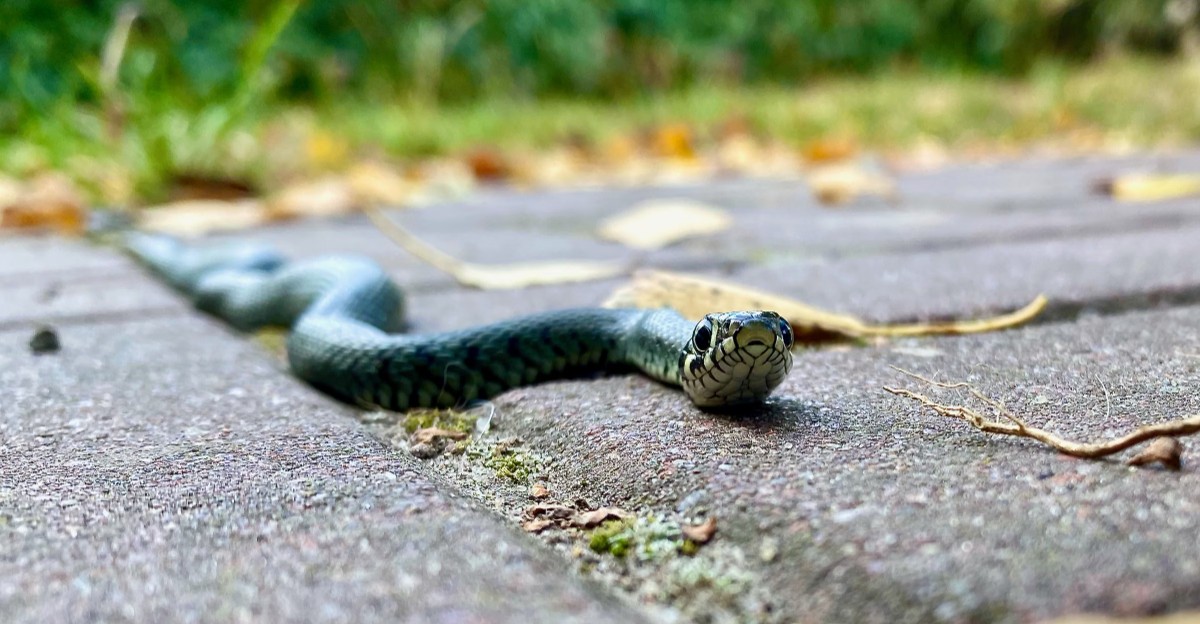
A snake can sit on a sunny driveway in November and warm its body faster than it could in most other parts of the yard. That patch of blacktop works like a heated blanket for a creature that can’t make enough body heat of its own to stay warm.
On mild late-fall afternoons in Maryland, homeowners keep stumbling onto these slender sunbathers on patios, garden steps, and warm stone walkways. I love how one bright day can pull them out of hiding when most of us figured they were gone for the season.
I’m convinced my yard has a whole second life when I’m not looking, and a surprise like this is the proof that it’s busier than it seems.
So why would a cold-blooded animal risk the open pavement this late in the year? The answer is smarter than you might expect.
That Snake On Your Warm Driveway Is Running On Borrowed Heat
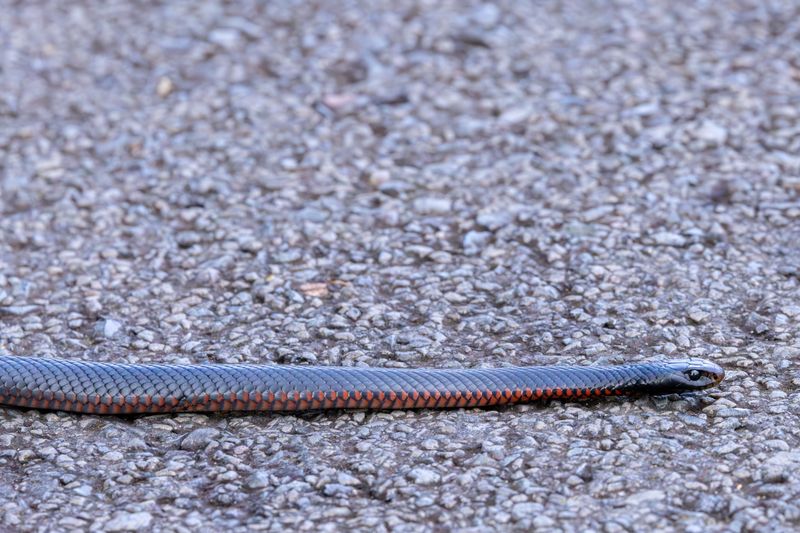
Snakes are cold-blooded, which scientists call ectothermic. Their bodies run on whatever heat they can soak up from the sun, the air, or the ground.
When a late-fall day turns unexpectedly warm, a snake gets a rare chance to recharge. A body that is too cold moves slowly, digests food poorly, and struggles to escape a hungry hawk or fox. Basking fixes all of that in a short time.
You might notice the snake lying very still, sometimes flattened out a little. Flattening gives it more surface area to catch sunlight, kind of like spreading a towel wide at the beach. It is not lazy, just busy warming up its muscles and organs.
I find this behavior fascinating because it is so efficient. A snake may spend an hour on warm pavement and then slip back into the leaves once its body hits the right temperature.
Most sightings happen in the middle of the day, when the sun is strongest. Early mornings and evenings in late fall are usually too chilly for much activity.
So if a snake seems frozen in place on your driveway, give it a little time. It is mostly charging its batteries before heading off on its own.
Winter Dens Are Calling As Snakes Prepare For Brumation
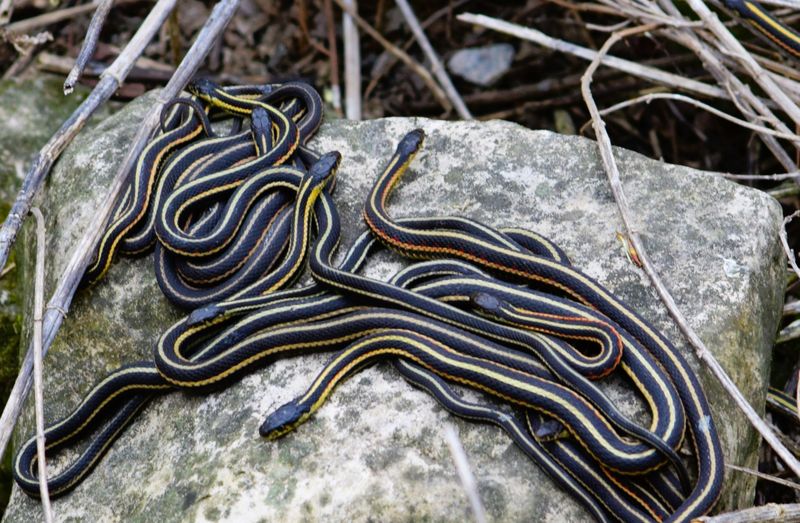
Late fall is crunch time for snakes. Many species in the region stay active from roughly April into October, then slow way down as cold weather settles in.
Their winter rest is called brumation. It is similar to hibernation, but snakes may stir during warm spells and even come out briefly to bask. That explains why a sunny November afternoon can bring one onto your walkway.
Snakes look for safe winter spots called hibernacula. These can be rock crevices, old stumps, rodent burrows, or deep cracks below the frost line. Some species share dens, and a few have been known to return to the same site year after year.
Warm days help them finish this journey. A snake that is fully warmed can travel farther and pick a better shelter before the hard freeze arrives.
Your Maryland Garden Changes Every Week. Your Plan Should Too.
Gardening in Maryland changes quickly throughout the season. Every Friday you’ll receive a simple weekly plan showing exactly what to plant, prune, fertilize, harvest, and protect so you never miss the right timing.
Sadly, foundations, cracked steps, and gaps under porches can look like great dens too. That is one reason late fall is a smart time to check your home for openings.
Once winter truly takes hold, most snakes stay tucked away until spring. Your occasional fall visitor is simply making its final preparations.
Garter Snakes And Rat Snakes Are Your Most Likely Patio Guests
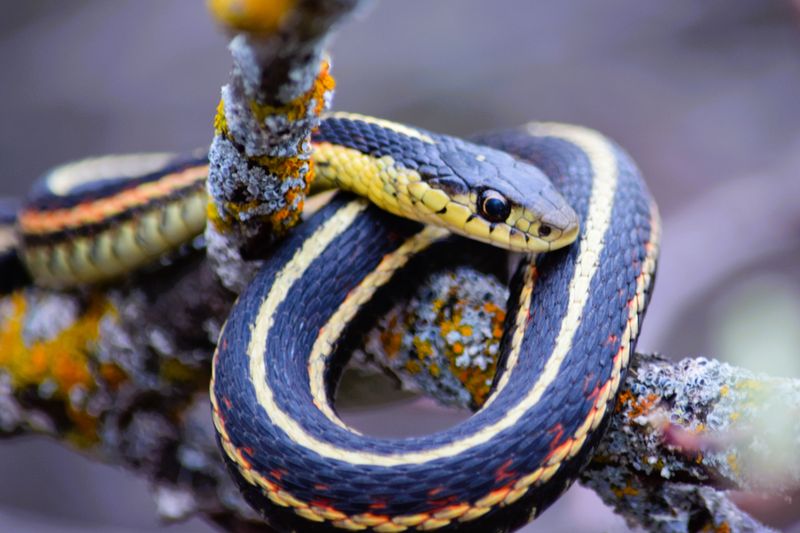
Maryland has 27 kinds of snakes, according to the state Department of Natural Resources. Only a handful turn up in typical backyards, and most of them are harmless.
The eastern garter snake is a common sight. Look for long yellowish stripes running down a dark body. Garter snakes are cold-tolerant and are often among the last snakes out in fall.
Eastern rat snakes are the state’s largest snakes, sometimes topping six feet. Adults are shiny black with a white chin. They climb trees and sheds with ease, hunting mice and rats.
You might also meet a few smaller species. The northern brown snake, also called DeKay’s brownsnake, is tiny and loves gardens and leaf litter. The ring-necked snake has a bright yellow or orange collar and spends lots of time under logs and stones.
Worm snakes are another shy local. They look a bit like an earthworm and rarely leave cover.
I always enjoy learning the names of these visitors. Once you can tell a garter snake from a rat snake, those surprise sightings feel a lot less scary and a lot more interesting.
Blacktop And Patio Stones Act Like Giant Heating Pads For Snakes
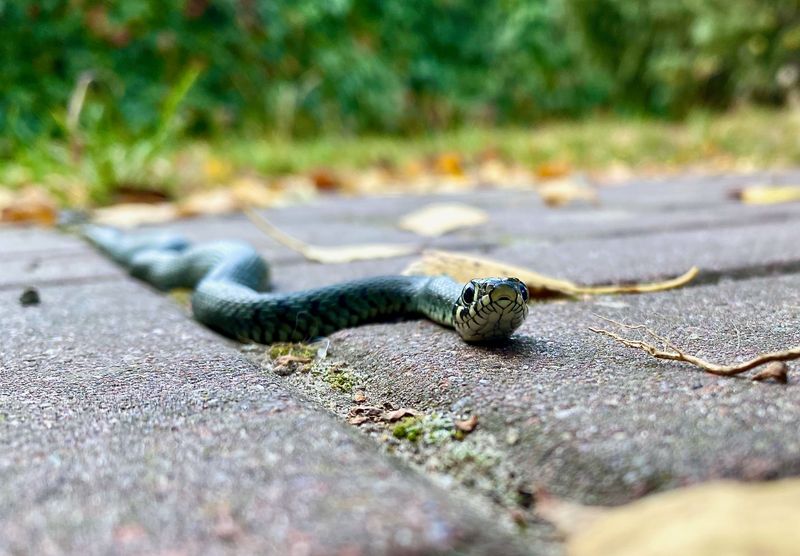
Ever stepped barefoot onto a sunny patio in October and felt the warmth? Snakes feel that same comfort, and they use it on purpose.
Asphalt, concrete, brick, and flat stone soak up sunlight during the day. These surfaces hold onto that heat much longer than grass or damp leaf piles. A snake resting there gets warmth from above and below at the same time.
Dark blacktop is especially good at this. That is why driveways and quiet roads become popular spots on mild afternoons. Stone walls and rock edging around garden beds can attract snakes for the same reason.
Location matters too. A patio that faces south, or one tucked against a house wall, often stays warmer than other parts of the yard. Snakes seem to find these cozy pockets quickly.
Here is a helpful tip for you. Before stepping onto sunny pavers or reaching near a stone border on a warm fall day, take a quick glance around. Many snakes blend in well with gray stone and brown leaves.
Once the sun drops, the pavement cools and the snake usually moves on. These visits tend to be short, so a little patience solves most surprise encounters.
Copperhead Bands Hide Well Among Fallen Autumn Leaves
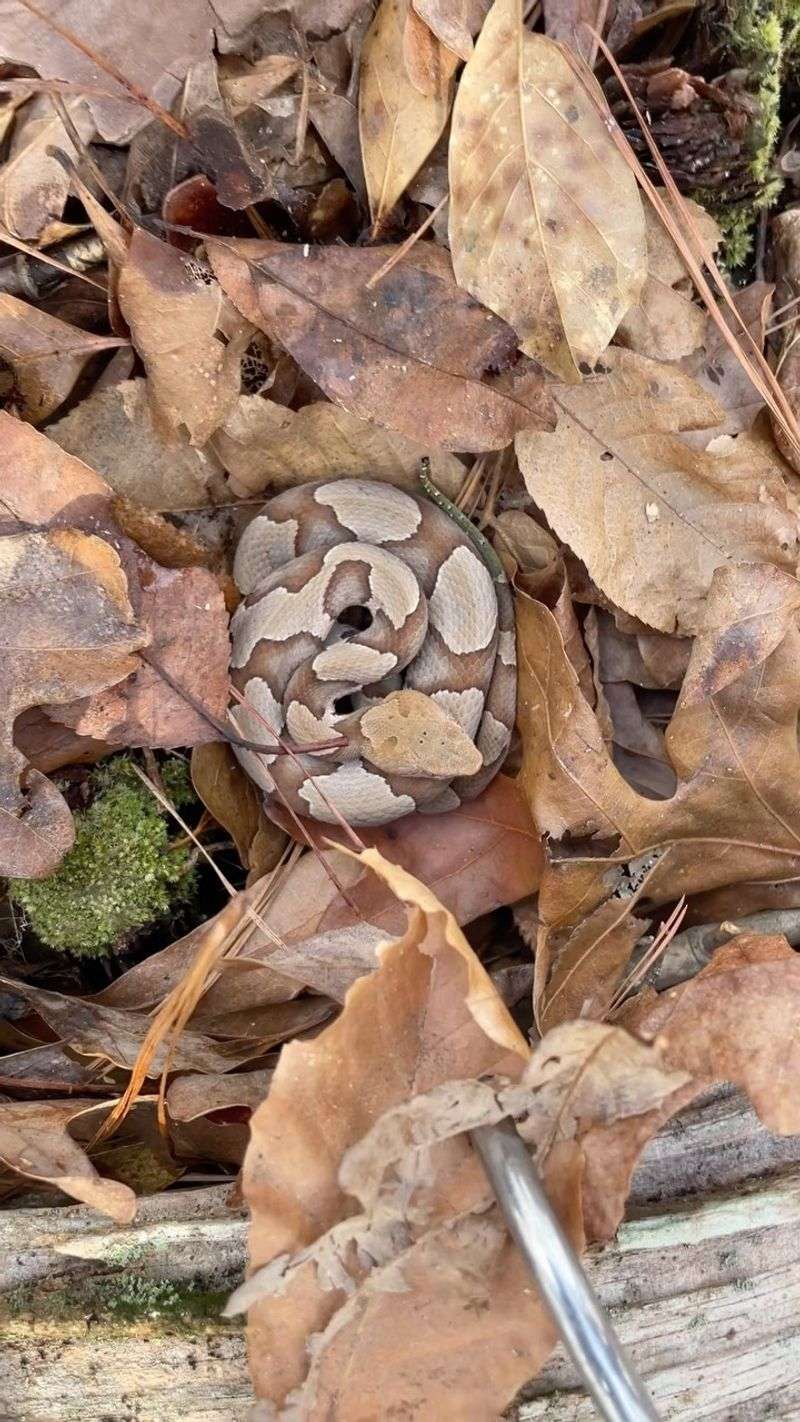
Only two venomous snakes live in Maryland. They are the eastern copperhead and the timber rattlesnake.
Copperheads are the one most people might bump into. They live in wooded suburbs, rocky slopes, and stream valleys across much of the state. Their bodies show dark hourglass-shaped bands on a tan or pinkish background, and their heads have a coppery tone.
That pattern is amazing camouflage in a pile of brown leaves. Be careful when raking, moving firewood, or reaching under stones in fall.
Timber rattlesnakes are much rarer. They mostly stay in the forested mountains of western Maryland and avoid busy places. They are protected in the state, so they should be left alone.
Many harmless snakes get mistaken for copperheads. Young rat snakes and northern water snakes both have blotchy patterns that confuse people. Triangle-shaped heads are not a reliable clue, since many harmless snakes flatten their heads when nervous.
If you are unsure what you see, take a photo from a safe distance. Bites are uncommon and rarely life-threatening with quick care, but any bite needs a doctor right away. Stay calm and call for medical help.
A Few Steps Back From A Basking Snake Keeps Everyone Calm
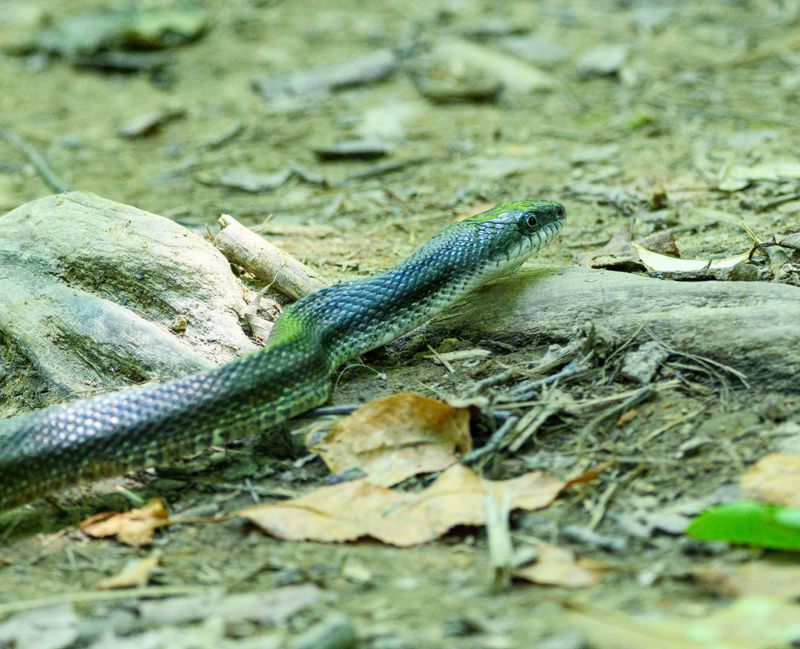
My favorite snake-safety rule is wonderfully simple. Back up, give it room, and let it leave on its own schedule.
Snakes do not want trouble with people. Most bites happen when someone tries to grab, kill, or move a snake, or steps on one by accident. Keeping about six feet away gives the animal space to relax and slide off.
Got kids or pets? Bring them inside or keep dogs on a leash until the snake moves along. Curious dogs often get bitten on the nose when they poke at a snake.
A gentle spray from a garden hose can encourage a harmless snake to move. If a snake ends up inside your garage or home and you are not comfortable, a licensed wildlife control operator can help.
In Maryland, all native snake species are protected under the state’s Nongame and Endangered Species Conservation Act. Harming them is not the answer, and it is not needed.
Boots and gloves are worth wearing during fall cleanup. Look before you reach into leaf piles or woodstacks. Those small habits prevent most surprises and let you enjoy those sunny late-season garden days.
Woodpiles And Leaf Heaps Invite Snakes Closer To Your House
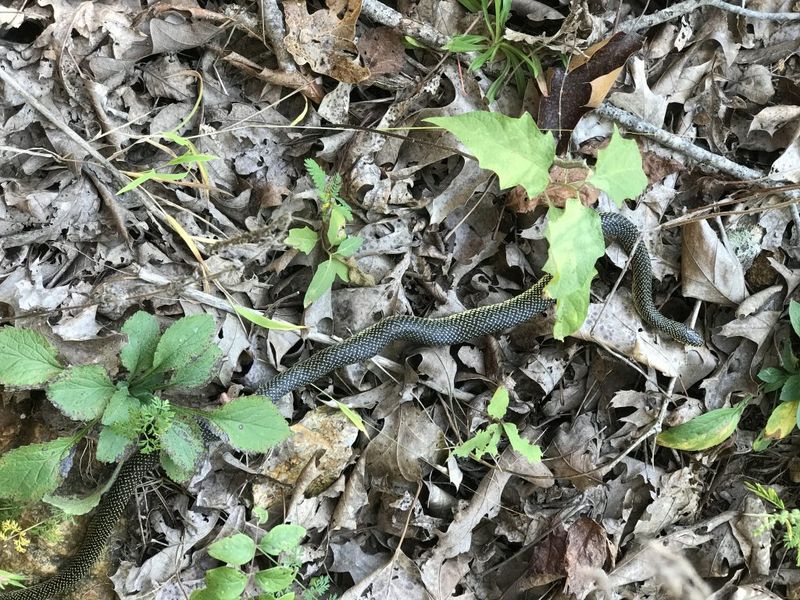
Fall cleanup is about more than looks. A messy corner of the yard can become a snake hotel, plus a buffet if mice are living there too.
Snakes love cover. Woodpiles, stacks of lumber, old boards, and heaps of leaves give them hiding spots and warm shelter. Tall grass also helps them move around unseen.
Store firewood on a rack off the ground, away from your house walls. Pick up loose boards and scrap materials. Keep grass near patios and doors mowed short.
Rodents draw snakes in, so cut off their food sources. Keep birdseed, pet food, and garbage in sealed containers. Clean up spilled seed under feeders.
Check your foundation, porch, and deck for gaps. Sealing cracks and holes now keeps snakes from choosing your crawl space as a winter den. Hardware cloth works well for covering larger openings.
One honest note here. Snake repellent products, including mothballs, have little proven value, and mothballs are not meant for outdoor use. Habitat changes work far better.
You do not need a bare yard. Just keep the clutter away from the spots where you walk and sit.
Rodent-Hunting Snakes Quietly Protect Your Garden Beds
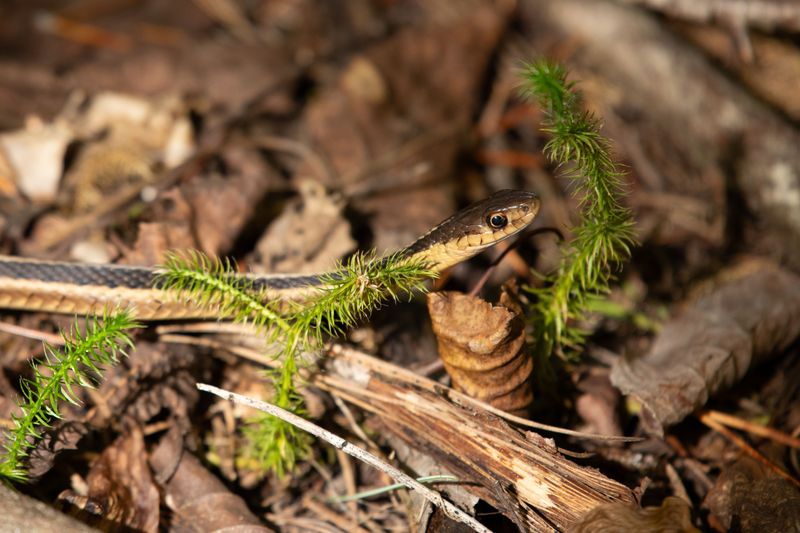
Mice in the shed, voles chewing tulip bulbs, slugs on the hostas. Snakes help with every one of those headaches, and they work for free.
Rat snakes are champion rodent hunters. They follow mice into barns, sheds, and stone walls. Garter snakes eat slugs, earthworms, frogs, and small rodents. Little brown snakes snack mainly on slugs and snails, which makes them a quiet garden helper.
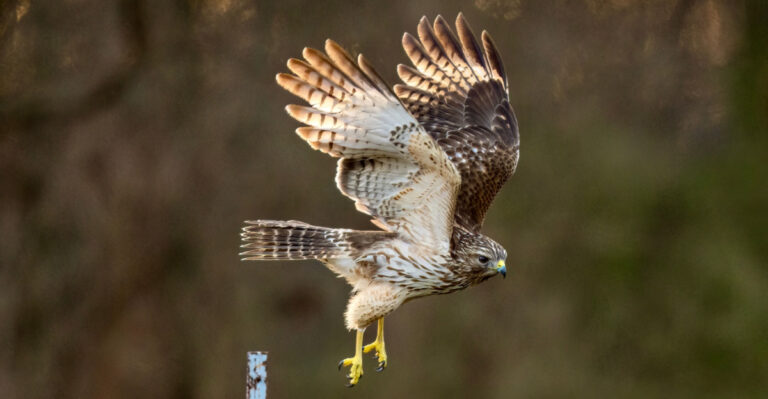
Snakes are also food for hawks, owls, foxes, and herons. Keeping them around supports the whole food web in your neighborhood.
So that sunbather on your driveway is not just passing time. It is part of a natural pest-control team that keeps rodent numbers in check without any chemicals.
Here is a takeaway worth keeping. Spotting a snake in late fall is normal and mostly harmless. Learn the common species, watch your step around leaves, and tidy up spots near the house.
Do that, and you can treat your next sighting as a small wildlife moment instead of a scare. Snap a photo, stay back, and let your scaly helper go about its business before the cold settles in.