Spotted Lanternflies Are Spreading Across Virginia And This Is What To Do About It
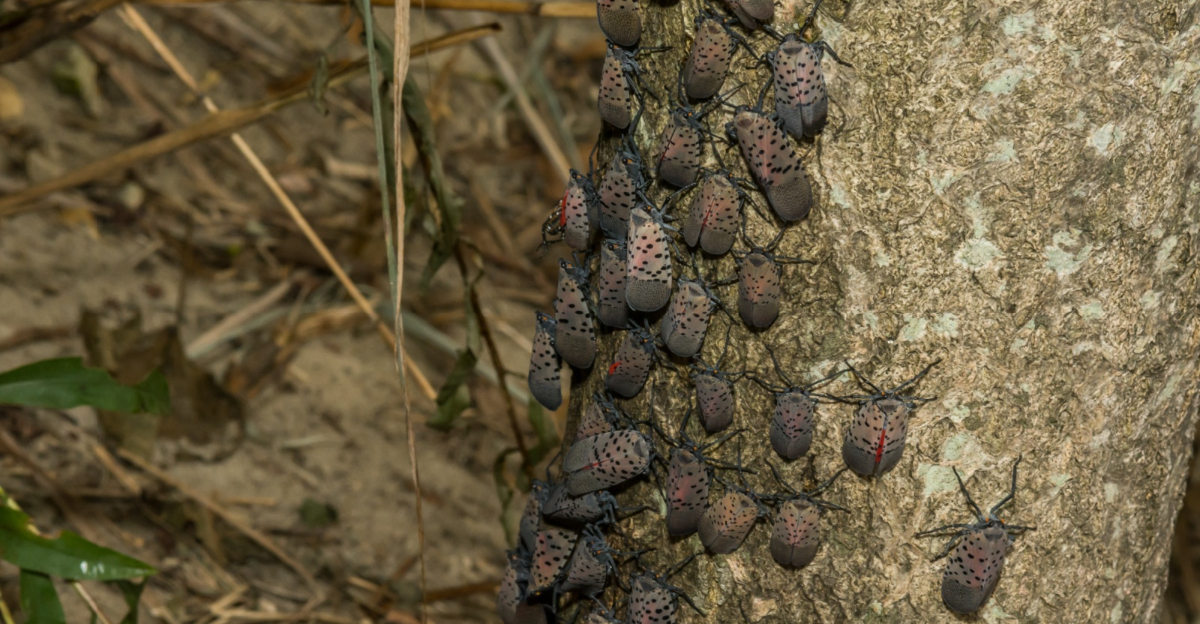
Walk through any Virginia backyard right now and you will notice something that does not belong. Bright red wings flash between tree branches.
Coating your porch furniture is a sticky, suspicious residue. From the garden drifts a faint, fermenting smell.
Spotted lanternflies have moved in, and they brought the whole family. Brushing them off the railing and forgetting about them will not work.
Masses of them feed together and drain the life from trees. Beneath them, everything gets coated in sugary waste that breeds black mold.
Then the next yard becomes their target, and the cycle starts over. Vineyards are struggling.
Orchards are taking real losses. Tomato plants in backyard gardens are not safe either. Years of watching this slow creep get closer have finally caught up with Virginia.
Ignoring them only makes next season harder. Fighting back does not require much, and it starts the moment you step outside. So what exactly are you dealing with, and how bad can it really get?
No Natural Predators Exist Here To Control Them

Back in their home range across Asia, spotted lanternflies have enemies. Birds, wasps, and fungi keep their numbers in check naturally.
Here in the eastern United States, that balance simply does not exist. Native wildlife has not learned to eat them yet.
Scientists have observed that most American birds ignore spotted lanternflies completely. The insects carry compounds that make them taste unpleasant to unfamiliar predators.
Without anything hunting them down, populations can grow rapidly. A single female lays up to 50 eggs in one season.
Multiply that across millions of adults and you get a situation with no natural check. That is a trend researchers are actively monitoring right now.
Some labs are studying parasitic wasps from Asia that target spotted lanternfly eggs. These biocontrol efforts are promising but still years away from wide release.
Until science catches up, humans are the only real check on their growth. That responsibility falls on every homeowner, hiker, and driver in affected areas.
Think of yourself as a temporary stand-in for the predators that belong here. Your awareness and action fill a gap that nature has not yet closed.
The absence of predators is not a reason to feel hopeless. It is a reason to stay engaged and keep doing the small things that matter.
Every egg mass you scrape off and every adult you stomp represents population control that the ecosystem cannot yet provide on its own.
Hitchhiking On Vehicles Spreads Them Rapidly
Picture this: you park near an infested tree, drive two hours away, and unknowingly carry a dozen egg masses with you. That is exactly how spotted lanternflies jump from county to county.
They do not fly long distances on their own. They rely on us to do the heavy lifting. Cars, trucks, campers, and trailers are their favorite free rides. Egg masses look like dried mud smears, so they are shockingly easy to miss.
Your Virginia Garden Changes Every Week. Your Plan Should Too.
Gardening in Virginia changes quickly throughout the season. Every Friday you’ll receive a simple weekly plan showing exactly what to plant, prune, fertilize, harvest, and protect so you never miss the right timing.
Outdoor furniture, firewood, and potted plants also serve as common carriers. Anything that sits outside in an infested area becomes a potential transport vehicle.
Virginia officials have documented spread patterns that track almost perfectly with major highway corridors. The insects follow our roads because we carry them there.
Quarantine zones exist across much of the state, but enforcement relies heavily on public cooperation. Moving regulated materials out of those zones is illegal and genuinely harmful.
Before you leave any parking lot or trailhead in an affected area, take two minutes to walk around your vehicle. Check the wheel wells, bumpers, and undercarriage carefully.
If you spot an egg mass, scrape it into a bag with hand sanitizer or rubbing alcohol. Seal it and toss it in the trash, not on the ground.
Sharing this habit with friends and family multiplies the impact. One informed driver who checks their car can prevent an entirely new infestation from taking root somewhere fresh.
Widespread Tree-Of-Heaven Gives Them An Ideal Host

There is a weedy tree growing along almost every Virginia highway, parking lot, and abandoned lot. It is called tree-of-heaven, and spotted lanternflies absolutely love it.
Tree-of-heaven arrived from China in the 1700s and spread aggressively across North America.
It now grows across most of the continental United States and is considered invasive almost everywhere it has taken hold.
Spotted lanternflies feed on over 70 plant species, but tree-of-heaven is their top preference. Where that tree thrives, lanternfly populations boom.
The two invasive species essentially enable each other. Removing one weakens the other, which is why tree-of-heaven removal is a key part of any management strategy.
You have probably seen tree-of-heaven without knowing its name. It has long compound leaves that look a bit like sumac, with clusters of papery seed pods in late summer.
The bark smells unpleasant when scratched, almost like burnt peanut butter. That odor is a useful field identification trick.
On your property, removing tree-of-heaven is one of the most impactful things you can do. Cut it down and treat the stump immediately to prevent regrowth.
Leaving stumps untreated causes the tree to send up dozens of new shoots within weeks. Those shoots become a fresh feeding buffet for the next generation of lanternflies.
Contact your local Virginia Cooperative Extension office for guidance on safe removal methods. They offer free advice and sometimes even assistance for landowners ready to tackle this problem head-on.
Already Covering 60 To 70 Percent Of The Commonwealth
When spotted lanternflies first appeared in Virginia around 2018, they were confined to a handful of northern counties. Fast forward to today and the picture looks completely different.
Estimates suggest these insects have established a presence across a significant portion of the Commonwealth. That is a striking expansion in just a few years.
Loudoun, Fairfax, Prince William, and Fauquier counties were among the first hit hard. Since then, populations have pushed steadily south and west into new territory.
The Blue Ridge, the Shenandoah Valley, and even parts of central Virginia now report established populations. Researchers track the spread using citizen reports and trapping data.
This rapid expansion reflects just how well-suited the Mid-Atlantic climate is for these insects. Warm summers and mild falls give them plenty of time to reproduce before winter sets in.
Local economies are feeling the pressure. Virginia grape growers, apple orchardists, and hop farmers have reported significant crop losses tied to infestations.
A single spotted lanternfly does not cause much damage on its own. But thousands feeding on one tree at once can weaken it severely over a single season.
The honeydew they excrete coats surfaces below feeding sites, promoting mold growth that further stresses plants. Some vineyards have reported significant losses tied to this combination of feeding and fungal damage.
Knowing how far the infestation has already spread is not meant to discourage you. It is meant to make clear why every individual action against spotted lanternflies genuinely counts right now.
Scrape Egg Masses Into Rubbing Alcohol
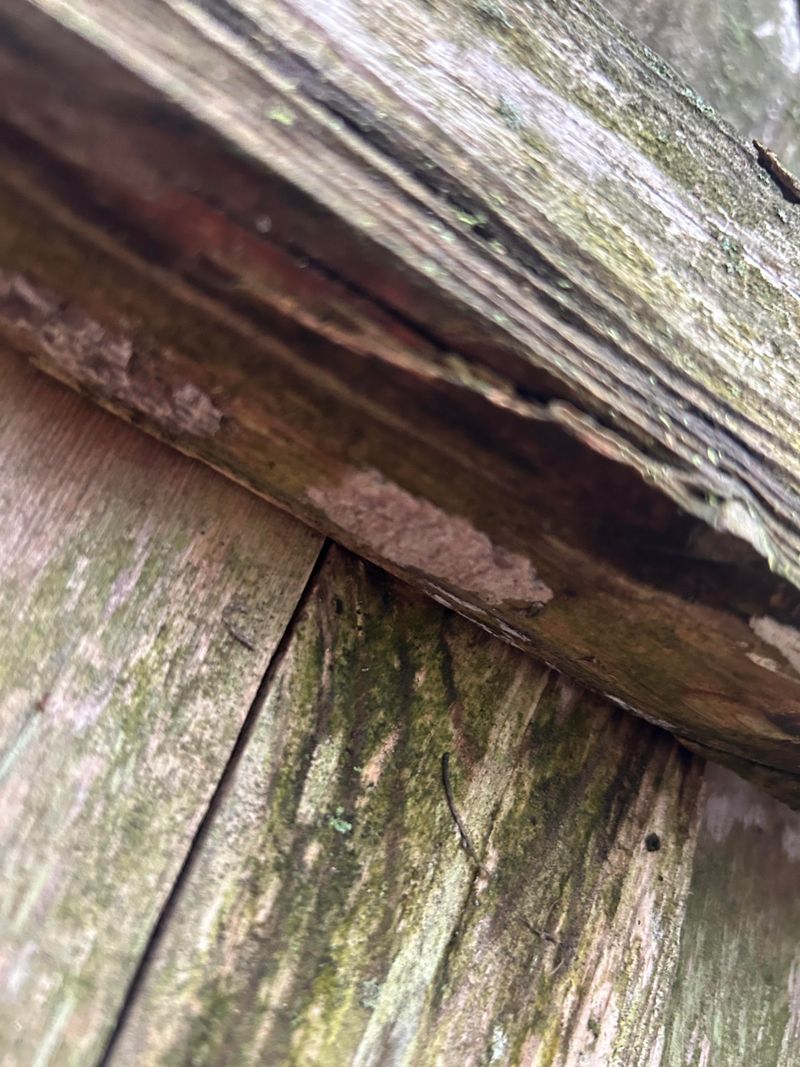
Egg masses are the sneakiest part of the spotted lanternfly life cycle. They look like a smear of dried gray mud, about an inch long, and they blend into bark almost perfectly.
Each mass contains 30 to 50 eggs, so finding and destroying one is genuinely meaningful. You are eliminating an entire future generation before it even hatches.
Egg-laying season runs from late September through the first hard freeze. After that, masses stay dormant through winter and hatch in spring when temperatures rise.
Grab a plastic card, an old gift card works great, and scrape the mass firmly into a container of rubbing alcohol or hand sanitizer. The alcohol neutralizes the eggs on contact.
Do not just scrape them onto the ground and walk away. Eggs that fall on soil can still hatch and survive just fine without any help from you.
Seal your container and dispose of it in the trash. Some people use zip-lock bags filled with sanitizer as a portable field kit during walks or hikes.
Check every hard surface on your property. Egg masses appear on tree trunks, fence posts, stone walls, outdoor furniture, and even lawn equipment left outside.
The undersides of deck boards and picnic tables are favorite hiding spots. A flashlight and a few minutes of searching can reveal surprising numbers of masses in small areas.
Making this a fall habit every year keeps your yard from becoming a nursery for the next spring surge of spotted lanternflies across your neighborhood.
Stomp Adults And Nymphs On Sight
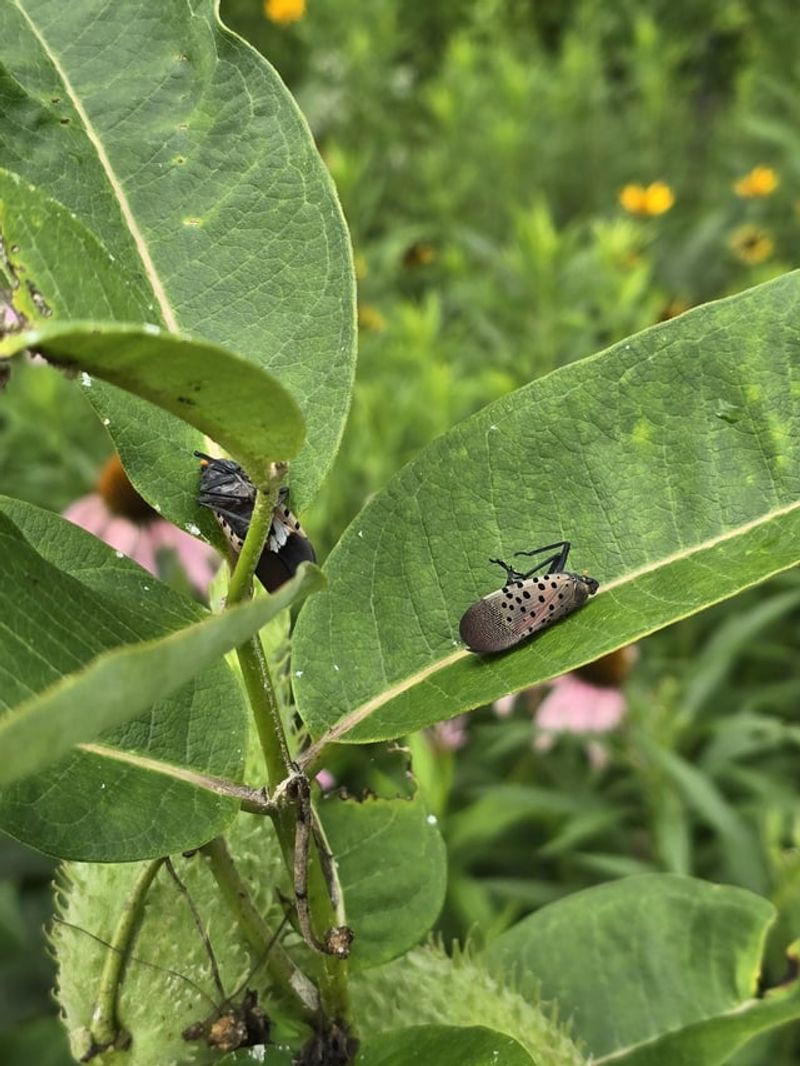
Yes, this is exactly as satisfying as it sounds. Stomping spotted lanternflies is not just acceptable, it is actively encouraged by state agriculture officials.
Adult spotted lanternflies are easiest to spot from July through late fall. They cluster on tree trunks and woody stems, often in groups of dozens or even hundreds.
Nymphs appear earlier in the season, starting in late April or May. Young nymphs are black with white spots, while older nymphs develop red patches before their wings fully form.
Both life stages are fair game for stomping. A quick, firm step is all it takes, and you do not need any equipment or protective gear.
If stomping feels inefficient for large groups, a container of soapy water works well. Knock insects off surfaces directly into the solution and they will not survive long.
Dish soap mixed with water in a bucket is a low-cost, chemical-free option that many gardeners already have on hand. No special formulas needed.
Some homeowners use a shop vacuum to collect large numbers quickly from infested areas. Empty the canister into soapy water afterward to ensure nothing escapes.
Sticky bands wrapped around tree trunks can trap nymphs as they climb upward to feed. Check and replace these bands regularly so other wildlife does not get caught accidentally.
Every adult you eliminate before egg-laying season reduces next year’s population. Consistent stomping throughout summer and fall makes a measurable difference in your immediate surroundings.
Remove Tree-Of-Heaven From Your Property
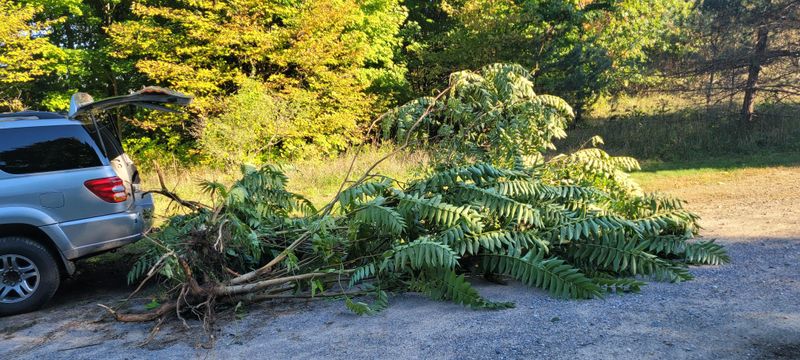
Pulling tree-of-heaven from your yard is one of the highest-impact moves you can make against spotted lanternflies. Think of it as cutting off the buffet line.
Small seedlings can be pulled by hand when the soil is moist. Grab low on the stem and pull slowly to get as much root as possible.
Larger trees require cutting and stump treatment. If you skip the stump treatment, the tree responds by sending up a dense cluster of new shoots within weeks.
A cut stump treated immediately with concentrated herbicide is the most reliable method. Triclopyr-based products work well and are available at most garden supply stores.
Timing your cut matters. Late summer cuts followed by immediate herbicide application have higher success rates than spring cuts when the tree is actively pushing sap upward.
Female trees are the priority since they produce thousands of seeds annually. Seeds disperse by wind and can travel significant distances, starting new infestations far from the parent tree.
Male trees do not produce seeds but still serve as a food source for spotted lanternflies. Removing both sexes from your property is the most thorough approach.
If a neighbor has a large tree-of-heaven near your property line, a friendly conversation can go a long way. Sharing information about the lanternfly connection often motivates action better than any official notice.
Replacing removed trees with native species like serviceberry or redbud supports local wildlife while closing the door on future spotted lanternfly habitat right where you live.
Inspect Your Vehicle Before Leaving Infested Areas
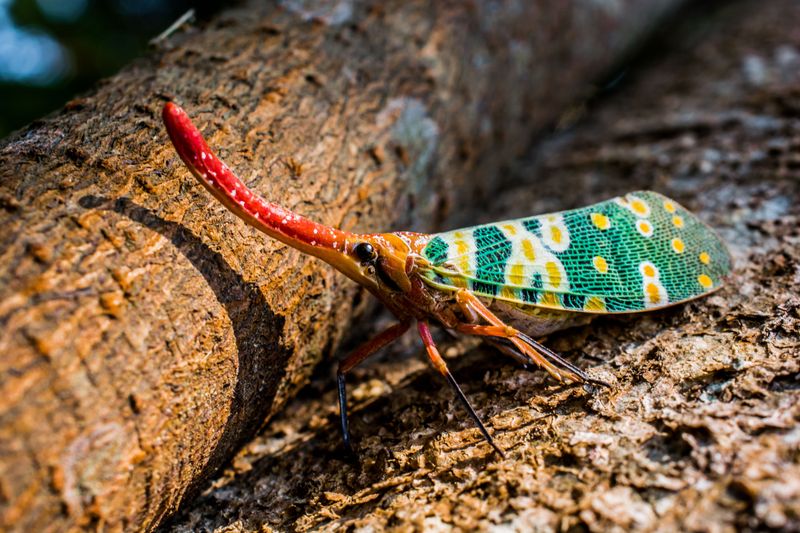
Two minutes before you drive away can reduce the risk of spreading lanternflies to new areas. Every check matters.
Spotted lanternflies and their egg masses attach to virtually any surface. Your car’s grille, bumper, roof rack, and undercarriage are all prime real estate for hitchhiking insects.
Make it a routine to walk your full vehicle perimeter before leaving any trailhead, vineyard, orchard, or park in an infested zone. Look carefully and use a flashlight if needed.
Egg masses are the trickiest to find because they mimic dried mud so convincingly. Run your fingers along flat surfaces if your eyes are not catching anything suspicious.
If you find live adults on your car, knock them into a bag with soapy water or sanitizer before driving off.
Driving away with live insects on your vehicle significantly increases the risk of spreading them to new areas.
Trailers, campers, and bike racks deserve extra attention since they have more nooks and crannies than a standard vehicle. Take an extra few minutes for these larger setups.
Virginia has established quarantine regulations for moving materials out of designated zones. Firewood, nursery stock, and outdoor equipment all fall under these rules for good reason.
Sharing this habit online puts the information in front of people who may never have thought to check their vehicle.
Checking your car is the simplest, fastest way to fight spotted lanternflies, and it costs you absolutely nothing but a moment of attention.