Pennsylvania Plants That Bring Mourning Doves Back To The Same Yard Every Day
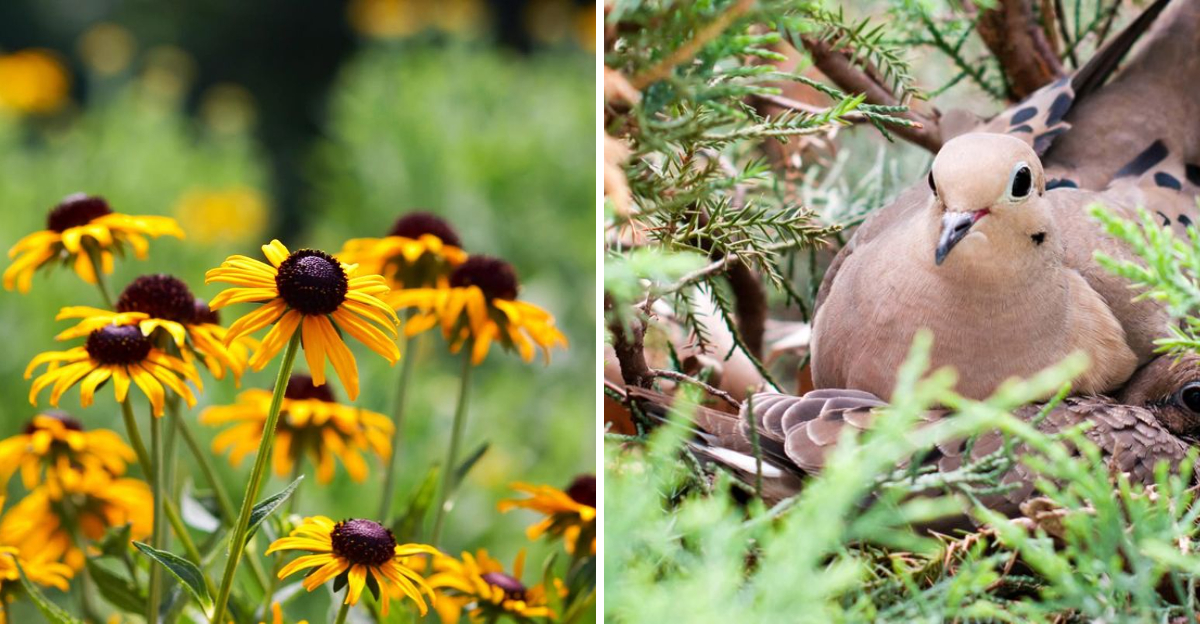
There’s something deeply comforting about mourning doves. That soft, gentle cooing drifting across the yard on a quiet morning has a way of making everything feel calm and unhurried.
If you’ve had mourning doves visiting your yard before, you already know how easy it is to get attached to them. And if you haven’t, trust me, you want to.
The good news is that mourning doves are creatures of habit. Once they find a yard they like, they come back.
Day after day, season after season. They’re loyal visitors who will return to the same spots reliably as long as those spots keep giving them what they need.
And what they need comes down largely to what you’re growing. The right plants make all the difference.
Mourning doves have very specific preferences when it comes to food sources and habitat, and Pennsylvania happens to have some wonderful native plants that check every box on their list. You don’t need fancy feeders or expensive setups.
Just the right plants in the right places. Here’s exactly what to grow if you want mourning doves returning to your Pennsylvania yard every single day.
1. Sunflowers
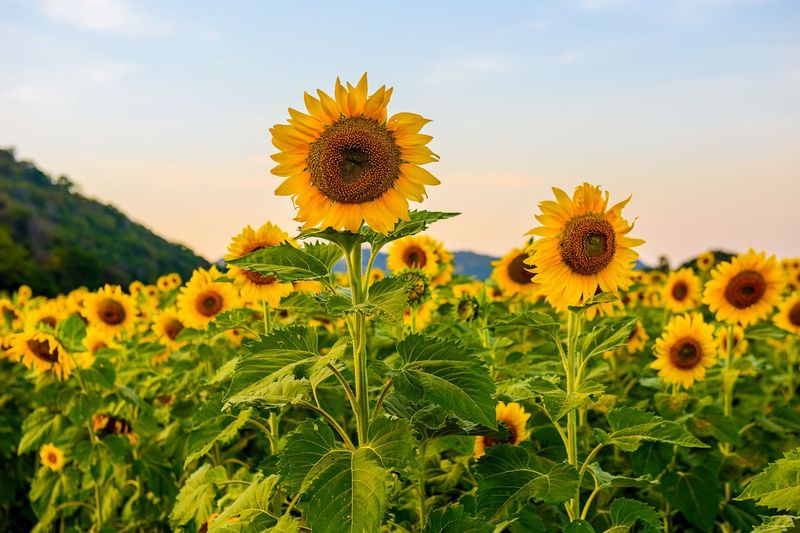
Few plants make a yard feel more alive than a row of towering sunflowers nodding in the summer breeze. Mourning doves absolutely love sunflower seeds, and a sunflower patch can turn your yard into a daily stop for these gentle birds.
The large, oil-rich seeds are packed with the energy doves need, especially during cooler months when food gets harder to find.
Sunflowers are easy to grow in Pennsylvania. They love full sun and well-drained soil, and they can reach heights of six feet or more depending on the variety.
You do not need a big garden to grow them. Even a small sunny corner or a raised bed works perfectly.
One of the best things about sunflowers is how long they keep giving. After the blooms fade, the seed heads stay standing and continue attracting birds well into fall.
You can leave the dried seed heads in place rather than cutting them down. Doves will land right on the stalk or forage beneath it on the ground.
Planting a mix of tall and shorter sunflower varieties gives doves both elevated perching spots and low-level feeding areas.
Common varieties like Mammoth Grey Stripe or Lemon Queen work wonderfully for wildlife gardens. Sunflowers also attract insects, which creates a lively backyard habitat overall.
Did you know that sunflowers can produce hundreds of seeds per flower head? That is a lot of food for your local dove population.
Plant a fresh batch each spring, and mourning doves will reward you with their calm, soothing presence throughout the season.
2. Purple Coneflower
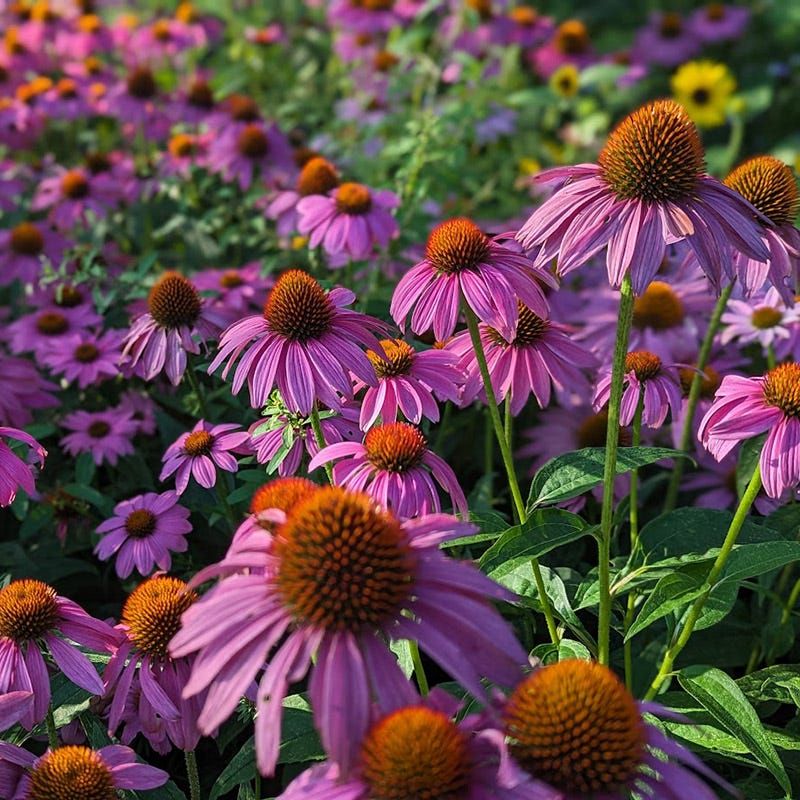
Purple coneflower is one of those plants that earns its spot in any Pennsylvania garden twice over. First, it puts on a gorgeous show of rosy-purple petals all summer long.
Then, once those petals drop, the spiky seed heads become a natural buffet for mourning doves and other backyard birds.
Your Pennsylvania Garden Changes Every Week. Your Plan Should Too.
Gardening in Pennsylvania changes quickly throughout the season. Every Friday you’ll receive a simple weekly plan showing exactly what to plant, prune, fertilize, harvest, and protect so you never miss the right timing.
Mourning doves tend to forage on the ground, so they often pick up coneflower seeds that have fallen naturally from the plant. Letting the seed heads stand through fall and even into winter gives doves a reliable food source during colder months.
Resist the urge to deadhead these plants and you will be rewarded with consistent bird activity in your yard.
Echinacea purpurea is a tough, native perennial that thrives in Pennsylvania’s climate. It handles summer heat, tolerates some drought once established, and comes back stronger every year. Plant it in full sun to partial shade, and it will reward you with minimal fuss.
Beyond feeding birds, purple coneflower pulls in butterflies, bees, and beneficial insects throughout the growing season.
That natural insect activity creates a buzzing, living garden that feels welcoming to all kinds of wildlife, including mourning doves that may linger nearby while seeds ripen.
A patch of even six to ten coneflower plants can make a noticeable difference in how often doves visit. Mass planting in a natural-looking cluster tends to attract more birds than single stems scattered around.
Try pairing coneflowers with black-eyed Susans for a wildflower corner that looks beautiful and feeds wildlife all season long.
3. Black-Eyed Susan
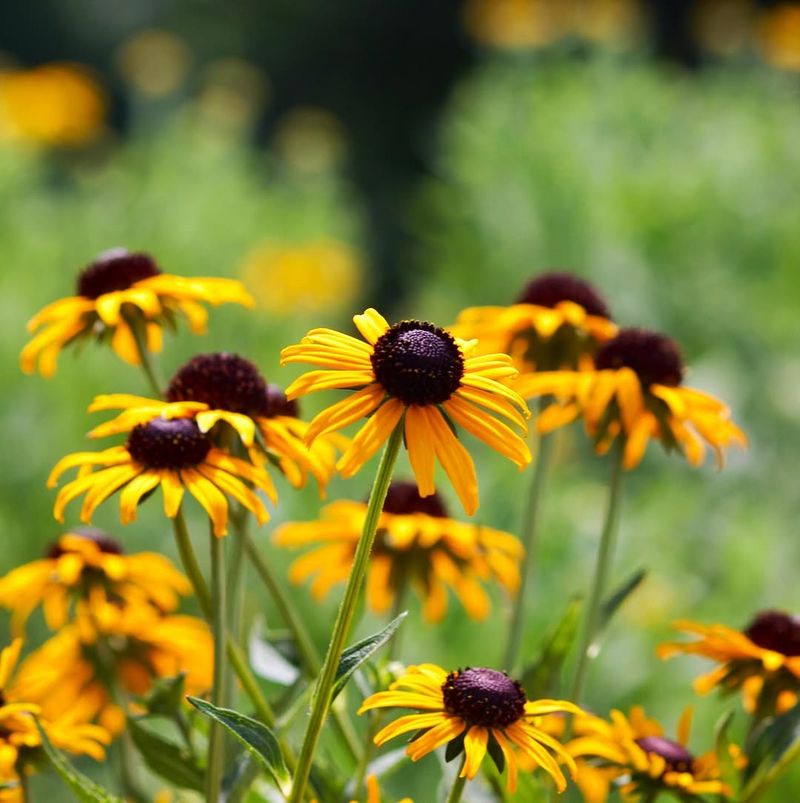
There is something cheerful and reliable about black-eyed Susans. Their bold yellow petals and dark centers light up Pennsylvania gardens from midsummer through fall, and once the blooms fade, the seed-packed centers become one of the best natural food sources for mourning doves in the region.
Mourning doves are ground feeders by habit, which means they benefit most when black-eyed Susan seeds drop naturally to the soil below. Leaving the spent flower heads standing through late fall encourages this process.
Seeds fall gradually, giving doves a slow and steady supply of food right at ground level where they feel most comfortable feeding.
Rudbeckia hirta is a native wildflower that grows easily across Pennsylvania. It thrives in full sun, handles clay soils surprisingly well, and self-seeds freely, meaning it spreads on its own each year with little effort from you.
Once established, a patch of black-eyed Susans practically takes care of itself. Pollinators like bees and butterflies flock to the blooms during summer, which adds even more life and energy to your yard.
That insect activity supports the whole backyard ecosystem and makes your garden more inviting to birds like mourning doves that appreciate a naturally active habitat.
Planting black-eyed Susans in clusters of at least a dozen plants creates a bigger visual impact and a more meaningful food source for doves. They pair beautifully with purple coneflower and wild bergamot in a native plant bed.
Gardeners across Pennsylvania have found that this combination consistently draws more dove activity than traditional flower plantings.
4. Wild Bergamot
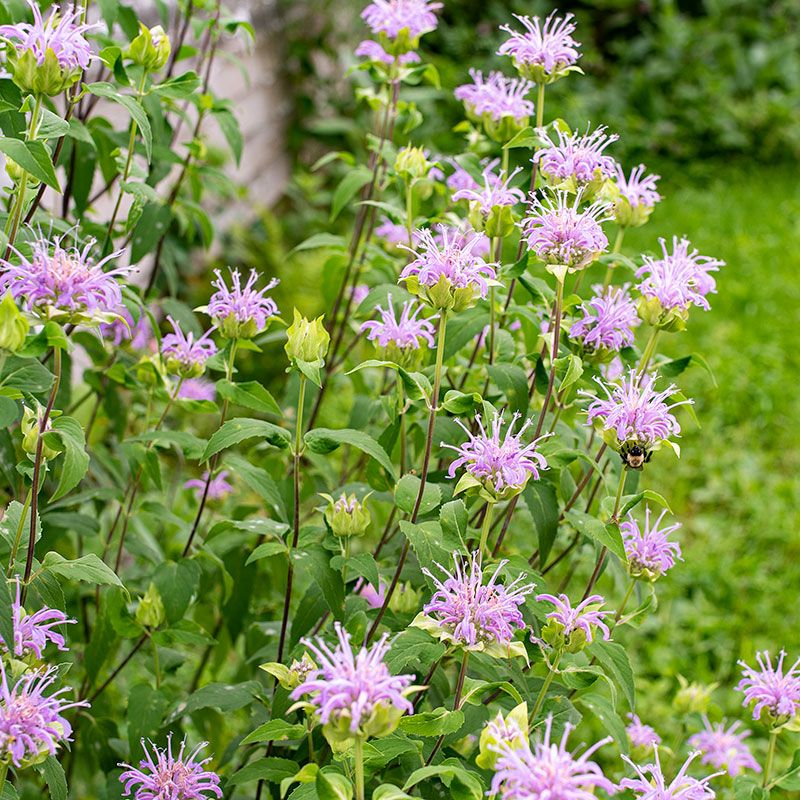
Wild bergamot has a personality all its own. The lavender-pink flower clusters bloom in mid to late summer and carry a faint minty fragrance that makes walking past them a small daily pleasure.
But beyond looking and smelling wonderful, this native Pennsylvania plant plays a clever role in attracting mourning doves to your yard.
Doves do not feed directly on bergamot flowers, but they are drawn to the insects that swarm around the blooms. Bees, butterflies, and hummingbirds visit regularly, and doves often move nearby to observe or forage on the ground around the base of the plant.
Dense stands of wild bergamot also create excellent low cover where doves feel safe resting between feeding sessions.
Monarda fistulosa is a tough native perennial that spreads gradually through underground runners, forming soft, bushy clumps over time.
It tolerates a wide range of Pennsylvania soil types and does best in full sun to light shade. Once established, it requires very little maintenance and comes back reliably each spring.
The seed heads left behind after blooming also provide modest food value for birds during fall. While wild bergamot is not a primary seed source like sunflowers or coneflowers, it supports the overall habitat in a meaningful way.
Mixing it into a native plant border alongside heavier seed producers creates a layered, wildlife-friendly garden.
If you want a plant that pulls double duty as a pollinator magnet and a mourning dove shelter, wild bergamot delivers.
It brings movement, color, and life to a Pennsylvania yard without demanding much in return. That is a pretty good deal for any backyard gardener.
5. American Beautyberry
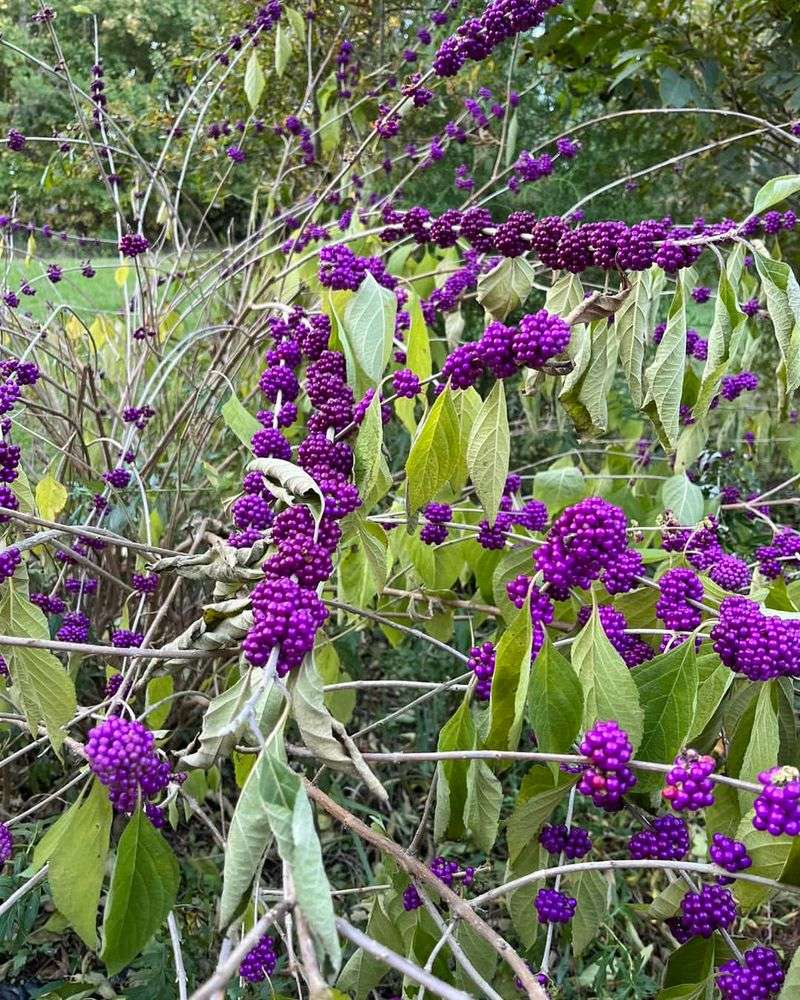
Spotting American beautyberry for the first time is a genuine wow moment. The clusters of electric purple berries that line every branch in late summer and fall look almost too vivid to be real.
But beyond being one of the most eye-catching shrubs you can grow in Pennsylvania, beautyberry is a serious wildlife plant that mourning doves and dozens of other bird species depend on.
Mourning doves visit beautyberry shrubs to feed on the ripe berries and to rest in the dense, arching branches.
The shrub provides both food and shelter in one package, which is exactly the kind of habitat feature that encourages birds to return to the same yard day after day. Once doves identify a reliable food and rest spot, they stick with it through the season.
American beautyberry grows well across much of Pennsylvania, preferring partial shade to full sun and moist, well-drained soil. It can reach six to eight feet tall and wide, making it a bold presence in any garden.
Pruning it back hard in late winter encourages vigorous new growth and better berry production the following year.
The berries ripen in late summer and often persist into fall, bridging the gap between summer and the harder months ahead. That timing makes beautyberry especially valuable in a bird-friendly yard.
Planting two or more shrubs together increases berry production and creates a more substantial habitat patch for visiting birds.
Gardeners who add beautyberry often report a noticeable uptick in bird activity almost immediately after the berries ripen. It is one of those plants that genuinely changes the character of a yard, making it feel wilder, richer, and more alive with natural energy.
6. Eastern Red Cedar
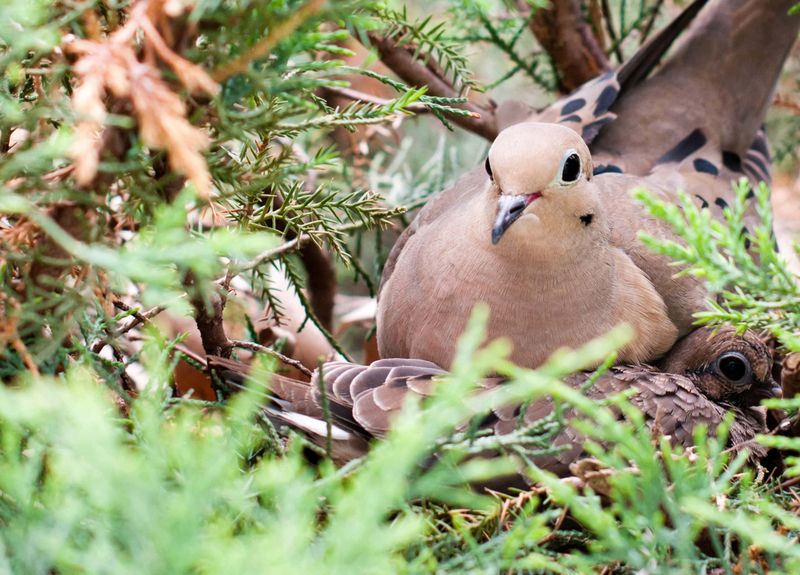
Eastern red cedar is the kind of tree that works hard all year without ever asking for much. It is an evergreen native to Pennsylvania that keeps its dense, dark foliage through every season, offering birds a sheltered place to roost, nest, and wait out bad weather.
For mourning doves, this kind of year-round cover is incredibly valuable. The small, blue-gray berry-like cones that Eastern red cedar produces are technically modified cones, not true berries, but birds treat them the same way.
Mourning doves, along with cedar waxwings and bluebirds, return repeatedly to feed on them through fall and into winter.
Having a reliable food source during cold months is one of the main reasons doves keep coming back to the same yard every day.
Juniperus virginiana is drought-tolerant, adaptable to a wide range of soil types, and grows naturally across Pennsylvania without needing much extra care. It can reach heights of 40 feet in ideal conditions but is also available in compact cultivars that fit smaller yards.
It grows steadily and strengthens over time, becoming more valuable to wildlife with each passing year.
The dense branching structure of Eastern red cedar makes it an ideal nesting site for mourning doves. Doves tend to build simple, flat nests and often choose sheltered spots within cedar trees.
Once a pair nests successfully in your yard, the chances of them returning the following season increase significantly.
Planting one or two Eastern red cedars toward the back or edge of your yard creates a natural windbreak and wildlife corridor. It anchors the garden with year-round structure and becomes the heartbeat of a truly bird-friendly Pennsylvania landscape.
7. Nannyberry
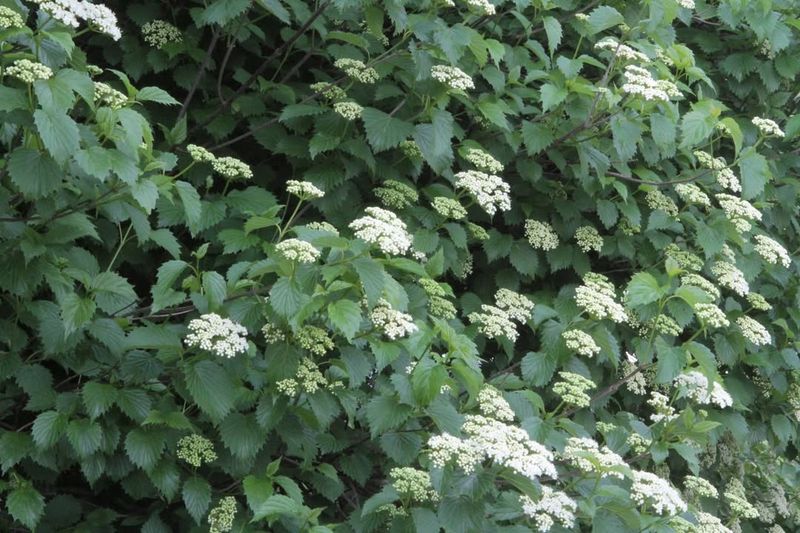
Nannyberry might not be the most famous plant at the garden center, but backyard birders who know it swear by it. This native Pennsylvania shrub produces clusters of dark blue-black berries in late summer that mourning doves find irresistible.
Once birds discover a nannyberry shrub, they tend to visit it daily until the berries are gone, and sometimes they come back the following year out of habit.
Viburnum lentago is a large, multi-stemmed shrub that can grow anywhere from six to fifteen feet tall, making it a significant presence in any yard. It thrives in a range of conditions, tolerating both full sun and partial shade as well as wet or dry soils.
That flexibility makes it one of the most adaptable native shrubs for Pennsylvania gardeners.
The berries ripen gradually over several weeks, which extends the feeding window for birds rather than producing one big burst of fruit all at once.
That slow ripening process keeps mourning doves and other birds returning consistently through late summer and into fall.
The timing also overlaps with migration season, so nannyberry can attract passing birds in addition to your regular yard visitors.
Dense nannyberry growth provides excellent cover for doves resting between meals. The shrub’s layered branching offers multiple perching levels, from low spots near the ground to higher branches where doves can survey the yard before landing.
That sense of security is a big part of what makes birds choose one yard over another. Planting nannyberry alongside Eastern red cedar or American beautyberry creates a powerhouse corner of your yard that supports mourning doves through every season.
It is a low-maintenance investment that pays off in daily bird visits for years to come.