The Giant Red-Headed Crawler Of Missouri’s Rocky Glades Packs A Painful Venomous Bite
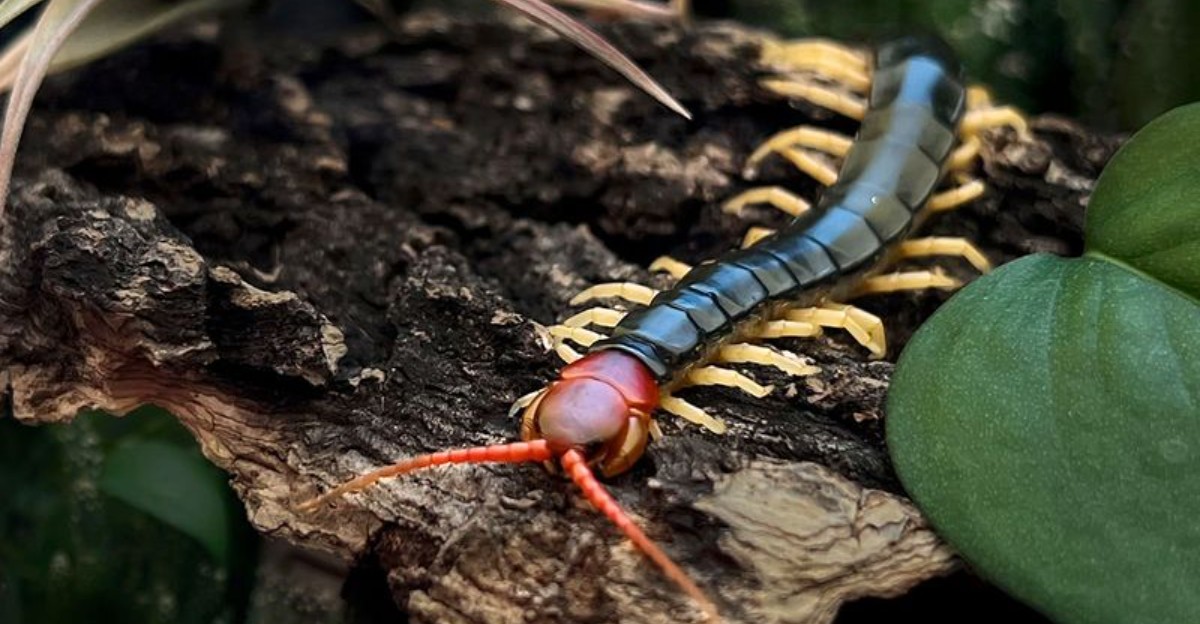
Some Missouri creatures can grow longer than a dollar bill and still hunt small snakes.
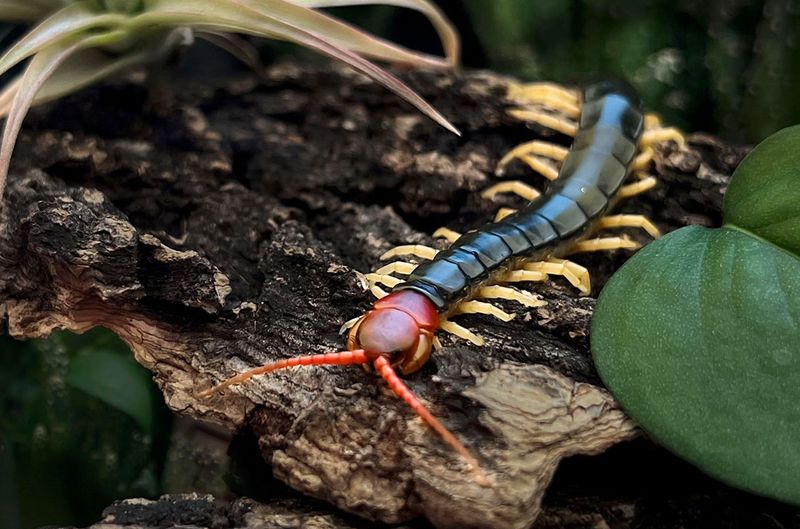
This one hides under flat rocks on sunny Ozark hillsides, and it wears colors that look painted on. Rusty red head, glossy black body, bright yellow legs.
I learned the hard way that glade rocks are not just pretty garden borders. I flipped one while clearing a path for native coneflowers, and something long and fast shot sideways. My heart did a little drum solo.
Truth is, most of us never see these crawlers at all. They prefer the dark, and they would rather run than fight. Corner one with a bare hand, though, and you may get a lesson in respect that lasts for hours.
So what exactly lives under those warm stones, and how worried should you really be?
That Flash Of Red Under A Glade Rock Has A Name
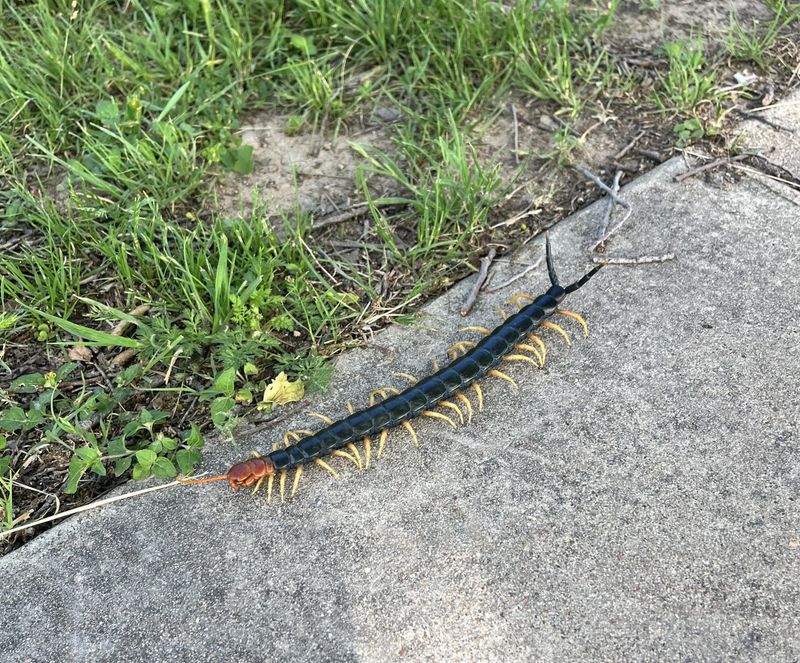
Meet North America’s heavyweight champion of centipedes, the giant red-headed centipede, known to scientists as Scolopendra heros. In Missouri, adults often reach about 6 inches, and some individuals stretch close to 8. That is about as long as the blade of a typical garden trowel.
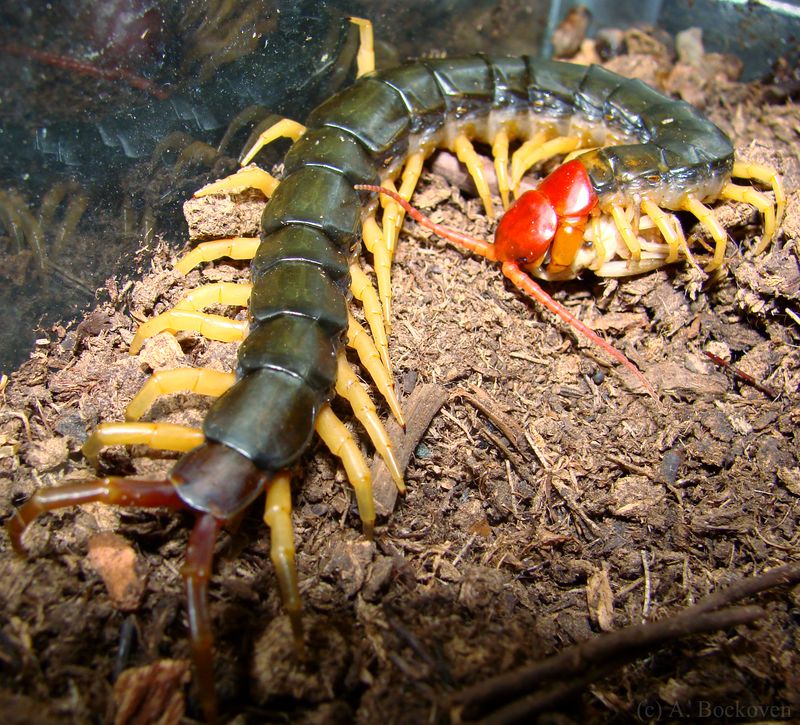
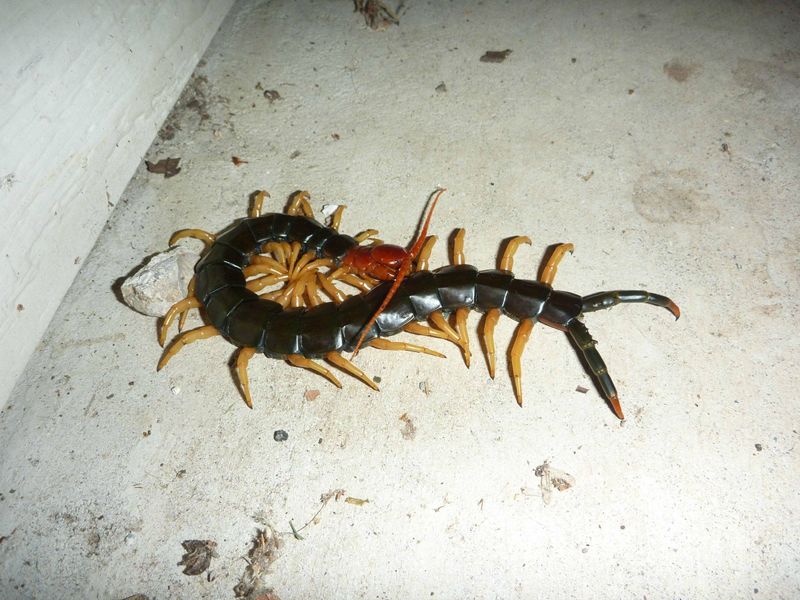
The color pattern is the giveaway. Most have a reddish-orange head and first body segment, a dark black or bluish-black body, and yellow legs. Bright colors like these often act as a warning sign to predators that the animal can fight back.
Count the legs if you dare, though I suggest using your eyes, not your fingers. Each one carries 21 pairs, and the last pair is thick and points backward. Those rear legs are not stingers, even though many people think so.
Here is a fun bit of trivia. The name heros means hero, which feels fitting for a crawler that bold. Some folks also call it the giant desert centipede, since its range runs from the Southwest into the Ozarks.
Missouri sits near the northeastern edge of where this species lives. That means seeing one here feels a little special, like catching a glimpse of the desert tucked into our own backyard hills.
Those Hooked Front Claws Deliver The Real Pain
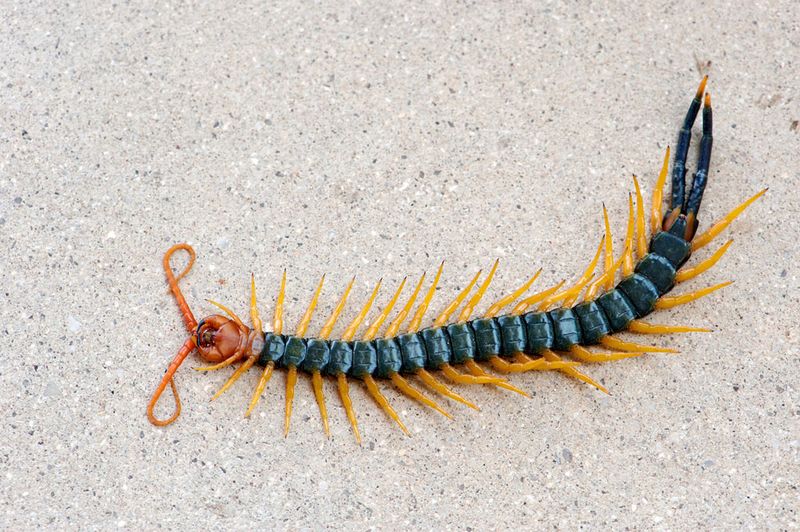
Funny thing about a centipede bite: it is not really a bite at all. The pain comes from a pair of curved, fang-like claws called forcipules. These are actually modified legs that sit just behind the head.
When the centipede grabs prey, those claws pierce the skin and pump in venom. The venom quickly stops crickets, spiders, and other small animals. On a human hand, it causes sharp, burning pain right away.
People who have been bitten often compare it to a bad wasp sting, and some say it feels worse. Redness, swelling, and two small puncture marks are common. The pain usually fades over several hours, though tenderness can hang around for a day or two.
For healthy adults, poison control experts say serious problems are rare. Still, anyone can have an allergic reaction to venom, just like with bee stings. Small children, older adults, and people with heart conditions should be extra careful.
Not going to lie, I find the design pretty amazing. A hunting tool built from legs is wild. Respecting that tool, however, means keeping your fingers far away from the front end of this crawler.
Washing And Icing A Centipede Bite Should Come First
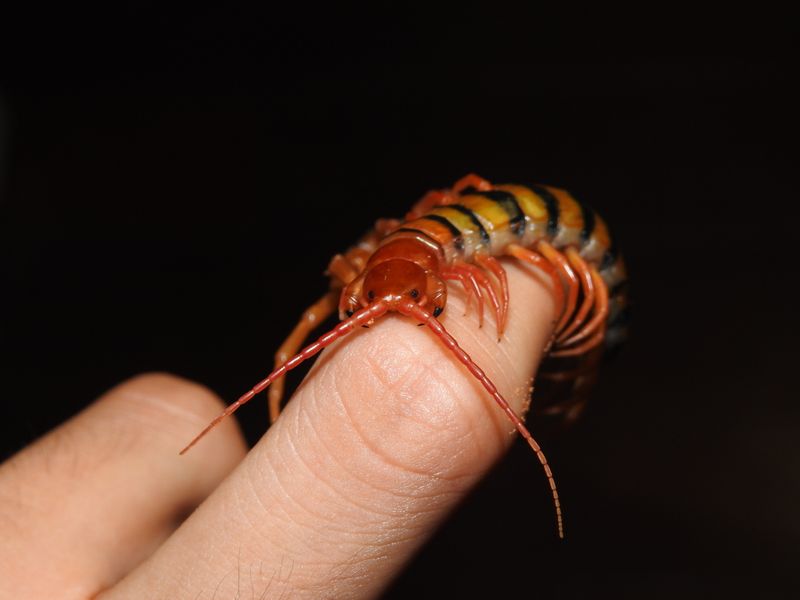
Okay, so it happened. You reached under a rock and now your finger is throbbing. Take a breath, because most centipede bites can be handled at home.
Start by washing the spot with soap and clean water. That helps lower the chance of infection from the puncture wounds. Pat it dry gently.
Next, grab a cold pack or ice wrapped in a thin cloth. Hold it on for about 10 minutes, then take it off for 10 minutes. Repeat this cycle to calm swelling and dull the ache. Some medical sources also suggest warm water soaks for pain, so use what brings you relief.
An over-the-counter pain reliever can help, too. Keep the bitten hand or foot raised if it starts to puff up. Check your tetanus shot date while you are at it.
Get medical help fast if you notice trouble breathing, swelling in the face or throat, hives, dizziness, or chest pain. Also call a doctor if redness spreads, pus appears, or pain gets worse after a couple of days. When in doubt, the national Poison Control line at 1-800-222-1222 is free and open around the clock.
Sunny Ozark Glades Hide Plenty Of Centipede Shelter
Walk onto a glade on a July afternoon and it feels almost like Arizona. These open patches have thin soil, bare bedrock, and blazing sun. Missourians sometimes call them balds.
Glades show up across the Ozarks, especially on dolomite and limestone in the southern part of the state. They support plants you might expect out West, like prickly pear cactus and Missouri evening primrose. Even scorpions and collared lizards live there.
So why would a creature that needs moisture choose such a dry place? The answer is under the rocks. Flat stones trap cool, damp air beneath them, creating little hideouts. Rotting logs at glade edges do the same thing.
The giant red-headed centipede spends hot days tucked into these spots. It loses water easily through its body, so shade and moisture matter a lot. Without them, it struggles.
Gardeners who build rock gardens or native glade plantings are basically copying this habitat. That is great for wildlife. It also means a centipede may move in if you live in the right area, so treat every flat stone like a possible front door.
Night Hunts Turn This Long-Legged Crawler Into A Tiny Predator
After dark, the glade changes. The rocks cool down, insects start moving, and the giant red-headed centipede heads out to hunt.
This species is mostly nocturnal. It finds food by touch and by sensing movement with its long antennae, since its eyesight is weak. When it locates prey, it wraps its body around it and grips with those venom claws.
The menu is impressive. Crickets, beetles, spiders, and scorpions are common meals. Larger centipedes have also been recorded eating small lizards, snakes, frogs, and even baby mice. That is a big appetite for something you could fit in a sandwich bag.
Every so often, people spot one in the daytime. Cloudy, damp weather after a good rain can bring them out. That is why gardeners working on soggy mornings should keep an eye on the ground.
Honestly, there is an upside here. Centipedes help keep insect and spider numbers in balance. They do not chew your tomato plants or tunnel through your roots. In the big picture, they are part of the natural pest control crew, even if their looks are a bit much.
Thick Gloves Make Lifting Rocks And Logs Much Safer
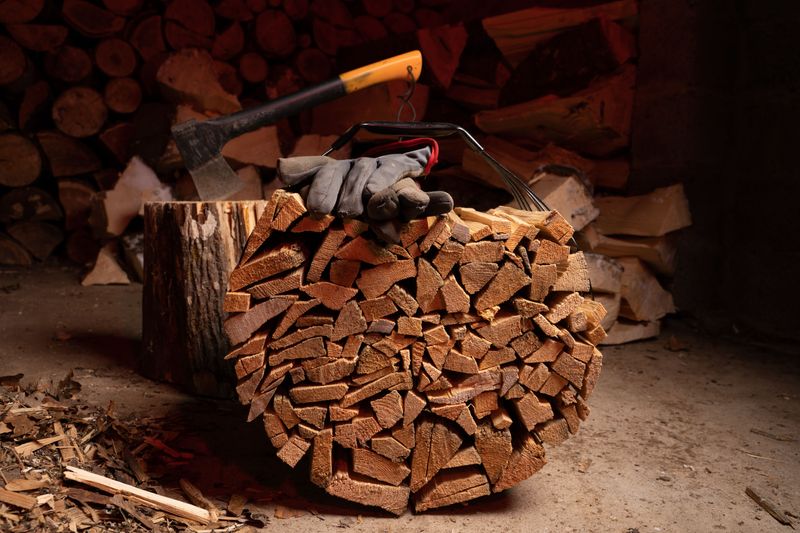
My favorite garden tool for glade country is not a trowel. It is a pair of thick leather gloves. They have saved my fingers more than once.
Centipedes rarely chase people. Most bites happen when someone grabs or traps one by accident. So the smartest moves focus on where you put your hands.
Try these simple habits:
Lift rocks and logs by tipping them away from you, so the stone acts as a shield between you and anything underneath. A small pry bar or garden hoe works well for this. Shake out gloves, boots, and jackets left outside overnight.
Store firewood off the ground and away from your house. Seal gaps around doors and foundation cracks if centipedes wander indoors. Keep mulch and leaf piles a few feet from entryways.
If you find one, let it go about its business. Gently guide it into a container with a stick if it is in a bad spot, then release it in a rocky area. Pesticides are rarely needed, and they can harm helpful insects too.
Keep kids and pets in mind. Teach children to look, not touch, and watch curious dogs near rock piles.
Missouri’s Red-Headed Centipede Deserves A Little Respect
Every time I see a photo of one, I feel two things at once. A shiver, and a bit of pride that something so bold lives in our hills.
The giant red-headed centipede is a native part of Missouri’s glade community. It helps control insects, spiders, and scorpions. It also feeds bigger animals, like some birds and mammals, that can handle its defenses.
Glades themselves face real challenges. Without fire, eastern red cedar trees crowd in and shade out the sunny openings. The Missouri Department of Conservation uses prescribed burns and cedar removal to restore many of these places, which helps the whole community, centipedes included.
You can help, too. Plant native glade plants like purple coneflower, Missouri evening primrose, and little bluestem grass in sunny, rocky spots. Avoid moving rocks from public glades, since those stones are homes for many creatures.
Most of all, stay curious and careful. Wear gloves, watch where you reach, and know your first aid steps. Then enjoy the thrill of sharing your garden with one of the most striking crawlers in North America, from a safe and respectful distance.