9 Steps Arizona Gardeners Take To Prepare Plants Before Extreme Heat Sets In
Arizona gardeners who sail through summer without much drama are not lucky. They are prepared, and that preparation happens before most people even think about it.
By the time June arrives and temperatures push past 110 degrees, the window for smart decisions has already closed. The gardeners with thriving yards in August made their moves in spring while the weather was still manageable.
What they did is not complicated, and it is not really expensive. But it is specific, and the timing matters more than most gardening advice will tell you.
Some of it involves water. Some of it involves the soil. Some of it involves a few decisions that seem almost too simple to make a real difference.
But ask any experienced Arizona gardener which steps actually saved their garden through a brutal summer, and the answers are usually consistent.
Do you want to know what they are doing differently than everyone else?
1. Deep Watering Before The Heat Hits
Many gardeners water more when summer gets intense. Arizona gardeners often need a different strategy first.
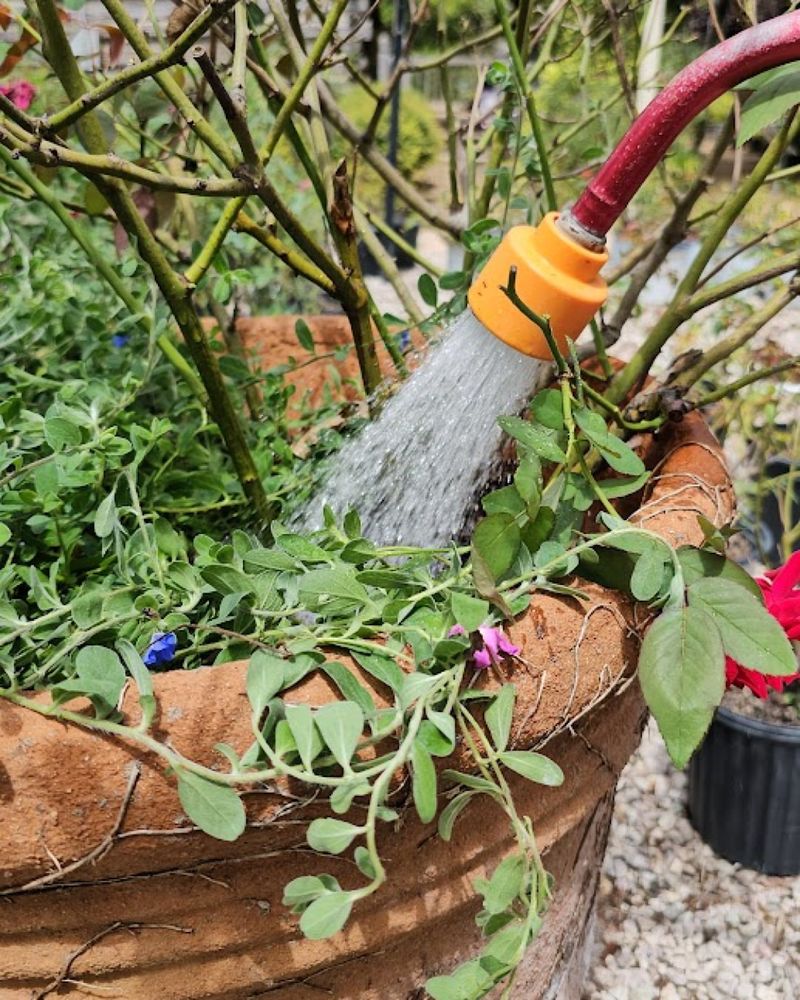
The smarter move is to water deeper before the worst heat arrives. That encourages roots to move farther into the soil, where moisture lasts longer. It also keeps plants from relying only on the hottest surface layer.
Shallow watering can look helpful at first. The soil surface gets wet, and the plant seems cared for. But that moisture may not reach the deeper root zone. When the ground starts baking, shallow roots can struggle quickly.
Start deep watering four to six weeks before peak summer heat. That gives roots time to follow the moisture downward before temperatures become extreme.
Use a drip system with longer, slower cycles. A soaker hose can also work well around shrubs, vegetables, and young trees. The goal is slow soaking, not a fast splash.
For many landscape plants, moisture should reach well below the surface. A screwdriver or soil probe can help you check how far water moved.
If the tool only slides in a few inches, keep watering slowly. If it reaches deeper with ease, the root zone may be getting what it needs.
Water early in the morning when possible. That gives plants a better start before the heat builds.
This works like a savings account underground. Your plants build deeper reserves before summer starts making withdrawals. That is a smart way to keep the garden rooted in success.
2. Switching To A Heat-Smart Irrigation Schedule
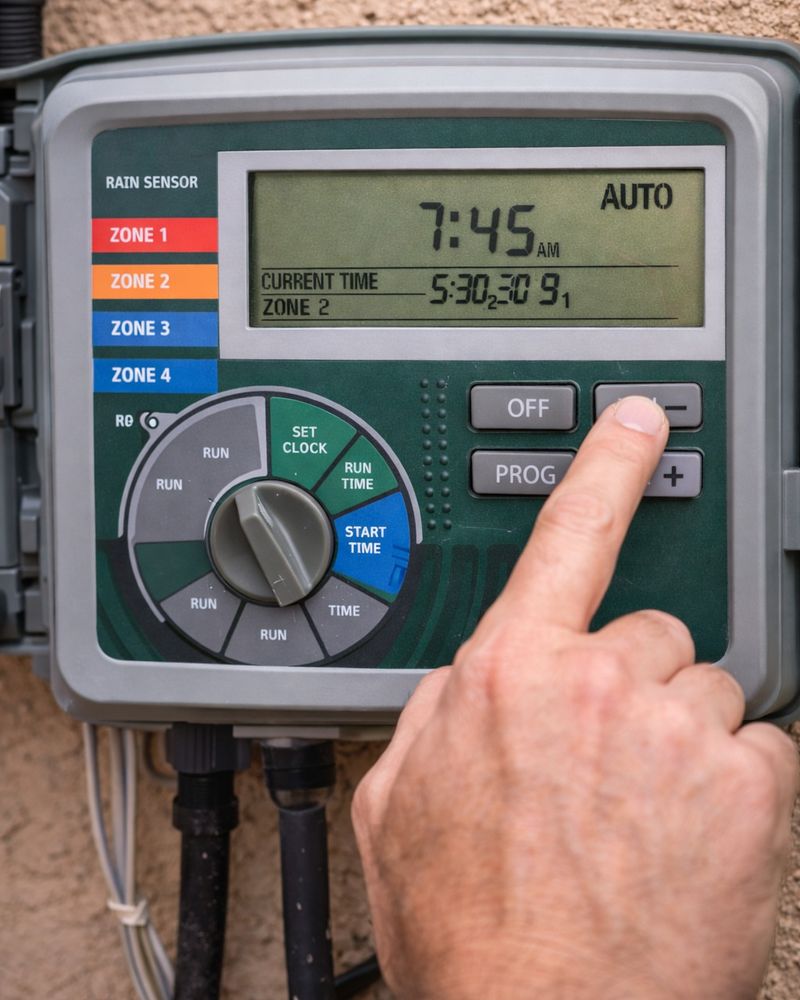
Watering in Arizona is not just about how much. Timing matters too.
A plant can get the right amount of water at the wrong time and still miss the benefit. That is especially true once summer temperatures start rising fast.
Early morning watering is often the best choice. The soil gets moisture before the hottest part of the day. Plants have time to absorb water before afternoon stress builds.
Morning watering also gives any splashed foliage time to dry. That can reduce leaf problems in plants that dislike staying damp overnight.
Your Arizona Garden Changes Every Week. Your Plan Should Too.
Gardening in Arizona changes quickly throughout the season. Every Friday you’ll receive a simple weekly plan showing exactly what to plant, prune, fertilize, harvest, and protect so you never miss the right timing.
Evening watering can work as a backup. But try to keep water near the soil instead of spraying leaves. Wet foliage sitting through the night is not ideal for many plants.
Avoid short, frequent cycles that only wet the top layer. That can train roots to stay shallow.
Longer, slower irrigation usually works better. It lets water sink into the root zone instead of running across dry soil.
Check your timer before the hardest heat arrives. April or early May is a good window for many Arizona gardens.
Increase run time carefully rather than adding random extra cycles. Then check the soil to see whether water is reaching deep enough.
Also inspect drip emitters. A clogged emitter can leave one plant dry while everything else looks fine.
Smart controllers can help adjust watering with weather changes. Still, your eyes and soil checks matter.
This gives your irrigation a summer rhythm instead of a panic pattern. Good timing can save water and keep plants better prepared.
That is where your schedule earns its drip cred.
3. Choosing Low-Water-Use Plants That Love The Desert
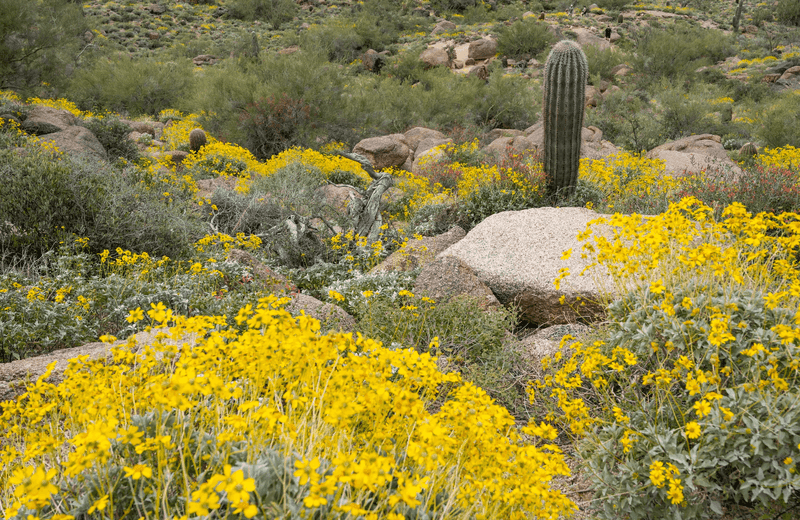
Some plants are always going to argue with an Arizona summer. They may look tempting at the nursery. They may bloom beautifully in spring. But by midsummer, they can ask for more water, shade, and attention than you want to give.
That is where plant choice changes everything. Low-water-use plants are not second-best options. Many are colorful, tough, and full of character.
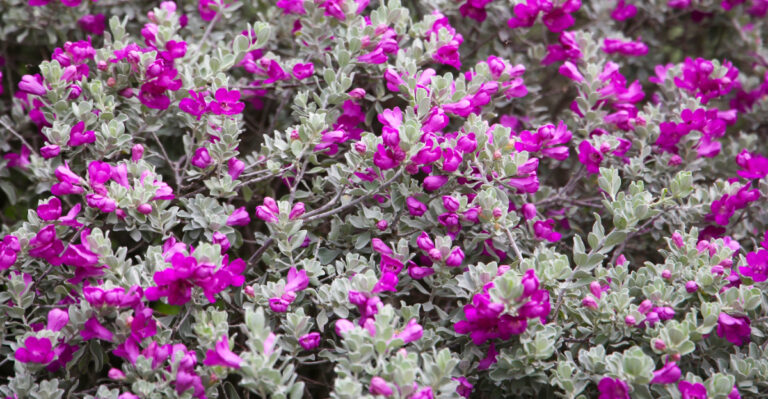
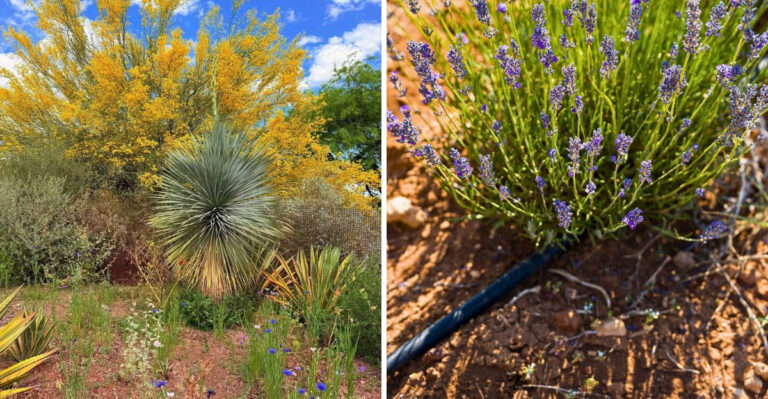
Desert marigold, penstemon, brittlebush, globe mallow, and similar desert-adapted plants can bring flowers without constant fuss. They already fit the rhythm of heat, dry air, and bright light.
Before summer, take a walk through your garden. Which plants struggle every year? Which ones need rescue after every hot spell? Which ones still look steady with less help?
Spring is usually a better time to plant than early summer. New plants need time to establish roots before extreme heat arrives.
Water new plantings more often at first. Then reduce watering gradually as they settle in.
Group plants by water needs. Thirsty plants in one zone and low-water plants in another make irrigation easier.
Mix textures too. Fine foliage, silver leaves, bright blooms, and sculptural shapes can keep a desert garden interesting.
The result is a yard that works with the climate instead of fighting it. Beauty and toughness can grow together.
That is not giving up on color. It is choosing plants with desert sense and serious bloom power.
4. Pruning At The Right Time And The Right Way
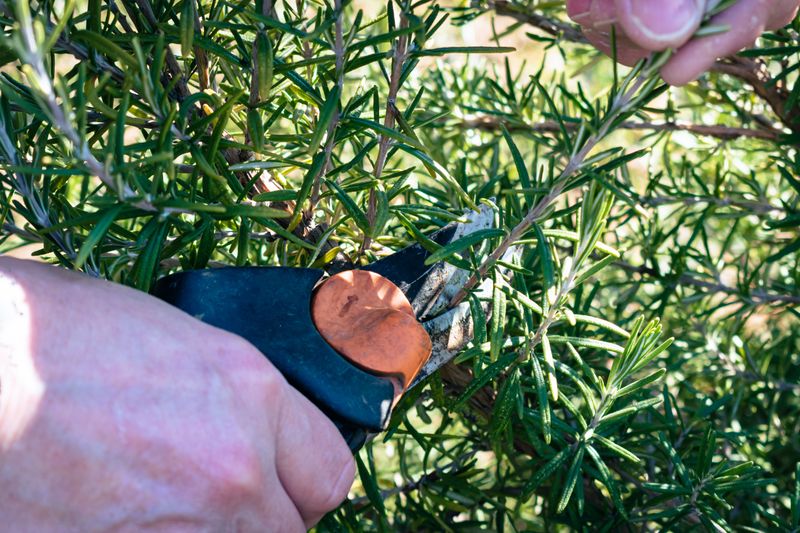
Pruning before summer can help. Pruning too late or too hard can backfire. That is the balance Arizona gardeners need to get right.
Late winter to early spring is often a better window for many desert plants. That timing lets you remove damaged, crossing, or awkward branches before extreme heat arrives.
Good pruning can improve airflow and shape. It can also help the plant focus energy on healthy growth.
But heavy pruning near peak heat can expose tender interior stems and leaves. That sudden exposure can make sun stress worse.
So keep the cuts thoughtful. Use thinning cuts instead of shearing everything into tight balls. Dense shapes can trap heat and reduce airflow. They may also invite more maintenance later.
Thinning lets light and air move through the plant naturally. It usually looks softer too.
For flowering shrubs, timing depends on bloom cycle. Some can be lightly trimmed after spring flowers finish. Others should be left alone until a better season.
Avoid removing too much healthy foliage right before summer. Leaves help shade stems and reduce direct sun exposure.
Use clean, sharp tools. Sharp cuts heal more neatly than ragged tears. Wipe blades between plants if you are pruning questionable growth.
Step back often as you work. It is easy to remove more than you planned when you are focused on one branch. This gives the plant a cleaner form without stripping away its summer protection.
A good pruning session should feel like editing, not erasing. That is a cut above heat-season guesswork.
5. Applying A Thick Layer Of Mulch
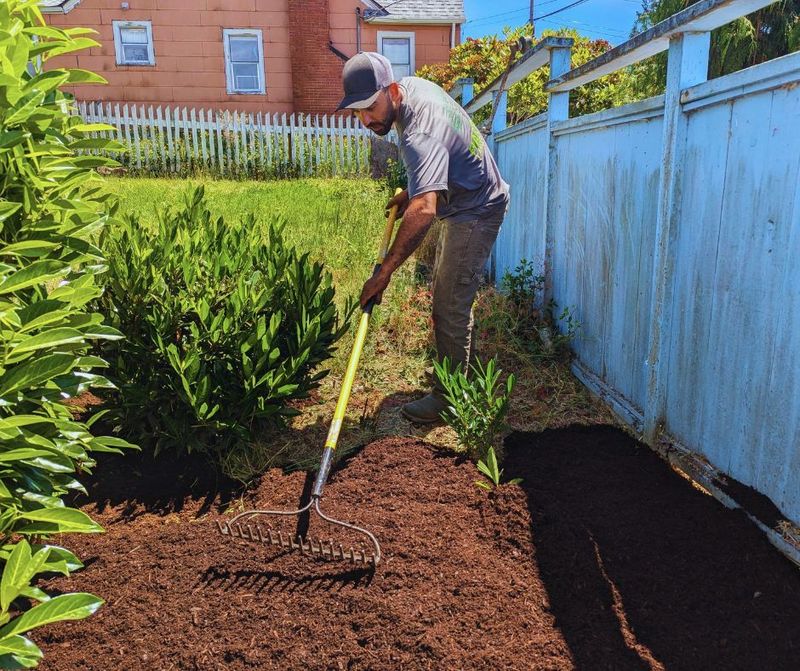
Bare soil in Arizona heats up fast. You can feel it in your shoes. Plants feel it around their roots. That is why mulch can be such a powerful pre-summer move.
A generous layer of organic mulch helps shade the soil. It slows evaporation and keeps moisture available longer after watering. It can also soften the daily temperature swings that stress roots.
Wood chips, shredded bark, straw, and other organic materials can work well. They break down slowly and improve soil over time.
Aim for a layer around two to four inches thick, depending on the plant and site. Spread it widely around the root zone, not just in a tiny ring. The wider the coverage, the better the soil protection.
Keep mulch pulled back from stems and trunks. A few inches of breathing room helps prevent moisture from sitting against the crown.
Mulch piled against a plant can create problems. A flat, even layer is usually better than a mound.
Avoid using rock or gravel as the main cooling layer around sensitive plants. Those materials can absorb heat and radiate it back into the bed. They may look tidy, but they can make root zones hotter.
Late spring is a great time to refresh mulch. Apply it before the soil has already lost too much moisture. After watering deeply, mulch helps hold that moisture in place.
The result is cooler soil, steadier roots, and fewer emergency watering moments. That is a much-needed advantage when Arizona heat starts pressing down.
6. Protecting Young Plants And New Transplants
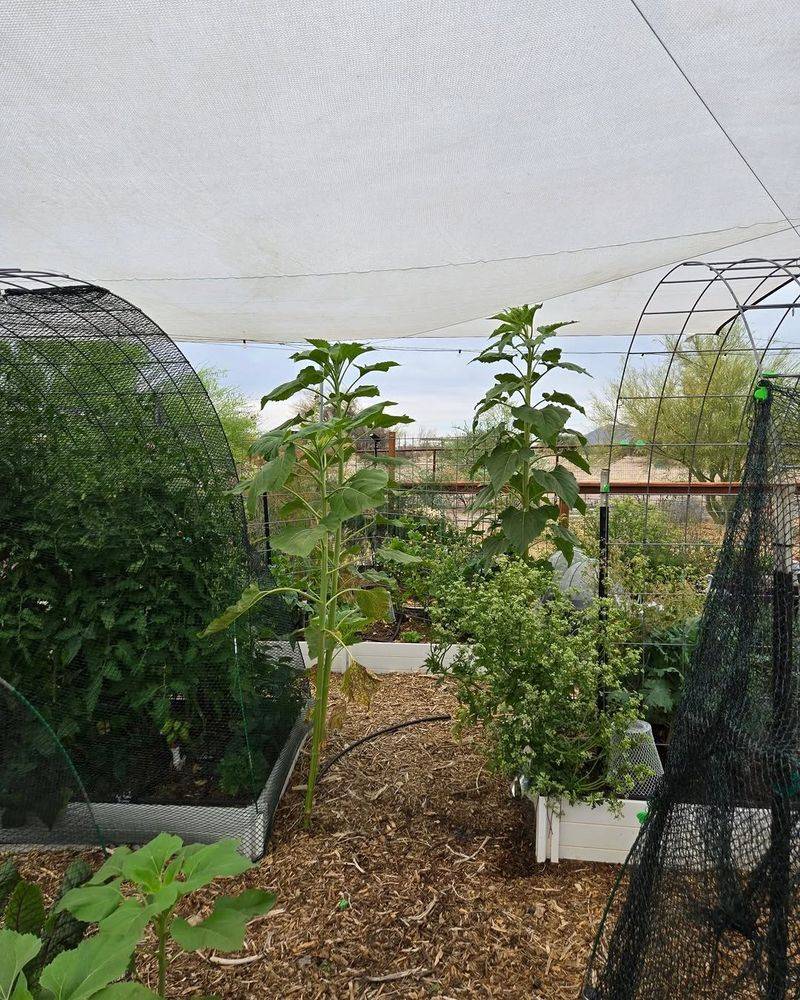
Young plants need extra help in Arizona. They have not built the deep root systems that established plants rely on. That makes their first summer especially important.
A new transplant may look settled after planting. But below the soil, the roots are still exploring.
When extreme heat arrives, those roots may not keep up with moisture loss above ground. That is when shade and steady watering can make a big difference.
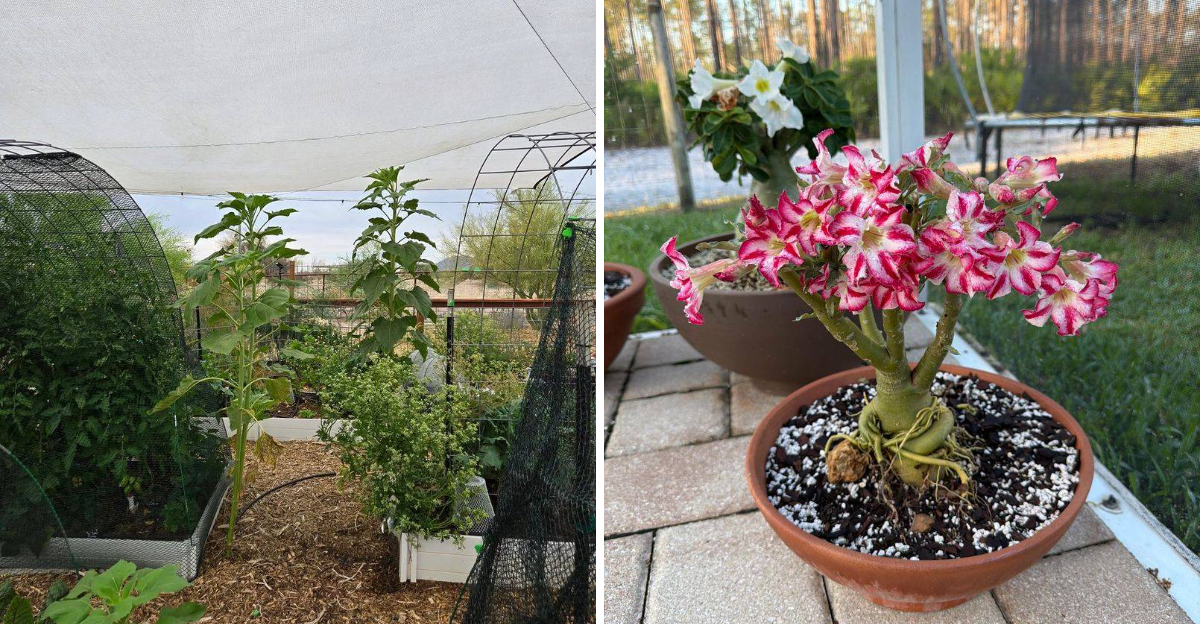
Use shade cloth for temporary protection. A thirty-to-forty-percent shade cloth can soften harsh afternoon sun without blocking all light.
Set it over a simple frame or stakes. Keep it above the foliage so air can still move. The goal is relief, not a sealed tent.
Check young plants often during their first summer. Do not rely only on a fixed watering schedule. Soil can dry faster in one part of the yard than another.
Water deeply enough to reach the root zone. But avoid keeping the soil constantly soggy. Mulch helps young plants too. A layer over the root area can keep soil cooler and slow evaporation.
If possible, plant new shrubs, perennials, and trees in spring rather than waiting until serious heat arrives. That gives them a better runway. By fall, many protected plants have stronger roots and need less help.
This gives young plants a safer first season while they learn the landscape. A little early care can lead to years of stronger growth.
7. Feeding Plants Before The Stress Season Starts
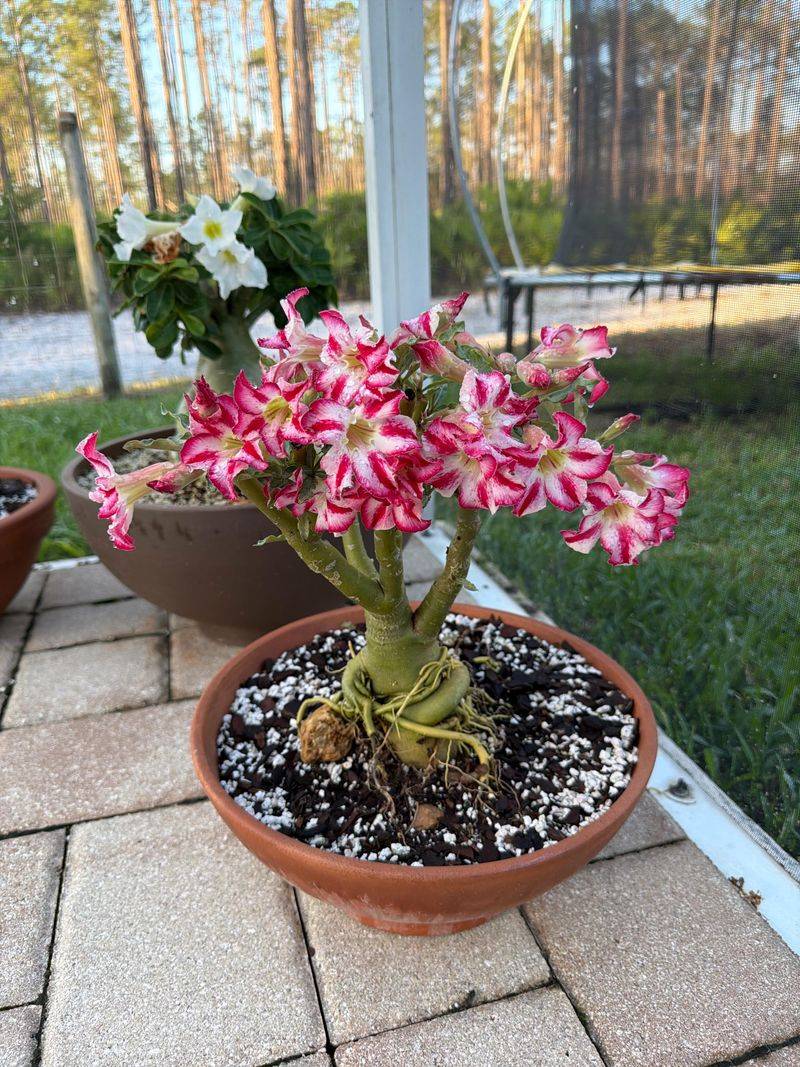
Fertilizer can help at the right time. At the wrong time, it can push plants when they need to conserve energy.
Before extreme heat arrives, a light feeding can support root growth and steady development. The key is moderation.
A balanced or low-nitrogen fertilizer can be useful for many landscape plants. It encourages support without forcing a rush of soft leaves. Soft new growth often needs more water. It can also be more sensitive to intense sun and heat.
Once temperatures stay consistently high, pause heavy feeding. At that point, many plants are focused on getting through heat, not making big new growth.
Native and desert-adapted plants often need very little fertilizer. Some can become less drought-ready if overfed because lush growth demands more moisture.
Compost can be a gentler option. A light layer worked into the soil surface in spring can improve structure and add slow-release nutrients.
Do not pile compost against stems or trunks. Keep the base clear and spread the material around the root zone.
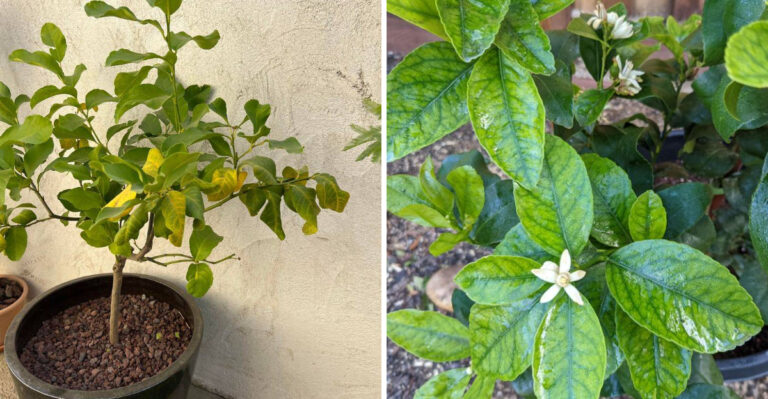
Watch the plant before deciding to feed. Pale leaves, weak growth, or poor flowering may have several causes. Water, drainage, sun exposure, and soil conditions all matter. Fertilizer is not always the answer.
Spring feeding works best as preparation, not panic. A little restraint can be the most nourishing move. That is plant nutrition with a heat-smart menu.
8. Checking And Repairing Irrigation Systems Early
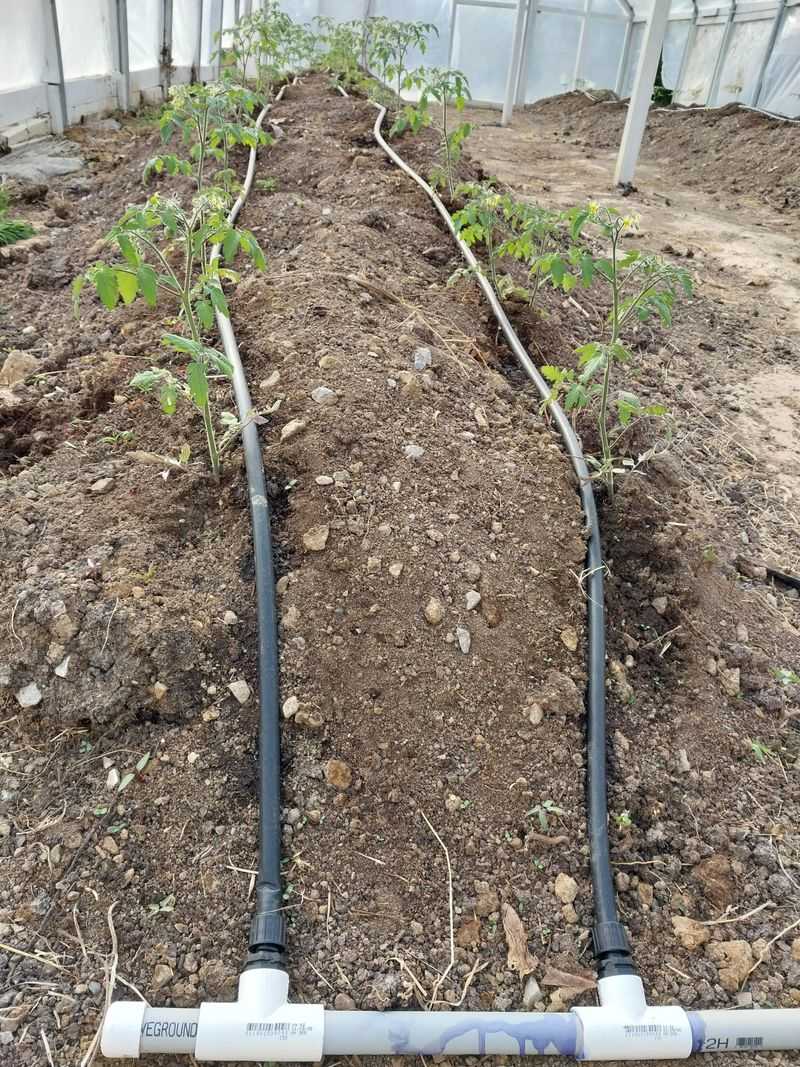
Irrigation problems love to hide. A cracked line. A missing emitter. A clogged drip head. One dry plant in the middle of a watered bed. You may not notice until the heat exposes the problem.
That is why spring inspections matter so much in Arizona. Run every irrigation zone before summer gets intense. Watch the system while it runs. Do not just assume the timer is doing its job.
Look for pooling water, dry patches, weak drips, broken tubing, or emitters that spray sideways. Check that each plant is getting water where its roots actually are.
Small plants and large shrubs do not need the same flow. Make sure emitter size matches plant size and water need. Replace clogged or missing emitters. They are usually inexpensive and quick to swap.
Check main lines and connectors too. Arizona sun can weaken exposed plastic tubing over time. Cracks may waste water and leave nearby plants short.
If animals chew lines in your area, inspect hidden sections carefully. Wildlife can create tiny leaks that become big issues later. Bury or shield exposed tubing where possible. That can extend its life and reduce heat damage.
After repairs, run the zone again. Make sure water reaches the intended spots.
A rain event does not replace irrigation checks. Desert storms can be uneven, and summer watering still needs precision. The result is a system that supports the garden before plants start asking for help.
Good irrigation maintenance is not glamorous. But it can prevent plenty of July frustration.
9. Using Shade Structures to Shield Heat-Sensitive Plants
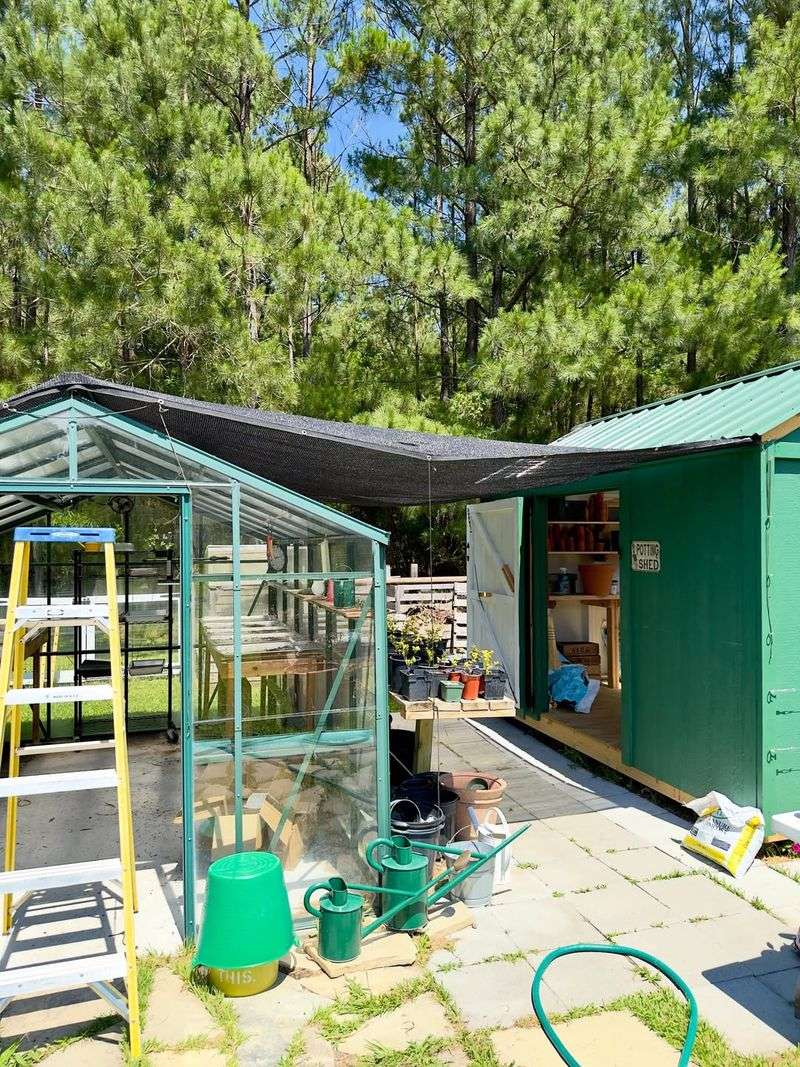
Some plants need help with Arizona’s afternoon sun. Morning light can be useful and gentle. West-facing heat is a different story. That is where shade structures can make a major difference.
Shade sails, pergolas, ramadas, lattice panels, and temporary cloth frames can all reduce heat load. They help protect plants from the harshest afternoon exposure.
For vegetable gardens, shade cloth can extend production into hotter weeks. Tomatoes, peppers, and leafy greens may benefit from thirty-to-fifty-percent shade during extreme stretches.
Use enough shade to soften the sun, not turn the bed dim. Plants still need light to grow well.
Temporary frames are useful because they can move with the season. Set them up before the worst heat arrives, then remove them when temperatures ease.
Permanent structures need more planning. Watch how the sun moves across your yard. In Arizona, western exposure often brings the hardest afternoon conditions. Place shade where it blocks late-day heat but still allows morning light when possible.
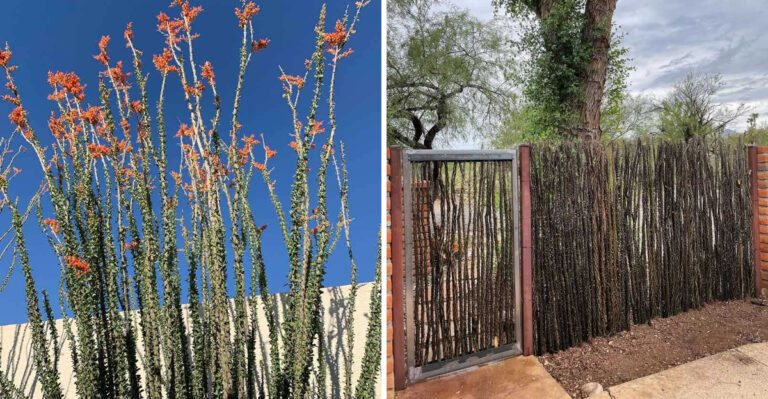
Trees can also provide natural shade. Desert willow, palo verde, and other desert-friendly trees can create filtered light for nearby beds.
Just remember that trees need space and water while establishing. Do not place shade cloth directly on tender foliage. Use stakes or hoops to keep air moving. Shade plus mulch and deep watering works better than shade alone.
This gives heat-sensitive plants a cooler pocket during the hardest part of the day. Shade can be practical and beautiful at the same time. That is a bright way to turn down the heat.