What Texas Blueberries Need In June For The Biggest Most Productive Summer Harvest
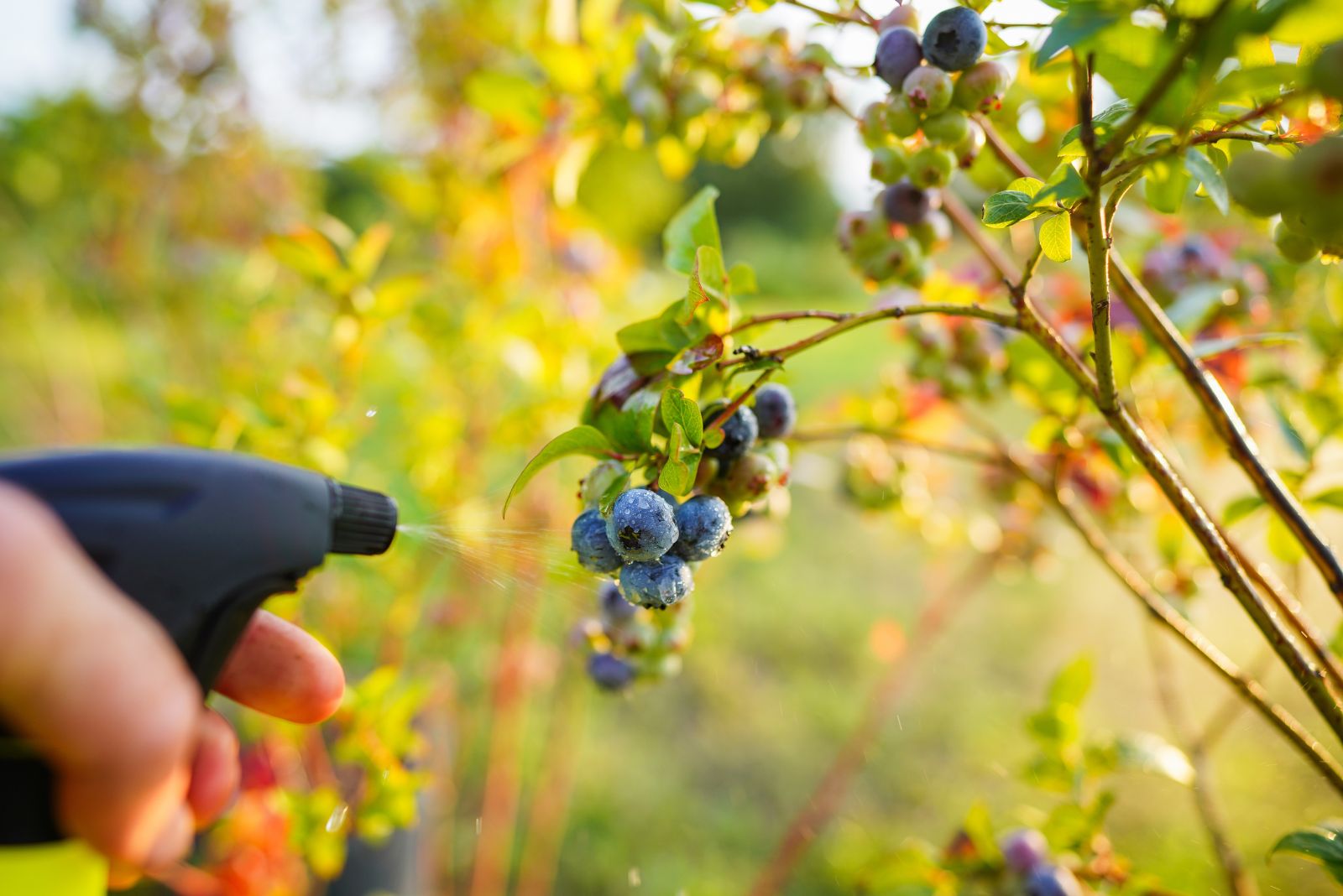
Blueberries in Texas are a rewarding crop when they are managed well, producing fruit that tastes nothing like what you find in a grocery store and coming back year after year with increasing productivity as the plants mature.
June is one of the most critical months in the Texas blueberry calendar, sitting right in the middle of the period when plants are either building toward a strong harvest or quietly falling short of what they are capable of.
The care decisions you make right now directly affect berry size, sweetness, and how long the productive window lasts through summer.
Texas growing conditions put specific demands on blueberries that gardeners in cooler climates do not have to think about as carefully.
Knowing how to meet those demands in June separates plants that deliver a generous harvest from ones that produce a disappointing handful. If you have blueberry plants in your yard, this is the month where attention really pays off.
1. Consistent Deep Watering
Blueberry roots are surprisingly shallow, sitting just a few inches below the soil surface. That means they dry out fast, especially when Texas summer temperatures climb past 90 degrees.
Skipping even one or two days of watering during fruit development can cause berries to shrivel or drop before you ever get to pick them.
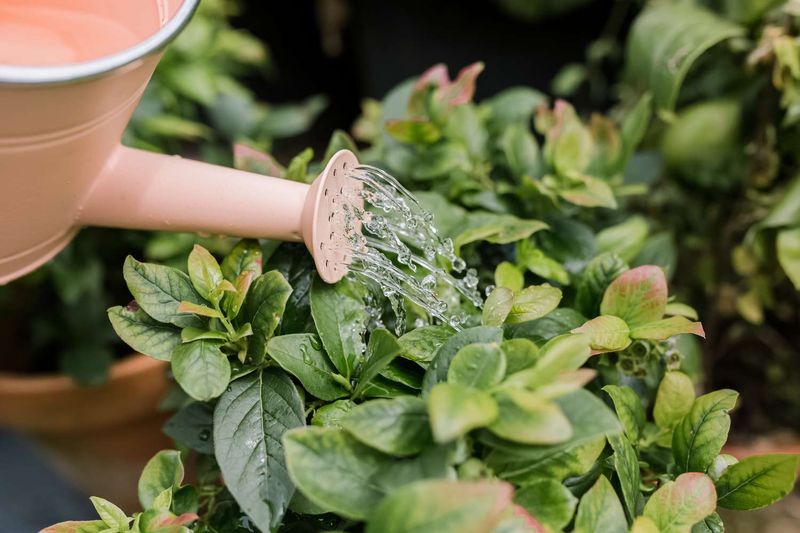
Deep, consistent watering is the key. You want to water slowly and thoroughly so the moisture reaches down into the root zone rather than just wetting the top layer of soil.
A drip irrigation system or a slow-running soaker hose works really well for blueberries because it keeps the soil evenly moist without soaking the leaves.
Aim for about one to two inches of water per week. During heat waves, you may need to water more often, sometimes every day.
Stick your finger two inches into the soil near the base of the plant. If it feels dry, it is time to water.
Morning watering is always better than evening watering. Watering in the morning gives the leaves time to dry out before nightfall, which helps reduce the chance of fungal problems.
Evening watering leaves moisture sitting on the plant all night, and that can lead to issues over time.
Blueberries growing in containers need even more attention. Pots heat up quickly in the Texas sun, and the soil dries out much faster than in the ground.
Check potted plants daily during June and water as needed to keep the roots from getting too dry between sessions.
2. A Thick Layer Of Organic Mulch
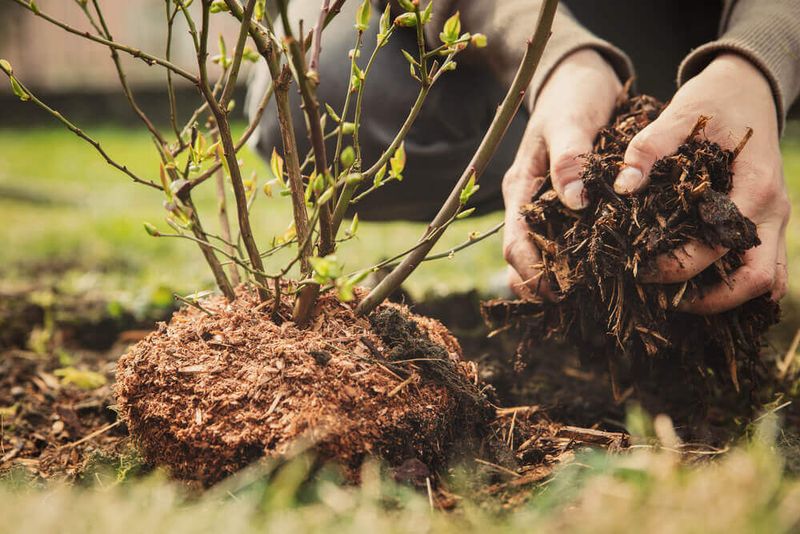
Mulch might be the single most underrated tool in a Texas blueberry grower’s toolkit. A thick layer of the right organic material does several important jobs at once, and in June, all of those jobs matter a lot.
Pine bark nuggets, pine needle straw, and wood chip mulch are all excellent choices for blueberries. These materials are naturally acidic, which is important because blueberries love acidic soil.
As the mulch slowly breaks down over time, it releases mild acids into the soil and helps keep the pH in the right range for healthy plant growth.
Your Texas Garden Changes Every Week. Your Plan Should Too.
Gardening in Texas changes quickly throughout the season. Every Friday you’ll receive a simple weekly plan showing exactly what to plant, prune, fertilize, harvest, and protect so you never miss the right timing.
Spread your mulch at least three to four inches deep around each plant. Keep it a few inches away from the main stem so moisture does not build up right against the bark.
The goal is to create a thick, insulating blanket that covers the entire root zone, which usually extends out as far as the branches reach.
That blanket of mulch does some amazing things. It keeps the soil temperature cooler on hot days, sometimes by as much as ten degrees compared to bare soil.
It also holds moisture in the ground much longer, which means you may not have to water quite as often during the hottest weeks of summer.
Refresh your mulch layer if it looks thin or has broken down since spring. A fresh top-up in early June sets your plants up for the rest of the summer.
It takes just a few minutes but makes a big difference in how well your blueberries handle the Texas heat over the coming weeks.
3. Protection From Extreme Afternoon Heat
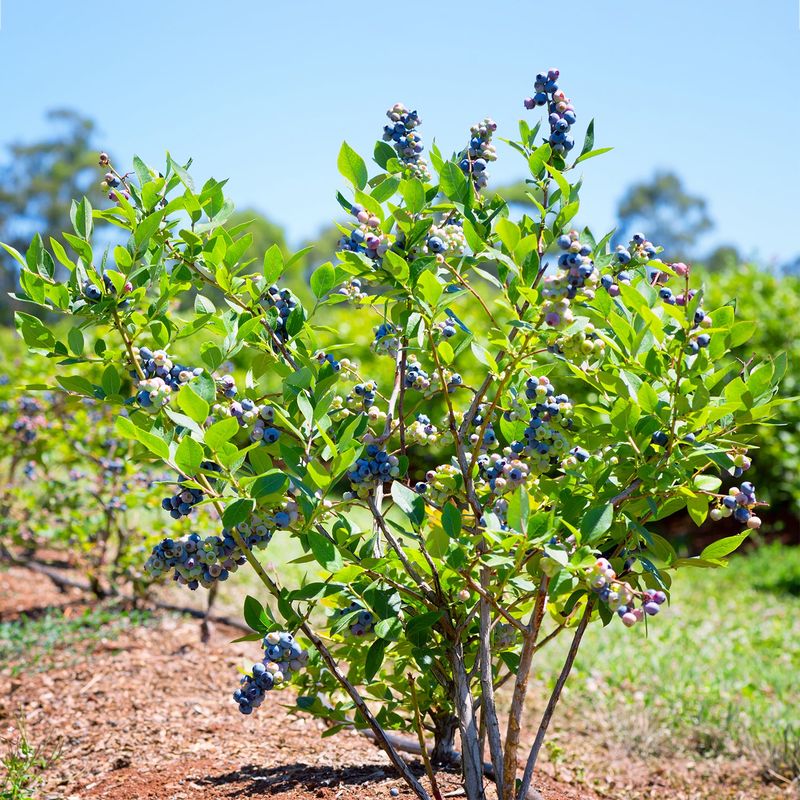
West Texas, Central Texas, and South Texas gardeners know the feeling well. By two or three in the afternoon, the sun is so intense that even tough plants start to struggle.
Blueberries are not built for that kind of punishment, and giving them a little relief can mean the difference between a great harvest and a disappointing one.
Shade cloth is one of the easiest solutions available. A thirty to forty percent shade cloth stretched over a simple frame above your blueberry plants will filter out the harshest afternoon rays without blocking the morning light your plants need for photosynthesis.
You can find shade cloth at most garden centers or farm supply stores, and it is reusable year after year.
Planting blueberries where they naturally receive afternoon shade from a fence, a building, or a large tree is another smart approach. Morning sun is ideal for blueberries because it helps dry the dew off the leaves and warms the plants gently.
Afternoon shade protects them during the most stressful part of the day without reducing their overall productivity.
Heat stress shows up in several ways. Leaves may curl inward, berries may shrivel before they fully ripen, and new growth may look wilted even after watering.
If you notice any of these signs, adding some shade protection quickly can help your plants recover and keep producing.
Even temporary shade helps. Propping up a piece of shade cloth or a light tarp on the hottest days of the week gives your plants a break and keeps the berries plump and full of juice right up until harvest time.
4. Regular Harvesting Of Ripe Berries
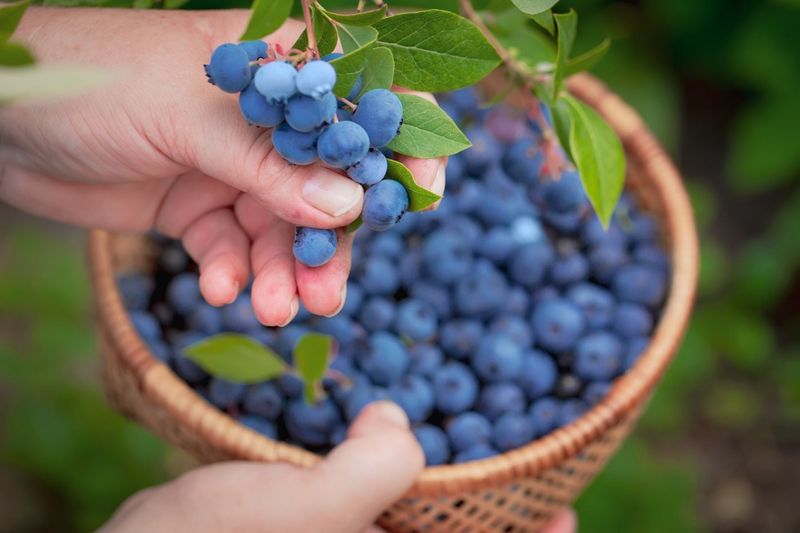
There is something really satisfying about walking out to your garden and picking a handful of perfectly ripe blueberries. But regular harvesting is not just enjoyable.
It is actually one of the most important things you can do to keep your plants producing all summer long.
Blueberries do not all ripen at the same time. Even on a single branch, you might find berries at different stages of ripeness.
Check your plants every two to three days during peak season, which in Texas usually runs from late May through July depending on your variety. Ripe berries are fully blue, slightly soft to the touch, and come off the plant easily with a gentle roll of your fingers.
Leaving overripe berries on the plant creates problems. They attract insects, birds, and other wildlife.
They can also develop mold or rot, which can spread to nearby healthy fruit. Removing ripe and overripe berries promptly keeps the plant cleaner and healthier overall.
Here is something many first-time growers do not realize. The plant puts energy into ripening fruit that is still on the bush.
When you pick ripe berries regularly, the plant redirects that energy toward developing the next round of fruit. Frequent harvesting actually encourages more berries to form and ripen, so the more often you pick, the more you tend to get.
Harvest in the early morning when temperatures are cooler. Berries picked in the morning stay fresh longer and taste better than those picked during the heat of the day.
Store them unwashed in the refrigerator and rinse just before eating for the best flavor and texture.
5. Monitoring For Birds And Wildlife
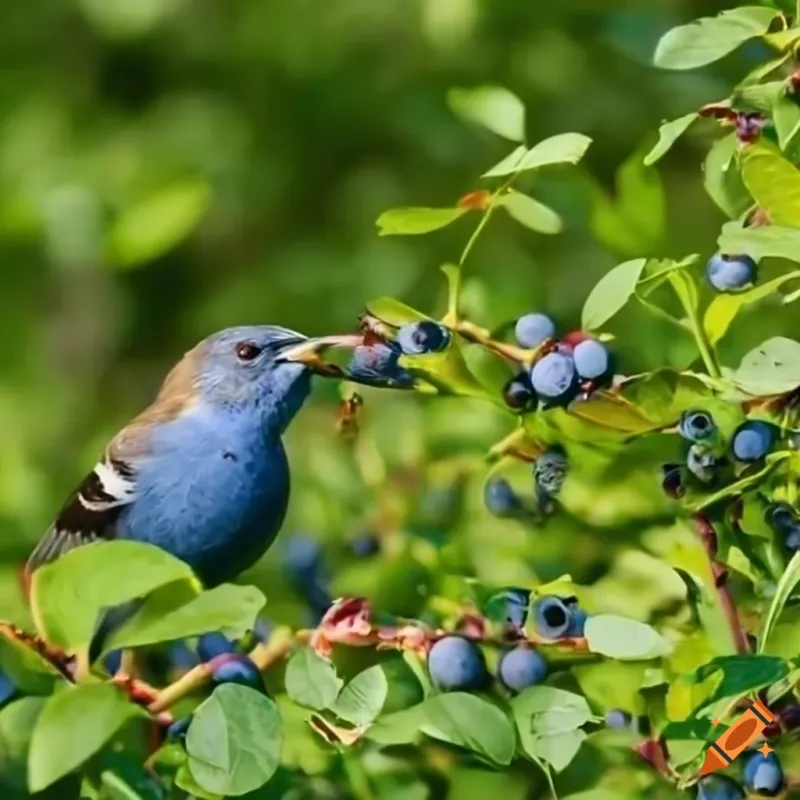
Birds have a remarkable talent for finding ripe blueberries almost the exact moment you were planning to pick them yourself. Mockingbirds, robins, and cedar waxwings are especially bold about helping themselves to a garden harvest in Texas.
If you have noticed your berry count dropping faster than expected, there is a good chance feathered visitors are the reason.
Bird netting is the most reliable protection you can use. Drape it loosely over your plants or stretch it over a simple frame made from PVC pipe or wooden stakes.
Make sure the netting reaches all the way to the ground and is secured at the edges so birds cannot sneak underneath. Fine mesh netting works better than wide-gap netting because smaller birds can sometimes squeeze through larger openings.
Put the netting up before the berries start turning blue. Once birds discover the fruit, they will keep coming back every single day.
Getting ahead of them early saves you a lot of frustration. Check the netting regularly to make sure no birds or other small animals have gotten trapped inside.
Squirrels are also a real problem in many Texas neighborhoods. They are clever and persistent, and they will chew right through lightweight netting if they are motivated enough.
Hardware cloth or heavier-duty wire mesh offers better protection against squirrels, though it is less flexible and a bit harder to work with than standard bird netting.
Some gardeners also use reflective tape or old CDs hung near the plants to startle birds. These methods have mixed results, but pairing them with netting gives you a solid two-layer defense that protects your harvest from the most determined wildlife visitors.
6. Maintaining Proper Soil Acidity
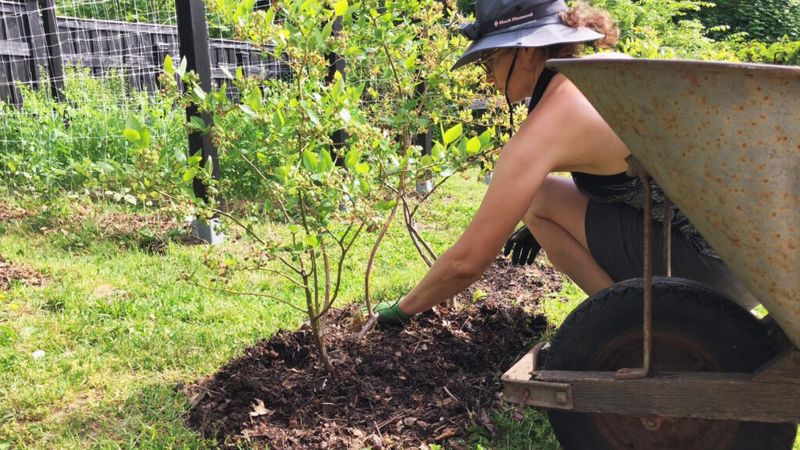
Blueberries are one of the most particular plants when it comes to soil pH. They perform best when the soil pH sits between 4.5 and 5.5, which is significantly more acidic than what most vegetables and flowers prefer.
When the pH drifts too high, blueberry plants cannot absorb the nutrients they need, and you start to see yellowing leaves and weak growth even if you are fertilizing regularly.
June is a smart time to test your soil because your plants are actively growing and fruiting. A simple soil pH test kit from a garden center costs just a few dollars and gives you a reading in minutes.
You can also send a sample to your local Texas A&M AgriLife Extension office for a more detailed analysis if you want extra information about your soil.
If your pH is too high, granular sulfur is the most common correction. Work it into the top layer of soil around the plant and water it in well.
Results take several weeks, so do not expect an overnight fix. Adding acidic mulches like pine bark or pine needles also helps nudge the pH in the right direction over time.
Avoid using high-nitrogen fertilizers in June if your plants are already loaded with fruit. Too much nitrogen late in the season pushes leafy growth at the expense of fruit quality.
If you do fertilize, use a formula made specifically for acid-loving plants like blueberries, azaleas, or camellias.
Keeping the soil pH in check throughout summer is one of the best long-term investments you can make for your blueberry plants. Healthy soil chemistry means healthier plants and bigger harvests for many seasons to come.