Stop Bagging Your North Carolina Grass Clippings In October Or You Lose Free Nutrients
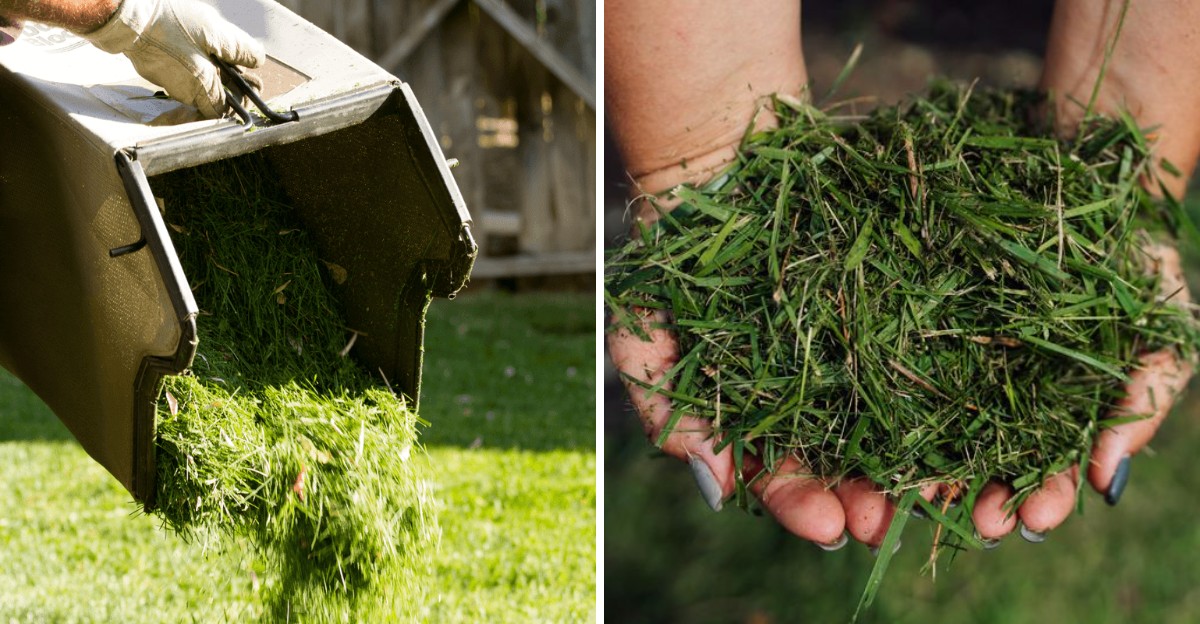
Every October Saturday across North Carolina follows the same script.
The mower comes out, the air smells like fresh cut grass, and then comes the least enjoyable part of the whole operation: hauling heavy bags of clippings to the curb like some kind of lawn care pack mule.
It feels productive. It looks tidy.
And it is also sending a surprisingly valuable resource straight to the landfill instead of back into your soil where it actually belongs.
Here is the thing most homeowners never hear: those clippings are loaded with nitrogen, potassium, and phosphorus, the exact same nutrients you pay good money for in a bag of fertilizer.
October happens to be one of the most important feeding windows of the year for cool-season lawns. Leaving that free nutrition at the curb is, honestly, a little heartbreaking.
1. North Carolina Clippings Carry Real Fertilizer Value
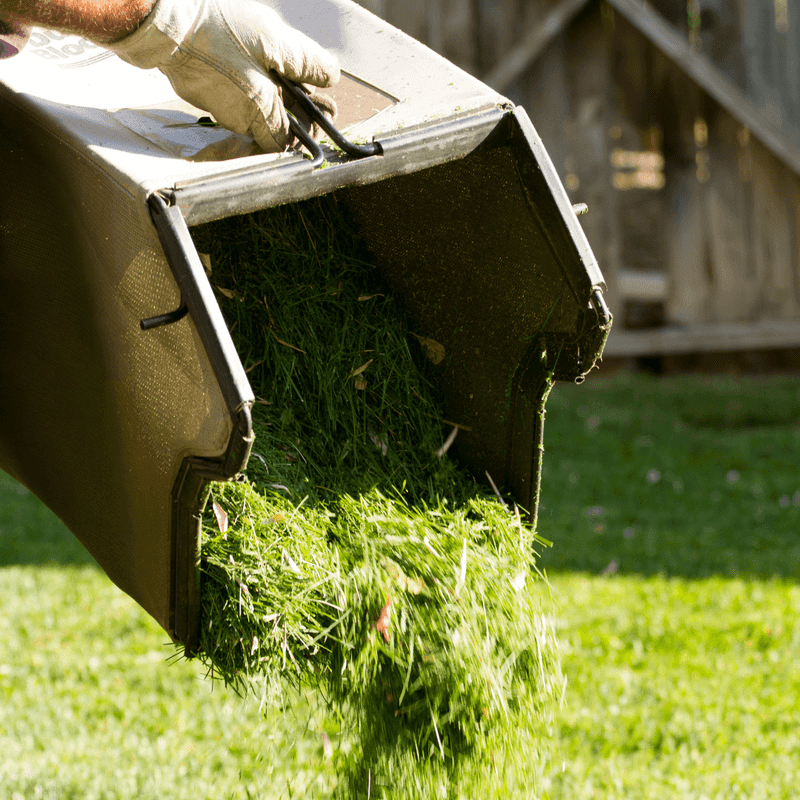
Every bag you drag to the curb is packed with plant food. Fresh clippings hold nitrogen, potassium, and a little phosphorus, the same stuff sold in fertilizer bags.
University Extension sources, including NC State, estimate that returned clippings can supply a meaningful portion of a lawn’s yearly nitrogen needs, with some research suggesting figures around 25 percent, though the exact amount varies depending on grass type, mowing frequency, and conditions. That is like getting a meaningful free fertilizer contribution every single year without spending a dime.
Grass blades are mostly water, so they break down fast. Within a week or two, tiny soil critters turn them into food that roots can soak up.
In North Carolina, many homeowners grow tall fescue, which loves fall feeding. October is when fescue roots grow deep and store energy for winter.
Leaving clippings on the lawn gives those roots a slow, steady snack. Bagged clippings, on the other hand, end up in a landfill doing nobody any good.
Think about the money side for a moment. Fertilizer costs vary widely depending on product and yard size, but returning clippings consistently helps reduce how much you need to buy.
Some lawn pros suggest you can use about a quarter less fertilizer once you start grasscycling, a figure that aligns with NC State Extension guidance on the nitrogen contribution of returned clippings.
So next time you mow, skip the bag attachment. Let the mower spit those clippings right back where they belong, onto the soil that grew them.
2. Thatch Myths That Fool North Carolina Homeowners
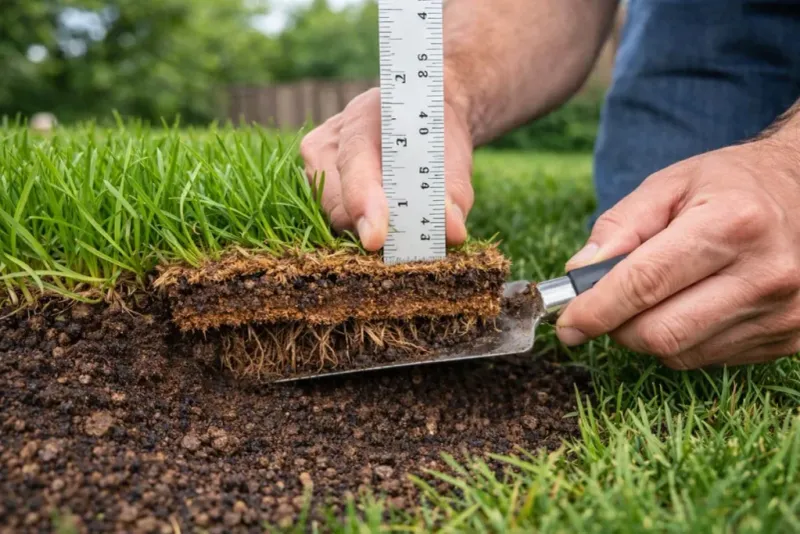
Grandpa swore clippings caused thatch, and plenty of neighbors still believe him. Good news, though: science says he got this one wrong.
Thatch is a tangled layer of stems, runners, and roots sitting above the soil. Those parts are tough and woody, so they rot slowly and pile up over time.
Grass clippings are a different story. They are soft, juicy, and about 80 to 85 percent water, which means they melt away quickly.
Researchers at universities across the South, including North Carolina State, have tested this idea. Their studies found that returning clippings does not create a thatch problem.
Your North Carolina Garden Changes Every Week. Your Plan Should Too.
Gardening in North Carolina changes quickly throughout the season. Every Friday you’ll receive a simple weekly plan showing exactly what to plant, prune, fertilize, harvest, and protect so you never miss the right timing.
So what really causes thick thatch? Too much fertilizer, heavy watering, and grasses that spread by runners, like Bermuda and zoysia, are the usual suspects.
If you worry anyway, grab a small trowel and cut out a wedge of lawn. A thatch layer under half an inch is healthy and even helps cushion your feet.
Anything thicker might need core aeration, which fall is perfect for in fescue yards. Aeration pulls up little plugs of soil and lets air and water reach the roots.
Bottom line, clippings are not the villain here. Toss the old myth aside and enjoy an easier mowing day this October.
3. Mow High For North Carolina Fescue In Fall
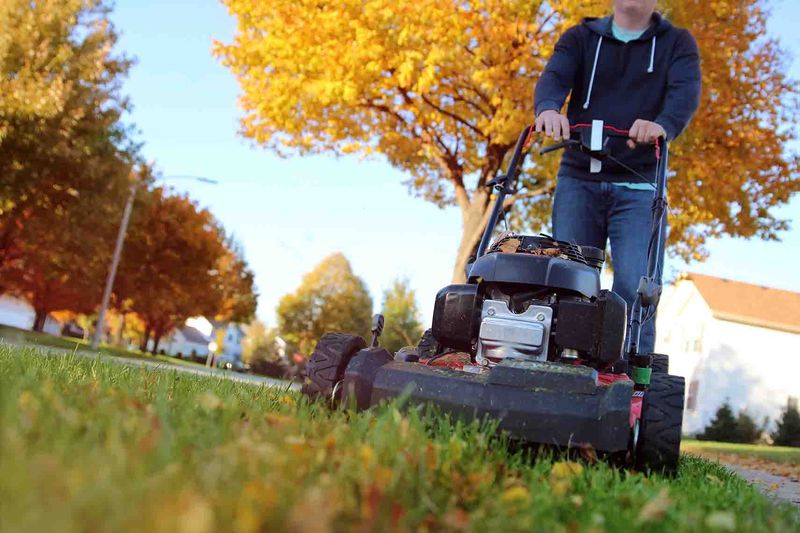
Short grass might look tidy, but it struggles in fall. Tall fescue likes to stay around three to four inches high.
Height matters for clippings too. When you trim a little at a time, the pieces are small enough to slip down between blades and vanish.
Lawn pros follow the one-third rule. Never mind the habit of scalping; just remove no more than a third of the blade during any single mow.
So if you want fescue at three and a half inches, cut it once it reaches about five. That leaves short clippings that break down in days, not weeks.
Taller grass also shades the soil. Shaded soil holds moisture and makes life harder for weed seeds trying to sprout in North Carolina’s mild fall weather.
Deeper roots grow under taller blades, too. Strong roots help your lawn handle a cold snap in January or a dry spell next summer.
Check your mower deck before the next cut. Many homeowners are surprised to find it set at two inches, which is far too low for cool-season grass.
Raise it a notch or two and see what happens. Within a few weeks, your lawn should look thicker, greener, and happier with almost no extra work.
4. A Mulching Mower Makes Grasscycling Easy
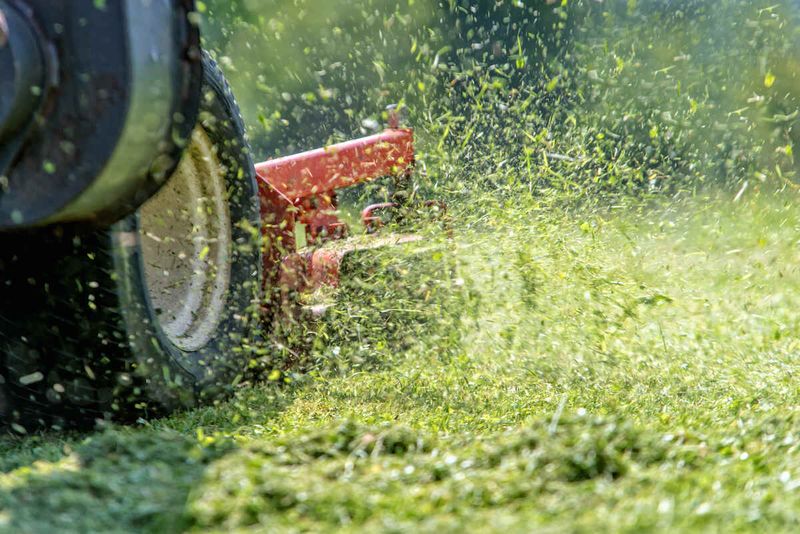
My neighbor Dave bought a mulching mower last fall and grinned for a week. He stopped hauling bags and had more Saturday mornings free.
Mulching mowers use a special blade with curved edges. The blade chops clippings several times before dropping them back down as tiny bits.
Those tiny bits disappear fast, so your lawn never looks messy. You get the nutrients without the clumps that bother picky neighbors.
Already own a regular mower? Many models can switch over with a mulching kit, which usually includes a blade and a plug for the discharge chute.
Keep that blade sharp, too. A dull blade tears grass, leaving ragged brown tips that invite disease, especially in damp North Carolina autumns.
Sharpen it at least once or twice a season. A local hardware store can do it cheaply if you are not comfortable handling the blade yourself.
Also, mow when the grass is dry. Wet clippings stick together and clog the deck, which defeats the whole purpose of mulching.
Fun fact: mulching mowers became popular in the 1990s as towns banned yard waste from landfills. Now they are a simple way to work smarter, not harder.
5. Fallen Leaves Join The Party In North Carolina Yards
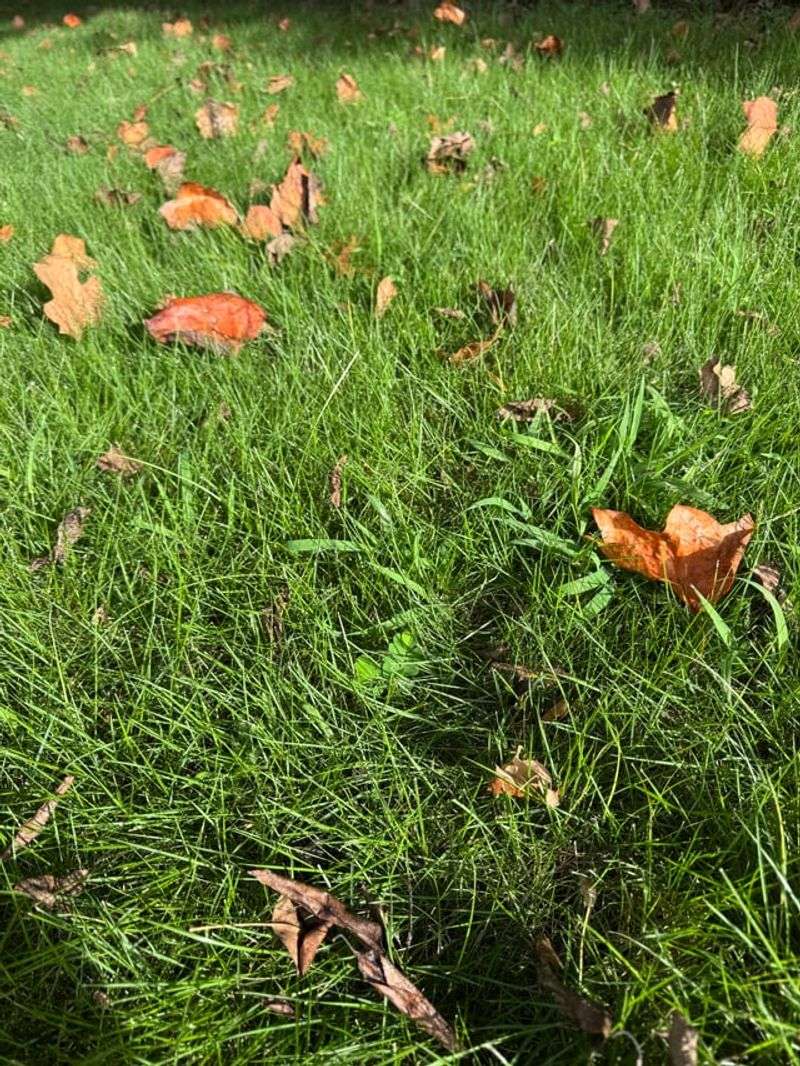
October in the Tar Heel State means leaves raining down from oaks, maples, and sweetgums. Instead of raking for hours, try mowing right over them.
Shredded leaves mix with clippings and create a powerful combo. Grass brings nitrogen, while leaves add carbon, and soil microbes love that balance.
Research from Michigan State showed that mowing leaves into turf did not harm the grass. In some cases, it even reduced dandelions the next spring.
The trick is chopping them small, about the size of a dime. Whole leaves can mat down and block sunlight, which your fescue needs this time of year.
If the leaf layer is very thick, make two passes. You can also set the mower a little higher for the first pass, then lower it slightly for the second.
Got more leaves than your lawn can handle? Bag the extras for garden beds, where they make wonderful mulch around shrubs and perennials.
Many North Carolina towns also offer free leaf mulch pickup. Check your city website to see what services are available near you.
Either way, those crunchy leaves are a gift, not a chore. Treat them that way and your soil will grow richer every year.
6. North Carolina Clay Soil Craves Organic Matter
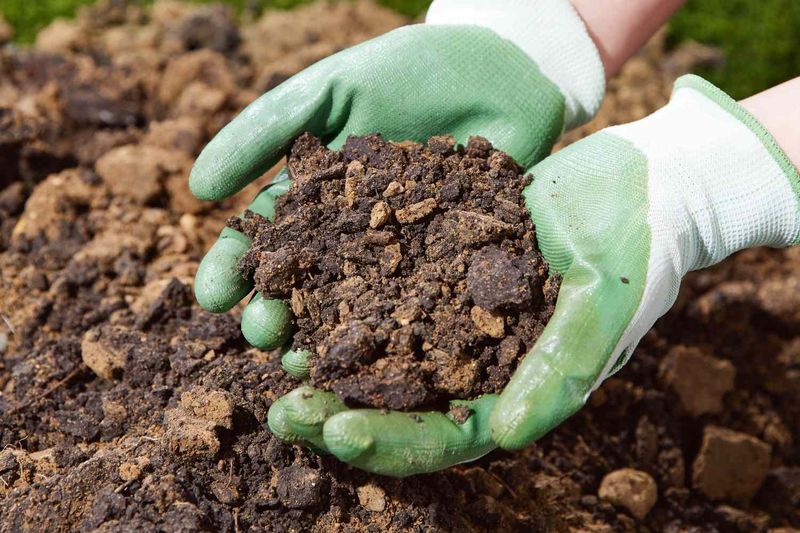
Ask any Piedmont gardener about red clay and watch them sigh. That sticky, orange soil is famous across much of North Carolina.
Clay holds nutrients well, but it packs down hard. Water runs off instead of soaking in, and roots fight to push through.
Here is where clippings shine. As they break down, they add organic matter that loosens clay and helps it crumble like chocolate cake.
Earthworms join the fun, too. They pull bits of clippings underground and leave tunnels that let air and rain reach the roots.
Over a few years, returned clippings can slowly darken your topsoil. That darker layer holds moisture longer, so your lawn needs less watering during dry spells.
Sandy soils in the Coastal Plain benefit as well. Organic matter helps sand hang onto water and nutrients that would otherwise wash right through.
Want proof? Dig a small hole now and another one next October in the same spot.
Many homeowners notice a richer color and more worms after just one season.
For even better results, get a soil test through the NC Department of Agriculture. Tests are low cost and tell you exactly what your lawn needs, so you never guess.
7. Smart Fertilizer Timing For North Carolina Lawns
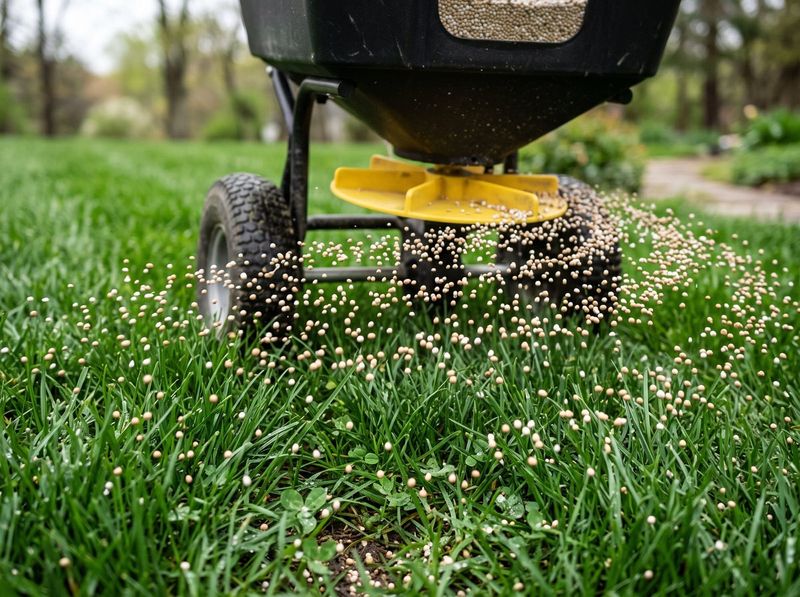
Timing is everything, whether you are baking cookies or feeding grass. For cool-season lawns, fall is the main event.
NC State experts suggest feeding tall fescue in September and again in November. Clippings returned in October fill the gap between those two meals.
That means you can often use a lighter hand with the spreader. Less fertilizer saves money and keeps extra nitrogen out of streams and rivers.
Warm-season grasses like Bermuda, centipede, and zoysia are a different story. They are slowing down for winter, so skip heavy feeding now and let clippings do the light work.
Either way, returned clippings act like a gentle, slow-release snack. They will not burn your grass or cause a sudden flush of soft growth.
Keep fertilizer off driveways and sidewalks, too. Rain washes it into storm drains, which empty straight into local creeks and lakes.
A simple trick is to blow stray granules back onto the lawn after spreading. It takes two minutes and protects the water we all share.
Write your feeding dates on a calendar or phone reminder. A little planning goes a long way toward a lawn that stays green into early winter.
8. When Bagging Still Makes Sense In North Carolina
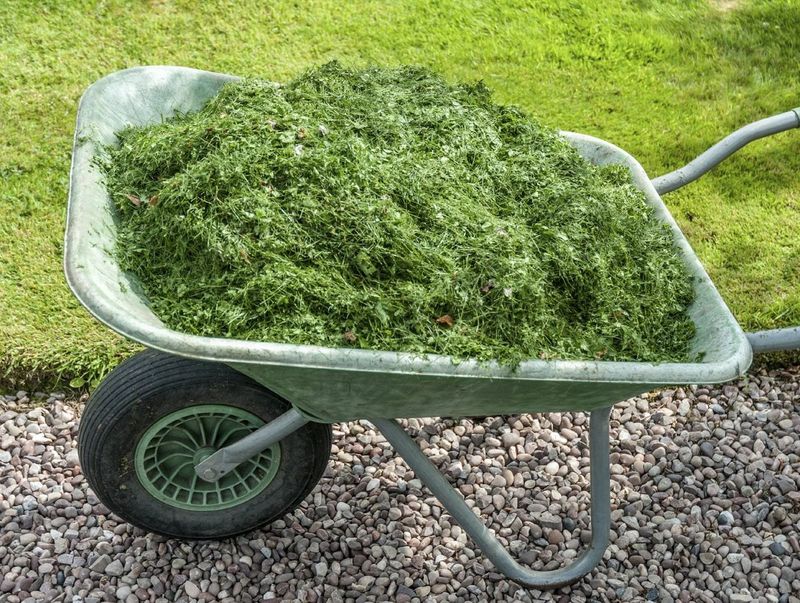
Honest moment: grasscycling is not perfect for every single mow. A few situations call for the bag.
Disease is the big one. If brown patch or other fungus shows up, bagging can help keep spores from spreading across your yard.
Brown patch loves warm, humid weather, which North Carolina has plenty of in early fall. Look for circular tan patches with darker edges in the morning.
Overgrown grass is another case. If you went on vacation and your lawn shot up a foot, those long clippings will smother the turf.
Instead, raise the mower deck high and cut in stages over several days. Bag only that first heavy cut, then return to mulching.
Weeds gone to seed are a third reason. Bagging keeps those seeds from landing back in your lawn and sprouting next spring.
Got bagged clippings? Do not send them to the landfill.
Add them to a compost pile, mixed with brown leaves to keep the smell down.
Clippings also make great mulch in vegetable gardens if no weed control agent was used. Spread a thin layer, about an inch, so it dries instead of turning slimy.
9. Your Wallet And Back Win Across North Carolina
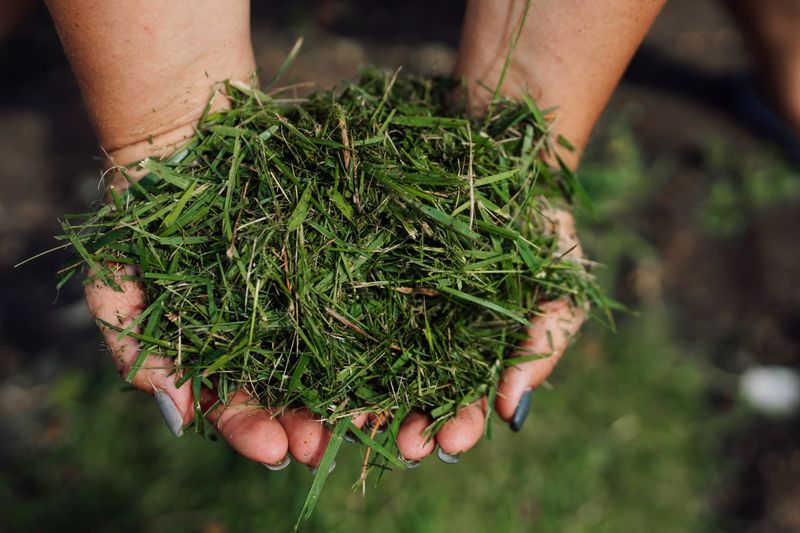
Count the minutes you spend emptying a mower bag each season. Most people are shocked when they add it all up.
Grasscycling can meaningfully reduce mowing time since you skip the bagging and emptying steps entirely. Many homeowners report noticeable time savings per session once they stop hauling bags, and those minutes add up quickly across an entire season of mowing.
Your back will feel the difference too. No more hauling heavy, soggy bags across the yard or lifting them into the trash.
Then there is the money. You save on paper bags, fertilizer, and sometimes even yard waste fees charged by your town.
Communities across North Carolina also spend significant resources handling yard waste. When fewer clippings head to collection sites, trucks burn less fuel and local budgets stretch further.
The environment gets a boost as well. Clippings in landfills break down without air and release methane, a gas that traps heat in the atmosphere.
Getting started is simple. Remove the bag, raise the deck, sharpen the blade, and mow a bit more often during fast-growing weeks.
Give it one October and judge for yourself. Chances are you will wonder why you ever bothered dragging those bags to the curb in the first place.