Here’s What Those Black Blisters Showing Up On Your Corn In North Carolina Really Mean
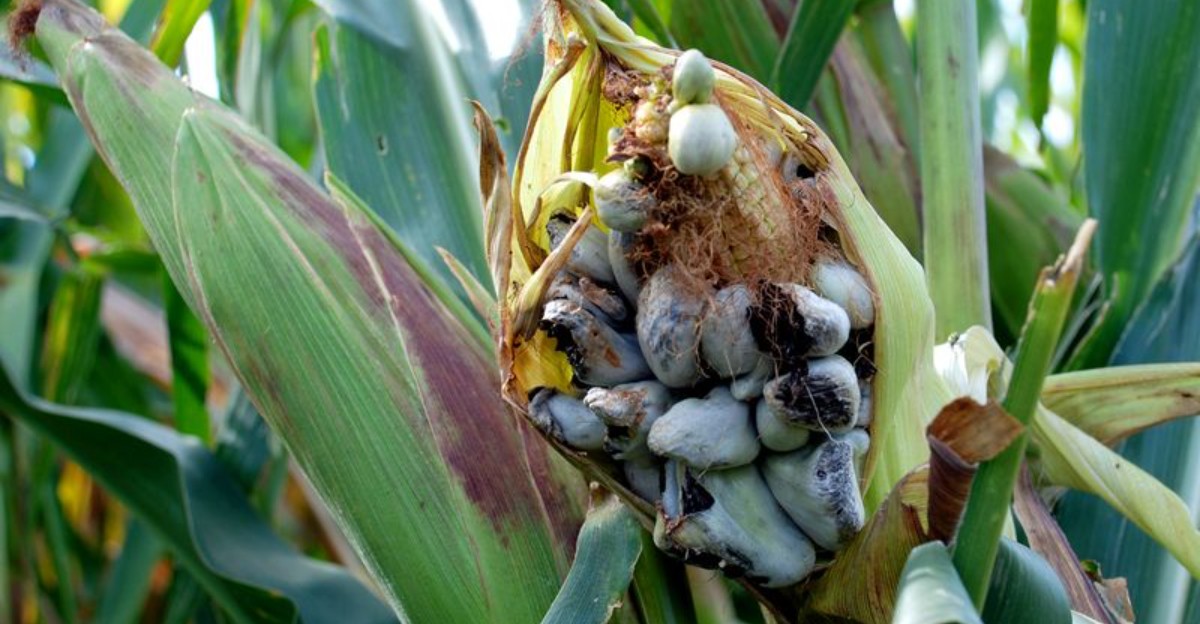
A swollen, silvery-gray lump bursts through an ear of corn. Inside, it is black and powdery. It looks like something has gone badly wrong.
Many North Carolina gardeners pull the plant and throw it away in alarm. But this growth has a name, and it is more interesting than frightening. It comes from a fungus that infects corn through small wounds and tender tissue.
The galls can show up on ears, tassels, and stalks. Some people actually seek them out and cook with them. Before you decide what to do, it helps to know what you are looking at.
A few facts explain why it appears, whether it spreads, and what it means for the rest of your crop.
1. It’s Most Likely Common Smut
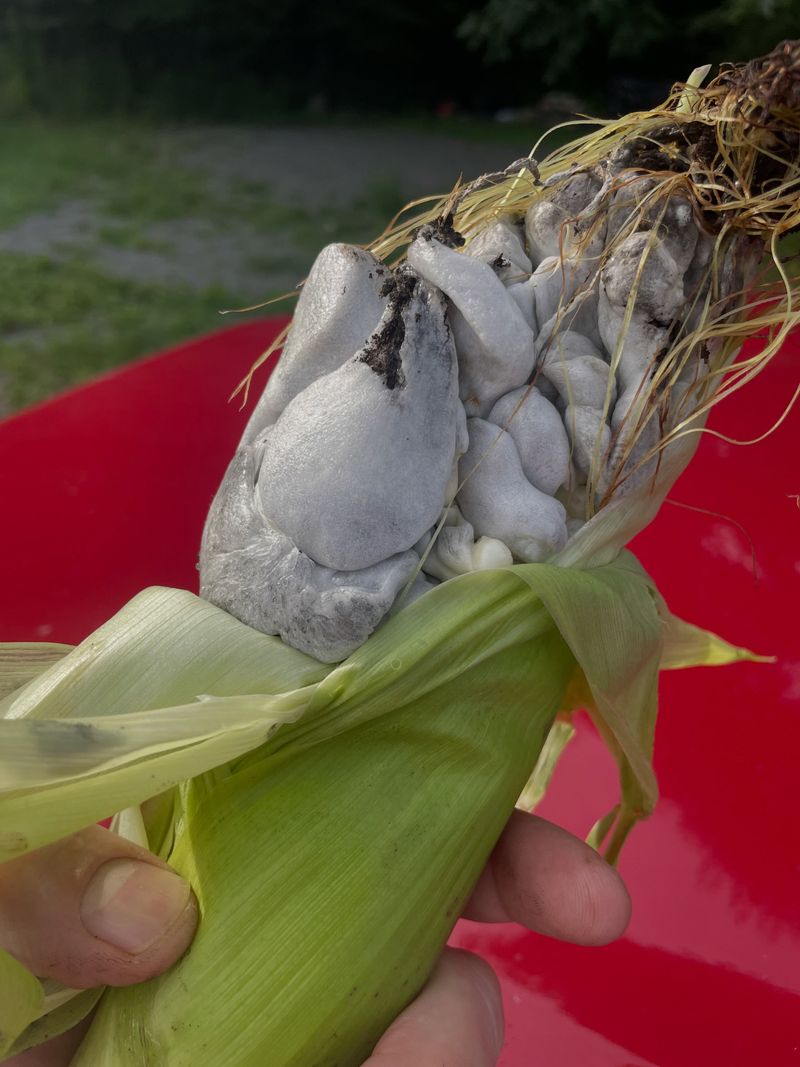
Few garden surprises look as strange as a corn ear swollen with black, bubbly lumps. In most cases, the culprit is a fungus called Ustilago maydis, which causes a disease known as common smut. Once you know its signature look, you will never mistake it again.
Smut forms irregular, puffy growths called galls. They can pop up almost anywhere on the plant, including the ears, tassels, stalks, and even the leaves.
Ear galls are usually the biggest and most eye-catching, sometimes growing larger than a baseball and replacing normal kernels with bulging, blister-like shapes.
Over time, those galls fill with black, powdery spores. That dark dust is how the fungus spreads, and it gives the disease its smoky, sooty name. When you squeeze a mature gall, the powder puffs out like a cloud of ash.
Here is the reassuring part. Smut is very common in home gardens, especially on sweet corn, which tends to be more prone to it than field corn.
An infected ear will not give you a normal harvest, but the disease usually stays limited to certain plants or ears rather than wiping out your whole patch.
Most gardeners find only a handful of affected ears in a season. The rest of the planting typically keeps growing and producing sweet, juicy corn just fine. So while the galls look dramatic, they are more of a nuisance than a disaster.
Across North Carolina, sweet corn is a summer garden favorite, from the mountains to the coastal plain.
Because so many people grow it, smut shows up in plenty of home plantings each year. Recognizing it early lets you stay calm and take smart steps instead of guessing.
2. Galls Start Pale And Turn Black
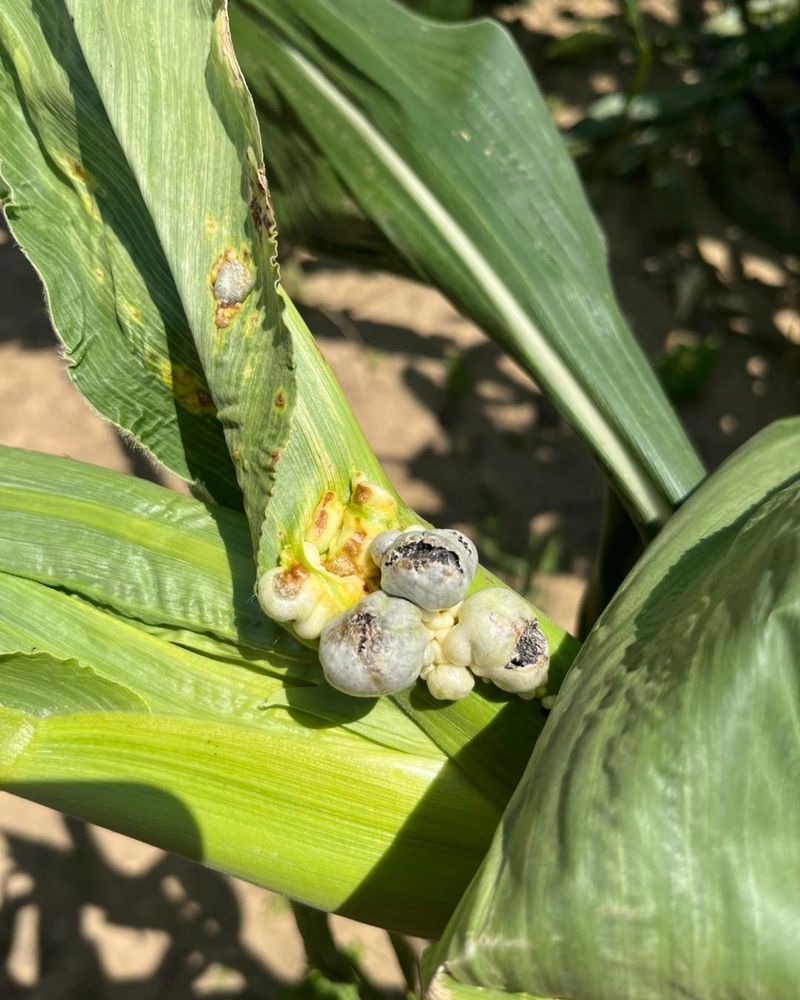
Smut galls have a life story, and watching it unfold tells you a lot. Early on, they look nothing like the sooty black blobs most people notice. Instead, they appear firm and smooth, wrapped in a shiny white to silvery gray skin.
At this young stage, a gall feels solid, a bit like a fresh mushroom. Inside, the fungus is busy building spores. As those spores develop, the gall slowly darkens and turns soft and spongy to the touch.
Eventually the thin outer skin cracks open. Masses of black, powdery spores spill out, coating nearby leaves, husks, and soil. By then, the gall has done its job of spreading the fungus.
Your North Carolina Garden Changes Every Week. Your Plan Should Too.
Gardening in North Carolina changes quickly throughout the season. Every Friday you’ll receive a simple weekly plan showing exactly what to plant, prune, fertilize, harvest, and protect so you never miss the right timing.
Spotting galls at each stage gives you an advantage. Walk your rows every few days once plants start tasseling. Look closely at ears, tassels, and stalks for swollen, irregular lumps that seem out of place.
When you find one, ask yourself a quick question. Is it still pale and firm, or has it gone dark and powdery? Pale galls are your chance to act before spores escape, while dark ones mean you need to work fast and carefully.
Removing galls early, while they are still light colored, keeps fewer spores from landing in your garden. A pair of clean pruners and a plastic bag make the job simple.
Timing matters even more in North Carolina. Hot, humid summer days speed up gall growth, so a lump that looks pale on Monday might be bursting by the weekend.
Regular checks during July and August help you stay one step ahead of the fungus and keep your garden cleaner.
3. Injuries And Stress Open The Door
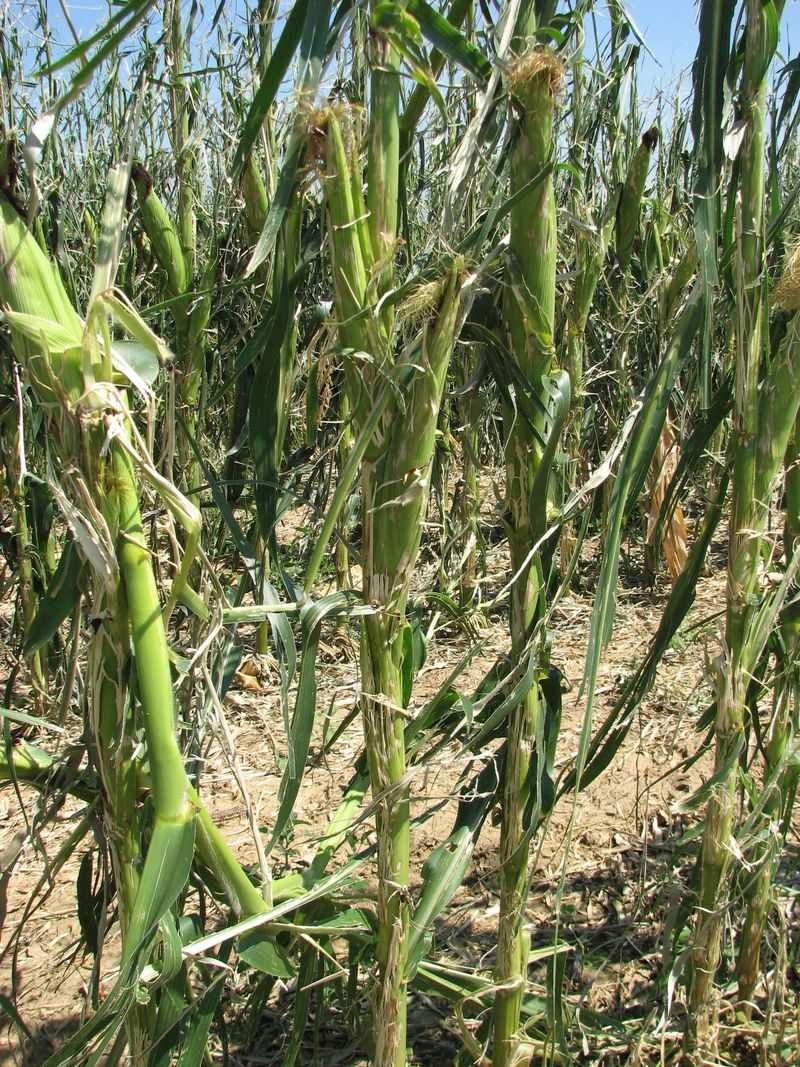
Think of a scraped knee. An open wound makes it easier for germs to get in, and corn works in a similar way. Smut spores look for young, actively growing tissue and fresh injuries as their way inside the plant.
That means anything that bruises or tears your corn can raise the odds of smut. Hail, strong wind, insect feeding, careless hoeing, and rough handling all create tiny openings. The fungus takes advantage of every one.
Luckily, you have plenty of control here. Start with how you weed. Shallow hoeing near the base can nick roots and stalks, so pull weeds by hand close to plants or use a thick layer of mulch to keep them down.
Insects deserve attention too. Corn earworms chew into ears and leave wounds behind, and other pests can do similar damage. Check silks and ears often, and use garden-safe controls such as Bt products when pests show up.
Water also plays a big role. Plants that swing between drought and soaking get stressed, and stressed corn is more vulnerable. Aim for steady moisture, about an inch a week, especially during dry spells while ears are forming.
Go easy on fertilizer as well. Heavy doses of nitrogen push lush, soft growth that smut seems to love. Follow soil test recommendations instead of adding extra just in case.
North Carolina summers bring their own challenges. Afternoon thunderstorms can roll in with gusty winds and hail, and insect pressure runs high in the heat.
You cannot stop the weather, but gentle care and smart pest control give your corn the strongest defense possible.
4. Late Season Rust Pustules Can Also Turn Dark
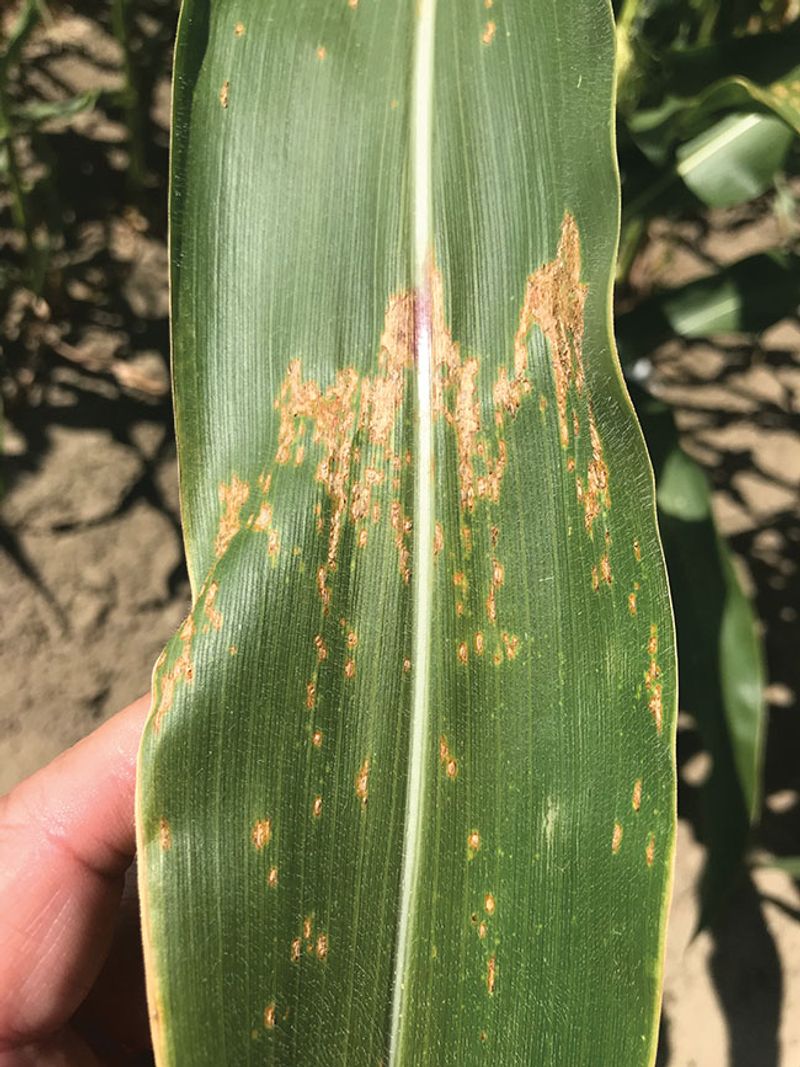
Not every dark spot on corn means smut. Sometimes a different fungal disease, corn rust, causes the confusion. Telling the two apart helps you choose the right response.
Rust forms small, raised bumps called pustules, mostly on the leaves. Common rust pustules start out reddish brown and appear on both sides of the leaf. Late in the season, they can turn dark brown to nearly black, which is where mix-ups happen.
Southern rust looks a little different. Its pustules are orange to light tan, packed tightly together, and found mainly on the upper side of the leaf. It can spread quickly in hot, humid weather.
So how do you know which one you have? Size and location are your best clues. Smut makes large, swollen lumps on ears, tassels, and stalks, while rust creates many tiny, powdery dots scattered across leaf surfaces.
Try a simple rub test. Run a finger or tissue across a suspicious leaf spot. Rust spores come off as a rusty orange or dark powder, leaving a colored smear behind, while smut galls stay as big puffy structures until they burst.
Getting it right changes your plan. Smut calls for removing galls by hand, but rust is managed through resistant varieties, good airflow, and early planting. Most home gardens never need sprays for either one.
In North Carolina, southern rust is a common summer visitor, often arriving with warm, moist weather moving up from the south. Gardeners who plant early often harvest before rust gets bad. Knowing its look keeps you from blaming the wrong disease.
5. Remove Galls Before They Burst
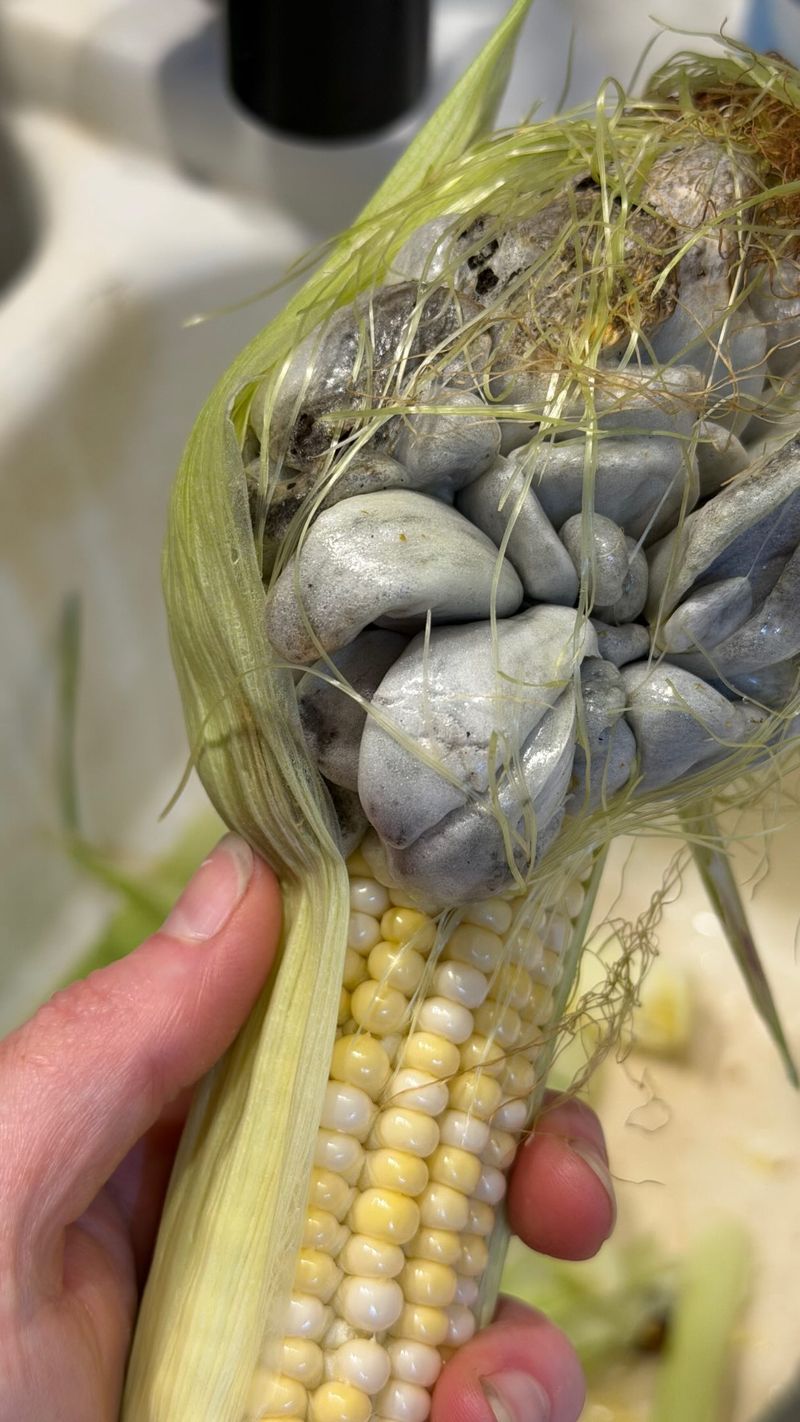
One gall can hold billions of spores. That staggering number explains why quick action pays off. Once a gall bursts, it showers spores onto the soil, where they wait for next year’s corn.
The best time to act is while the gall is still firm and pale. At that stage, spores have not been released yet. Cutting it off then stops the fungus before it can seed your garden.
The method is simple. Grab clean pruners or a sharp knife and snip off each gall as soon as you see it. Try to cut a little below the swelling so you get the whole thing.
Drop each gall straight into a plastic bag, then seal it tight. Toss the bag in the trash, not the compost pile. Home compost rarely gets hot enough to destroy smut spores, so composting could spread them right back into your beds.
If you find a gall that has already turned dark and powdery, handle it gently. Slip the bag over it first, then cut, so fewer spores drift away. Wearing gloves keeps the black dust off your hands.
After harvest, take a final walk through your rows. Pull and bag any heavily infected plants rather than leaving them standing. A little cleanup in fall means fewer surprises next summer.
This habit matters a lot in North Carolina. Warm weather pushes galls from pale to bursting in just days, so checking plants two or three times a week during peak season is a smart move. Consistent attention keeps spore numbers low.
6. Smut Spores Can Survive In Soil For Years

Here is something many gardeners never realize. Smut does not vanish when you pull your corn in the fall. The spores that drop from burst galls can stay alive in soil and crop debris for several years.
Those tough spores sit quietly, waiting for the right moment. When you plant corn in the same spot again, the fungus has a fresh crop right on top of it. Year after year in one place, the chances of smut keep climbing.
Crop rotation is your best friend. Move corn to a different part of the garden each season, and try not to return to the same bed for at least two or three years. Tomatoes, beans, squash, or greens can take corn’s old spot.
Cleanup counts too. After harvest, remove corn stalks, husks, and leftover debris from the garden. Bag anything that showed smut, and avoid tilling infected material back into the soil.
Variety choice can also tip the odds in your favor. Some sweet corn varieties handle smut better than others, while certain super sweet and older types can be more prone to it.
Read seed catalog descriptions and look for notes about disease tolerance when shopping. Small spaces make this tricky. Many North Carolina home gardeners grow corn in one familiar plot every summer because it gets the best sun.
If your garden is tiny, consider swapping corn into a raised bed or container area, or skipping corn for a year to let the soil rest. A little planning now pays off with cleaner ears later.
7. Young Galls Are Eaten As A Delicacy In Some Cuisines
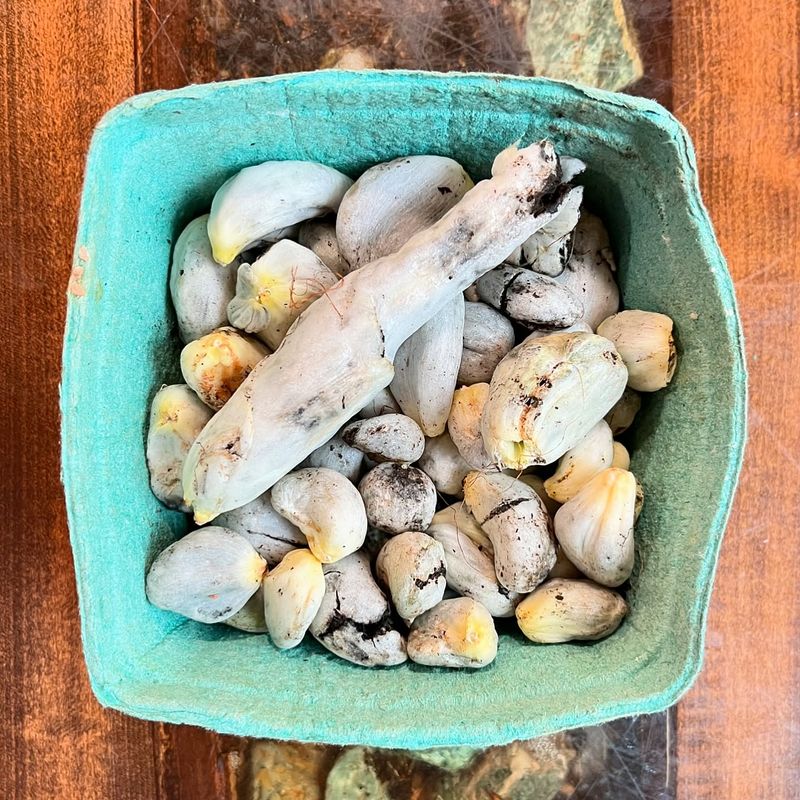
What if that garden problem could end up on your dinner plate? In Mexico, young smut galls are a prized food called huitlacoche, sometimes spelled cuitlacoche. People have enjoyed it since Aztec times.
Fans describe the flavor as earthy, smoky, and a lot like mushrooms with a hint of sweet corn. Cooks fold it into quesadillas, tacos, soups, and omelets. Some fancy restaurants in the United States even call it the Mexican truffle.
Smut is not harmful to people when eaten, which is why some gardeners choose to harvest galls instead of tossing them. It turns a frustrating sight into a fun kitchen project.
Timing is everything, though. Pick only young, firm, pale galls, usually about two to three weeks after silks appear. Once they turn dark and powdery inside, the texture and flavor go downhill fast.
Cook your harvest promptly, since fresh galls spoil quickly. A simple start is sauteing them with onion, garlic, and a little chili, then spooning the mix into warm tortillas. Leftovers can be frozen after cooking.
Safety comes first. Be completely certain you are looking at corn smut before eating anything. If you have any doubt, contact your local Cooperative Extension office for help with identification.
For North Carolina gardeners, this opens up a creative option. Instead of feeling disappointed by swollen ears, you can treat them as a bonus ingredient that few neighbors have ever tasted.
It is a great conversation starter at a summer cookout and a reminder that gardens are full of surprises.