Stop Pruning Ohio Tomatoes Like This Before Heavy Rain
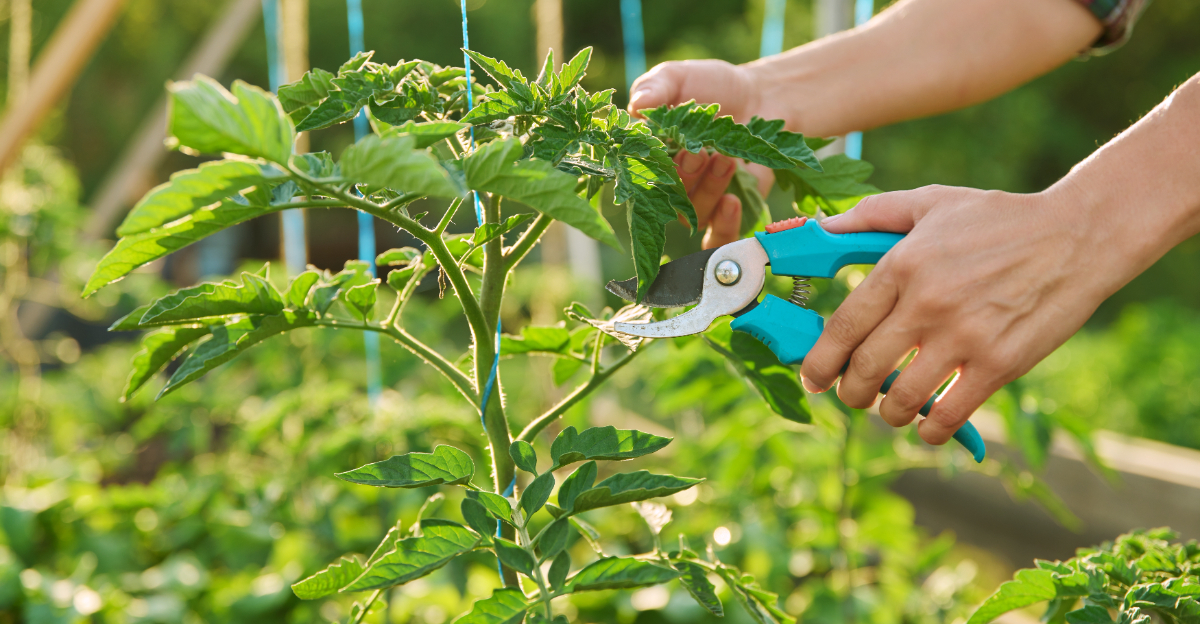
Heavy rain can make even sturdy Ohio tomato plants look vulnerable.
The forecast shifts, storms move in, and suddenly the garden feels like it needs a quick cleanup before the weather hits.
It is tempting to grab the pruners, strip away extra leaves, open the plants up, and make everything look neat before the first drops fall.
That instinct can backfire.
Tomatoes need strength going into wet weather, not shock. Fresh cuts, exposed stems, stripped fruit clusters, and removed foliage can leave plants more vulnerable just when rain splash, humidity, and disease pressure are about to rise.
A tomato plant that looks a little crowded may still be better prepared for a storm than one that was pruned too hard at the wrong time.
The goal before heavy rain is not to make the plant look perfect.
The goal is to keep healthy foliage working, remove only the truly risky material, and wait for a dry window before doing anything major. Ohio’s summer rain can spread common tomato diseases fast, so timing and restraint matter.
Before the storm, stop pruning in ways that weaken the plant right when it needs its canopy, energy, and clean tissue most.
1. Keep Healthy Foliage On The Plant
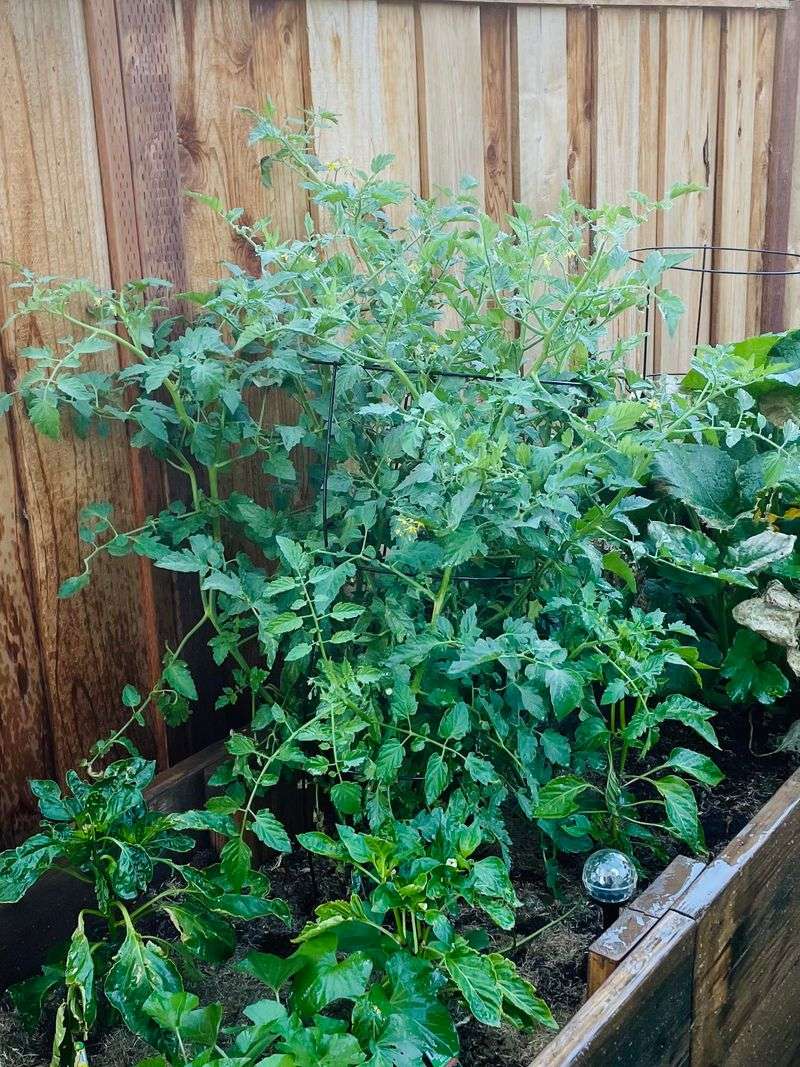
Healthy tomato leaves are not clutter.
They are the plant’s energy system. Every firm, green leaf helps capture sunlight and turn it into the sugars needed for fruit growth, root function, and recovery after stressful weather.
Removing healthy foliage before heavy rain takes away fuel at the exact moment the plant needs reserves.
A full canopy also protects the plant physically.
Leaves shade the soil, reduce rapid moisture swings, and help shield developing fruit from harsh sun once the rain clears. They also soften the impact of splash in some parts of the plant, especially around fruit clusters and inner stems.
That matters in Ohio gardens, where heavy rain can be followed by bright sun, high humidity, and warm temperatures.
A plant that loses too much leaf cover before a storm may face disease pressure during the rain and sunscald risk afterward.
Learn to separate healthy leaves from problem leaves. Healthy foliage is green, firm, and free from spotting, yellowing, wilting, powdery coating, or obvious lesions. Those leaves should stay, even if the plant looks a little wild.
Diseased leaves are different. Leaves with obvious early blight, septoria leaf spot, severe yellowing, or spots that are spreading may need careful removal, but that should be done selectively and under dry conditions.
Do not prune just because the plant looks full.
A full tomato plant is often a strong tomato plant, especially when weather is about to turn rough. Removing healthy tissue for neatness can reduce the plant’s ability to ripen fruit and rebound after storms.
Before heavy rain, keep the good leaves. They are not in the way.
They are helping the plant get through what is coming.
2. Stop Stripping Lower Leaves Too Aggressively
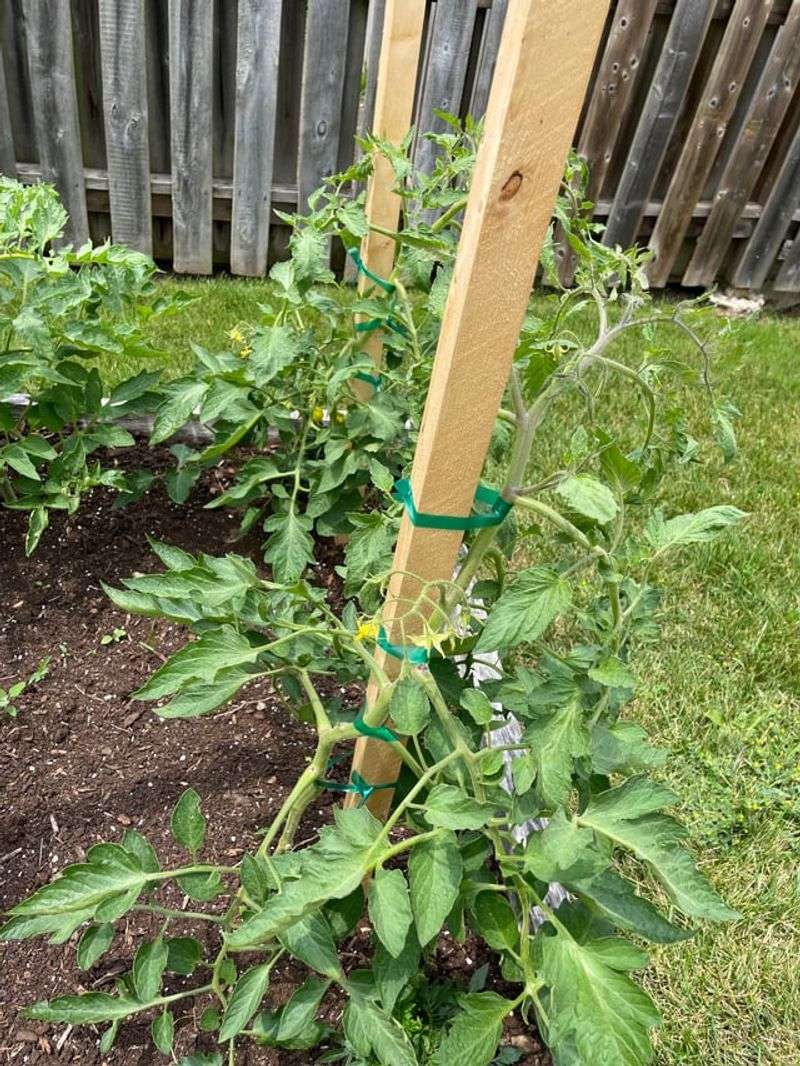
Removing a few low tomato leaves can be smart.
Your Ohio Garden Changes Every Week. Your Plan Should Too.
Gardening in Ohio changes quickly throughout the season. Every Friday you’ll receive a simple weekly plan showing exactly what to plant, prune, fertilize, harvest, and protect so you never miss the right timing.
Leaves touching the soil or hanging just above it are more likely to catch splash from rain. Soil splash can move fungal spores onto lower foliage, especially during heavy summer storms.
Clearing those lowest, most vulnerable leaves can improve airflow near the base and reduce direct contact with the ground.
The mistake is taking that advice too far.
Some gardeners strip the entire lower half of the plant before rain, leaving a long bare stem and exposed fruit clusters behind. That kind of aggressive pruning can weaken the plant more than it helps.
Lower leaves still contribute energy if they are green and healthy. They also shade the soil around the plant and help moderate moisture.
Removing them all at once can expose stems to rain, wind, and sun without giving the plant a real disease-control advantage.
A better rule is simple: remove leaves that touch the soil, leaves that are badly yellowed, and leaves with clear disease symptoms. Then stop.
Do not turn pruning into a race toward a bare stalk.
Look at each leaf before cutting. Is it green and firm? Is it shading fruit? Is it above the soil and still working?
If so, leave it alone. Is it spotted, dragging in mulch, or pressed against wet soil? That leaf may be worth removing once the plant is dry.
Timing still matters. If rain is only a few hours away and foliage is damp from dew, leave most pruning for later unless a leaf is clearly diseased or broken.
Tomatoes do not need a stripped lower stem before every storm.
They need enough clearance to reduce splash, plus enough foliage to keep feeding and protecting the plant.
Balanced pruning beats bare stems every time.
3. Prune Only When Plants Are Dry
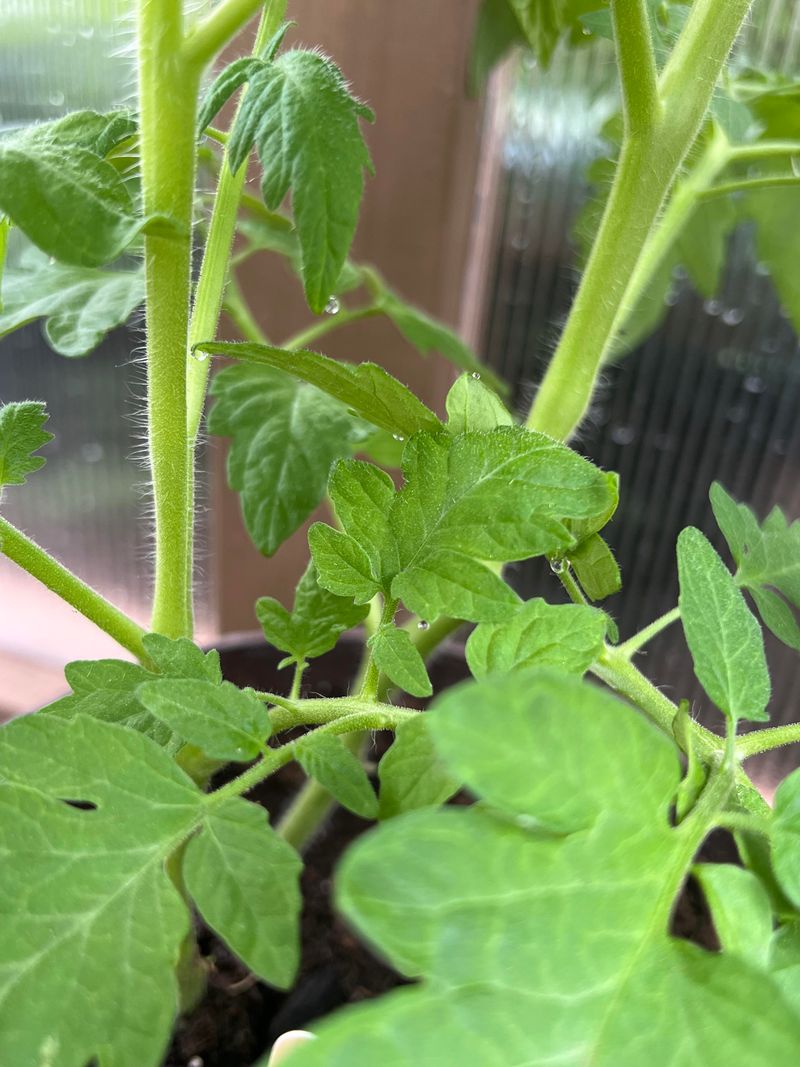
A wet tomato plant is not ready for pruning.
Morning dew, rain droplets, and damp foliage can all make disease movement easier. When leaves and stems are wet, your hands, sleeves, gloves, and pruners can carry moisture and plant material from one spot to another.
That is exactly what you do not want when common tomato diseases are already a concern.
Cutting wet stems also creates fresh wounds in damp conditions.
Those wounds may stay moist longer, especially if storms are coming or humidity stays high. Dry cuts have a better chance to begin sealing cleanly. Wet cuts sit in a disease-friendly environment from the start.
Ohio tomato gardens often deal with early blight, septoria leaf spot, and other wet-weather problems.
Those diseases can spread through splash and contaminated plant debris, and a wet pruning session adds another chance to move trouble around.
Wait until the plant is dry.
Midmorning can be a good window on clear days, after dew has lifted but before afternoon heat becomes intense. If the forecast has been rainy for days, choose the driest period available and keep cuts minimal.
Dry foliage also makes better decision-making possible. Spots, yellowing, lesions, and weak tissue are easier to see when leaves are not shiny with moisture. You can remove the problem leaves without accidentally cutting healthy ones.
If a branch has snapped and is hanging after wind, that can be handled when needed. But routine pruning, sucker removal, thinning, and cleanup should wait for dry tissue.
Keep tools clean too. If disease is present, wipe pruner blades between plants with alcohol or another appropriate disinfecting method. Clean tools plus dry plants lower the risk of spreading problems as you work.
Pruning tomatoes while wet may feel efficient.
In a stormy Ohio summer, patience is much safer.
4. Skip Large Cuts Before Heavy Rain
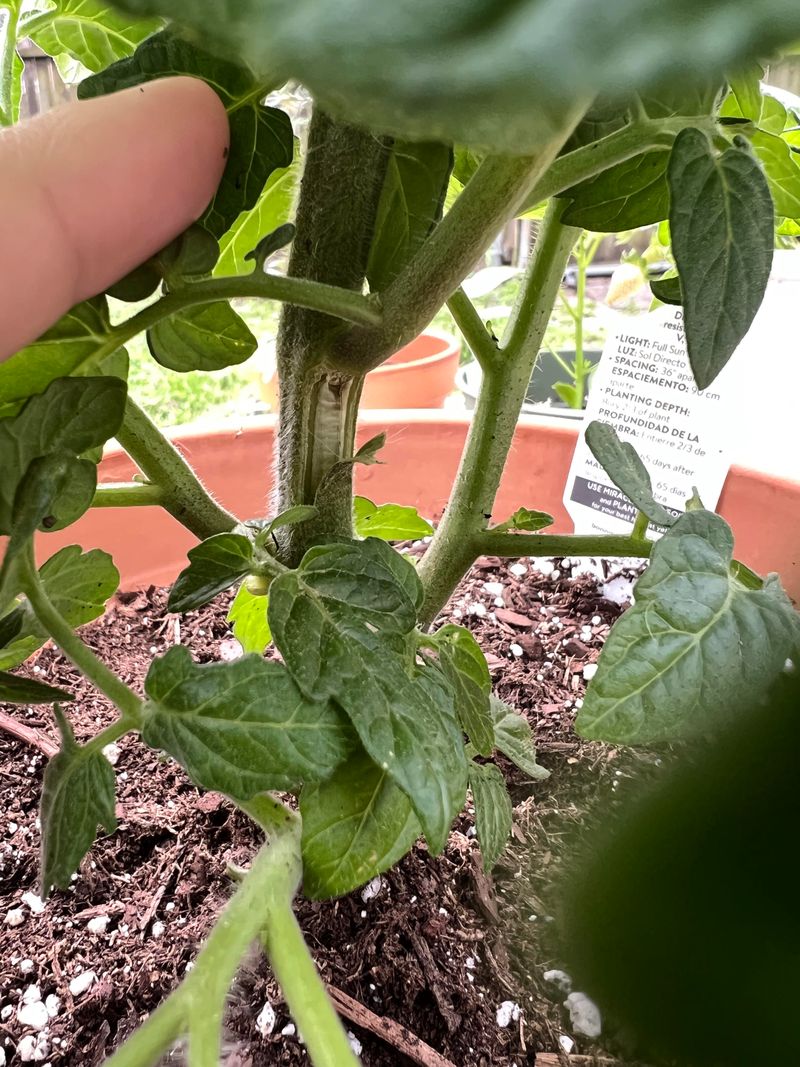
Big pruning cuts and heavy rain do not belong together.
Removing a small sucker is one thing. Cutting off a thick lateral branch, taking away a major stem, or removing a large section of canopy creates a much bigger wound.
That wound needs time to dry and begin closing before it faces hours of rain, splash, and humidity.
If heavy rain is expected within the next day or two, skip large cuts unless a branch is broken or creating an immediate problem.
Fresh wounds are more vulnerable than intact plant tissue. During a hard rain, soil particles and disease spores can splash upward.
Wet foliage can stay damp for hours. Airflow may be poor. The entire plant is already dealing with stress, and a major pruning wound only adds another opening.
Schedule significant pruning around the forecast, not around convenience.
A dry weather window after pruning gives the plant a better chance to respond. Even one or two dry days can be helpful compared with cutting right before a storm.
If the plant needs serious shaping or sucker reduction, wait until rain has passed and foliage is fully dry.
This is especially important for dense tomato plants that have been allowed to grow freely for weeks. A sudden major thinning may expose shaded tissue and fruit, reduce leaf area, and create multiple wounds all at once.
Instead, work gradually. Remove the most necessary material first, then reassess later. Tomato plants handle steady, thoughtful pruning better than dramatic cleanup.
If a stem is diseased, remove it carefully under the driest conditions possible and bag the material. If it is merely inconvenient or messy, it can wait.
Heavy rain is not the time to make big changes.
Before storms, leave the plant structurally intact and save large cuts for dry recovery weather.
5. Keep Fruit Shaded From Harsh Sun
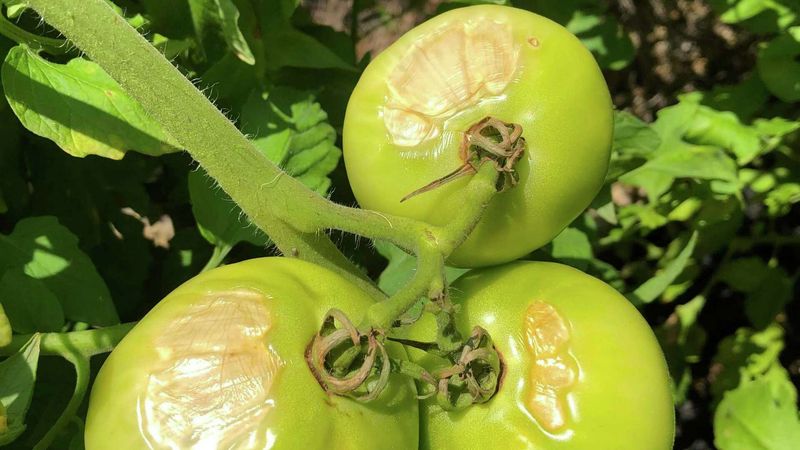
Tomatoes can get sunscald after over-pruning.
The problem often appears after leaves have been stripped away from fruit clusters. Once exposed, tomatoes that were previously shaded may sit in direct sun during the hottest part of the day.
After a storm system clears, the light can be intense, and fruit skin can suffer quickly.
Sunscald usually shows up as pale, whitish, papery patches on the exposed side of the fruit. Once that tissue is damaged, the spot can soften, crack, or invite secondary problems.
The tomato may still be partly usable if the damaged area is removed, but quality drops.
Leaves are the best protection.
The foliage above and around fruit clusters acts like a natural shade cloth. It filters direct sun, reduces heat on the fruit surface, and helps fruit ripen more evenly.
Removing those leaves right before heavy rain can create a two-part problem: wet-weather disease risk first, then harsh sun exposure afterward.
Do not strip leaves away from fruit just to improve visibility or make harvest easier. A tomato hidden partly behind healthy foliage is often better protected than one hanging exposed in full afternoon sun.
This is especially true on the south and west sides of the plant, where sun intensity is stronger later in the day.
Those leaves may look like they are blocking airflow, but if they are healthy and shading fruit, they are doing important work.
Remove diseased leaves near fruit only when necessary, and avoid clearing an entire cluster all at once. If fruit becomes suddenly exposed, consider temporary shade during the hottest part of the day, especially after storms.
A clean-looking plant is not always a healthier plant.
Before heavy rain, leave enough canopy so fruit stays protected when the sky clears and the sun returns.
6. Leave Wilted Plants Alone For Now
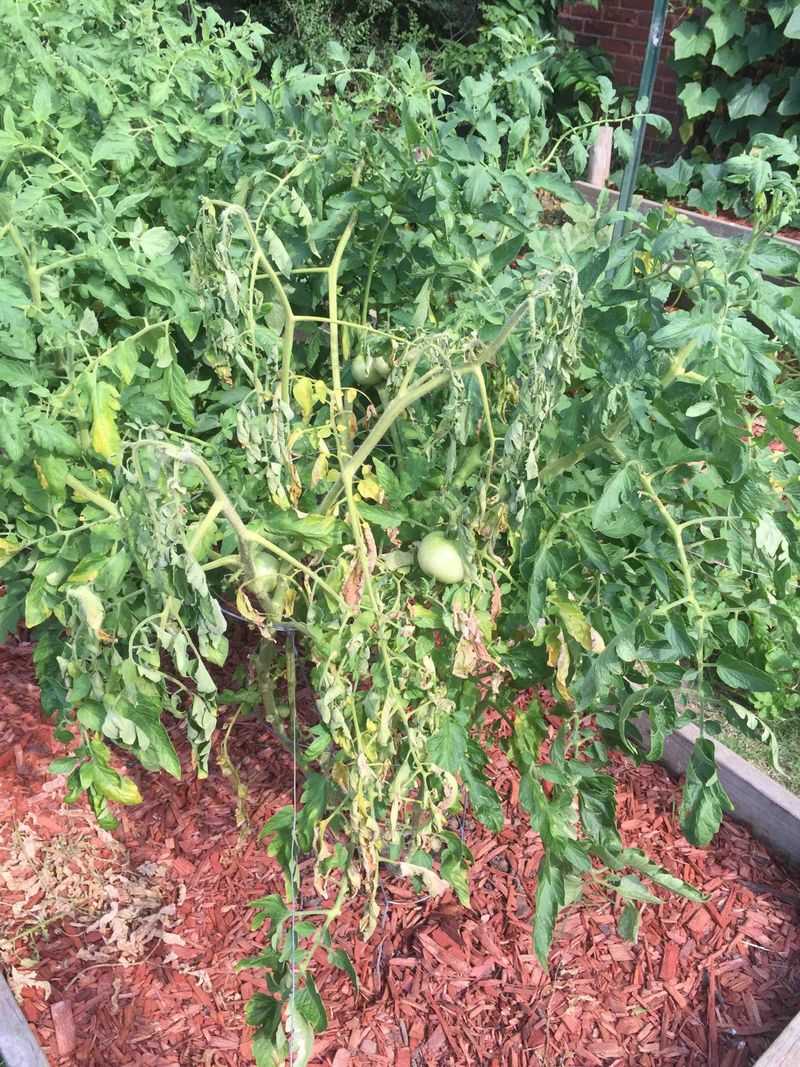
A wilting tomato plant should not be pruned just because it looks bad.
Wilt is a stress signal. It may be temporary afternoon wilt from heat, a sign of dry soil, a response to waterlogged roots, or a symptom of something more serious.
Cutting into the plant before you understand the cause can make recovery harder.
A wilted plant is already struggling to manage water movement.
Pruning forces it to heal wounds and redirect energy. That is an extra demand when the plant may not even be keeping its leaves hydrated properly. Before heavy rain, that added stress can be especially risky.
Start with the soil. Push a finger 2 to 3 inches down near the root zone. If the soil is dry at that depth, water deeply and give the plant time to respond.
A plant suffering from dry soil may perk up by evening or the next morning if roots are healthy.
If the soil is wet and the plant is still wilting, do not prune. Saturated soil can limit oxygen around roots, and more rain may worsen the problem. In that case, improving drainage and waiting may matter more than cutting leaves.
Watch the pattern too. Temporary afternoon wilt that resolves by evening is common in hot weather. Persistent wilt that remains overnight or affects only one side of the plant may point to root or vascular issues that pruning will not fix.
Only remove broken, collapsed, or clearly diseased material if it must come off. Leave healthy foliage in place until the plant stabilizes.
After heavy rain, check again once the plant has dried and had time to recover. A tomato that looks terrible during stress may look much better 24 to 48 hours later.
Prune recovered plants, not panicked ones.
Wilt means pause, diagnose, and support the roots first.
7. Remove Every Cutting From The Bed
Pruning is not finished when the cut is made.
Every leaf, sucker, and stem you remove needs to leave the tomato bed, especially before heavy rain. Cuttings left on soil can become a damp pile of disease material right where splash is about to happen.
That is a major problem with spotted or yellowing leaves.
Plant material affected by early blight, septoria leaf spot, or other diseases can continue to hold and spread spores. When rain hits, splash can move that material back onto the plant. Leaving clippings in the bed turns cleanup into a disease source.
Collect cut material as you go. Carry a bucket or bag through the row so nothing gets dropped and forgotten under the plants. This is especially useful when you are pruning several tomatoes at once.
Do not compost visibly diseased tomato debris in a casual backyard pile. Many home compost piles do not reach high enough temperatures consistently enough to handle diseased material safely.
Bag diseased clippings for disposal instead, or follow your local yard-waste rules if a municipal program accepts that material.
Clean clippings from healthy plants are less risky, but before wet weather, it is still better not to leave any fresh plant debris around tomato stems. A clean bed dries faster and gives fewer hiding places for pests and disease.
Tool sanitation matters too. If you cut diseased leaves from one plant, wipe or disinfect pruners before moving to the next. This prevents your tools from carrying problems down the row.
A tidy bed before rain is useful.
A stripped plant is not.
Remove the clippings, not the healthy canopy. That is the difference between smart sanitation and harmful over-pruning.
8. Wait For Dry Weather After The Storms
After a storm, tomatoes often look worse than they are.
Leaves may be plastered together. Stems may lean. Mud may splash onto lower foliage. A few branches may look bent under the weight of water. It is tempting to start cutting immediately so the garden looks controlled again.
Wait.
Your first job after heavy rain is inspection, not pruning. Walk the row and check supports. Make sure cages, stakes, and ties are still holding the plants upright.
Look for branches that are truly snapped rather than just bent or wet. Check for standing water near the base of the plants.
Then let the foliage dry.
Wet leaves can make damage look more dramatic than it is. A stem that seems collapsed may lift again once the sun returns.
Leaves that look limp may recover as the plant restores water balance. Cutting too soon can remove tissue the plant would have kept using.
Once everything is dry, remove only what is genuinely necessary. A cleanly snapped stem can come off. A leaf that was already spotted before the storm and now looks worse can be removed carefully.
A branch lying in mud may need attention if it cannot be lifted or tied back.
Avoid panic pruning the whole plant because it looks messy. Tomatoes are resilient, and many recover from a soaking with support, airflow, and time.
Post-storm disease symptoms may take a little time to appear. Keep checking over the next few days, especially lower leaves. Remove new problem foliage selectively, bag it, and keep tools clean.
The best recovery routine is calm: support the plant, wait for dry weather, then cut only what has truly failed.
A wet morning after a storm is not the moment for major pruning.
Dry patience protects more tomatoes than rushed cleanup ever will.