Stop Putting These 9 Things In Your Maryland Clay Soil, You’re Making It Worse
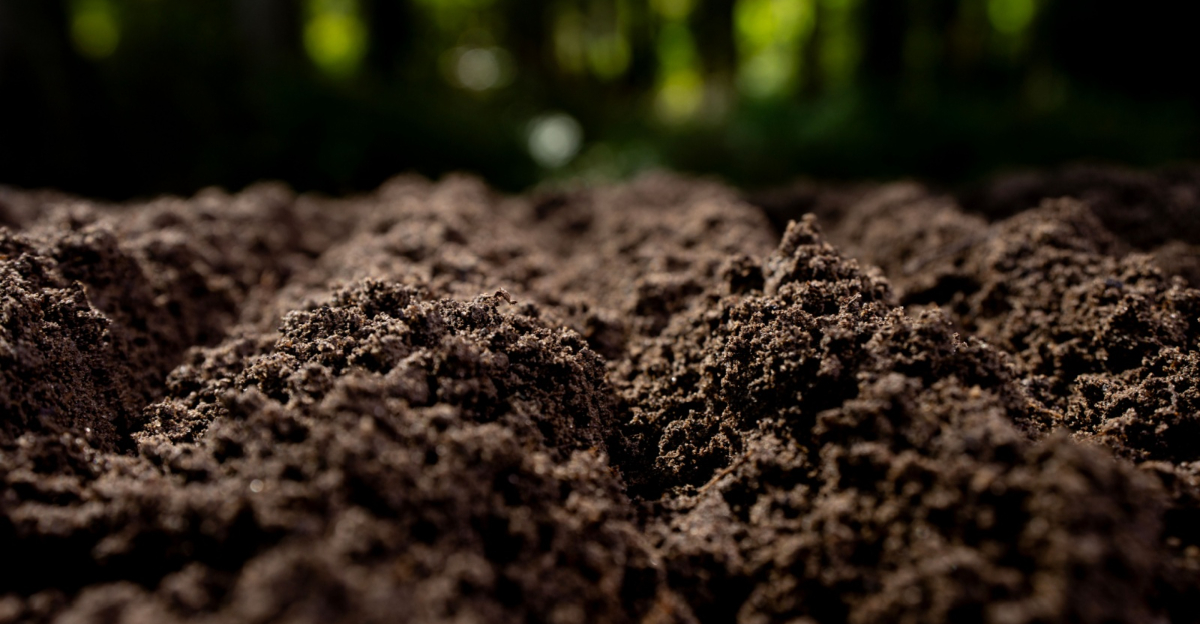
Maryland clay soil doesn’t need your help getting worse.
But chances are, you’ve been making things harder anyway.
That thick, sticky layer waiting under your backyard has a way of making you desperate.
You grab a bag of sand, toss in some fresh manure, maybe sprinkle a little lime, because something has to work, right?
The garden center shelves are full of promising solutions, and after a rough growing season, even the vaguest label starts to look convincing.
Here’s the uncomfortable truth: most of what people pour into Maryland clay soil makes it significantly worse, not better.
Well-meaning gardeners across the state are accidentally choking their roots and locking out nutrients.
Some are unknowingly turning decent soil into something that behaves more like a parking lot than a garden bed.
The good news is that the fix starts with knowing what to stop.
Once you get that part right, improving your clay soil becomes much more straightforward than anything you’ve tried so far.
1. Fresh Manure Sounds Natural But It’s Slowly Suffocating Your Plants
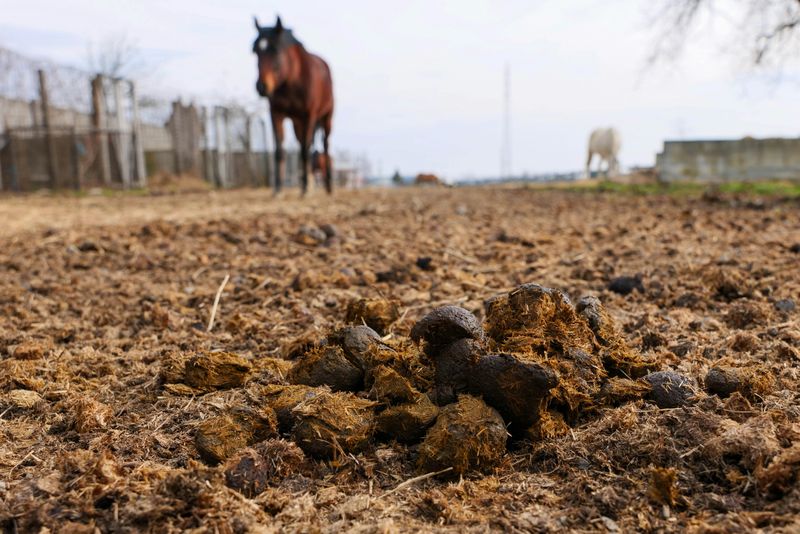
Fresh manure feels like the most natural thing you could possibly add to a garden.
Farmers have used it for centuries, and that legacy makes it feel trustworthy and safe.
But raw, unaged manure is loaded with ammonia and harmful bacteria that can burn plant roots and contaminate your vegetables.
Clay soil makes this problem significantly worse.
Because clay holds moisture so tightly, fresh manure just sits there and ferments rather than breaking down cleanly.
That fermentation process pulls oxygen out of the soil, creating conditions where roots struggle to breathe and beneficial microbes get crowded out.
There is also the very real risk of E. coli and other pathogens showing up in your food crops when raw manure is used close to harvest time.
The USDA recommends waiting at least 90 to 120 days after applying raw manure before harvesting any produce.
The smarter move is to use fully composted manure, which has been aged long enough to break down safely.
Look for a dark, crumbly product that smells earthy rather than sharp.
Composted manure gives your soil everything it needs and none of what it doesn’t.
2. Lime Without A Soil Test Can Cost You
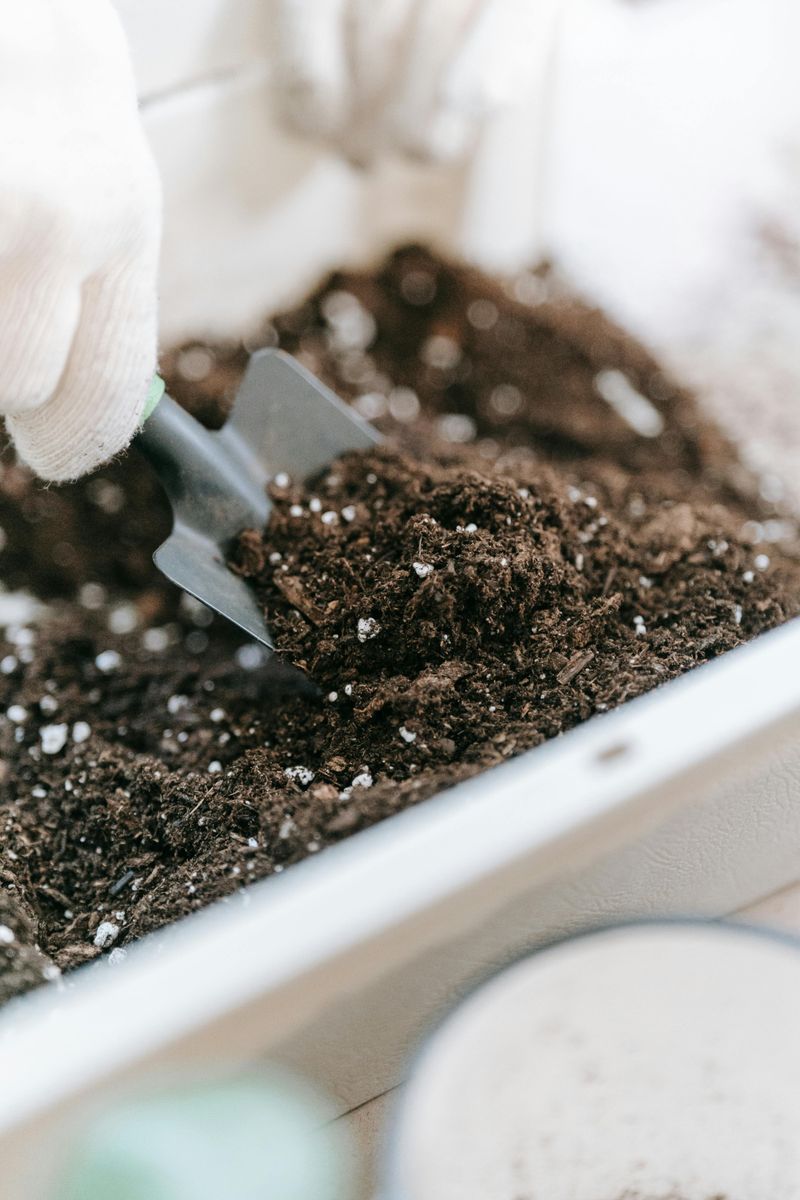
If lime could market itself, it would call itself a miracle.
Maryland clay soil would strongly disagree.
The idea is simple: if your soil is too acidic, lime raises the pH and things improve.
But Maryland clay already tends to sit at a higher pH than most plants prefer.
Toss in lime without testing first and you are not fixing a problem, you are creating a much bigger one.
When soil pH climbs too high, nutrients like iron, manganese, and zinc become chemically locked up.
Your plants will struggle to absorb them regardless of how much fertilizer you add.
Leaves turn yellow, growth slows, and the garden looks like it is struggling even though you are working hard to help it.
Your Maryland Garden Changes Every Week. Your Plan Should Too.
Gardening in Maryland changes quickly throughout the season. Every Friday you’ll receive a simple weekly plan showing exactly what to plant, prune, fertilize, harvest, and protect so you never miss the right timing.
A basic soil test from your local cooperative extension office costs very little and tells you exactly what your ground needs.
Maryland residents can often get testing done through the University of Maryland Extension program for a small fee.
That small investment saves you from months of guessing and potentially years of soil damage.
Know your numbers before you touch that bag, because clay soil holds onto mistakes a lot longer than it holds onto water.
3. Your Free Sawdust Fix Is Stealing From Your Garden
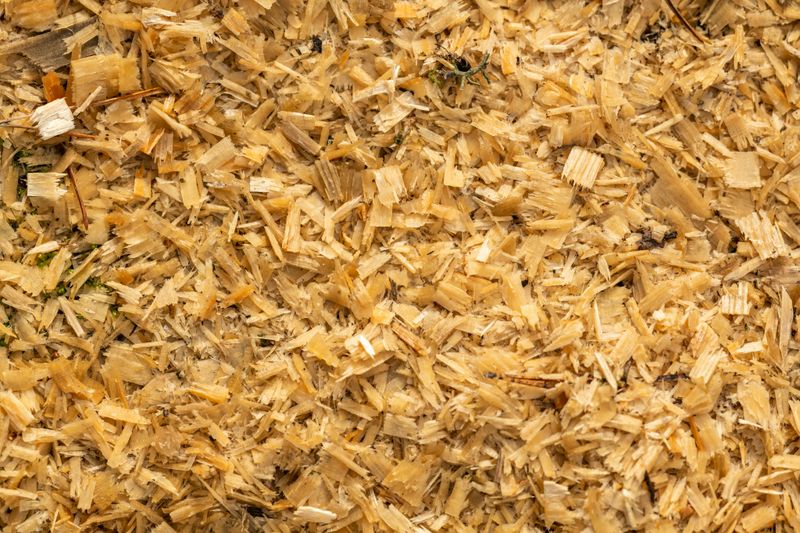
That pile of sawdust from your last building project looks like free garden gold.
It is not.
It is organic, it is natural, and it breaks down eventually, so what could go wrong?
The answer is nitrogen robbery, and it happens fast.
When sawdust begins decomposing in soil, the microbes doing that work need nitrogen to fuel the process.
They pull it directly from the surrounding soil, leaving your plants starved of one of their most essential nutrients.
Clay soil makes this worse in its own special way.
Poor drainage keeps the sawdust wet and decomposing for far longer, which means the nitrogen robbery doesn’t stop, it just keeps going.
Plants respond to nitrogen deficiency with yellowing leaves, weak stems, and stunted growth that no amount of watering seems to fix.
Many gardeners blame the weather or the seeds when the real culprit is sitting right in the soil.
If you want to use wood-based materials, choose aged or composted wood chips instead.
They have already gone through the decomposition process and will not rob your plants.
Let time do the hard work before that material ever touches your garden bed.
4. Peat Moss Has No Idea What Maryland Summers Are Like
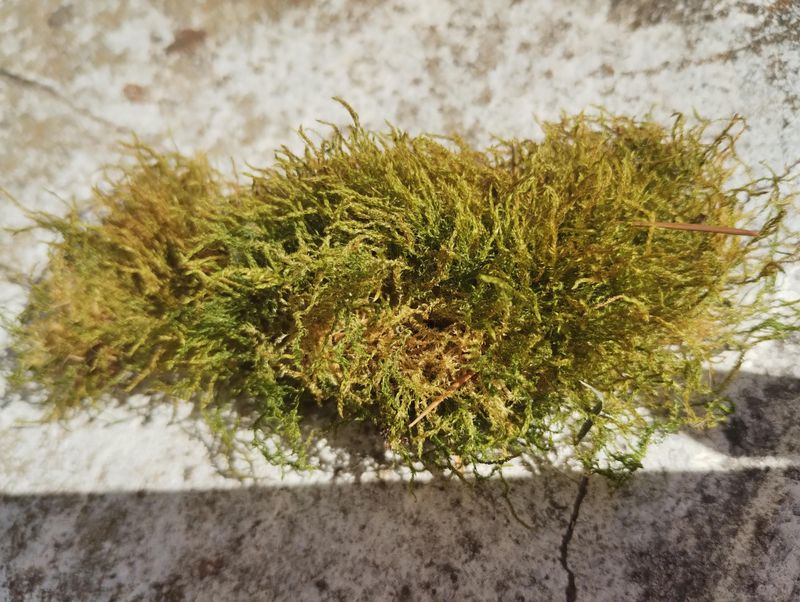
Peat moss has been a garden store staple for so long that questioning it feels almost rebellious.
Gardeners in drier regions or sandier soils genuinely benefit from its water-holding ability.
But Maryland is a different story.
Humidity runs high, clay soil already holds onto moisture like a sponge, and peat moss rarely delivers what gardeners are hoping for.
Clay and peat moss share a frustrating characteristic: both repel water when they dry out completely.
Once that peat layer dries in summer, it forms a crust that water beads right off of.
Instead of soaking into your clay soil, rain and irrigation just runs sideways across the surface and disappears.
There is also an environmental concern worth knowing about.
Peat bogs take thousands of years to form and are being harvested far faster than they can regenerate.
The smarter move for Maryland gardeners is locally sourced compost.
Skip the peat and invest in something that actually fits your local conditions and climate.
5. Adding Sand To Maryland Clay Soil Is Just Making Concrete
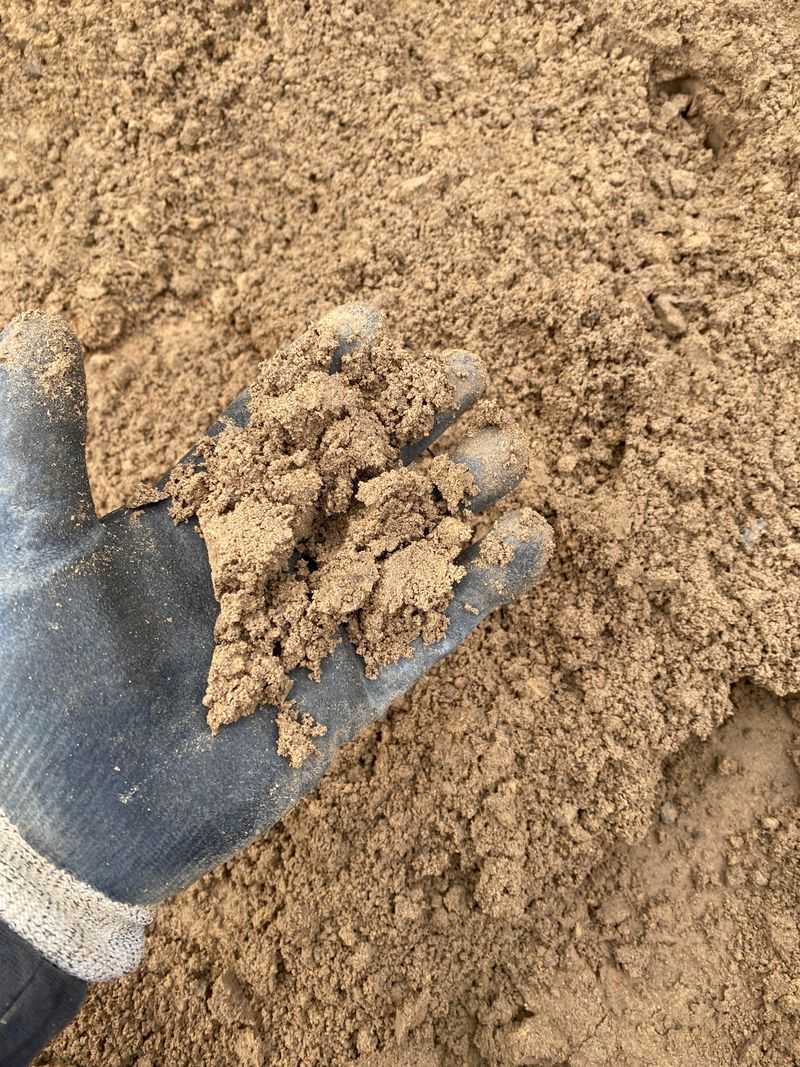
Mixing sand into clay sounds like genius until you watch your garden turn into a brick.
Most gardeners assume that adding gritty sand will loosen up that dense, sticky Maryland clay, but the science tells a completely different story.
When small sand particles combine with clay particles, they fill in the tiny air pockets that plants depend on for root growth.
The result is a soil mixture that behaves almost exactly like concrete.
It sets hard, drains poorly, and can suffocate roots faster than untreated clay.
Horticultural experts have repeated this warning for decades, yet bags of sand keep flying off garden center shelves every spring.
To actually make a difference, you would need to add an enormous amount of sand, roughly 50 percent of the total soil volume.
Most people add a few bags and call it done, which is precisely where the damage begins.
The fix is not sand at all; it is organic matter like aged compost or shredded leaves worked in repeatedly over time.
Patience beats a quick pour every single time when it comes to improving clay ground.
6. Fast-Release Fertilizer Is Doing More Damage Than You Think
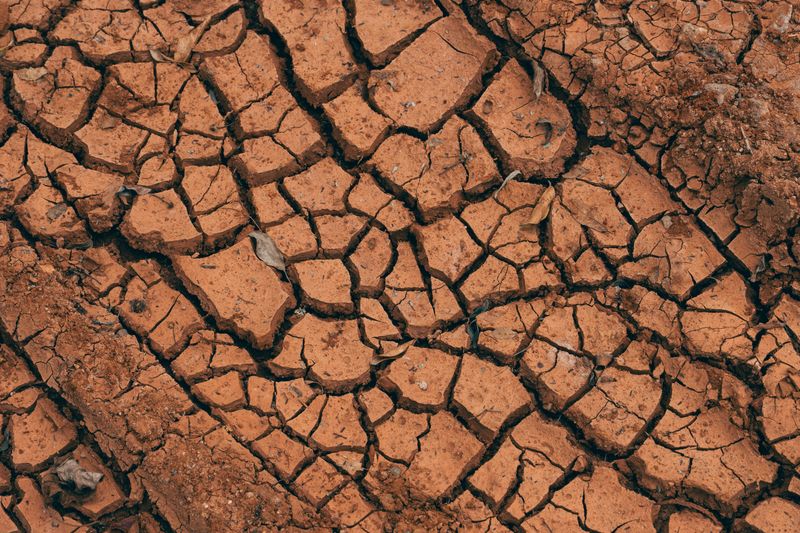
Fast-release fertilizers promise quick green growth, and they do deliver, at first.
The bright packaging and bold claims make them hard to resist when your garden looks pale and sluggish.
But in clay soil, those concentrated nutrient salts have nowhere to go and no way to flush through quickly.
Clay holds water and chemicals close, which means the salt buildup from fast-release products tends to accumulate around your plant roots.
That salt draws moisture out of the roots through osmosis, essentially pulling water away from the plant instead of feeding it.
Gardeners often describe the result as plants that look burned or scorched even when the weather has been mild.
The damage is invisible underground until the plant above starts to collapse.
By the time you see wilting and browning, the root system may already be seriously compromised.
Slow-release or organic fertilizers are a much better match for clay conditions because they break down gradually and do not create salt spikes.
Look for products labeled as slow-release or choose organic options like fish emulsion or composted bone meal.
Your plants will grow a little more slowly at first, but the roots will stay healthy and strong all season long.
7. Too Much Compost At Once Is Blocking The Water Your Garden Relies On
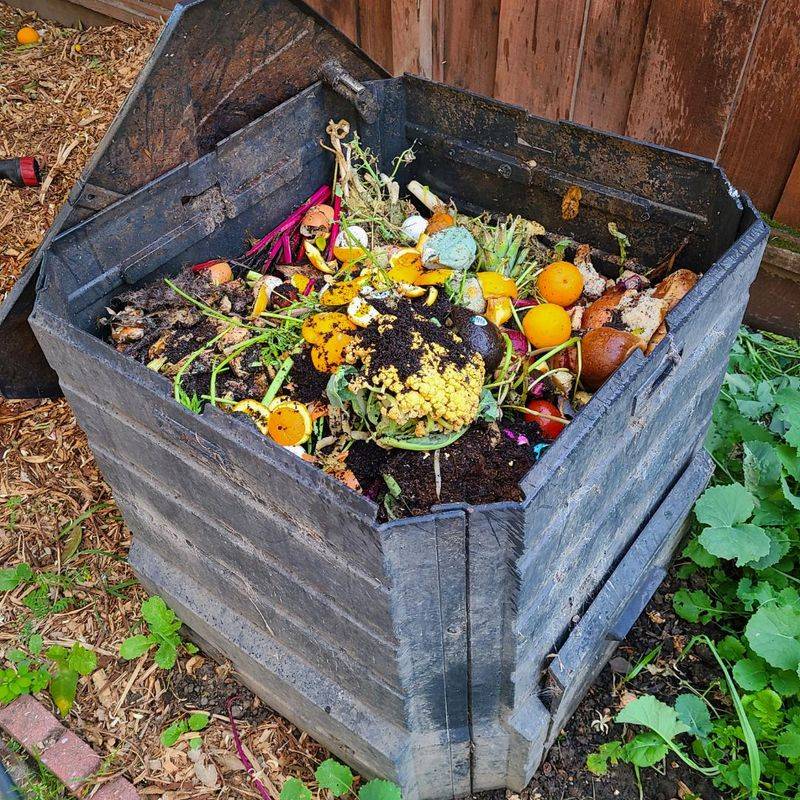
Compost is genuinely one of the best things you can add to clay soil, and that truth makes this warning easy to ignore.
If a little is good, surely more is better, right?
Unfortunately, dumping too much compost at one time creates a spongy, compacted layer that traps water above the clay instead of letting it move through.
Clay soil already struggles with drainage, and a thick compost layer sitting on top acts like a lid.
Rainwater pools between the compost and clay, roots sit in standing water, and rot sets in quickly.
Many gardeners who over-apply compost end up wondering why their plants look waterlogged even during dry spells.
The right approach is to work no more than two to three inches of compost into the top six to eight inches of soil at a time.
Do this once in spring and once in fall, letting each application fully integrate before adding more.
Over several seasons, the soil structure genuinely improves and drainage becomes noticeably better.
Maryland clay soil responds well to consistent, moderate organic matter additions, not dramatic one-time dumps.
Slow and steady won’t feel exciting in April, but by August your garden will make the argument for you.
8. Wood Ash Feels Like a Free Fix But It’s Quietly Wrecking Your Soil Chemistry
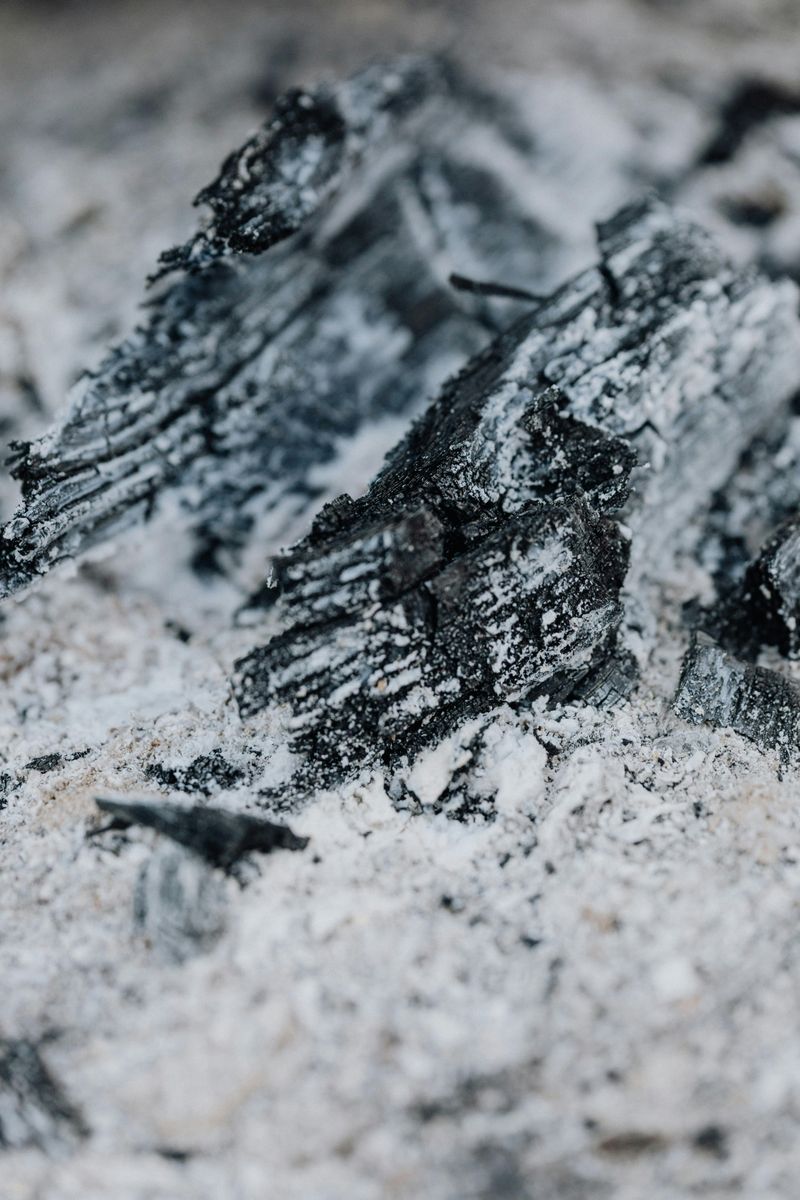
That bucket of ash sitting next to your firepit looks like liquid gold for the garden.
It’s free, it’s natural, and you’ve probably read somewhere that it feeds the soil.
And in the right place, it actually does.
But Maryland clay is not the right place.
Wood ash raises soil pH fast, far faster than lime, and with much less control.
Maryland clay already leans alkaline in many areas, and one heavy application of ash can push your pH so high that plants begin to struggle taking up nutrients.
Iron, manganese, and zinc get locked in the soil where roots cannot reach them.
Your plants sit surrounded by food they cannot eat.
The leaves go yellow, growth slows down, and no amount of watering or feeding seems to help.
What makes this worse is that ash looks like it disappears into the soil quickly, so gardeners often add more thinking the first round did nothing.
Each application compounds the problem without any visible warning sign until the damage is done.
If you have a fireplace or a fire pit, compost that ash separately or check your soil pH first before adding even a small amount.
A simple test strips kit costs just a few dollars and takes five minutes.
That five minutes could save your entire growing season.
9. Whole Leaves Look Like Free Compost But They’re Building a Wall Around Your Soil
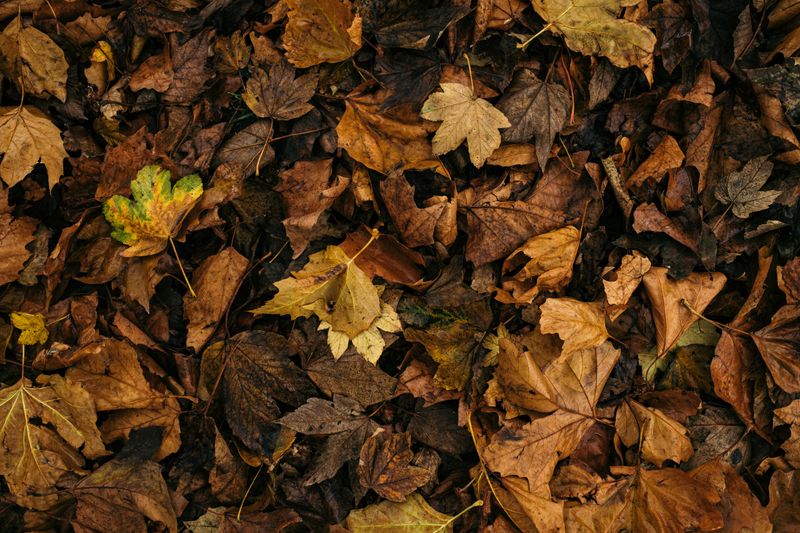
Every fall, Maryland yards fill up with leaves, and the temptation to rake them straight into the garden bed is very real.
It feels smart, even responsible.
Why bag them up when the garden is right there?
Here’s the problem.
Whole leaves mat down fast, especially when wet, and Maryland falls are rarely dry.
That matted layer becomes dense and tight, and water cannot push through it the way you’d expect.
Instead of soaking into the clay below, rain pools on top of the leaf layer and runs off to the sides.
Your soil stays dry underneath while the surface looks soaked.
Roots go looking for water and find none where it counts.
Whole leaves also break down slowly in Maryland’s cold winters, sitting on top of your soil for months without adding much value at all.
The fix is simple but it makes a real difference.
Run your mower over the leaves a few times before adding them to the garden.
Shredded leaves break down faster, do not mat together, and actually feed your soil through the winter months.
You get all the benefit of free organic matter without the drainage problem that whole leaves create.
Your fall cleanup just became one of the best things you do for your garden all year.