Those Fuzzy Brown Pods Dangling From Arizona Washes Belong To A Desert Tree You Walk Past Daily
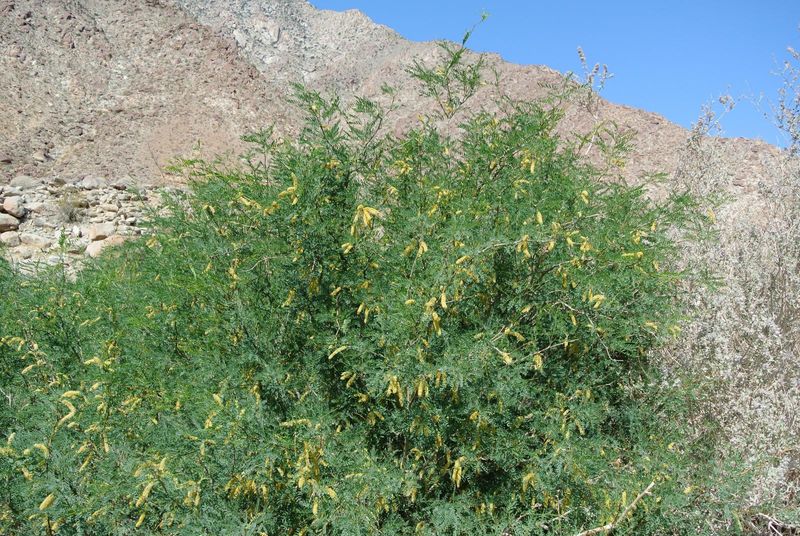
Those fuzzy tan pods hanging over Arizona washes have a name, and you have likely walked right under them. I have to admit, I used to wonder if they were some kind of odd desert bean.
They are close to that, and the tree behind them is a local legend. You might notice the pods now on every dry creek bed, and the full story is a fun one.
Velvet Mesquite Is the Likely Suspect
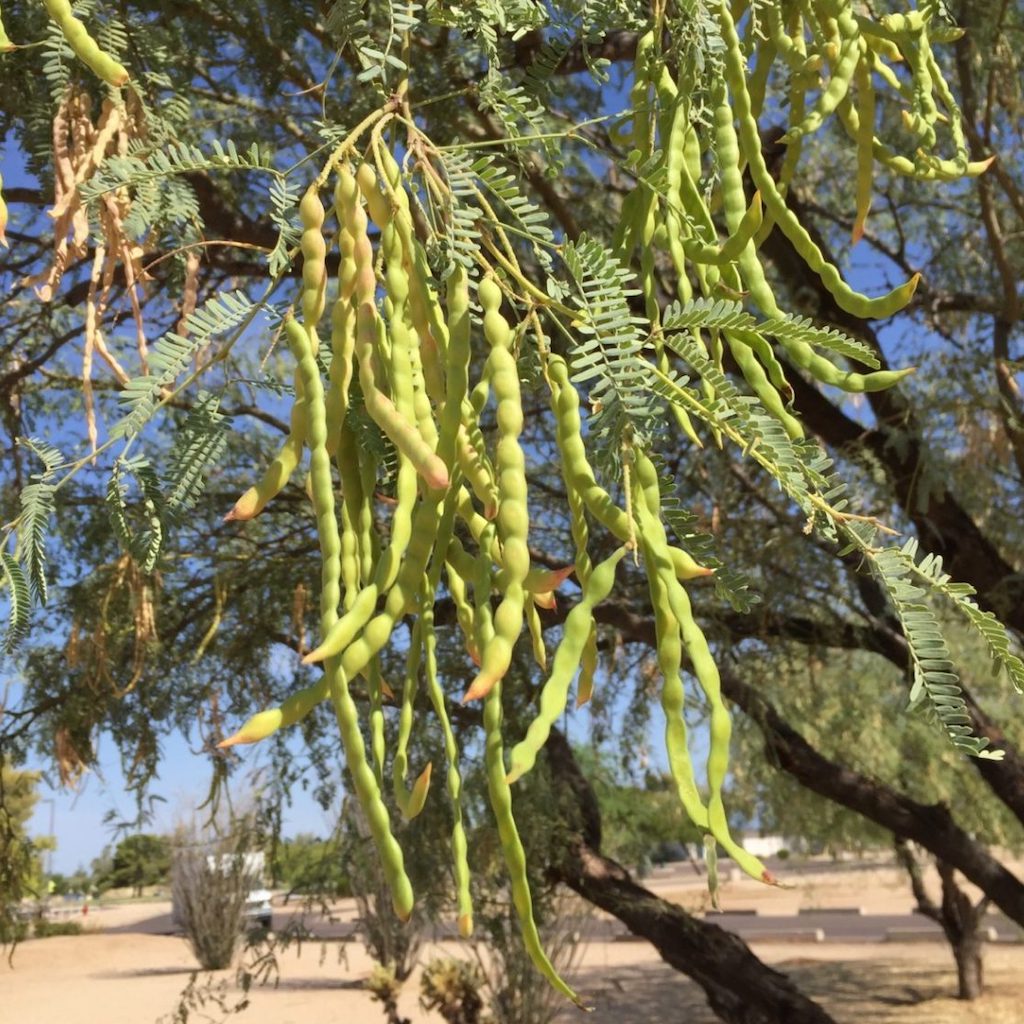
Here is my best guess for your roadside mystery: velvet mesquite. The tree is a common sight along central and southern Arizona washes, and National Park Service materials describe it as having fuzzy seed pods.
Botanists use two names for it. You will see velvet mesquite (Neltuma velutina, often listed as Prosopis velutina), and Kew’s plant database uses the first.
Older Arizona sources still use the second, so both names point to the same tree.
I call this a lead, not a verdict. A pod alone cannot prove the species, because Arizona has other mesquites with similar fruit.
The sections ahead show how to check the leaves, the pod shape, and the whole tree before you decide.
So the next time you pass a wash, slow down and look up. Velvet mesquite is the strongest suspect, and now you can test it yourself.
Read the Pods Alongside the Leaves
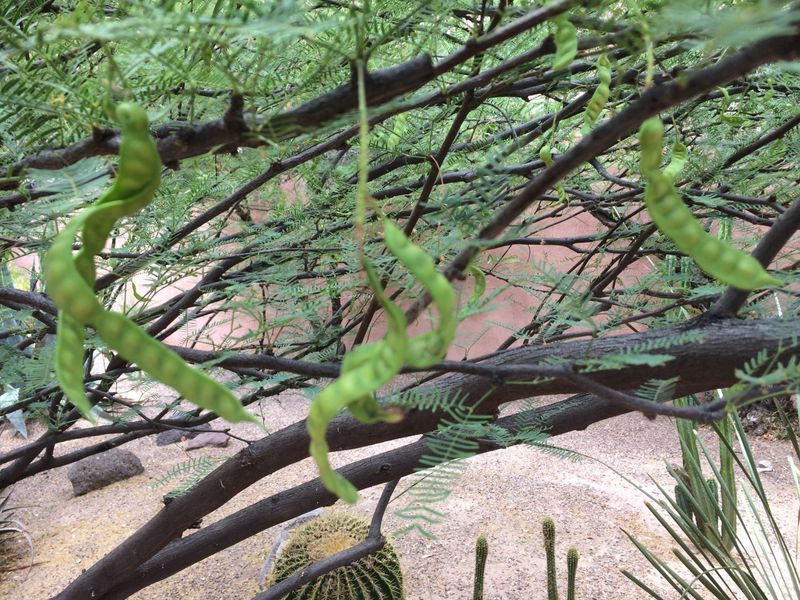
Pods make a fine first clue, but the leaves can back them up. Velvet mesquite has soft, fuzzy, gray-green leaflets, and you can feel the fuzz if you rub one gently between your fingers.
Check the young branches next. They may carry paired thorns, though not every twig will show them.
The pods are long and somewhat flattened, and colors run from tan and straw to reddish.
Length is a slippery clue. One University of Arizona Arboretum description gives about 3 to 4 inches, but other sources list wider ranges.
Treat any single number as a rough guide.
Color works the same way, since pods shift with age and sun. The trick is stacking clues.
Fuzzy leaves, a thorn or two, and flat pods together make a much stronger case than any one feature.
Three Mesquites Share Arizona
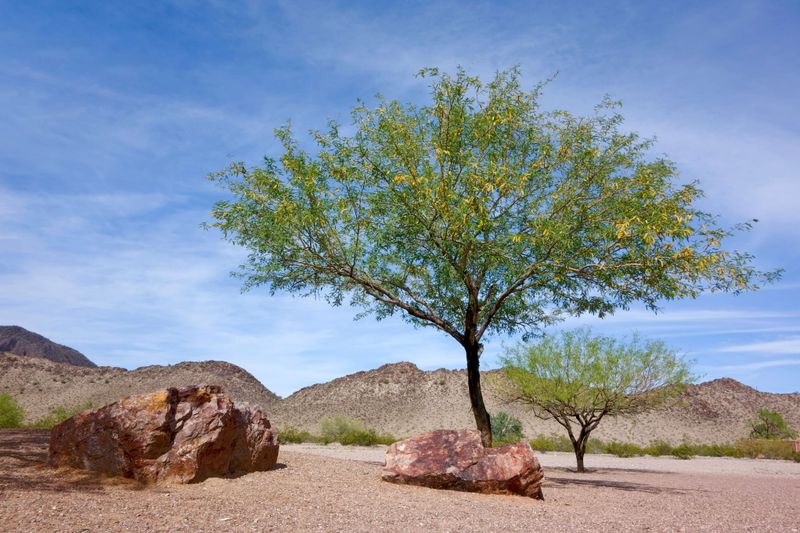
Arizona has three native mesquites: honey, screwbean, and velvet. That means the word mesquite alone does not name the tree, and a pod seen in isolation can fool you.
Screwbean is the easy one to spot. Its pods are tightly spiraled, like tiny twisted springs.
Velvet mesquite pods are generally flatter and straighter, or only slightly curved.
Honey and velvet are harder to separate. A University of Arizona Extension guide covers how the landscape mesquites differ, and the trees can look alike at a glance.
Overlap makes it messier. The Forest Service notes that hybrids and intermediate forms exist, so some trees will not fit neatly in either box.
A casual observer will not always resolve them, and that is perfectly fine.
If species matters to you, compare the leaves and the whole tree, not only the fruit.
Wash Habitat and Seasonal Clues
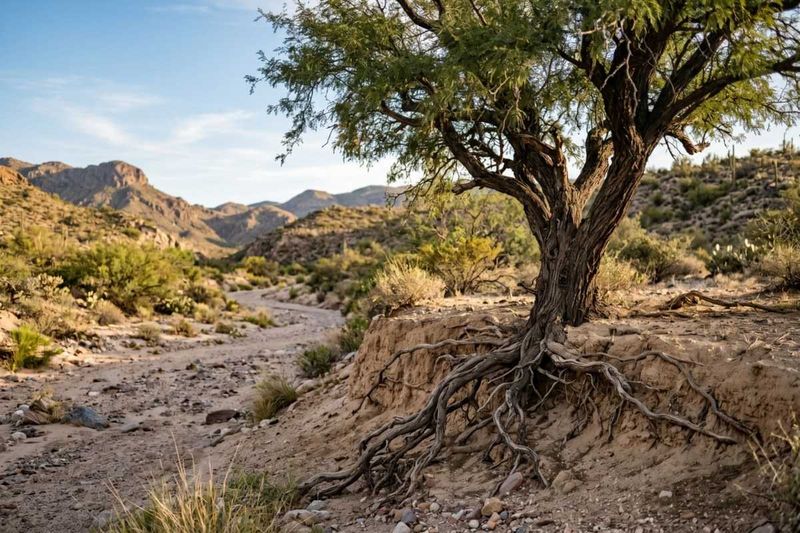
Washes are where velvet mesquite likes to live. The USDA Forest Service species review places it in central and southern Arizona, often along washes, intermittent streams, and larger watercourses.
That fits your roadside sightings. Still, a wash is a hint, not proof, since other trees and other mesquites grow there too.
Timing matters too. Pods generally mature in summer and often fall by September, and records stretch from June through October.
Some beans stay on the tree into winter.
So October pods are likely lingerers, not proof that October is the normal ripening time. A Tumacacori National Historical Park tree page is another place to check seasonal notes.
Pods also feed wildlife, including birds and mammals, and help spread seeds. I will not name specific visitors, but fallen pods near a wash are part of that cycle.
Food History Calls for Careful Harvesting
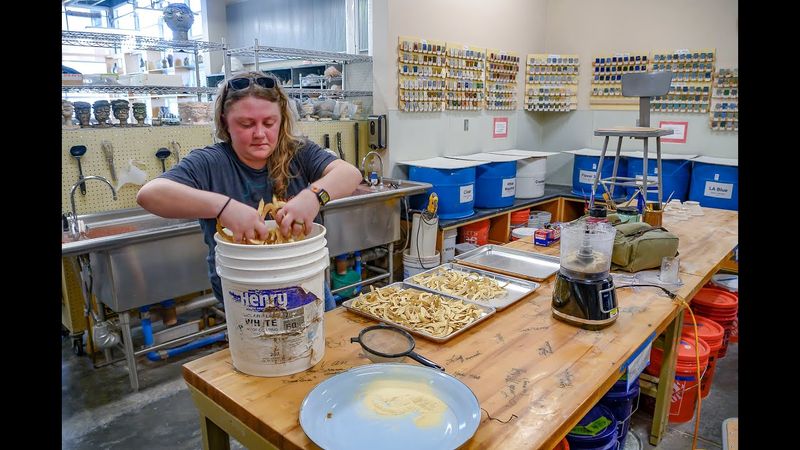
Mesquite pods have a long history as food for Indigenous peoples in this region. University of Arizona Extension notes the pods can be milled into flour.
A food history is not a green light to snack on any pod you pass. Species and condition both matter, so harvest with care.
The Extension advice is simple. Collect mature, brittle, dry pods straight from the tree, not from the ground, and discard any with holes or black spots.
The reason is aflatoxin, which can come from fungal contamination. The harvest and safety guidance explains the concern.
It does not say ordinary ripe pods are poisonous to people.
Roadside trees add other worries, so ask before you pick. For most of us, admiring the pods is the easy option.
A Familiar Tree in Low-Water Landscapes
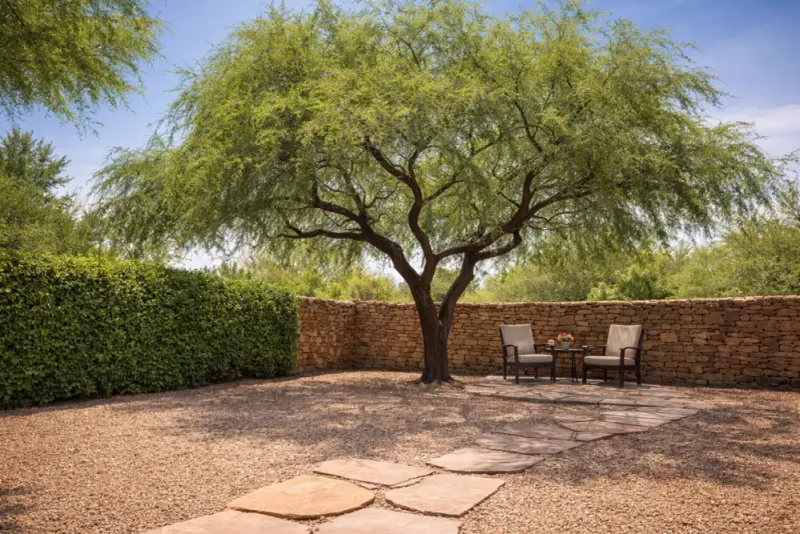
Velvet mesquite is a favorite in desert gardens for good reason. It is drought tolerant and suited to low-water landscapes, which makes it a natural match for Arizona yards.
Young trees still need establishment care. The University of Arizona Extension landscape guide notes that trees can grow much larger in deep soil with adequate water.
Do not count on roots finding groundwater by themselves. Rooting depends on soil, water, and site conditions, and a planted tree is not a no-irrigation promise.
Too much water, or water in the wrong spot, can also hurt. Guidance on watering trees and shrubs warns it can lead to weak roots or instability.
Seeing mesquite in a landscape can help you notice it. Still, check the leaves, pods, and whole tree.
The wash mystery was never really about one pod.