8 Desert Perennials Arizona Gardeners Plant Before Winter For A Yard Full Of Spring Butterflies
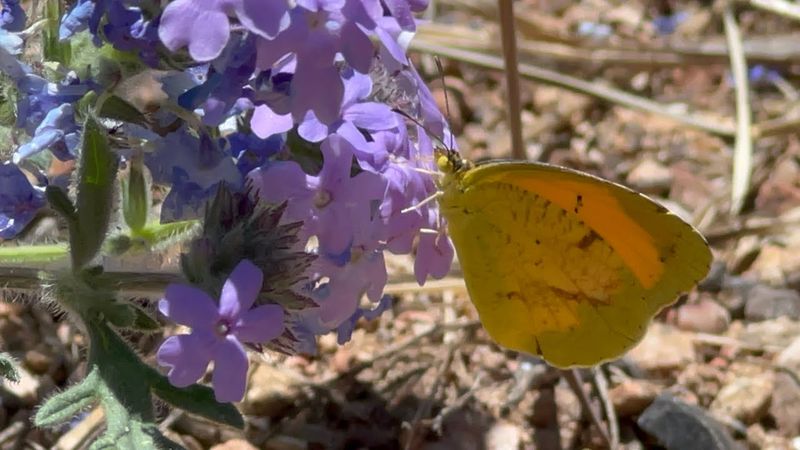
Fall is the secret planting season in the Arizona low desert, and smart gardeners use it to set up a spring full of fluttering wings. Plants that go in the ground in October or November have all winter to grow strong roots before the summer heat arrives.
By March, those same plants can be covered in nectar-rich blooms that pull in painted ladies, swallowtails, and other butterflies. Here are eight tough, water-wise perennials that turn a dry yard into a living butterfly stop.
1. Penstemon
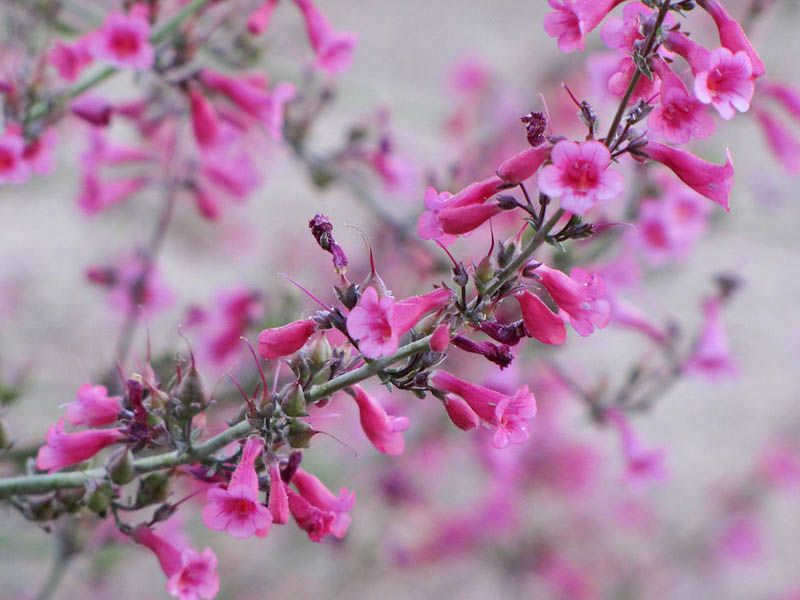
Picture a February morning in Tucson when most of the yard still looks sleepy, yet tall wands of pink and red flowers are already buzzing with visitors. Penstemon is the early riser of the desert garden, and that head start is exactly why it earns the first spot here.
Species like Parry’s penstemon, firecracker penstemon, and desert beardtongue bloom from about February through April. Their tubular flowers hold rich nectar that can feed the first butterflies of the season, plus hummingbirds heading north.
When few other plants are flowering, that early food source matters a lot.
Plant penstemon in fall in full sun with fast-draining soil. Heavy, soggy ground is its biggest enemy, so skip rich amendments and mix in a little gravel if your soil holds water.
Give regular drinks the first winter, then taper off once the plant settles in.
Here is a fun bonus: penstemons tend to reseed on their own. Let a few flower stalks dry out and drop seed, and you may find new seedlings popping up next fall.
Many gardeners treat them as short-lived perennials that keep renewing themselves, which means a patch that grows fuller year after year with almost no effort from you.
2. Brittlebush
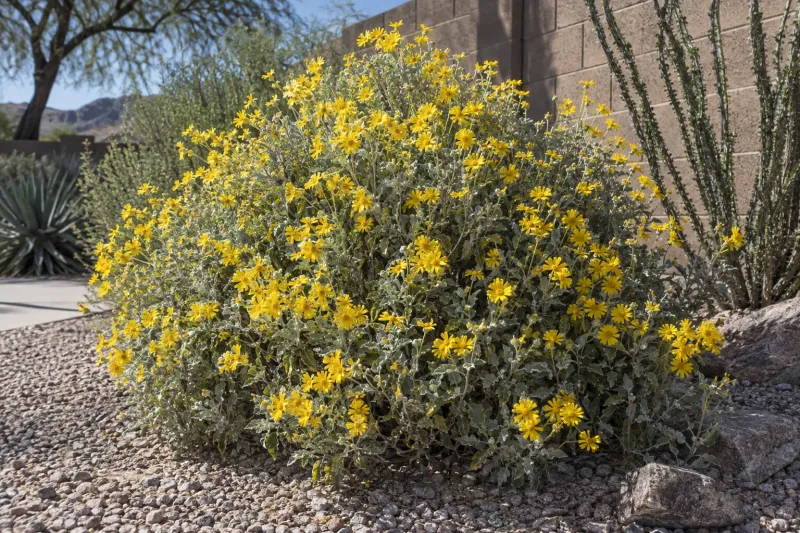
Drive past any desert hillside near Phoenix in March and you will spot great golden mounds glowing against the rocks. That is brittlebush, a native that basically paints the Sonoran Desert yellow each spring.
What sets brittlebush apart is how little it asks for. Its silvery leaves are covered in fine hairs that reflect sunlight and help the plant hold onto moisture.
Once established, it can get by on rainfall alone in many low-desert yards, making it one of the most water-thrifty choices on this list.
The daisy-like blooms rise on long stems above the foliage and draw in butterflies, native bees, and other pollinators. A cluster of three or five plants creates a bright feeding zone that butterflies can spot from a distance.
Plant in fall in full sun, ideally somewhere with good drainage and plenty of heat. Avoid overwatering, since too much moisture can make brittlebush leggy and short-lived.
After spring bloom fades, a light trim keeps it tidy.
Did you know? Early desert travelers reportedly used the plant’s resin as a glue and even burned it as incense.
The common name comes from its brittle stems, which snap easily if you bump them.
3. Globe Mallow
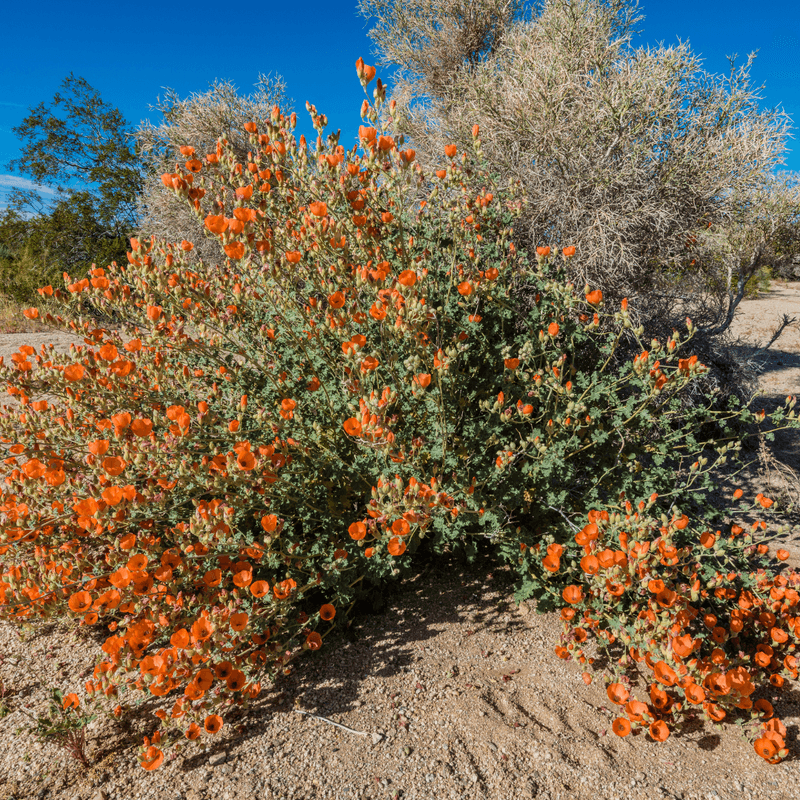
Caliche soil has broken plenty of gardeners’ spirits, but globe mallow shrugs it off like it was built for the job. Honestly, it was.
Your Arizona Garden Changes Every Week. Your Plan Should Too.
Gardening in Arizona changes quickly throughout the season. Every Friday you’ll receive a simple weekly plan showing exactly what to plant, prune, fertilize, harvest, and protect so you never miss the right timing.
This tough native grows happily in alkaline, rocky, and hard-packed ground where fussier plants struggle.
The flowers are small apricot-orange cups, though you can also find pink, red, lavender, and white forms. They show up in huge numbers in spring, and with a little water the plant can keep flowering on and off into November.
Butterflies, moths, native bees, and hummingbirds all tend to visit.
Globe mallow also has a special role for butterflies beyond nectar. It is a host plant for some species, like the common checkered skipper and painted lady caterpillars, so a few chewed leaves are actually a good sign.
Your yard becomes a nursery, not just a snack bar.
Give it full sun and well-drained soil when planting in fall. Water every week or two the first winter, then cut back sharply once it is established.
In early summer, shear it back by about a third to encourage fresh growth.
Just a heads-up: the fuzzy leaves can bother sensitive skin, so wear gloves when you prune.
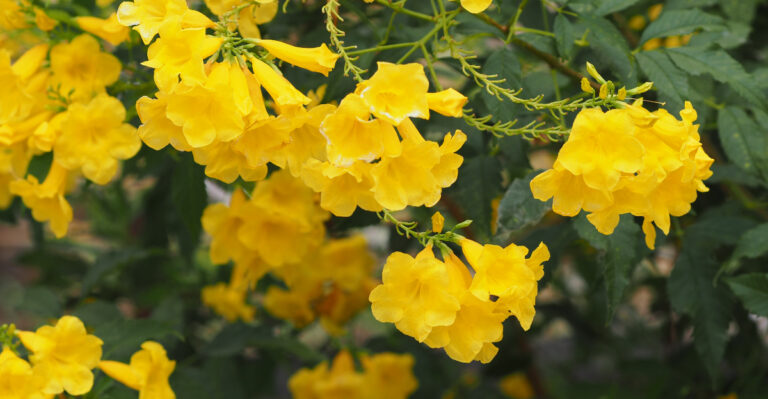
4. Desert Willow
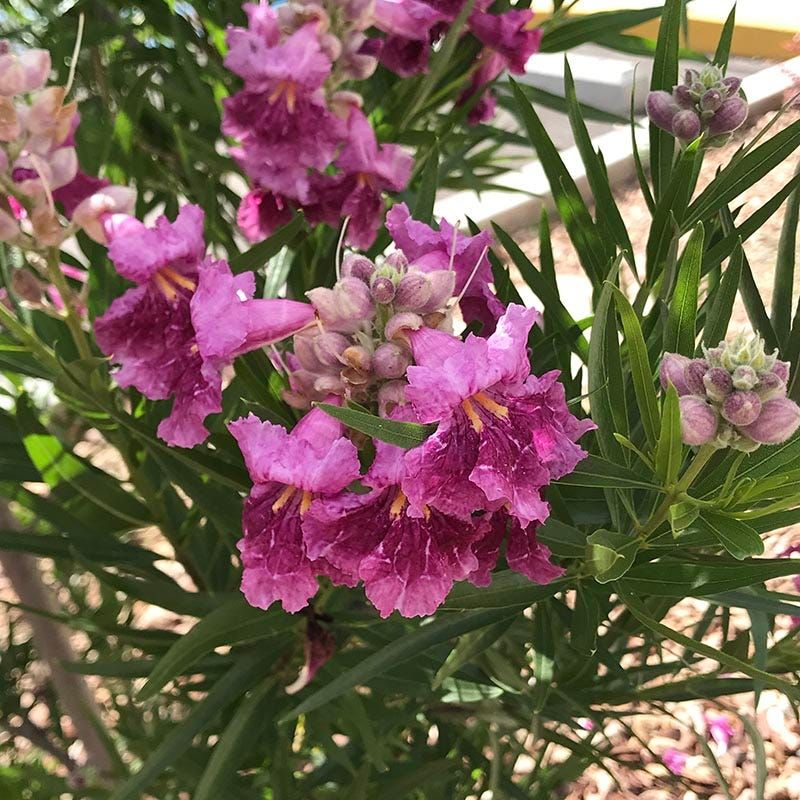
Want butterflies and a patch of shade in the same plant? Desert willow delivers both, which is why it stands out on a list that is mostly shrubs and groundcovers.
Despite the name, it is not a willow at all. It is related to trumpet vines and catalpas, and its slim leaves just resemble willow foliage.
Growing about 15 to 25 feet tall, it works as a small tree or multi-trunk shrub that casts light, filtered shade over a patio or west-facing wall.
From late spring through summer, fragrant trumpet-shaped flowers in white, pink, lavender, or deep burgundy cover the branches. Butterflies, carpenter bees, and hummingbirds tend to flock to them.
Because it blooms later than penstemon and brittlebush, desert willow helps stretch your butterfly season deep into the hot months.
Fall planting is ideal since the tree has time to root before summer. Choose full sun and water deeply but infrequently to encourage deep roots.
Once established, it handles 110-degree days and reflected heat with ease.
Look for seedless varieties like Bubba or Timeless Beauty if you prefer less cleanup. Being deciduous, it drops its leaves in winter and lets warm sunlight reach your home when you want it most.
5. Goodding’s Verbena
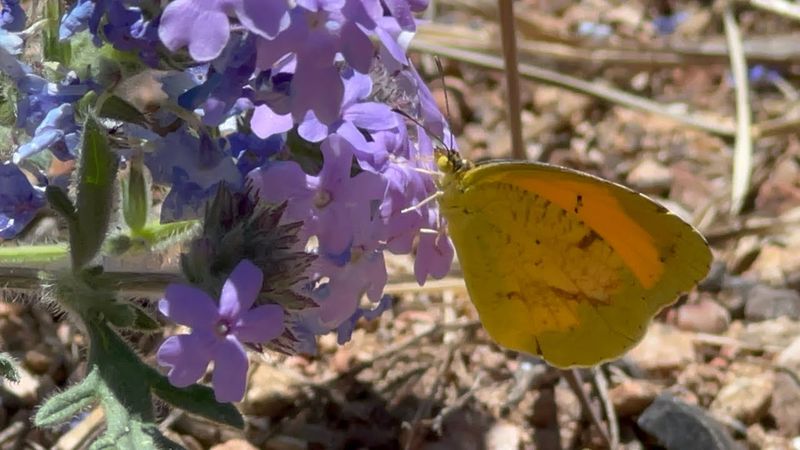
If butterflies had a favorite restaurant in the Arizona desert, Goodding’s verbena might be it. Gardeners often say it seems to have more wings hovering over it than almost anything else in the yard.
This native forms a soft, low mound about a foot tall and topped with rounded clusters of lilac-purple flowers. The blooms are fragrant and shaped perfectly for butterfly tongues, so swallowtails, skippers, and painted ladies can sip easily.
Native bees like them too.
The main show comes in spring, but with a little extra water during the hottest weeks, it can keep blooming through fall. It loves heat, yet it is also surprisingly cold-hardy, handling temperatures down to around 0 degrees.
That makes it a dependable pick from Phoenix to higher desert towns.
Plant it in fall along walkways, at the front of beds, or spilling over a low wall. Good drainage is a must, and low to moderate water keeps it happy.
Avoid planting in heavy shade, where blooms get sparse.
Plants can be short-lived, often lasting just a few years, but they reseed readily. Leave some spent flowers in place, and a fresh generation will usually take over without any replanting on your part.
6. Desert Marigold
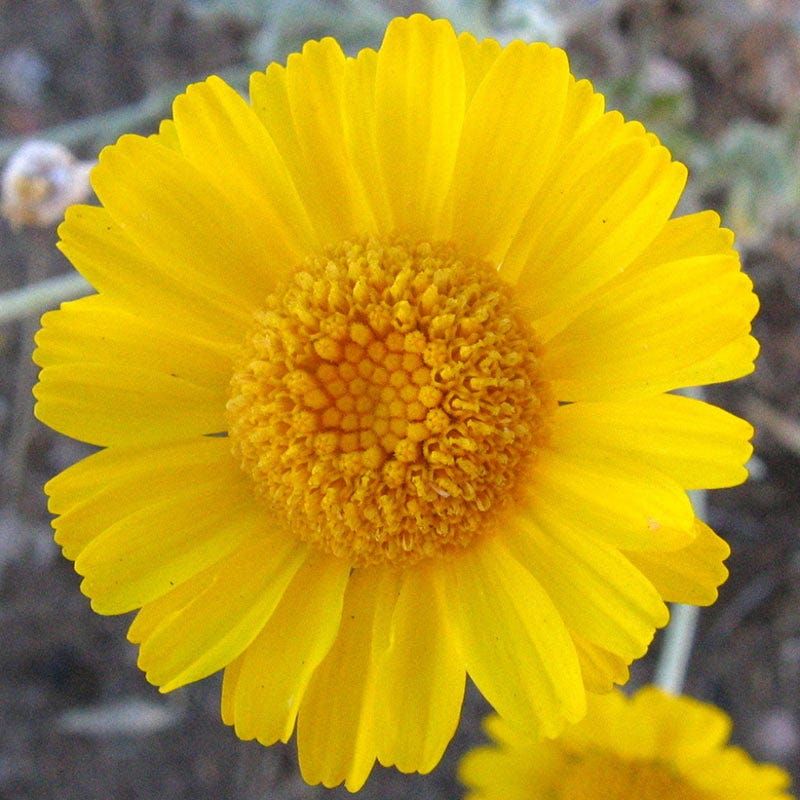
Cheerful is the only word for desert marigold. Its sunny yellow flowers bob on long stems above woolly gray leaves, and they seem to bloom as if nobody told them they live in one of the hottest places in the country.
Small butterflies, especially sulphurs and blues, along with native bees, are frequent visitors. The flowers are layered with extra petals, giving them a full, button-like look that brightens dry corners where little else will grow.
The biggest wave of color arrives in spring, but desert marigold can rebloom into fall, especially after monsoon rains. It needs very little water and actually prefers lean, sandy, fast-draining soil.
Rich garden beds and frequent watering can shorten its life.
For best results, scatter a few plants along a gravel path, a dry wash, or near the street where sprinklers rarely reach. Fall planting gives roots a cool season to settle in before blooming begins.
You can even sow seeds directly in fall for a natural, meadow-like look.
Fun fact: the stems and leaves are coated with fine white hairs that help shield the plant from intense sun. It is a little built-in sunscreen, and it works beautifully in the low desert.
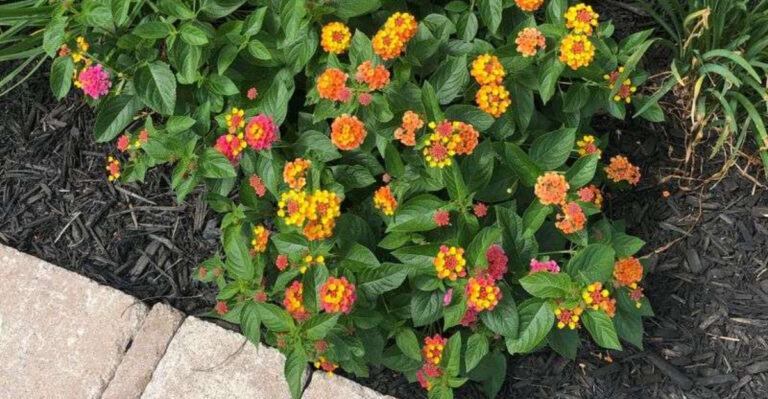
7. Trailing Lantana
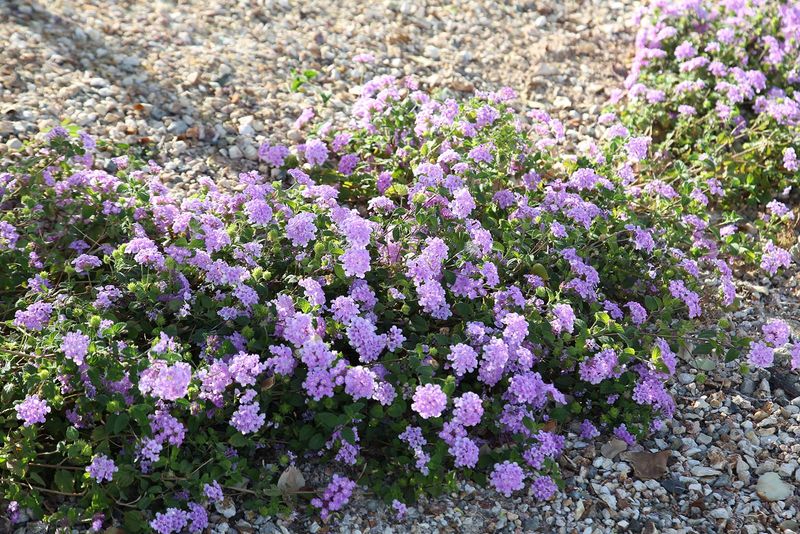
Some plants bloom for a season. Purple trailing lantana seems to bloom for most of the year, which is why it has become a staple in Phoenix front yards and commercial landscapes alike.
This spreading groundcover forms a dense mat covered in clusters of lavender-purple flowers from spring through fall. In warm microclimates, such as near a south-facing wall, it can keep flowering into winter.
Monarchs, swallowtails, painted ladies, and plenty of bees tend to make regular stops.
While not a desert native, trailing lantana is well adapted to low-desert conditions and handles brutal heat and reflected sun without complaint. It grows in many soil types, needs little water once settled, and covers bare ground quickly, which helps cut down on dust and weeds.
Plant it in fall so it can spread before summer. One plant can stretch several feet wide, so space them generously.
Hard frosts may brown the foliage, but it typically bounces back in spring after you trim off the damaged growth.
A quick tip: use lantana where you need a long-blooming filler between natives. Pairing it with globe mallow or verbena gives butterflies a steady buffet, even during the gaps when native plants take a rest.
8. Baja Fairy Duster
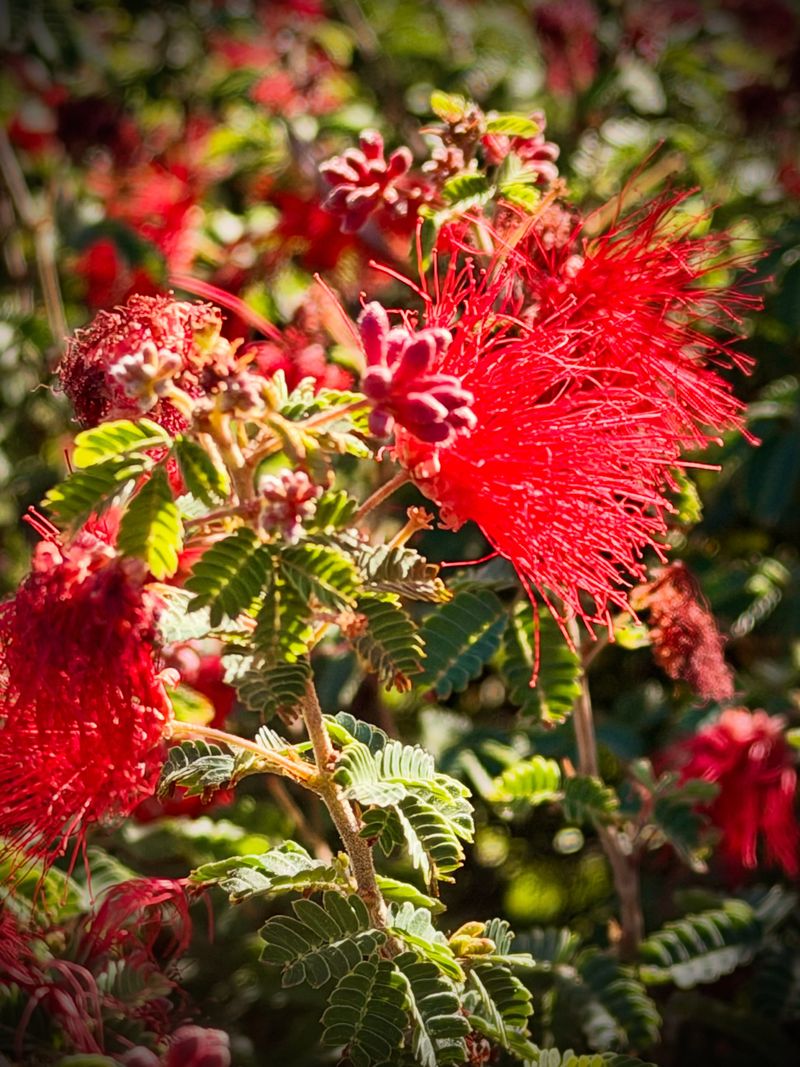
Bright red pompoms that look like tiny feather dusters? Kids love them, and so do butterflies.
Baja fairy duster is the showpiece that ties this whole butterfly garden together.
Technically a shrub, it is often used like a flowering perennial in desert beds. Its fluffy red blooms appear almost year-round in the low desert, with the heaviest flushes in spring and fall.
Butterflies, native bees, and hummingbirds visit often, making it one of the busiest spots in any yard.
What really makes it unique is how well it handles tough spots. Baja fairy duster tolerates reflected heat from walls, driveways, and pool decks, places that would scorch many other plants.
It grows about four to five feet tall and wide, with fine, feathery leaves that add soft texture.
Fall is an excellent time to plant. Choose full sun to light shade, water regularly the first year, then cut back to occasional deep soakings.
Protect young plants if a hard freeze is forecast, since temperatures in the mid-20s can damage new growth.
For the biggest payoff, plant it where you can see it from a window. Watching butterflies and hummingbirds work those red puffs on a spring morning never gets old.